Introduction to Pathophysiology and Pharmacology I Patrick Heyman
- Slides: 33
Introduction to Pathophysiology and Pharmacology I Patrick Heyman, Ph. D, ARNP
Important Concepts • Pathology: Study of Disease • Pathophysiology – Patho: suffering, disease – Physiology: function of body – Normal – Disease
Development of Disease • Etiology • Pathogenesis • Manifestations
Etiology • • • Inherited or familial Congenital Toxic Infectious Traumatic Degenerative
Pathogenesis • Natural History
Manifestations/Clinical Features • • Morphology Subclinical Symptoms Signs – Lesion • Sequela(e) • Complications • Resolution
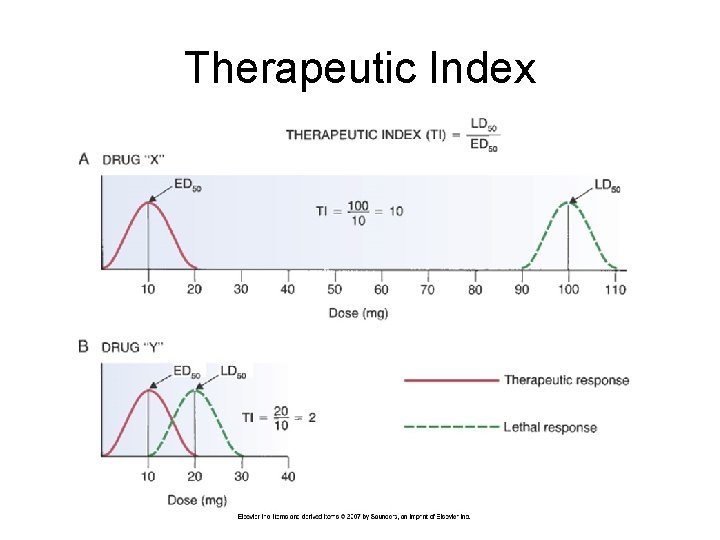
Important Concepts Cont • • • Drug, Prodrug Pharmacology Pharmacotherapeutics Effectiveness Safety: Therapeutic Range and Index Selectivity Reversible action Predictability Administration
Important Concepts Cont • • Interactions Cost Chemical Stability Name: Generic, Trade, Chemical, Experimental • Therapeutic Objective
Intensity of Drug Response • Administration – Route – Medication errors – Patient Compliance • Pharmacokinetics – Absorption – Distribution – Metabolism – Excretion
Intensity of Drug Response • Pharmacodynamics – Drug-receptor interaction – Patient’s functional state – Placebo effects • Individual Variation – Physiologic variables – Pathologic Variables – Genetic variables – Drug interactions
Nursing Responsibilities (the pitcher and the catcher) • Pre-administration assessment – Baseline data – Stratification of risk • Planning and Implementation: Dosage and Administration – Five Rights – Understand the correct dosing range – Appropriate safety measures
Nursing Responsibilities • Evaluating and Promoting Therapeutic Effect – Evaluating Therapeutic Response – Promoting compliance/adherence – Implementing non-drug measures • • • Minimize Adverse Effects Minimize Adverse Interactions PRN decisions Managing Toxicity Patient education
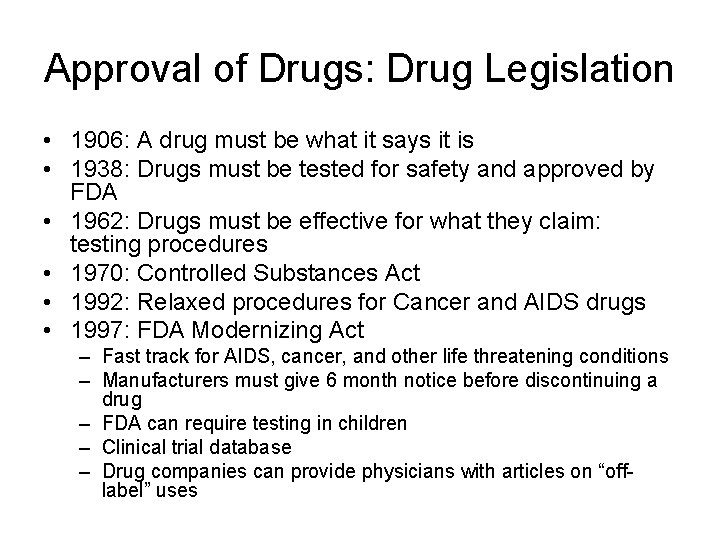
Approval of Drugs: Drug Legislation • 1906: A drug must be what it says it is • 1938: Drugs must be tested for safety and approved by FDA • 1962: Drugs must be effective for what they claim: testing procedures • 1970: Controlled Substances Act • 1992: Relaxed procedures for Cancer and AIDS drugs • 1997: FDA Modernizing Act – Fast track for AIDS, cancer, and other life threatening conditions – Manufacturers must give 6 month notice before discontinuing a drug – FDA can require testing in children – Clinical trial database – Drug companies can provide physicians with articles on “offlabel” uses
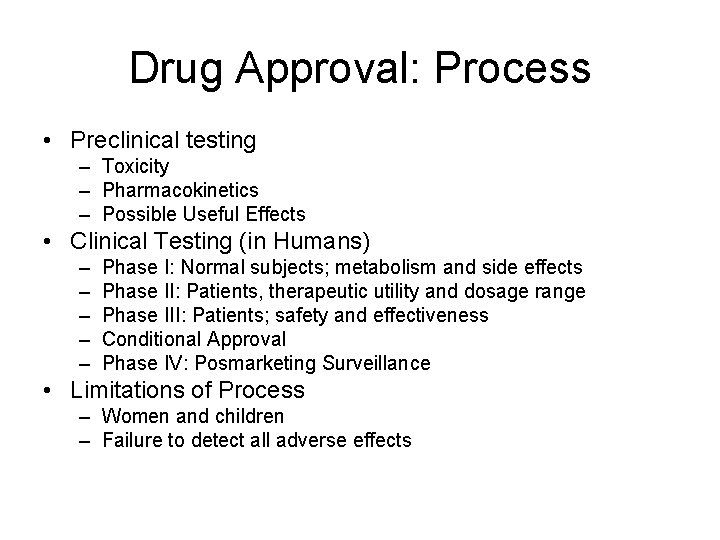
Drug Approval: Process • Preclinical testing – Toxicity – Pharmacokinetics – Possible Useful Effects • Clinical Testing (in Humans) – – – Phase I: Normal subjects; metabolism and side effects Phase II: Patients, therapeutic utility and dosage range Phase III: Patients; safety and effectiveness Conditional Approval Phase IV: Posmarketing Surveillance • Limitations of Process – Women and children – Failure to detect all adverse effects
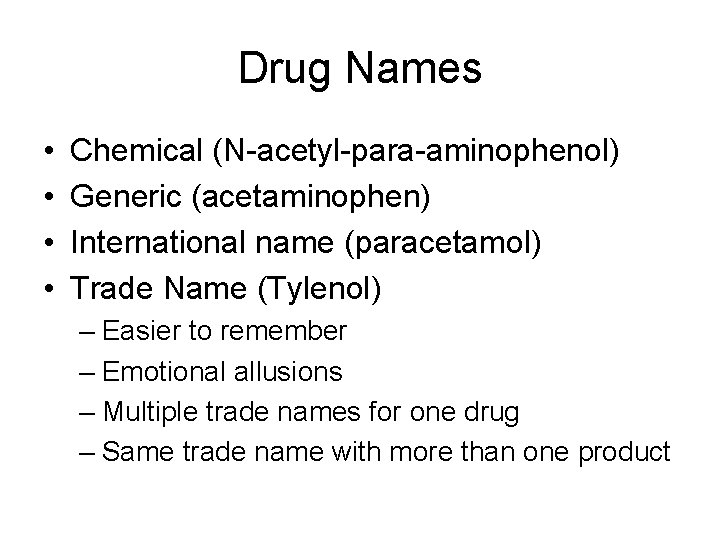
Drug Names • • Chemical (N-acetyl-para-aminophenol) Generic (acetaminophen) International name (paracetamol) Trade Name (Tylenol) – Easier to remember – Emotional allusions – Multiple trade names for one drug – Same trade name with more than one product
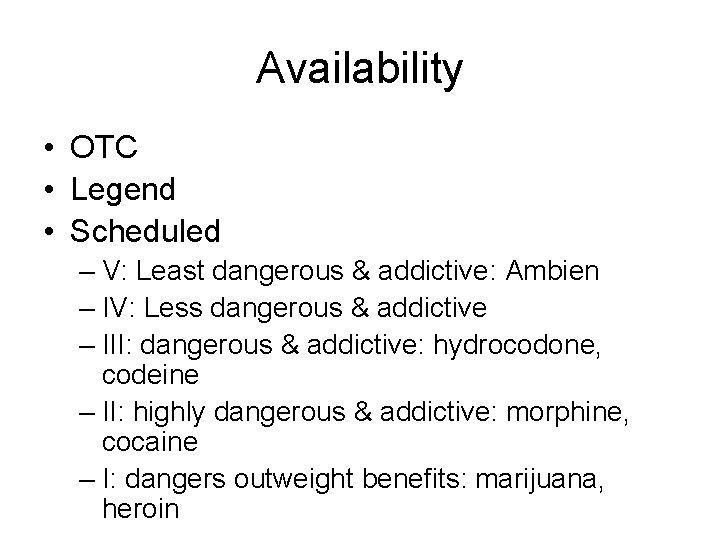
Availability • OTC • Legend • Scheduled – V: Least dangerous & addictive: Ambien – IV: Less dangerous & addictive – III: dangerous & addictive: hydrocodone, codeine – II: highly dangerous & addictive: morphine, cocaine – I: dangers outweight benefits: marijuana, heroin
Ways to cross a cell membrane • Channels and Pores • Transport systems • Direct penetration of membrane – must be lipid soluble – Polar molecules – Ions
Pharmacokinetics • Absorption – movement of drug from site of administration to blood – – – Rate of dissolution Surface area Blood flow Lipid solubility p. H partitioning • Distribution • Metabolism • Excretion
Absorption: Routes of Administration • Enteral – gastrointestinal (mouth, rectum, tubes) • First Pass Effect • Parenteral – injection (IM, IV, SC) • Topical • Transdermal • Inhaled • Vaginal
Drug Distribution • Blood flow to tissues • Exiting the Vascular system – Typical Capillary Beds – Blood-Brain Barrier – Placental Drug Transfer – Protein Binding – Entering Cells
Metabolism • Hepatic Drug-Metabolizing System • P 450 cytochrome system – hepatic microsomal enzyme system • Therapeutic Consequences of Drug Metabolism – Accelerated Renal Drug Excretion – Drug Inactivation – Increased Therapeutic Action – Activation of prodrug – Increased or Decreased Toxicity
Metabolism • Considerations – Inductions of P 450 system – Competition between drugs – First Pass Effect – Nutritional status
Drug Excretion • Removal of Drug from the body (urine, sweat, bile, saliva, breast milk, lungs) – Renal Drug Excretion • Glomerular Filtration • Passive Tubular Reabsorption • Active Tubular Secretion – Breast Milk – Bile
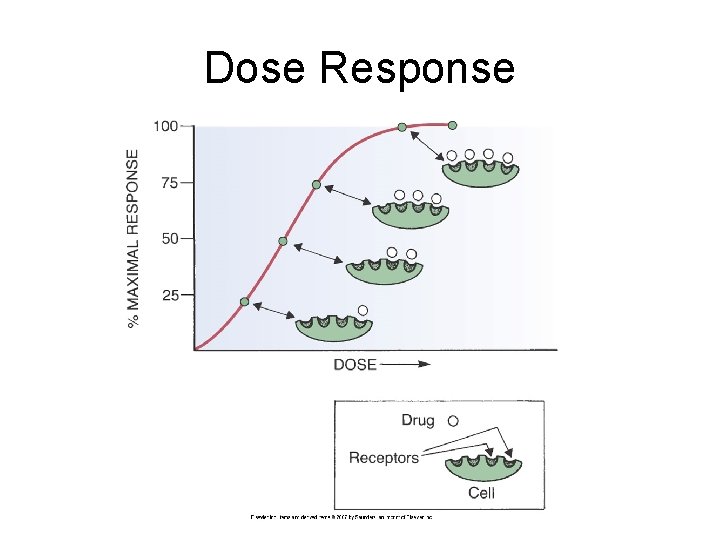
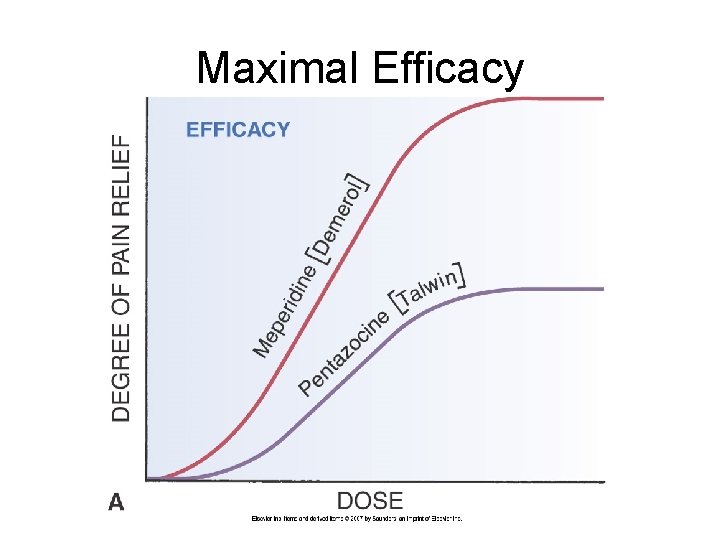
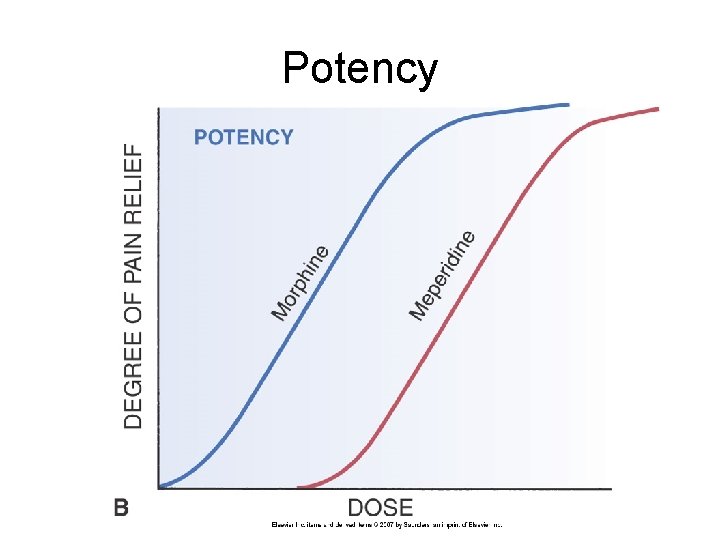
Pharmacodynamics • Dose – Response Relationships – Maximal Efficacy – Potency • Drug – Receptor Interactions – Receptor-Types – Selectivity – Theories – Mode of Action
Dose Response
Maximal Efficacy
Potency
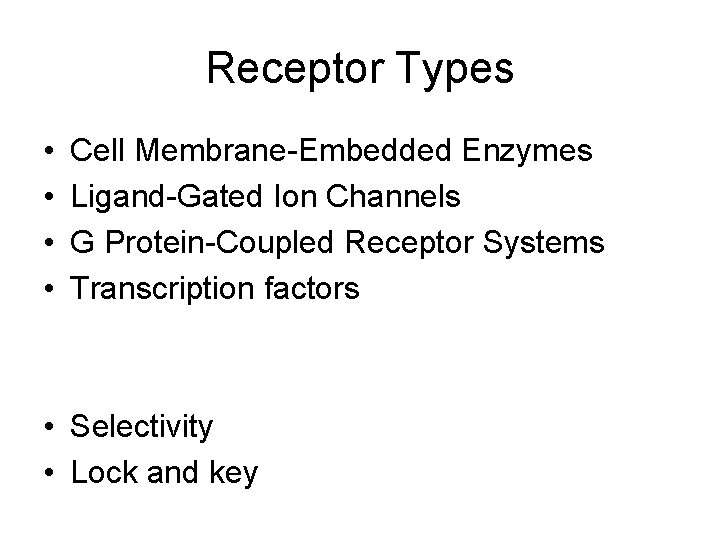
Receptor Types • • Cell Membrane-Embedded Enzymes Ligand-Gated Ion Channels G Protein-Coupled Receptor Systems Transcription factors • Selectivity • Lock and key
Mode of Action • • Agonists Antagonists Partial Agonists Regulation of Sensitivity
Therapeutic Index
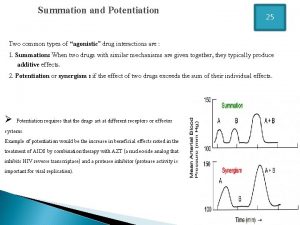
Drug Interactions • Drug-Drug Interactions – Intensification: Effect and/or Adverse Effects – Reduction • Food-Drug Interaction – Absorption – Metabolism – Toxicity – Action • Food-Herb Interactions
Adverse Effects • • Side Effect Toxicity Allergic Reaction Idiosyncratic Iatrogenic Physical Dependence Carcinogenic Teratogenic
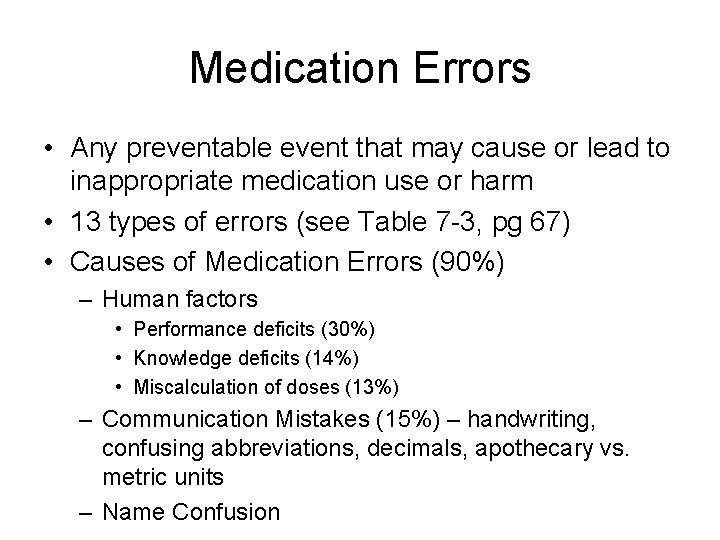
Medication Errors • Any preventable event that may cause or lead to inappropriate medication use or harm • 13 types of errors (see Table 7 -3, pg 67) • Causes of Medication Errors (90%) – Human factors • Performance deficits (30%) • Knowledge deficits (14%) • Miscalculation of doses (13%) – Communication Mistakes (15%) – handwriting, confusing abbreviations, decimals, apothecary vs. metric units – Name Confusion