IA 1 Genre patterns and conventions Grace Loyden


- Slides: 21
IA 1: Genre patterns and conventions Grace Loyden Townsville Grammar School 18 th August 2018
Grace Loyden Head of Faculty Townsville Grammar School grace. loyden@tgs. qld. edu. au
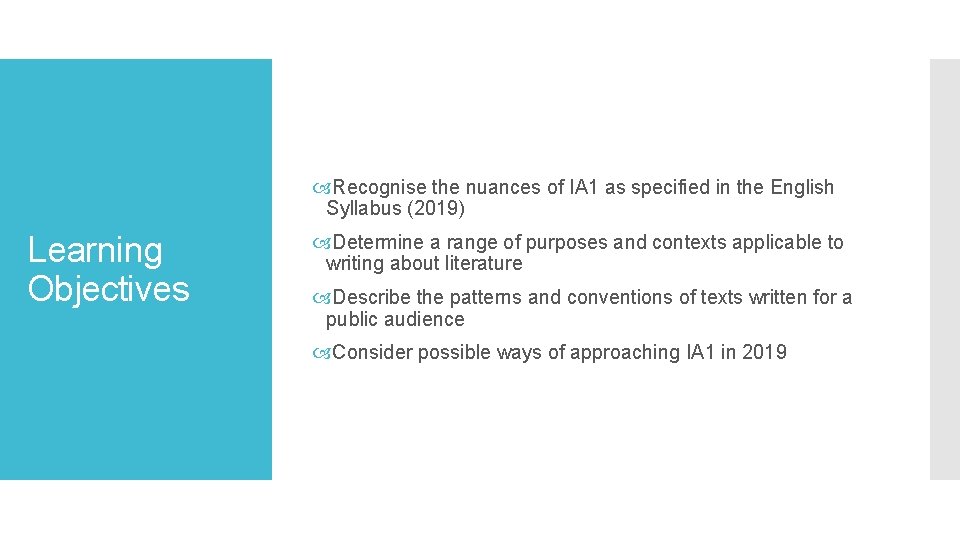
Recognise the nuances of IA 1 as specified in the English Syllabus (2019) Learning Objectives Determine a range of purposes and contexts applicable to writing about literature Describe the patterns and conventions of texts written for a public audience Consider possible ways of approaching IA 1 in 2019
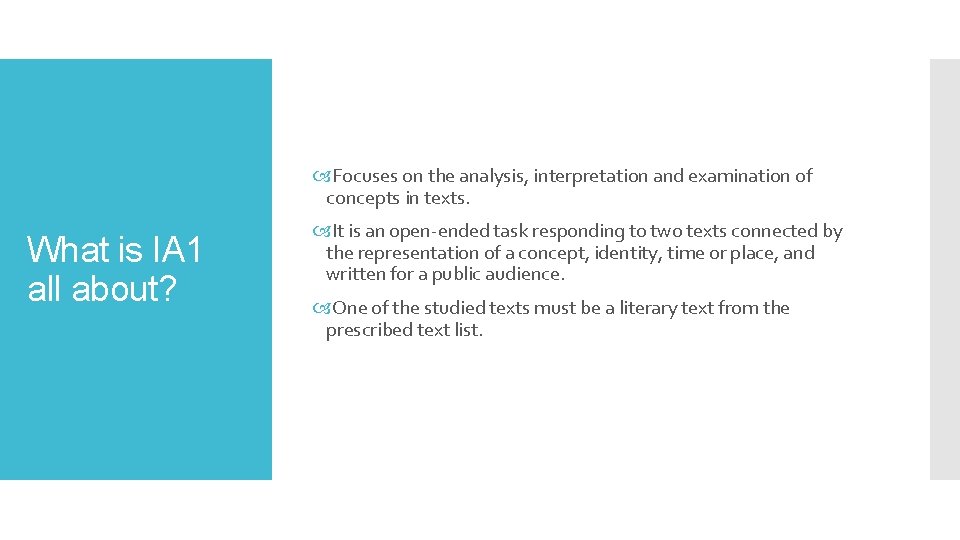
Focuses on the analysis, interpretation and examination of concepts in texts. What is IA 1 all about? It is an open-ended task responding to two texts connected by the representation of a concept, identity, time or place, and written for a public audience. One of the studied texts must be a literary text from the prescribed text list.
Students offer a considered perspective, positioning the reader to think about the texts in particular ways and in relation to one another. While the primary purpose of the response is to analyse the representations in the two texts, engaging public audiences in media texts may involve elements of creative, reflective and persuasive writing. Students are to write a media text such as an article, essay, blog or column for an online publication or an article, essay or column for a print publication.
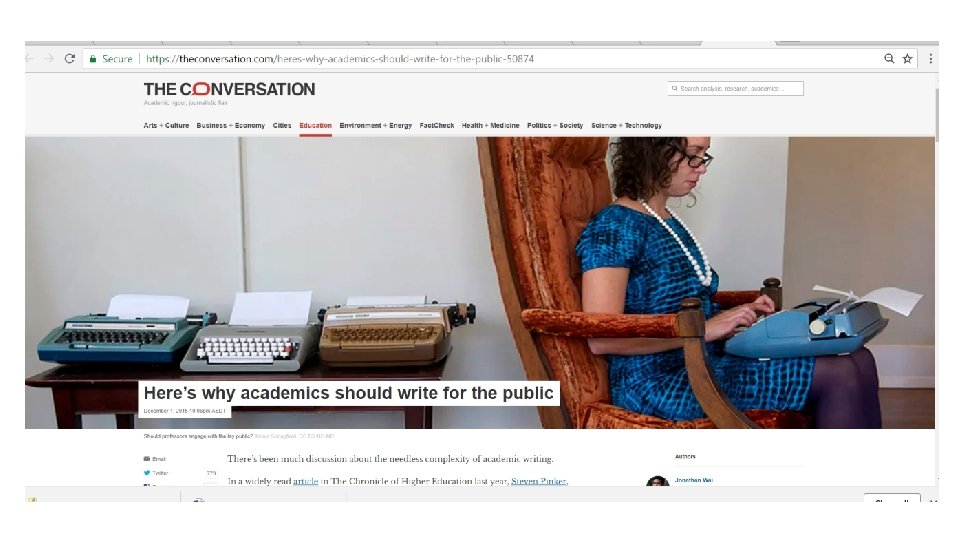
academic writing is “turgid, soggy, wooden, bloated, clumsy, obscure, unpleasant to read, and impossible to understand. ” the first step in improving academic writing is to learn to reduce the jargon academics use and express concepts clearly. Many academics, including us, now realize that if we want to reach people who might benefit from our research, we have to step out of the ivory tower. We academics need to enter the discussion that the rest of the world engages in every day.
Genre Patterns & Conventions
ETAQ PresentationETAQ Townsville notes. pdf
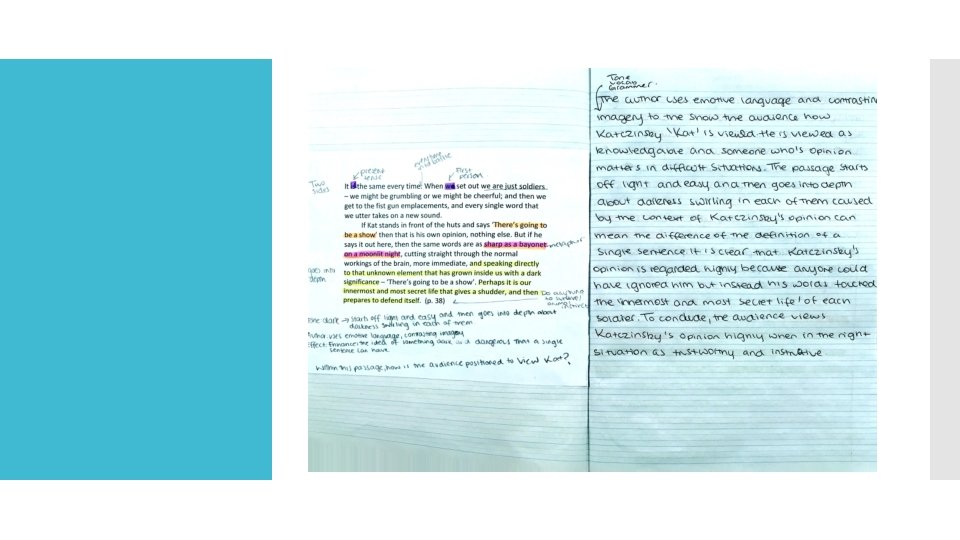
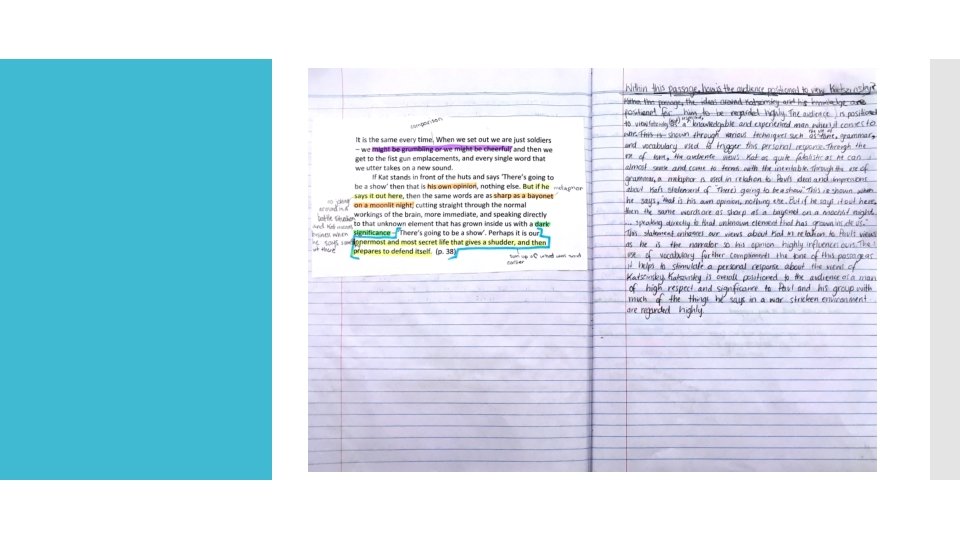
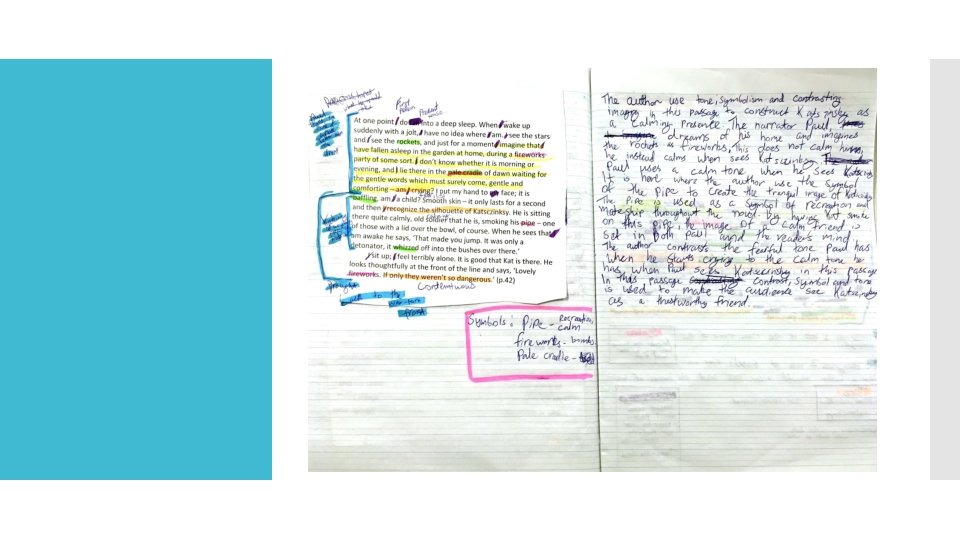
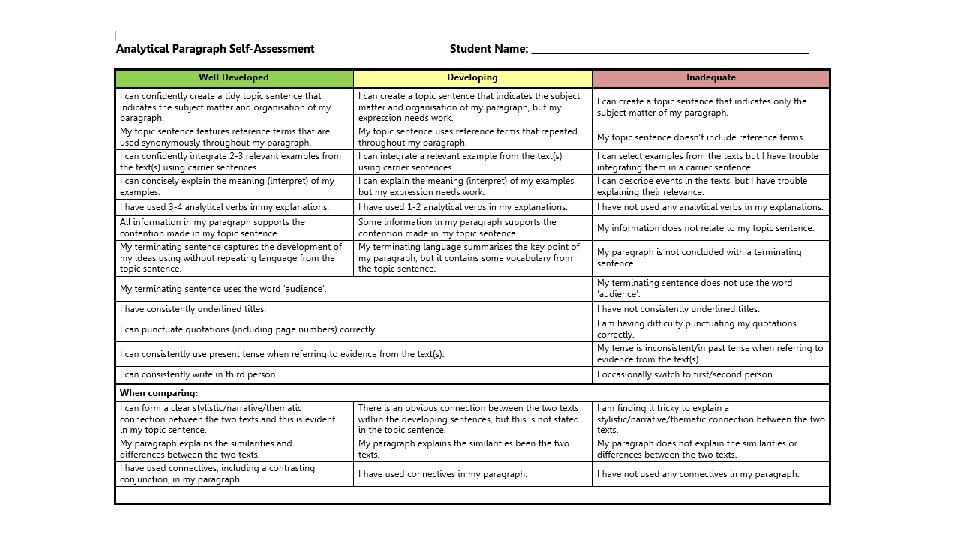
Analysis of Student Work Please return these resources at the conclusion of the session.
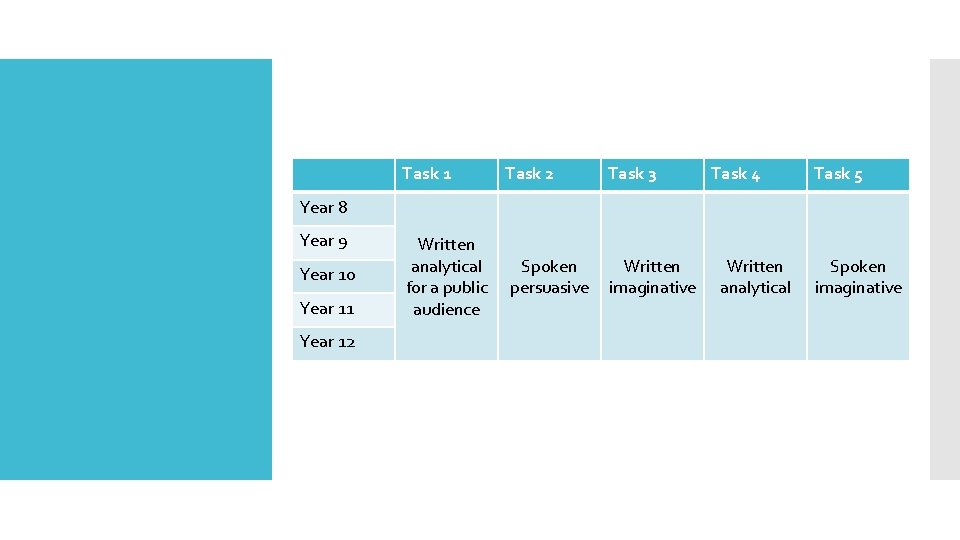
Task 1 Task 2 Task 3 Written analytical for a public audience Spoken persuasive Written imaginative Task 4 Task 5 Year 8 Year 9 Year 10 Year 11 Year 12 Written analytical Spoken imaginative
Middle School Work Program (002). pdf
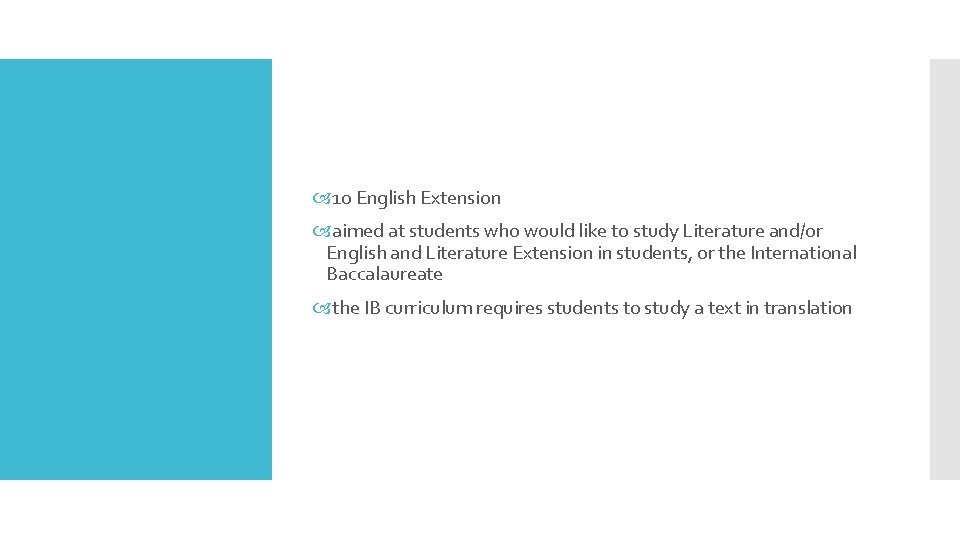
10 English Extension aimed at students who would like to study Literature and/or English and Literature Extension in students, or the International Baccalaureate the IB curriculum requires students to study a text in translation
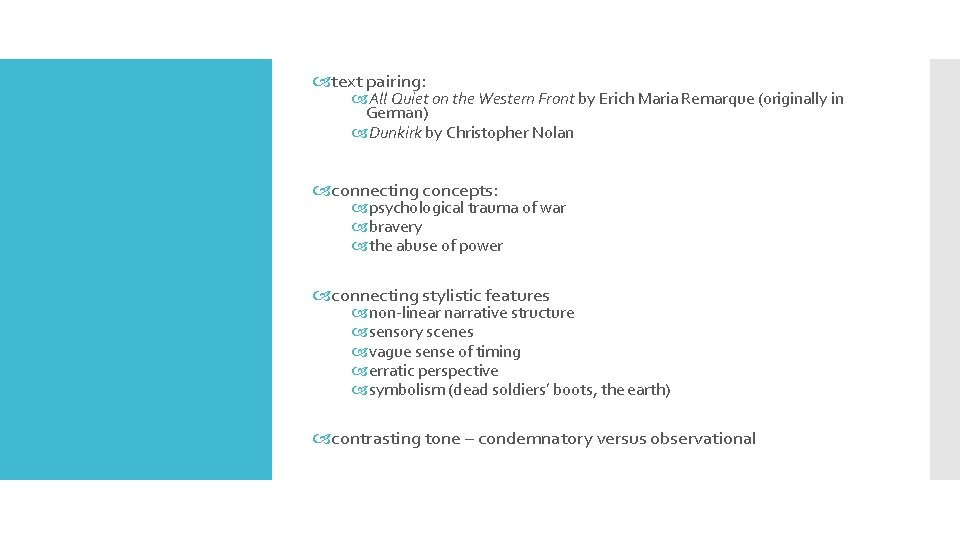
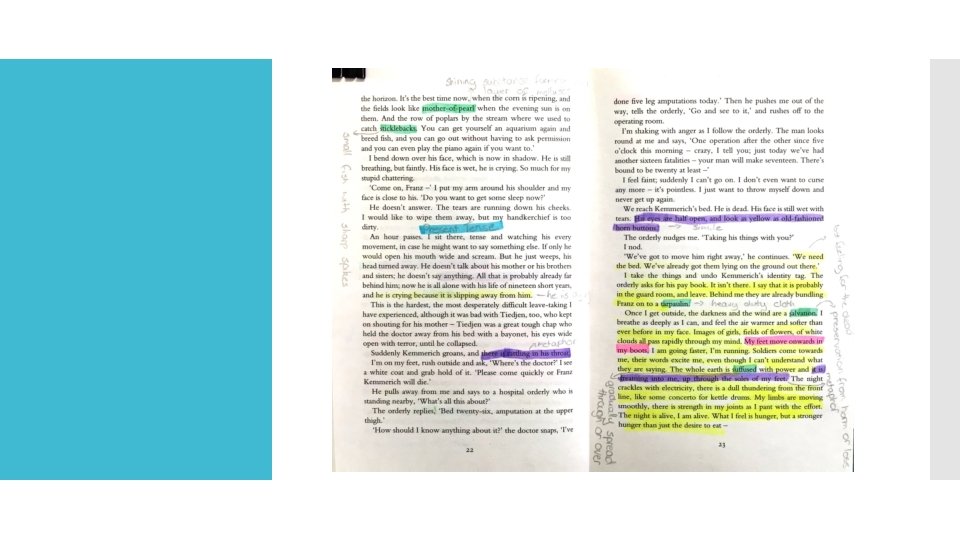
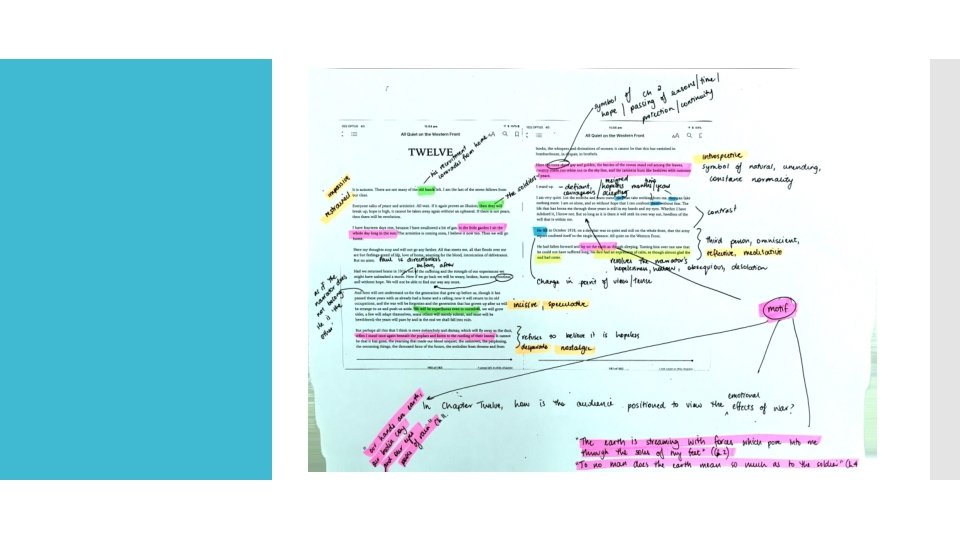
text pairing: All Quiet on the Western Front by Erich Maria Remarque (originally in German) Dunkirk by Christopher Nolan connecting concepts: psychological trauma of war bravery the abuse of power connecting stylistic features non-linear narrative structure sensory scenes vague sense of timing erratic perspective symbolism (dead soldiers’ boots, the earth) contrasting tone – condemnatory versus observational