HIR 102 Politics and Law Australian Federalism Sunday




- Slides: 42
HIR 102: Politics and Law Australian Federalism Sunday March 20 2016 Assoc. Prof. Dennis Grube Institute for the Study of Social Change University of Tasmania
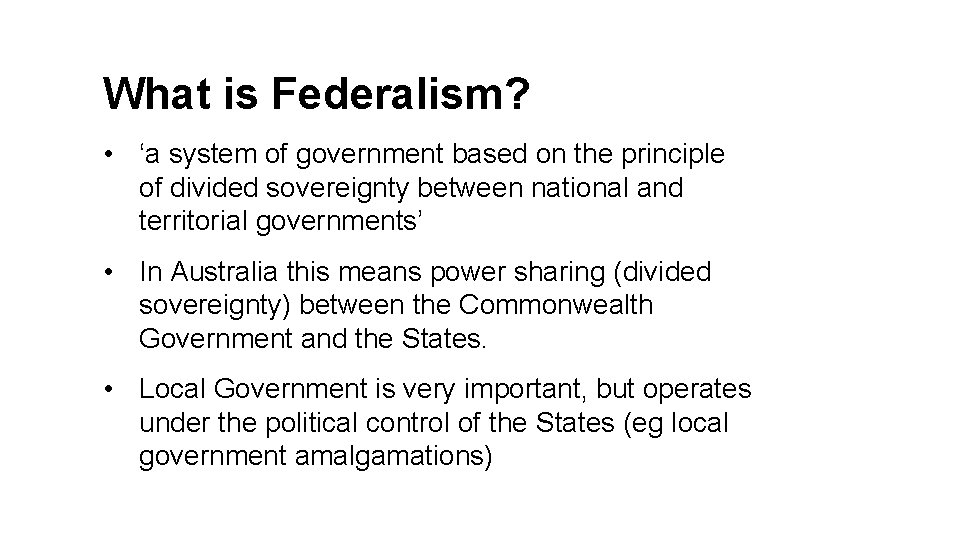
What is Federalism? • ‘a system of government based on the principle of divided sovereignty between national and territorial governments’ • In Australia this means power sharing (divided sovereignty) between the Commonwealth Government and the States. • Local Government is very important, but operates under the political control of the States (eg local government amalgamations)
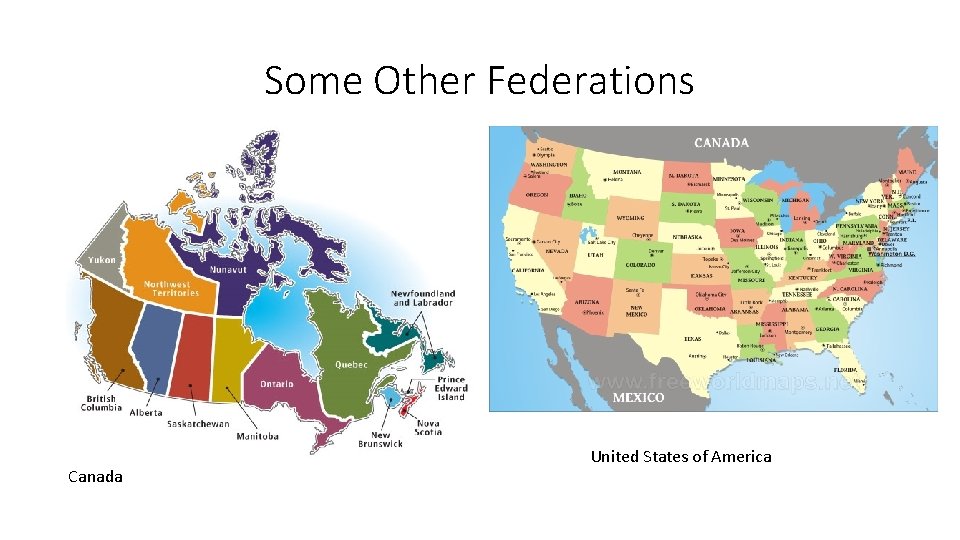
Some Other Federations Canada United States of America
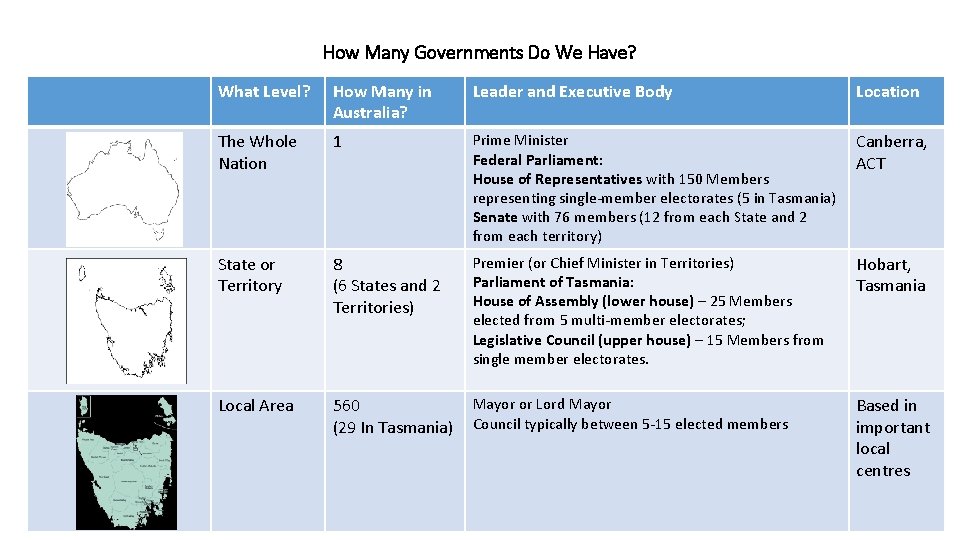
How Many Governments Do We Have? What Level? How Many in Australia? Leader and Executive Body Location The Whole Nation 1 Prime Minister Federal Parliament: House of Representatives with 150 Members representing single-member electorates (5 in Tasmania) Senate with 76 members (12 from each State and 2 from each territory) Canberra, ACT State or Territory 8 (6 States and 2 Territories) Premier (or Chief Minister in Territories) Parliament of Tasmania: House of Assembly (lower house) – 25 Members elected from 5 multi-member electorates; Legislative Council (upper house) – 15 Members from single member electorates. Hobart, Tasmania Local Area 560 (29 In Tasmania) Mayor or Lord Mayor Council typically between 5 -15 elected members Based in important local centres
Australian Federalism 1. 2. 3. 4. Lines on a Map; Institutions of Power; A Power Struggle; Australian Federalism Today and Tomorrow
Part 1 “Lines on a Map”
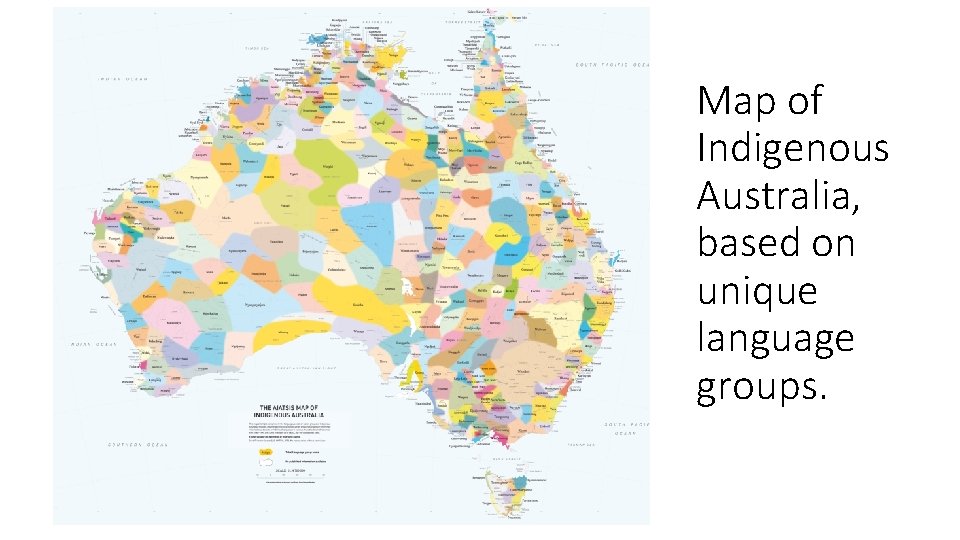
Map of Indigenous Australia, based on unique language groups.
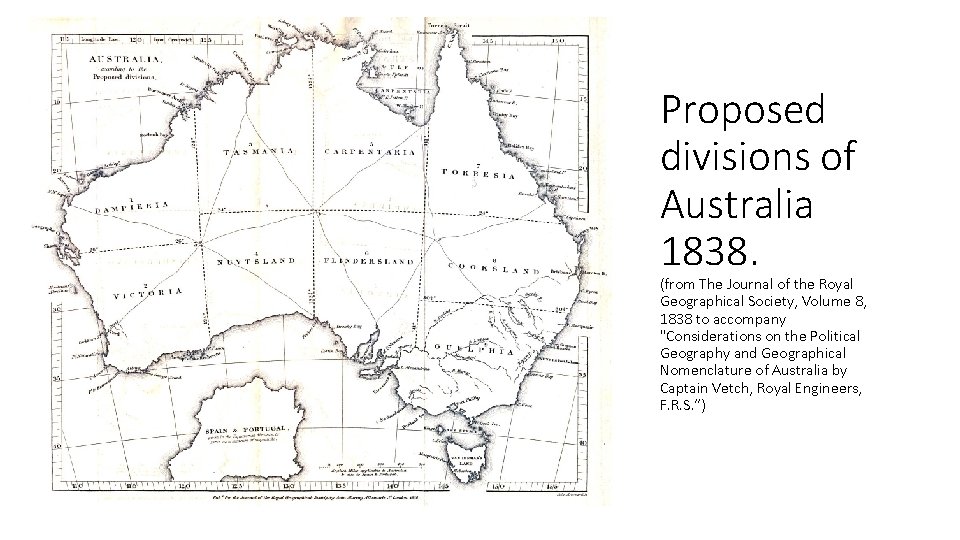
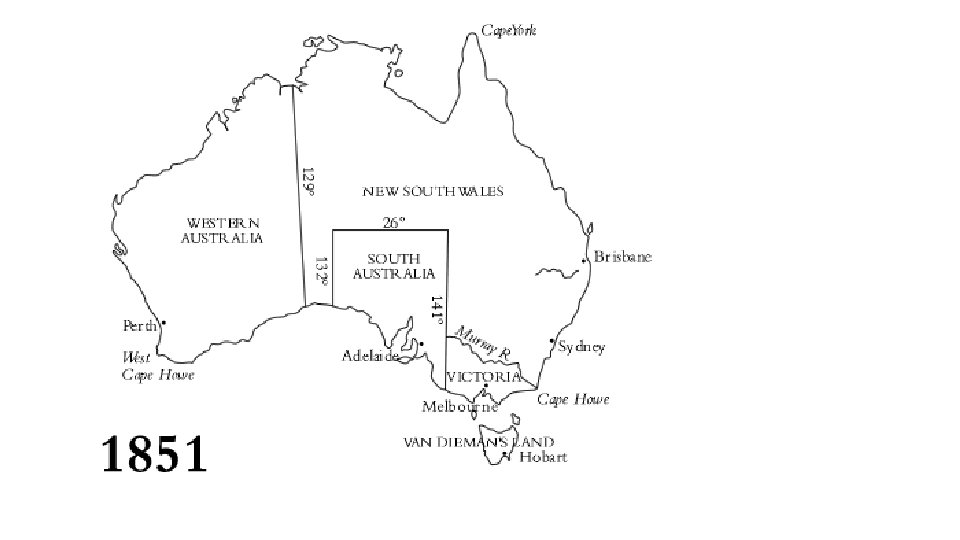
Proposed divisions of Australia 1838. (from The Journal of the Royal Geographical Society, Volume 8, 1838 to accompany "Considerations on the Political Geography and Geographical Nomenclature of Australia by Captain Vetch, Royal Engineers, F. R. S. “)
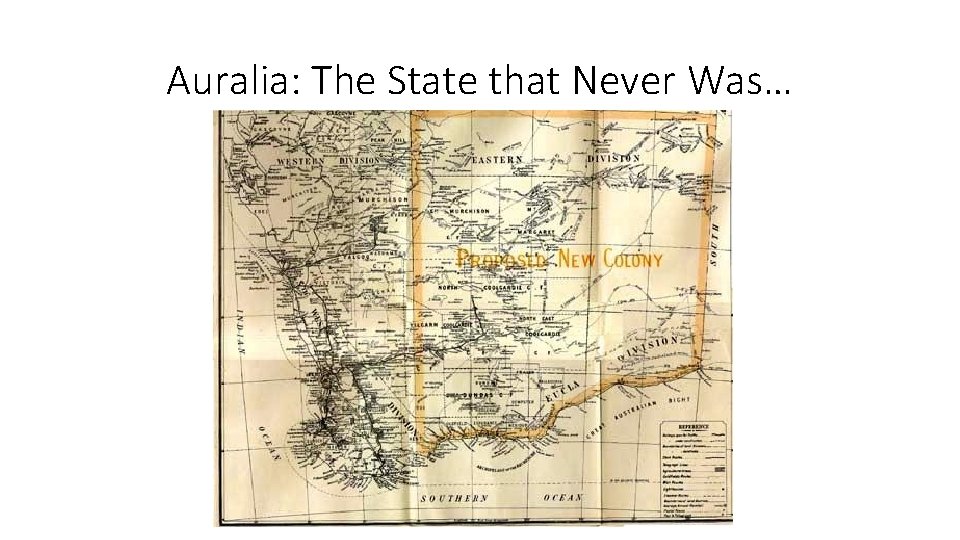
Auralia: The State that Never Was…
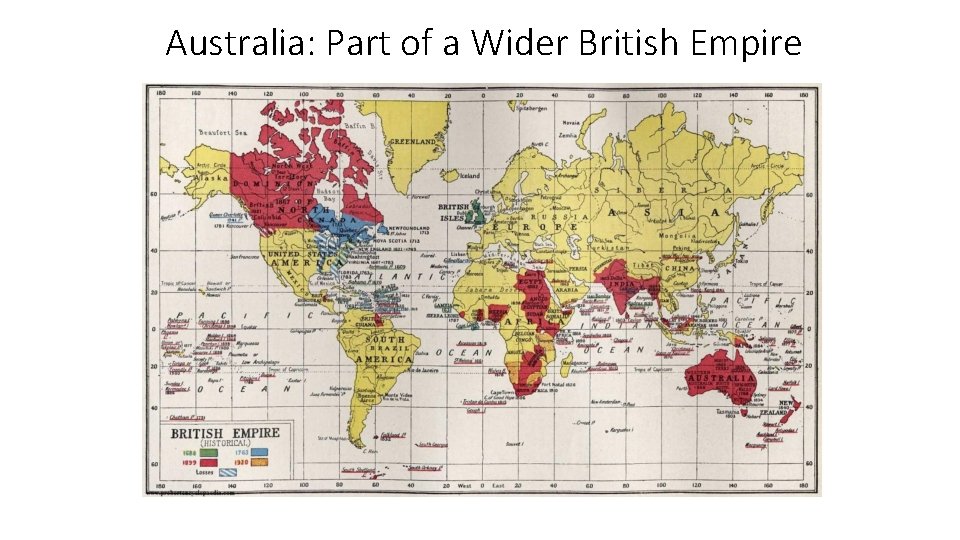
Australia: Part of a Wider British Empire
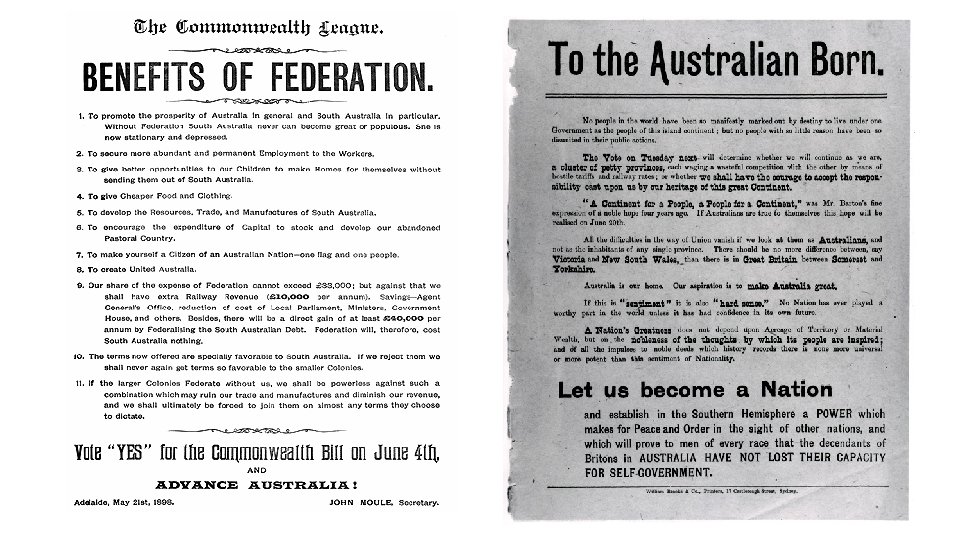
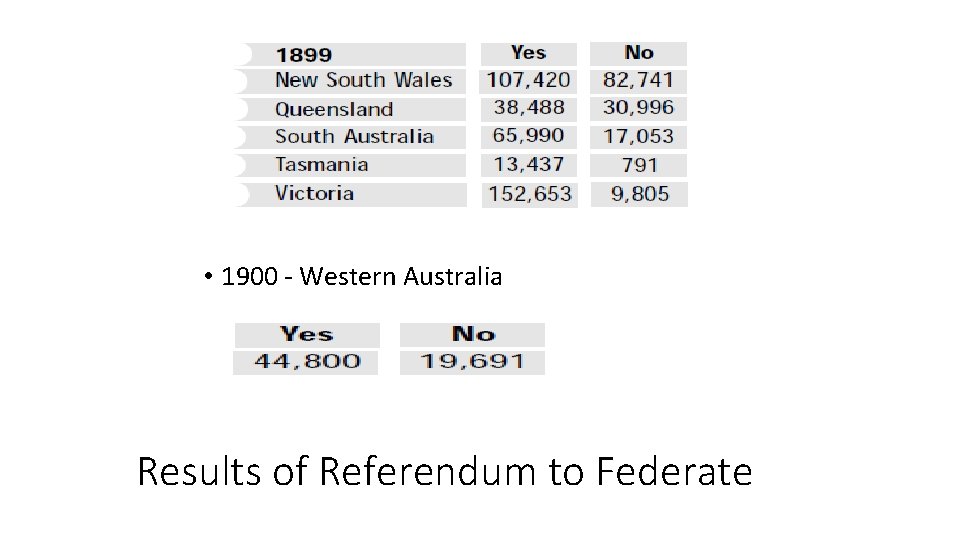
• 1900 - Western Australia Results of Referendum to Federate
Part 2 “Institutions of Power”
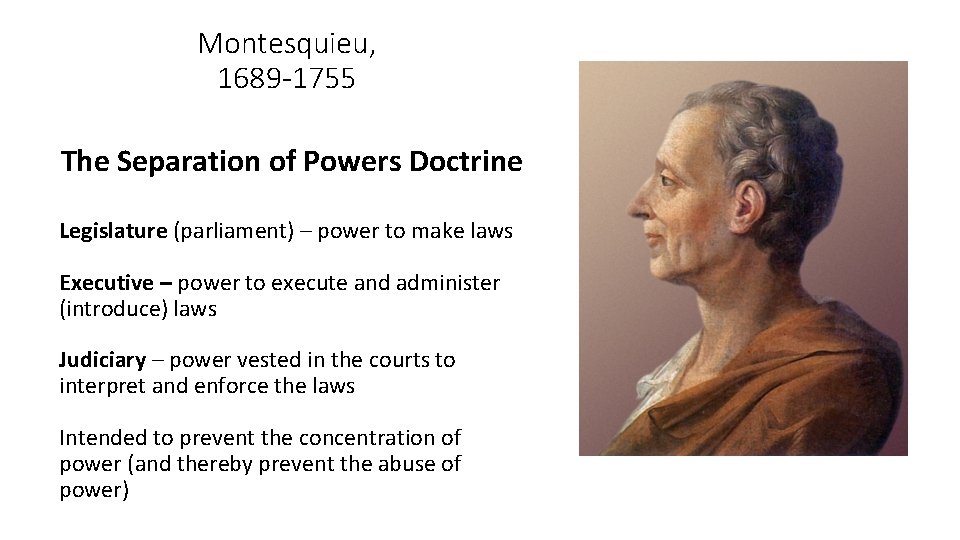
Montesquieu, 1689 -1755 The Separation of Powers Doctrine Legislature (parliament) – power to make laws Executive – power to execute and administer (introduce) laws Judiciary – power vested in the courts to interpret and enforce the laws Intended to prevent the concentration of power (and thereby prevent the abuse of power)
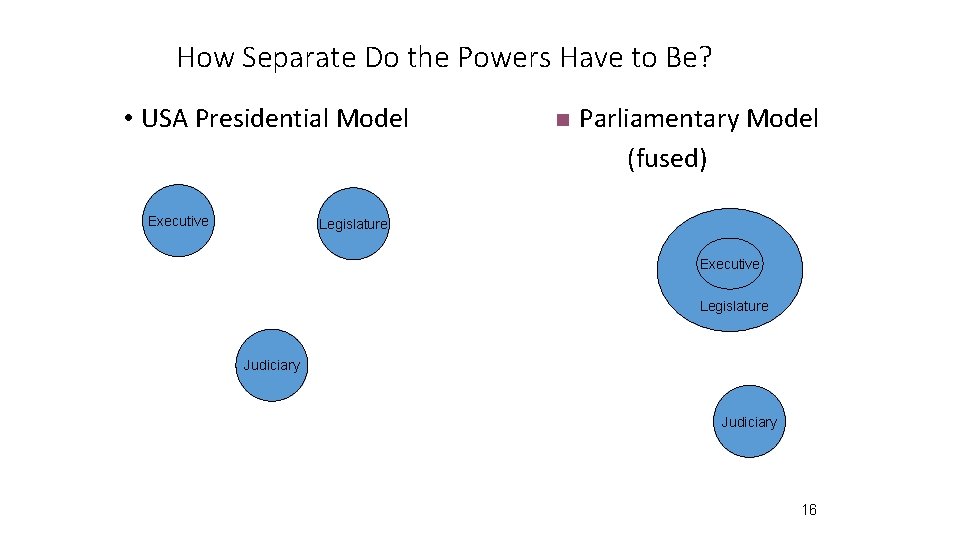
How Separate Do the Powers Have to Be? • USA Presidential Model Executive Parliamentary Model (fused) Legislature Executive Legislature Judiciary 16
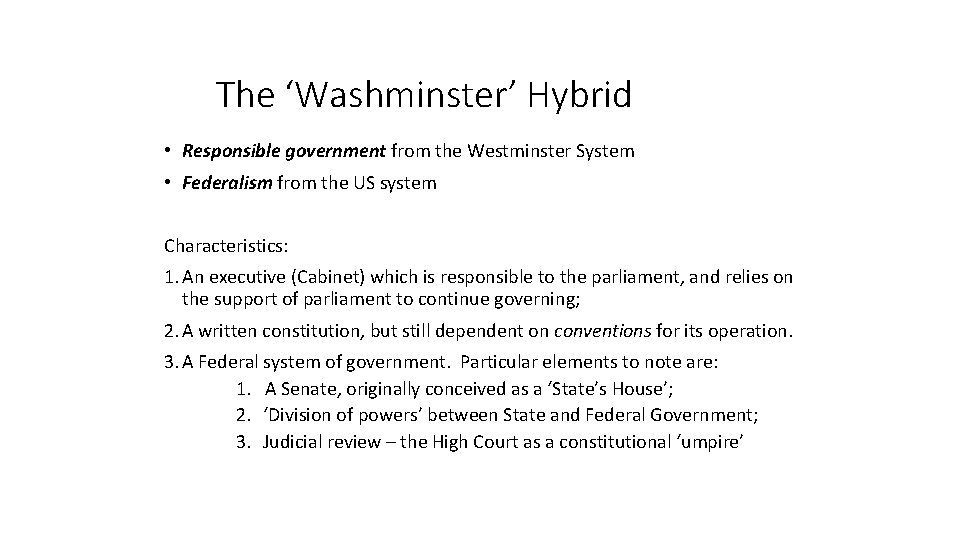
The ‘Washminster’ Hybrid • Responsible government from the Westminster System • Federalism from the US system Characteristics: 1. An executive (Cabinet) which is responsible to the parliament, and relies on the support of parliament to continue governing; 2. A written constitution, but still dependent on conventions for its operation. 3. A Federal system of government. Particular elements to note are: 1. A Senate, originally conceived as a ‘State’s House’; 2. ‘Division of powers’ between State and Federal Government; 3. Judicial review – the High Court as a constitutional ‘umpire’
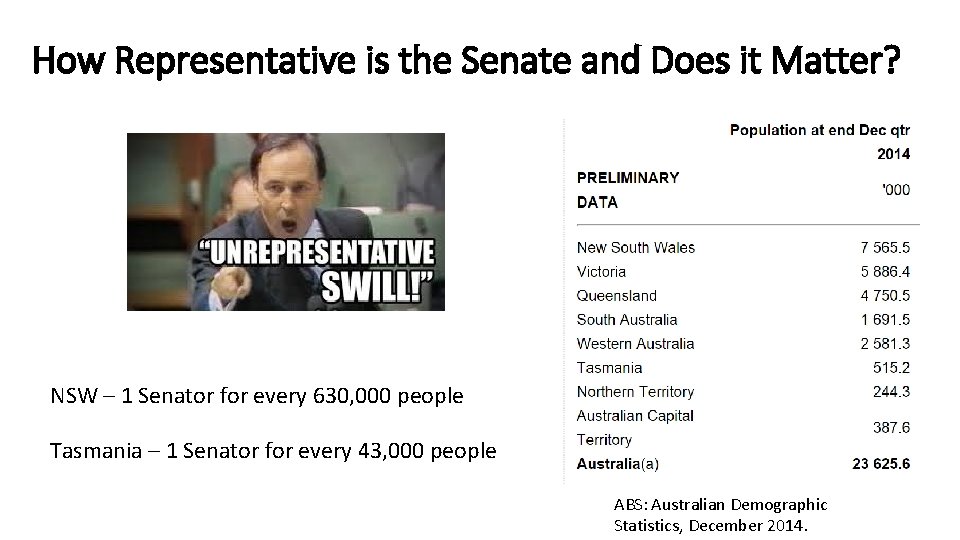
How Representative is the Senate and Does it Matter? NSW – 1 Senator for every 630, 000 people Tasmania – 1 Senator for every 43, 000 people ABS: Australian Demographic Statistics, December 2014.
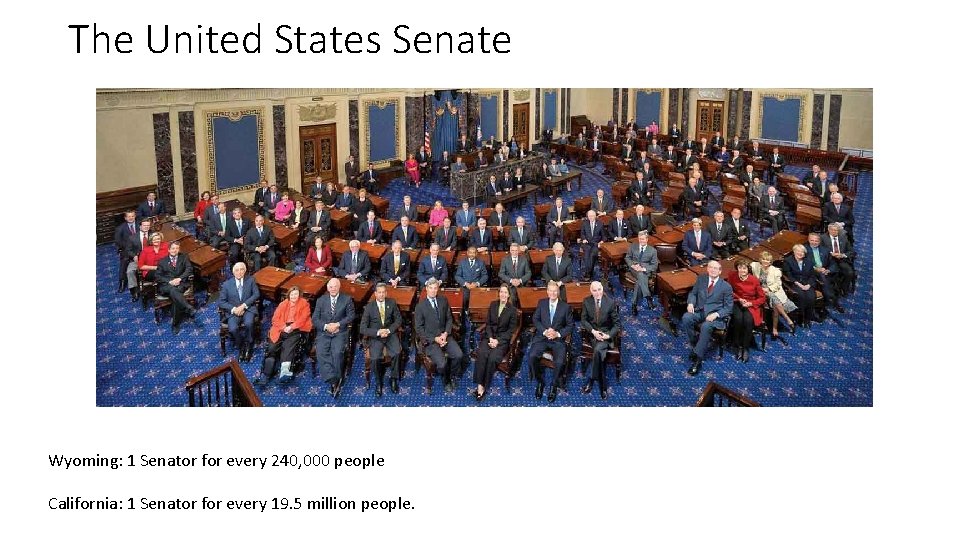
The United States Senate Wyoming: 1 Senator for every 240, 000 people California: 1 Senator for every 19. 5 million people.
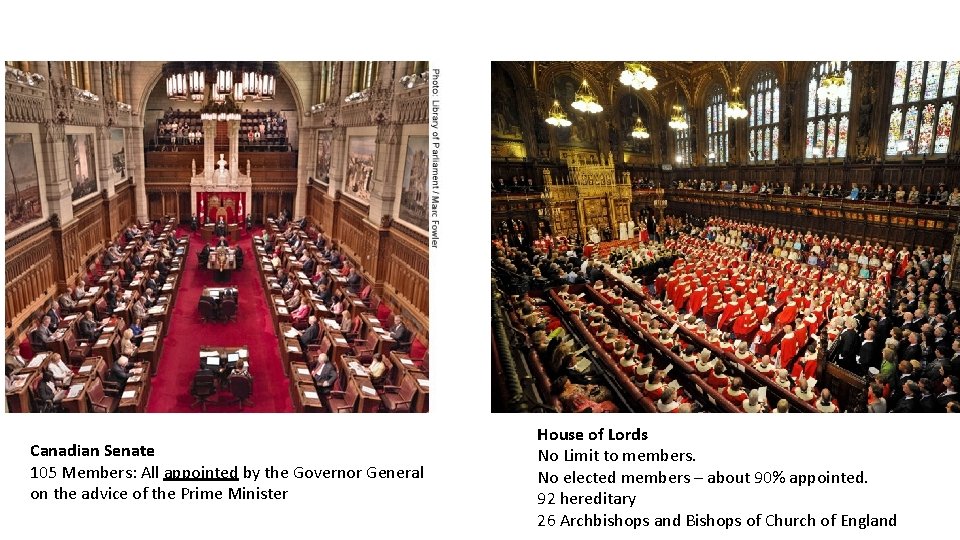
Canadian Senate 105 Members: All appointed by the Governor General on the advice of the Prime Minister House of Lords No Limit to members. No elected members – about 90% appointed. 92 hereditary 26 Archbishops and Bishops of Church of England
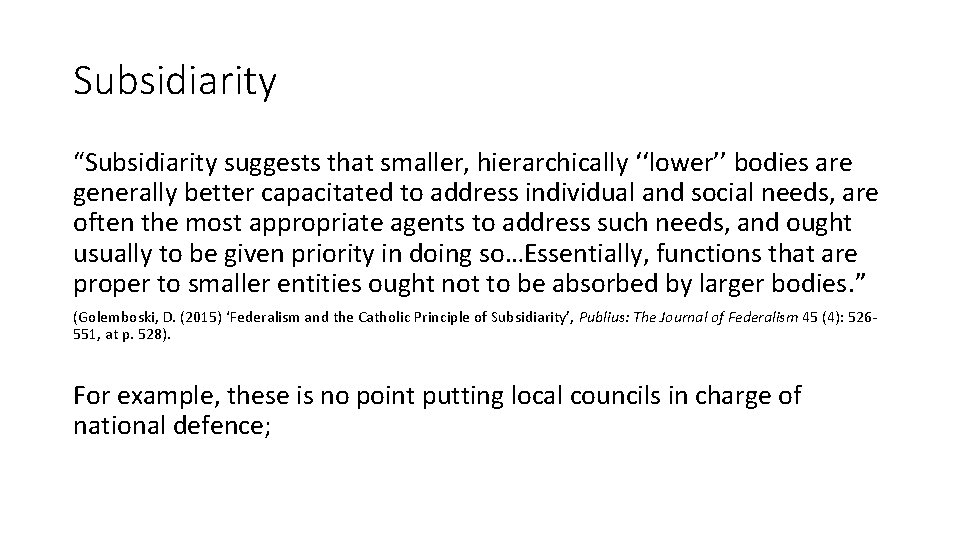
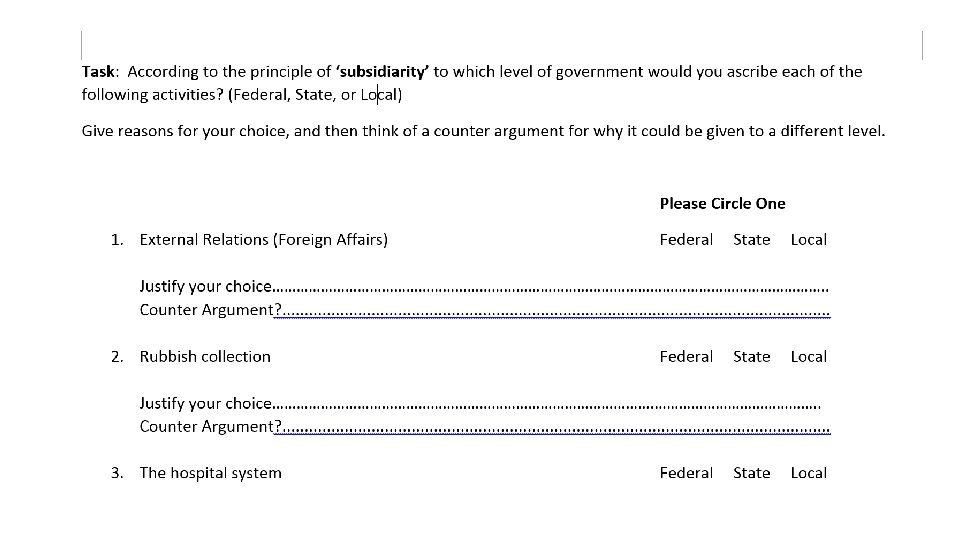
Subsidiarity “Subsidiarity suggests that smaller, hierarchically ‘‘lower’’ bodies are generally better capacitated to address individual and social needs, are often the most appropriate agents to address such needs, and ought usually to be given priority in doing so…Essentially, functions that are proper to smaller entities ought not to be absorbed by larger bodies. ” (Golemboski, D. (2015) ‘Federalism and the Catholic Principle of Subsidiarity’, Publius: The Journal of Federalism 45 (4): 526551, at p. 528). For example, these is no point putting local councils in charge of national defence;
Activity Dividing Up the Government
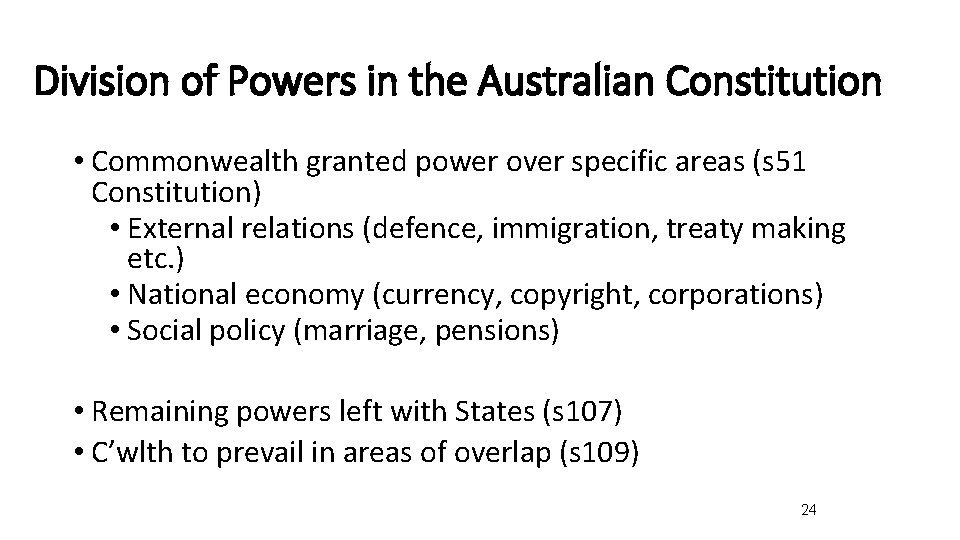
Division of Powers in the Australian Constitution • Commonwealth granted power over specific areas (s 51 Constitution) • External relations (defence, immigration, treaty making etc. ) • National economy (currency, copyright, corporations) • Social policy (marriage, pensions) • Remaining powers left with States (s 107) • C’wlth to prevail in areas of overlap (s 109) 24
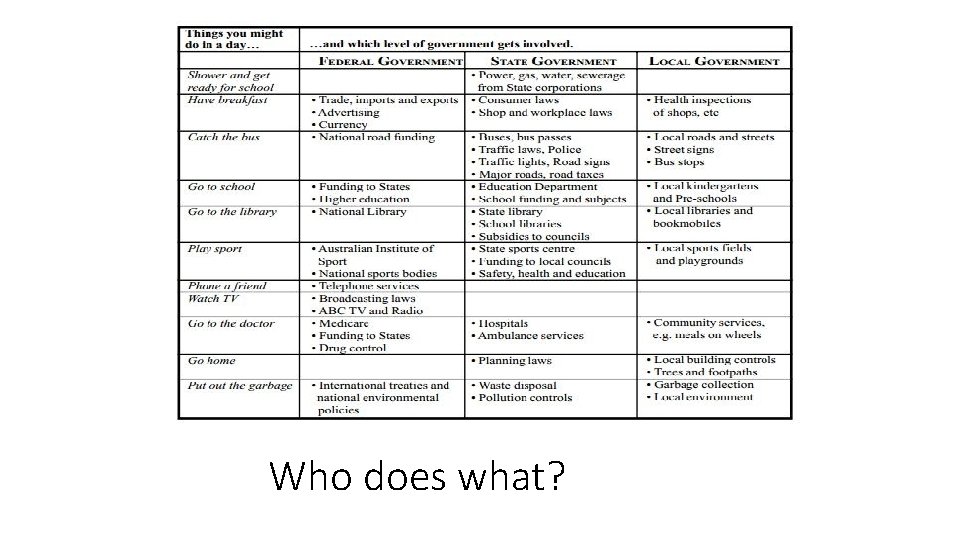
Who does what?
Part 3 “Power Struggle”
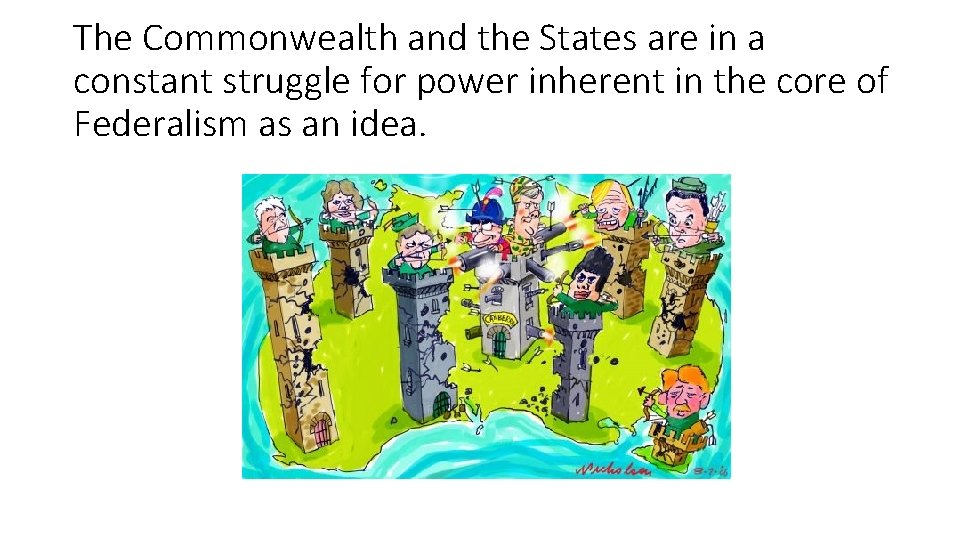
The Commonwealth and the States are in a constant struggle for power inherent in the core of Federalism as an idea.
A lesson in cooperative federalism
COAG (Council of Australian Governments) • https: //www. youtube. com/watch? v=JQ_8 l. PTXGck COAG – Founded 1992 A forum to discuss and resolve common issues GST – Disagreements between big states such as Western Australia and small states such as Tasmania over the split each state should receive of the GST which is decided by the Commonwealth Grants Commission
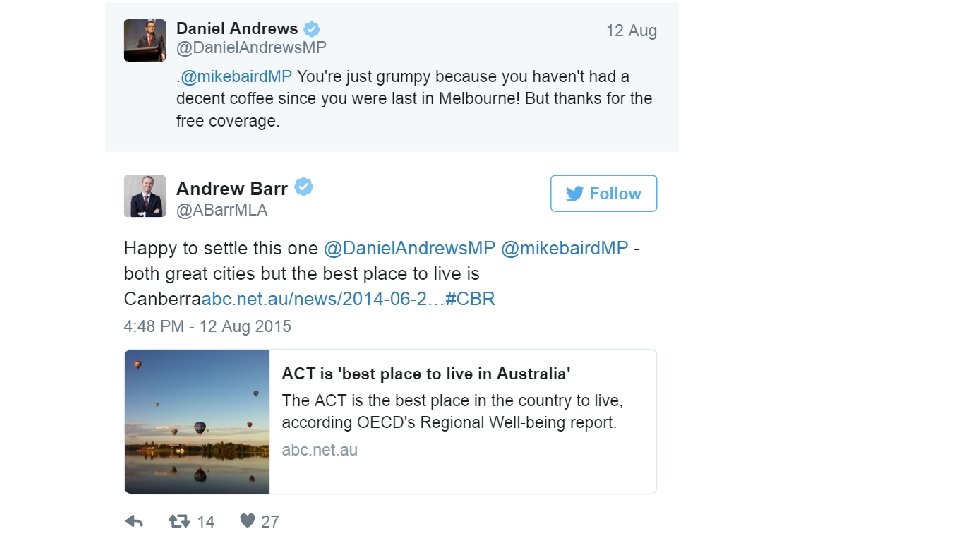
Strong Personal Relationships Alongside the Sate-Based Posturing
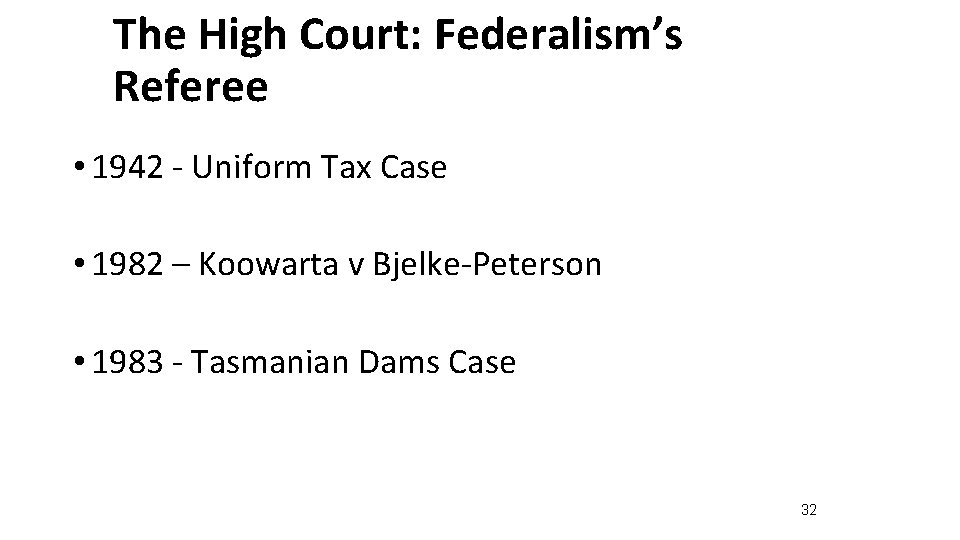
The High Court: Federalism’s Referee • 1942 - Uniform Tax Case • 1982 – Koowarta v Bjelke-Peterson • 1983 - Tasmanian Dams Case 32
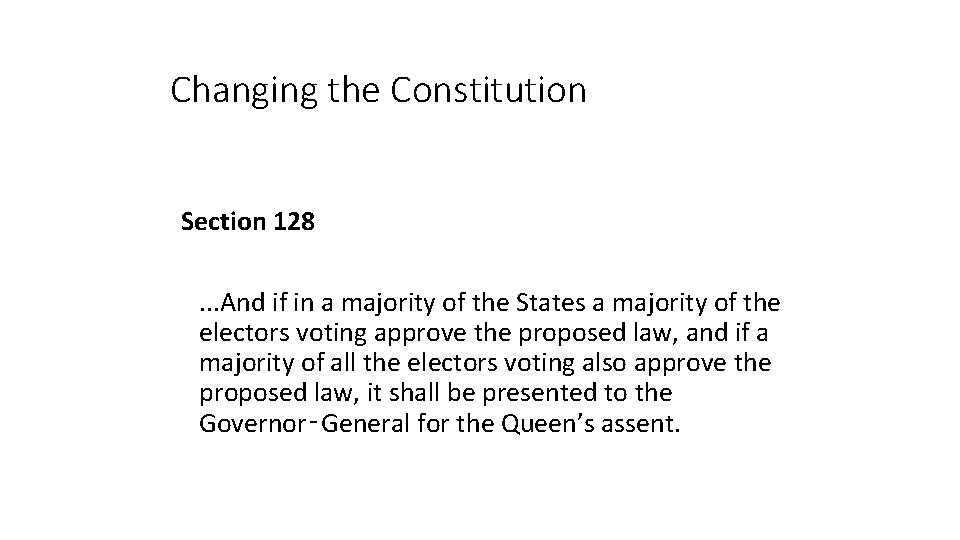
Changing the Constitution Section 128. . . And if in a majority of the States a majority of the electors voting approve the proposed law, and if a majority of all the electors voting also approve the proposed law, it shall be presented to the Governor‑General for the Queen’s assent.
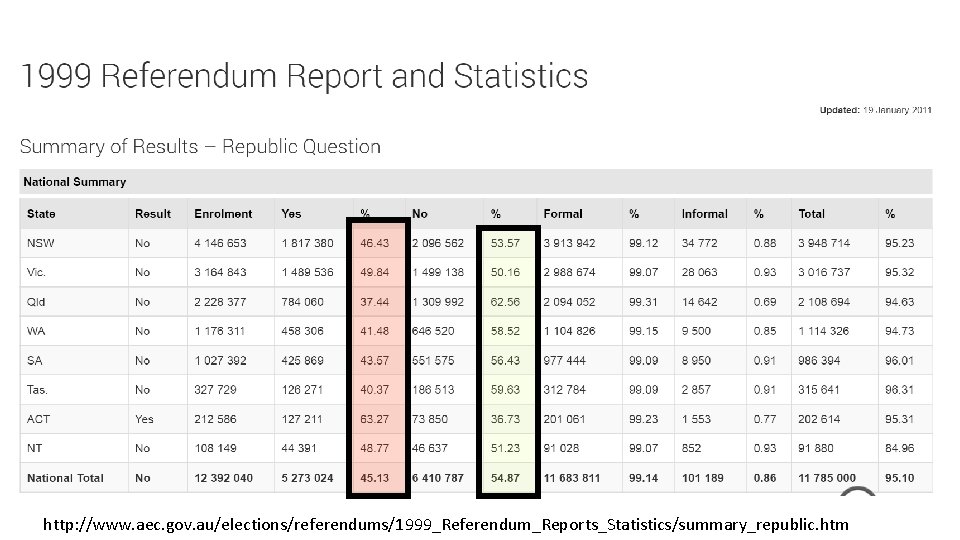
The Most Recent: Republican Referendum 1999 Malcolm Turnbull: Chairman of the Australian Republican Movement, 1999.
http: //www. aec. gov. au/elections/referendums/1999_Referendum_Reports_Statistics/summary_republic. htm
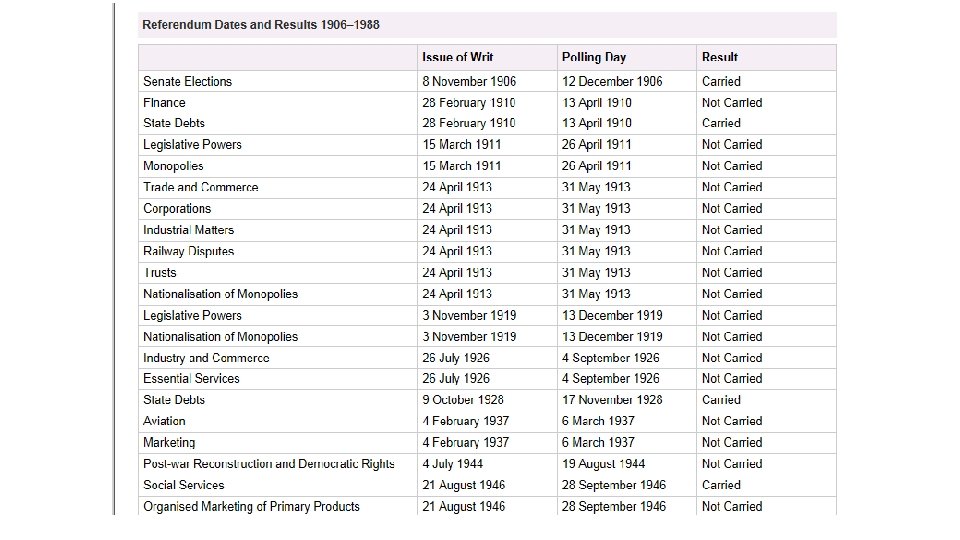
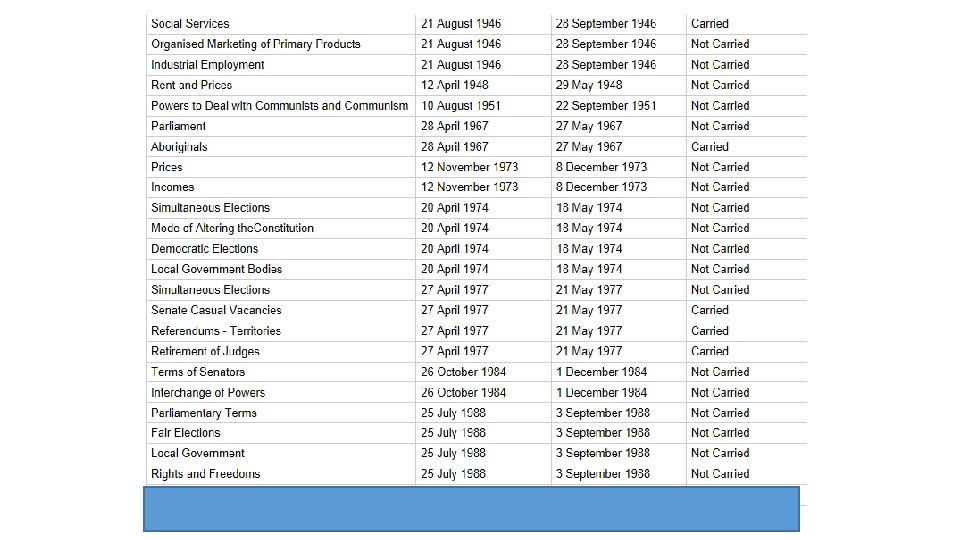
In Summary • The Australian Constitution Sets out who holds judicial, executive, and legislative power • It is silent on many aspects of how power is actually exercised, which is therefore done according to longestablished conventions • When there are constitutional disputes between governments, the High Court acts as the final umpire • The constitution also contains limited individual rights • The threshold to change the constitution is extremely high.
Part 4 “Australian Federalism: Today and Tomorrow”
Federalism: The Advantages • More representatives brings government closer to the people • Easier to cater for regional needs and diversity • In the liberal tradition divided government limits the power of the state relative to citizens • In a federal system there is competition between states to attract investment. This will benefit some businesses. eg Virgin Blue • Scope for policy innovation
Federalism: The Disadvantages • The costs of excessive government (BCA $20 billion) • Inconsistent laws between states • Duplication of state and federal law eg employment relations, consumer law • Many modern issues are trans-border issues, which no single state has the ability to solve. • Vertical Fiscal Imbalance creates serious accountability issues. ie States blame the Commonwealth for a lack of money, the Commonwealth blames the States for delivering poor services. • There has been renewed debate between the Commonwealth and the States in relation to reforming federalism
Conclusions: • Federal Systems deliberately divide political power - conflict and tensions are inevitable • Australia has slowly moved from a system of Dual Federalism (separate spheres of influence) to a ‘Cooperative’ or ‘Coercive’ model. • The VFI and the (Horizontal Fiscal Imbalance) HFI are the major Structural problem in Australia’s federal system