Geneflow and persistence Geoff Squire Scottish Crop Research
- Slides: 22
Geneflow and persistence Geoff Squire Scottish Crop Research Institute
Concerns Ecological • feral populations or hybrids with wild relatives interfere with the habitat Food purity • outcrossing between nearby fields • feral populations contributing to yield
The system • Soil - genesis, resilience • Primary production – crops and weeds • Decomposition – bacteria, fungi, protozoa, nematodes, collembola, etc. • Element cycling • Herbivory – nematodes, insects, cattle/sheep + humans
The scales • • • Fine soil structure – bacterial, fungal Field patch – plant populations Field – management unit Farm or group of farms Landscape
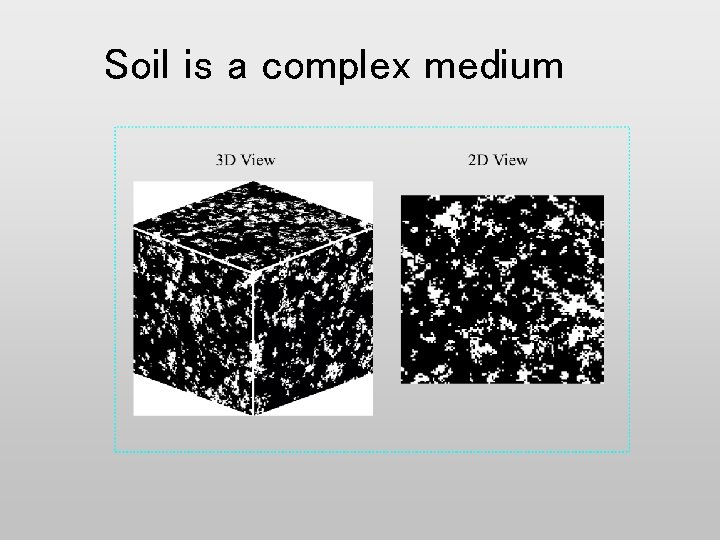
Soil is a complex medium
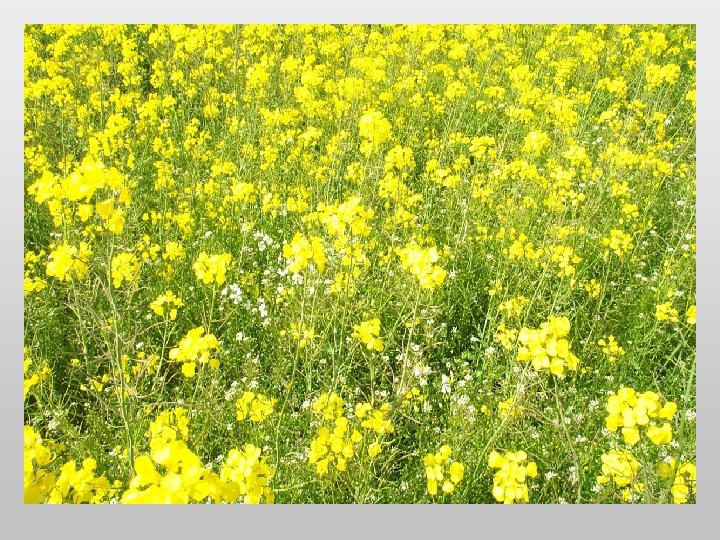
Oilseed rape • • • Reappeared as a common crop in 1970 s Most Brassica napus, some B. rapa As a ‘break’ crop in cereals Oil has a wide range of uses Outcrossing (contact, wind, insect) Feral descendents (pod shatter, inducible dormancy)
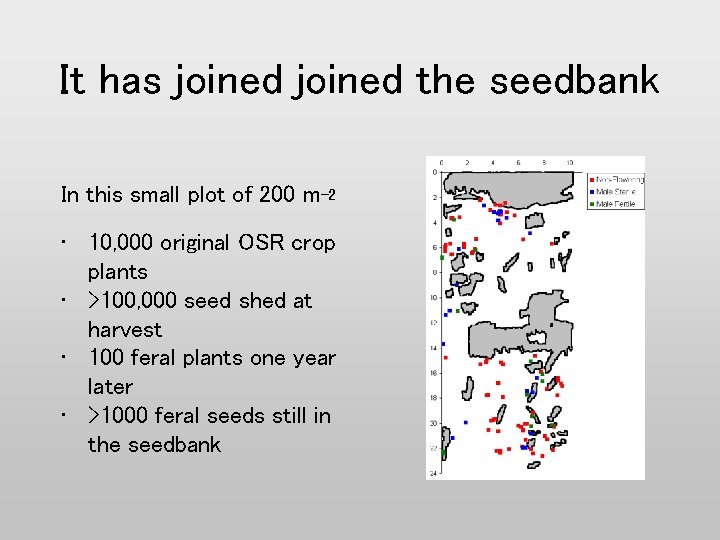
It has joined the seedbank In this small plot of 200 m-2 • 10, 000 original OSR crop plants • >100, 000 seed shed at harvest • 100 feral plants one year later • >1000 feral seeds still in the seedbank
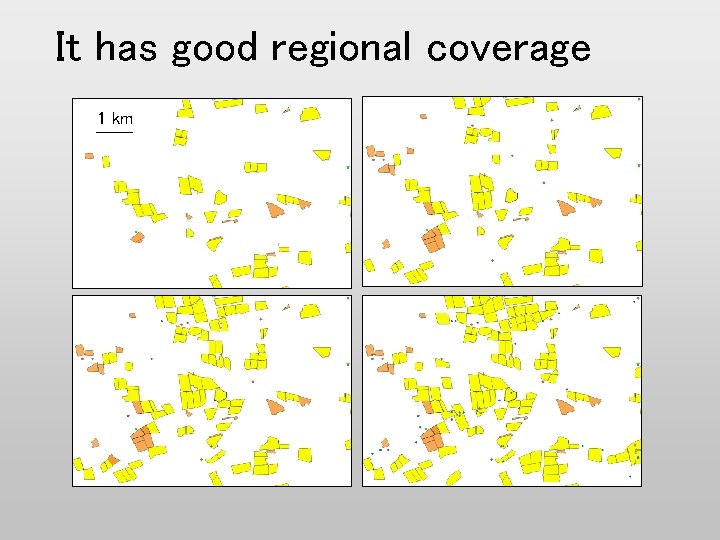
It has good regional coverage 1 km
1. Will it disturb the habitat? • Soil structure • Habitat processes • Other organisms
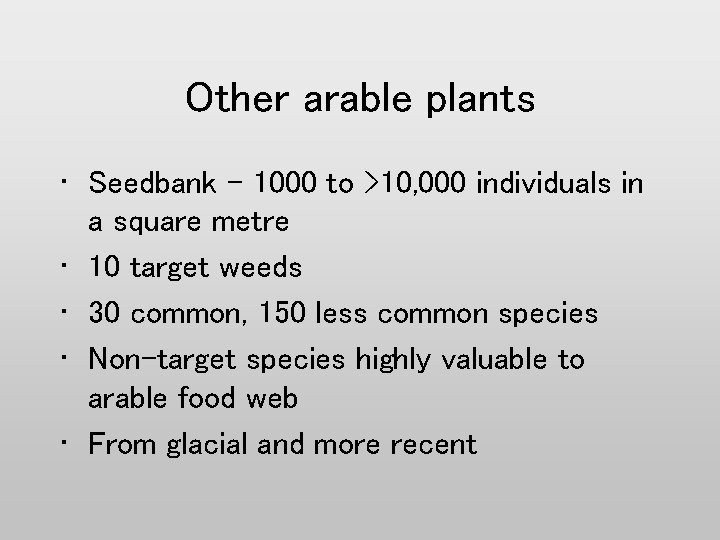
Other arable plants • Seedbank – 1000 to >10, 000 individuals in a square metre • 10 target weeds • 30 common, 150 less common species • Non-target species highly valuable to arable food web • From glacial and more recent
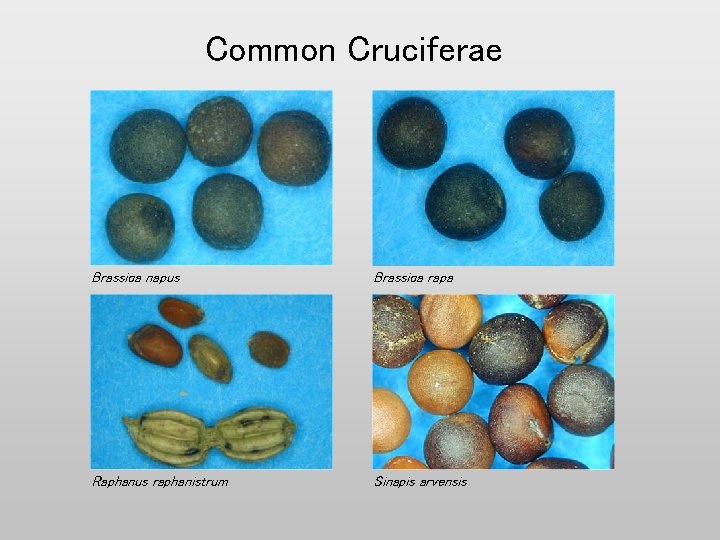
Common Cruciferae Brassica napus Brassica rapa Raphanus raphanistrum Sinapis arvensis
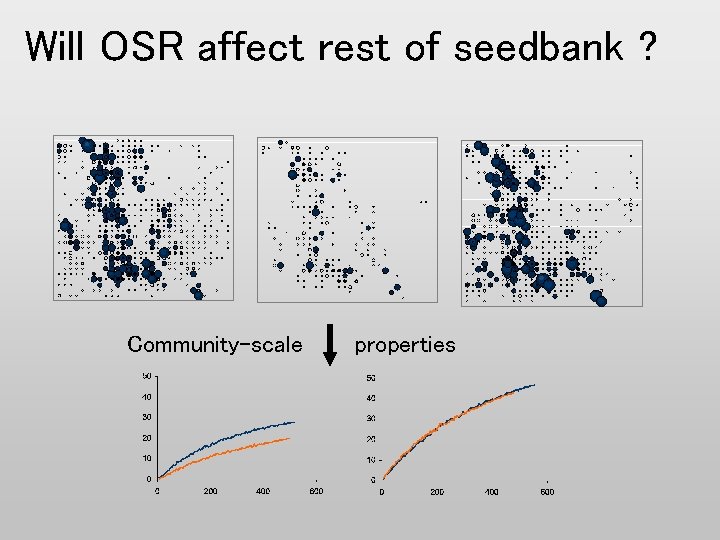
Will OSR affect rest of seedbank ? Community-scale properties
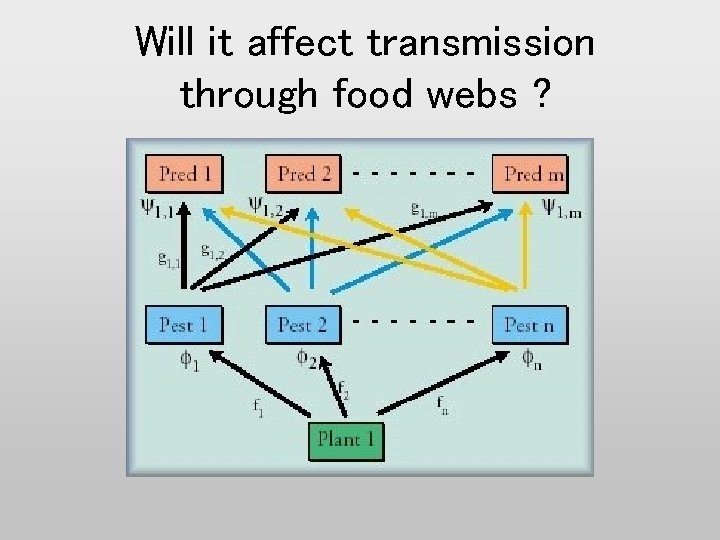
Will it affect transmission through food webs ?
Ecological impact - conclusions Ferals and hybrids • Negligible effect on integrity of soil • Negligible effect on main habitat processes • Mainly fill vacant space – ferals typically 100 m-2 • But might alter seedbank species abundance or species composition • And some transmission of effect to food web
2. Impurities in yield • • Distance and frequency Persistence over time Food quality Perception and preference
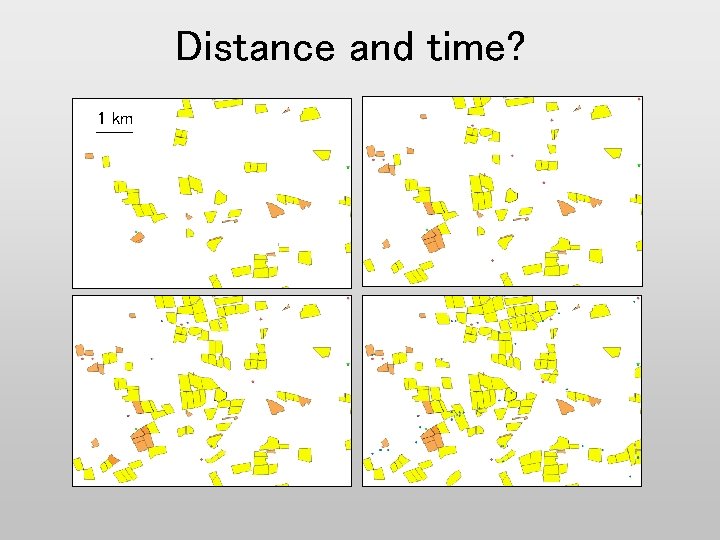
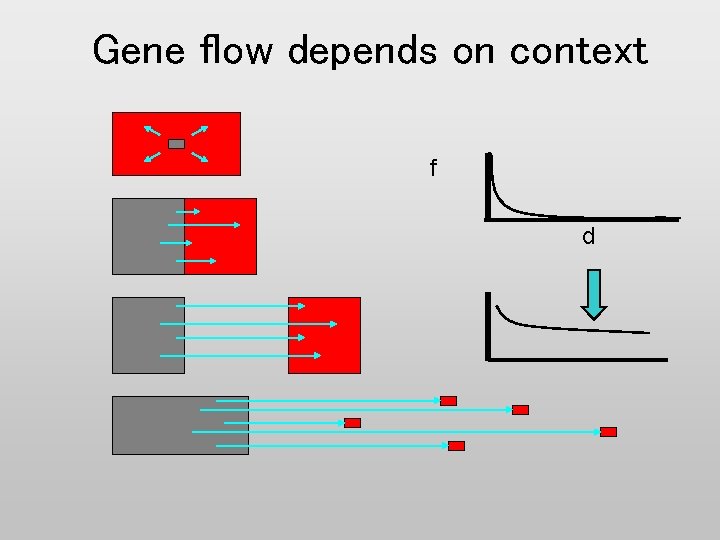
Distance and time? 1 km
Gene flow depends on context f d
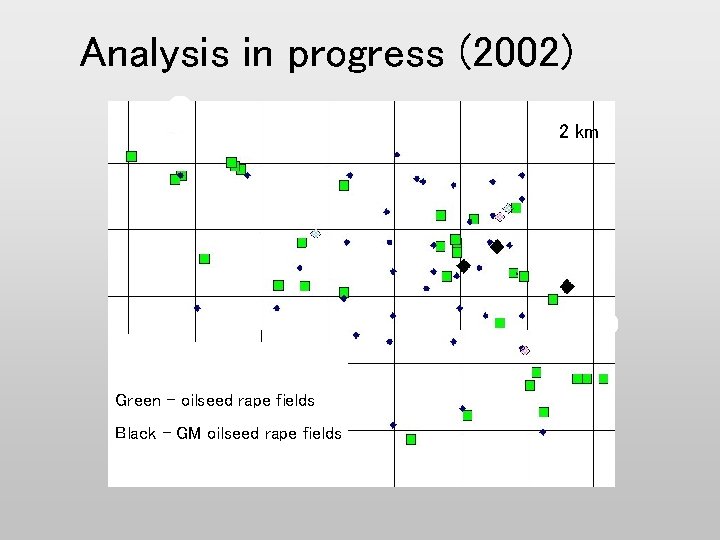
Analysis in progress (2002) 2 km Green – oilseed rape fields Black – GM oilseed rape fields
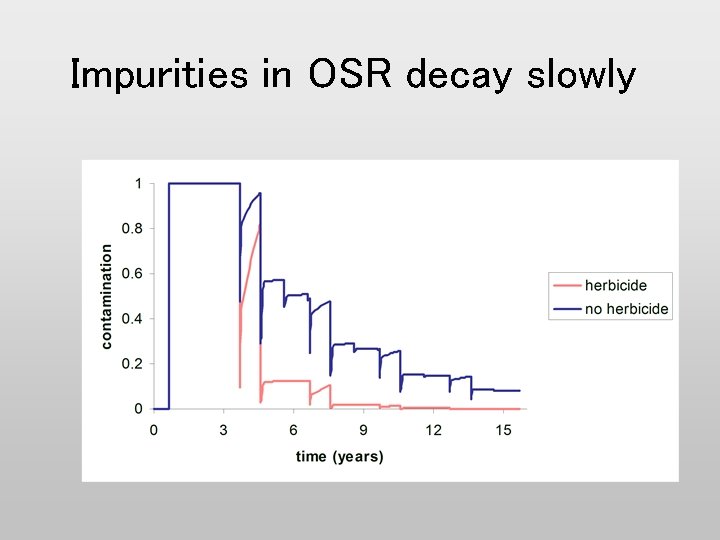
Impurities in OSR decay slowly
Impurity in yield - conclusions • Not preventable in oilseed rape under present arable cropping – at low frequency over several km, mediated by a range of insect vectors and wind-borne pollen – regional process depending on the configuration of fields in a locality – cross pollination between nearby fields is 1 in 1000 or less (higher to fields of partial male fertility) – In-field ferals can contribute more (i. e. 1 in a 100) to impurities • Can be limited < 0. 1% not practicable < 1% uncertain and only with the most rigorous standards
Conclusions Of ferals and hybrids – • Ecological effects small • Low level of impurity in harvest will be difficult to manage • First conclusion might have to be modified if field practice changes