
Beyond IPv 4 Geoff Huston Chief Scientist APNIC
Beyond IPv 4 ? Geoff Huston Chief Scientist APNIC

Religion, Technology, Engineering and The End of the World as We Know It
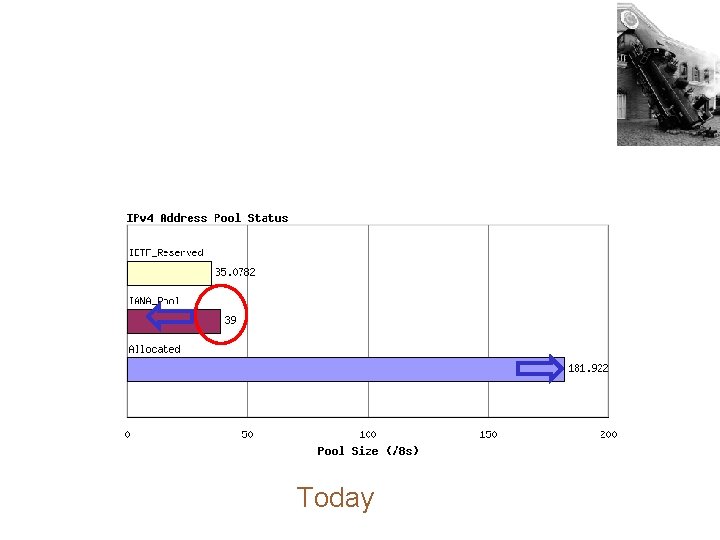
Today
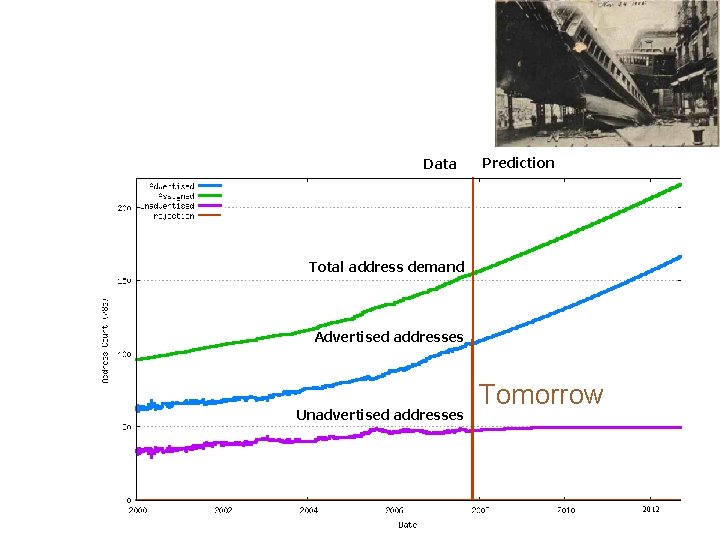
Data Prediction Total address demand Advertised addresses Unadvertised addresses Tomorrow 2012
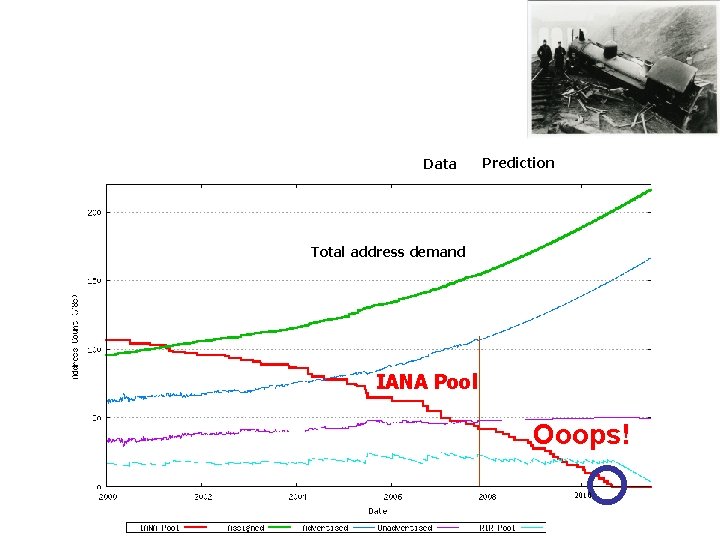
Data Prediction Total address demand IANA Pool Ooops! 2010

That’s 24 th January 2011 http: //ipv 4. potaroo. net
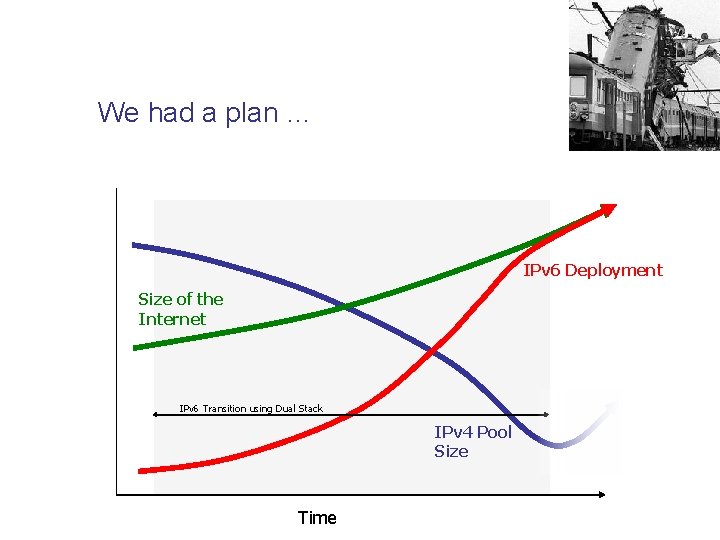
We had a plan … IPv 6 Deployment Size of the Internet IPv 6 Transition using Dual Stack IPv 4 Pool Size Time
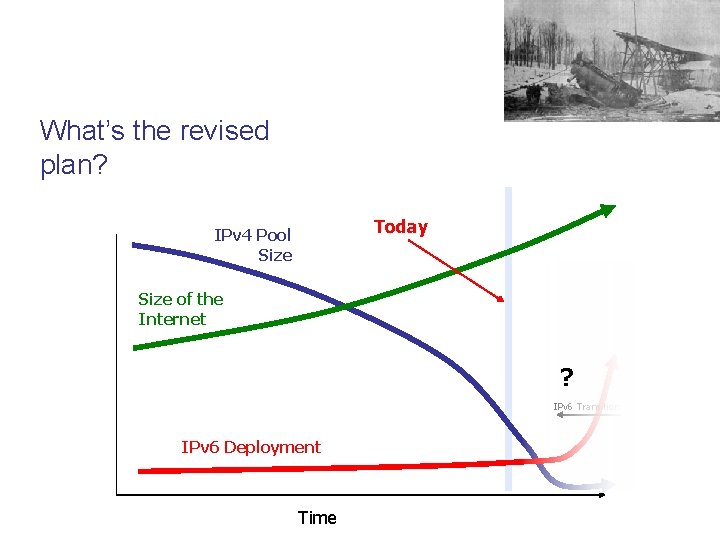
What’s the revised plan? Today IPv 4 Pool Size of the Internet ? IPv 6 Transition IPv 6 Deployment Time
Now what? Some possible scenarios: n n n Rapid IPv 6 deployment Persist in IPv 4 networks using more NATs Address markets emerging for IPv 4 Routing fragmentation IPv 6 transition
Its Just Business: n n n This entire network is customer funded And customers have absolutely no clue what this IPv 6 stuff is about So they are not paying!
New Markets for IPv 6? The Universe of Tiny Things? The world of billions of chattering devices unleashing new rivers of gold into the IP industry? Or is this just the economy? There is no new money and these billions of chattering devices will generate much the same revenue as we have today So we have to cram all these billions of new devices trillions of new packets into the same money that we have today. technology leverage will make tomorrow’s networks 1, 000 times CHEAPER to deliver an IP packet than today’s network? Or have we reached some limit to the economic viability of communications that imply that ever smaller valued transactions can’t be sustained over ever larger networks? Do RFID and Bluetooth provide a different model of communication that is viable in the universe of things, where the identity is global but the communication is strictly limited in scope and And if you ever are curious enough to enlarge this slide to see if there is text all the way down the page you will have got yourself to this point, where it becomes obvious that I’ve got nothing more to say and I want to fill up the bottom of the slide with tiny text.
Business Realism So far IPv 6 is a dismal business failure on the supply side IPv 6 adoption represents the marginal benefit of a pretty minor technology change with all the costs of a major forklift upgrade

s i d o o g y r e v g n i k o o l t o ? t i n t s u j Its
Scenario A: It’s simply a Matter of Faith The “lets deploy IPv 6 now!” option: The global internet adopts IPv 6 universally before January 2011 and completely quits all use of IPv 4 before well before address pool exhaustion

Faith and Reality BIG and FAST don’t go together!
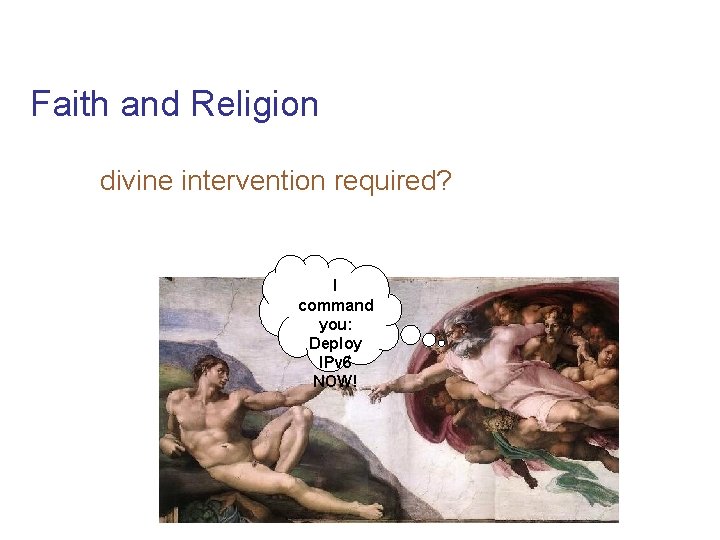
Faith and Religion divine intervention required? I command you: Deploy IPv 6 NOW!
Scenario B: IPv 4 and NATs The “lets just use more NATs” option can we continue to deploy more NATs to keep the Internet on IPv 4 indefinitely?
NATs on EPO ? n Incremental piecemeal deployment is just too seductive to ignore! Shift ISP infrastructure to private address realms Multi-level NAT deployments both at the customer edge and within the ISP network Fun new products to play with: carrier scale NATs? New forms of product differentiation to replace the Qo. S debacle: premium higher margin products without NAT?
NAT Futures Are NATs just more of the same? Is this the “safe” option? How far can NATs scale? How complex can we get with this network? Are we willing to find out?
Scenario C: Transition to IPv 6 n IPv 6 is not backward compatible with IPv 4 on the wire n So its “dual stack” or nothing Either dual stack in the host, or dual stack via protocol translating proxies
Double or Quits? n Dual Stack transition is an “and” proposition It’s a case of IPv 4 and IPv 6 Double the fun and double the cost? n But for how long? So we need to stretch IPv 4 out to encompass tomorrow’s Internet, and the day after, and … Using … NATS?
Making IPv 4 Last Longer n Not every address is “in use” End host utilization levels of addresses are estimated to be around 5% - 20% of the address pool n So could we flush more addresses back into circulation? Yes, but you really won’t like it!
So what can we do?
What could be useful right now is … n Clear and coherent information n Appreciation of the broader context n Some pragmatic workable approaches And an admission that failure is an option: some transitions are not ‘natural’ for a deregulated industry.
What should we preserve? The Internet: n n Functionality of applications Viability of routing Capability to sustain continued growth Integrity of the network infrastructure If we can!
The Fine Print It is likely that there will be some disruptive aspects of this situation that will impact the entire industry the original transition plan is a business failure resolution of this failure is now going to be tough This will probably not be seamless nor costless And will probably involve various forms of regulatory intervention, no matter what direction we might take from here
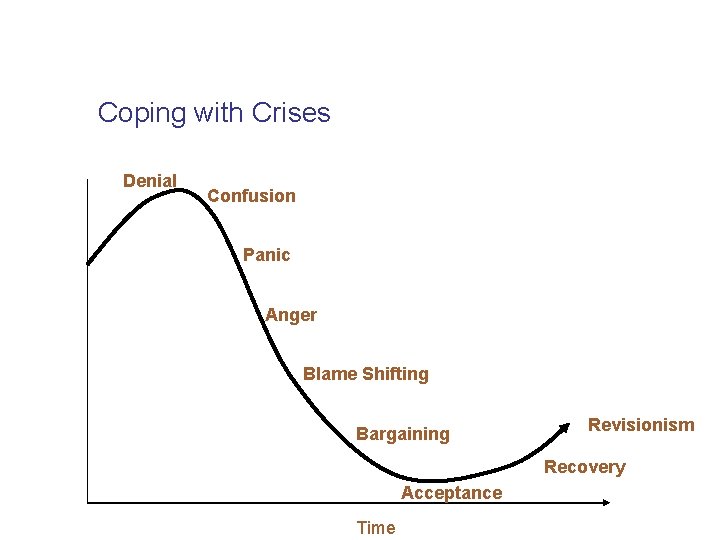
Coping with Crises Denial Confusion Panic Anger Blame Shifting Bargaining Revisionism Recovery Acceptance Time
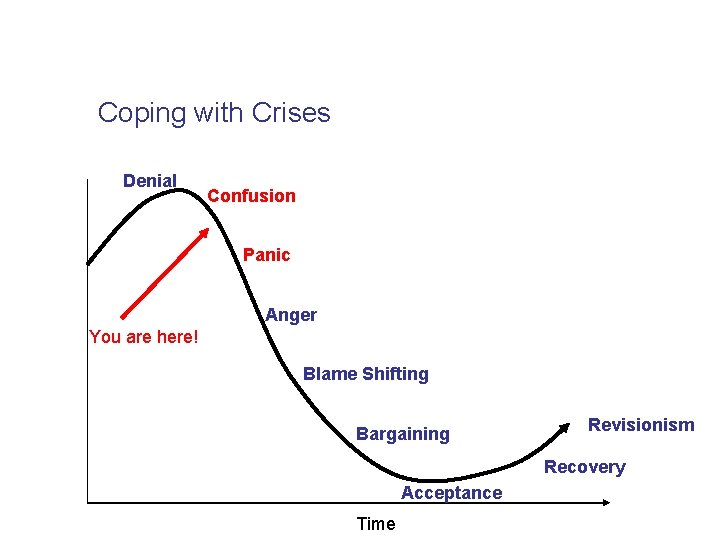
Coping with Crises Denial Confusion Panic Anger You are here! Blame Shifting Bargaining Revisionism Recovery Acceptance Time
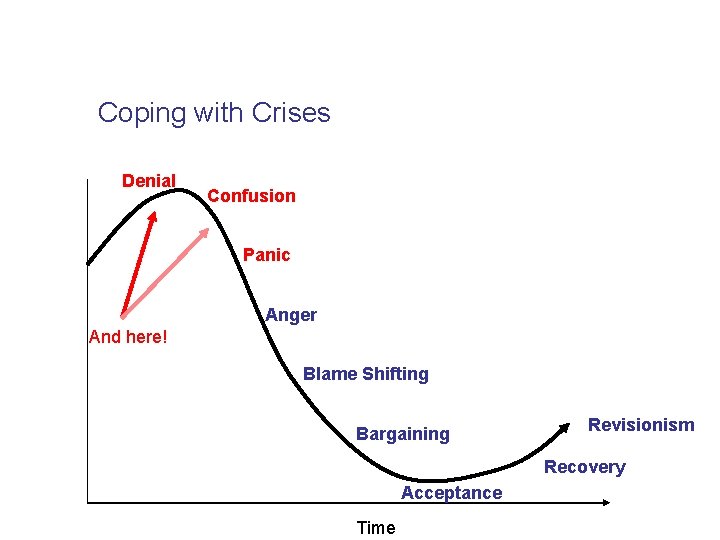
Coping with Crises Denial Confusion Panic Anger And here! Blame Shifting Bargaining Revisionism Recovery Acceptance Time
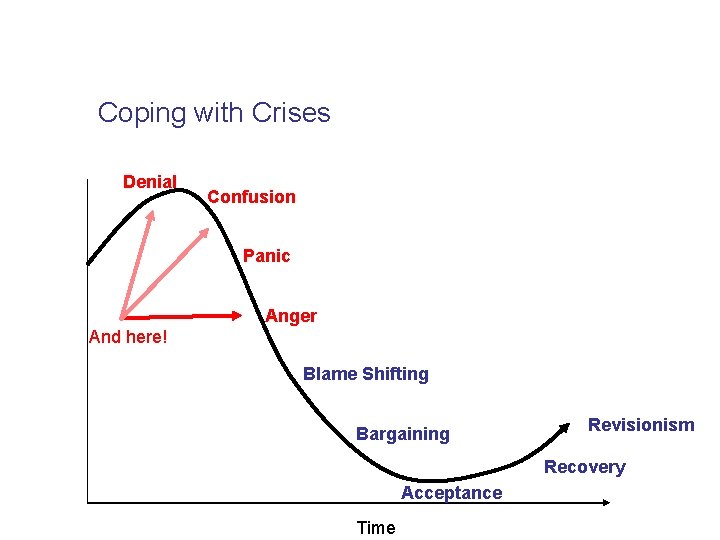
Coping with Crises Denial Confusion Panic Anger And here! Blame Shifting Bargaining Revisionism Recovery Acceptance Time
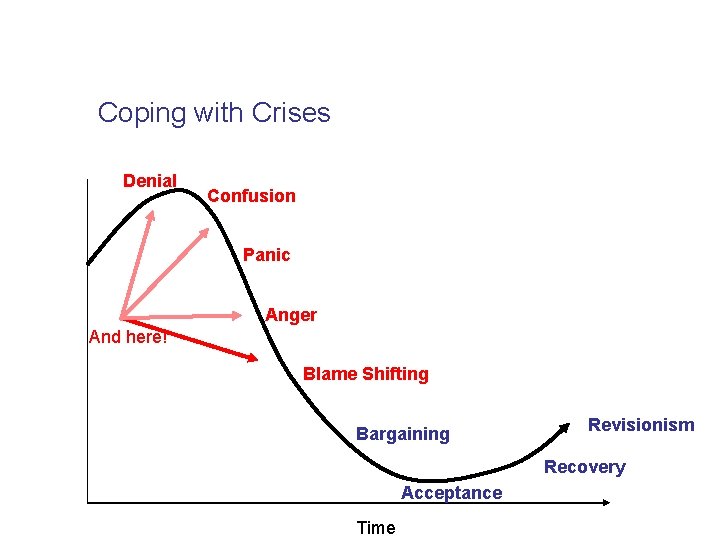
Coping with Crises Denial Confusion Panic Anger And here! Blame Shifting Bargaining Revisionism Recovery Acceptance Time
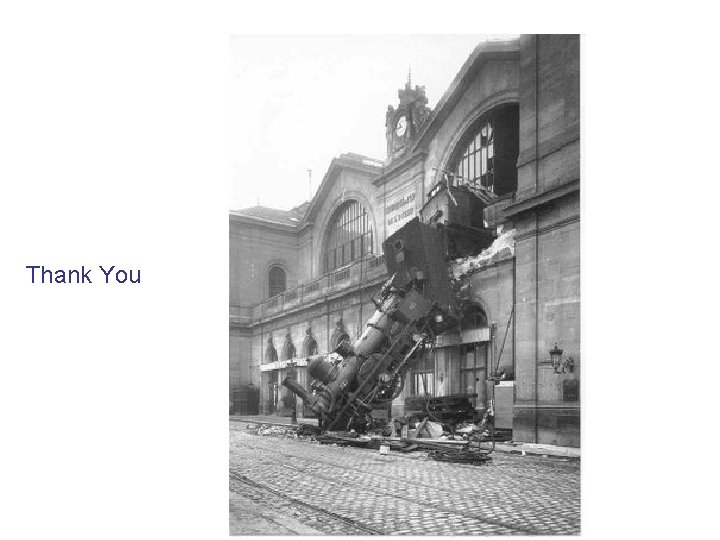
Thank You
- Slides: 34