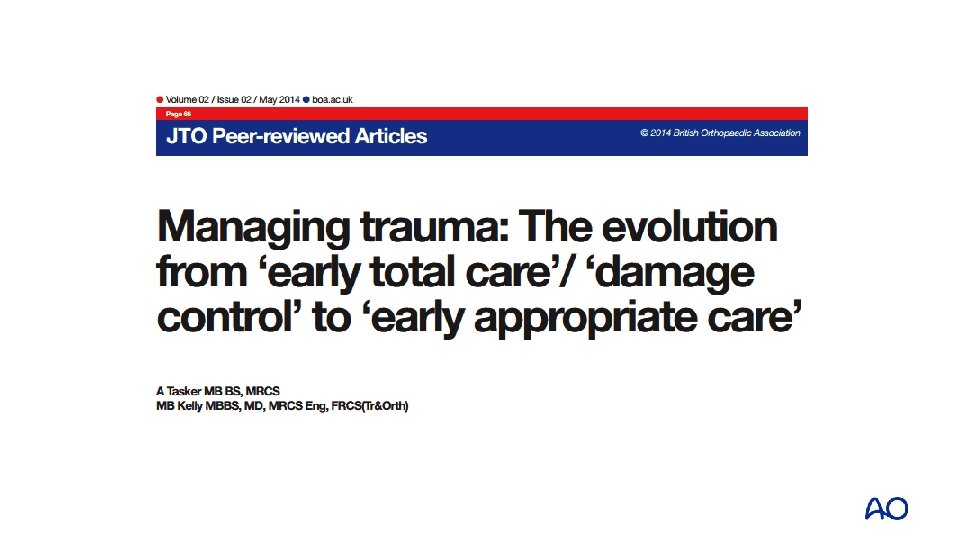
Early total care damage control orthopedics and early



- Slides: 32
Early total care, damage control orthopedics, and early appropriate care AO Trauma Basic Principles Course
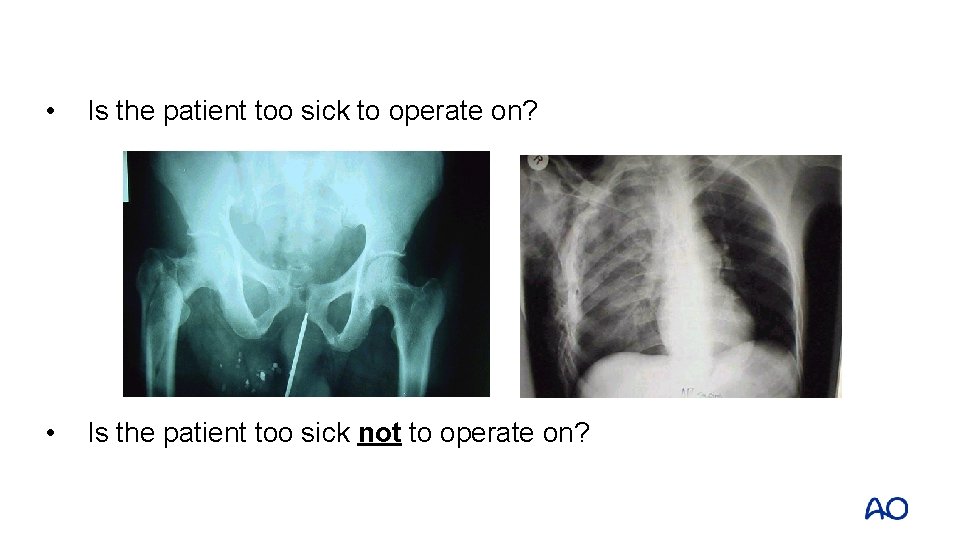
• Is the patient too sick to operate on? • Is the patient too sick not to operate on?
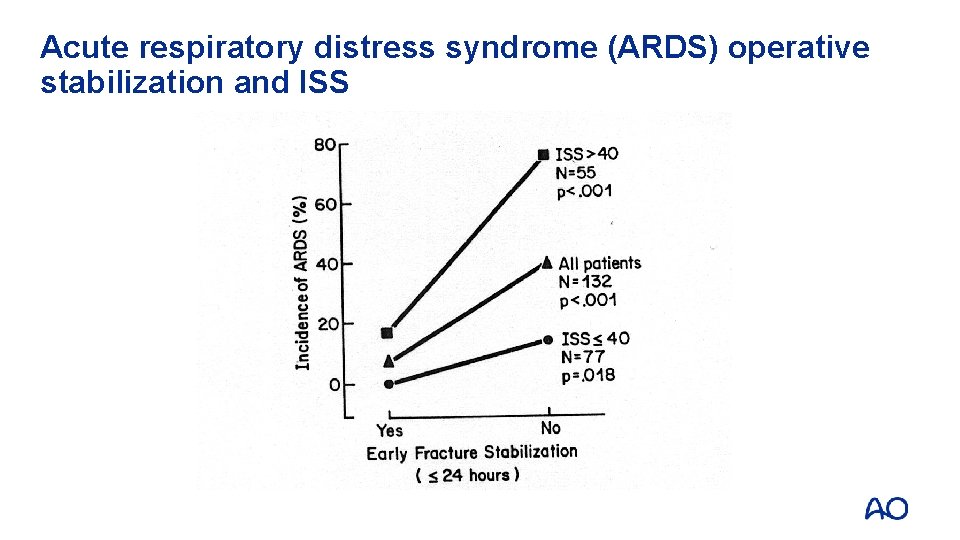
“Early fracture fixation / early total care” the evidence: 1977 Riska 1982 Goris 1986 Meek 1985 Johnson 1989 Bone 1990 Behrman 1994 Bone 1994 van Os Bone LB, Johnson KD, Weigelt J, Scheinberg R. (J Bone Joint Surg Am 1989; 71: 336 -40) “Early versus delayed stabilization of femoral fractures: a prospective randomized study”
Acute respiratory distress syndrome (ARDS) operative stabilization and ISS
Duration of primary surgery Pape and Tscherne 1999: • If 1 st operation > 6 hours in patients with ISS > 25 = • Increased ventilation time • Higher mortality • Versus shorter procedures in another group
Optimal timing for secondary surgery in polytrauma patients An evaluation of 4, 314 serious injury cases (Pape and Tscherne 1999) “Patients with severe trauma requiring secondary operations of greater than 3 hours duration, should not be performed on post-trauma days 2 -4”
Conclusions • Pulmonary and head injury complications are related to the severity of the initial trauma • • The “first hit” Initial trauma includes 10 surgery • The “second hit” • ETC facilitates early mobilization and discharge • Rigid protocols for ETC @ < 24 hrs …. may not be appropriate for all
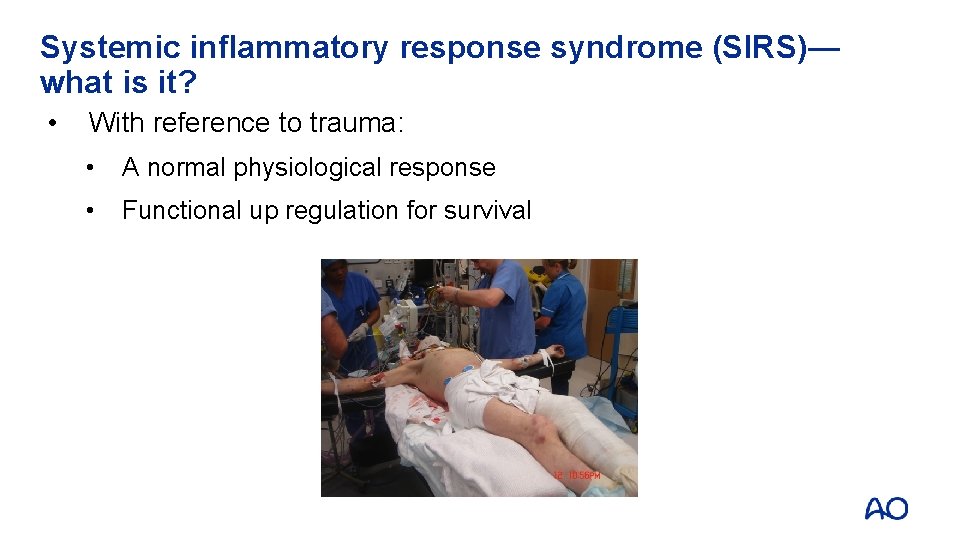
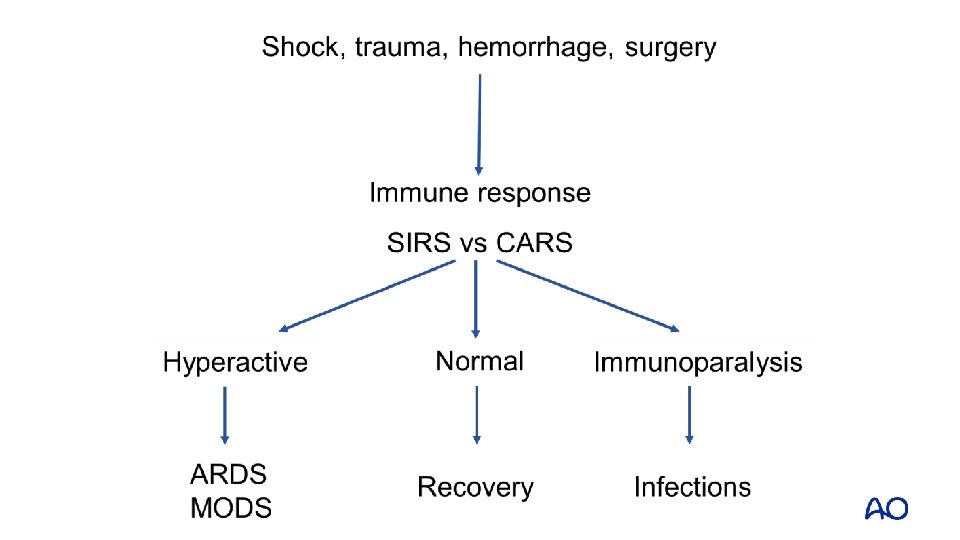
Systemic inflammatory response syndrome (SIRS)— what is it? • With reference to trauma: • A normal physiological response • Functional up regulation for survival
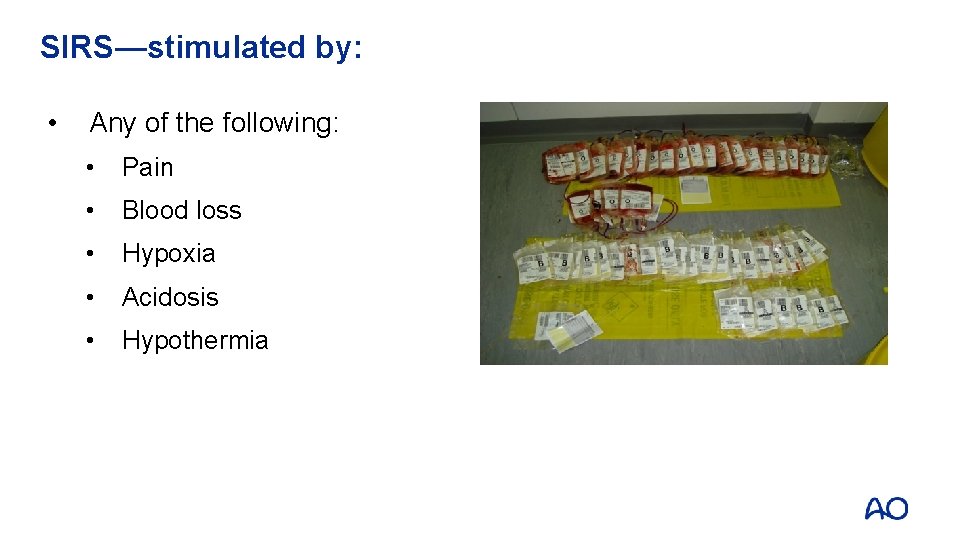
SIRS—stimulated by: • Any of the following: • Pain • Blood loss • Hypoxia • Acidosis • Hypothermia
SIRS—what do you see? • Altered vital signs • Impaired O 2 transport • Hypermetabolism • Altered protein and glucose metabolism • Altered inflammation and coagulation • Leucocytosis (usually) • Altered immunity
SIRS definition • 1992 consensus conference • 4 parameters: 1 point for each, ≥ 2 = SIRS: • Temp > 38 or < 36 • P > 90 • RR > 20 or Pa. CO 2 < 32 • WCC > 12 or < 4
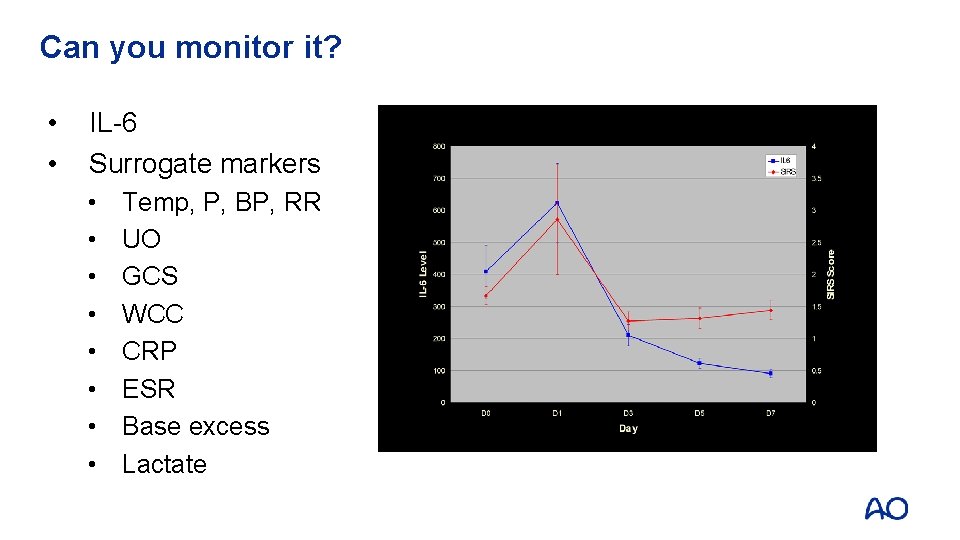
Can you monitor it? • • IL-6 Surrogate markers • • Temp, P, BP, RR UO GCS WCC CRP ESR Base excess Lactate
Can you regulate SIRS? • • Predict or recognize 1 st and 2 nd hit concept: • 1 st hit – trauma • 2 nd hit – (operative) resuscitation • So try to limit the 2 nd hit
Current concepts • “Old” • Trauma – resucitation – surgery (DCS) – ITU • “New” • Trauma – DCR / DCS – ITU • “Resuscitation = Physiology not Geography”
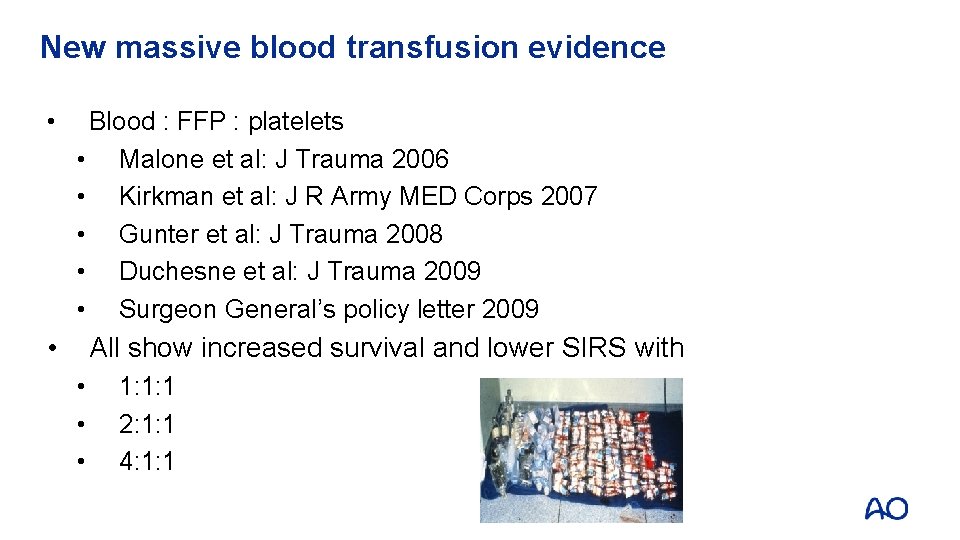
New massive blood transfusion evidence • Blood : FFP : platelets • Malone et al: J Trauma 2006 • Kirkman et al: J R Army MED Corps 2007 • Gunter et al: J Trauma 2008 • Duchesne et al: J Trauma 2009 • Surgeon General’s policy letter 2009 • All show increased survival and lower SIRS with • • • 1: 1: 1 2: 1: 1 4: 1: 1
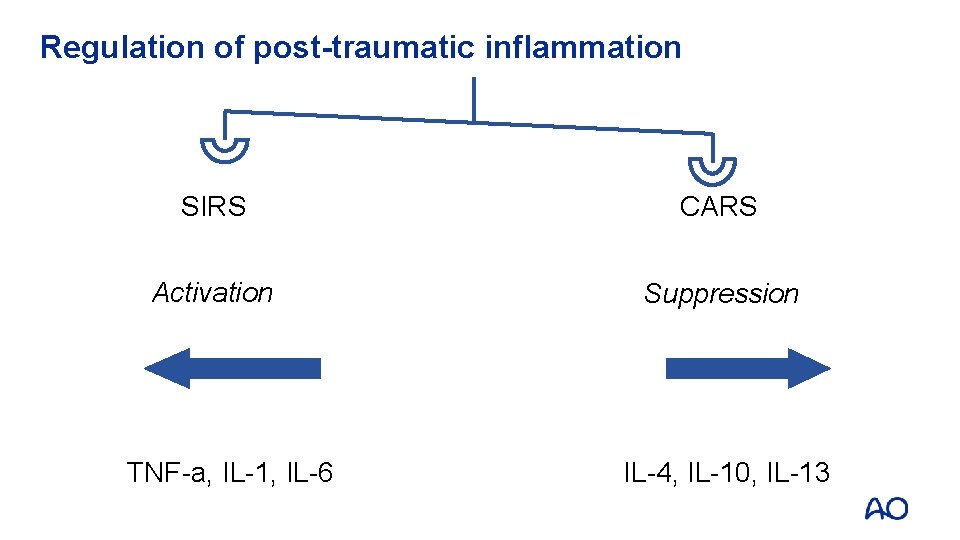
Regulation of post-traumatic inflammation SIRS CARS Activation Suppression TNF-a, IL-1, IL-6 IL-4, IL-10, IL-13
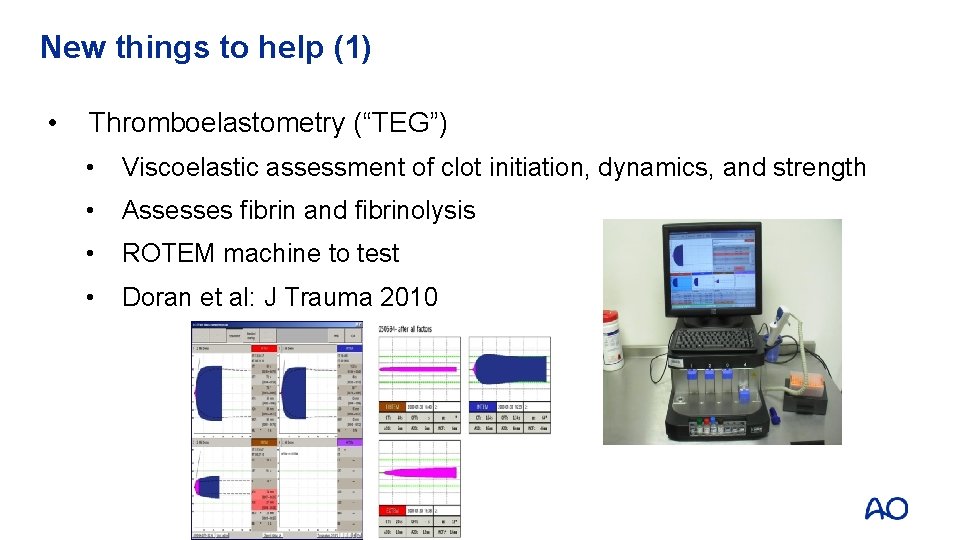
New things to help (1) • Thromboelastometry (“TEG”) • Viscoelastic assessment of clot initiation, dynamics, and strength • Assesses fibrin and fibrinolysis • ROTEM machine to test • Doran et al: J Trauma 2010
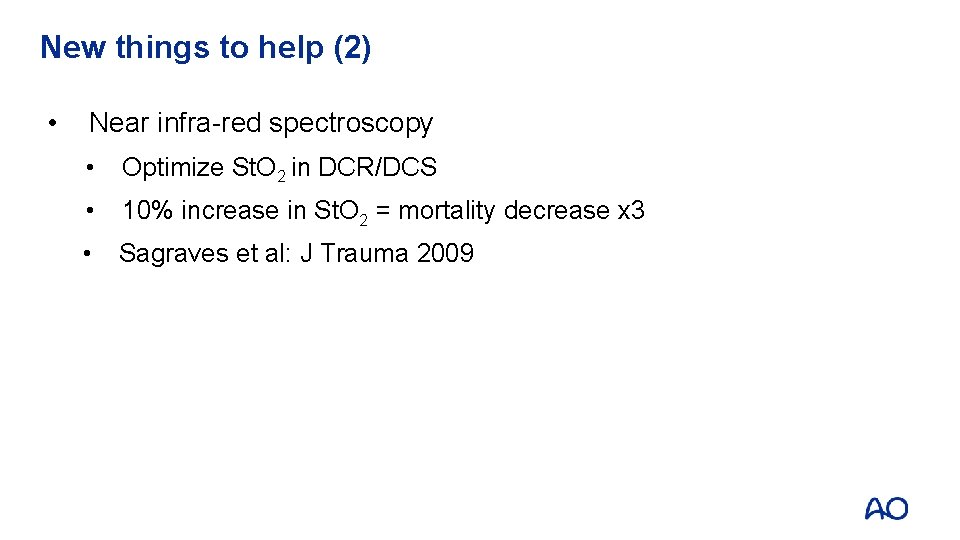
New things to help (2) • Near infra-red spectroscopy • Optimize St. O 2 in DCR/DCS • 10% increase in St. O 2 = mortality decrease x 3 • Sagraves et al: J Trauma 2009
“New” things to help (3) • Trauma care delivery • Specialist hospitals • • Not a hospital of specialities Teamwork • Leaving egos at the door • Communication and situation awareness
So where we until 2013? • Isolated injuries or (A)ISS < 16:
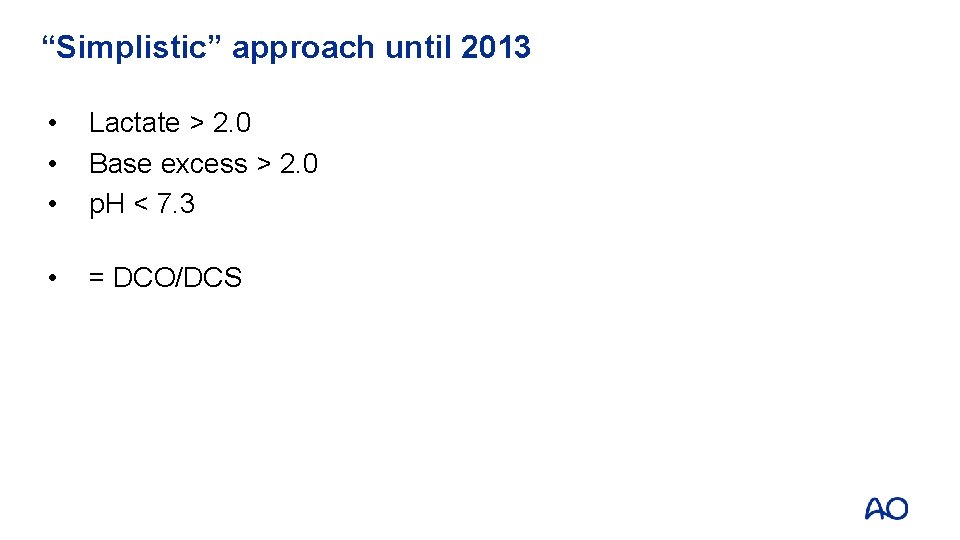
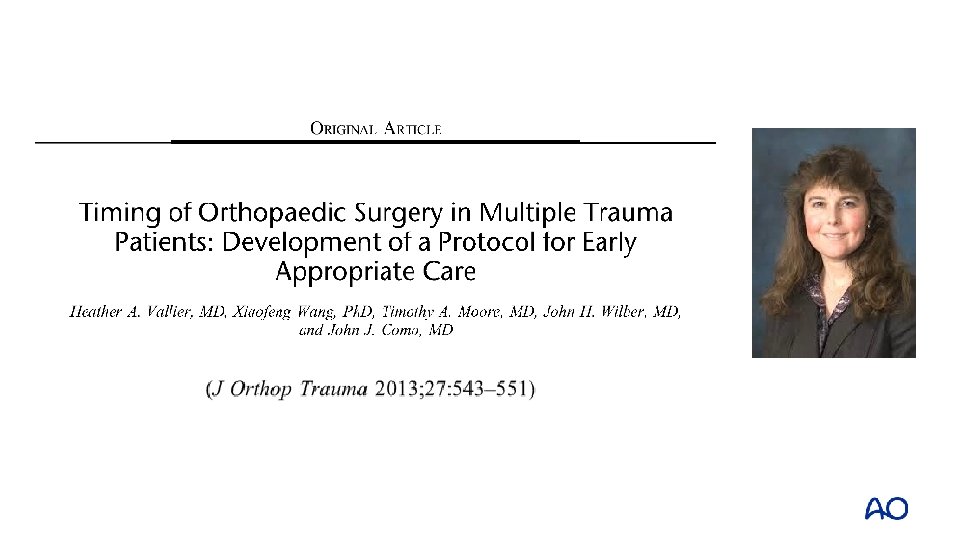
“Simplistic” approach until 2013 • • • Lactate > 2. 0 Base excess > 2. 0 p. H < 7. 3 • = DCO/DCS
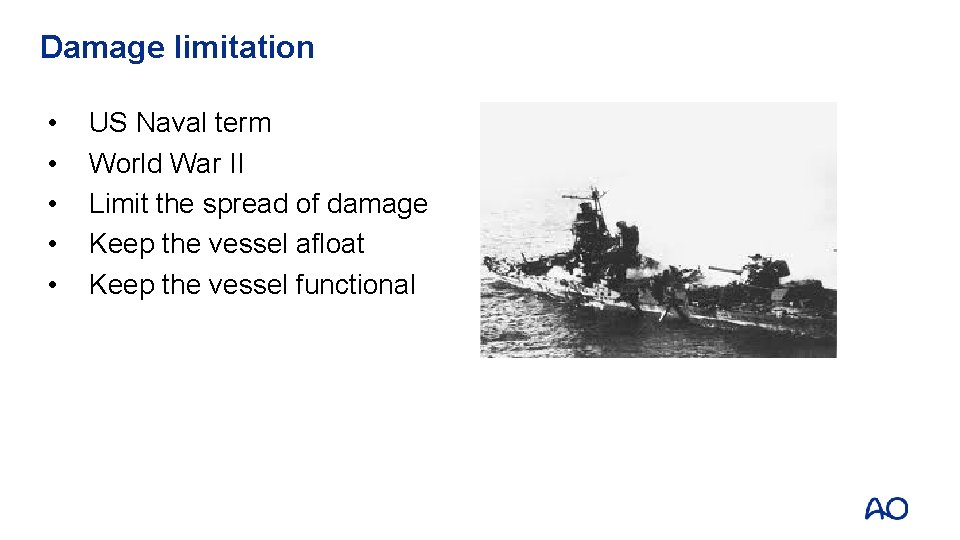
Damage limitation • • • US Naval term World War II Limit the spread of damage Keep the vessel afloat Keep the vessel functional
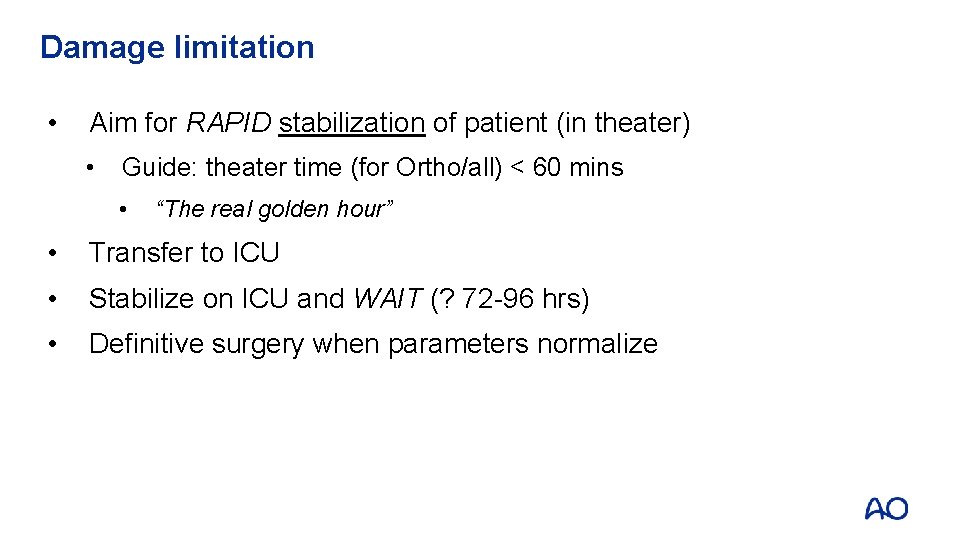
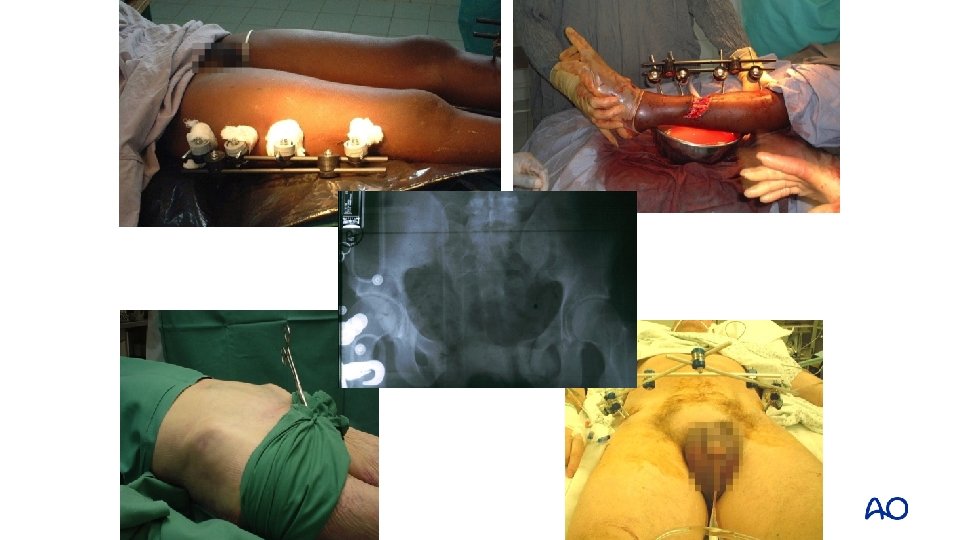
Damage limitation • Aim for RAPID stabilization of patient (in theater) • Guide: theater time (for Ortho/all) < 60 mins • “The real golden hour” • Transfer to ICU • Stabilize on ICU and WAIT (? 72 -96 hrs) • Definitive surgery when parameters normalize
Rapid stabilization • Hemodynamic stability • “Blood on the floor and 4 more” • • • Chest Abdomen Pelvis Long bones Obvious bleeding – nb scalp Fracture stabilization not fixation • • • Long bones Pelvis (Spine)
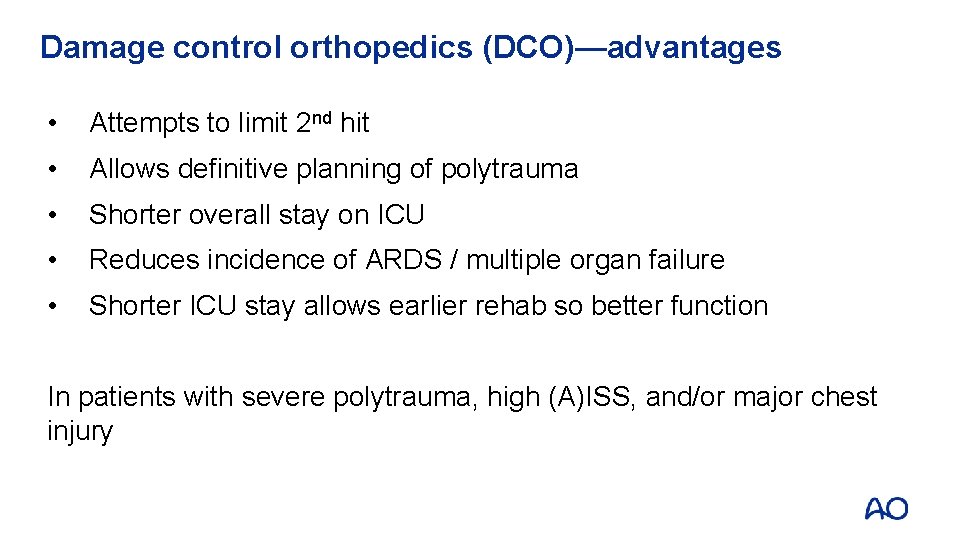
Damage control orthopedics (DCO)—advantages • Attempts to limit 2 nd hit • Allows definitive planning of polytrauma • Shorter overall stay on ICU • Reduces incidence of ARDS / multiple organ failure • Shorter ICU stay allows earlier rehab so better function In patients with severe polytrauma, high (A)ISS, and/or major chest injury
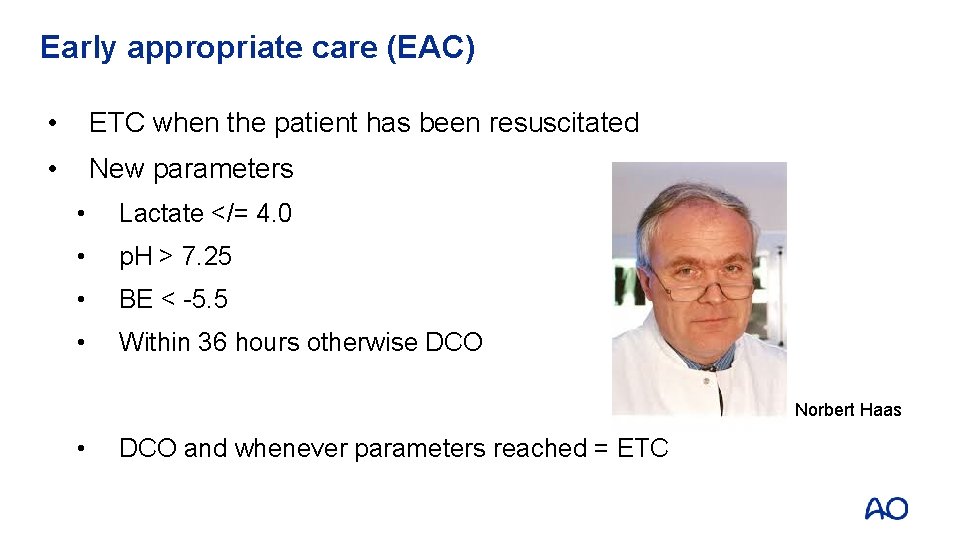
Early appropriate care (EAC) • ETC when the patient has been resuscitated • New parameters • Lactate </= 4. 0 • p. H > 7. 25 • BE < -5. 5 • Within 36 hours otherwise DCO Norbert Haas • DCO and whenever parameters reached = ETC