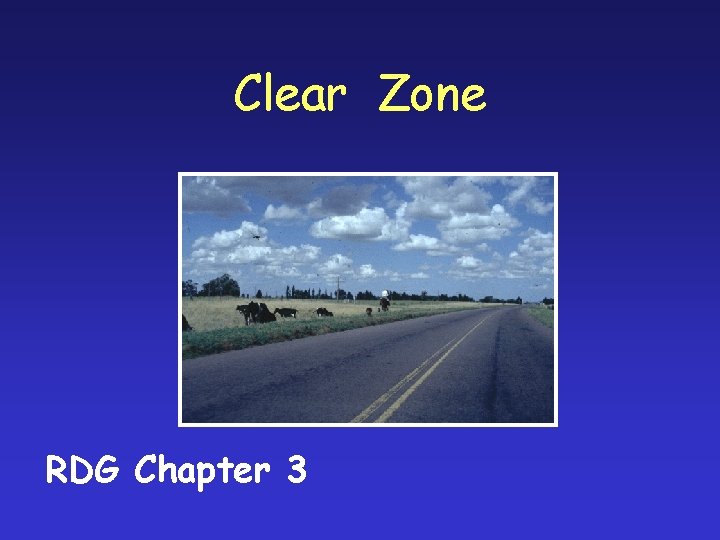
Clear Zone RDG Chapter 3 What is a
- Slides: 20
Clear Zone RDG Chapter 3
What is a Clear Zone?
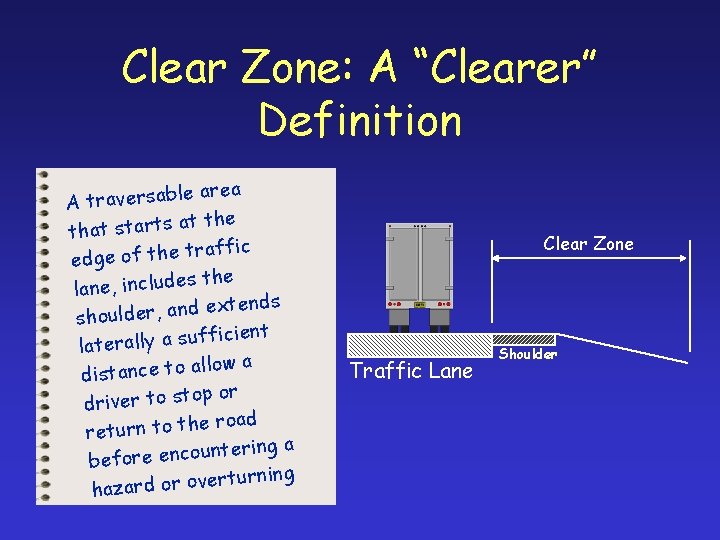
Clear Zone: A “Clearer” Definition rea a le b a s r e v a r At t the that starts a raffic edge of the t the s e d lu c in , e n la ends t x e d n a , r e should icient f f u s a y ll a r e lat llow a distance to a p or driver to sto road return to the ing a r e t n u o c n e e befor erturning v o r o d r a z a h Clear Zone Traffic Lane Shoulder
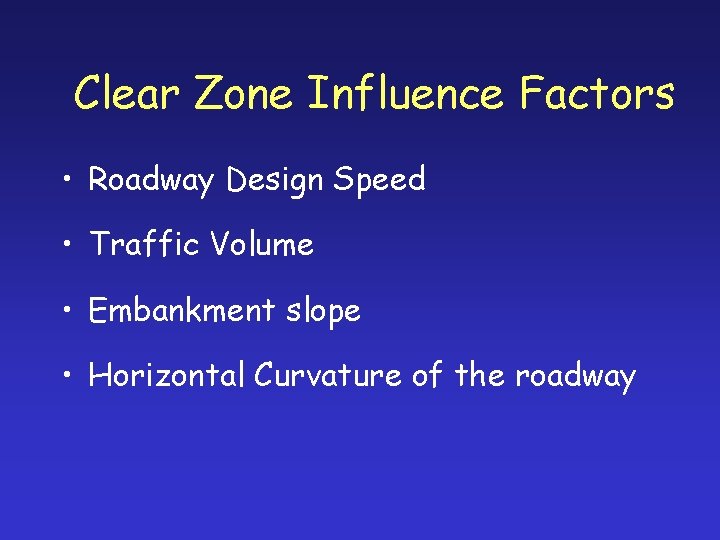
Clear Zone Influence Factors • Roadway Design Speed • Traffic Volume • Embankment slope • Horizontal Curvature of the roadway
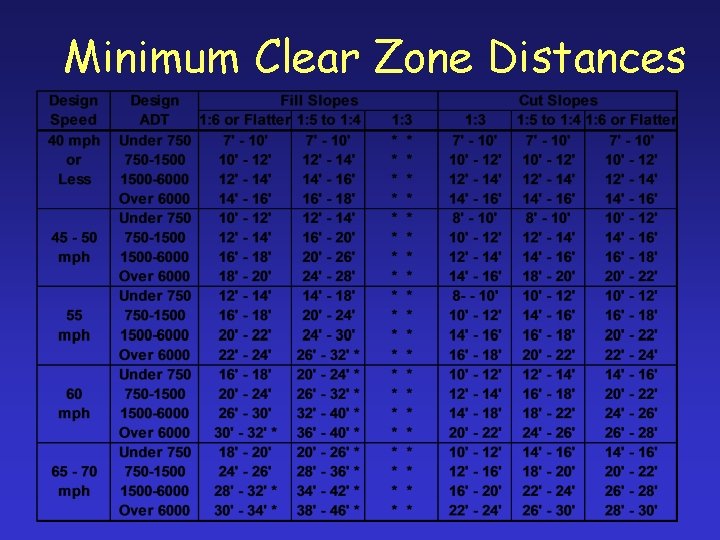
Minimum Clear Zone Distances
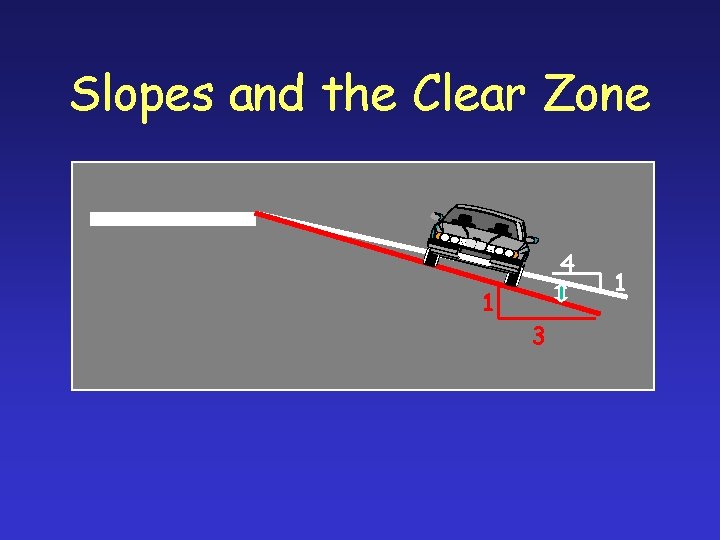
Slopes and the Clear Zone 4 1 3 1
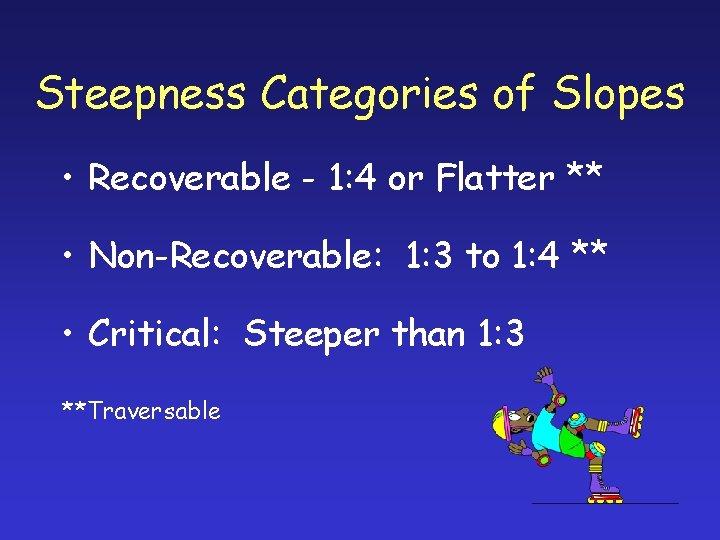
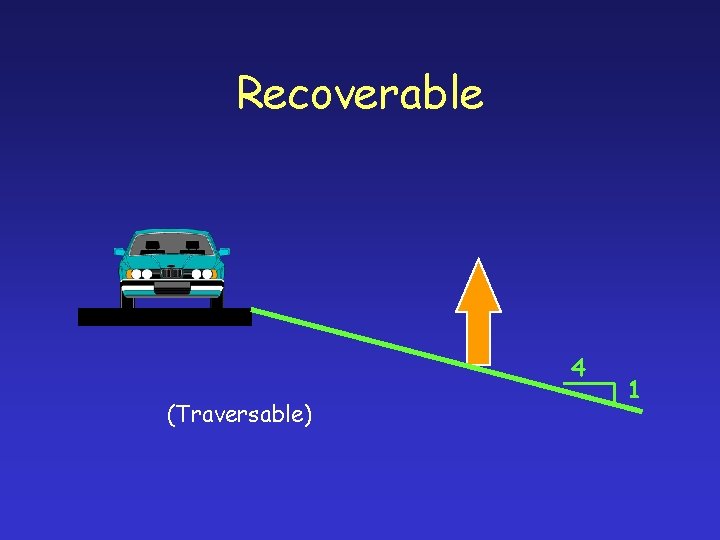
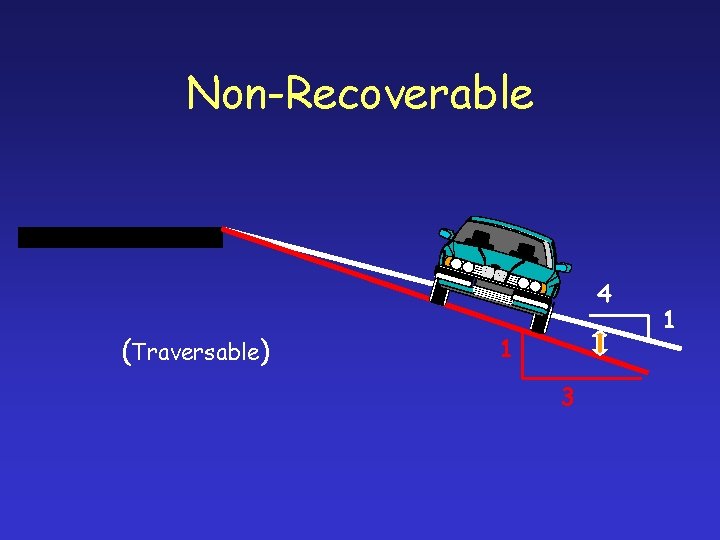
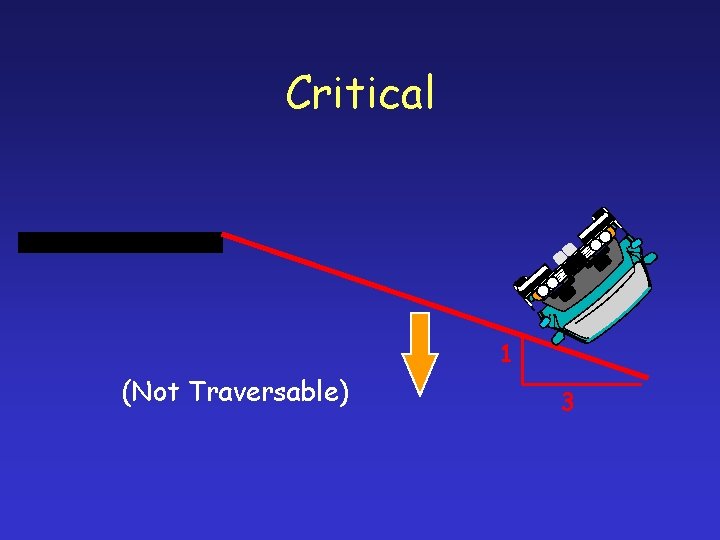
Steepness Categories of Slopes • Recoverable - 1: 4 or Flatter ** • Non-Recoverable: 1: 3 to 1: 4 ** • Critical: Steeper than 1: 3 **Traversable
Recoverable 4 (Traversable) 1
Non-Recoverable 4 (Traversable) 1 3 1
Critical 1 (Not Traversable) 3
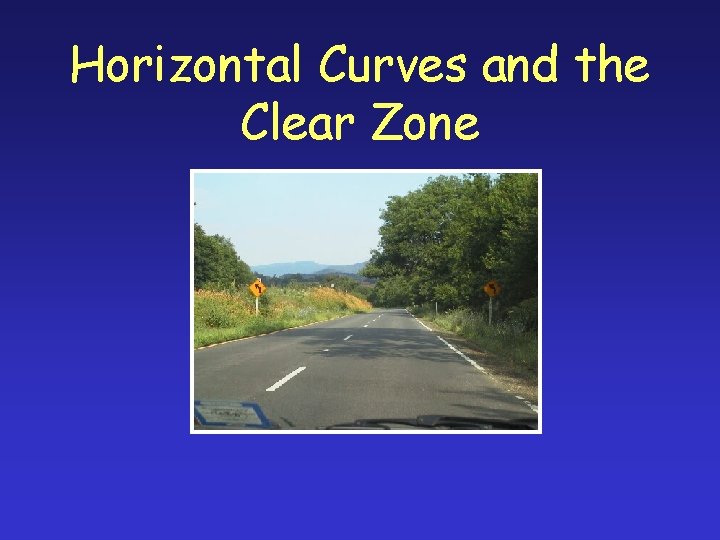
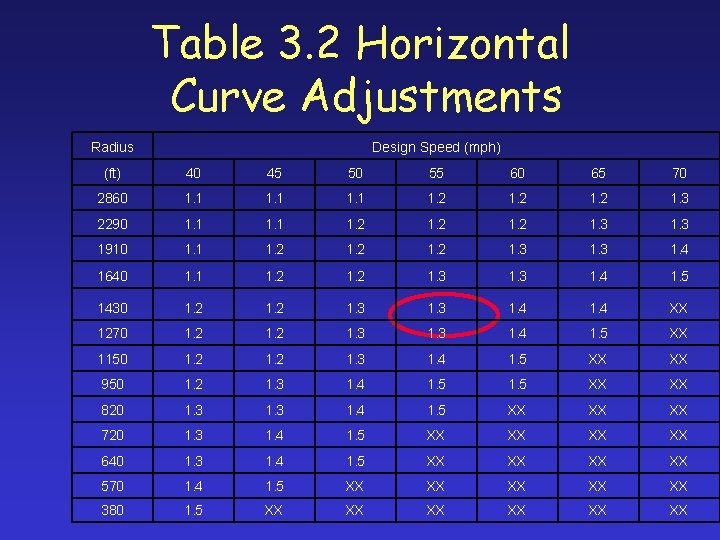
Horizontal Curves and the Clear Zone
Table 3. 2 Horizontal Curve Adjustments Radius Design Speed (mph) (ft) 40 45 50 55 60 65 70 2860 1. 1 1. 2 1. 3 2290 1. 1 1. 2 1. 3 1910 1. 1 1. 2 1. 3 1. 4 1640 1. 1 1. 2 1. 3 1. 4 1. 5 1430 1. 2 1. 3 1. 4 XX 1270 1. 2 1. 3 1. 4 1. 5 XX 1150 1. 2 1. 3 1. 4 1. 5 XX XX 950 1. 2 1. 3 1. 4 1. 5 XX XX 820 1. 3 1. 4 1. 5 XX XX XX 720 1. 3 1. 4 1. 5 XX XX 640 1. 3 1. 4 1. 5 XX XX 570 1. 4 1. 5 XX XX XX 380 1. 5 XX XX XX
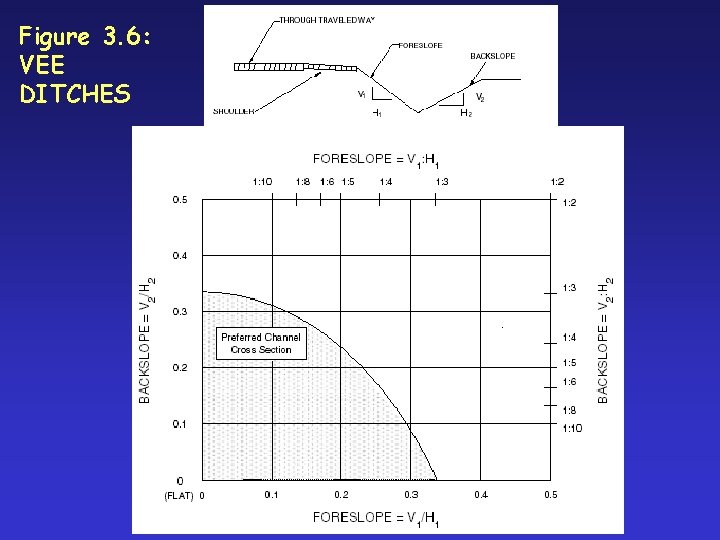
Figure 3. 6: VEE DITCHES
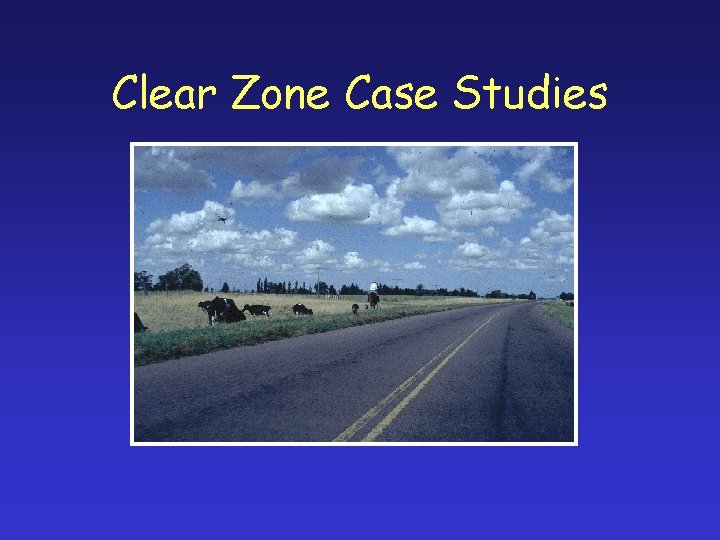
Clear Zone Case Studies
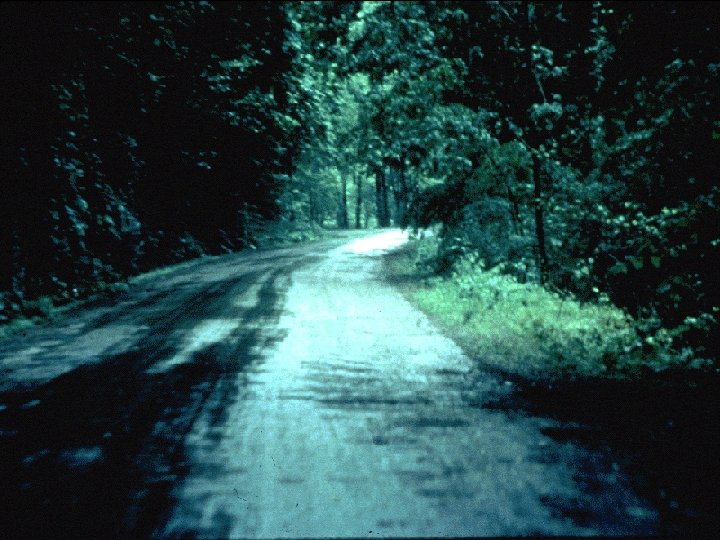
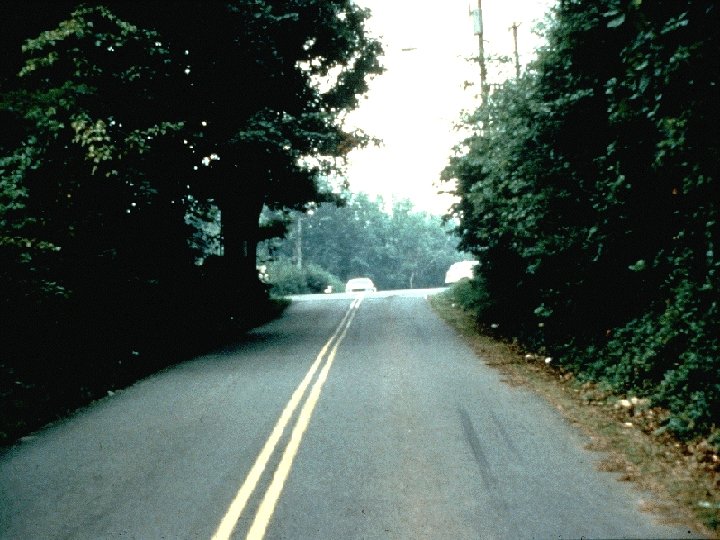
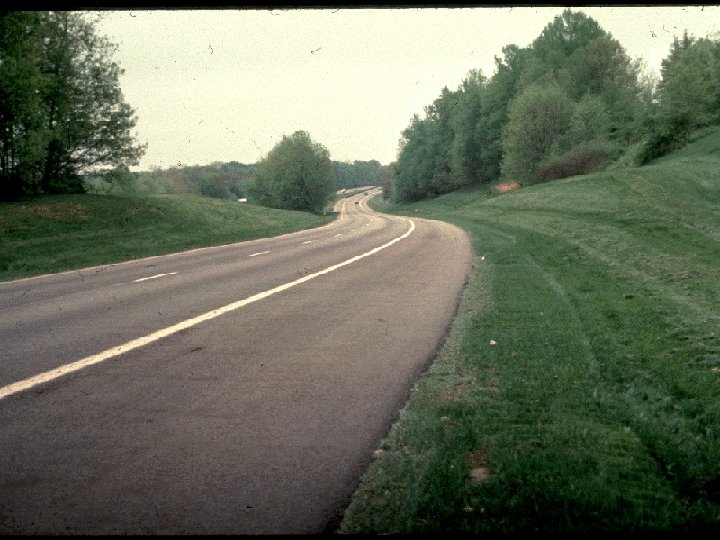
Country road
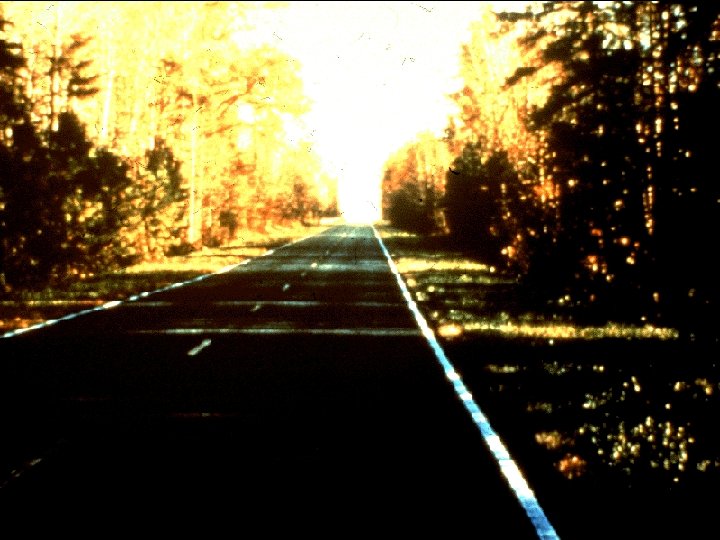
Pavement markings
Add edge lines
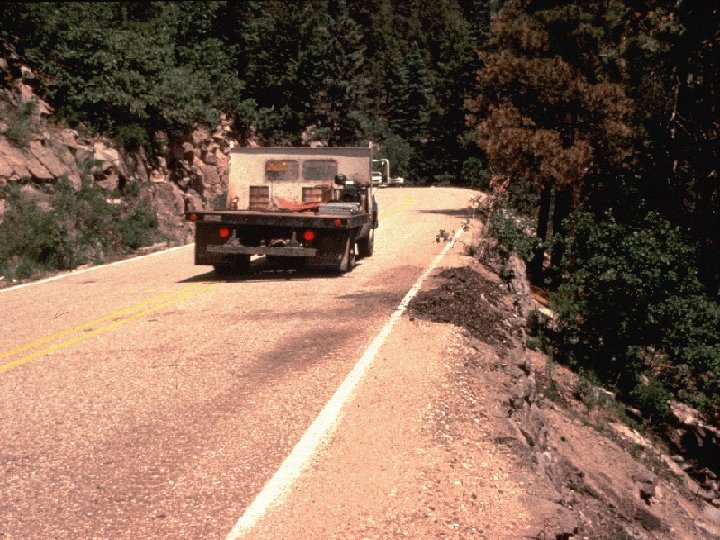
Geometric and roadside inconsistency
Maintain Consistency In Roadway Design Don't Surprise The Driver!!
Optimum design