CHAPTER 5 KEY ISSUE 2 Why is English


- Slides: 31
CHAPTER 5 KEY ISSUE 2 Why is English Related to Other Languages?
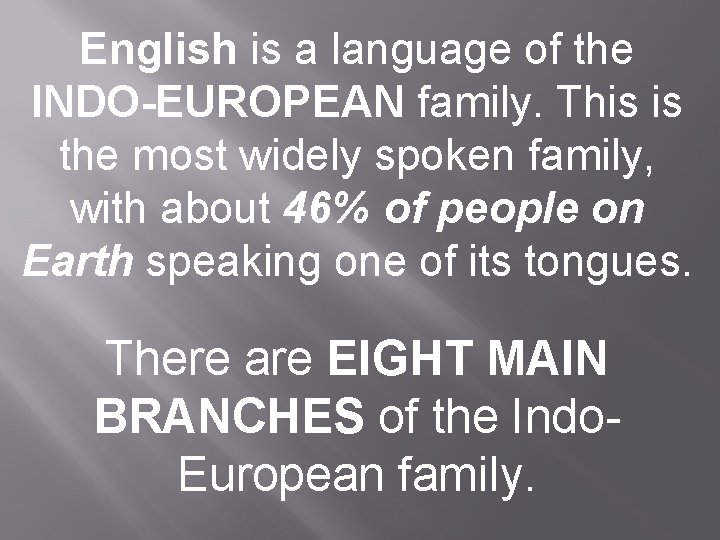
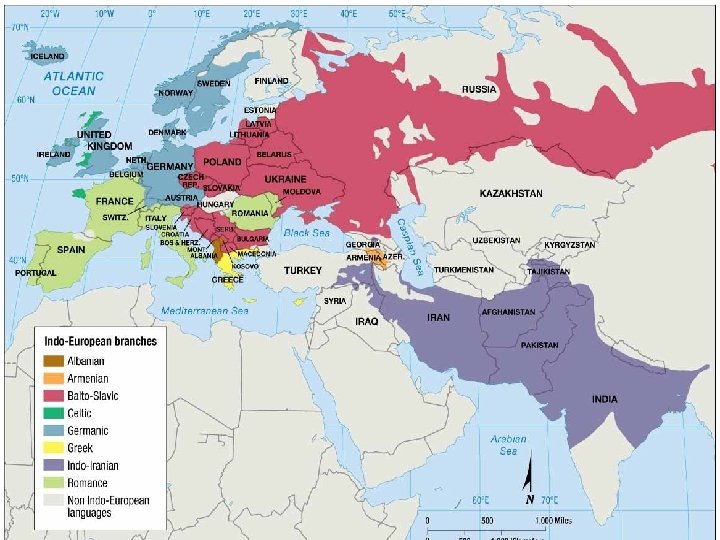
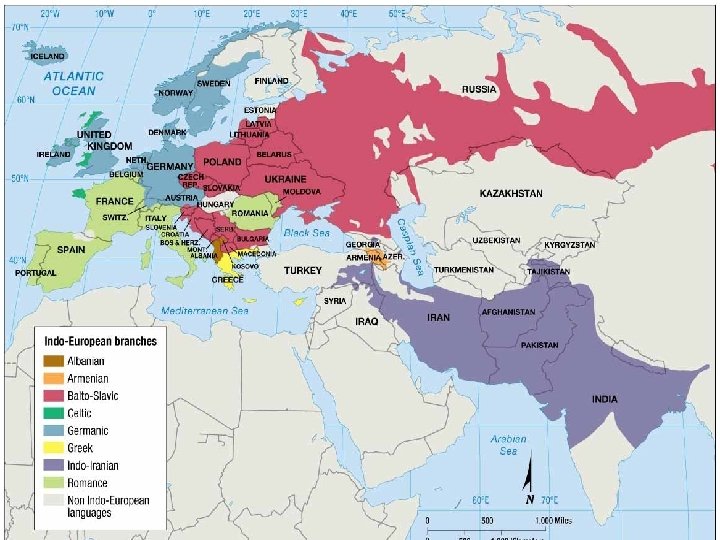
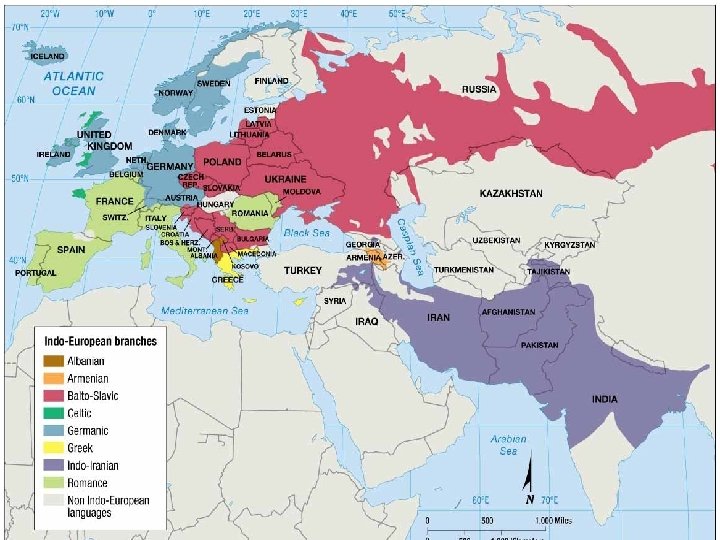
English is a language of the INDO-EUROPEAN family. This is the most widely spoken family, with about 46% of people on Earth speaking one of its tongues. There are EIGHT MAIN BRANCHES of the Indo. European family.
Let’s look at the largest four languages of the Indo-European family.
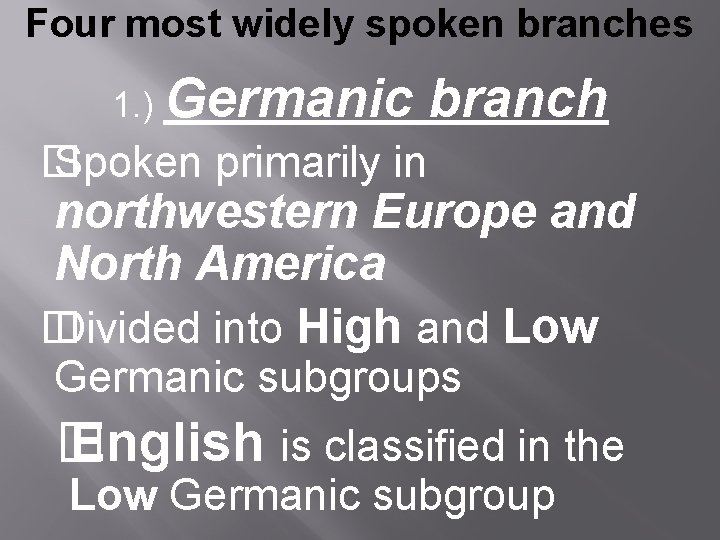
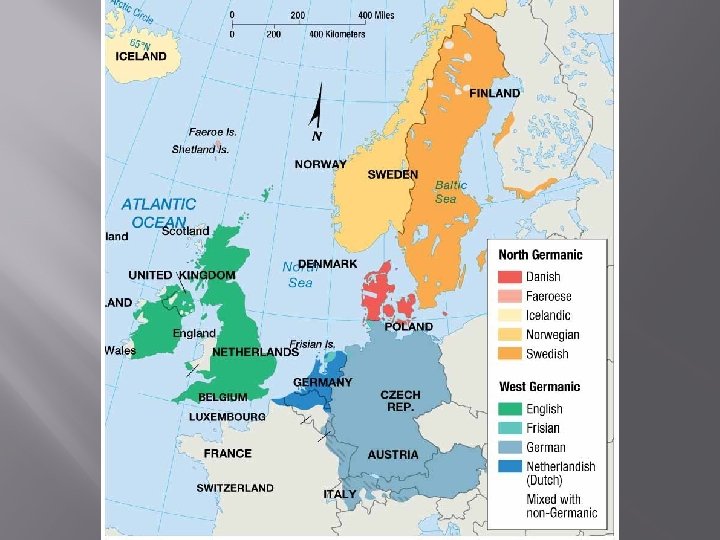
Four most widely spoken branches 1. ) Germanic branch � Spoken primarily in northwestern Europe and North America � Divided into High and Low Germanic subgroups � English is classified in the Low Germanic subgroup
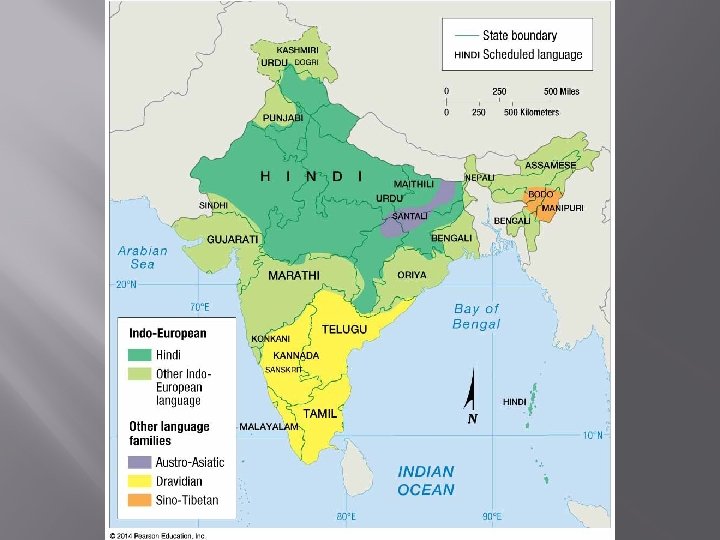
Four most widely spoken branches 2. ) Indo-Iranian branch • Spoken primarily in South Asia • Subdivided into eastern group (Indic) and western group (Iranian)
3. Balto-Slavic branch � Spoken primarily in Eastern Europe � Divided into… � East Slavic/Baltic Groups: most widely used language is Russian, followed by Ukrainian and Belarusian. � West/South Slavic Groups: most spoken west Slavic language is Polish, followed by Czech and Slovak.
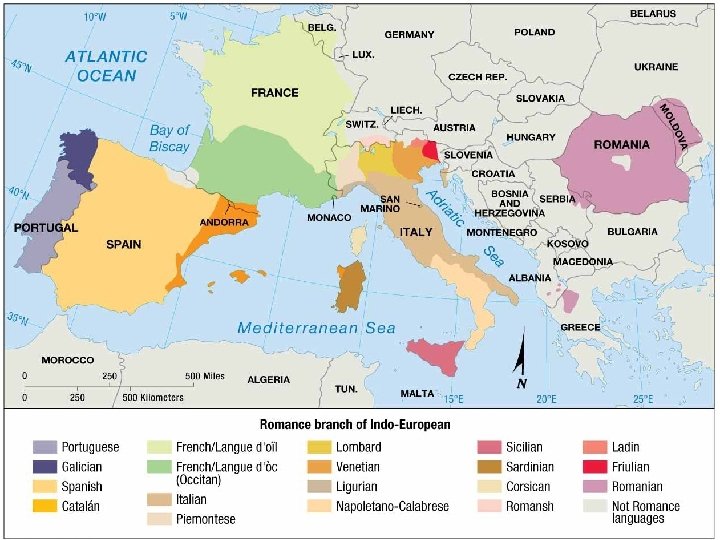
4. ) Romance branch � Spoken primarily in southwestern Europe and Latin America � Most widely used are Spanish, Portuguese, French, and Italian. � Lingual divisions tend to correspond to the political boundaries of Spain, Portugal, France, and Italy.
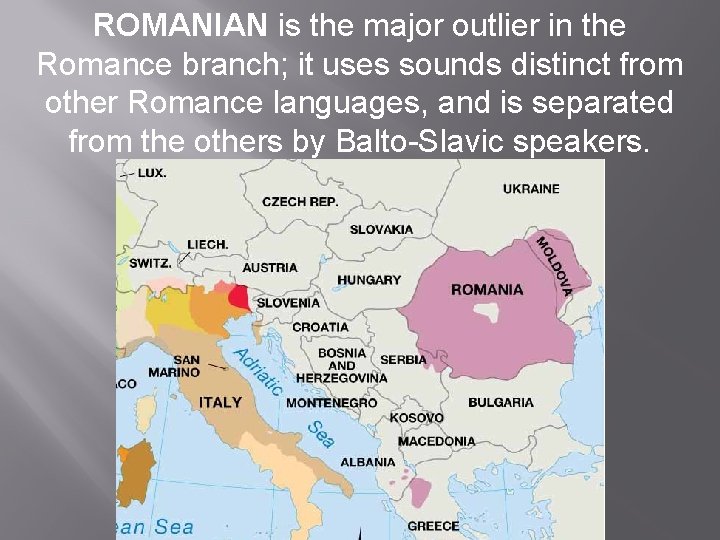
ROMANIAN is the major outlier in the Romance branch; it uses sounds distinct from other Romance languages, and is separated from the others by Balto-Slavic speakers.
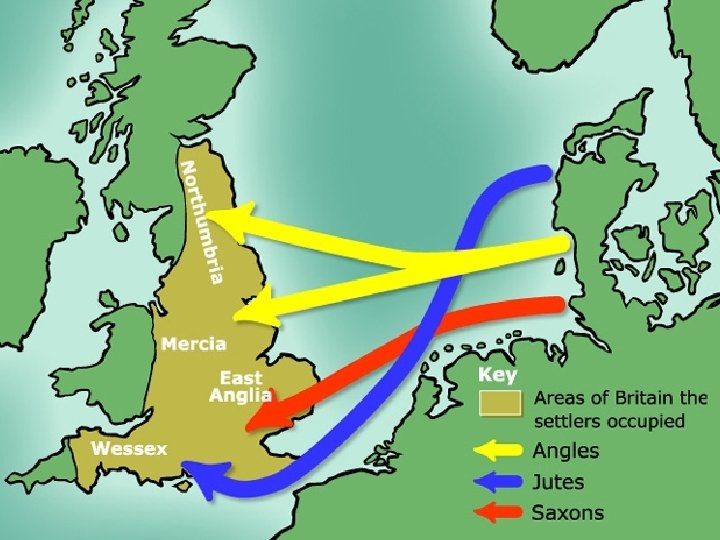
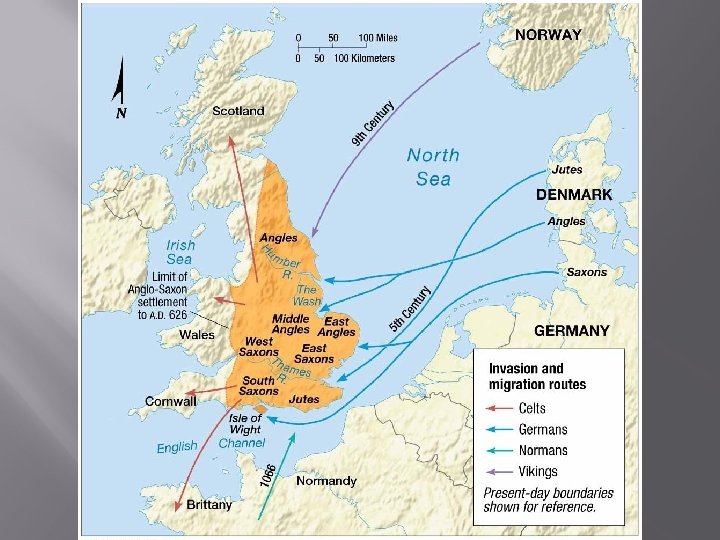
ORIGIN AND DIFFUSION OF �Modern ENGLISH English has evolved primarily from the languages spoken by three Germanic tribes that invaded the British Isles in the 5 th century. 1. Angles- from southern Denmark 2. Jutes- from northern Denmark 3. Saxons- from northwestern Germany
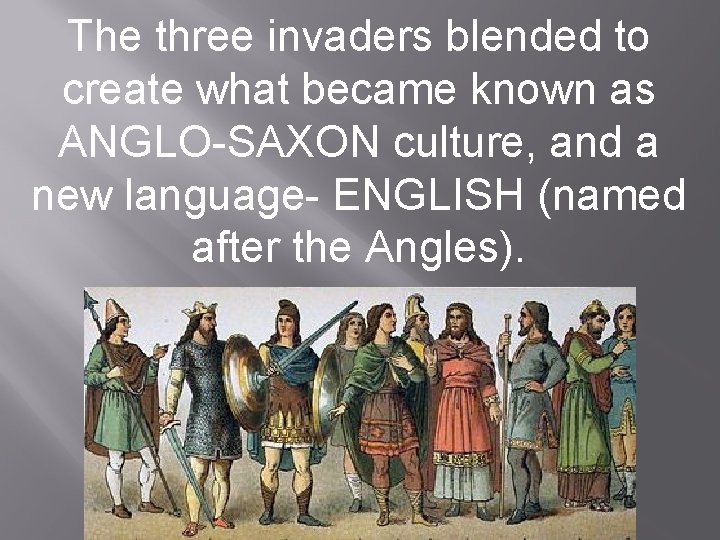
The three invaders blended to create what became known as ANGLO-SAXON culture, and a new language- ENGLISH (named after the Angles).
Over time, others invaded England their languages influenced early English. • Vikings from present-day Norway • Normans from presentday Normandy in France.
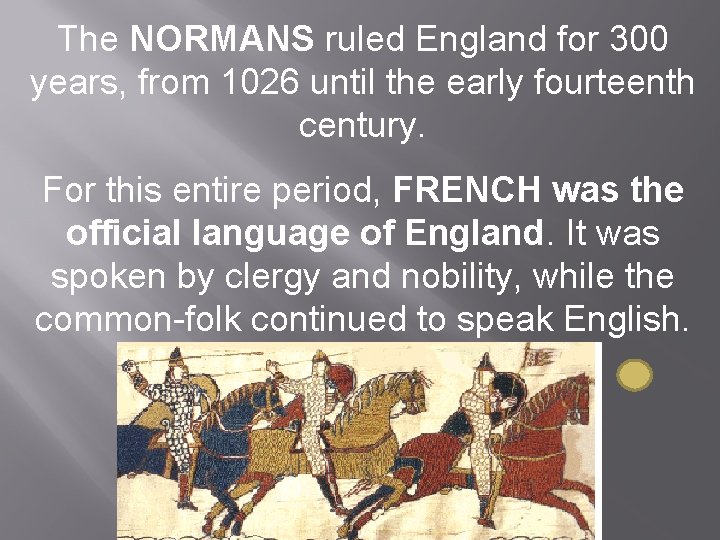
The NORMANS ruled England for 300 years, from 1026 until the early fourteenth century. For this entire period, FRENCH was the official language of England. It was spoken by clergy and nobility, while the common-folk continued to speak English.
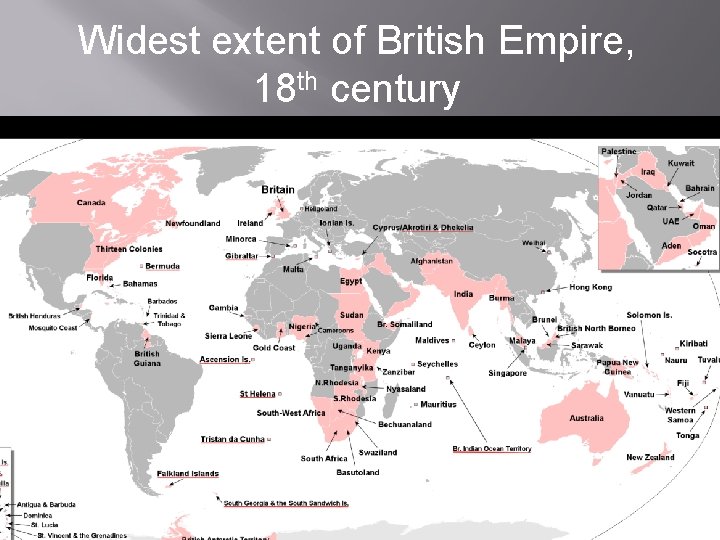
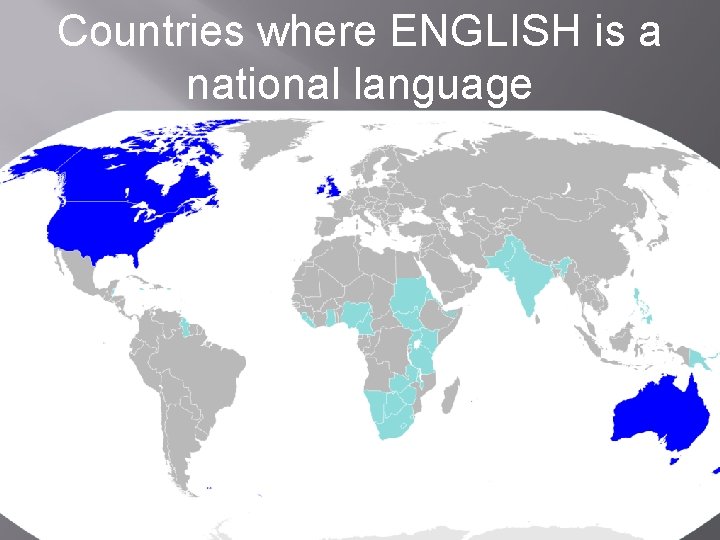
Global Diffusion of English language migrated across the world as Britain established a colonial EMPIRE. � English is an official language in most former British colonies.
Widest extent of British Empire, 18 th century
Countries where ENGLISH is a national language
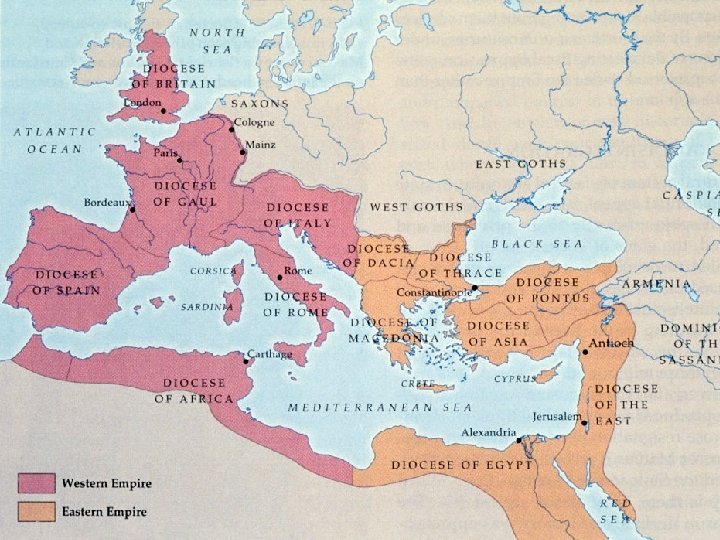
Origin and Diffusion of ROMANCE LANGUAGES
Because communication in ancient Rome was limited, contact between the provinces was scarce. Each developed its own form of Latin, known as a Vulgar Latin. When the Empire collapsed and communication ceased altogether, each Vulgar Latin developed into a modern
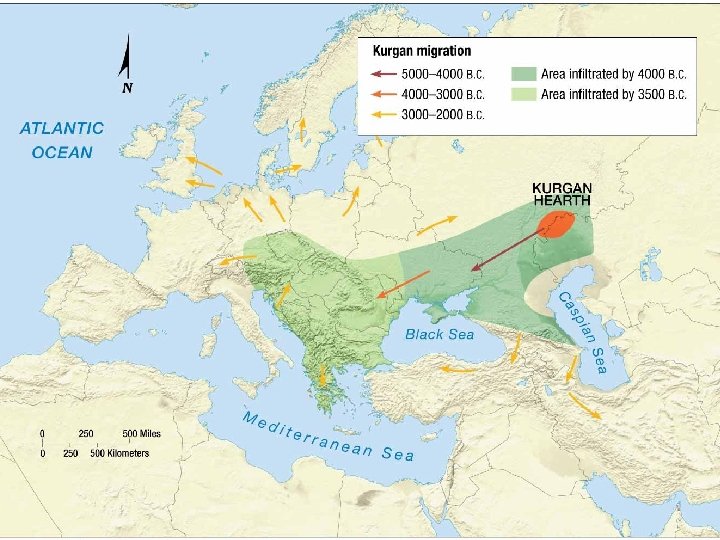
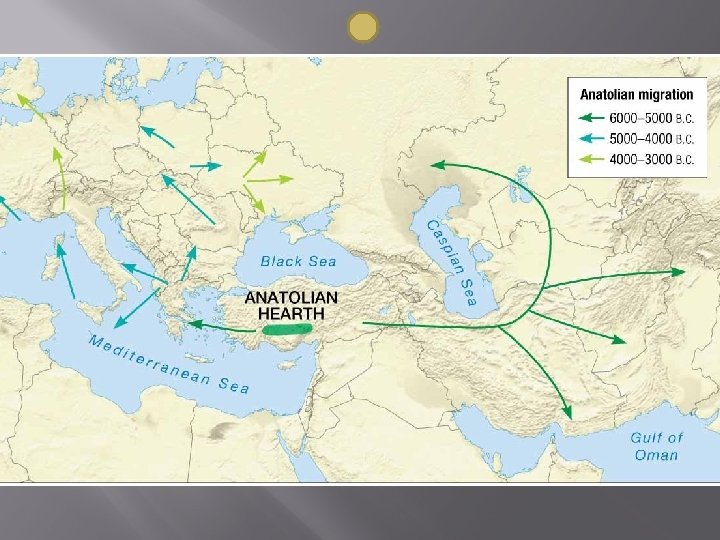
Linguists believe that a common proto-language was the foundation for the entire Indo-European family. Like other ‘superfamilies, ’ this is speculative, but TWO MAJOR THEORIES prevail:
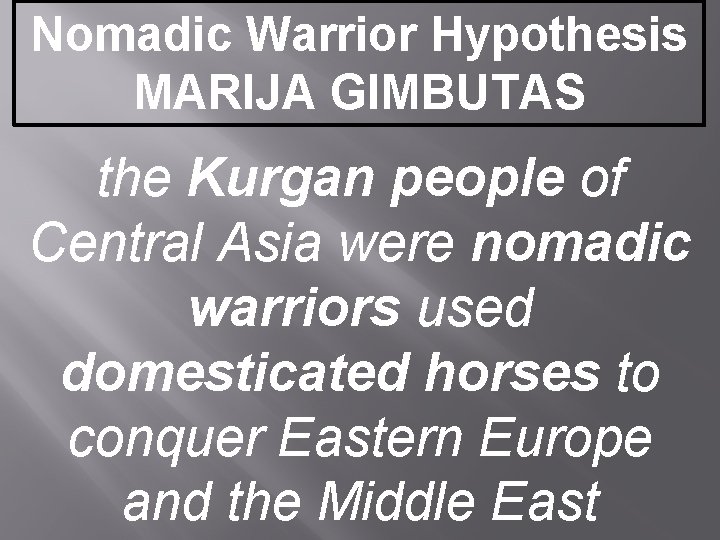
Nomadic Warrior Hypothesis MARIJA GIMBUTAS the Kurgan people of Central Asia were nomadic warriors used domesticated horses to conquer Eastern Europe and the Middle East
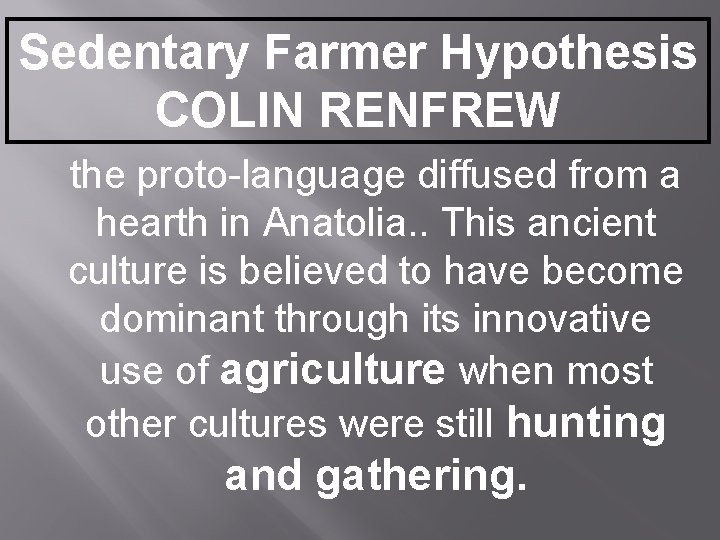
Sedentary Farmer Hypothesis COLIN RENFREW the proto-language diffused from a hearth in Anatolia. . This ancient culture is believed to have become dominant through its innovative use of agriculture when most other cultures were still hunting and gathering.