Art Maths Decoration and Pattern Lesson 1 Map

- Slides: 30
Art & Maths Decoration and Pattern
Lesson 1
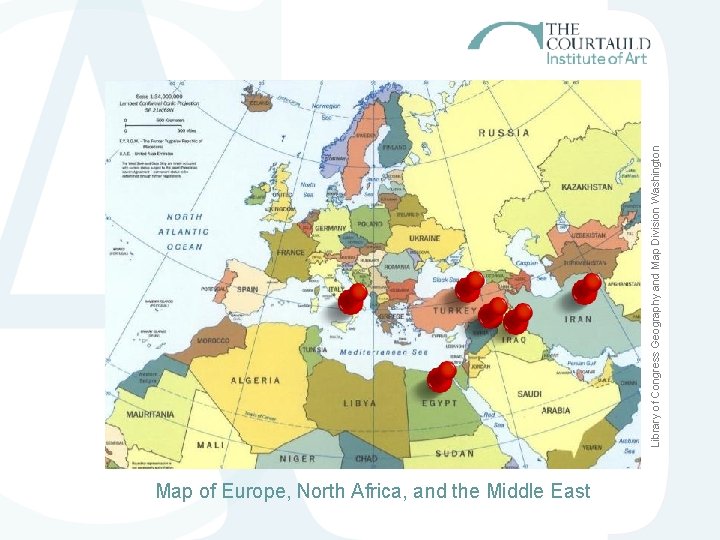
Map of Europe, North Africa, and the Middle East Library of Congress Geography and Map Division Washington
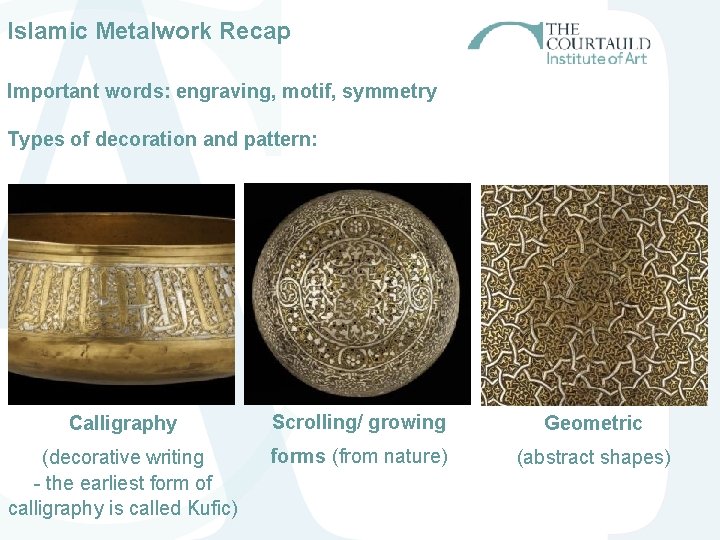
Islamic Metalwork Recap Important words: engraving, motif, symmetry Types of decoration and pattern: Calligraphy Scrolling/ growing forms (from nature) (decorative writing - the earliest form of calligraphy is called Kufic) Geometric (abstract shapes)
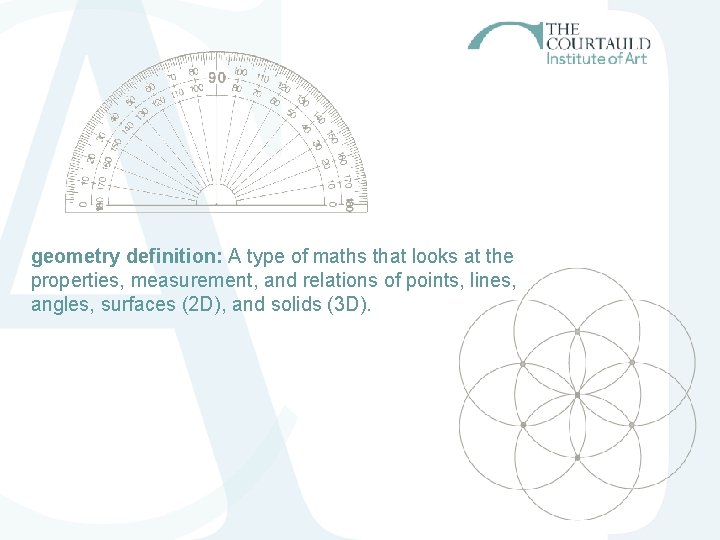
geometry definition: A type of maths that looks at the properties, measurement, and relations of points, lines, angles, surfaces (2 D), and solids (3 D).
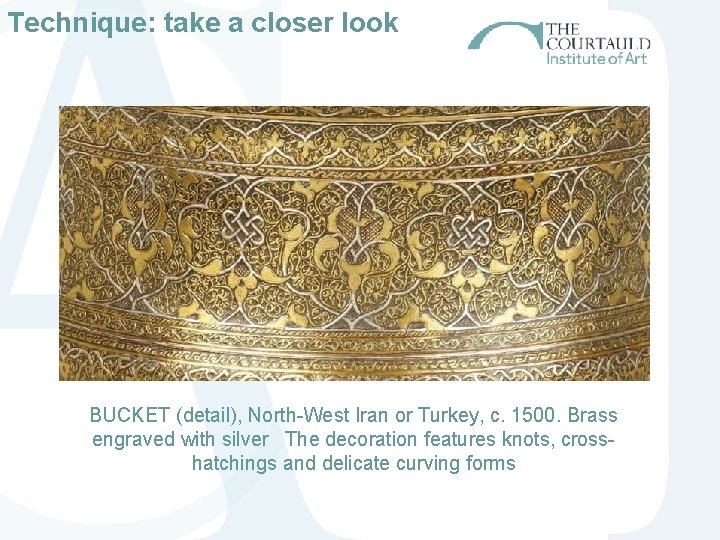
Technique: take a closer look BUCKET (detail), North-West Iran or Turkey, c. 1500. Brass engraved with silver The decoration features knots, crosshatchings and delicate curving forms
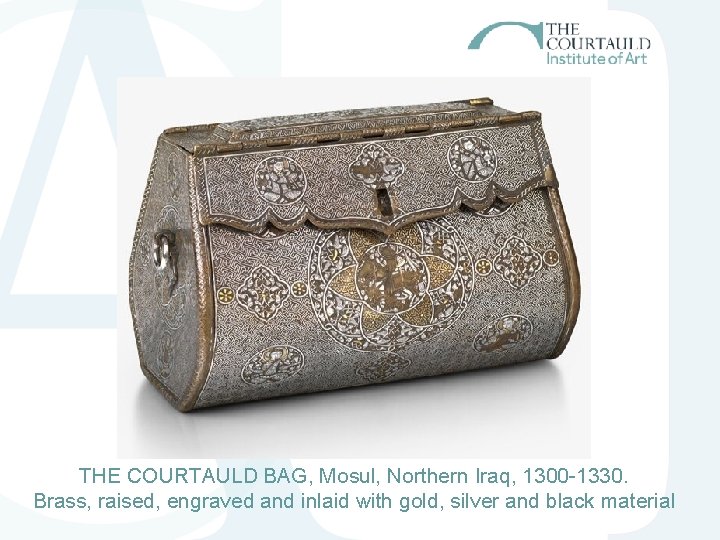
THE COURTAULD BAG, Mosul, Northern Iraq, 1300 -1330. Brass, raised, engraved and inlaid with gold, silver and black material
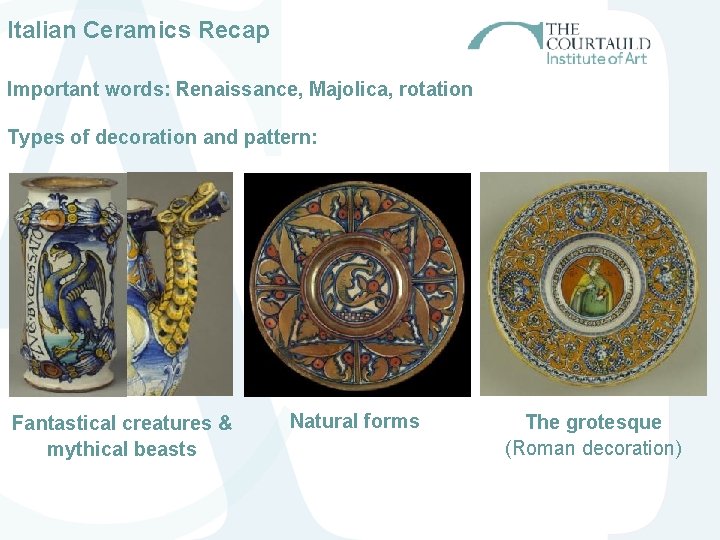
Italian Ceramics Recap Important words: Renaissance, Majolica, rotation Types of decoration and pattern: Fantastical creatures & mythical beasts Natural forms The grotesque (Roman decoration)
Lesson 2
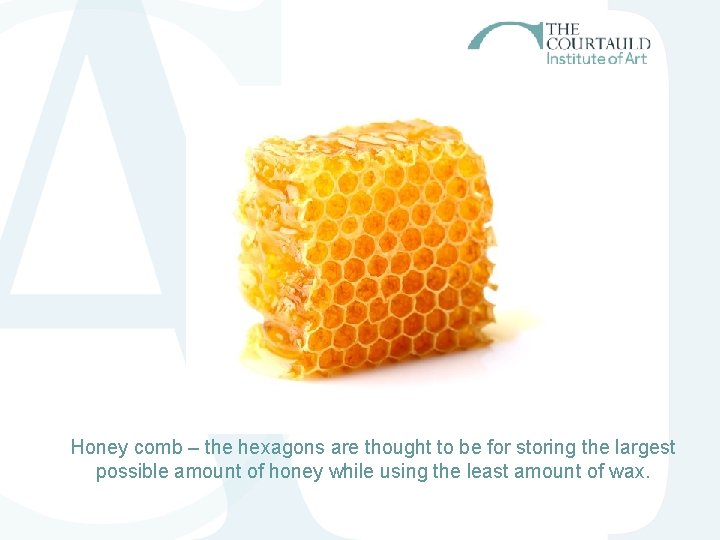
Honey comb – the hexagons are thought to be for storing the largest possible amount of honey while using the least amount of wax.
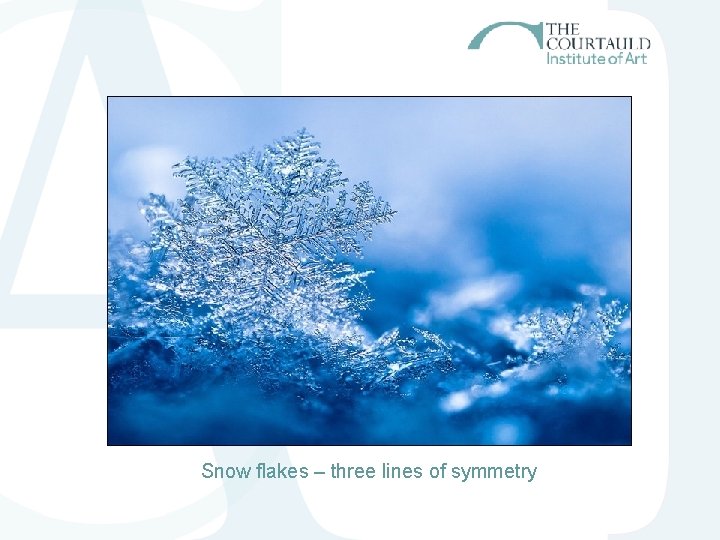
Snow flakes – three lines of symmetry
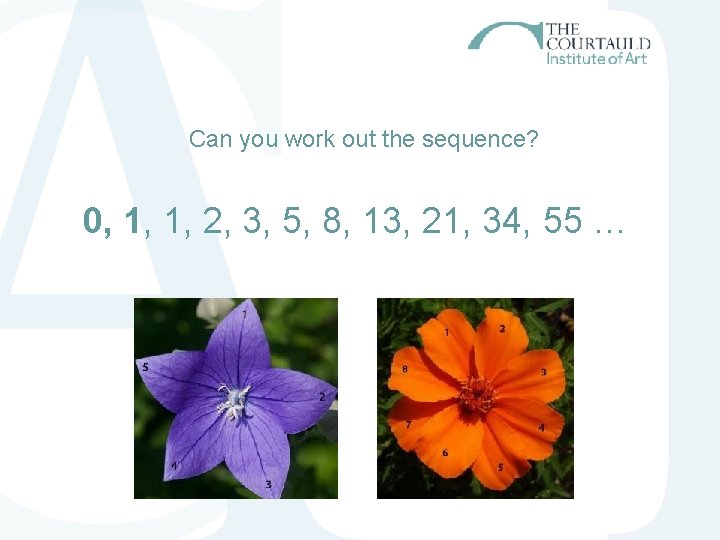
Can you work out the sequence? 0, 1, 1, 2, 3, 5, 8, 13, 21, 34, 55 …
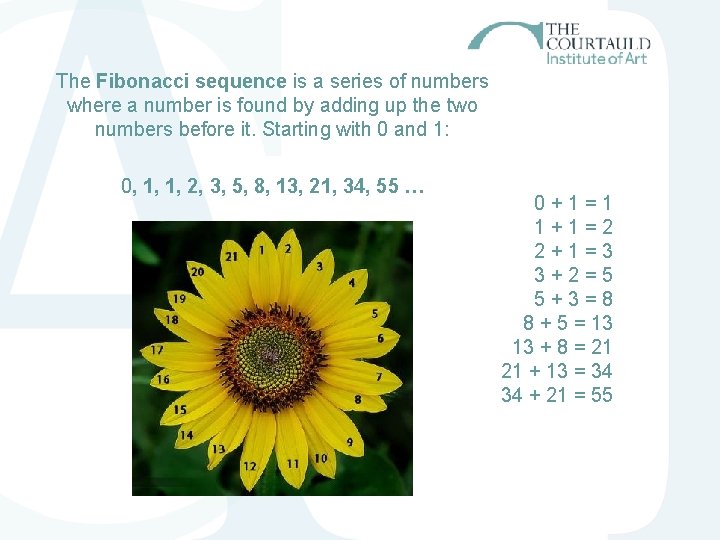
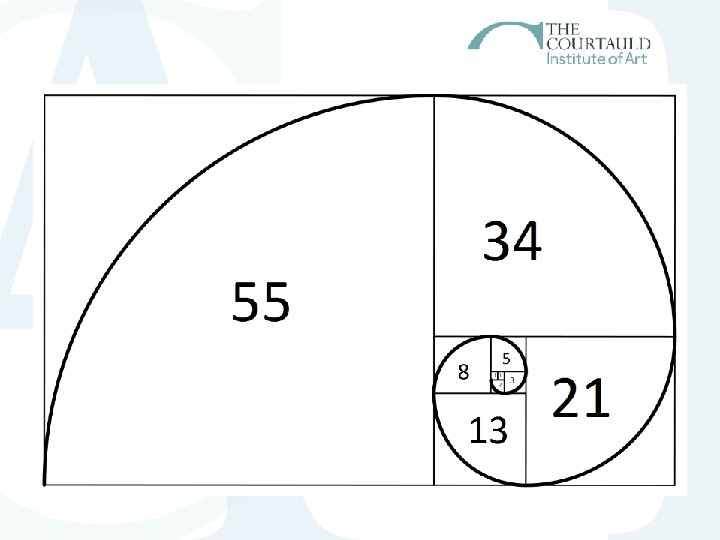
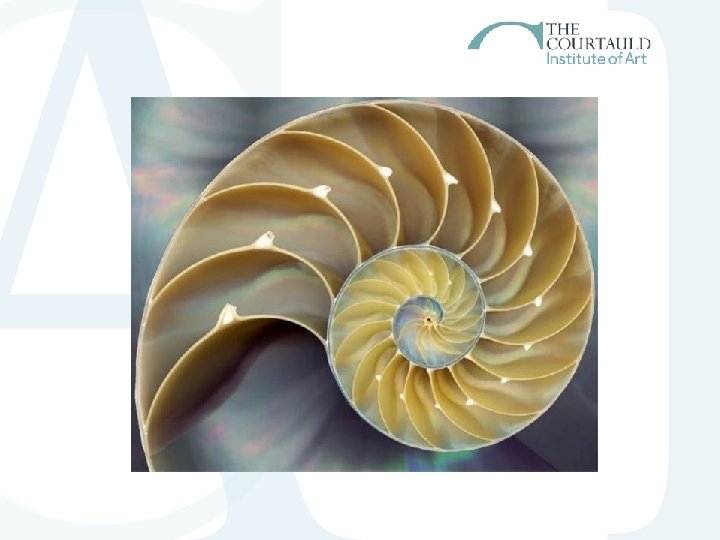
The Fibonacci sequence is a series of numbers where a number is found by adding up the two numbers before it. Starting with 0 and 1: 0, 1, 1, 2, 3, 5, 8, 13, 21, 34, 55 … 0 + 1 = 1 1 + 1 = 2 2 + 1 = 3 3 + 2 = 5 5 + 3 = 8 8 + 5 = 13 13 + 8 = 21 21 + 13 = 34 34 + 21 = 55
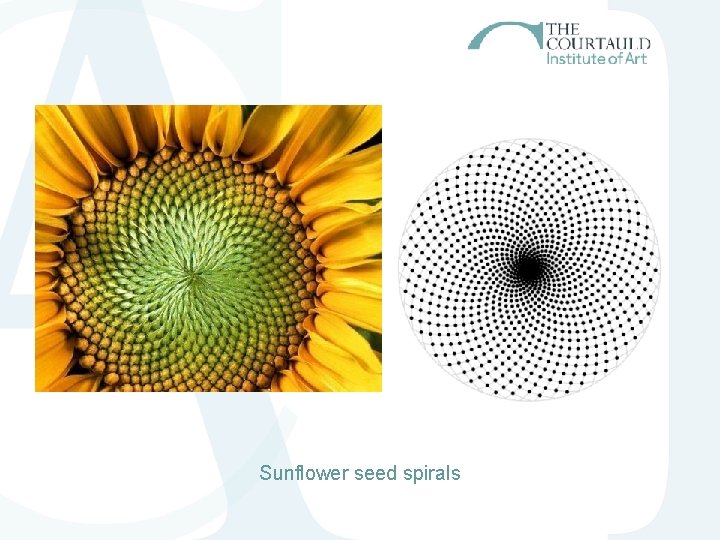
Sunflower seed spirals
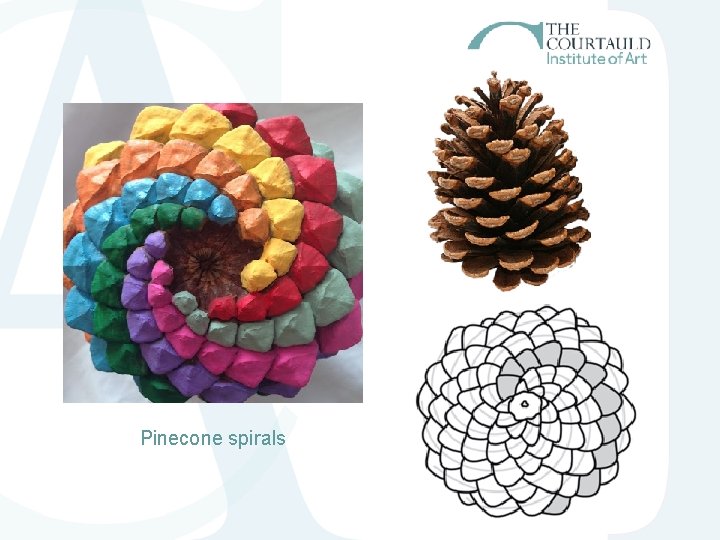
Pinecone spirals
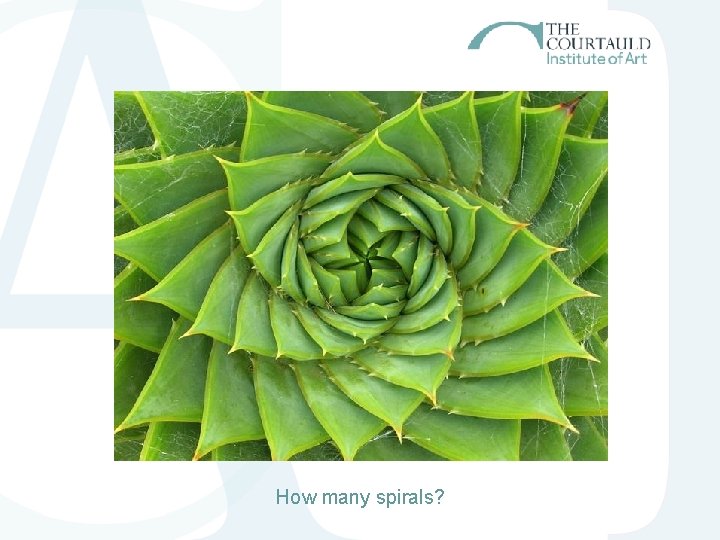
How many spirals?
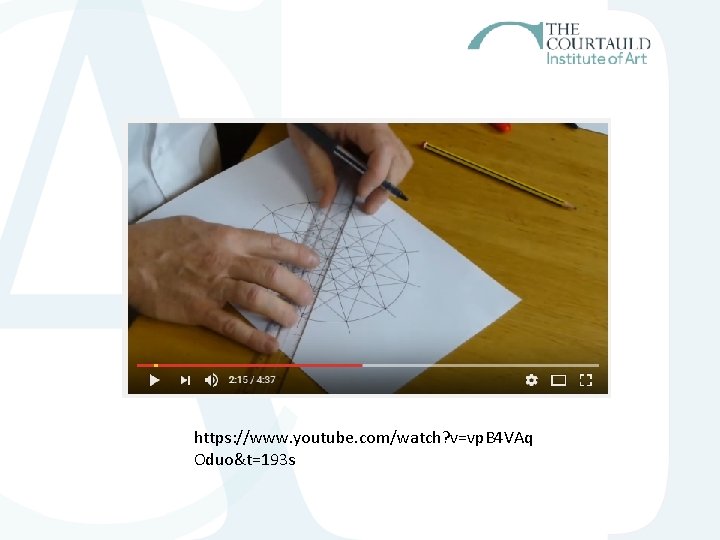
https: //www. youtube. com/watch? v=vp. B 4 VAq Oduo&t=193 s
Lesson 3
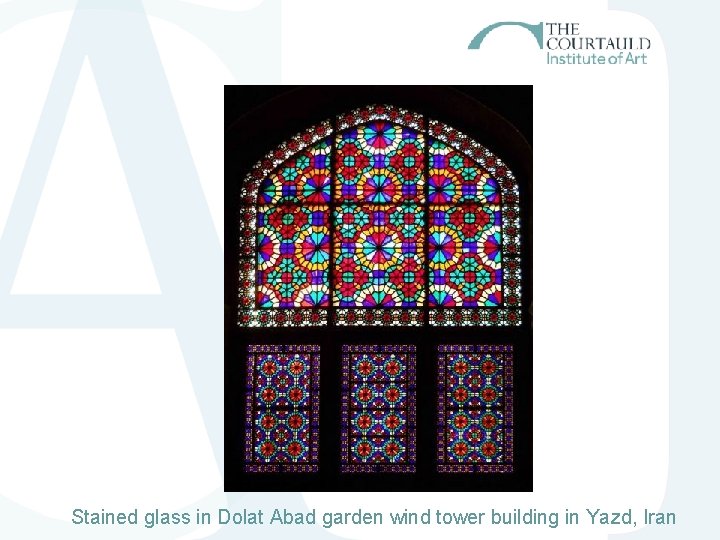
Stained glass in Dolat Abad garden wind tower building in Yazd, Iran
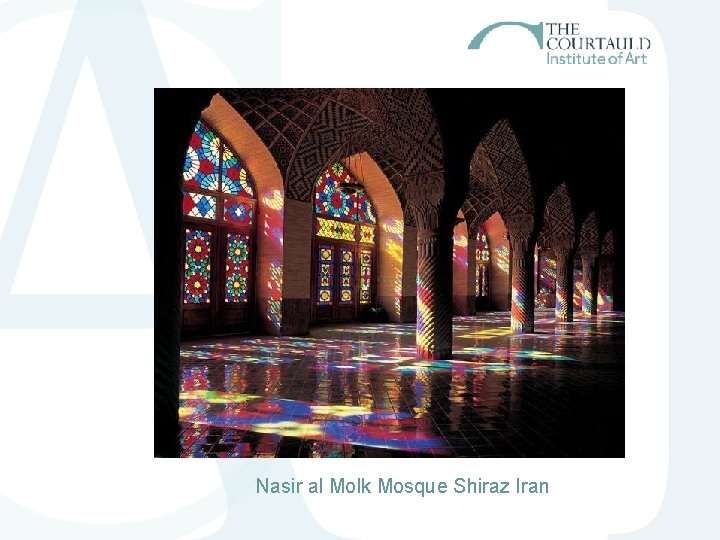
Nasir al Molk Mosque Shiraz Iran
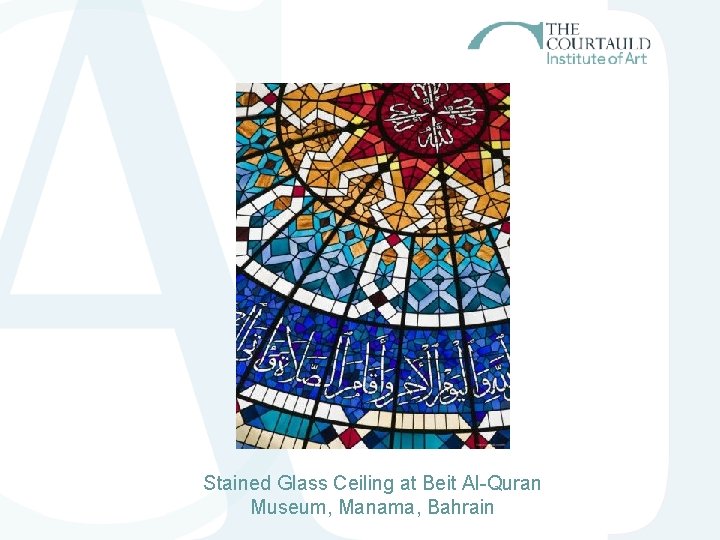
Stained Glass Ceiling at Beit Al-Quran Museum, Manama, Bahrain
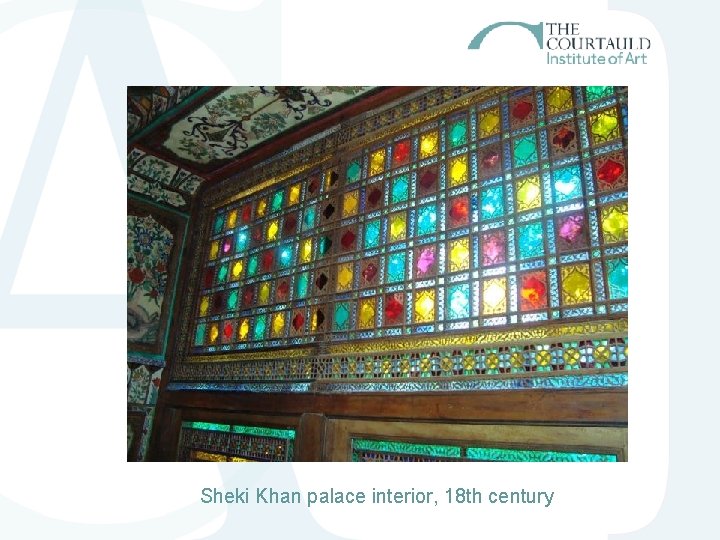
Sheki Khan palace interior, 18 th century
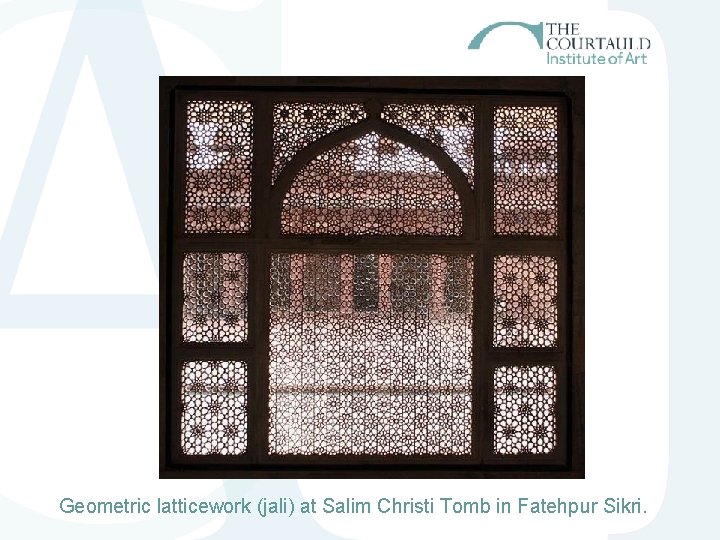
Geometric latticework (jali) at Salim Christi Tomb in Fatehpur Sikri.
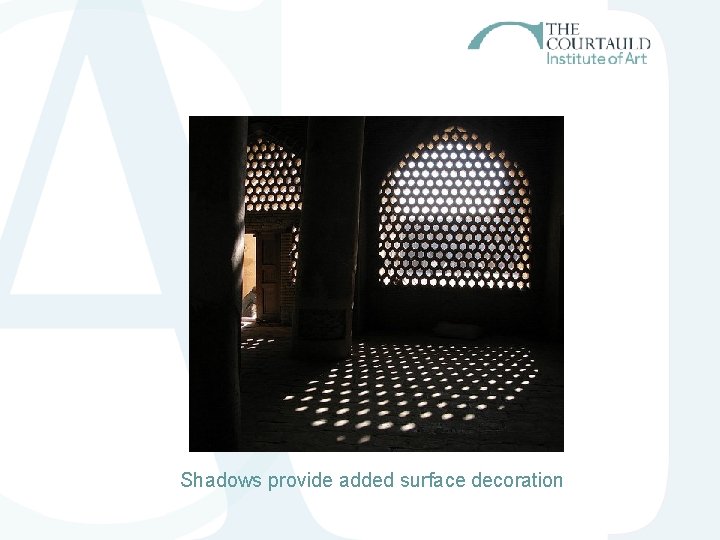
Shadows provide added surface decoration
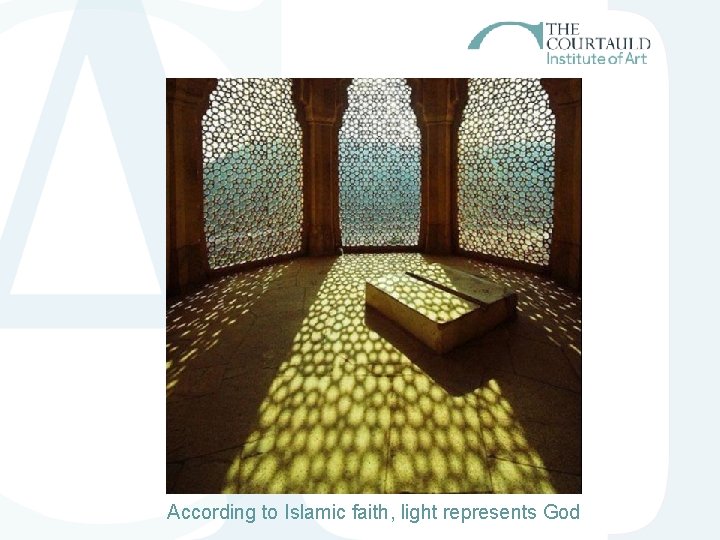
According to Islamic faith, light represents God
Lesson 4
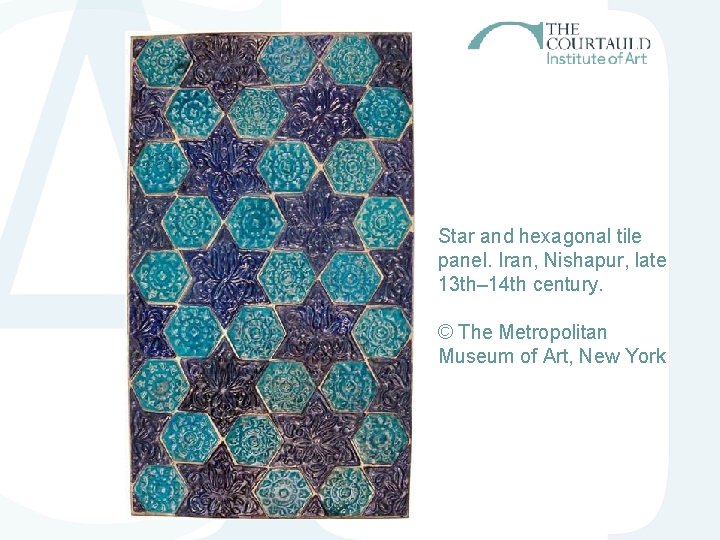
Star and hexagonal tile panel. Iran, Nishapur, late 13 th– 14 th century. © The Metropolitan Museum of Art, New York
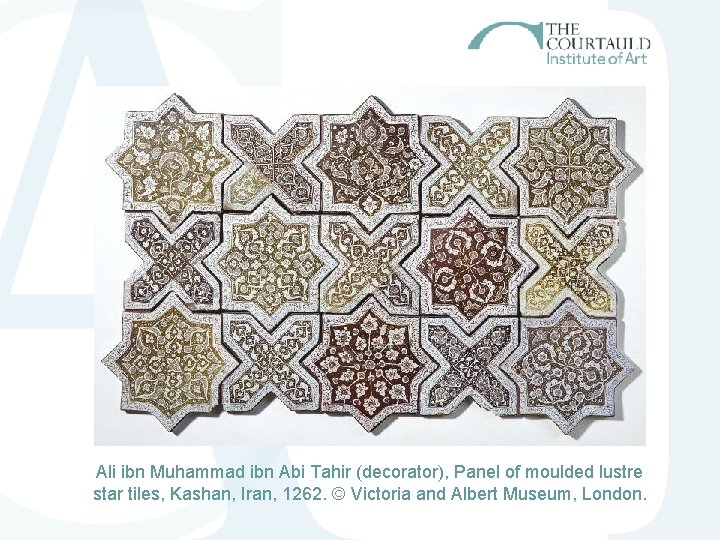
Ali ibn Muhammad ibn Abi Tahir (decorator), Panel of moulded lustre star tiles, Kashan, Iran, 1262. © Victoria and Albert Museum, London.