1 2007 Jupiter Images Corporation Part 7 Promotion



- Slides: 33
1
© 2007 Jupiter. Images Corporation Part 7 Promotion Dynamics Chapter 35 Verbal and Nonverbal Communication 2
Chapter Objectives ¾Describe three stages that messages go through. ¾Explain how to avoid problems when messages are decoded. ¾Explain why word choice is the main verbal tool. (Continued) 3
Chapter Objectives ¾ List the five tools of nonverbal communication. ¾ Describe the role of emotion in marketing messages. ¾ Give an example of how nonverbal communication is used in marketing. 4
Marketing Terms ¾ encoding ¾ transmission ¾ decoding ¾ tone ¾ clarity ¾ nonverbal communication ¾ emotion ¾ design ¾ body language ¾ artifact 5
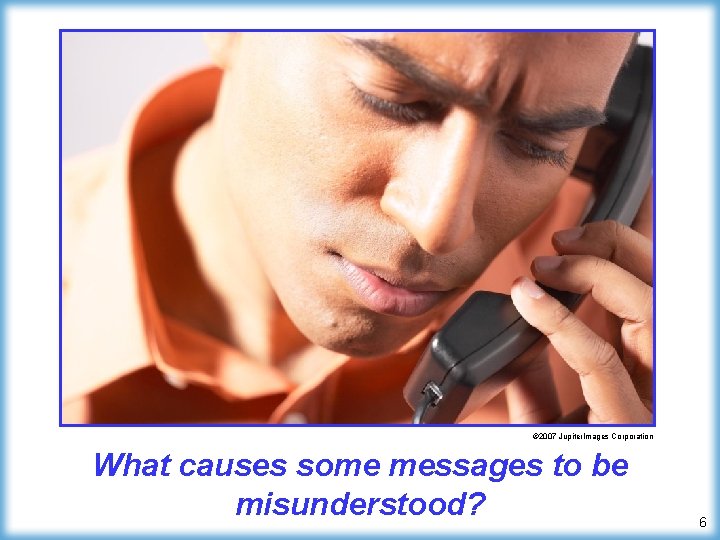
© 2007 Jupiter. Images Corporation What causes some messages to be misunderstood? 6
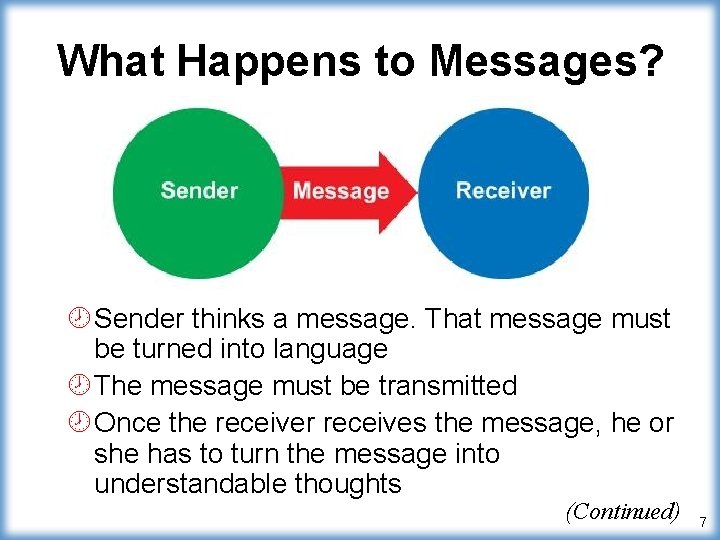
What Happens to Messages? ¾ Sender thinks a message. That message must be turned into language ¾ The message must be transmitted ¾ Once the receiver receives the message, he or she has to turn the message into understandable thoughts (Continued) 7
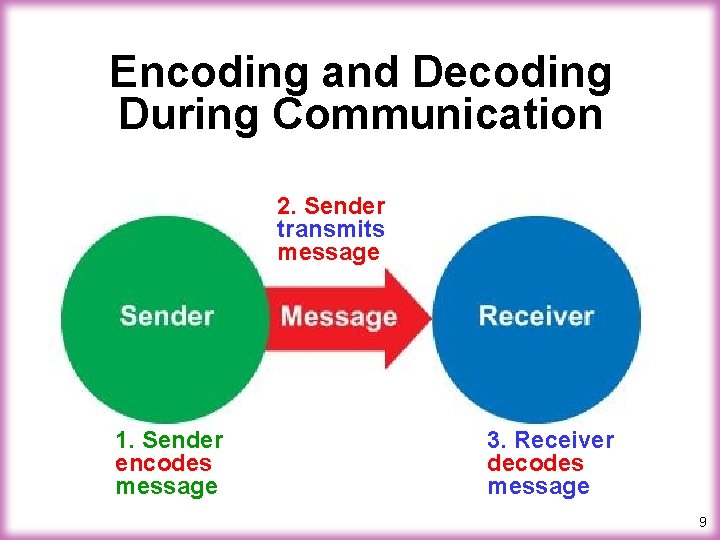
What Happens to Messages? ¾ A message goes through three stages ¤ encoding – turning the message into symbols that can be communicated, such as language ¤ transmission – sending of the message ¤ decoding – translation of a message into terms the receiver can understand 8
Encoding and Decoding During Communication 2. Sender transmits message 1. Sender encodes message 3. Receiver decodes message 9
Where Problems Occur ¾ Problems can occur during ¤ encoding – created by the way the sender encodes the message, such as unclear writing ¤ transmission – usually mechanical, such as storm interference causing static ¤ decoding – when the receiver cannot understand the message 10
Avoiding Problems ¾Encoding ¤ the only part of the communication process that a marketer can control ¾To avoid problems ¤ make sure the receiver knows the language used to encode the message ¤ be familiar with the culture of your target market ¤ understand your target market’s needs and wants 11
Verbal Tools ¾Choice of words is a marketer’s main verbal tool ¾Marketers choose words depending on the ¤ target market ¤ purpose of the message ¤ effect they want to have on the target market 12
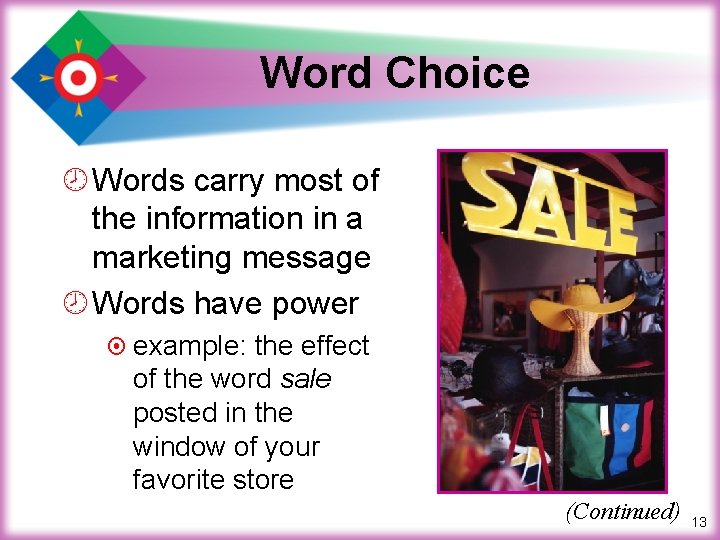
Word Choice ¾ Words carry most of the information in a marketing message ¾ Words have power ¤ example: the effect of the word sale posted in the window of your favorite store (Continued) 13
Word Choice ¾ Word choice determines a message’s ¤ tone – feelings conveyed to the receiver from the words chosen ¤ clarity – ability of a message to be understood ¾ Marketing messages are usually best when they are short 14
Brand Names ¾ Word choice is very important in choosing a product’s brand name ¾ A poor name choice can cause a product to fail ¾ A good name helps give a brand a good image Name some brands that have “cool” names. 15
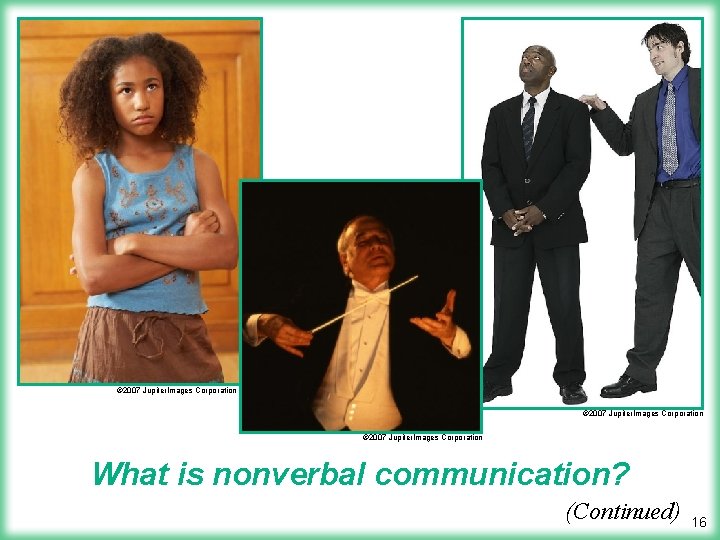
© 2007 Jupiter. Images Corporation What is nonverbal communication? (Continued) 16
What Is Nonverbal Communication? ¾Nonverbal communication ¤ message sent without words ¤ includes tone of voice, facial expressions, and body language ¤ uses the same communication process as verbal communication ¾Most communication has two parts ¤ verbal and nonverbal – but some messages are just nonverbal (Continued) 17
What Is Nonverbal Communication? ¾Emotion ¤ feelings ¤a major part of communication ¤ usually communicated nonverbally ¾Emotion is an important part of product development, promotion, and sales ¤ marketers want products to convey feelings such as happiness, safety, glamour, or prestige 18
Nonverbal Tools ¾ Nonverbal communication uses five tools ¤ design ¤ voice ¤ body language ¤ artifacts ¤ the five senses Give examples of how you communicate nonverbally. 19
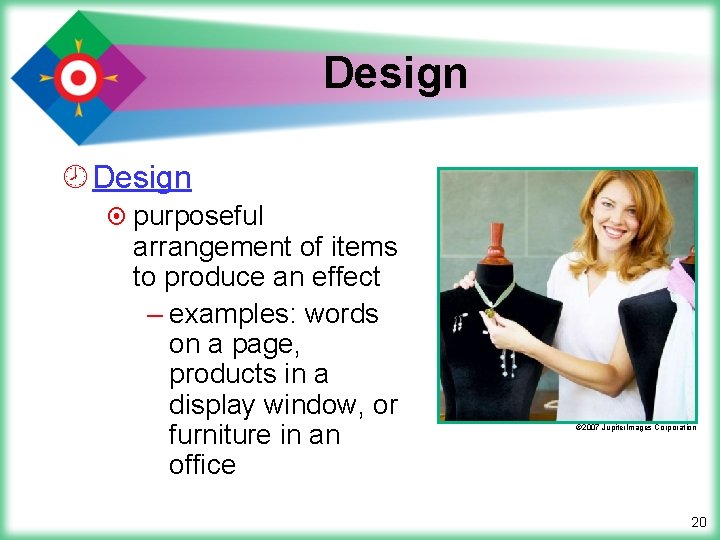
Design ¾ Design ¤ purposeful arrangement of items to produce an effect – examples: words on a page, products in a display window, or furniture in an office © 2007 Jupiter. Images Corporation 20
Voice ¾ Emotion is conveyed through voice ¾ Voice conveys emotion through the following qualities ¤ speed ¤ pitch ¤ loudness Say the word “hello” in three different tones of voice to convey three different emotions. 21
Body Language ¾Body language ¤ used in sales, advertisements, and display mannequins ¾Different cultures may interpret the same body language differently ¤ example: the hand gesture that means “OK” is considered rude in other cultures ¾Smiles and handshakes are nearly universal signs of a friendly greeting 22
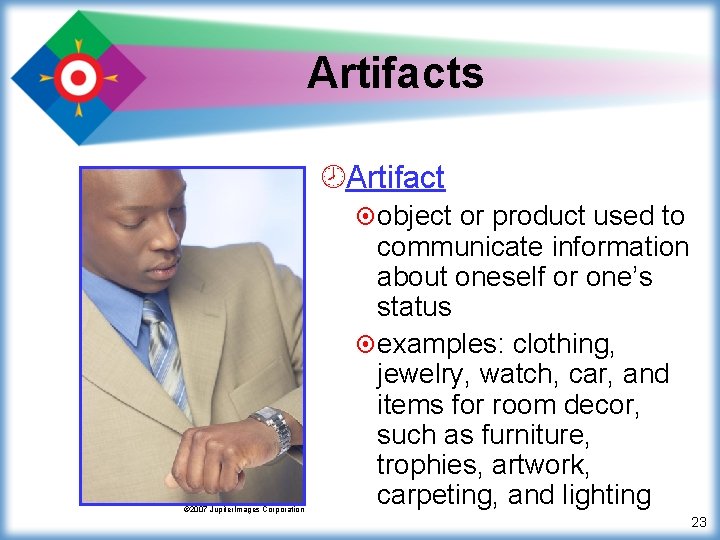
Artifacts ¾Artifact ¤ object © 2007 Jupiter. Images Corporation or product used to communicate information about oneself or one’s status ¤ examples: clothing, jewelry, watch, car, and items for room decor, such as furniture, trophies, artwork, carpeting, and lighting 23
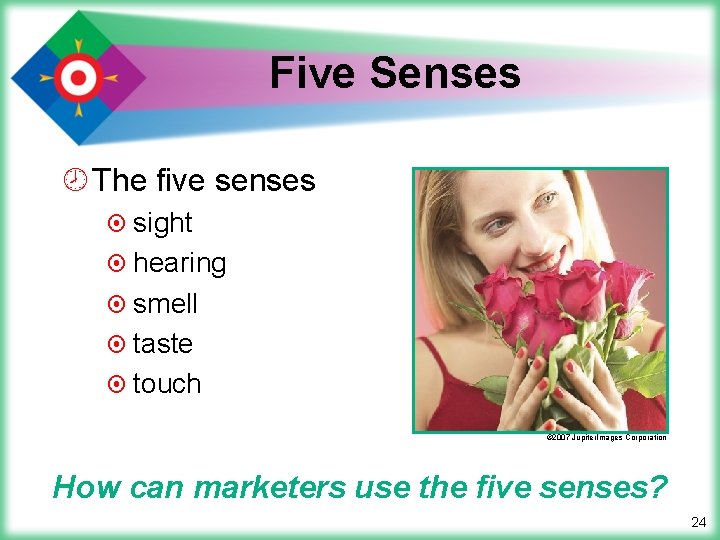
Five Senses ¾ The five senses ¤ sight ¤ hearing ¤ smell ¤ taste ¤ touch © 2007 Jupiter. Images Corporation How can marketers use the five senses? 24
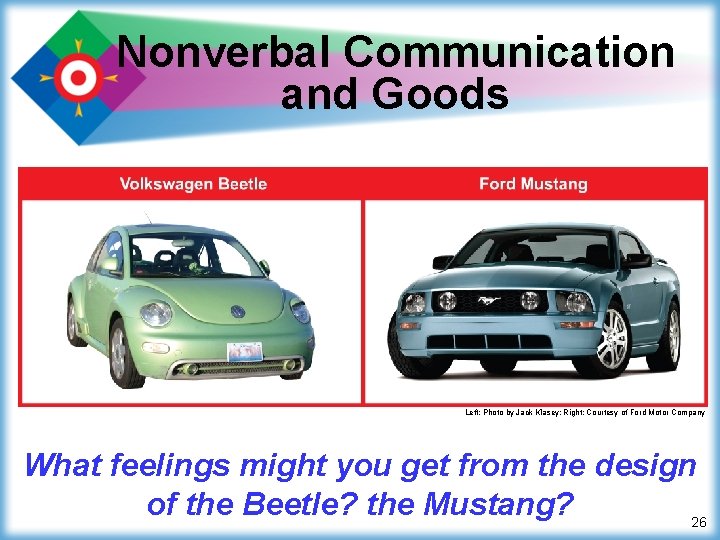
Nonverbal Communication and Goods ¾ A good’s design can send nonverbal messages to consumers ¤ product design can add elements that convey positive feelings to customers – examples: happiness, glamour, and prestige ¤ unplanned nonverbal messages can be negative – example: cheapness or ugliness (Continued) 25
Nonverbal Communication and Goods Left: Photo by Jack Klasey; Right: Courtesy of Ford Motor Company What feelings might you get from the design of the Beetle? the Mustang? 26
Nonverbal Communication and Services ¾Service businesses need to think about the nonverbal messages conveyed by their ¤ decor ¤ staff’s nonverbal behavior Think of a doctor’s office. What aspects of the decor make it feel safe and friendly? What kind of behavior from workers in a service business attract or repel customers? 27
Nonverbal Communication and Ideas ¾ Image is often used to market ideas ¾ Image is created by nonverbal messages ¤ example: a candidate for office wants to appear competent and trustworthy ¤ to create this image, the candidate might employ an “image handler” – a new type of professional who coaches candidates to use nonverbal communication to win voters 28
Review ¾ Describe three stages that messages go through. ¾ What can a marketer do to make sure his or her message is understood? ¾ List the five tools of nonverbal communication. ¾ What is the role of emotion in marketing? ¾ How is emotion conveyed in marketing? 29
Glossary Back ¾artifact. Object or product used to communicate information about oneself or one’s status. ¾body language. Communication through facial expressions, gestures, body movements, and body position in space. ¾clarity. Ability of a message to be understood. (Continued) 30
Glossary Back ¾ decoding. Translation of a message into terms that the receiver can understand. ¾ design. Purposeful arrangement of materials so that a certain effect is produced. ¾ emotion. Another word for feelings. (Continued) 31
Glossary Back ¾encoding. Turning the idea for the message into symbols that can be communicated, usually written or spoken words. ¾nonverbal communication. Messages sent without words. (Continued) 32
Glossary Back ¾ tone. Feeling conveyed to the receiver from the words you choose. ¾ transmission. Sending of a message. 33