Washington State Chapter 1 State Washington Geography Geography

- Slides: 15
Washington State Chapter 1 State Washington Geography
Geography and History • Geography: study of where and how people live on the earth. • Geography influences what people do for work (jobs) and play (recreation)
Physical Features • Physical features make each location unique • Physical features are natural to the environment and include: mountains, rivers, soil, animal life, natural plants, islands, oceans and climate (weather) How do physical features impact a society?
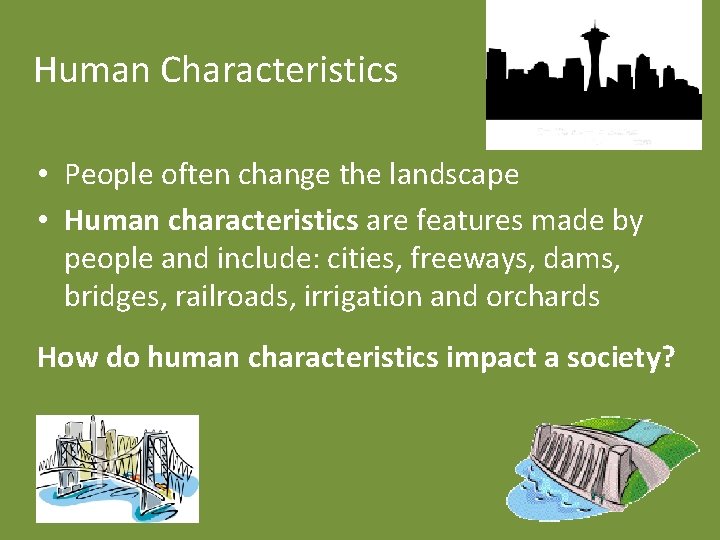
Human Characteristics • People often change the landscape • Human characteristics are features made by people and include: cities, freeways, dams, bridges, railroads, irrigation and orchards How do human characteristics impact a society?
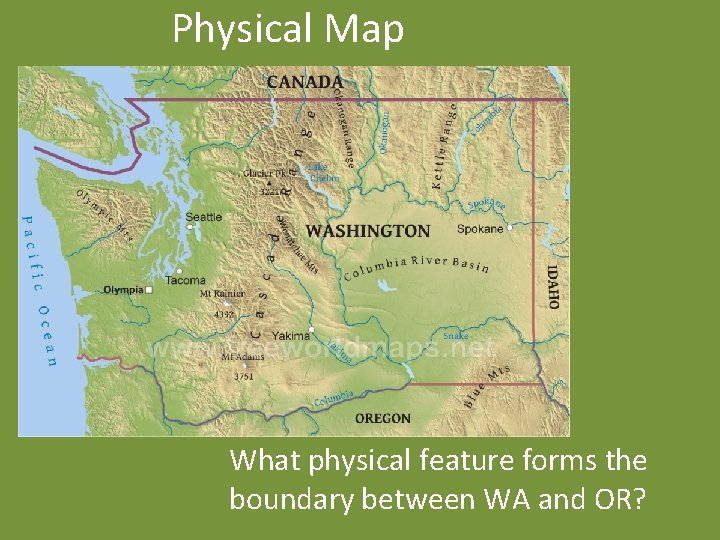
Physical Map What physical feature forms the boundary between WA and OR?
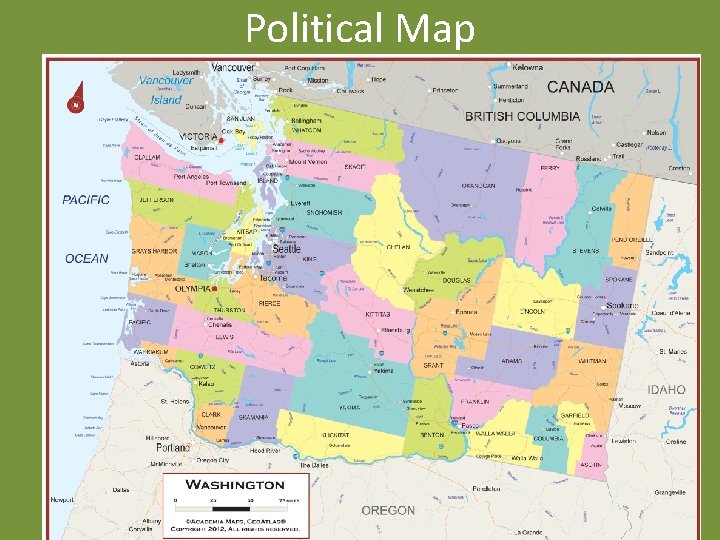
Political Map
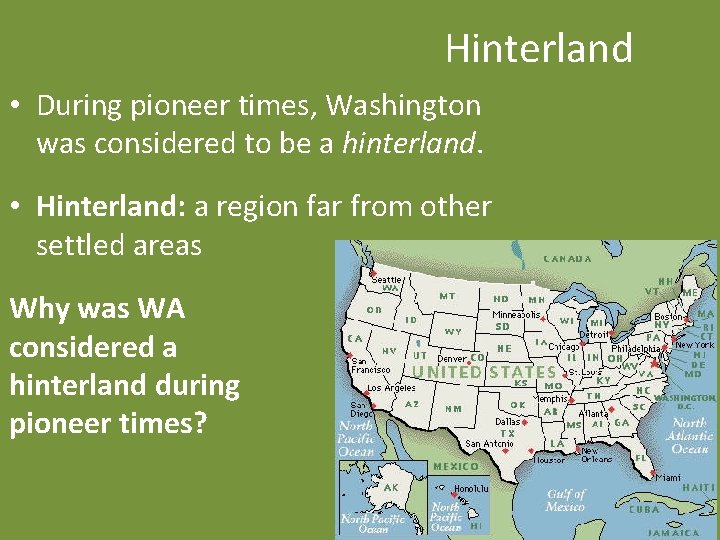
Hinterland • During pioneer times, Washington was considered to be a hinterland. • Hinterland: a region far from other settled areas Why was WA considered a hinterland during pioneer times? pioneer
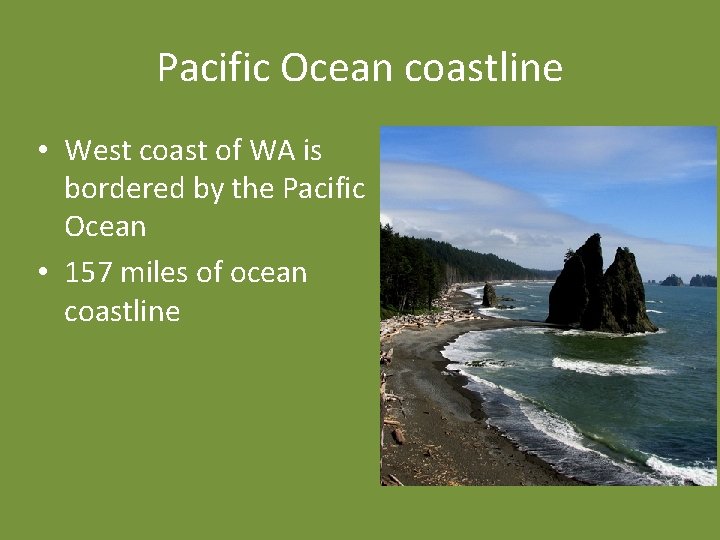
Pacific Ocean coastline • West coast of WA is bordered by the Pacific Ocean • 157 miles of ocean coastline
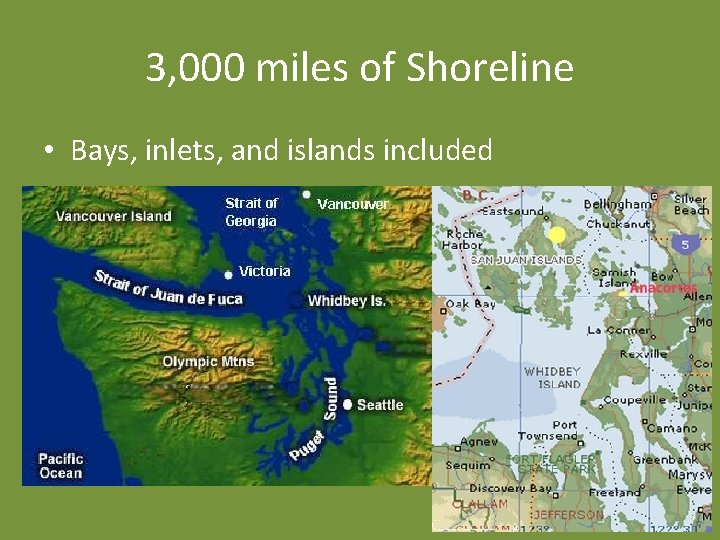
3, 000 miles of Shoreline • Bays, inlets, and islands included
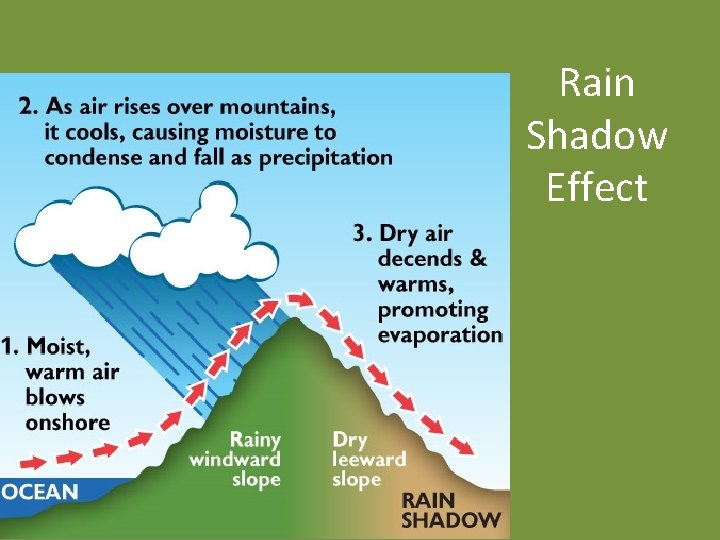
Rain Shadow Effect
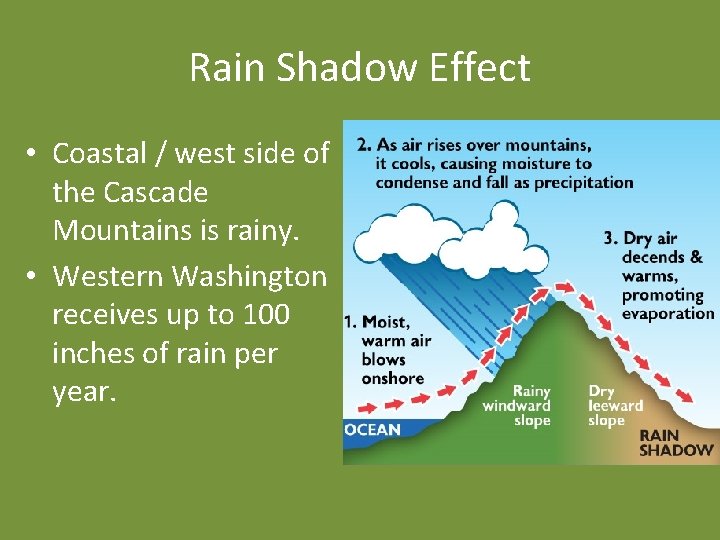
Rain Shadow Effect • Coastal / west side of the Cascade Mountains is rainy. • Western Washington receives up to 100 inches of rain per year.
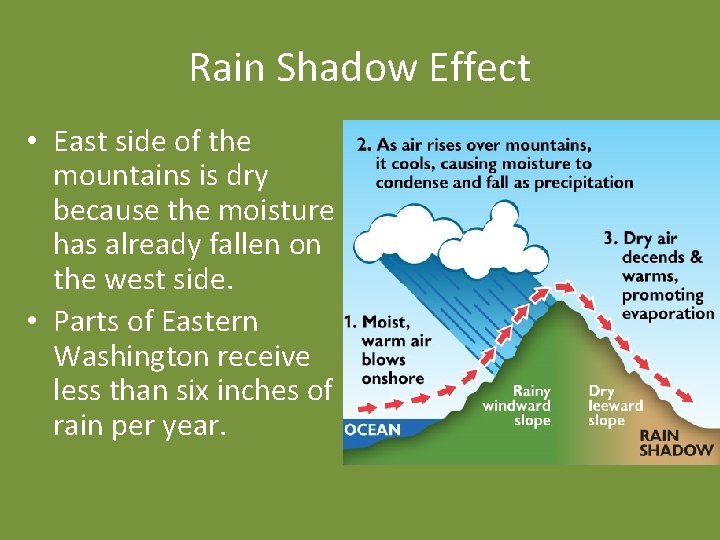
Rain Shadow Effect • East side of the mountains is dry because the moisture has already fallen on the west side. • Parts of Eastern Washington receive less than six inches of rain per year.
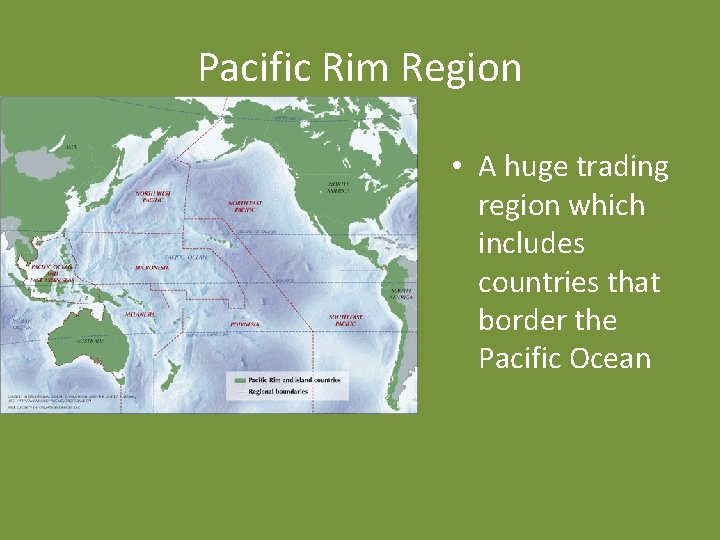
Pacific Rim Region • A huge trading region which includes countries that border the Pacific Ocean
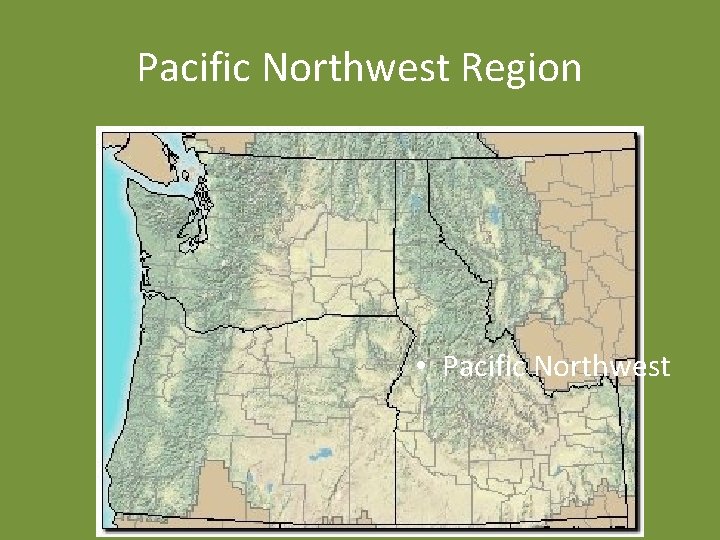
Pacific Northwest Region • Pacific Northwest
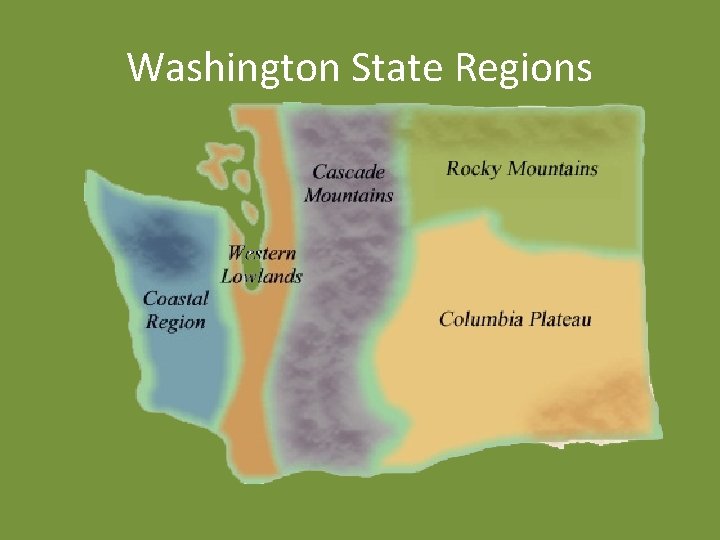
Washington State Regions