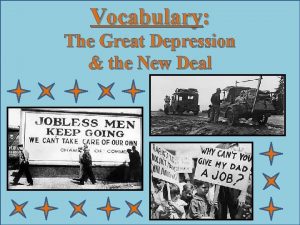
Unit 6 Hardship and Suffering during the Depression

- Slides: 32
Unit 6 Hardship and Suffering during the Depression
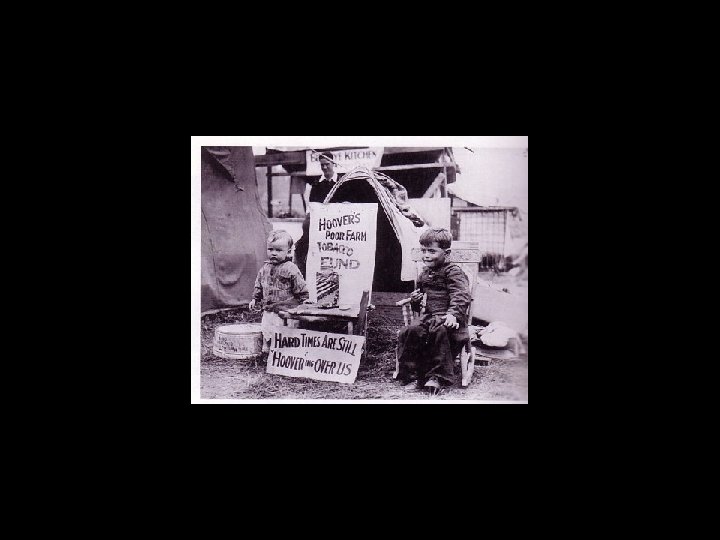
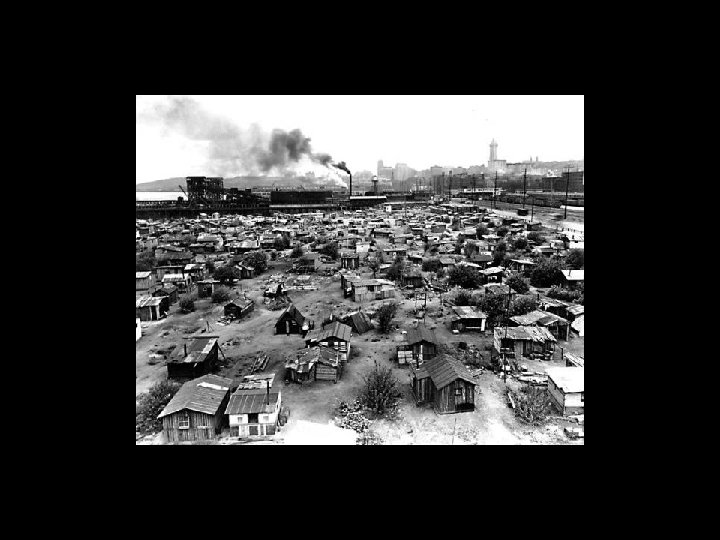
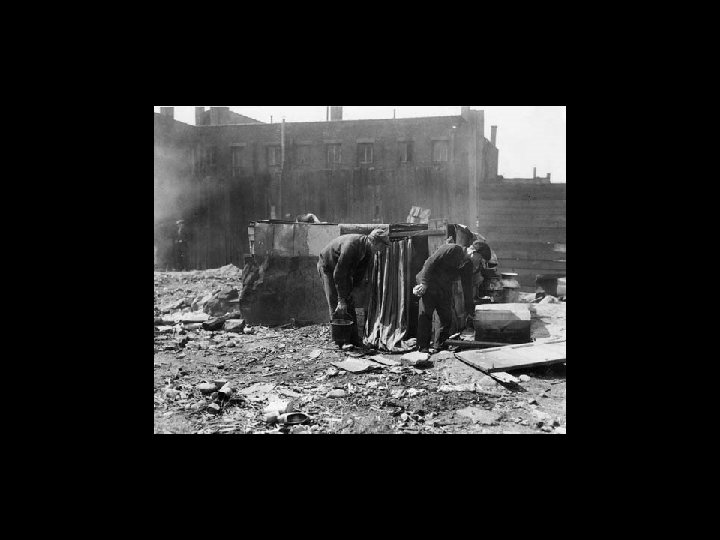
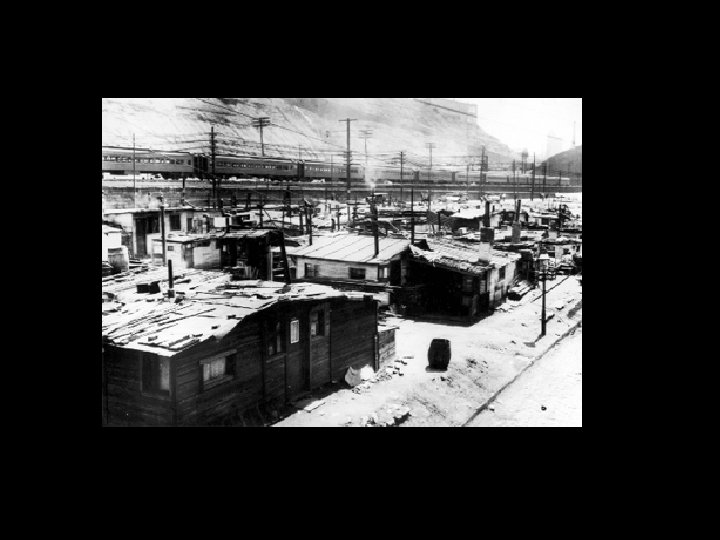
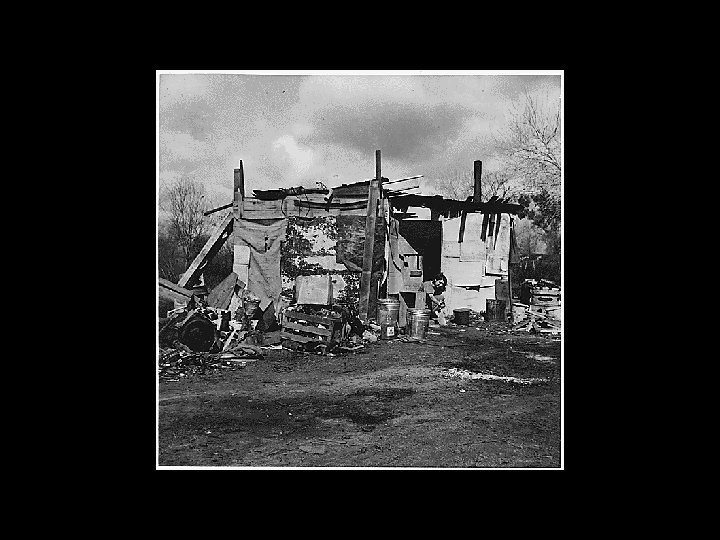
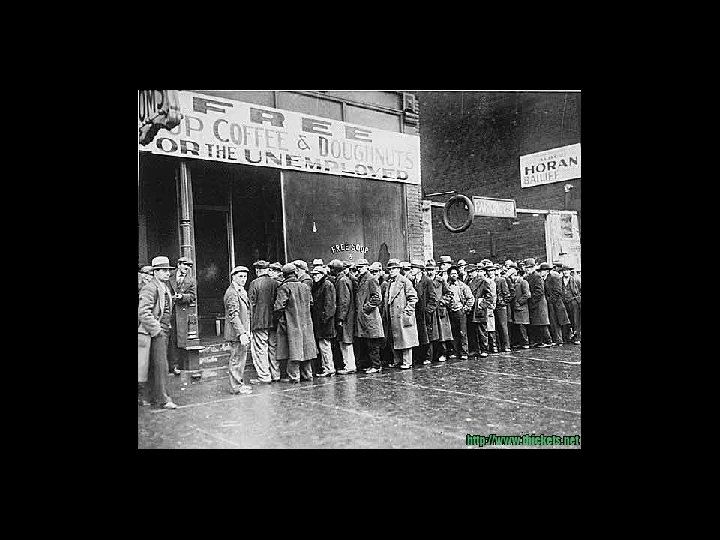
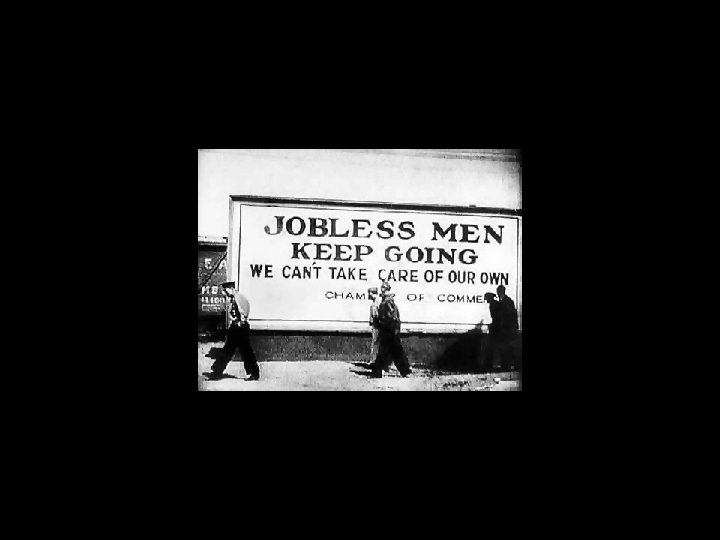
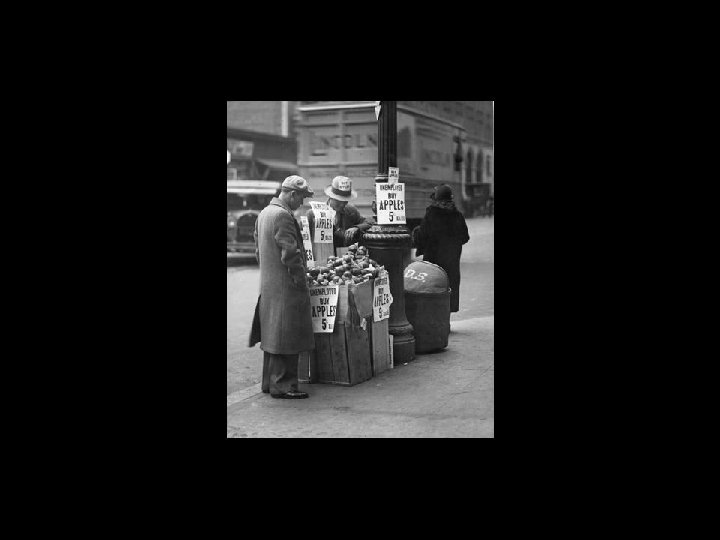
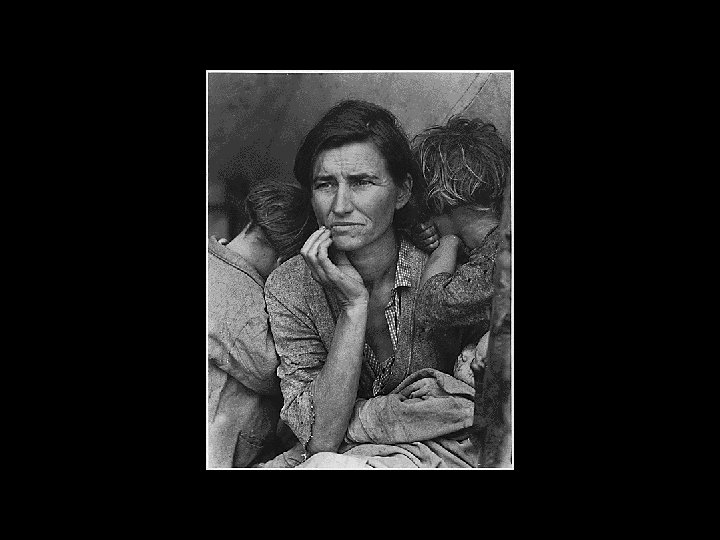
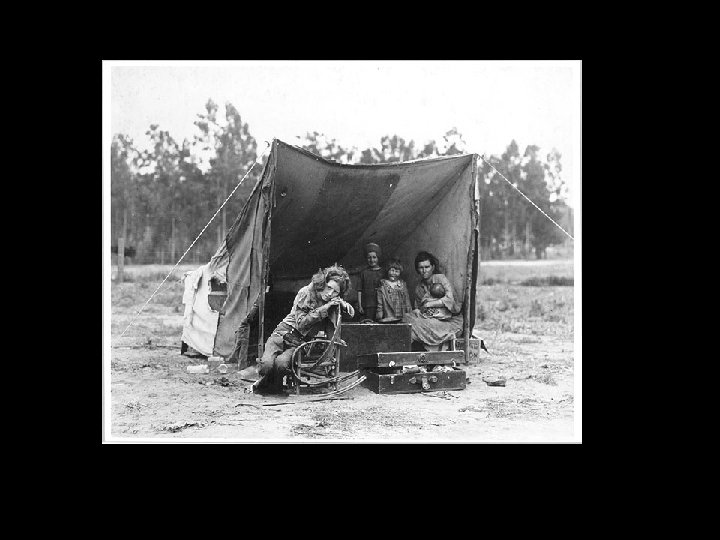
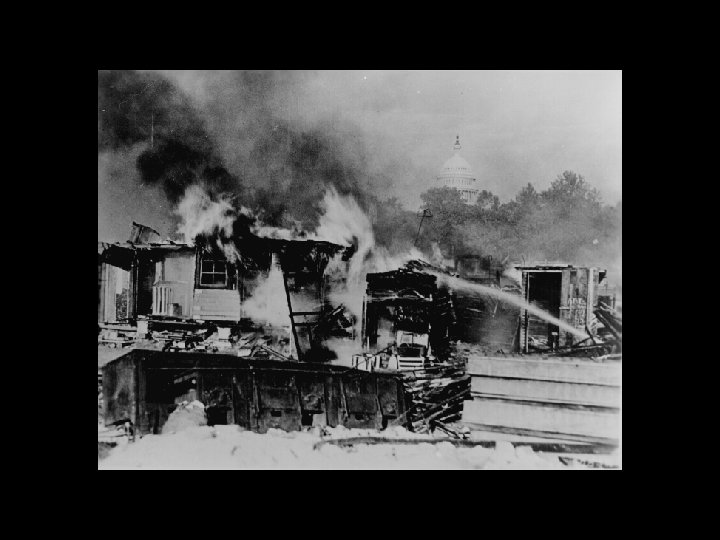
The Depression in the Cities • People lost jobs, homes – became homeless • Shantytowns emerge – later called Hoovervilles – Self-constructed homes made from scraps, built on unoccupied land
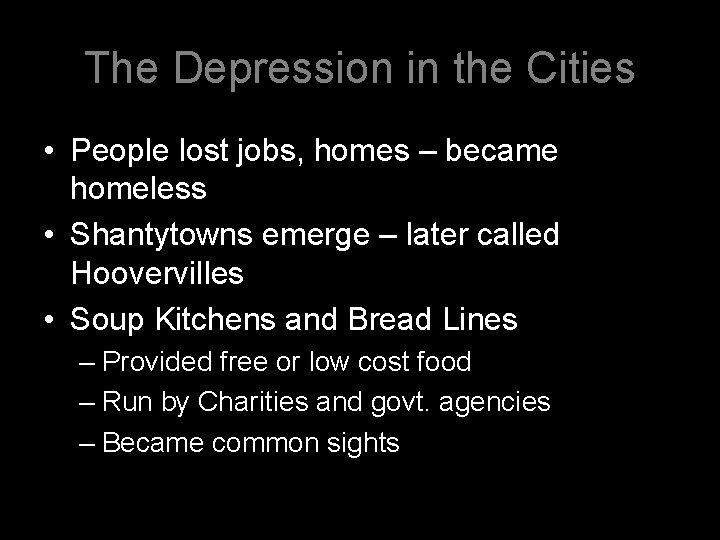
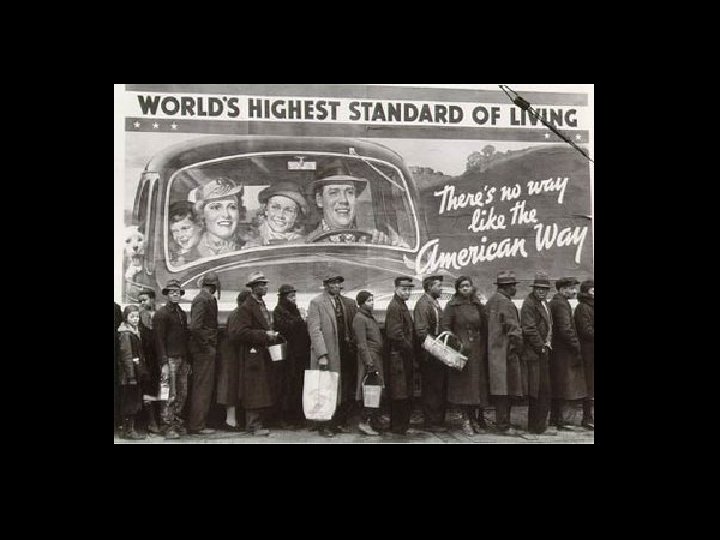
The Depression in the Cities • People lost jobs, homes – became homeless • Shantytowns emerge – later called Hoovervilles • Soup Kitchens and Bread Lines – Provided free or low cost food – Run by Charities and govt. agencies – Became common sights
The Depression in the Cities • People lost jobs, homes – became homeless • Shantytowns emerge – later called Hoovervilles • Soup Kitchens and Bread Lines – Provided free or low cost food – Run by Charities and govt. agencies – Became common sights • Minorities – Faced lower wages and higher unemployment rates – Increased racial violence due to job competition with whites
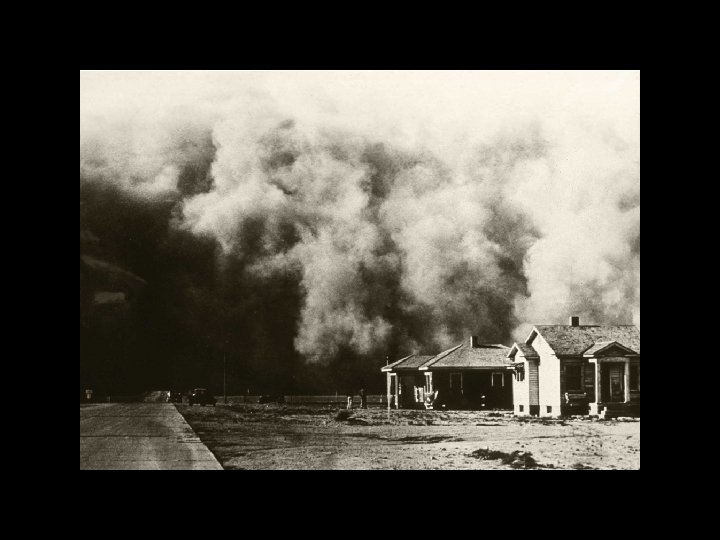
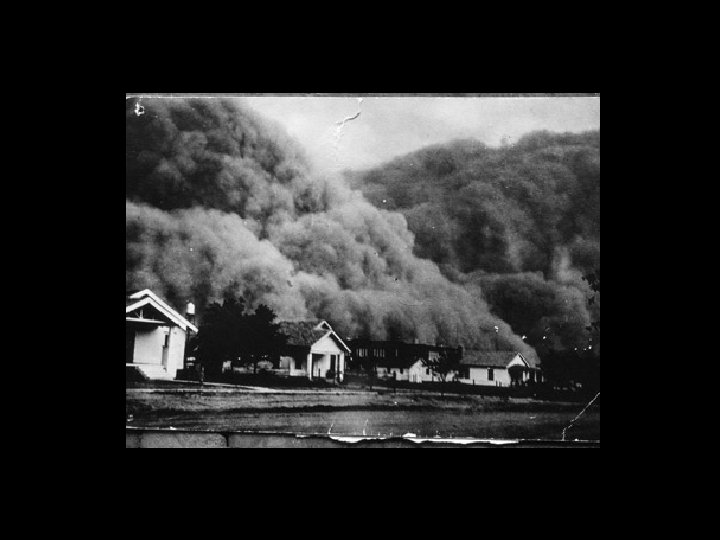
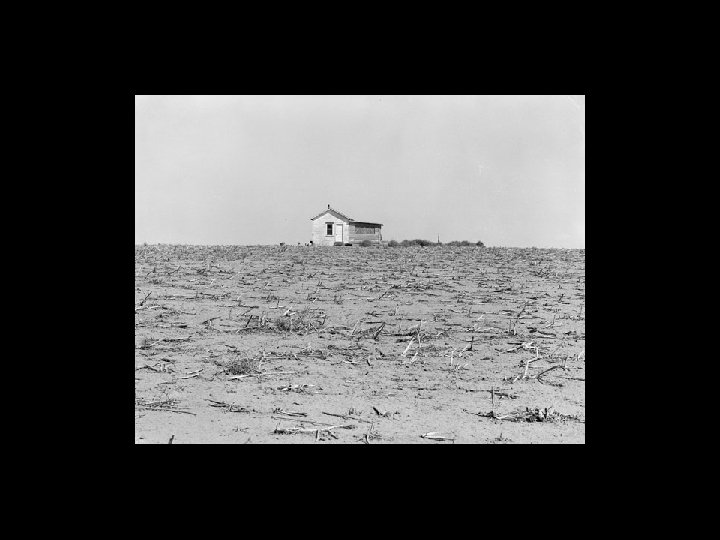
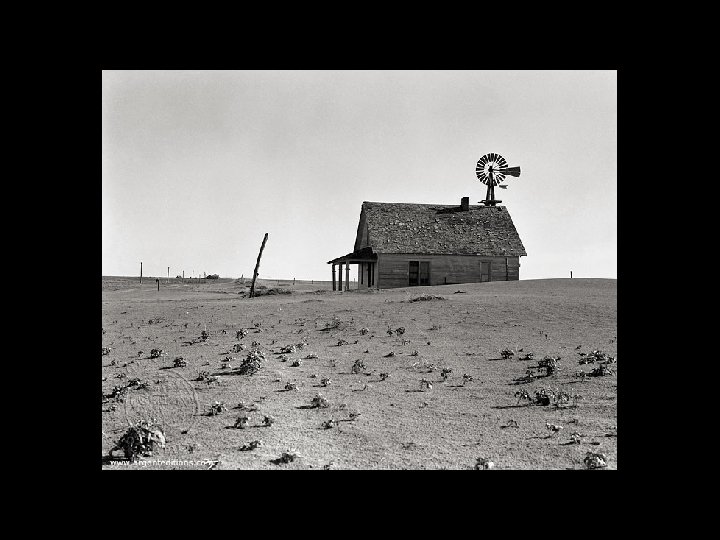
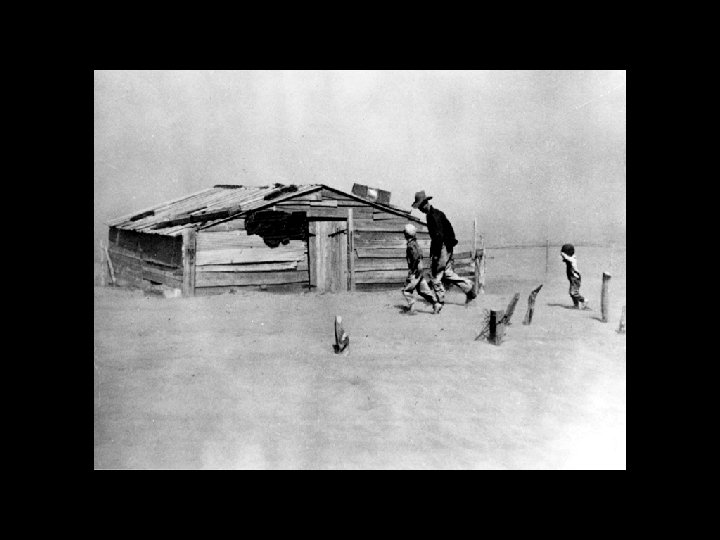
The Depression in Rural Areas • Farmers lost their land – Faced with falling prices and rising debt – 400, 000 farms lost through foreclosure (1929 -1932) • The Dust Bowl – – Drought in Great Plains Drought combined with poor farming practices Topsoil blown away Farmers leave their land – head west • Okies – migrants seeking work on west coast – Hundreds of thousands of families head west
Ch 22 sec 3
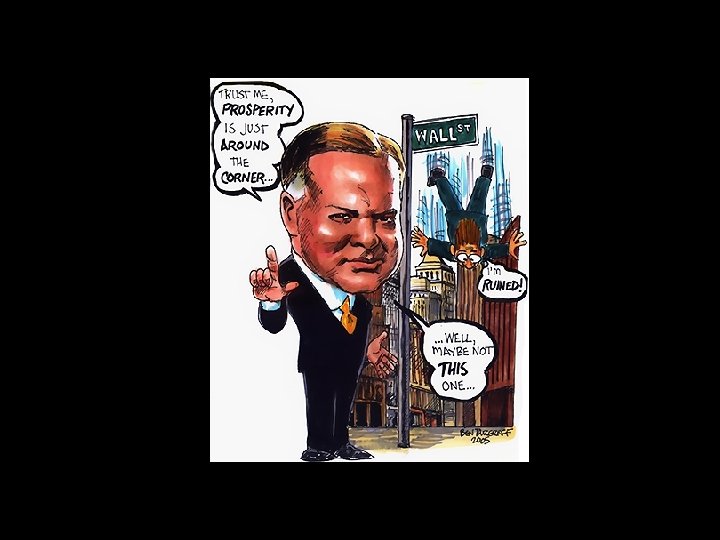
Hoover’s Philosophy on the Depression • Opposed federal welfare or direct relief • Believed handouts would weaken selfrespect and moral-fiber • Individuals, charities and local organizations should help
• Displeases Americans – – Shantytowns – Hoovervilles Newspaper blankets – Hoover blankets Empty pockets turned out – Hoover Flags Congressional elections of 1930 • Democrats win control of House • Republican Majority in Senate down to one • Country angry at Hoover for inaction • Hoover blamed for difficulties of the Depression
Hoover Finally Takes Action • Federal Home Loan Bank Act (1932) – Lowered mortgage rates for homeowners – Allowed farmers to refinance and avoid foreclosure • Reconstruction Finance Corporation (1932) – $2 Billion in emergency financing for businesses • Hoover believed money would trickle down to the hungry • Businesses continued to fail • Too little too late
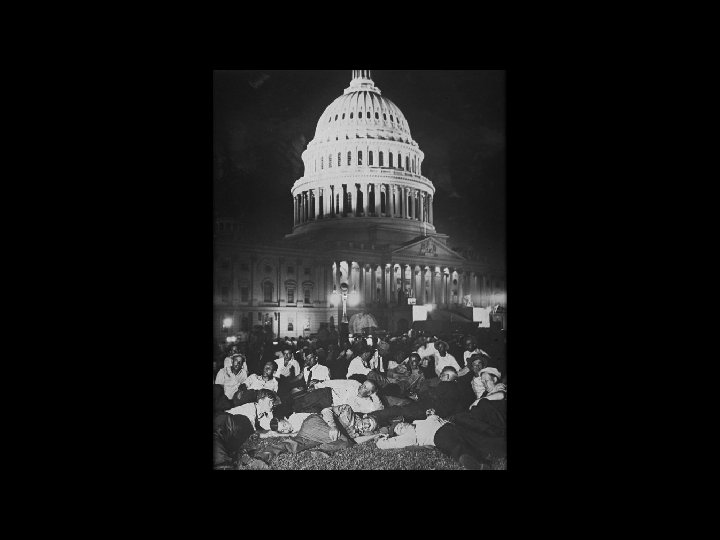
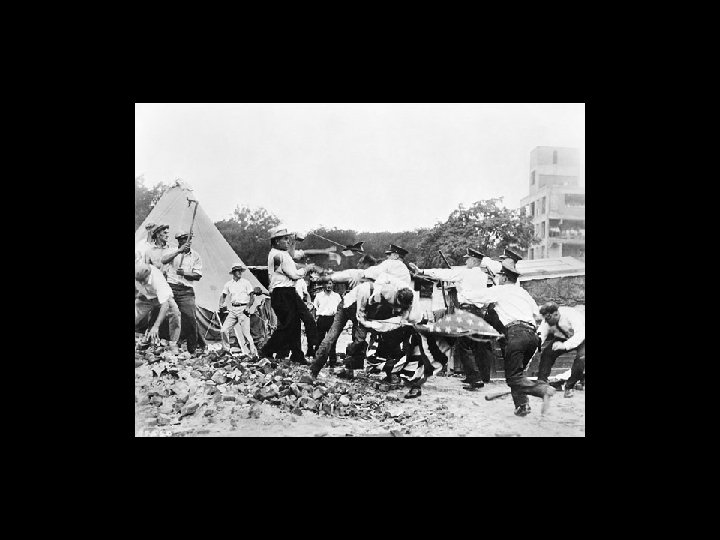
The Bonus Army (1932) • 10 -20, 000 WWI veterans and their families arrive in Washington, DC • Veterans were owed a bonus to be paid in 1945 – Cash and life insurance policy – $500 per soldier • Bonus army wanted money immediately (Patman Bill) • Hoover calls them Communists and criminals • Senate votes against Patman Bill
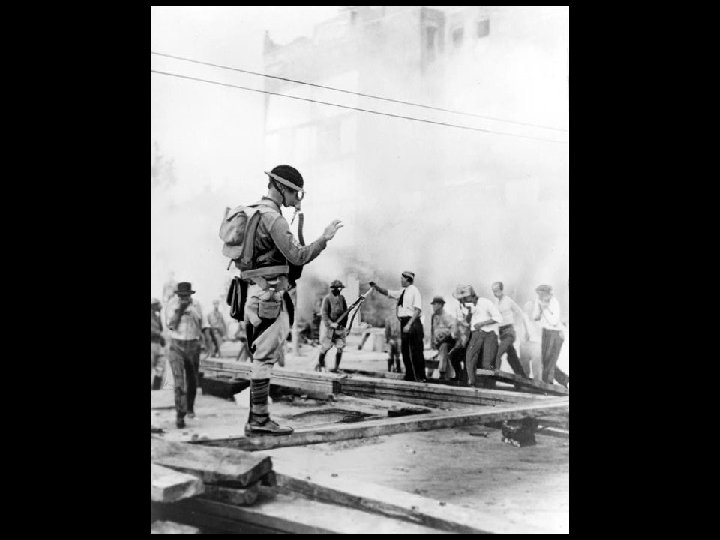
The Bonus Army (1932) • Most of the Bonus Army leaves – 2000 stay – hope to meet with president • Hoover orders the US Army to remove Bonus Army – 11 -month old killed – 8 year-old partially blinded – 2 people shot • Hurts Hoover’s image even more – American outraged by treatment of Veterans.