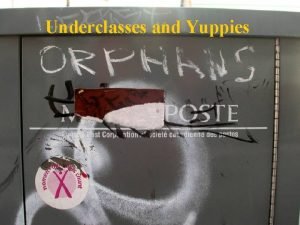
Underclasses and Yuppies Underclasses and Yuppies Valentine Ch

- Slides: 31
Underclasses and Yuppies
Underclasses and Yuppies • Valentine Ch 7: esp. 213 -223
The Underclass • Those at the bottom of the social order – Persistent, intergenerational poverty – Welfare-dependent – Unstable employment – Low skills – Poor education
The Underclass • Cultural meaning – Associated with public housing, inner city poverty, appears on COPS & reality TV • Codeword for “race” in USA – Underclass associated with ghettos • Does the underclass actually exist? – Valentine accepts this without question – actually debatable
The Underclass • Karl Marx 1860 s: Underclass = the proletariat, workers whose only possessions are their children • Gunnar Myrdal 1962: Underclass = those excluded from the urban labour market by structural economic change • New Right 1980 s: Underclass = lazy poor people gripped by “dependency culture”
Culture of Poverty • Associated with US anthropologist Sinclair Lewis – From 1960 s onwards argued that poverty becomes a culture, a way of life – People can’t easily escape it: they become cultured into being poor
The Underclass • New left 1980 s: Underclass produced by a combination of – structural economic change (Myrdal) – cuts in welfare provisions (New Right)
Some realities • Social polarization did increase in UK & North America from 1970 s onwards – rich getting richer, poor getting poorer
Some realities • “Underclass” is actually very varied, very mixed – In USA potentially multiracial, multilingual, multiethnic
Some realities • Some connection between culture and structural change
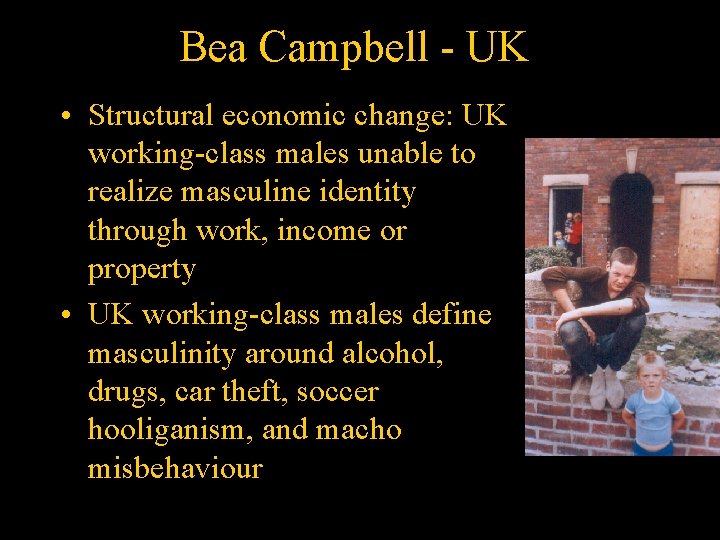
Bea Campbell - UK • Structural economic change: UK working-class males unable to realize masculine identity through work, income or property • UK working-class males define masculinity around alcohol, drugs, car theft, soccer hooliganism, and macho misbehaviour
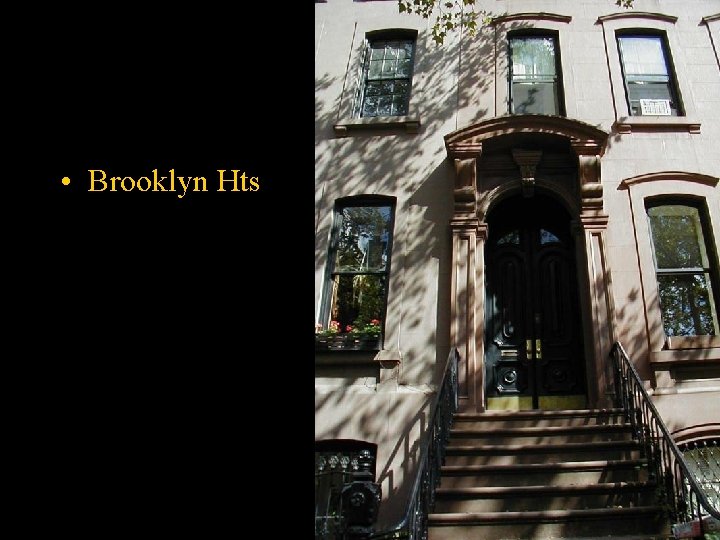
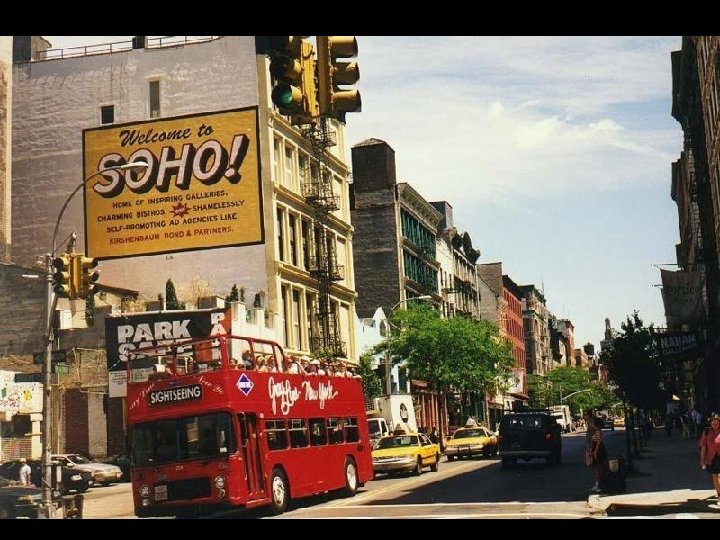
Gentrification • Middle-class people moving into inner city areas and taking them over as residential and recreational areas – middle-class once avoided the inner city (where poor people lived) – middle-class able to choose where they live
Gentrification • First signs in later 1960 s, becomes more common in 1970 s • Widespread in 1980 s
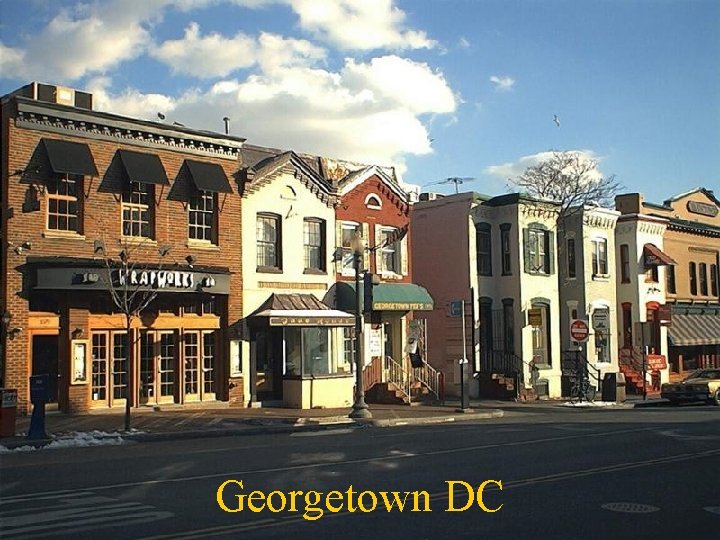
Georgetown DC
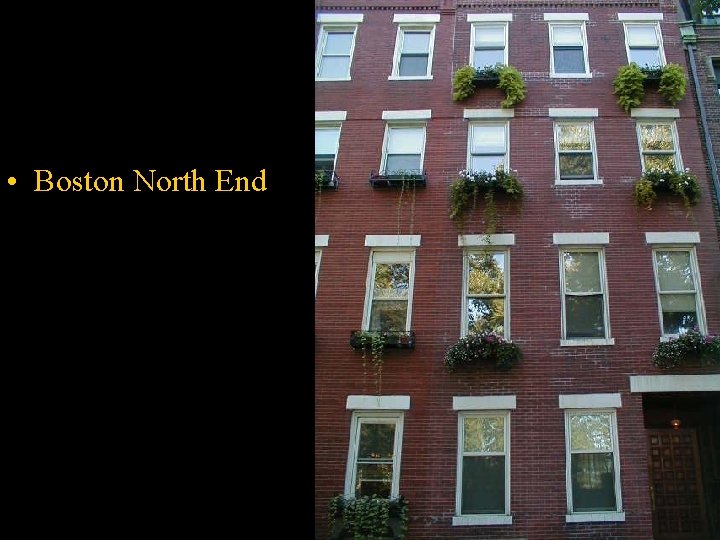
• Boston North End
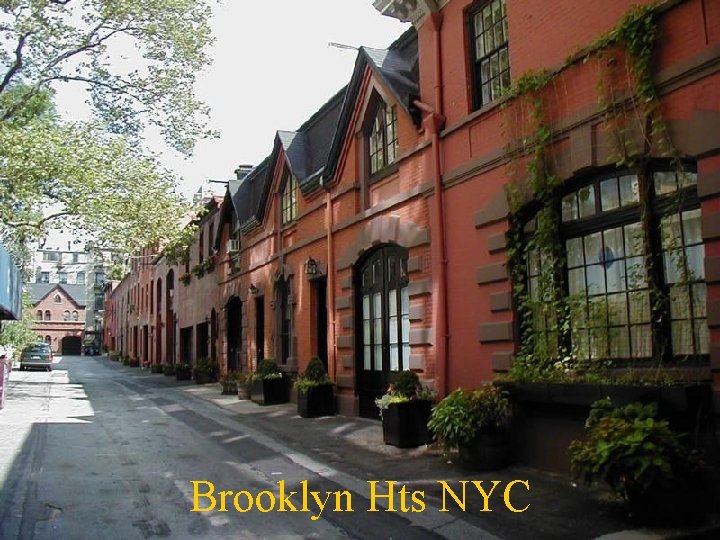
Brooklyn Hts NYC
• Brooklyn Hts
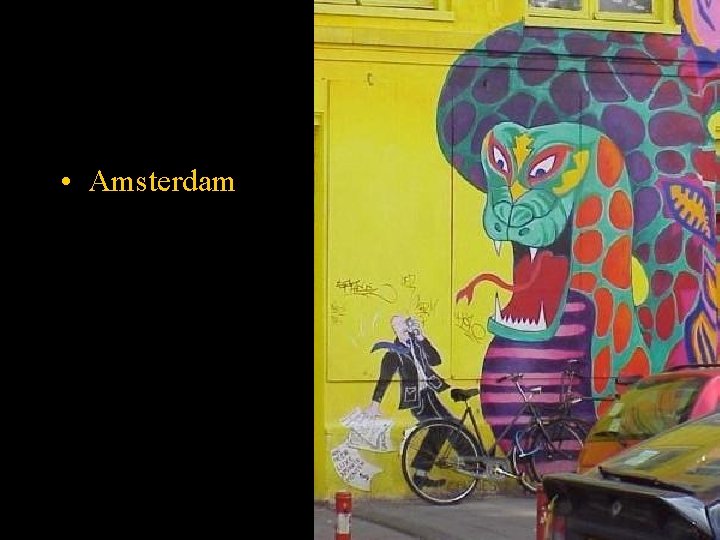
• Amsterdam
Gentrification • Changes property values – capital moves back into the city – prices the poor out of the market • Transforms the inner-city built-environment • Transforms the inner-city social environment • animation
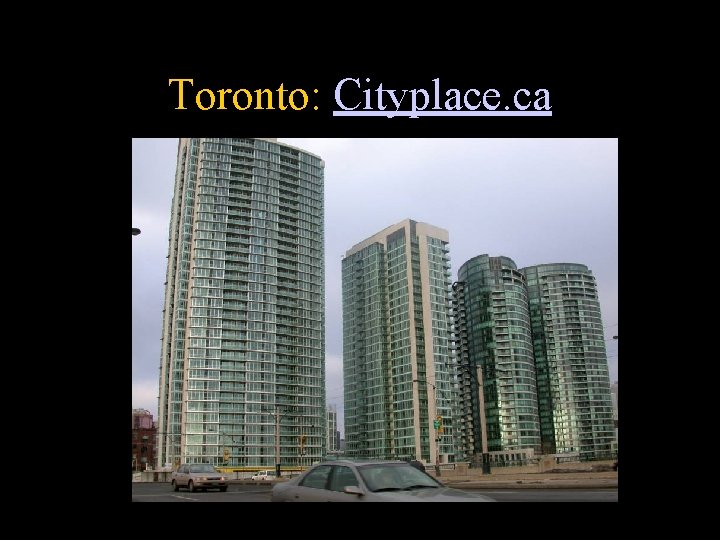
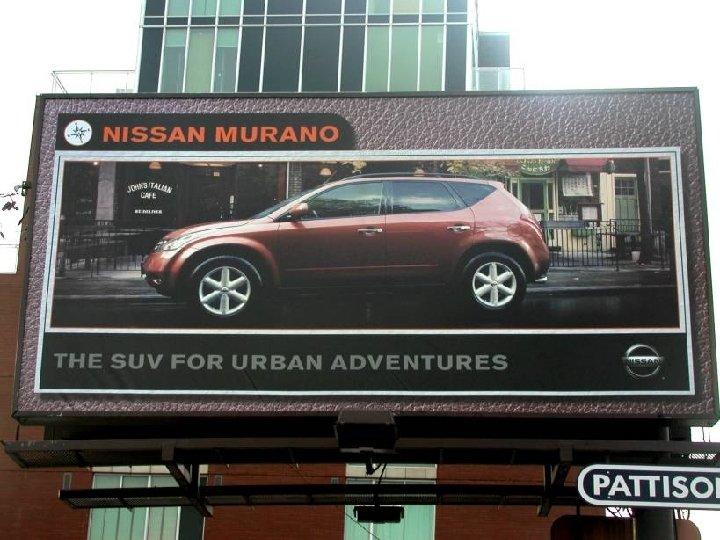
Gentrified Landscapes • Become places of consumption • People want to “buy-into” a lifestyle as well as a place • Suits a contemporary middle-class lifestyle and gender relations
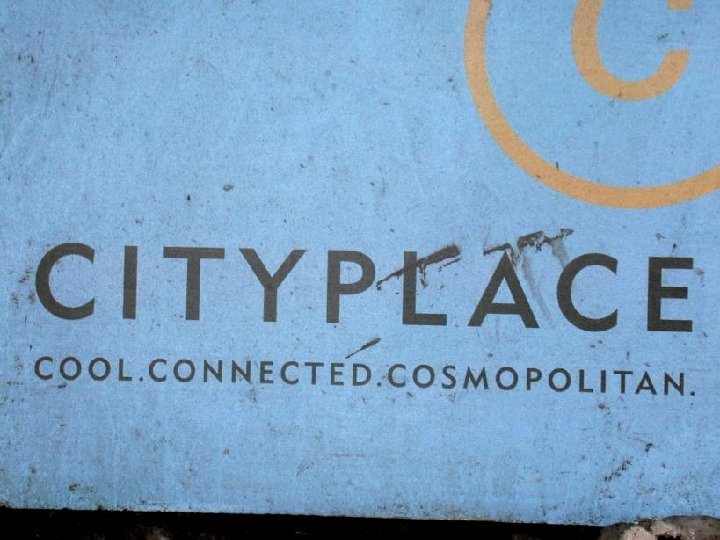
Toronto: Cityplace. ca
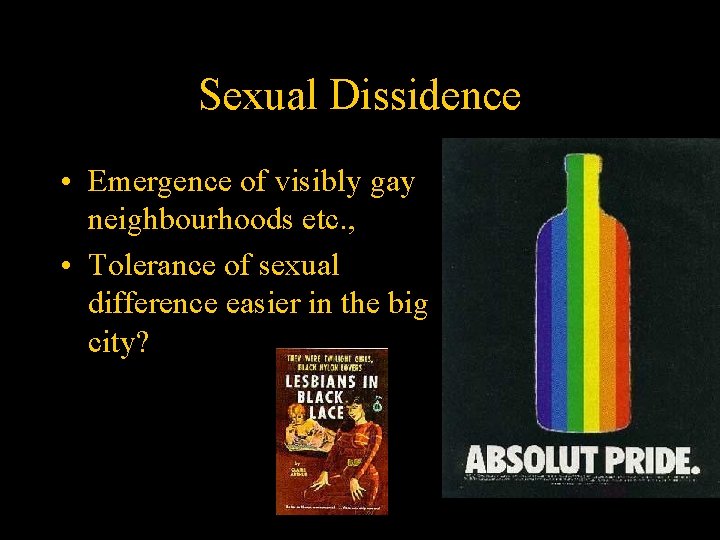
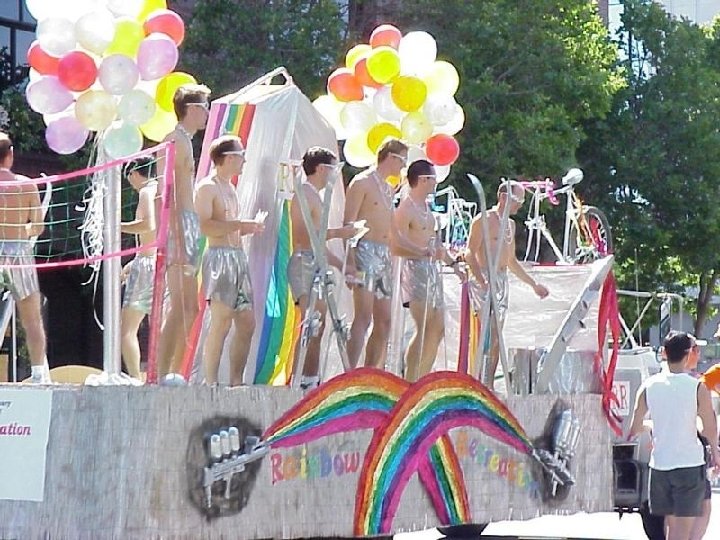
Sexual Dissidence • Emergence of visibly gay neighbourhoods etc. , • Tolerance of sexual difference easier in the big city?
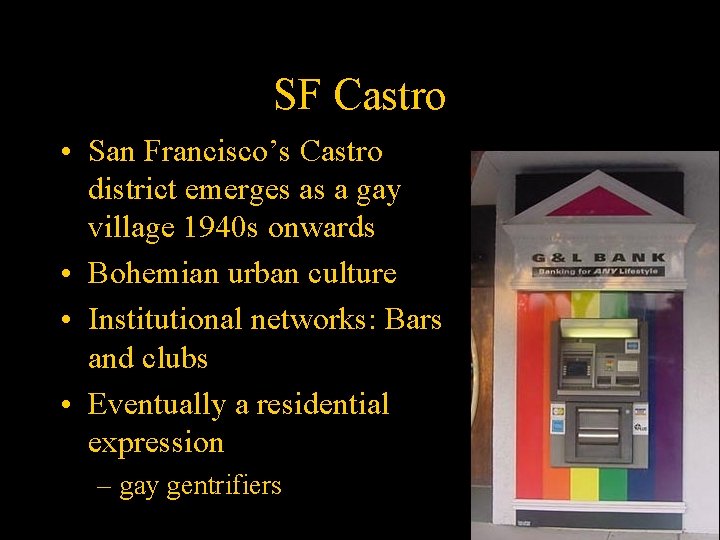
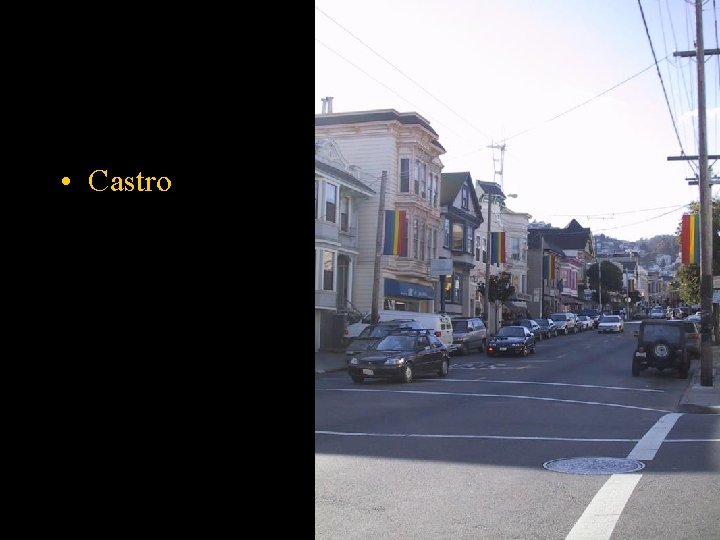
SF Castro • San Francisco’s Castro district emerges as a gay village 1940 s onwards • Bohemian urban culture • Institutional networks: Bars and clubs • Eventually a residential expression – gay gentrifiers
• Castro
Toronto Cabbagetown • Apartment towers of St Jamestown become a bohemian environment from 1960 s – Becomes a gay village • Gay gentrifiers a key component in mid 1970 s gentrification of Cabbagetown
Florida Thesis • Urban creativity a result of bohemian culture – bars and clubs vital to a creative urban culture – perhaps gay bars especially