The Still Life 1640s Answer the questions on
- Slides: 18
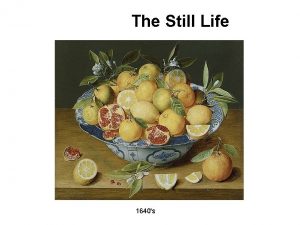
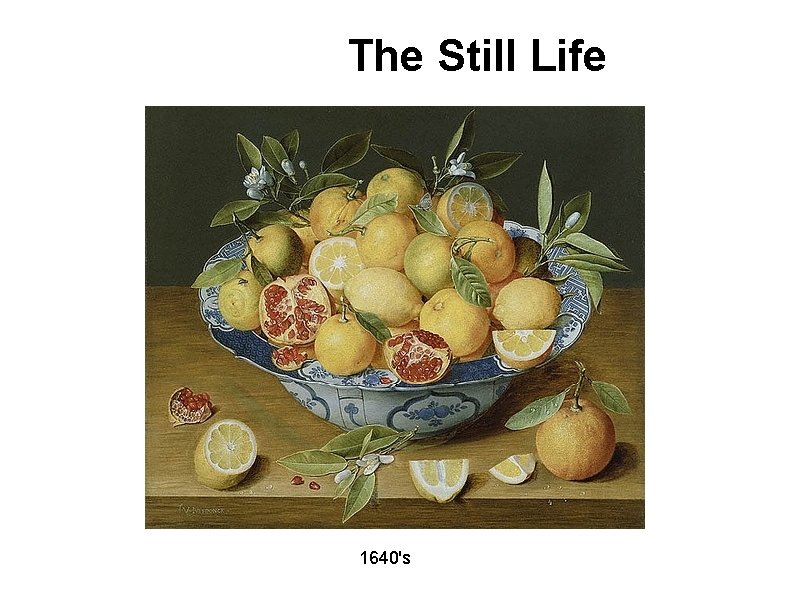
The Still Life 1640's
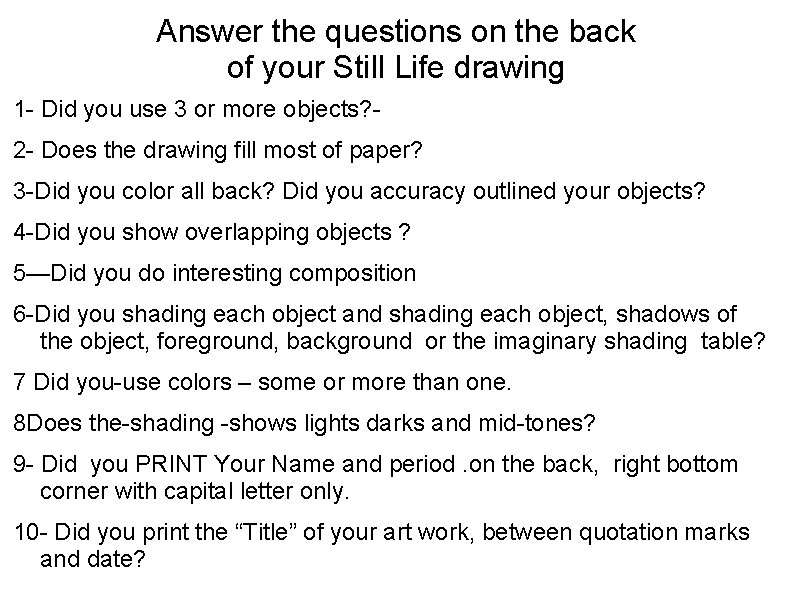
Answer the questions on the back of your Still Life drawing 1 - Did you use 3 or more objects? 2 - Does the drawing fill most of paper? 3 -Did you color all back? Did you accuracy outlined your objects? 4 -Did you show overlapping objects ? 5—Did you do interesting composition 6 -Did you shading each object and shading each object, shadows of the object, foreground, background or the imaginary shading table? 7 Did you-use colors – some or more than one. 8 Does the-shading -shows lights darks and mid-tones? 9 - Did you PRINT Your Name and period. on the back, right bottom corner with capital letter only. 10 - Did you print the “Title” of your art work, between quotation marks and date?
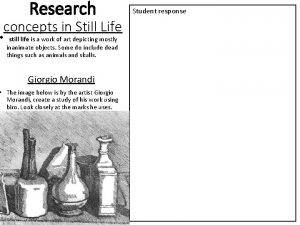
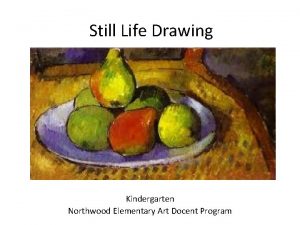
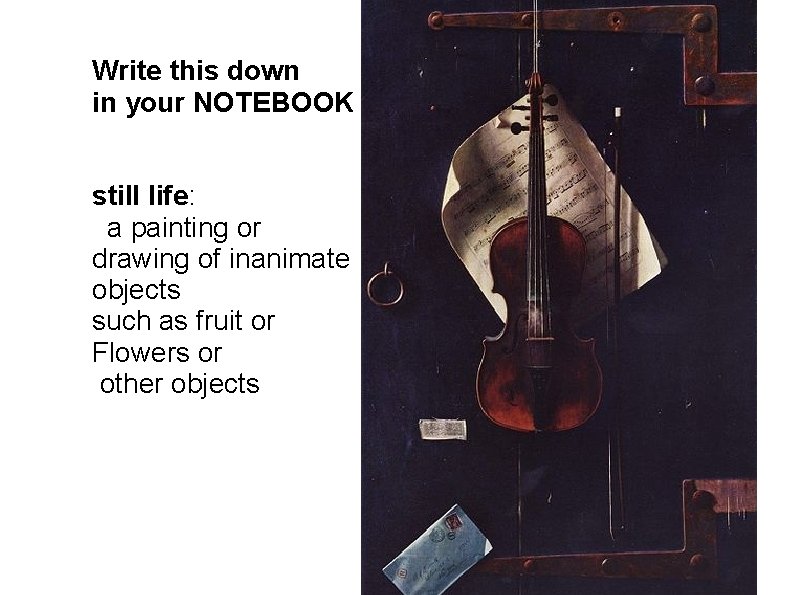
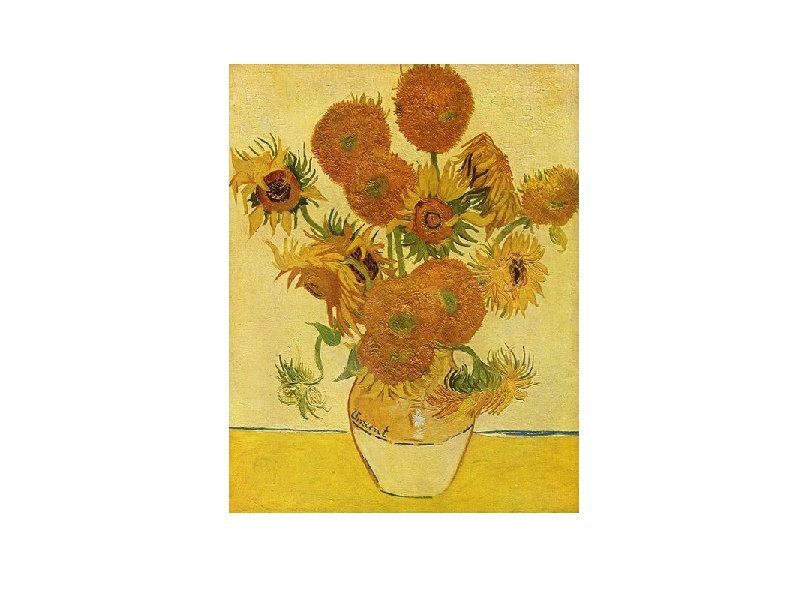
Write this down in your NOTEBOOK still life: a painting or drawing of inanimate objects such as fruit or Flowers or other objects
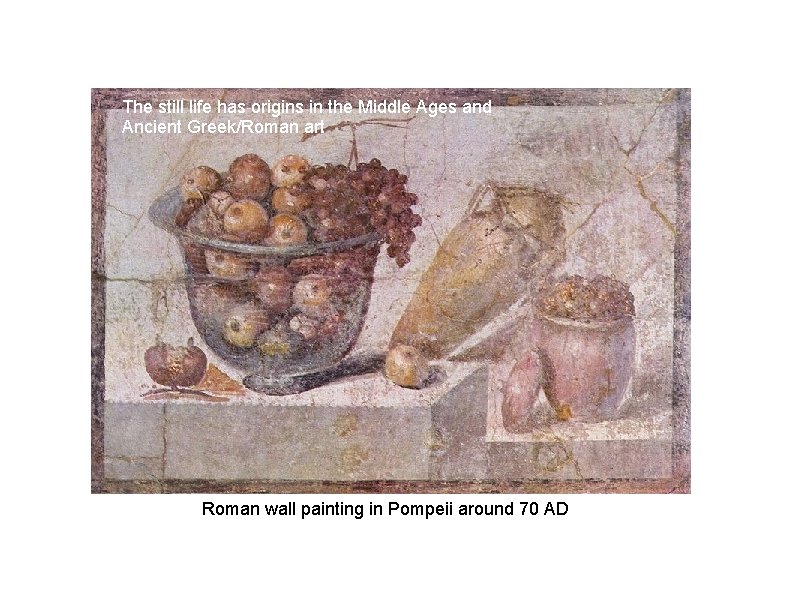
The still life has origins in the Middle Ages and Ancient Greek/Roman art Roman wall painting in Pompeii around 70 AD
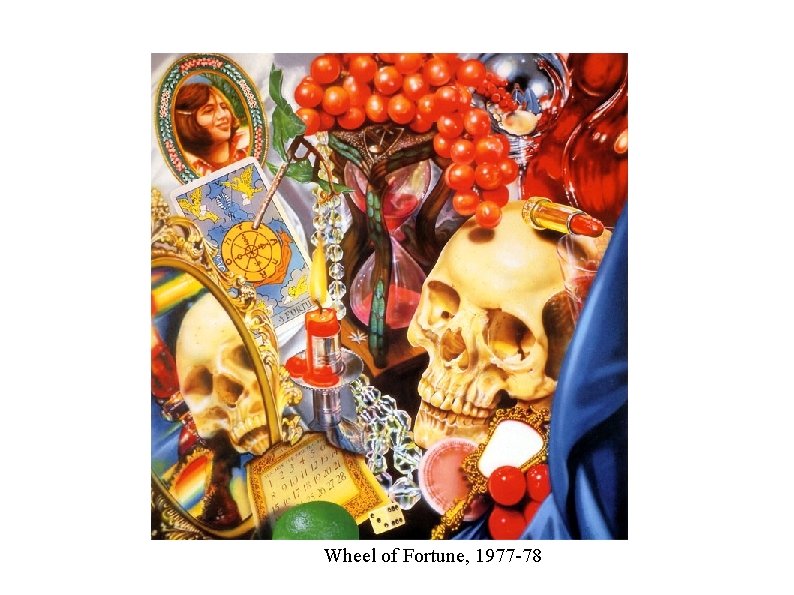
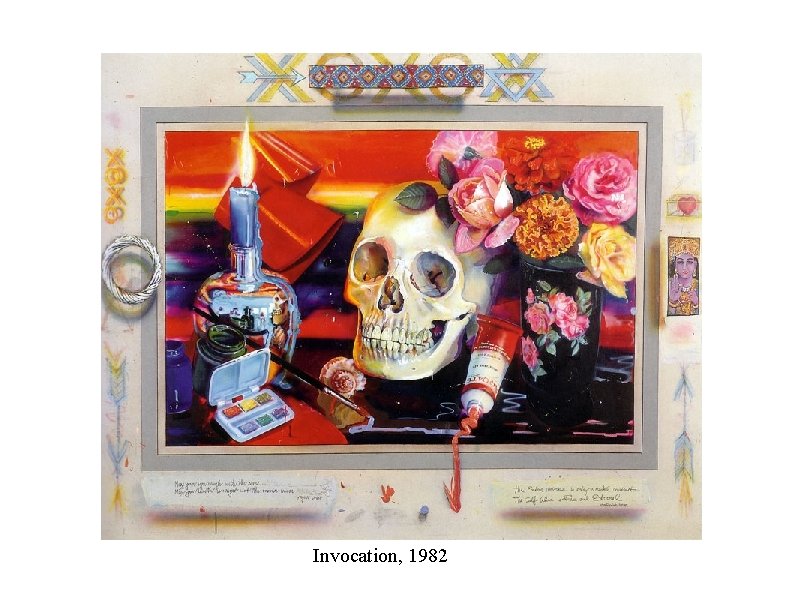
Write this in your sketchbook: STILL LIFE Vanitas: Latin for vanity, a. Vanitas genre of still-life painting that flourished in the Netherlands (Holland) in the early 17 th century. Vanitas are symbolic representations of inevitable death and invite the viewer to consider their mortality. Common symbols include skulls, candle stubs, overbloomed flowers, overturned goblets, hourglasses, etc. , which symbolize the vain or pointless ambitions in life, now we can mention: cell phones, TV, computer and other not animated objects
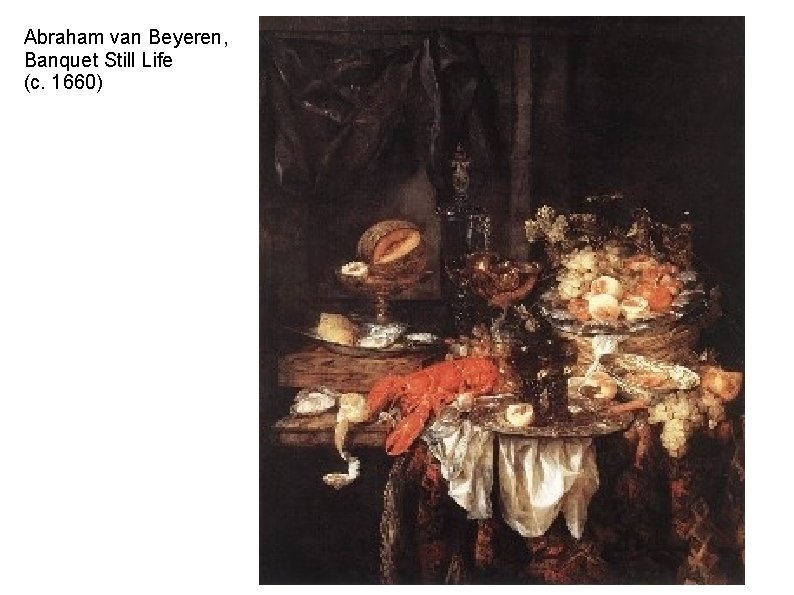
Abraham van Beyeren, Banquet Still Life (c. 1660)
List 15 different items found in this vanitas. Vanitas- click here to answer the following questions Although a few vanitas pictures include figures, the vast majority are pure still lifes, containing certain standard elements: symbols of arts and sciences (books, maps, and musical instruments), wealth and power (purses, jewelry, gold objects), and earthly pleasures (goblets, pipes, and playing cards. ; symbols of death or transience (skulls, clocks, burning candles, soap bubbles, and flowers); and, sometimes, symbols of resurrection and eternal life (usually ears of corn or sprigs of ivy or laurel).
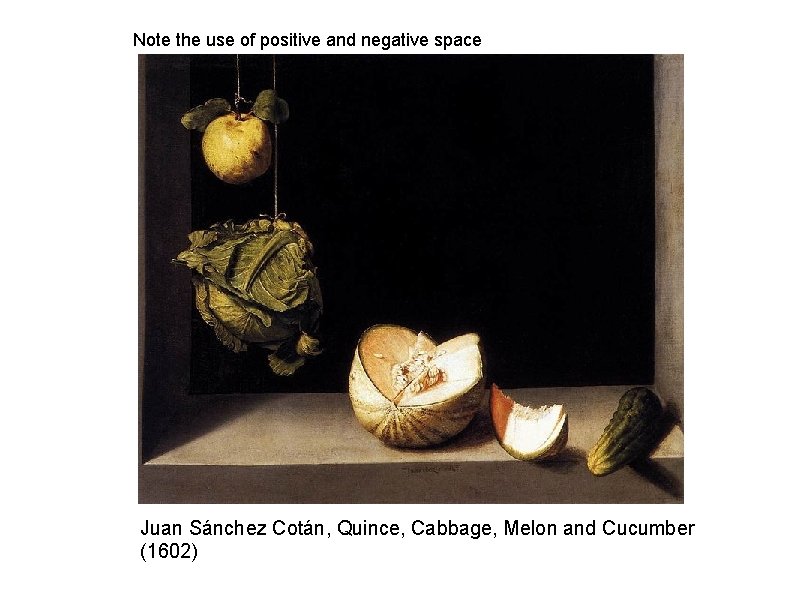
Note the use of positive and negative space Juan Sánchez Cotán, Quince, Cabbage, Melon and Cucumber (1602)
Why might an artist paint a fruit, vegetable or flower decomposing in a vanitas? What might that represent symbolically?
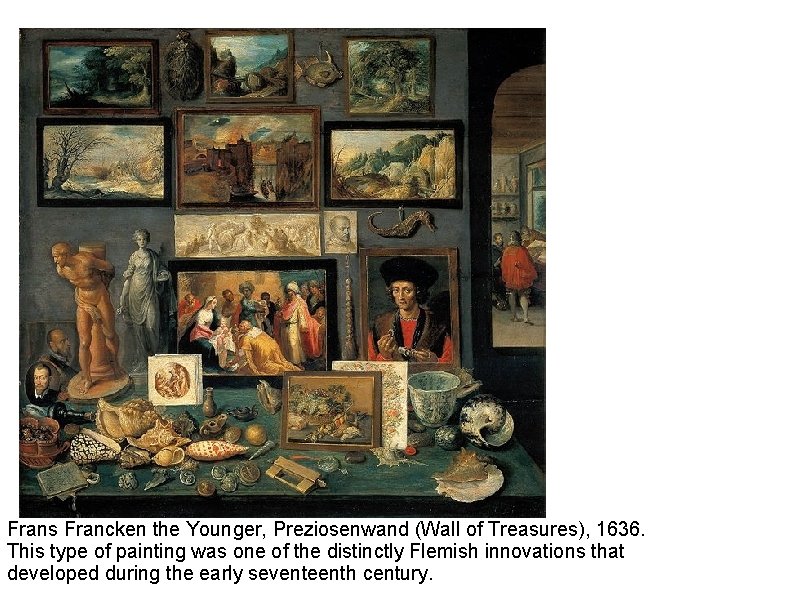
Frans Francken the Younger, Preziosenwand (Wall of Treasures), 1636. This type of painting was one of the distinctly Flemish innovations that developed during the early seventeenth century.
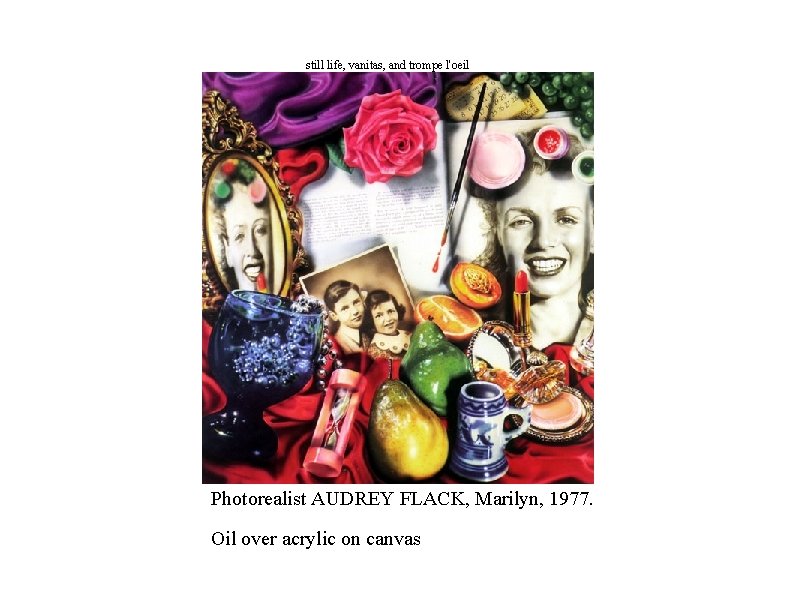
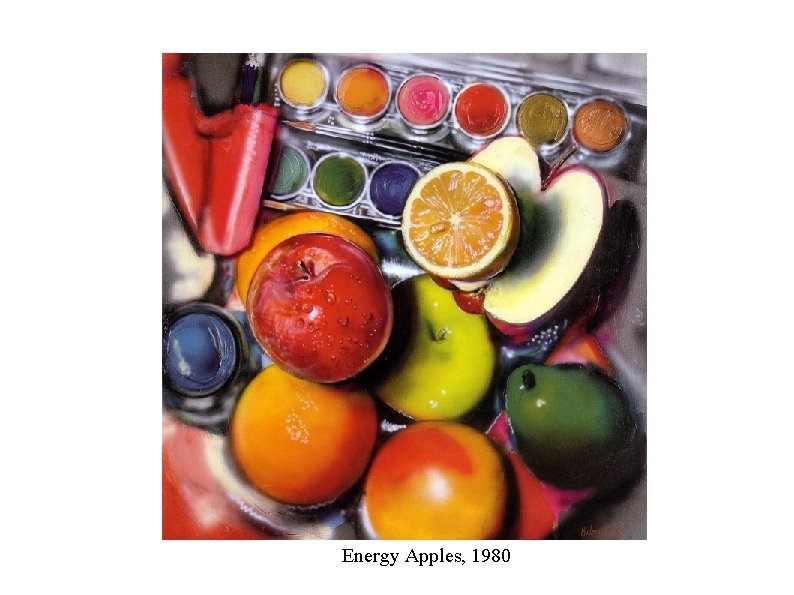
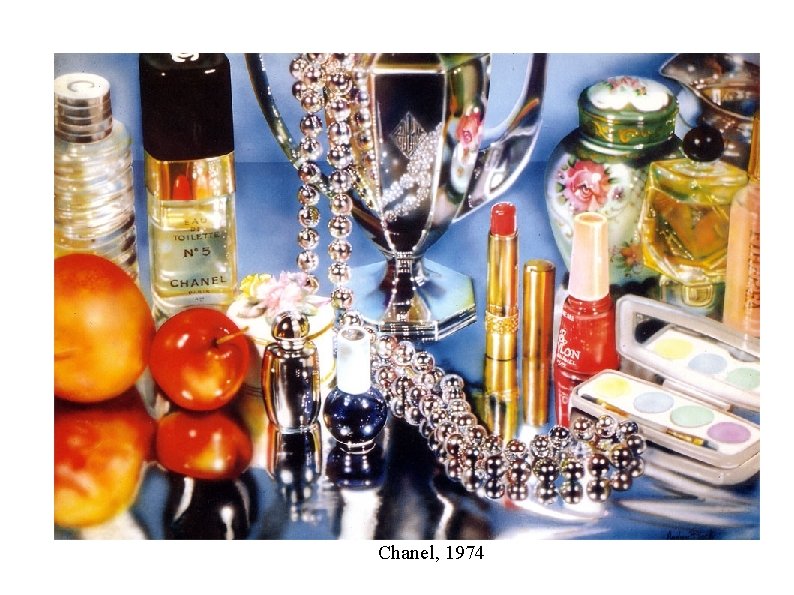
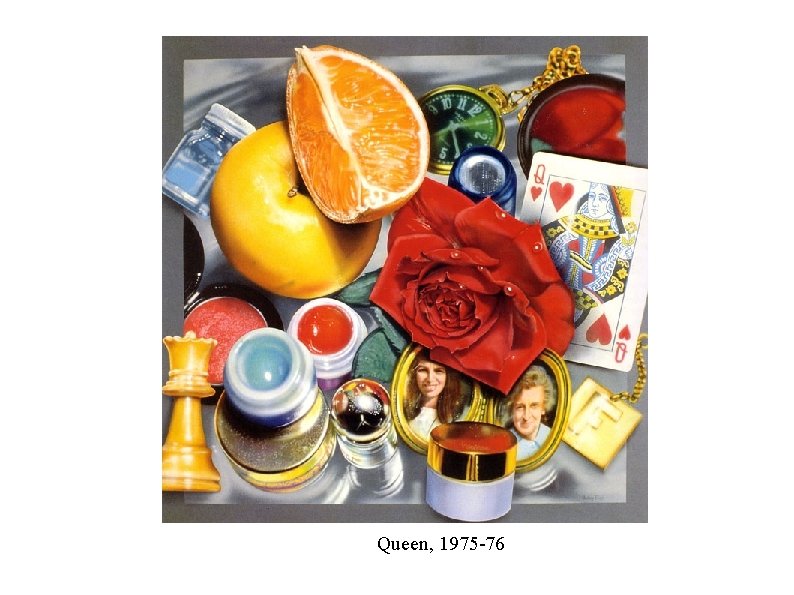
still life, vanitas, and trompe l'oeil Photorealist AUDREY FLACK, Marilyn, 1977. Oil over acrylic on canvas
Wheel of Fortune, 1977 -78
Energy Apples, 1980
Invocation, 1982
Chanel, 1974
Queen, 1975 -76
What to do for your still life project. Draw a : Still Life drawing or Painting: 1 -uses 3 or more still life objects – 1_________ 2______3_____4_____5______ 2 -drawing fills most of paper (table and background) 3 -accuracy in drawing 4 -shows overlapping 5 --interesting composition 6 -shading ((technique -effort/shows careful observation) 7 -use colors – everything colored. 8 -shading -shows lights darks and mid-tones. 9 - Your Name and period. on the back 10 - Title of your art work and date Follow these lines too for your greatest evaluation