Some advantages of MPAs for fisheries Colin Attwood
- Slides: 18
Some advantages of MPAs for fisheries Colin Attwood Marine Research Institute Department of Biological Science University of Cape Town
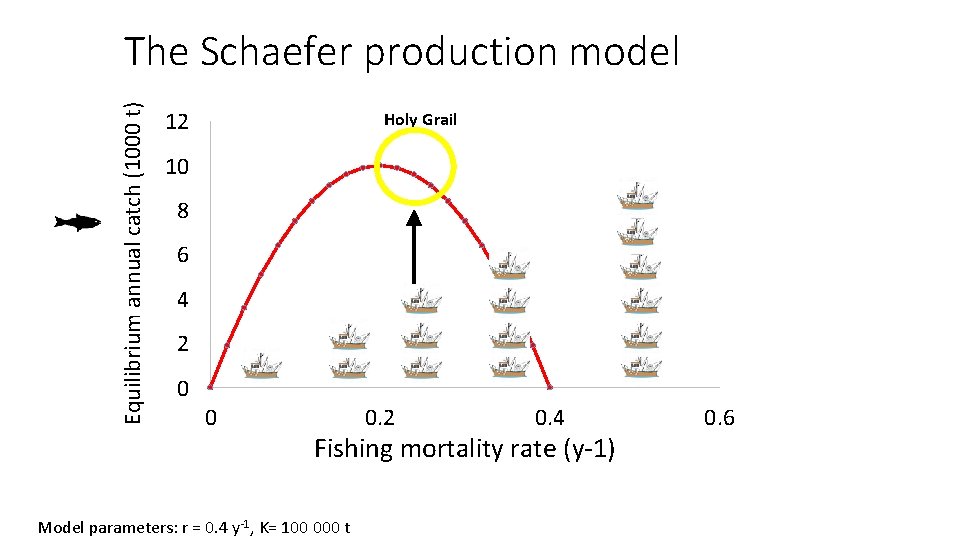
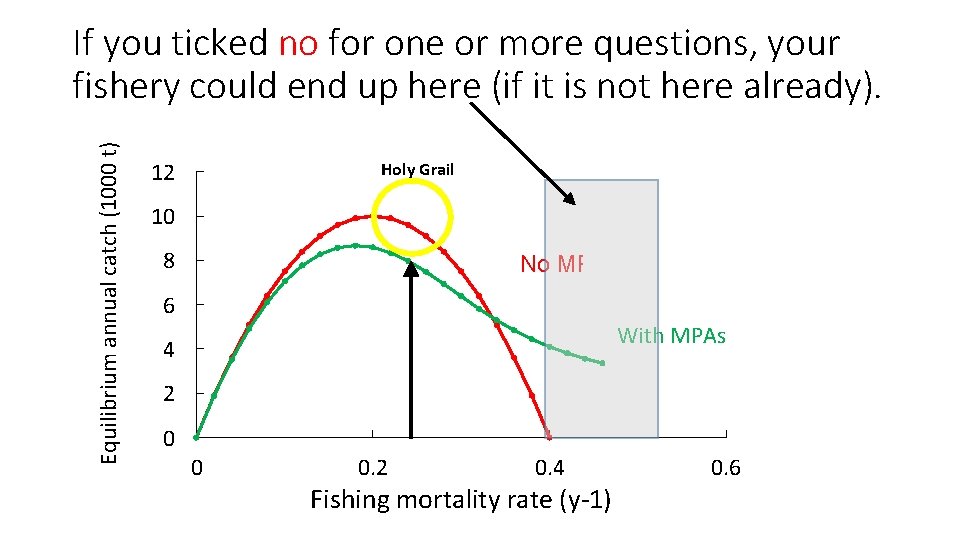
Equilibrium annual catch (1000 t) The Schaefer production model 12 Holy Grail 10 8 6 4 2 0 0 0. 2 0. 4 Fishing mortality rate (y-1) Model parameters: r = 0. 4 y-1, K= 100 000 t 0. 6
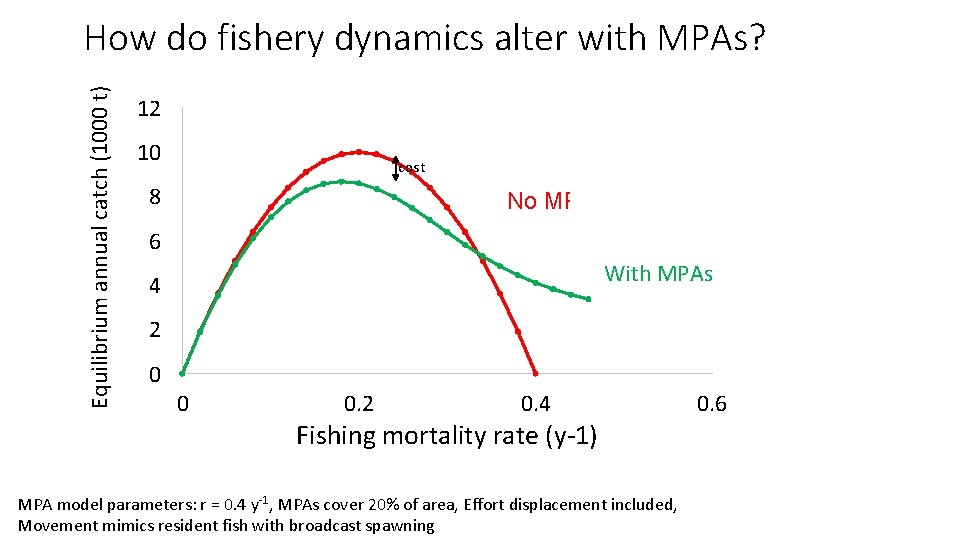
Equilibrium annual catch (1000 t) How do fishery dynamics alter with MPAs? 12 10 cost 8 No MPA 6 With MPAs 4 2 0 0 0. 2 0. 4 Fishing mortality rate (y-1) MPA model parameters: r = 0. 4 y-1, MPAs cover 20% of area, Effort displacement included, Movement mimics resident fish with broadcast spawning 0. 6
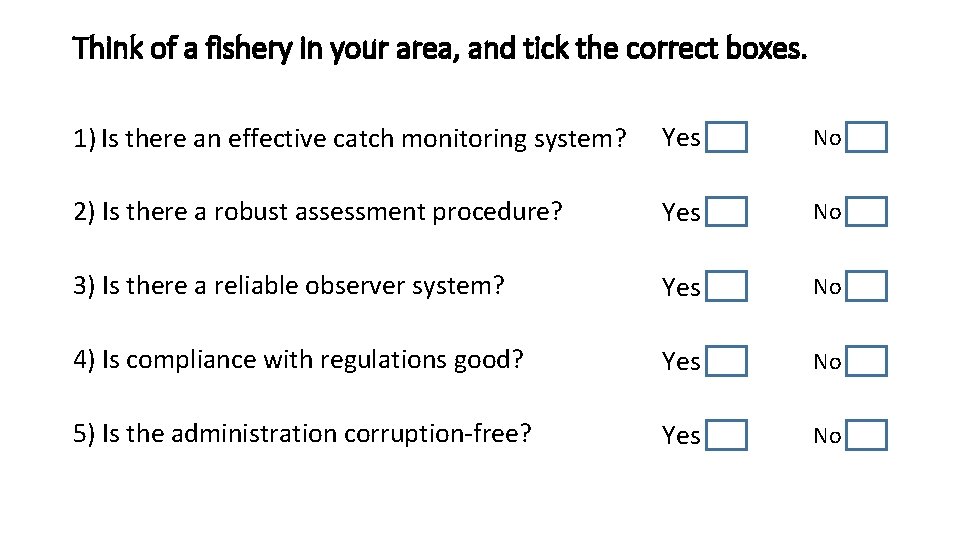
Think of a fishery in your area, and tick the correct boxes. 1) Is there an effective catch monitoring system? Yes No 2) Is there a robust assessment procedure? Yes No 3) Is there a reliable observer system? Yes No 4) Is compliance with regulations good? Yes No 5) Is the administration corruption-free? Yes No
Equilibrium annual catch (1000 t) If you ticked no for one or more questions, your fishery could end up here (if it is not here already). 12 Holy Grail 10 8 No MPA 6 With MPAs 4 2 0 0 0. 2 0. 4 Fishing mortality rate (y-1) 0. 6
Sometimes (very, very seldom) scientists get it wrong.
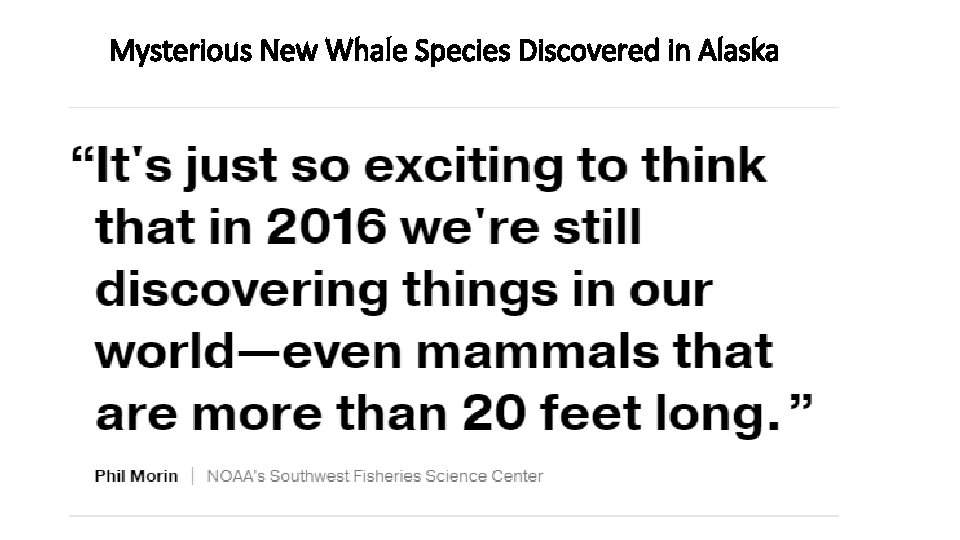
Mysterious New Whale Species Discovered in Alaska
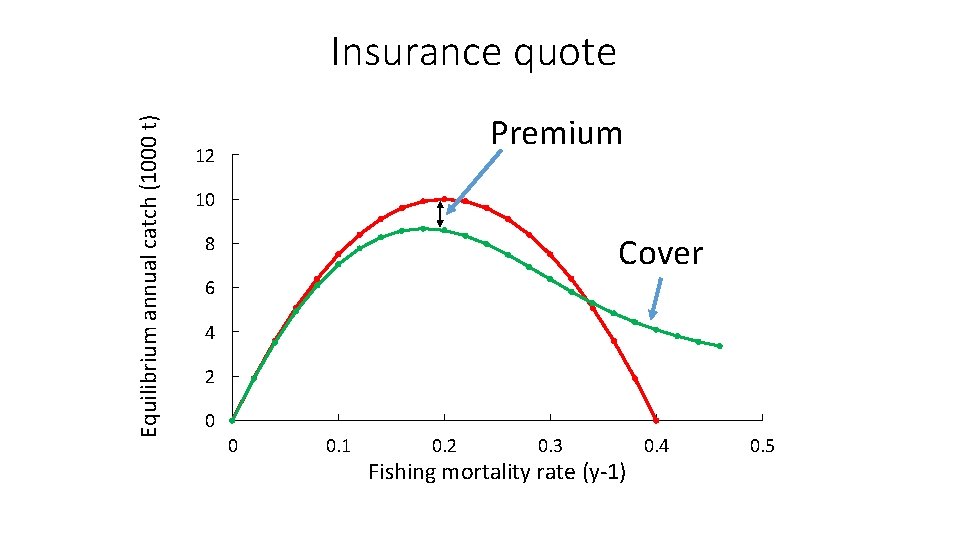
Equilibrium annual catch (1000 t) Insurance quote Premium 12 10 Cover 8 6 4 2 0 0 0. 1 0. 2 0. 3 Fishing mortality rate (y-1) 0. 4 0. 5
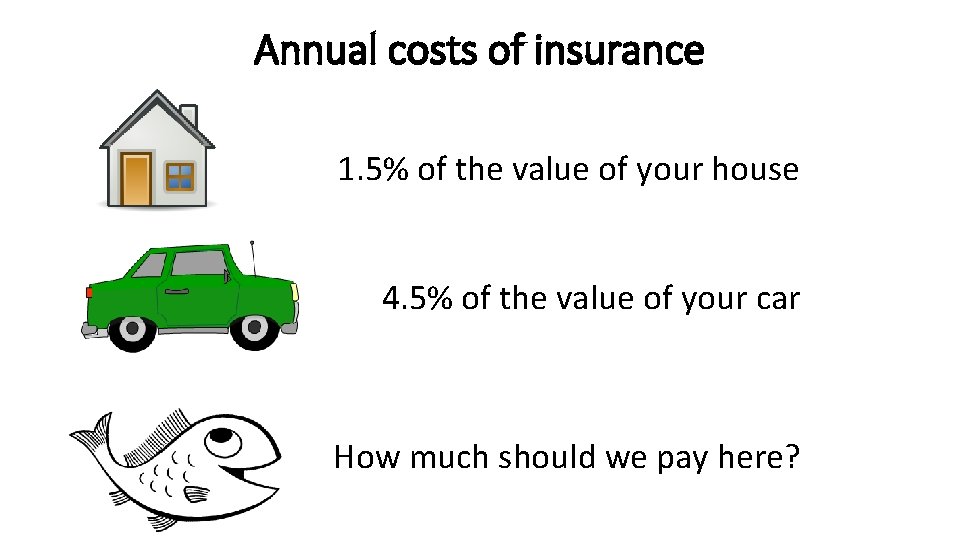
Annual costs of insurance 1. 5% of the value of your house 4. 5% of the value of your car How much should we pay here?
Regulation by TAC and effort control have some limitations.
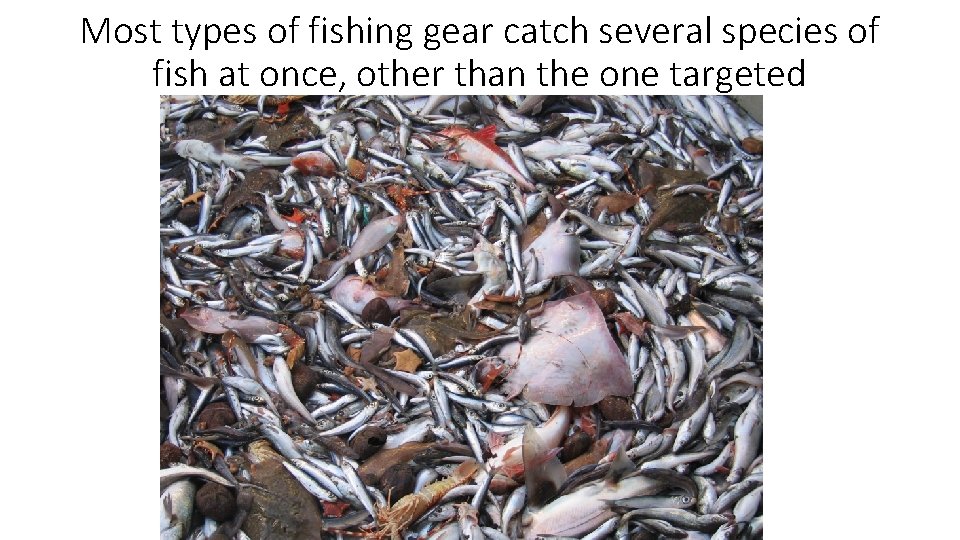
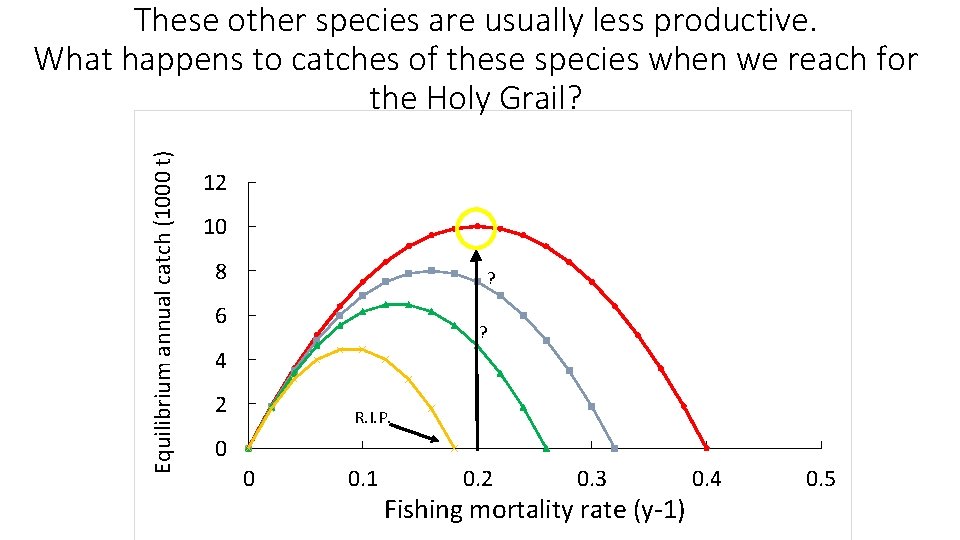
Most types of fishing gear catch several species of fish at once, other than the one targeted
Equilibrium annual catch (1000 t) These other species are usually less productive. What happens to catches of these species when we reach for the Holy Grail? 12 10 8 ? 6 ? 4 2 R. I. P. 0 0 0. 1 0. 2 0. 3 Fishing mortality rate (y-1) 0. 4 0. 5
Fisheries assessment is easy at high latitudes, but difficult in the tropics. Why? 1. The number of species increases dramatically from pole to equator, but the abundances diminish. We need to do more assessments in the tropics, yet the financial incentive is less for each species. Of ± 600 exploited fish species in SA, 16 are assessed! 2. With so many similar tropical species, there is great taxonomic confusion, and catch records are not reliably assigned to species. 3. Seasonal signals are weak or non-existent, so we struggle to read the bands in the otoliths, and to follow cohorts. We do not know the fish’s vital rates, such as growth and mortality, and the age-atmaturity. These are important parameters that influence productivity.
Problem Fisheries assessments are difficult in the tropics. AND Tropical countries have the worst governance and the weakest scientific capacity. MPAs are especially useful in the tropics!
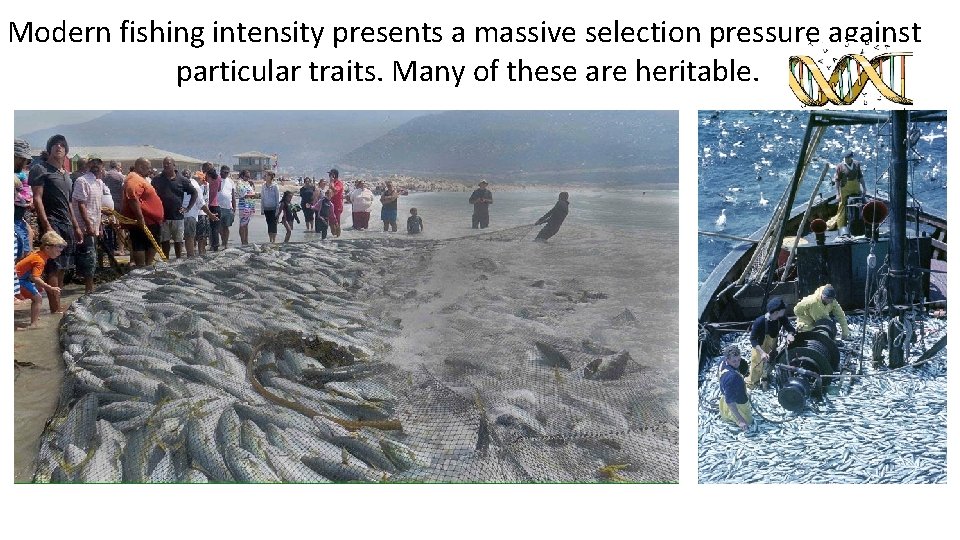
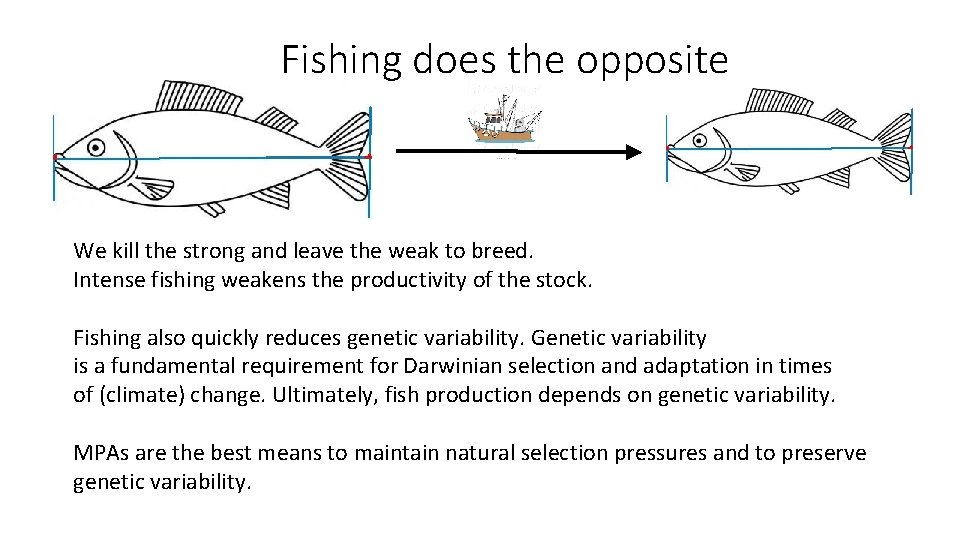
Modern fishing intensity presents a massive selection pressure against particular traits. Many of these are heritable.
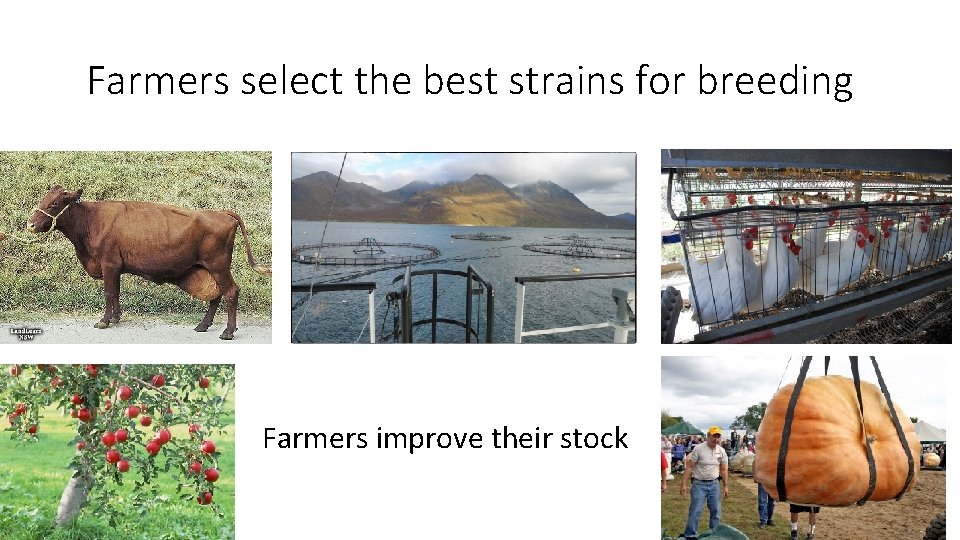
Farmers select the best strains for breeding Farmers improve their stock
Fishing does the opposite We kill the strong and leave the weak to breed. Intense fishing weakens the productivity of the stock. Fishing also quickly reduces genetic variability. Genetic variability is a fundamental requirement for Darwinian selection and adaptation in times of (climate) change. Ultimately, fish production depends on genetic variability. MPAs are the best means to maintain natural selection pressures and to preserve genetic variability.
MPAs can provide substantial benefits to most of the world’s fisheries