Receptor pharmacology or animal models for dose selection
![12 Using Receptor Occupancy for a new target 2] Do not. Minimal study doses](https://slidetodoc.com/presentation_image_h/cd3a82473df5390e5edce52b8eb96c60/image-12.jpg "12 Using Receptor Occupancy for a new target 2] Do not. Minimal study doses")
- Slides: 20
Receptor pharmacology or animal models for dose selection in humans? Bart Laurijssens Clinical Pharmacology Modelling & Simulation, Glaxo. Smith. Kline, UK Satellite Meeting on Predictive Modelling in Drug Development PAGE, St Petersburg, 23 June 2009
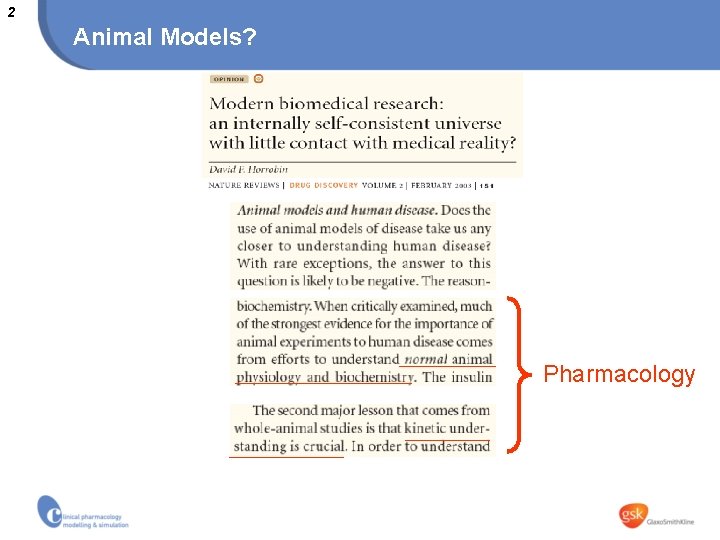
2 Animal Models? Pharmacology
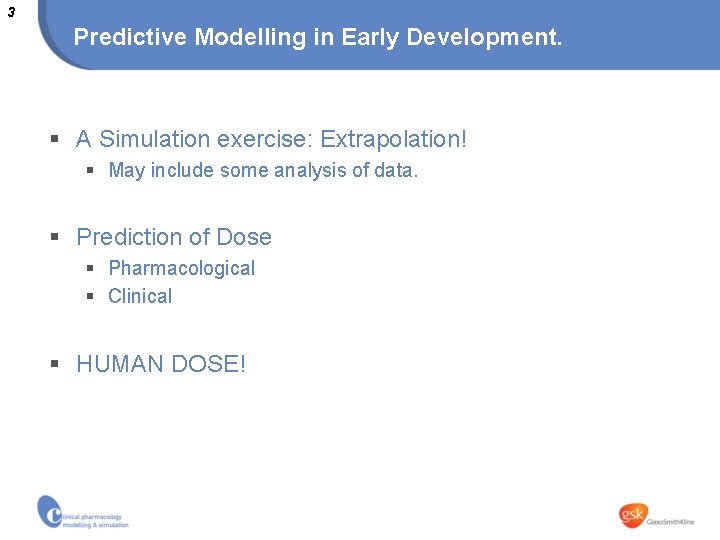
3 Predictive Modelling in Early Development. § A Simulation exercise: Extrapolation! § May include some analysis of data. § Prediction of Dose § Pharmacological § Clinical § HUMAN DOSE!
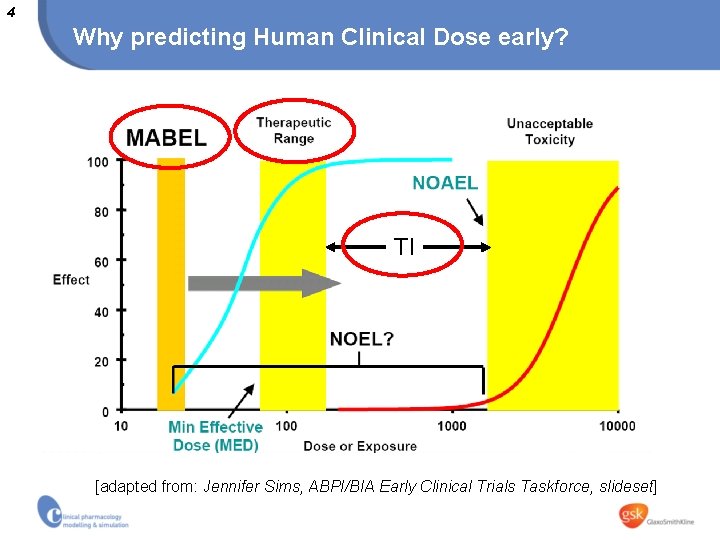
4 Why predicting Human Clinical Dose early? TI [adapted from: Jennifer Sims, ABPI/BIA Early Clinical Trials Taskforce, slideset]
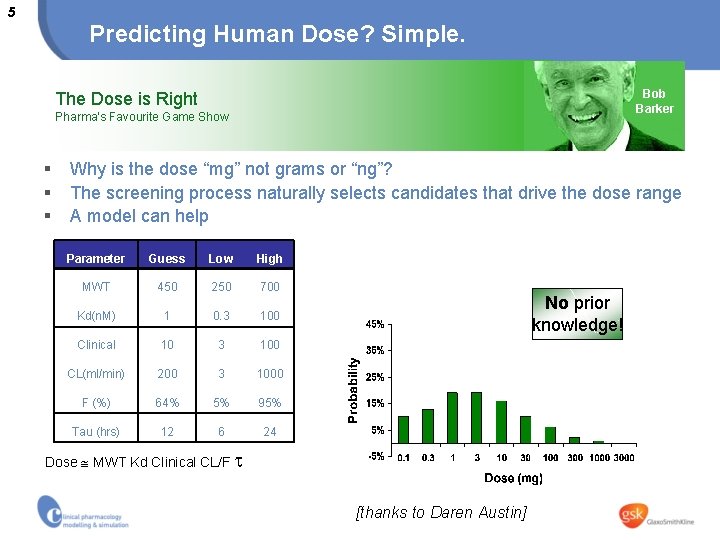
5 Predicting Human Dose? Simple. Bob Barker The Dose is Right Pharma’s Favourite Game Show § § § Why is the dose “mg” not grams or “ng”? The screening process naturally selects candidates that drive the dose range A model can help Parameter Guess Low High MWT 450 250 700 Kd(n. M) 1 0. 3 100 Clinical 10 3 100 CL(ml/min) 200 3 1000 F (%) 64% 5% 95% Tau (hrs) 12 6 24 No prior knowledge! Dose MWT Kd Clinical CL/F [thanks to Daren Austin]
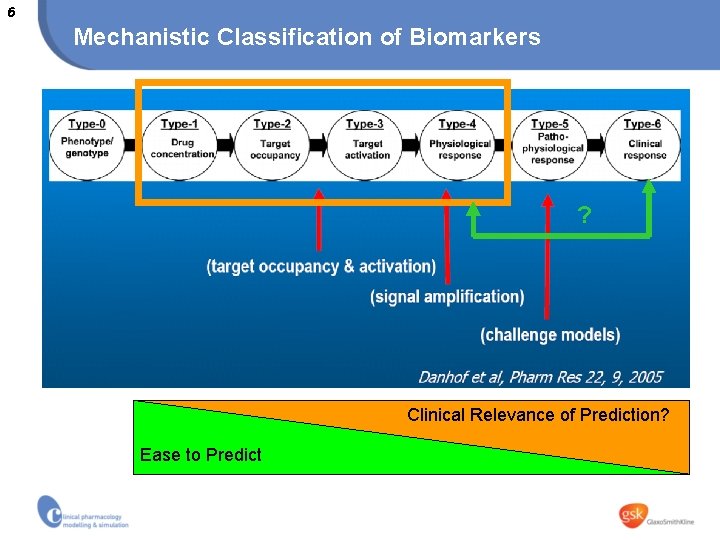
6 Mechanistic Classification of Biomarkers ? Clinical Relevance of Prediction? Ease to Predict
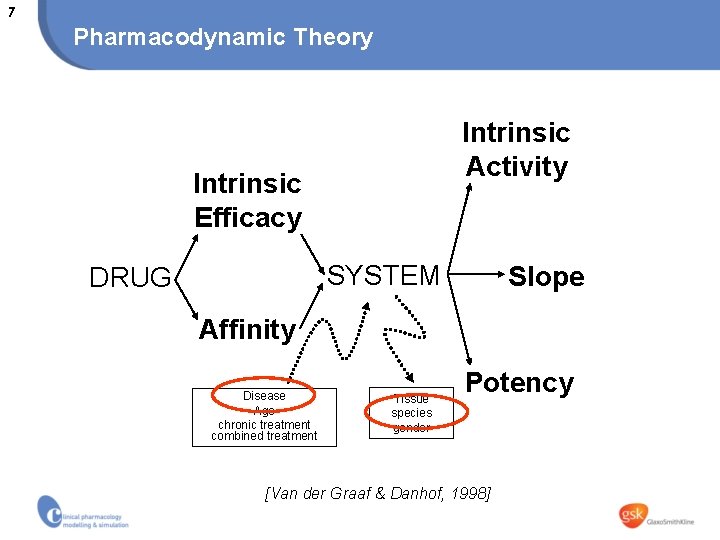
7 Pharmacodynamic Theory Intrinsic Activity Intrinsic Efficacy SYSTEM DRUG Slope Affinity Disease Age chronic treatment combined treatment Tissue species gender Potency [Van der Graaf & Danhof, 1998]
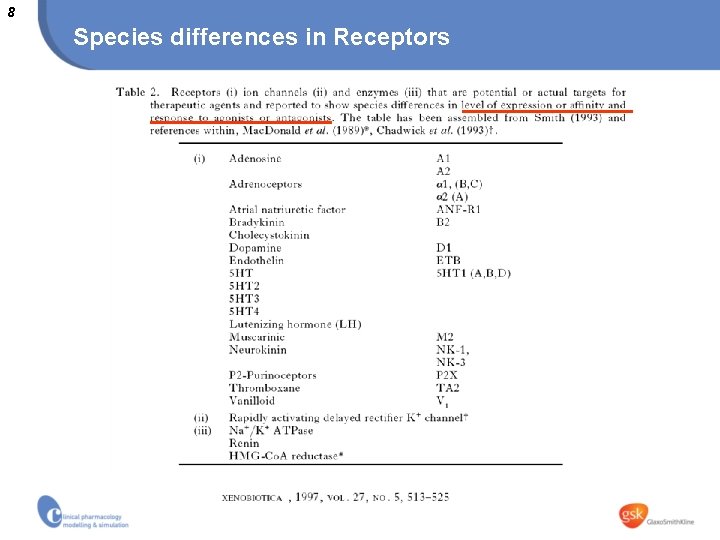
8 Species differences in Receptors
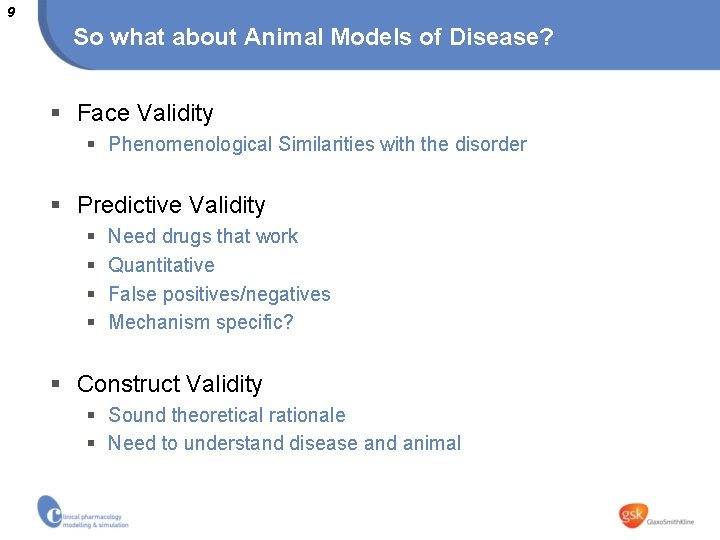
9 So what about Animal Models of Disease? § Face Validity § Phenomenological Similarities with the disorder § Predictive Validity § § Need drugs that work Quantitative False positives/negatives Mechanism specific? § Construct Validity § Sound theoretical rationale § Need to understand disease and animal
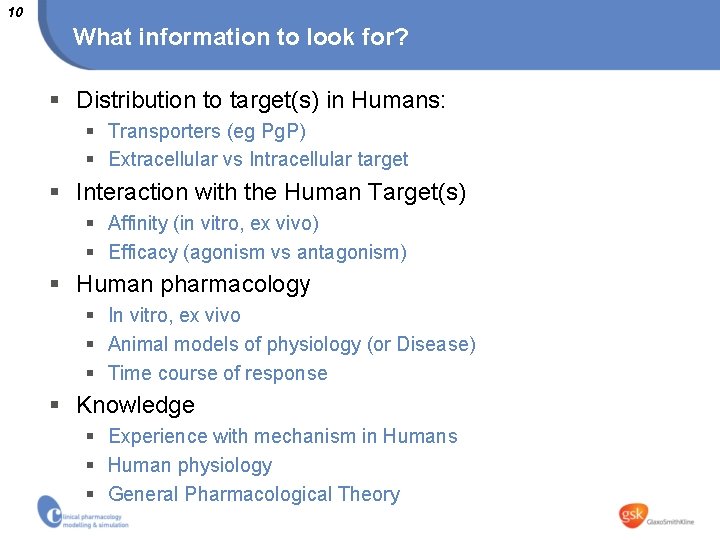
10 What information to look for? § Distribution to target(s) in Humans: § Transporters (eg Pg. P) § Extracellular vs Intracellular target § Interaction with the Human Target(s) § Affinity (in vitro, ex vivo) § Efficacy (agonism vs antagonism) § Human pharmacology § In vitro, ex vivo § Animal models of physiology (or Disease) § Time course of response § Knowledge § Experience with mechanism in Humans § Human physiology § General Pharmacological Theory
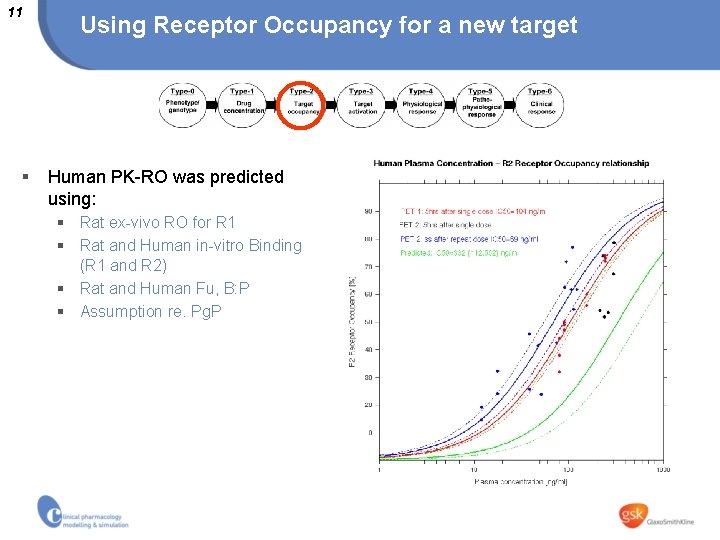
11 § Using Receptor Occupancy for a new target Human PK-RO was predicted using: § Rat ex-vivo RO for R 1 § Rat and Human in-vitro Binding (R 1 and R 2) § Rat and Human Fu, B: P § Assumption re. Pg. P
12 Using Receptor Occupancy for a new target 2] Do not. Minimal study doses with “response” during dosing interval at steady state <80% RO 3] Doses that hardly separate based on RO, potentially separate in efficacy 1] =theoretical range of efficacy: No suppression – No effect Max suppression – Max effect [Page satellite meeting, Pamplona, 2005]
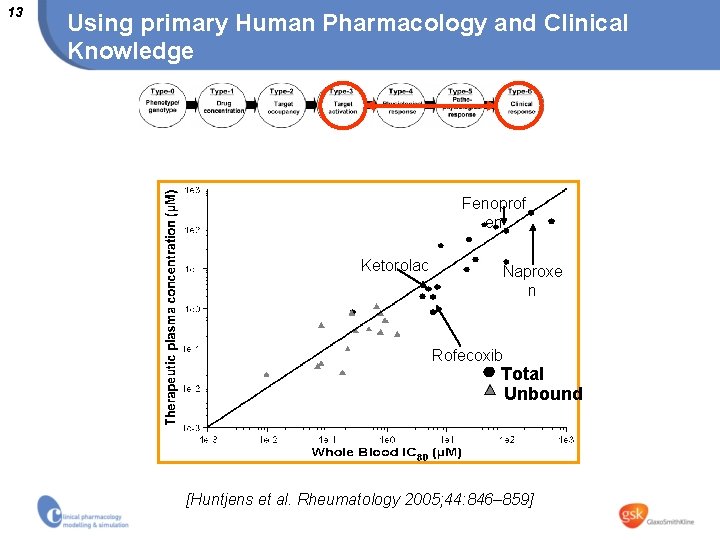
13 Using primary Human Pharmacology and Clinical Knowledge Fenoprof en Ketorolac Naproxe n Rofecoxib Total Unbound [Huntjens et al. Rheumatology 2005; 44: 846– 859]
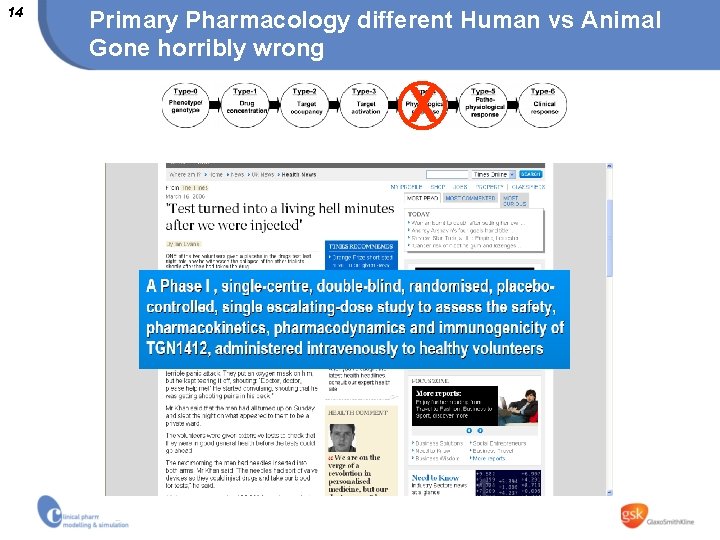
14 Primary Pharmacology different Human vs Animal Gone horribly wrong X
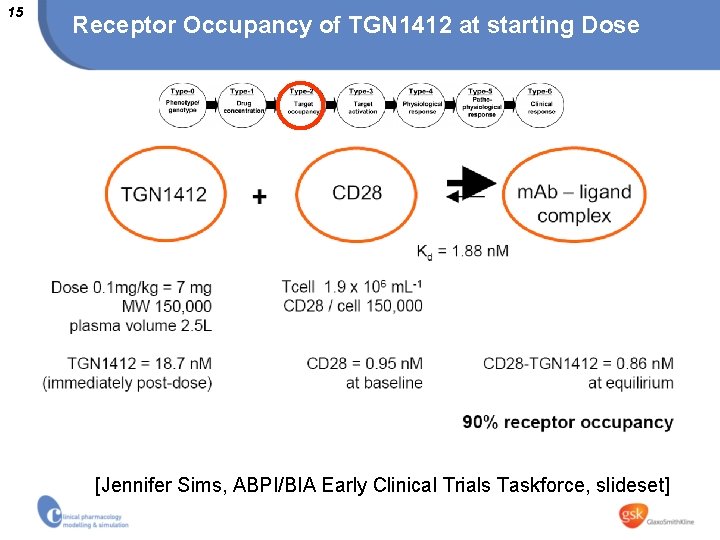
15 Receptor Occupancy of TGN 1412 at starting Dose [Jennifer Sims, ABPI/BIA Early Clinical Trials Taskforce, slideset]
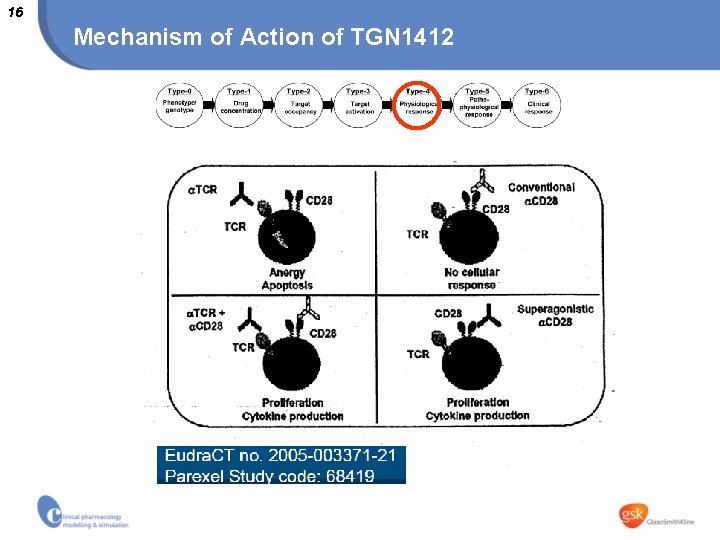
16 Mechanism of Action of TGN 1412
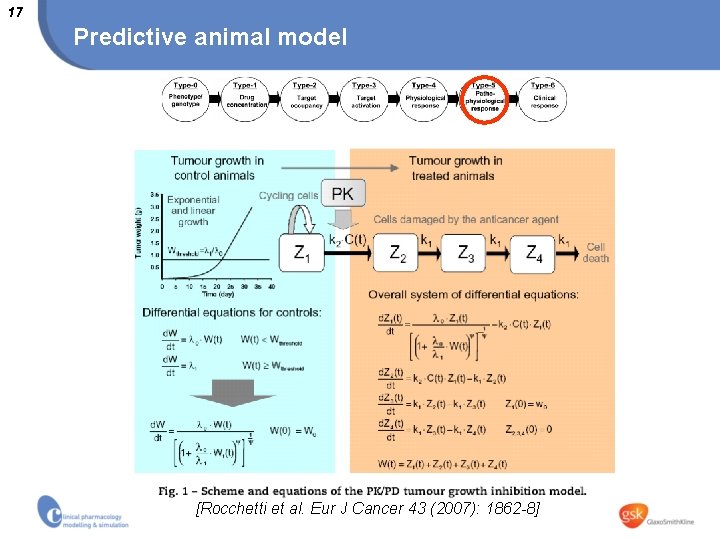
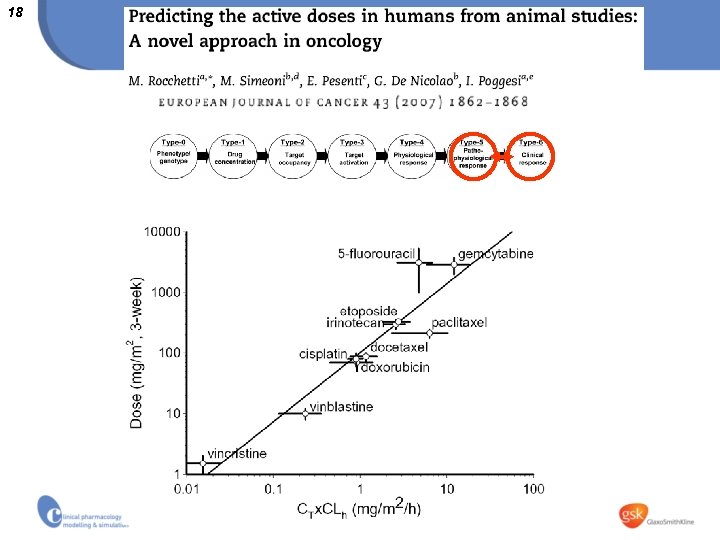
17 Predictive animal model [Rocchetti et al. Eur J Cancer 43 (2007): 1862 -8]
18
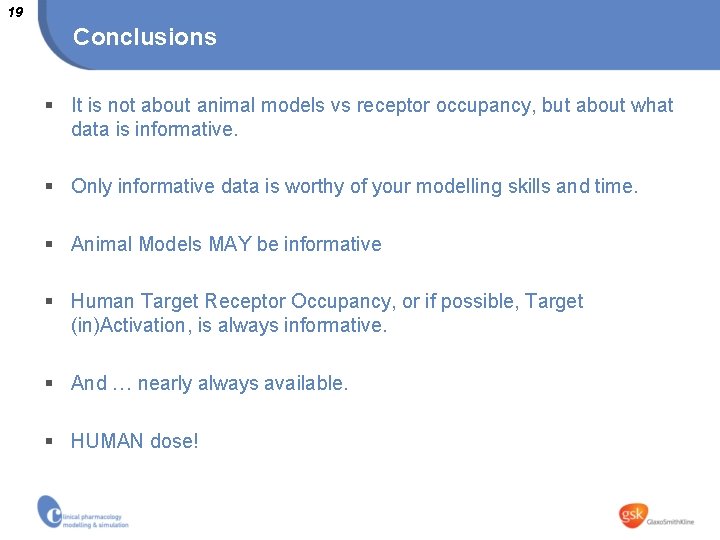
19 Conclusions § It is not about animal models vs receptor occupancy, but about what data is informative. § Only informative data is worthy of your modelling skills and time. § Animal Models MAY be informative § Human Target Receptor Occupancy, or if possible, Target (in)Activation, is always informative. § And … nearly always available. § HUMAN dose!
20 My Favourite Animal Model