Pro Start Chapter 2 Year One Preparing and
- Slides: 16
Pro. Start Chapter 2 Year One Preparing and Serving Safe Food
Foodborne Illness carried or transmitted to people by food. Outbreak: 2 or more people get sick after eating the same food.
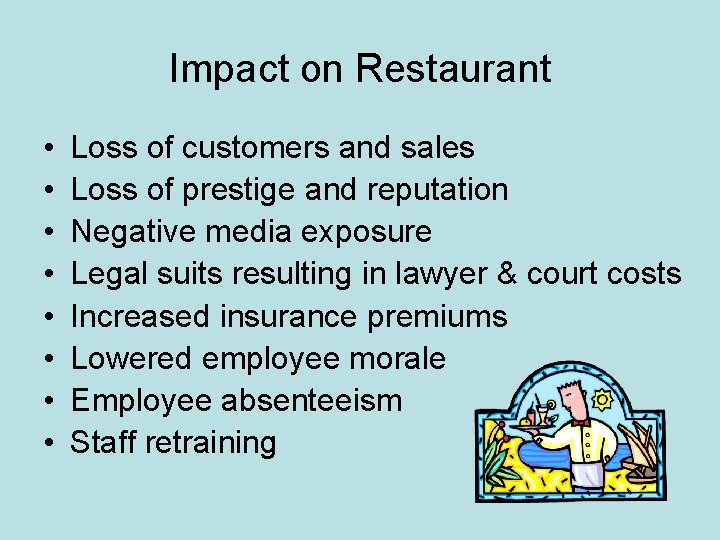
Impact on Restaurant • • Loss of customers and sales Loss of prestige and reputation Negative media exposure Legal suits resulting in lawyer & court costs Increased insurance premiums Lowered employee morale Employee absenteeism Staff retraining
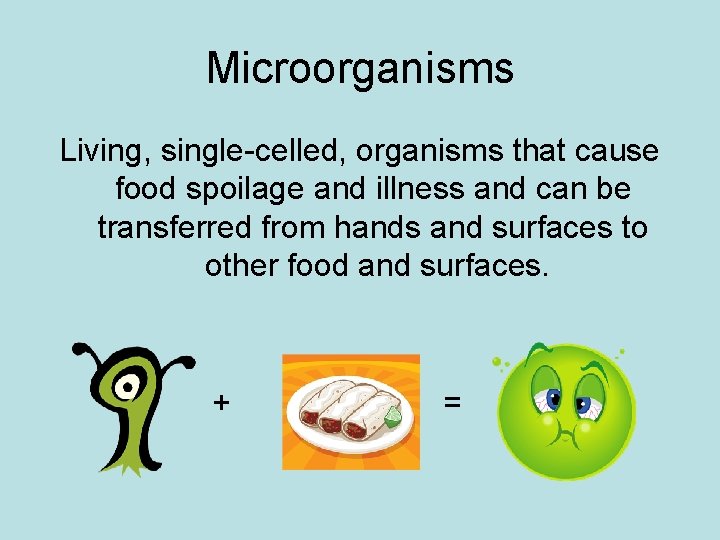
Microorganisms Living, single-celled, organisms that cause food spoilage and illness and can be transferred from hands and surfaces to other food and surfaces. + =
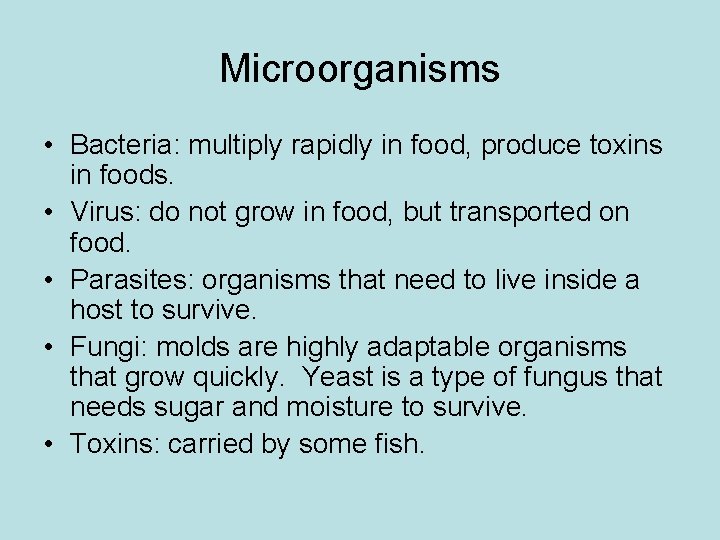
Microorganisms • Bacteria: multiply rapidly in food, produce toxins in foods. • Virus: do not grow in food, but transported on food. • Parasites: organisms that need to live inside a host to survive. • Fungi: molds are highly adaptable organisms that grow quickly. Yeast is a type of fungus that needs sugar and moisture to survive. • Toxins: carried by some fish.
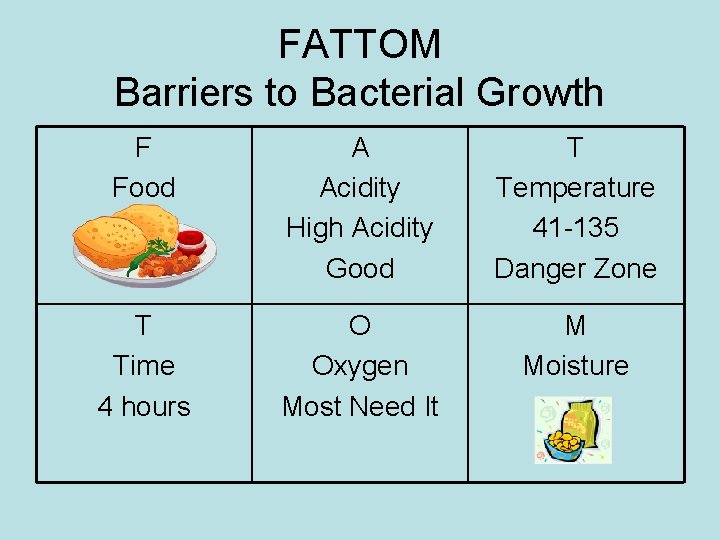
FATTOM Barriers to Bacterial Growth F Food A Acidity High Acidity Good T Temperature 41 -135 Danger Zone T Time 4 hours O Oxygen Most Need It M Moisture
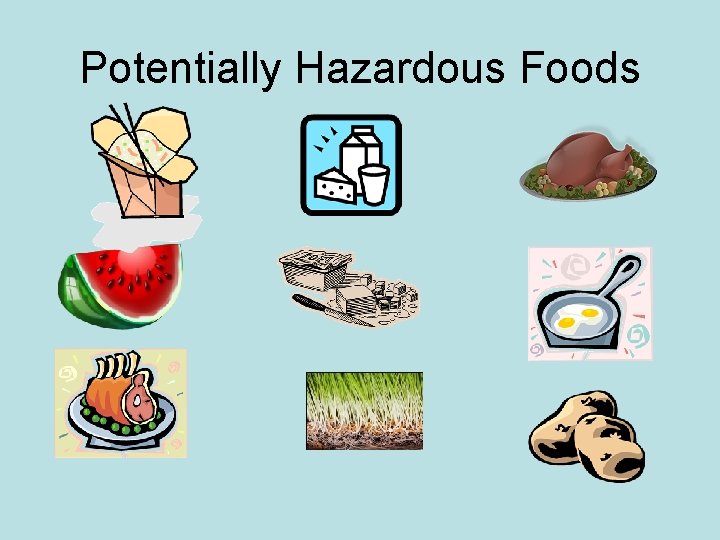
Potentially Hazardous Foods
Other Hazards? Chemical- Cleaning supplies, pesticides, metal poisoning (acid and lead, copper, brass or zinc) Physical- Glass, metal shavings, toothpicks, staples, jewelry, pastry brushes
Best way to keep food safe Personal Hygiene
How do Food Handlers Contaminate Food? ? • • • Having a foodborne illness Having wounds Having contact with a person who is ill Touching hair, face, body Touching anything that may contaminate their hands • Having symptoms of illness • Eating, drinking, smoking or chewing gum while preparing or serving food
Proper Hand Washing Techniques Watch this… http: //www. webmd. com/video/dirty-truthhandwashing
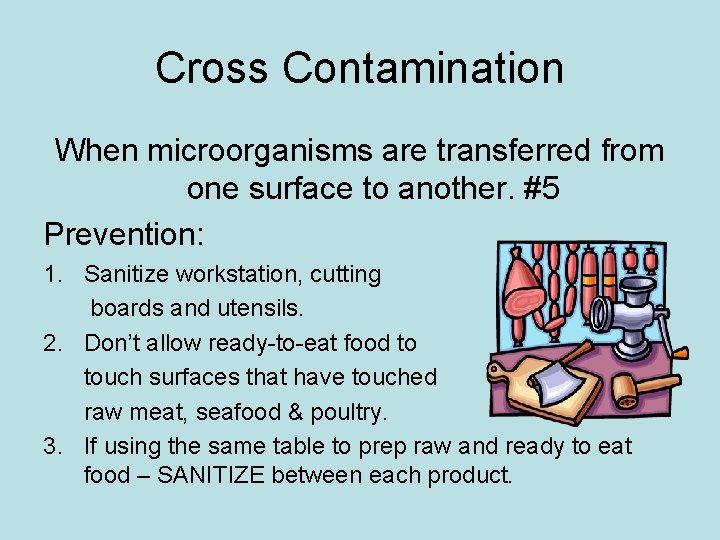
Cross Contamination When microorganisms are transferred from one surface to another. #5 Prevention: 1. Sanitize workstation, cutting boards and utensils. 2. Don’t allow ready-to-eat food to touch surfaces that have touched raw meat, seafood & poultry. 3. If using the same table to prep raw and ready to eat food – SANITIZE between each product.
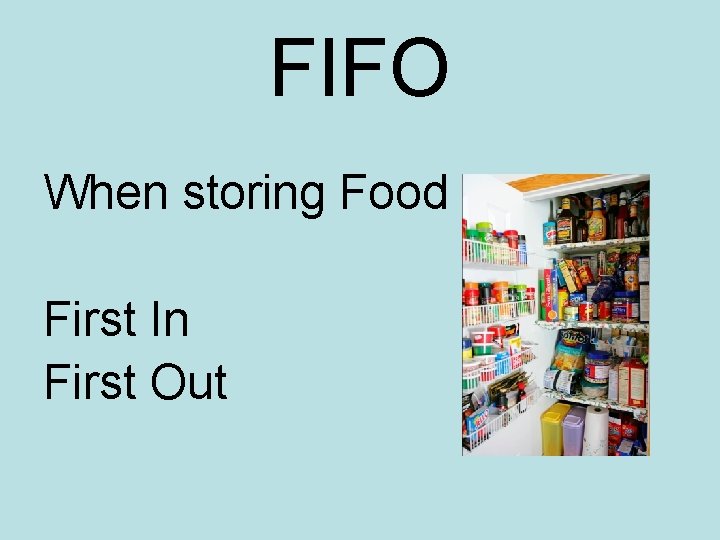
FIFO When storing Food First In First Out
HACCP Hazard Analysis Critical Control Point
The Seven HACCP Principles 1. Assess hazards (recipes, employee process, temperatures, customers, suppliers, size of operation, employees) Flow of Food – every step of the way 2. Identify critical control points (prevent contamination, prevent contaminants from surviving, prevent further growth of contaminants) 3. Set up procedures for CCP – observe and measure, wash hands, wash surfaces, cook thoroughly, hold food above 135, cool food rapidly, reheat properly. 4. Monitor CCP – who and how often 5. Take corrective action – heat food, throw out, reject shipment 6. Verify that the system works – check logs, observe employees 7. Establish procedures for record keeping and documentation
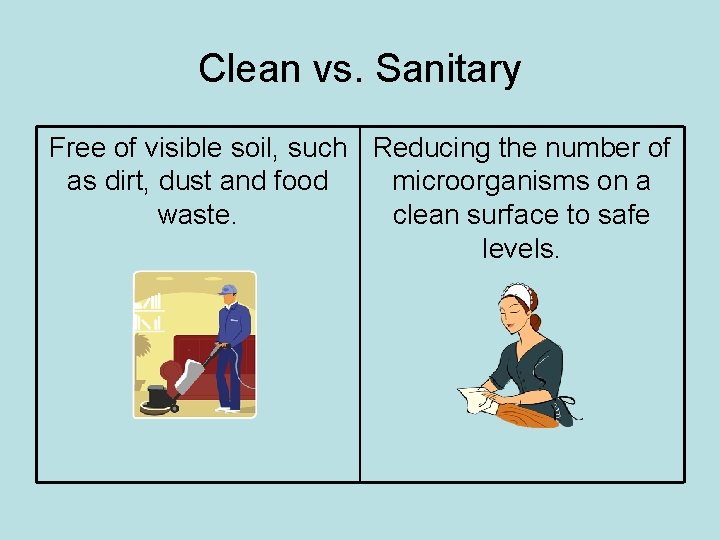
Clean vs. Sanitary Free of visible soil, such Reducing the number of as dirt, dust and food microorganisms on a waste. clean surface to safe levels.