Physiology JULIE ROTHACHER LASHEKA GULLEY Physiology Definition of




- Slides: 14
Physiology JULIE ROTHACHER LASHEKA GULLEY
Physiology Ø Definition of Physiome Ø History Ø Claude Bernard and his contributions to Physiology Ø Areas of physiology Ø Human Ø Animal
DEFINITIONS Physiology is the study of the mechanical, physical, and biochemical functions of living organisms. It is derived from the Greek words physis meaning nature and logos meaning word. Physiome is an individual’s or species’ physiological state as the description of its functional behavior.
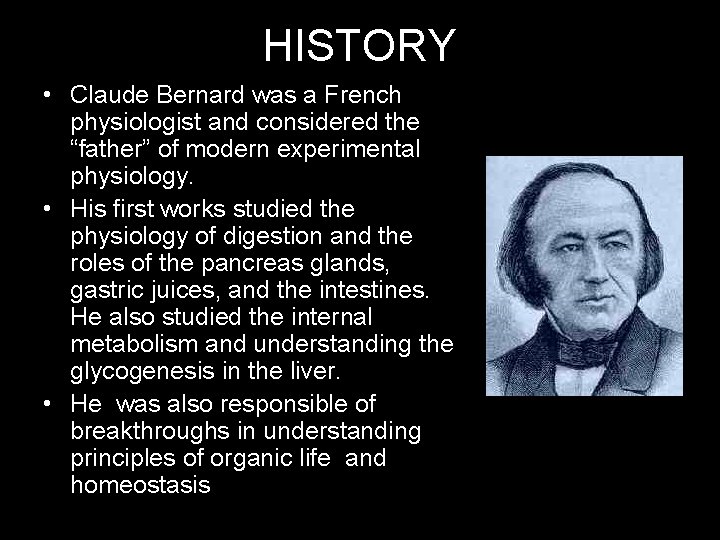
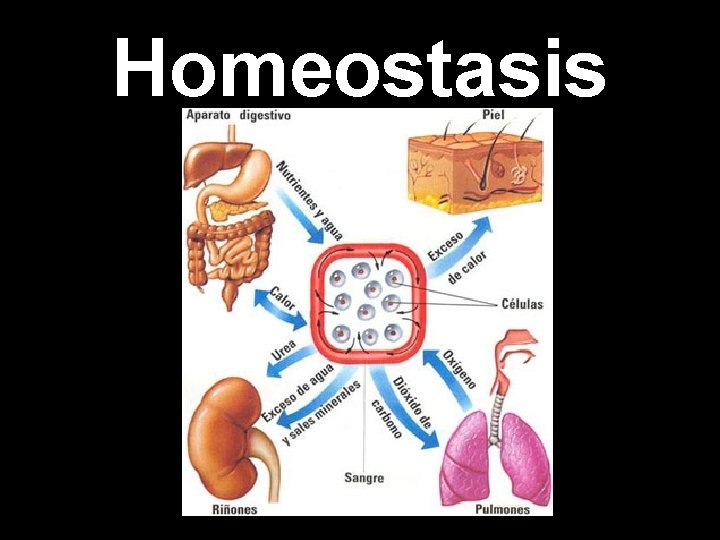
HISTORY • Claude Bernard was a French physiologist and considered the “father” of modern experimental physiology. • His first works studied the physiology of digestion and the roles of the pancreas glands, gastric juices, and the intestines. He also studied the internal metabolism and understanding the glycogenesis in the liver. • He was also responsible of breakthroughs in understanding principles of organic life and homeostasis
AREAS OF PHYSIOLOGY • • • Myophysiology Neurophysiology Cell physiology Comparative(Environmental) physiology Membrane physiology Respiratory physiology Renal physiology Endocrinology Reproductive phisiology Exercise physiology • Neuroendocrinology
Past Physiology The common belief of highly trained doctors and scientists was that a mysterious life force was what made the only difference between all life and non-living things
Future Physiology Human Genome Project: Furthering the understanding of to make connections between genetic information and physiological function
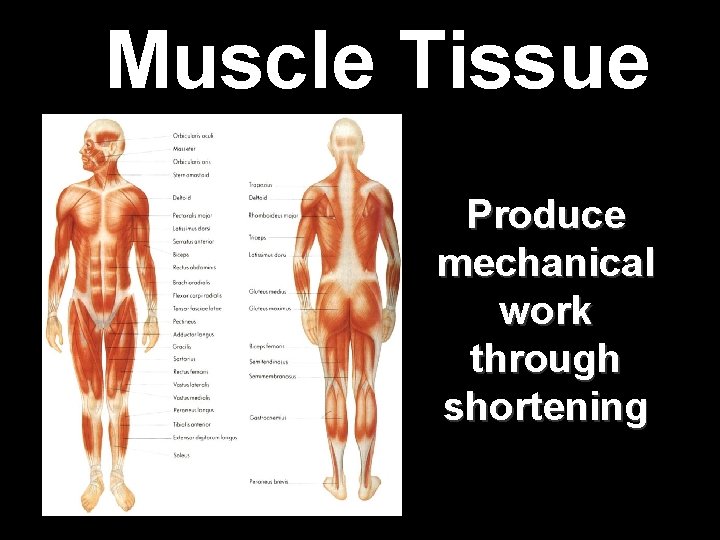
Muscle Tissue Produce mechanical work through shortening
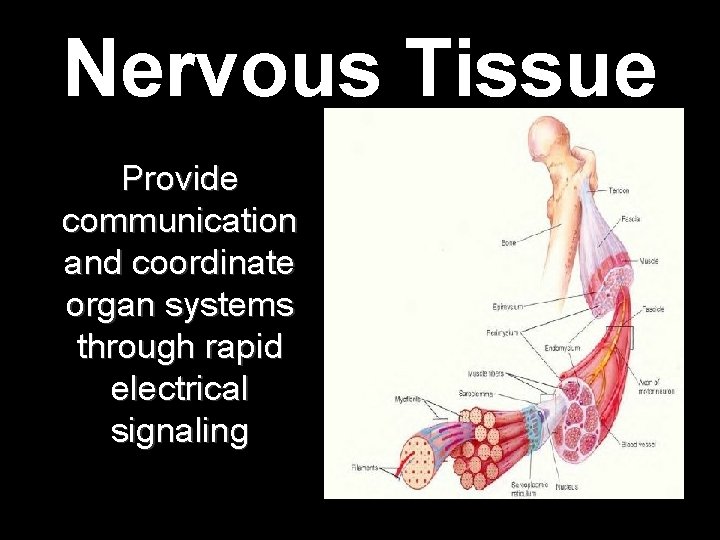
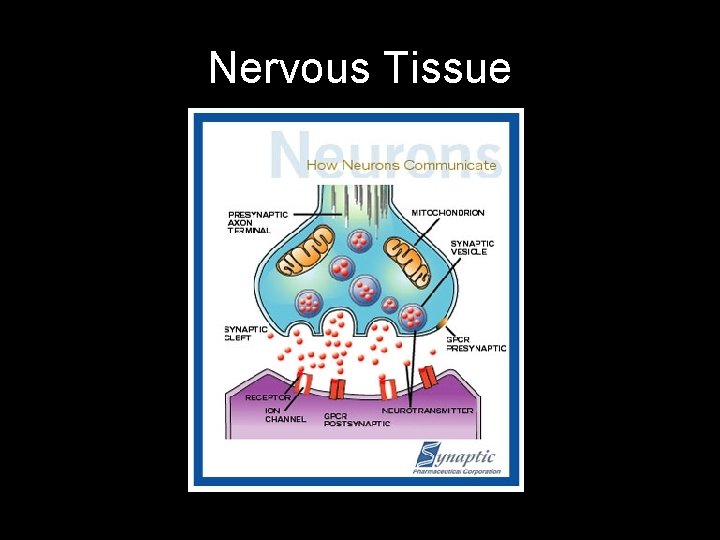
Nervous Tissue Provide communication and coordinate organ systems through rapid electrical signaling
Nervous Tissue
Epithelial Tissue Cover surfaces both outside and inside our bodies Ex: digestive tract, urinary tract, blood vessels, ducts, and other structures
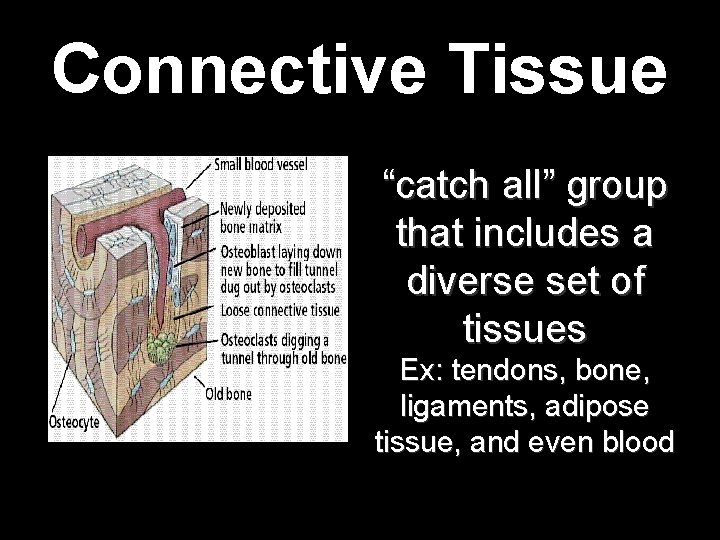
Connective Tissue “catch all” group that includes a diverse set of tissues Ex: tendons, bone, ligaments, adipose tissue, and even blood
Homeostasis
Homeostasis