Notes from ClassApril May Relativism Language Feminism Philosophy
- Slides: 50
Notes from Class-April /May • Relativism • Language • Feminism • Philosophy of History
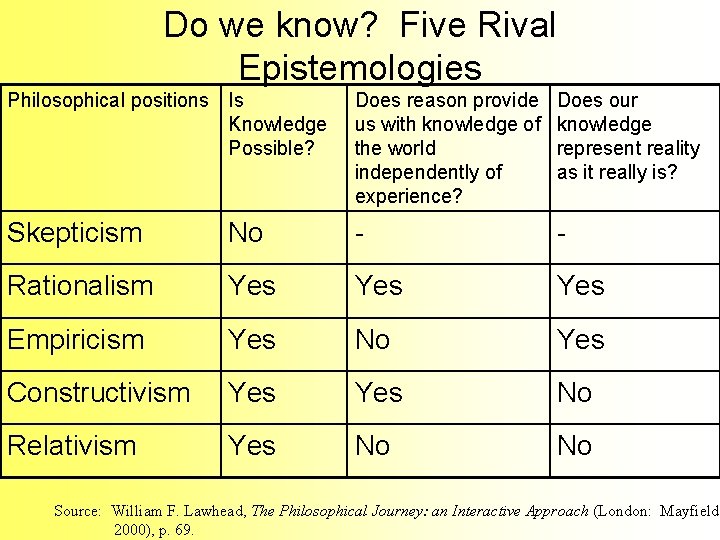
Do we know? Five Rival Epistemologies Philosophical positions Is Knowledge Possible? Does reason provide us with knowledge of the world independently of experience? Does our knowledge represent reality as it really is? Skepticism No - - Rationalism Yes Yes Empiricism Yes No Yes Constructivism Yes No Relativism Yes No No Source: William F. Lawhead, The Philosophical Journey: an Interactive Approach (London: Mayfield, 2000), p. 69.
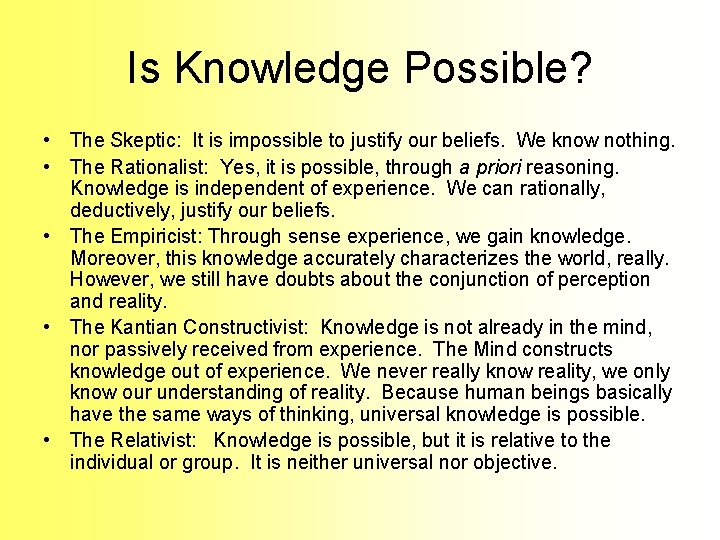
Is Knowledge Possible? • The Skeptic: It is impossible to justify our beliefs. We know nothing. • The Rationalist: Yes, it is possible, through a priori reasoning. Knowledge is independent of experience. We can rationally, deductively, justify our beliefs. • The Empiricist: Through sense experience, we gain knowledge. Moreover, this knowledge accurately characterizes the world, really. However, we still have doubts about the conjunction of perception and reality. • The Kantian Constructivist: Knowledge is not already in the mind, nor passively received from experience. The Mind constructs knowledge out of experience. We never really know reality, we only know our understanding of reality. Because human beings basically have the same ways of thinking, universal knowledge is possible. • The Relativist: Knowledge is possible, but it is relative to the individual or group. It is neither universal nor objective.
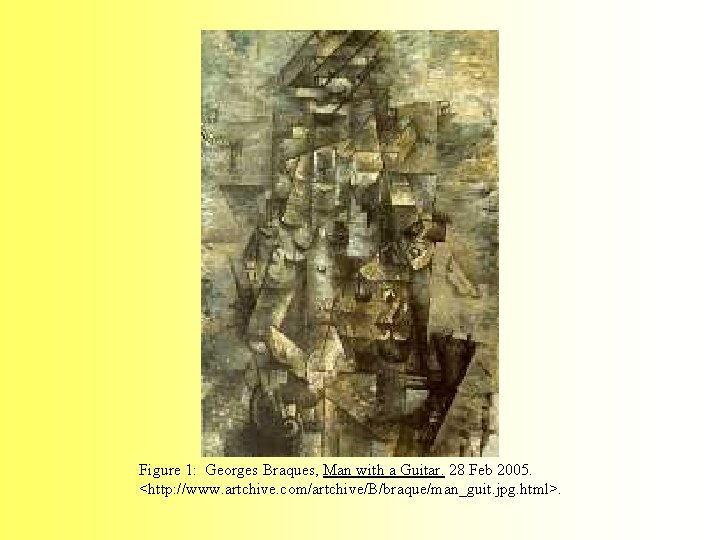
Figure 1: Georges Braques, Man with a Guitar. 28 Feb 2005. <http: //www. artchive. com/artchive/B/braque/man_guit. jpg. html>.
Does it make sense to search for the truth? • This assumes that there is a truth… • Objectivism: the claim that there is one set of universal truths or facts about the world and that these truths are independent of us -Rationalism -Empiricism -Kantianism (constructivism) • Relativism: the claim that there can be no universal objective knowledge of reality because all knowledge is relative to individuals or one’s culture. However, unlike skeptics there is “subjective truth. ”
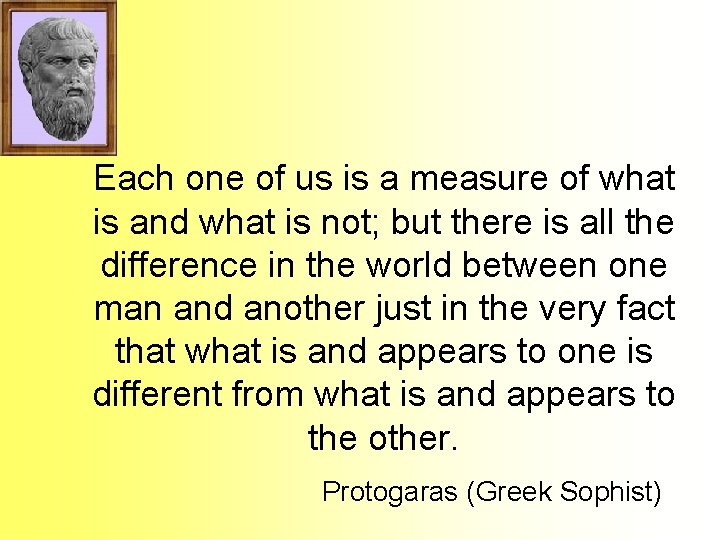
Each one of us is a measure of what is and what is not; but there is all the difference in the world between one man and another just in the very fact that what is and appears to one is different from what is and appears to the other. Protogaras (Greek Sophist)
“There is no objective truth about the matter, there are only different opinions, and one opinion is just as true as another? ”
Kinds of Relativism • Individual (Subjective) Relativism • Cultural Relativism • Historical Relativism
Examples of Relativism • “That may be true for you, but it’s not true for me. ” • “Beauty is in the eye of the beholder. ” • “When in Rome, do as the Romans do. ” • “Different strokes for different folks. ” • Can you think of more examples?
Relativist Realities: Individual or Cultural? • “I never steal, unless I am hungry. ” • “How can you say that you are not being mean? You sure are mean when you tie my pony tail to my backpack!” • “Columbus discovered America. ” • “Terrorist vs. Freedom Fighter – Which one was George Washington?
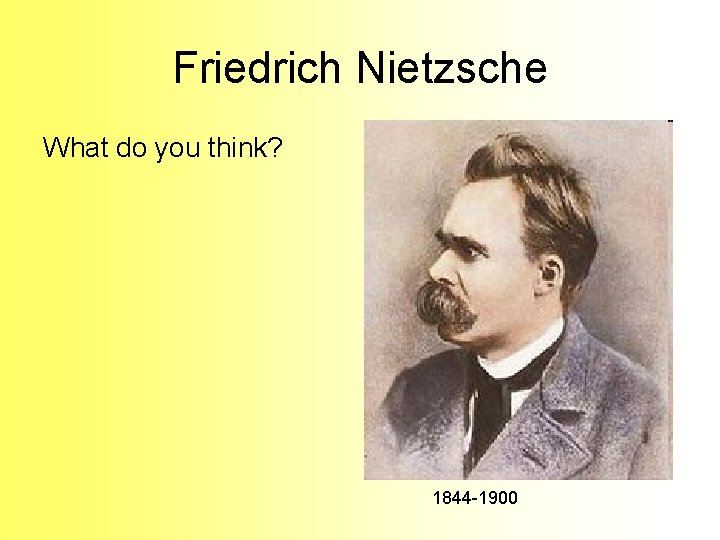
Friedrich Nietzsche What do you think? 1844 -1900
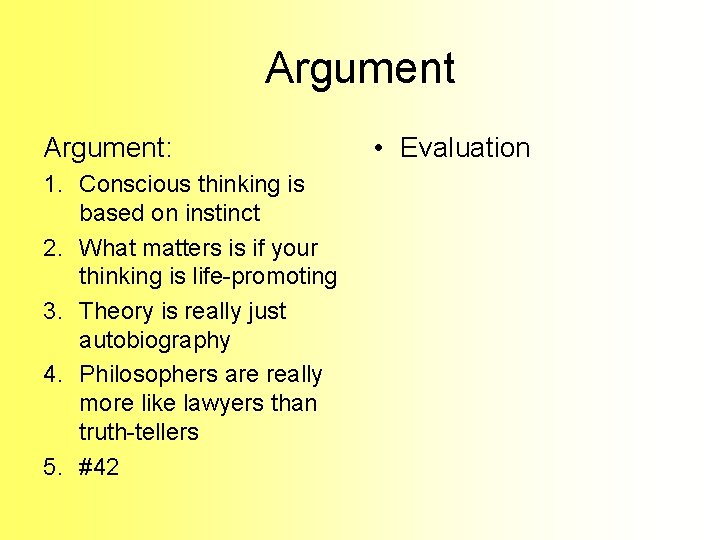
Argument: 1. Conscious thinking is based on instinct 2. What matters is if your thinking is life-promoting 3. Theory is really just autobiography 4. Philosophers are really more like lawyers than truth-tellers 5. #42 • Evaluation
As a path to knowledge, does Gender matter?
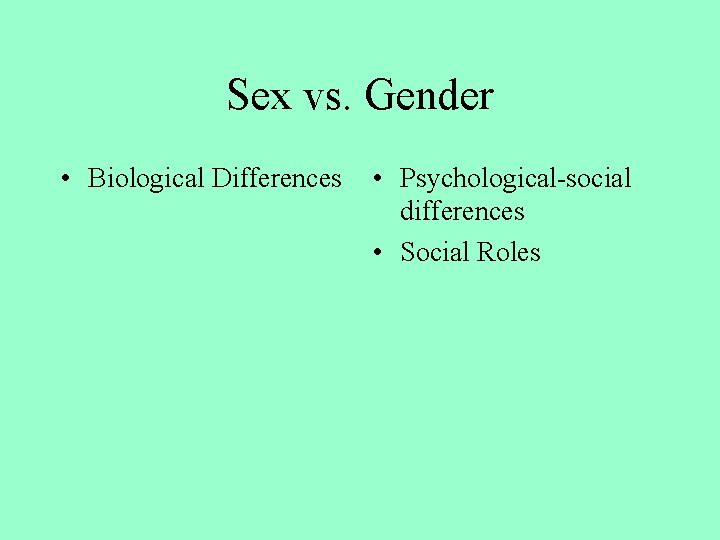
Sex vs. Gender • Biological Differences • Psychological-social differences • Social Roles
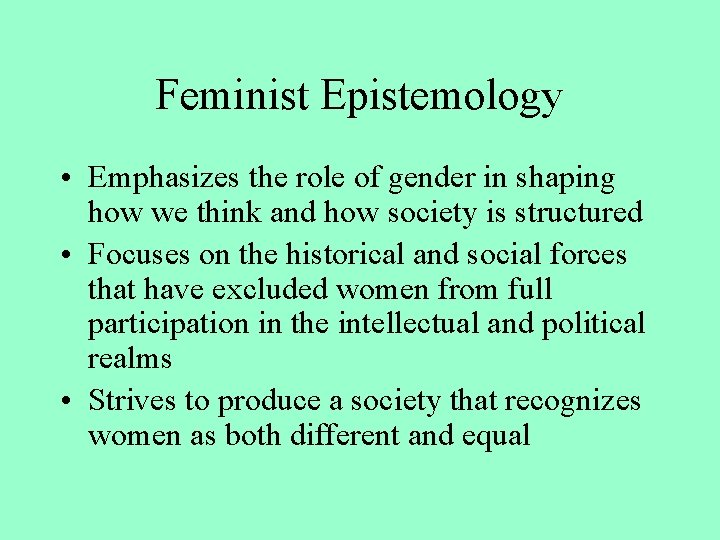
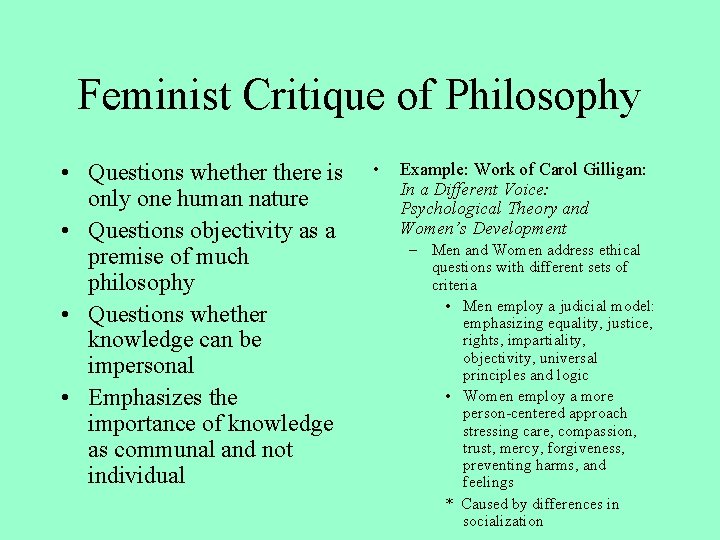
Feminist Epistemology • Emphasizes the role of gender in shaping how we think and how society is structured • Focuses on the historical and social forces that have excluded women from full participation in the intellectual and political realms • Strives to produce a society that recognizes women as both different and equal
Feminist Critique of Philosophy • Questions whethere is only one human nature • Questions objectivity as a premise of much philosophy • Questions whether knowledge can be impersonal • Emphasizes the importance of knowledge as communal and not individual • Example: Work of Carol Gilligan: In a Different Voice: Psychological Theory and Women’s Development – Men and Women address ethical questions with different sets of criteria • Men employ a judicial model: emphasizing equality, justice, rights, impartiality, objectivity, universal principles and logic • Women employ a more person-centered approach stressing care, compassion, trust, mercy, forgiveness, preventing harms, and feelings * Caused by differences in socialization
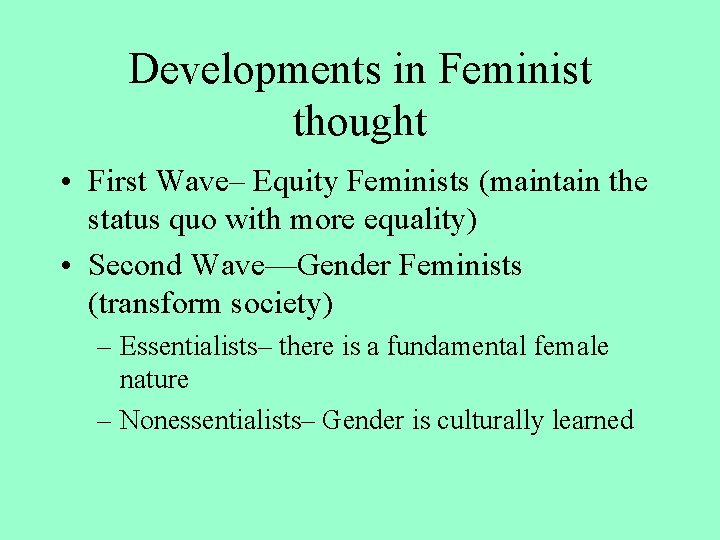
Developments in Feminist thought • First Wave– Equity Feminists (maintain the status quo with more equality) • Second Wave—Gender Feminists (transform society) – Essentialists– there is a fundamental female nature – Nonessentialists– Gender is culturally learned
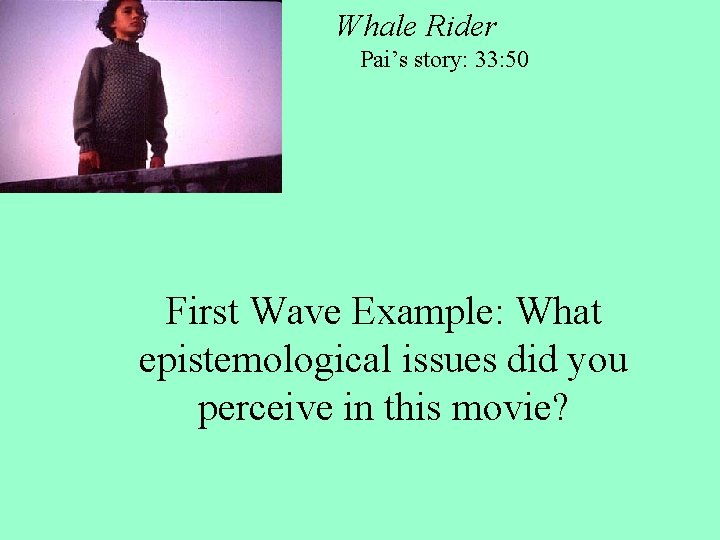
Whale Rider Pai’s story: 33: 50 First Wave Example: What epistemological issues did you perceive in this movie?
Jean Kilbourne’s Advertising’s Image of Women Template for Research Kilbourne’s Research Question: Methodology: Hypotheses: Conclusions: Strengths and Weaknesses of Kilbourne’s argument Considerations
Is language a way of knowing? • Defining language – method of communication – use of symbols
Views of language • Words, strain, crack, and sometimes break, under the burden. – T. S. Eliot • Whenever two or more human beings can communicate with each other, they can, by agreement, make anything stand for anything. – S. I. Hayakawa • There are those who would never have been in love, had they never heard about love. – LA Rochefoucauld
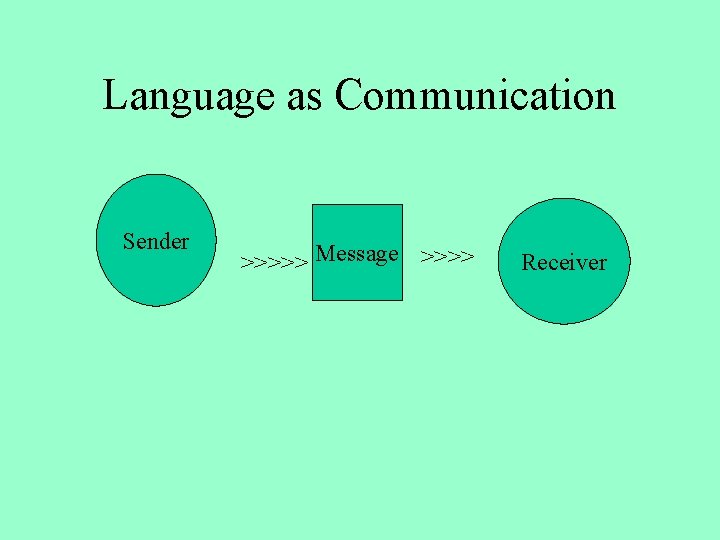
Language as Communication Sender >>>>> Message >>>> Receiver
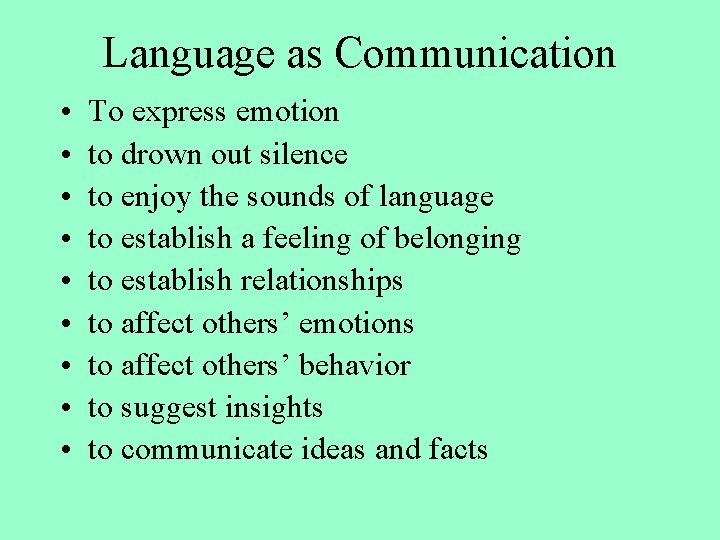
Language as Communication • • • To express emotion to drown out silence to enjoy the sounds of language to establish a feeling of belonging to establish relationships to affect others’ emotions to affect others’ behavior to suggest insights to communicate ideas and facts
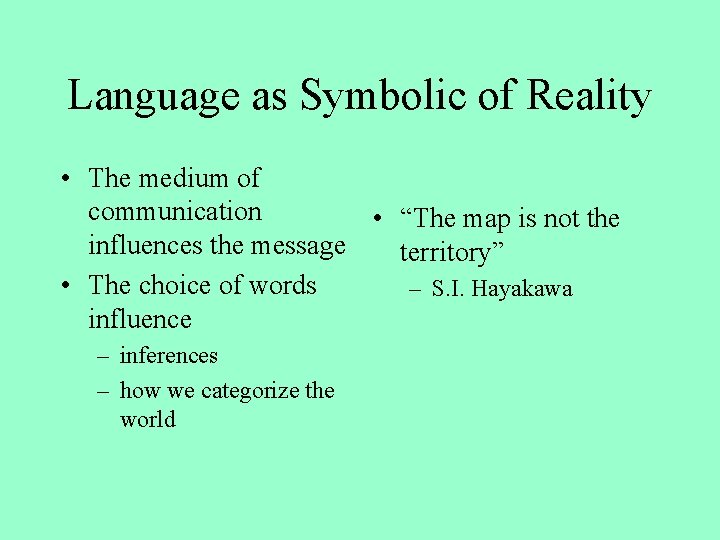
Language as Symbolic of Reality • The medium of communication • “The map is not the influences the message territory” • The choice of words – S. I. Hayakawa influence – inferences – how we categorize the world
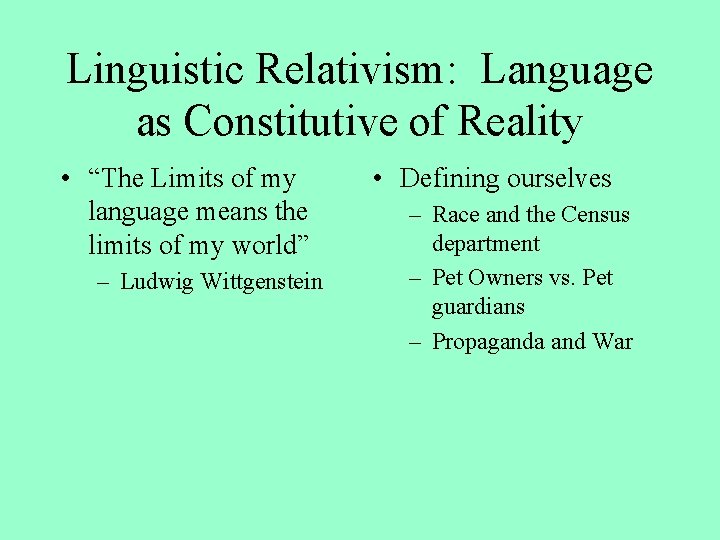
Linguistic Relativism: Language as Constitutive of Reality • “The Limits of my language means the limits of my world” – Ludwig Wittgenstein • Defining ourselves – Race and the Census department – Pet Owners vs. Pet guardians – Propaganda and War
What do you think? • The interdependence of thought and speech makes it clear that languages are not so much a means of expressing truth that has already been established, but are a means of discovering truth that was previously unknown. Their diversity is a diversity not of sounds and signs but of ways of looking at the world. [ • Karl Kerenyi
“When I use a word, ” Humpty-Dumpty said in a rather scornful tone, “it means just what I choose it to mean--neither more nor less. ” “The question is, ” said Alice, “whether you can make words mean different things. ” “The question is, “ said Humpty-Dumpty, “which is to be master--that’s all!” Lewis Carroll
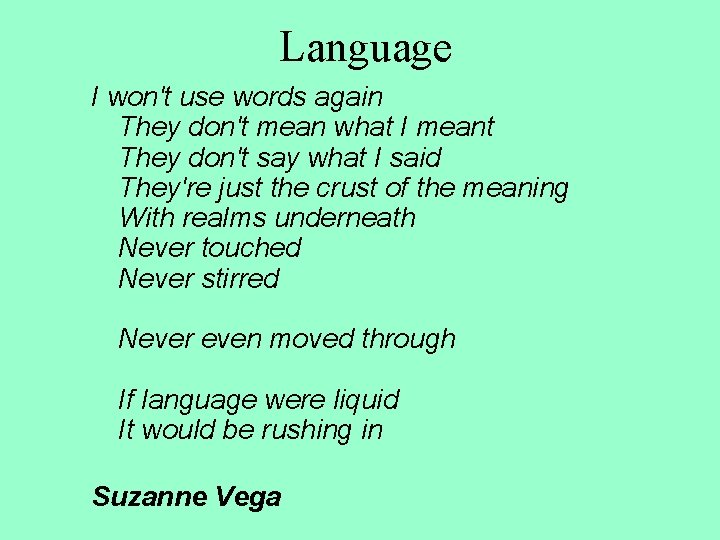
Language I won't use words again They don't mean what I meant They don't say what I said They're just the crust of the meaning With realms underneath Never touched Never stirred Never even moved through If language were liquid It would be rushing in Suzanne Vega
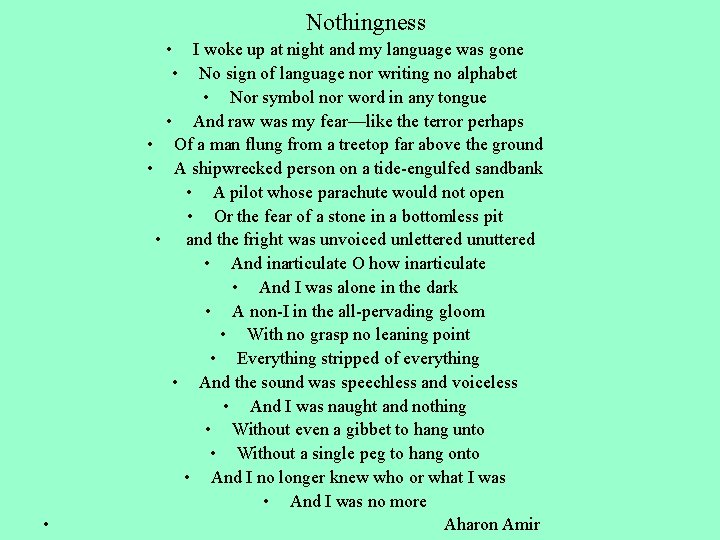
Nothingness • • I woke up at night and my language was gone • No sign of language nor writing no alphabet • Nor symbol nor word in any tongue • And raw was my fear—like the terror perhaps • Of a man flung from a treetop far above the ground • A shipwrecked person on a tide-engulfed sandbank • A pilot whose parachute would not open • Or the fear of a stone in a bottomless pit • and the fright was unvoiced unlettered unuttered • And inarticulate O how inarticulate • And I was alone in the dark • A non-I in the all-pervading gloom • With no grasp no leaning point • Everything stripped of everything • And the sound was speechless and voiceless • And I was naught and nothing • Without even a gibbet to hang unto • Without a single peg to hang onto • And I no longer knew who or what I was • And I was no more Aharon Amir
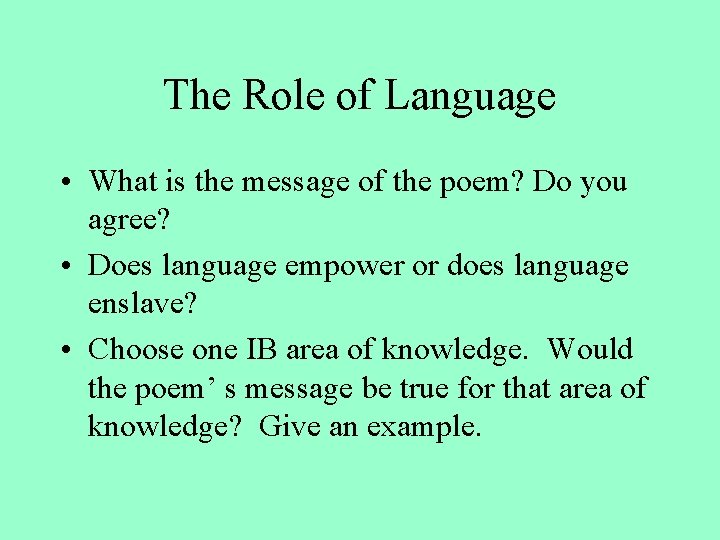
The Role of Language • What is the message of the poem? Do you agree? • Does language empower or does language enslave? • Choose one IB area of knowledge. Would the poem’ s message be true for that area of knowledge? Give an example.
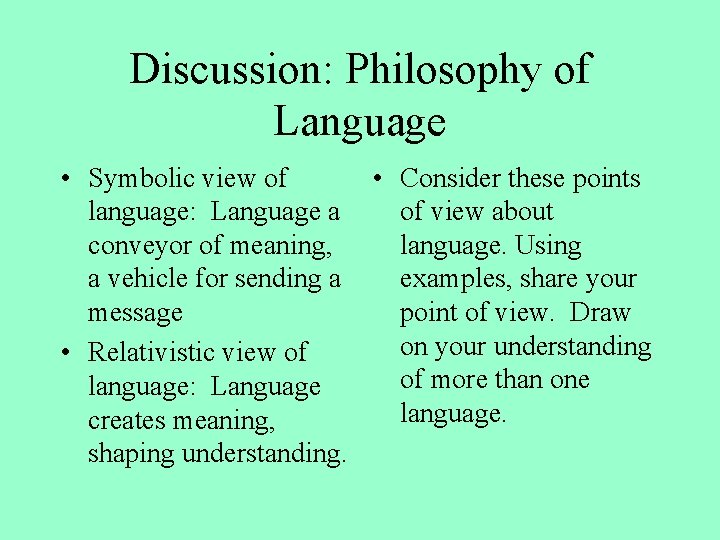
Discussion: Philosophy of Language • Symbolic view of • Consider these points language: Language a of view about conveyor of meaning, language. Using a vehicle for sending a examples, share your message point of view. Draw on your understanding • Relativistic view of of more than one language: Language language. creates meaning, shaping understanding.
Quote from Orwell’s 1984 Don’t you see that the whole aim of Newspeak is to narrow the range of thought? In the end we shall make thoughtcrime literally impossible, because there will be no words in which to express it. Every concept that can ever be needed, will be expressed by exactly one word, with its meaning rigidly defined and all its subsidiary meanings rubbed out and forgotten. Already, in the Eleventh Edition, we’re not far from that point. But the process will still be continuing long after you and I are dead. Every year fewer and fewer words, and the range of consciousness always a little smaller. Even now, of course, there’s no reason or excuse for committing thoughtcrime. It’s merely a question of self-discipline, reality-control. But in the end there won’t be any need even for that. The Revolution will be complete when the language is perfect. Newspeak is Ingsoc and Ingsoc is Newspeak, ’ he added with a sort of mystical satisfaction. ‘Has it ever occurred to you, Winston, that by the year 2050, at the very latest, not a single human being will be alive who could understand such a conversation as we are having now?
Ted Talk Lera Boroditsky How Language Shapes the Way We think • https: //www. ted. com/t alks/lera_boroditsky_h ow_language_shapes_ the_way_we_think
Epistemological considerations raised by Kilbourne’s video • To what extent is our self-image shaped by the world around us? • To what extent is our happiness dependent on the approval of others? • Who defines our gender roles? • Are there objectively defined general roles or is all defined socially. • Are the Marxists right in defining much of capitalist culture as promoting “false consciousness”
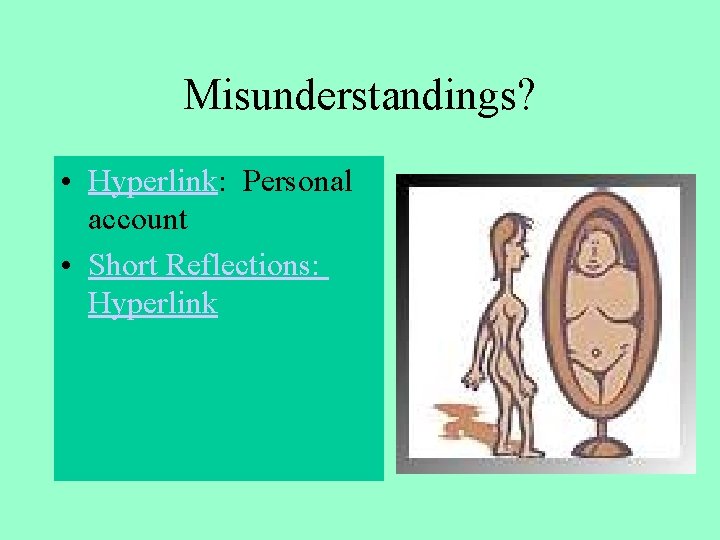
Misunderstandings? • Hyperlink: Personal account • Short Reflections: Hyperlink
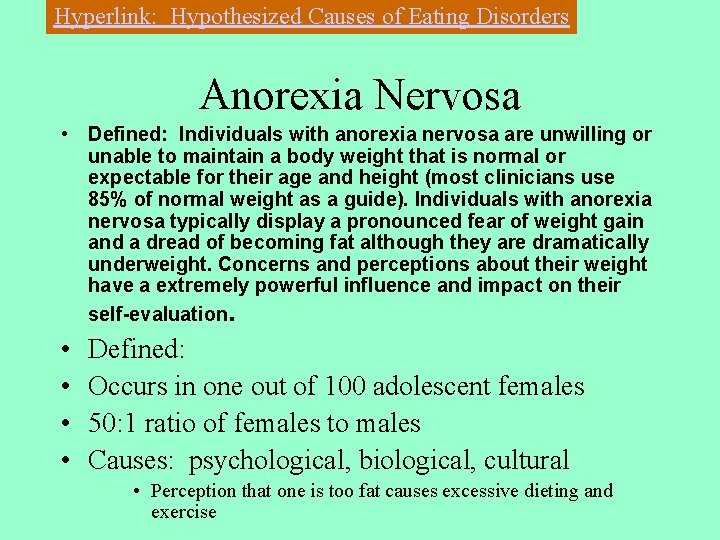
Hyperlink: Hypothesized Causes of Eating Disorders Anorexia Nervosa • Defined: Individuals with anorexia nervosa are unwilling or unable to maintain a body weight that is normal or expectable for their age and height (most clinicians use 85% of normal weight as a guide). Individuals with anorexia nervosa typically display a pronounced fear of weight gain and a dread of becoming fat although they are dramatically underweight. Concerns and perceptions about their weight have a extremely powerful influence and impact on their self-evaluation. • • Defined: Occurs in one out of 100 adolescent females 50: 1 ratio of females to males Causes: psychological, biological, cultural • Perception that one is too fat causes excessive dieting and exercise
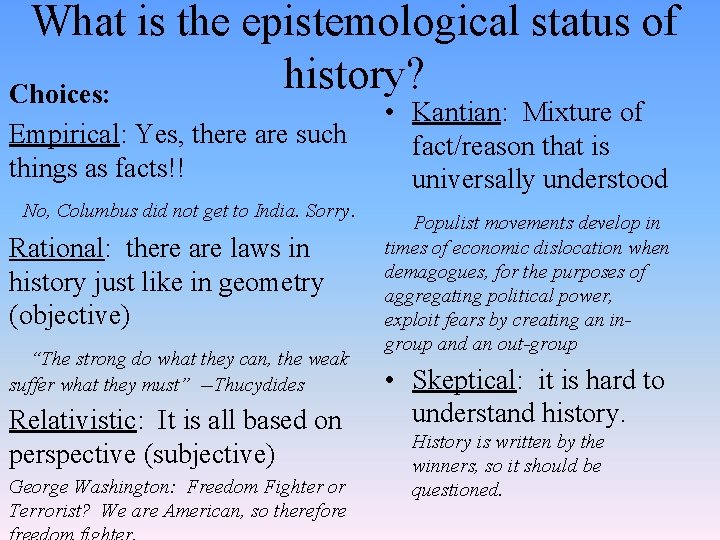
What is the epistemological status of history? Choices: Empirical: Yes, there are such things as facts!! No, Columbus did not get to India. Sorry. Rational: there are laws in history just like in geometry (objective) “The strong do what they can, the weak suffer what they must” --Thucydides Relativistic: It is all based on perspective (subjective) George Washington: Freedom Fighter or Terrorist? We are American, so therefore • Kantian: Mixture of fact/reason that is universally understood Populist movements develop in times of economic dislocation when demagogues, for the purposes of aggregating political power, exploit fears by creating an ingroup and an out-group • Skeptical: it is hard to understand history. History is written by the winners, so it should be questioned.
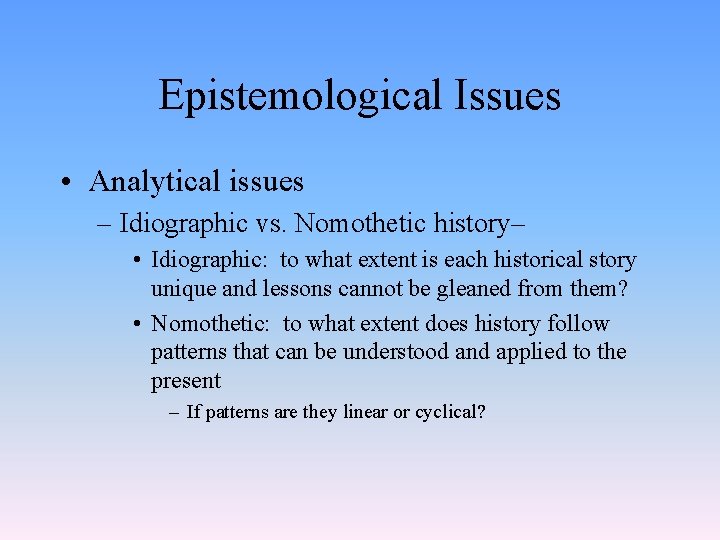
Epistemological Issues • Analytical issues – Idiographic vs. Nomothetic history– • Idiographic: to what extent is each historical story unique and lessons cannot be gleaned from them? • Nomothetic: to what extent does history follow patterns that can be understood and applied to the present – If patterns are they linear or cyclical?
Related to idiographic v. nomothetic explanations • Free Will v. Determinism – To what extent are there law-like explanations for what we do or do we have choices?
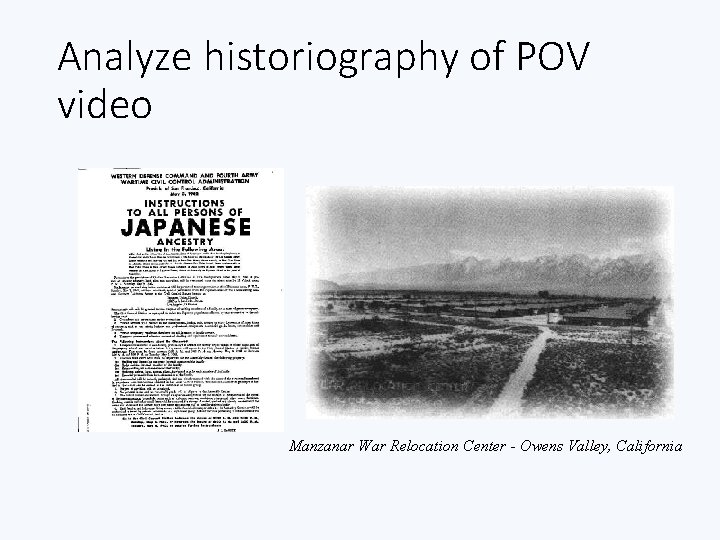
Analyze historiography of POV video Manzanar War Relocation Center - Owens Valley, California
Korematsu v. United States (1944) • During World War II, Presidential Executive Order 9066 and congressional statutes gave the military authority to exclude citizens of Japanese ancestry from areas deemed critical to national defense and potentially vulnerable to espionage. Korematsu remained in San Leandro, California and violated Civilian Exclusion Order No. 34 of the U. S. Army. • Did the President and Congress go beyond their war powers by implementing exclusion and restricting the rights of Americans of Japanese descent?
Watch the documentary about Fred Korematsu 1. Analyze the historiography of the documentary: 1. Assumptions about the study of history 2. Methods 3. Explanations employed 2. What is successful about this history? What criticisms do you have?
Analyze one piece of evidence from the history of you or your family • What is it is origin? • What is its content? (description) • What purpose did it have for its author/creator? • What value does it have to the historian? • What limitations does it have for the historian?
Share in small groups family history evidence • Class presentations
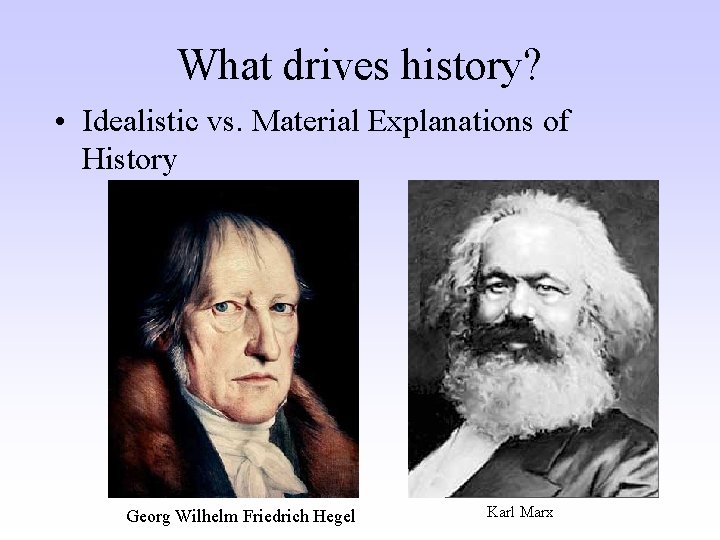
What drives history? • Idealistic vs. Material Explanations of History Georg Wilhelm Friedrich Hegel Karl Marx
Methodological Question • What kind of historical methodology is appropriate? What causal arguments are being made? Examples: – History as a procession of leaders: leadership matters – Social history: follow what the common person experienced, social movements matter – Oral history: emphasis on interviews, subjectivism – Documentary history: evidence matters
Best Practices for Historians • Know the paradigms that have been employed to study the subject under investigation. • Be aware of the paradigm that you are using and its strengths and weaknesses. • Subject your work to critical review by others.
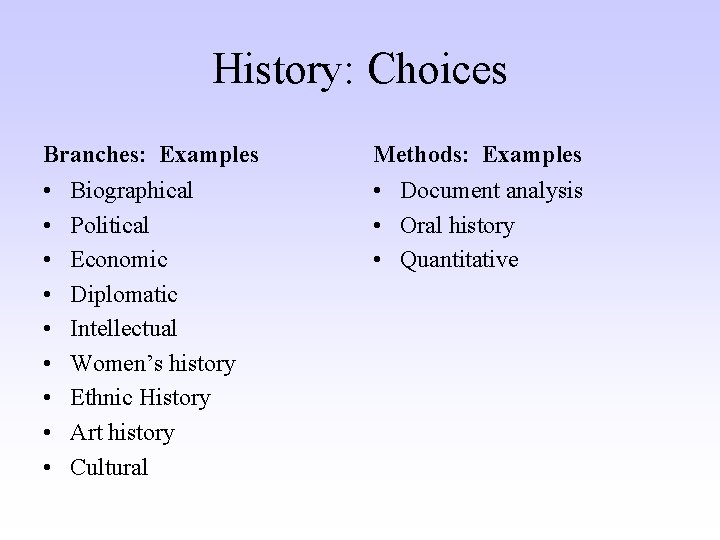
History: Choices Branches: Examples Methods: Examples • • • Document analysis • Oral history • Quantitative Biographical Political Economic Diplomatic Intellectual Women’s history Ethnic History Art history Cultural
Reflection for the IA • What methods are you using to address question? • What challenges do you face? – Validity questions – Biases – Significance • What are you learning about the study of history from your experience?
TOK Final • Think of an event that you observed or you experienced from which an epistemological (knowledge question) arose. • What is the question that struck you? • How did you answer the question? • Discuss one or more epistemological schools (skepticism, empiricism, rationalism, Kantianism, etc) that you used to address the question. • How well do you believe you addressed the question that you asked? How might you answer the question better in the future? • Final parameters: Typed, 300 to 600 words, MLA style, use references if citing particular philosophers, events, etc, individual assignment, upload to google classroom by June 5 1: 00, 200 points (one grade lower per day, not accepted after Friday at 1: 00) • You may ask each other for clarification about test, but you should not collaborate.