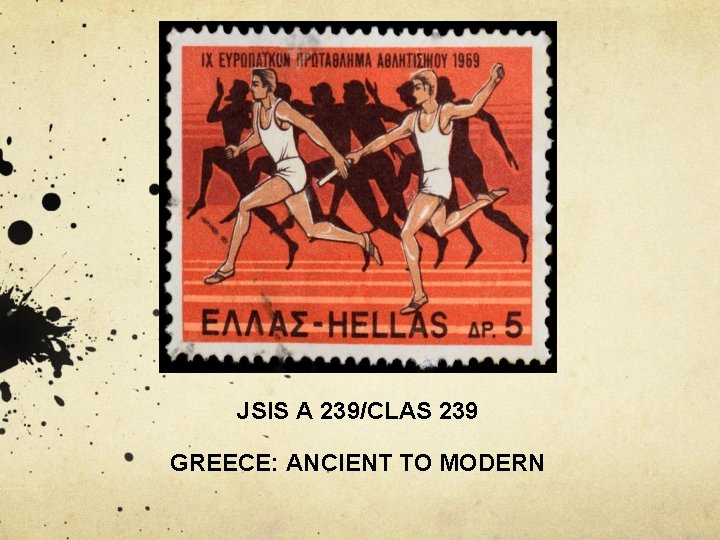
JSIS A 239CLAS 239 GREECE ANCIENT TO MODERN
- Slides: 35
JSIS A 239/CLAS 239 GREECE: ANCIENT TO MODERN
Modern Greek History Timeline 1453 -1821: Ottoman Greece 1821 -1829: Greek War of Independence 1833 -1924: Kingdom of Greece 1833 -1862: Reign of King Otto 1863 -1913: Reign of King George, I 1912 -13: Balkan Wars 1914 -1918: World War I
Modern Greek History Timeline 1918 -1923: Greco-Turkish War 1936 -1940: Metaxas Dictatorship 1940 -1944: Greece in World War II 1946 -1949 : Greek Civil War 1950 -1967: Postwar Greece 1967 -1974: The Colonel’s Coup 2009 -present: Greek Debt Crisis
The Pre-revolutionary Context: 15 th-18 th centuries Greek-speaking populations dispersed in: a. Ottoman Empire b. Russian Empire (Odessa, etc. ) c. Habsburg Empire (Vienna, Trieste, etc. ) d. Venetian Empire (Venice, Livorno, Padua, etc. ) e. Various European cities (Paris, London, etc. )
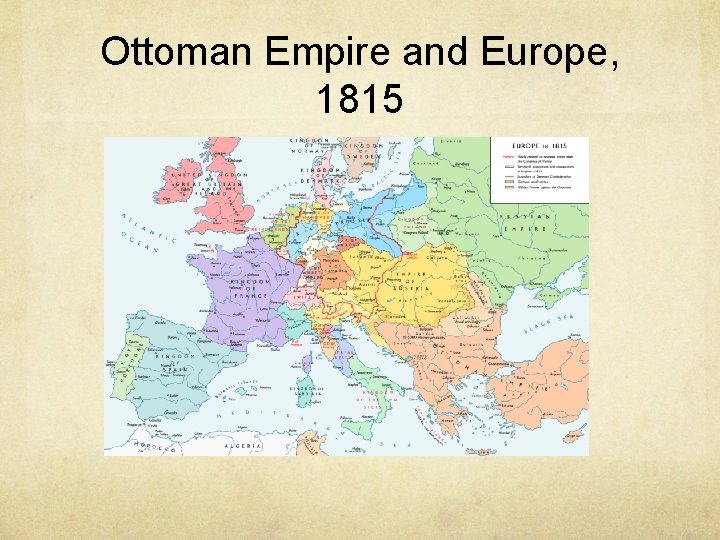
Ottoman Empire and Europe, 1815
Greek Identity under Ottoman Rule No sense of national identity among Greekspeaking Orthodox Christians Common ethnic consciousness Common political identity: subjects of Sultan Common religious identity: Orthodox Christians
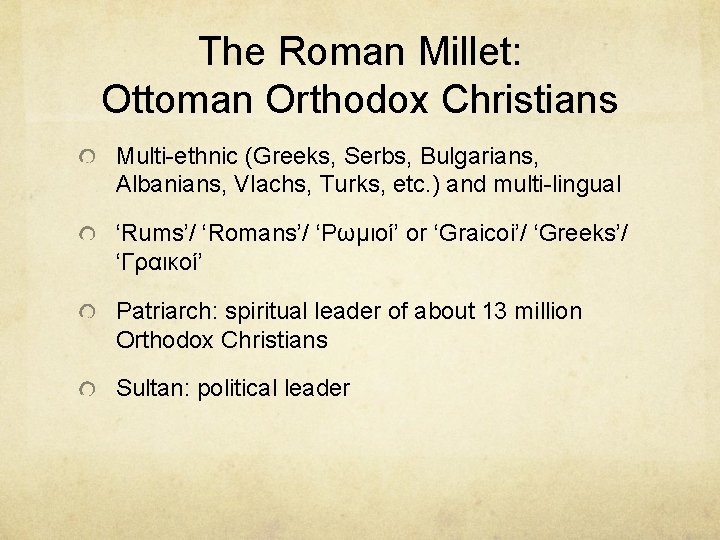
The Roman Millet: Ottoman Orthodox Christians Multi-ethnic (Greeks, Serbs, Bulgarians, Albanians, Vlachs, Turks, etc. ) and multi-lingual ‘Rums’/ ‘Romans’/ ‘Ρωμιοί’ or ‘Graicoi’/ ‘Greeks’/ ‘Γραικοί’ Patriarch: spiritual leader of about 13 million Orthodox Christians Sultan: political leader
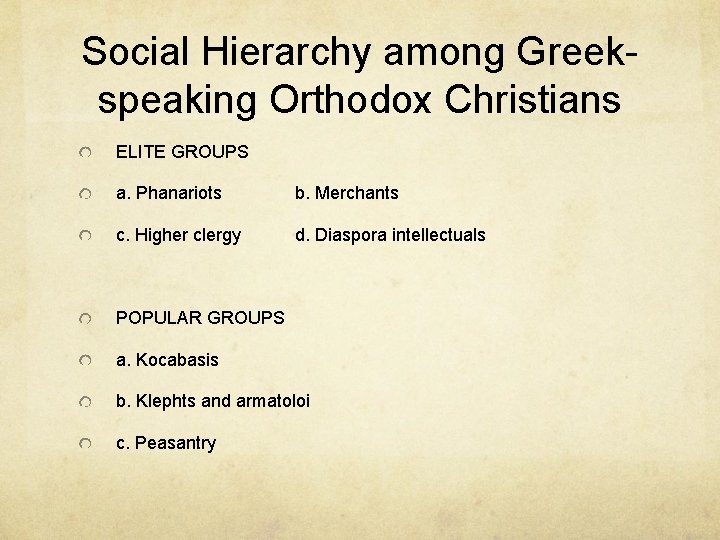
Social Hierarchy among Greekspeaking Orthodox Christians ELITE GROUPS a. Phanariots b. Merchants c. Higher clergy d. Diaspora intellectuals POPULAR GROUPS a. Kocabasis b. Klephts and armatoloi c. Peasantry
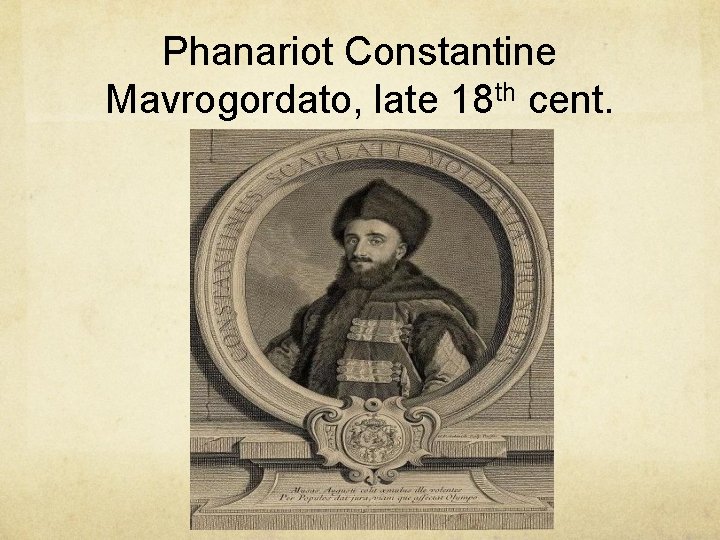
Phanariot Constantine Mavrogordato, late 18 th cent.
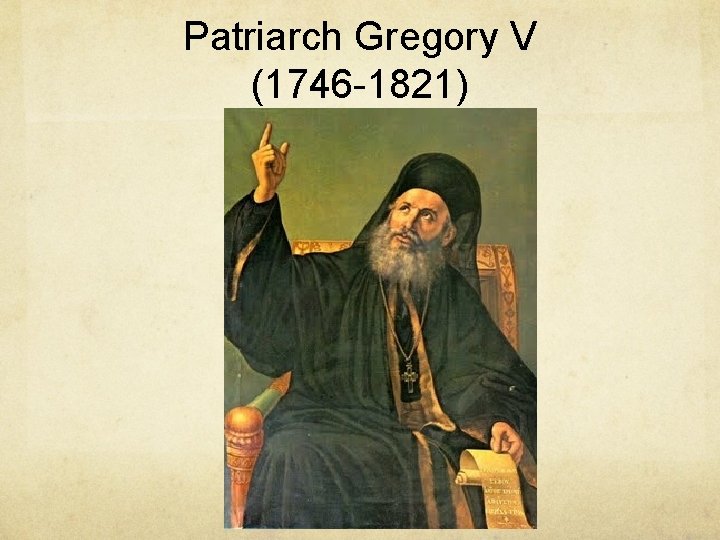
Patriarch Gregory V (1746 -1821)
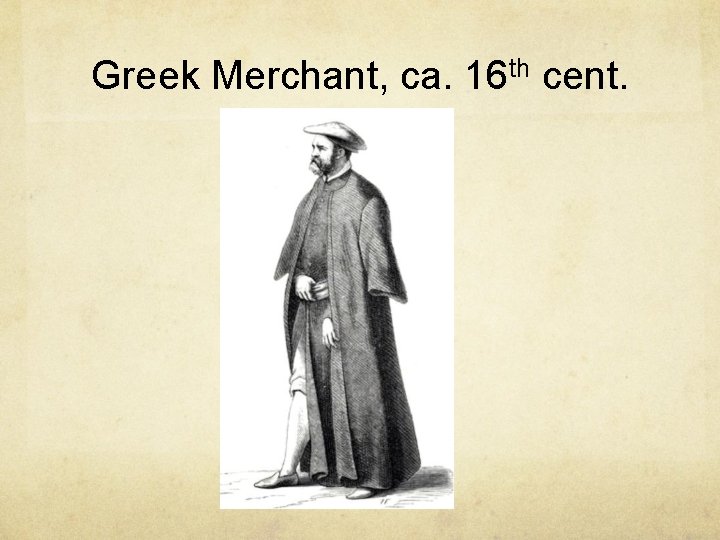
Greek Merchant, ca. 16 th cent.
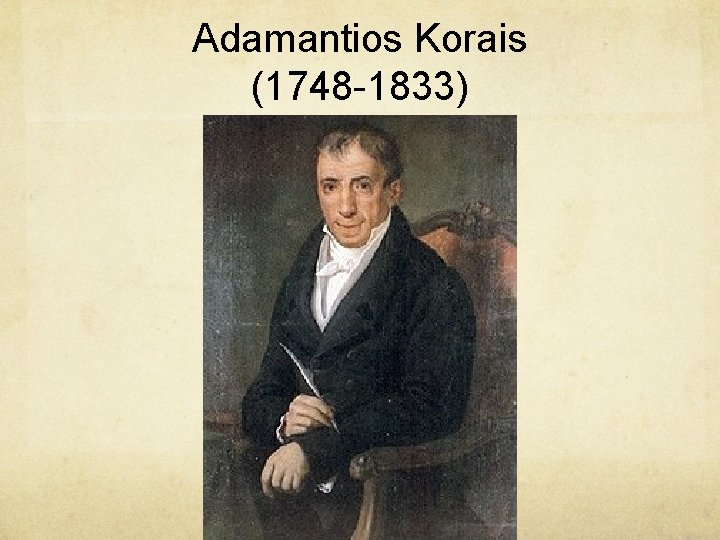
Adamantios Korais (1748 -1833)
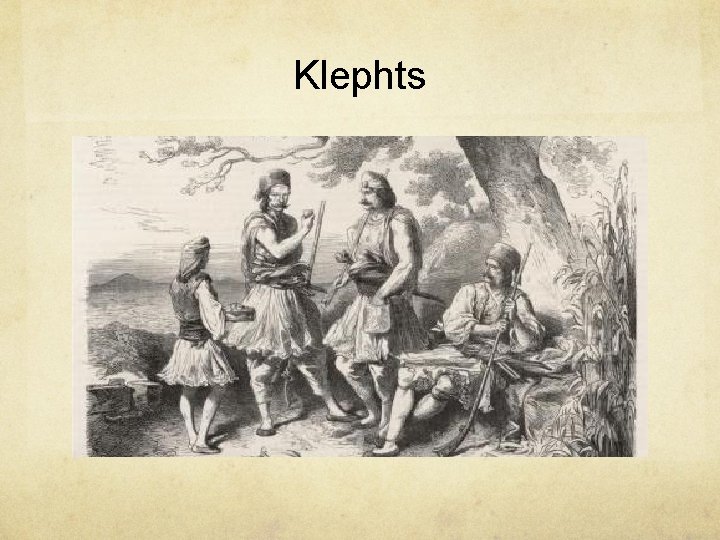
Klephts
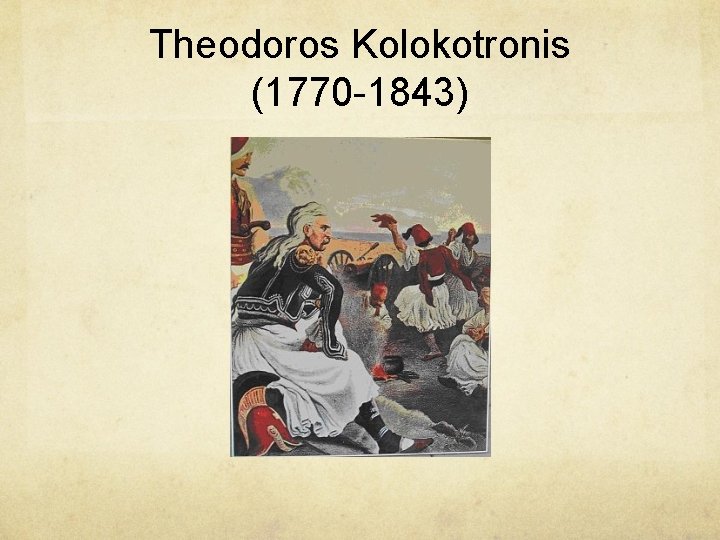
Theodoros Kolokotronis (1770 -1843)
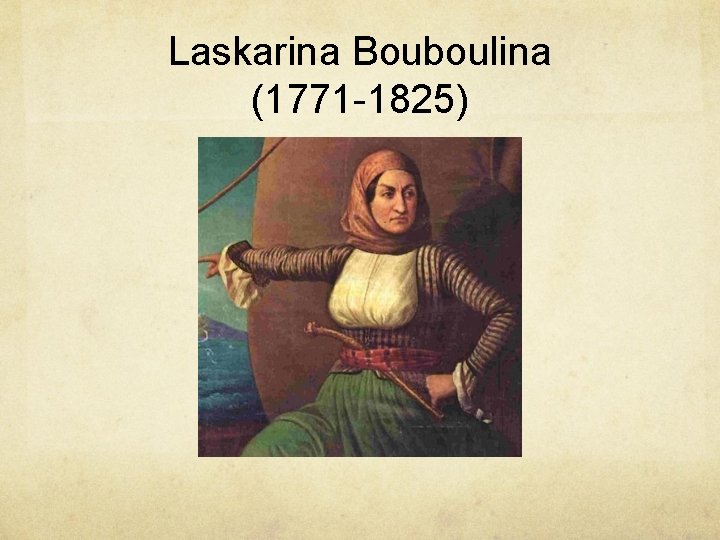
Laskarina Bouboulina (1771 -1825)
Modern Greek Nation-Building Top-down process: from elite to popular groups Started around late 18 th century with formation of Greek ethnic consciousness Greek Enlightenment: ca. 1770 s-1820 s Transformation of ‘race of the Romans’ (multiethnic, multi-lingual, multicultural community of Ottoman Orthodox Christians) into ‘nation of the Hellenes’ Formation of independent modern Greek nationstate
Romantic Hellenism Idealization of Hellas by Western European intellectuals (e. g. , Winckelmann, Wolf) and artists (e. g. Shelley) Ancient Greece as remedy to alienation from nature and past that Western Europeans experienced as a result of modernity
P. B. Shelley (1792 -1822) “The apathy of the rulers of the civilized world to the astonishing circumstances of the descendants of that nation to which they owe their civilization – rising as it were from the ashes of their ruin, is something perfectly inexplicable to a mere spectator of the shews of this mortal scene. We are all Greeks. Our laws, our literature, our religion, our arts, have their root in Greece” (excerpt from Shelley’s Hellas, 1821) Notion of debt of Western Europe to ancient Greece
Philhellenism Political movement inspired by Romantic Hellenism and Enlightenment ideals; it actively supported Greek cause Differences between Hellenists vs. Philhellenes Western Philhellenes saw in modern Greeks the direct descendants of ancient Greeks Felt moral obligation towards descendants of ancient Greeks Elements of continuity: language, culture, blood Modern Greece: Hellas reborn
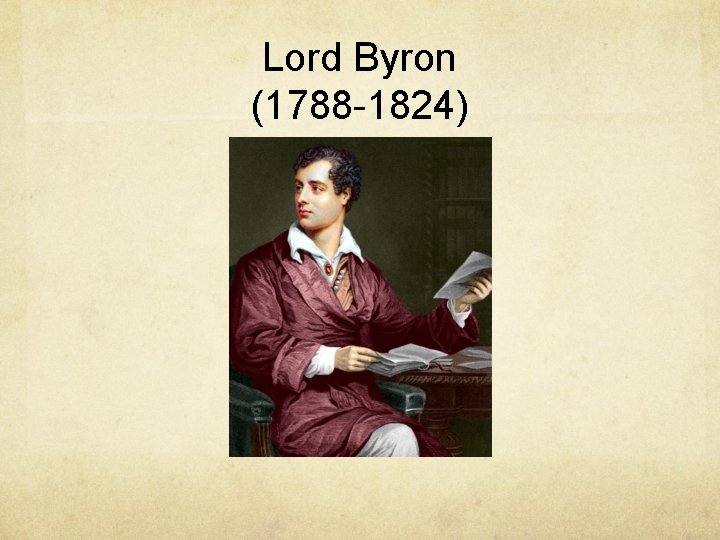
Lord Byron (1788 -1824)
Byron’s Philhellenism First time in Athens in 1809 as part of Grand Tour Childe Harold’s Pilgrimage (1812) rallied public support for Greek cause Member of London Greek Committee 1823: head of military expedition to Greece 1824: Byron died in Missolonghi
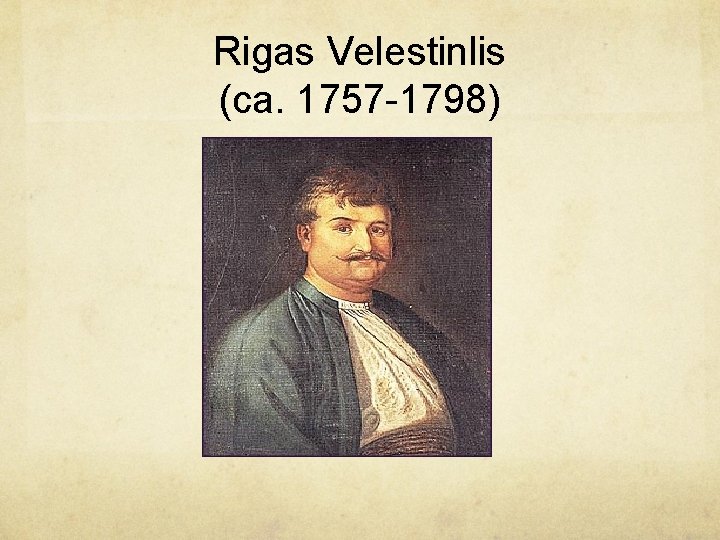
Rigas Velestinlis (ca. 1757 -1798)
Rigas Velestinlis Hellenized Vlach Revolutionary nurtured with Enlightenment ideas (‘Thourios’) Progressive political thinker (‘New Political Constitution of the Inabitants of Rumeli, Asia Minor, the Archipelago, Moldavia and Wallachia’) Author of literary texts Translator from French into Greek Proto-martyr of Greek War of Independence
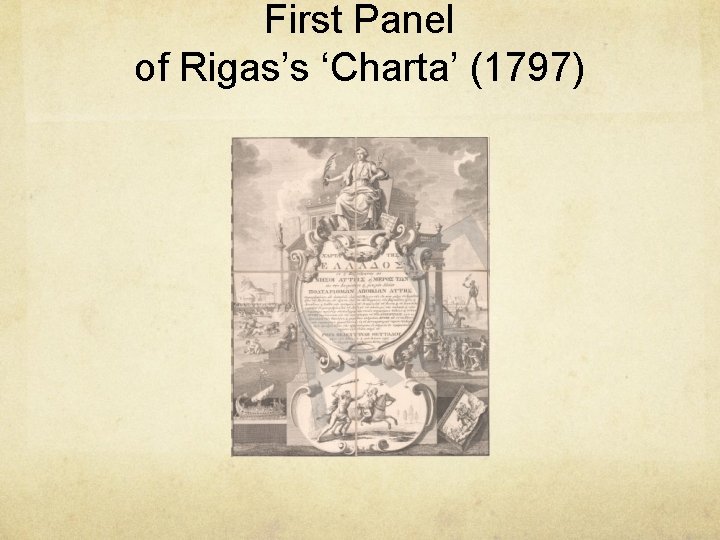
First Panel of Rigas’s ‘Charta’ (1797)
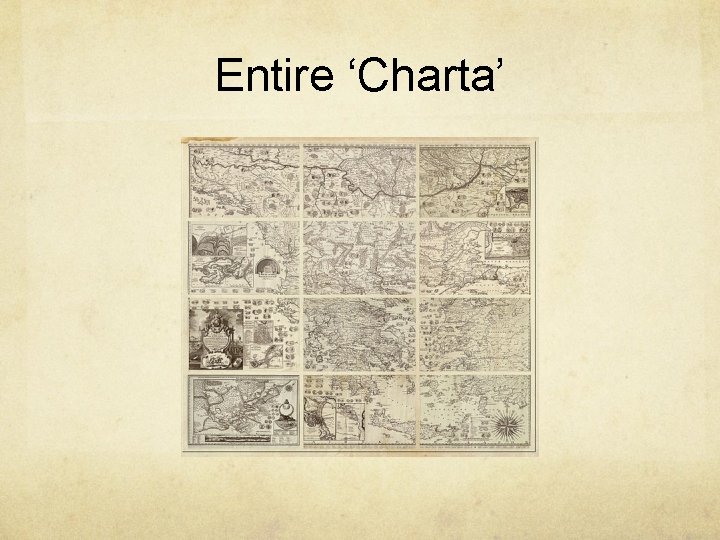
Entire ‘Charta’
Rigas’s Ecumenical Vision “The sovereign people consists of all the inhabitants of the Empire without distinction of religion and speech, Greeks, Bulgarians, Albanians, Vlachs, Armenians, Turks and every other kind of race” (Article 7)
Adamantios Korais: From Education to Liberation Transformation of Greek-speaking Orthodox Christians (‘race of the Romans’) into Hellenes through classical heritage Editor of classical texts (Hellenic Library) Purification of spoken Greek language from foreign elements: invention of Katharevousa/Purist Distaste for Byzantium
Greek War of Independence (1821 -1829) Civil War amongst insurgent Greeks (1823 -1826) due to political divisions, competing interests of different parties: diaspora Greeks, indigenous Greeks, Phanariots Battle of Navarino (1827): destruction of Turko. Egyptian fleet by British and French fleet Presidency of I. Kapodistrias (1828 -1831) London Protocol (1832): independent modern Greek state 1833 -1862: Reign of King Otto of Greece
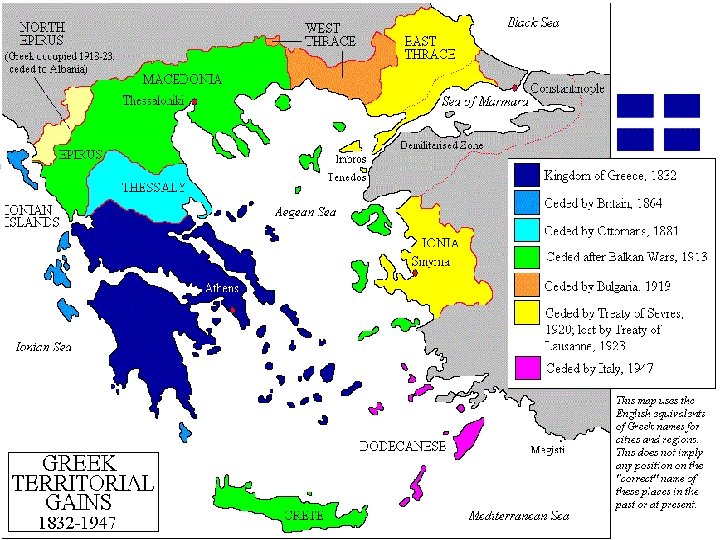
Modern Greek state-building MAP showing expansion of MG state
Modern Greek Identity Formation Stage I: Ancient Greece Revival model (ca. 1770 s-1830 s): modern Greeks as descendants of ancient Greeks Ancient Greece: first pillar of modern Greek identity Western travelers to Greece (Grand Tour) first connected the modern Greeks with their ancient ancestors
J. Ph. Fallmerayer’s Challenge Since Middle Ages Greece was a de-hellenized country inhabited by Albanians and Slavs “all ancient traces…had become extinct by virtue of the Slavic invasions of mainland Greece, and especially the Attic peninsula during the 5 th century AD” – extract from Fallmerayer’s lecture before the Bavarian Academy of Sciences in 1835 Modern Greeks are not descendants of ancient Greeks
Greek reactions to Fallmerayer’s theory ‘Apoplexy’ (i. e. stroke) suffered by Professors at the University of Athens Invention of ‘continuity model’ from ca. 1840 s onwards: gradual incorporation of excluded periods (Macedonian, Hellenistic, Roman, Middle Ages, Venetian, Ottoman) into narrative of Greek national history in order to fill in the gaps of the ‘revival model’
Modern Greek Identity Formation Stage II: Byzantium Konstantinos Paparrigopoulos, History of the Hellenic Nation (1860 -1874) Unbroken continuity of Greek history from antiquity to present Three main phases: Classical-Byzantine. Modern Reconciliation of dual identities of Greek nation, Hellenic and Romeic Restoration of Byzantine and Ottoman periods
Modern Greek Folklore Studies Nikolaos Politis (1852 -1921): founder of Modern Greek Folklore Studies Urban intellectuals scoured Greek countryside in search of ‘survivals’ of ancient Greek customs, practices, stories, beliefs that resembled those described in ancient texts Real vs. invented/fabricated continuities
Components of Modern Greek Identity Ancient Greek heritage Christian Orthodox religion Greek language EXCLUSIVE VS. INCLUSIVE GREEK IDENTITY