Identifying local structure in large networks Reid Andersen
- Slides: 18
Identifying local structure in large networks Reid Andersen Joint work with Fan Chung and Lincoln Lu
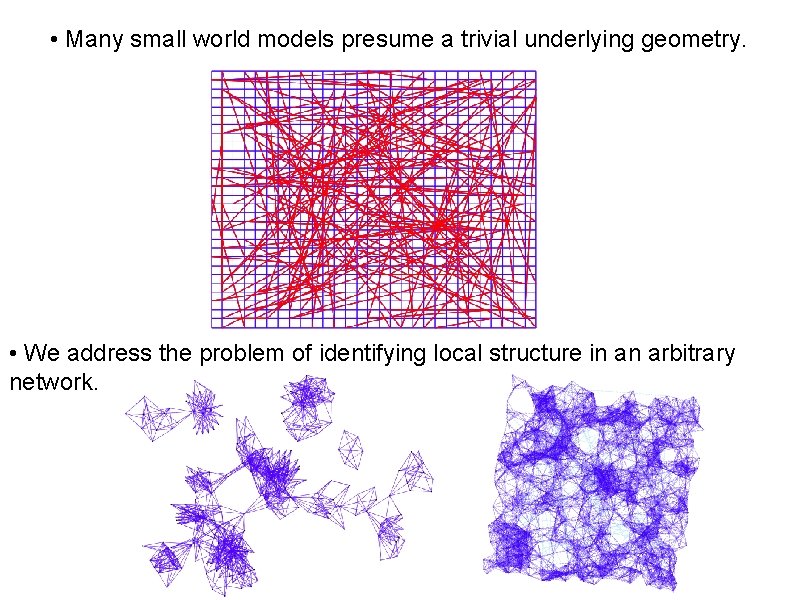
• Many small world models presume a trivial underlying geometry. • We address the problem of identifying local structure in an arbitrary network.
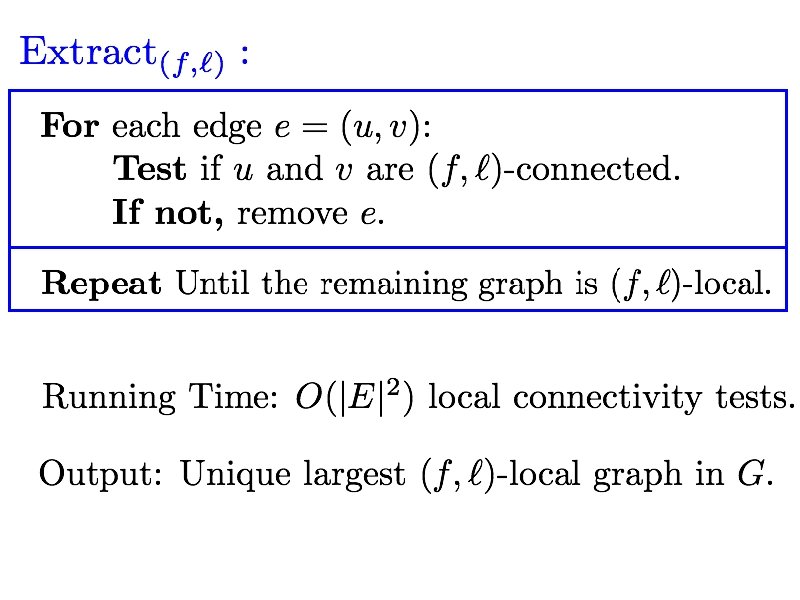
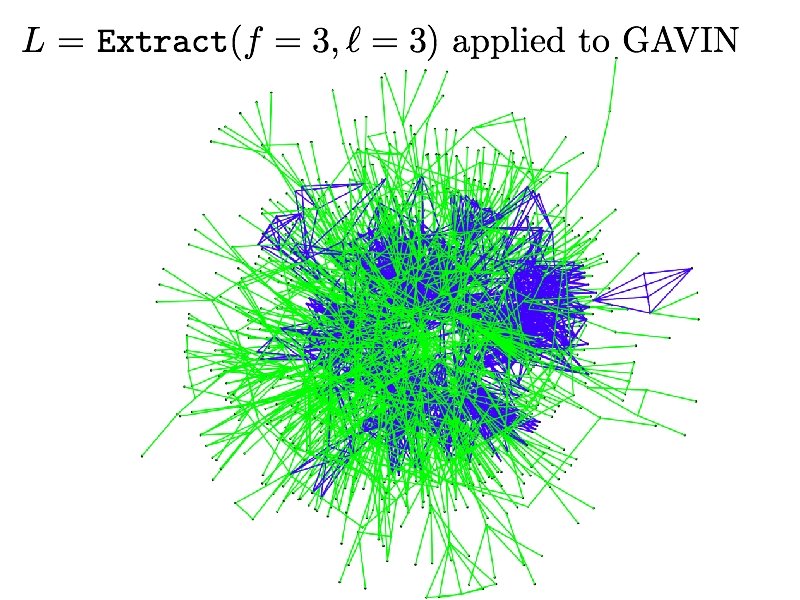
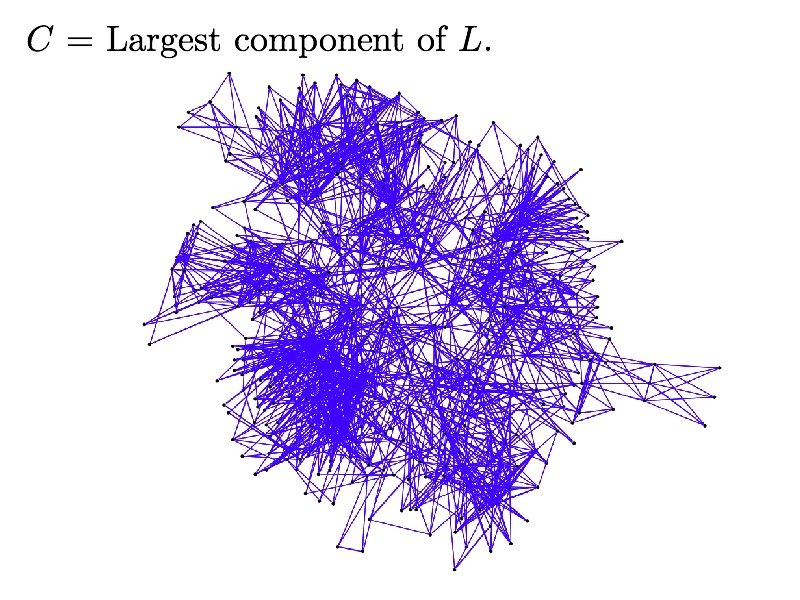
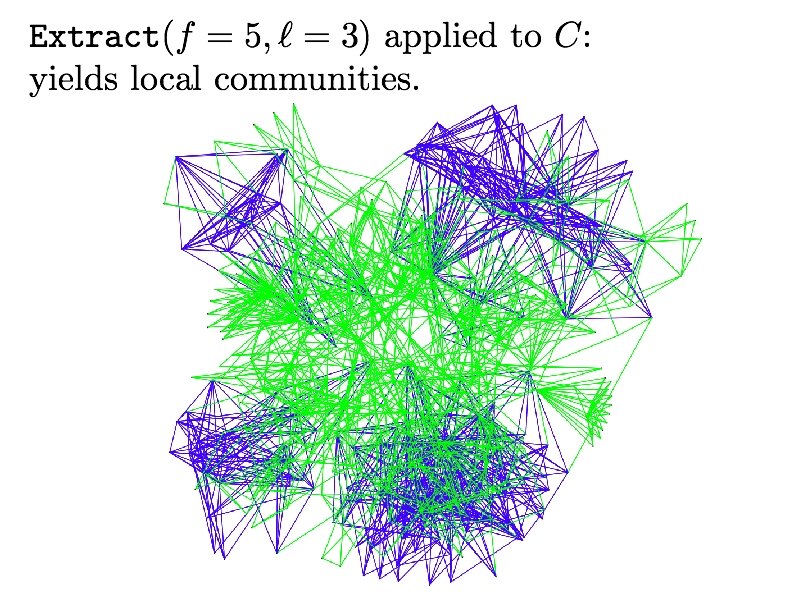
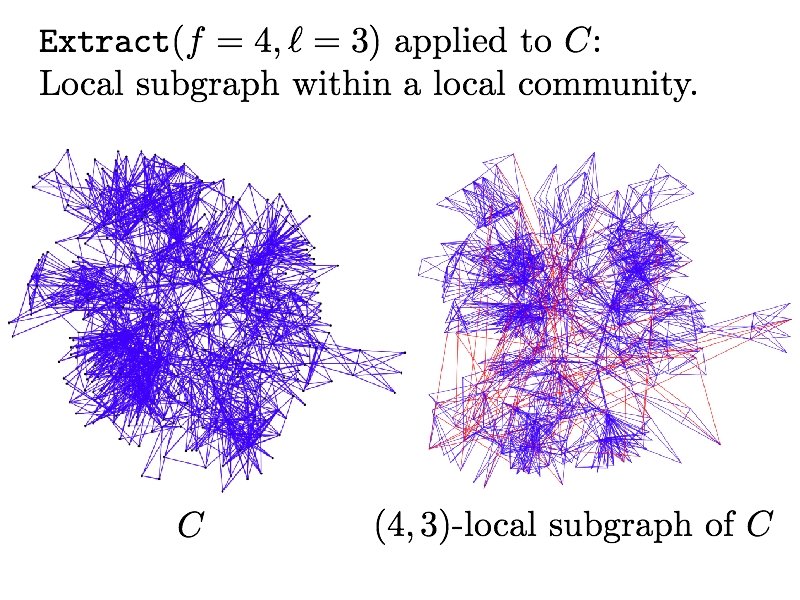
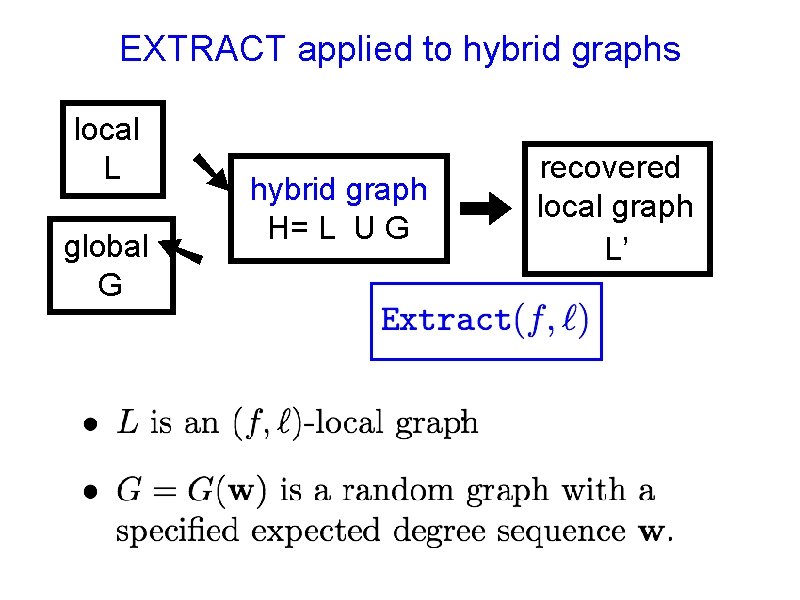
How can we identify local structure? • Existing clustering algorithms aren’t designed to identify local structure. • Existing performance guarantees are not suitable for this problem. Outline: • We use short network flow to identify subgraphs with high local connectivity, which we call local graphs. • Our algorithm Extract computes the largest local graph in a given network with specified parameters. • We introduce hybrid graphs, a random graph model with a power law degree dist. and planted local structure represented by a local graph. • We show that Extract approximately recovers planted local structure in hybrid graphs Also: • Improved approximation algorithm for max short flow. • New bounds for short versions of the max flow - min cut theorem. • Bounds on neighborhood growth in the hybrid graph model.
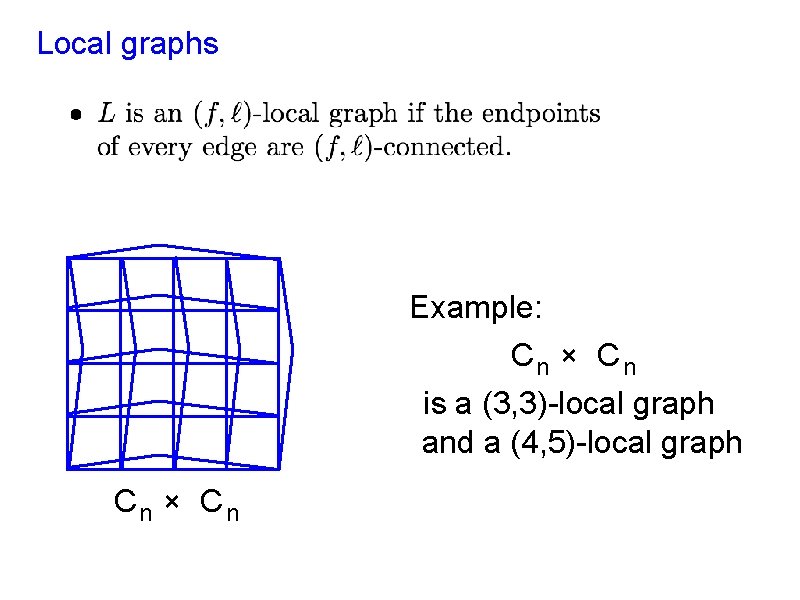
Local graphs Example: Cn × C n is a (3, 3)-local graph and a (4, 5)-local graph Cn × C n
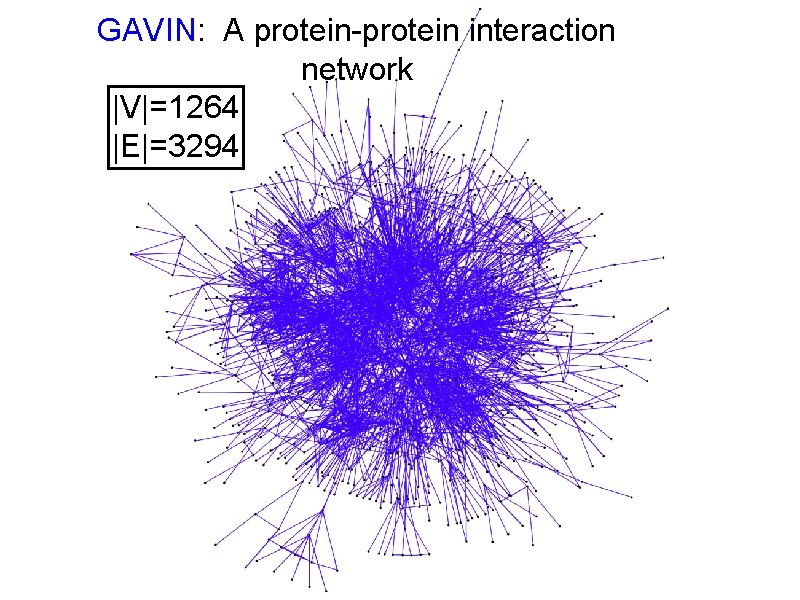
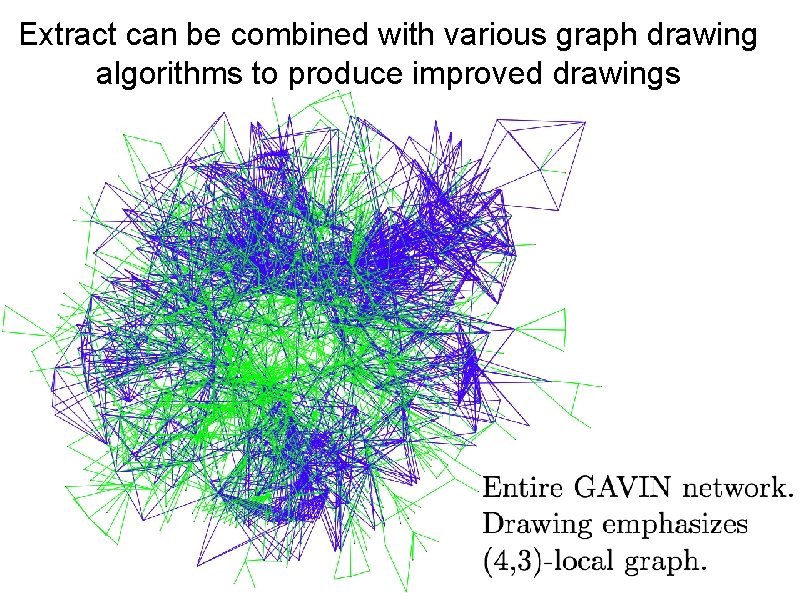
GAVIN: A protein-protein interaction network |V|=1264 |E|=3294
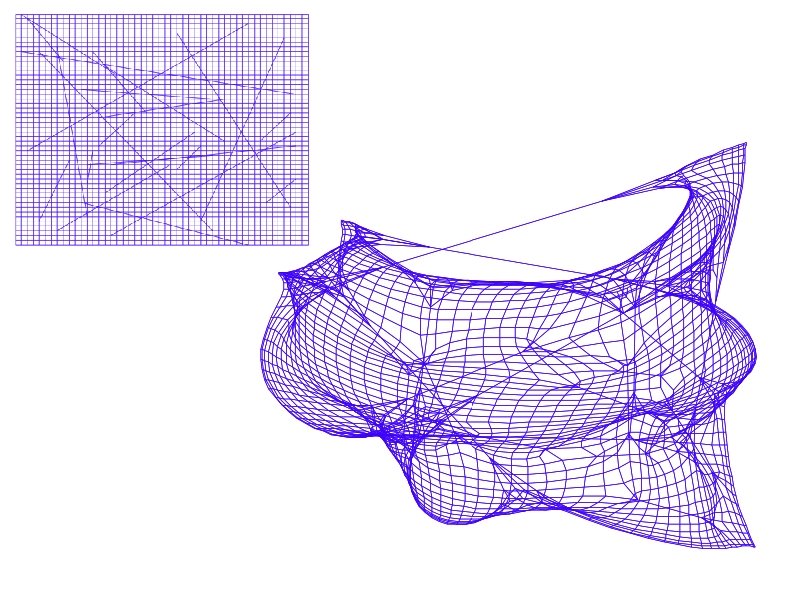
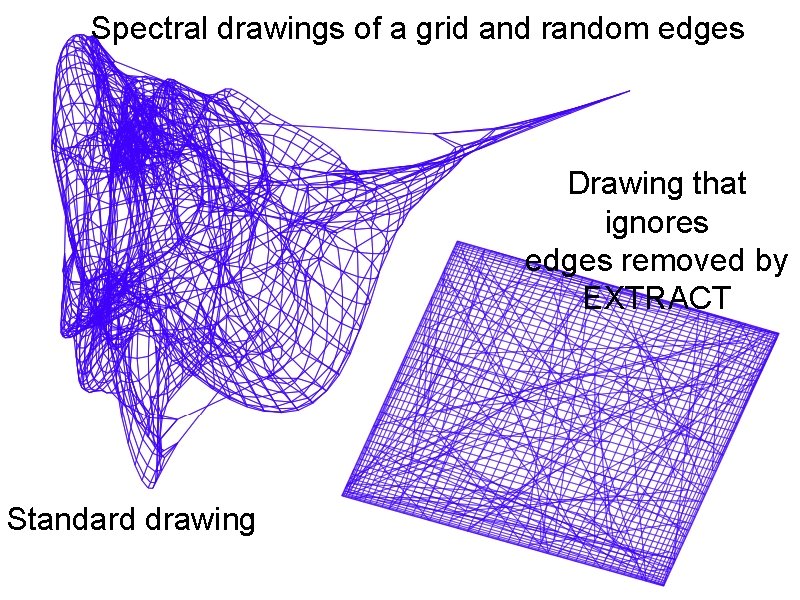
Extract can be combined with various graph drawing algorithms to produce improved drawings
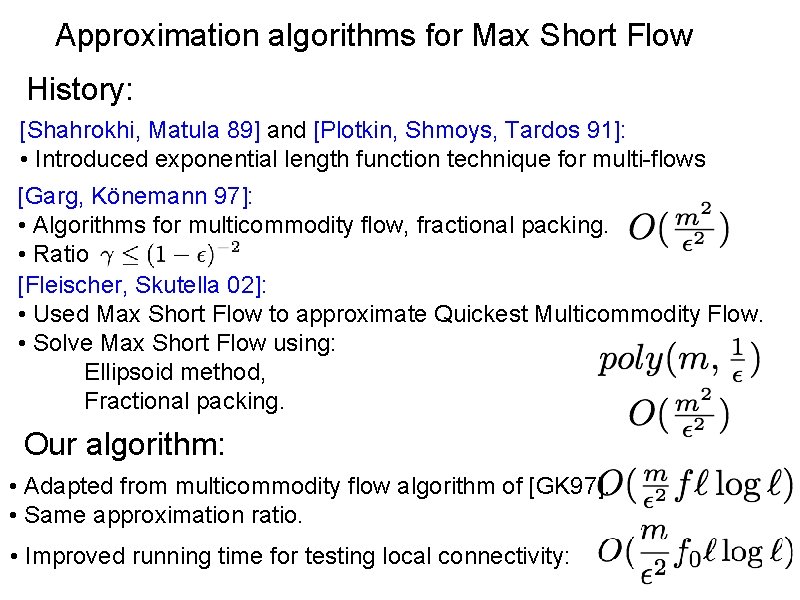
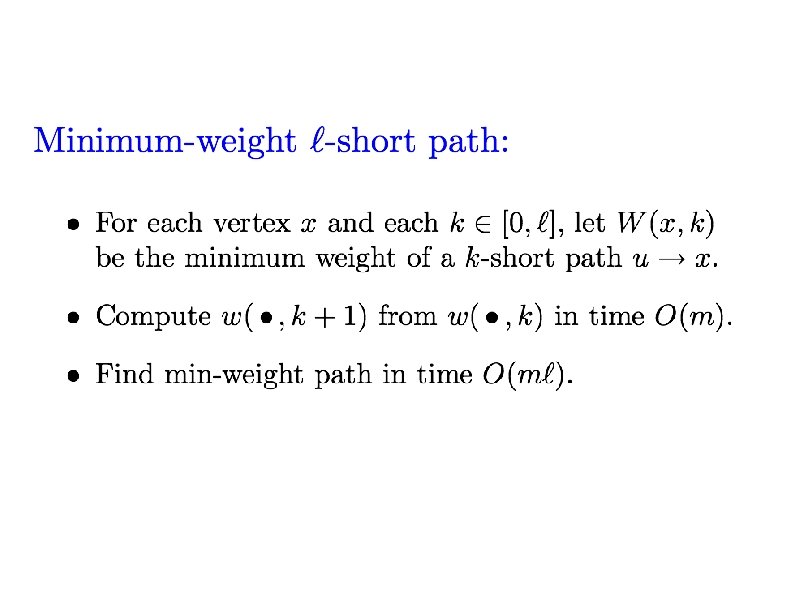
Approximation algorithms for Max Short Flow History: [Shahrokhi, Matula 89] and [Plotkin, Shmoys, Tardos 91]: • Introduced exponential length function technique for multi-flows [Garg, Könemann 97]: • Algorithms for multicommodity flow, fractional packing. • Ratio [Fleischer, Skutella 02]: • Used Max Short Flow to approximate Quickest Multicommodity Flow. • Solve Max Short Flow using: Ellipsoid method, Fractional packing. Our algorithm: • Adapted from multicommodity flow algorithm of [GK 97]. • Same approximation ratio. • Improved running time for testing local connectivity:
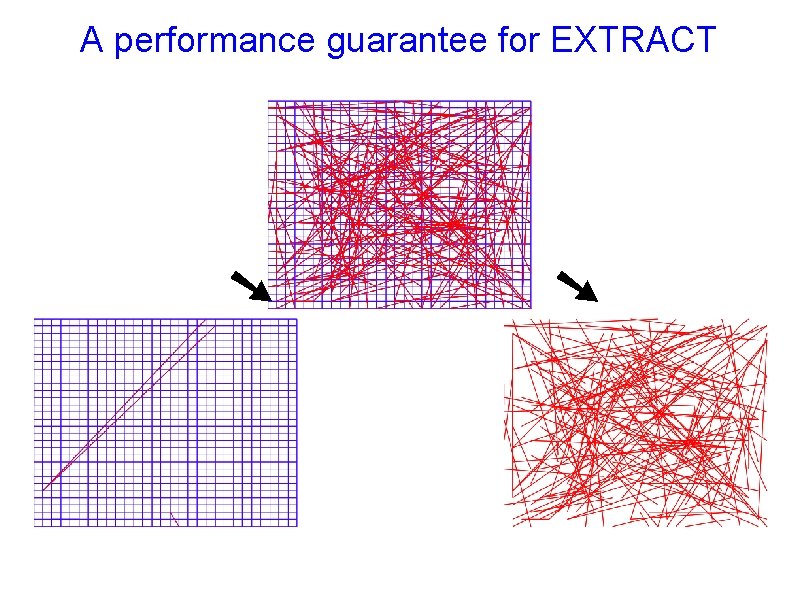
A performance guarantee for EXTRACT ➘ ➘
EXTRACT applied to hybrid graphs local L ➘ hybrid graph ➘ global G H= L U G recovered local graph L’
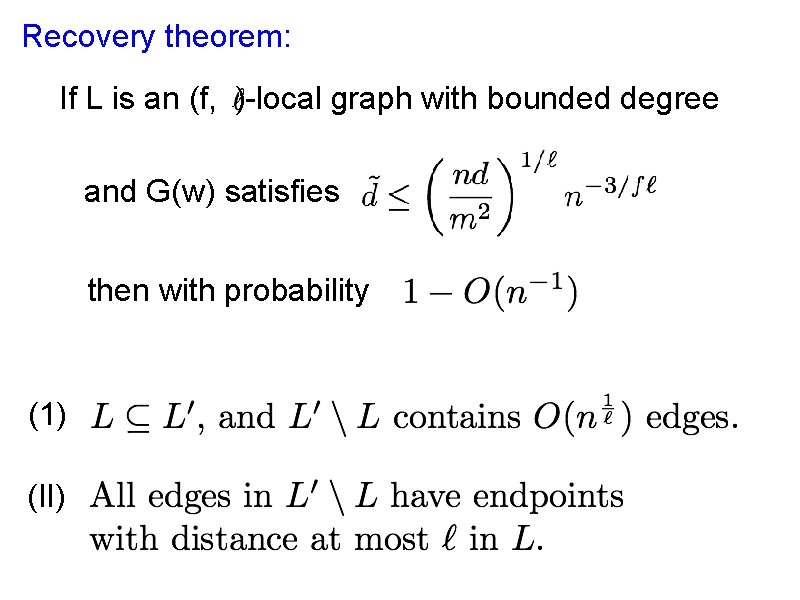
Recovery theorem: If L is an (f, )-local graph with bounded degree and G(w) satisfies then with probability (1) (II)
Spectral drawings of a grid and random edges Drawing that ignores edges removed by EXTRACT Standard drawing