HIVAIDS Patient with a Neuro presentation Diagnostic Approach

- Slides: 13
HIV/AIDS Patient with a “Neuro” presentation. Diagnostic Approach Conrad K. Muzoora Mbarara University
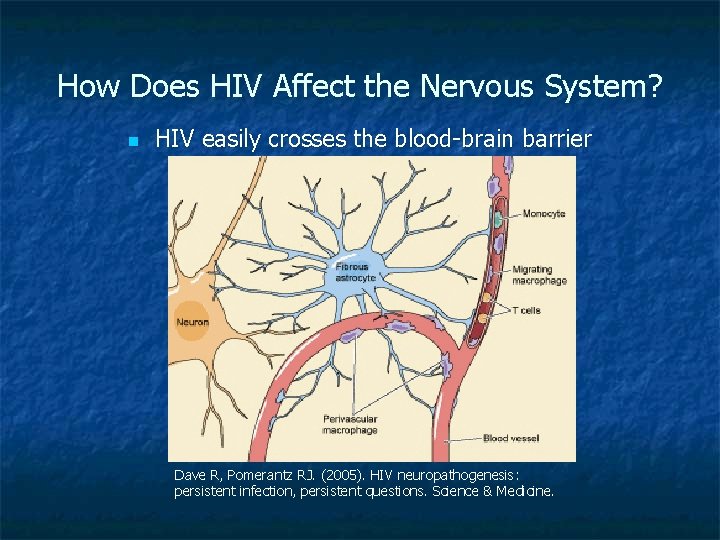
How Does HIV Affect the Nervous System? n HIV easily crosses the blood-brain barrier Dave R, Pomerantz RJ. (2005). HIV neuropathogenesis: persistent infection, persistent questions. Science & Medicine.
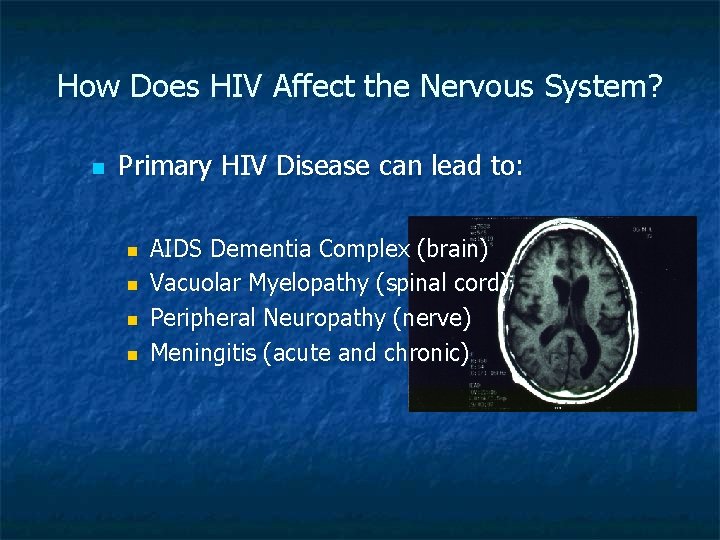
How Does HIV Affect the Nervous System? n Primary HIV Disease can lead to: n n AIDS Dementia Complex (brain) Vacuolar Myelopathy (spinal cord) Peripheral Neuropathy (nerve) Meningitis (acute and chronic)
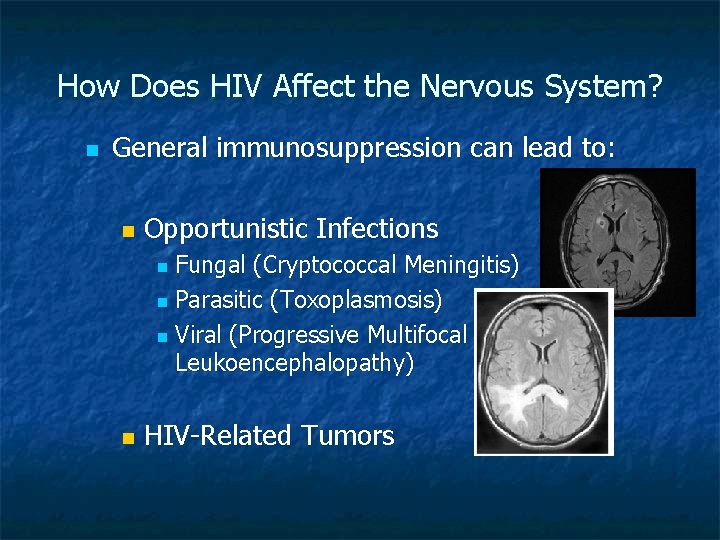
How Does HIV Affect the Nervous System? n General immunosuppression can lead to: n Opportunistic Infections Fungal (Cryptococcal Meningitis) n Parasitic (Toxoplasmosis) n Viral (Progressive Multifocal Leukoencephalopathy) n n HIV-Related Tumors
For Today we concentrate on CNS Infections due to reduced Immunity Acute Bacterial Meningitis Viral Meningitis Chronic Tuberculosis Meningitis Cryptococcal meningitis
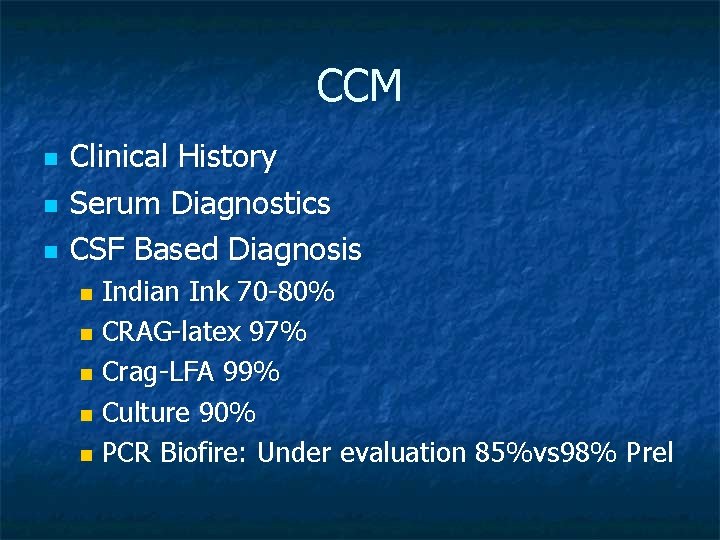
CCM n n n Clinical History Serum Diagnostics CSF Based Diagnosis Indian Ink 70 -80% n CRAG-latex 97% n Crag-LFA 99% n Culture 90% n PCR Biofire: Under evaluation 85%vs 98% Prel 85%vs n
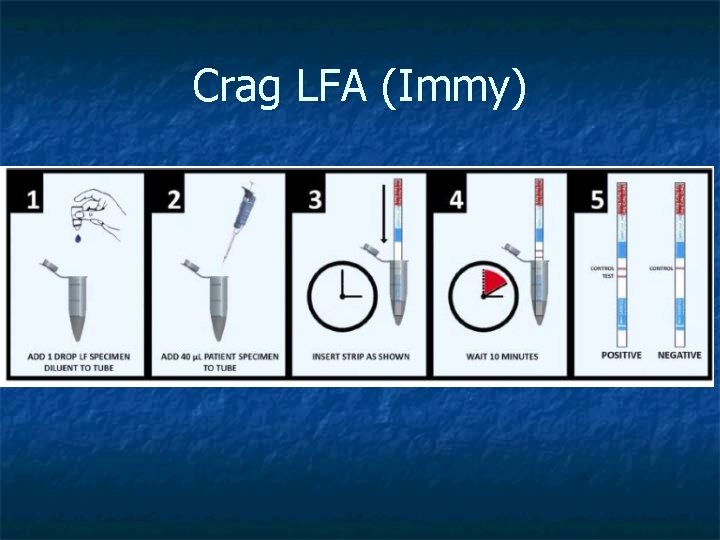
Crag LFA (Immy)
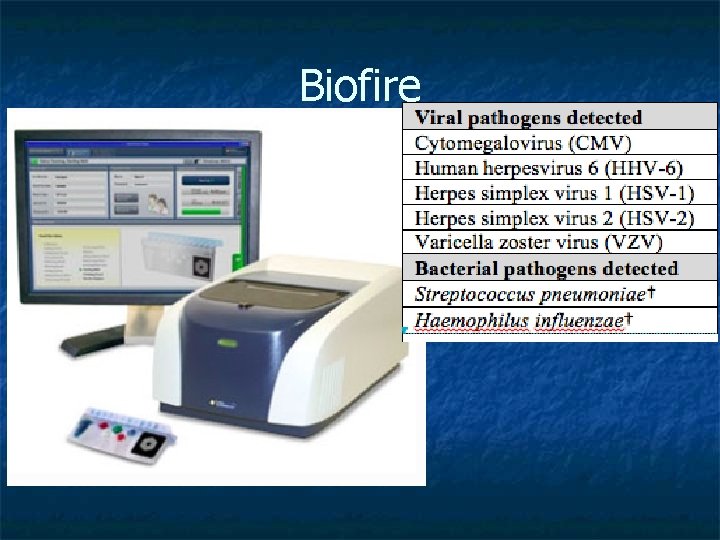
Biofire
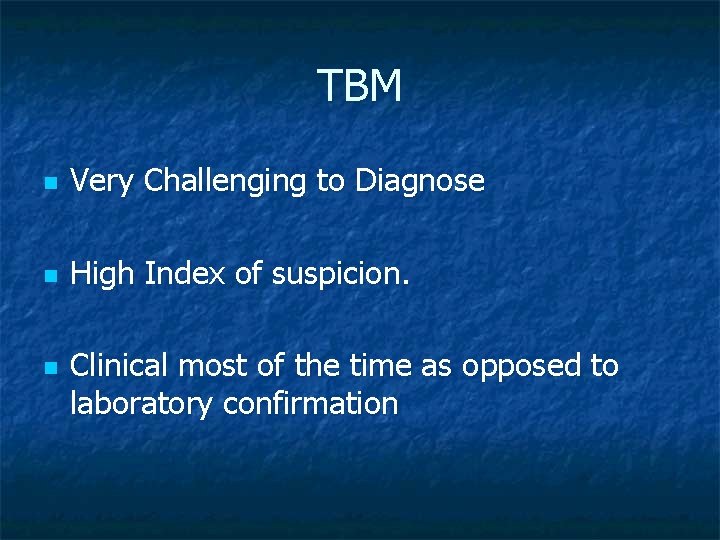
TBM n Very Challenging to Diagnose n High Index of suspicion. n Clinical most of the time as opposed to laboratory confirmation
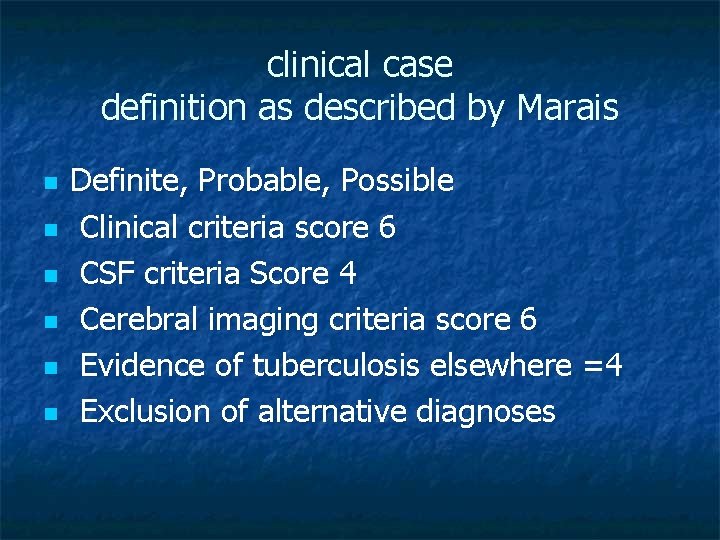
clinical case definition as described by Marais n n n Definite, Probable, Possible Clinical criteria score 6 CSF criteria Score 4 Cerebral imaging criteria score 6 Evidence of tuberculosis elsewhere =4 Exclusion of alternative diagnoses
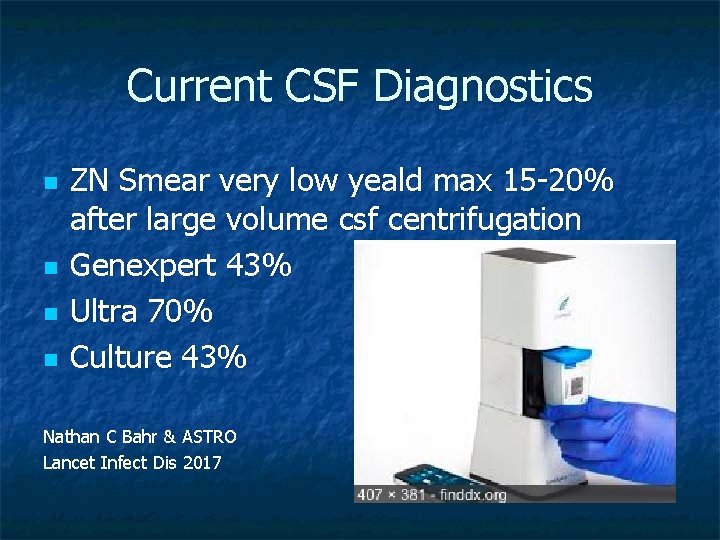
Current CSF Diagnostics n n ZN Smear very low yeald max 15 -20% after large volume csf centrifugation Genexpert 43% Ultra 70% Culture 43% Nathan C Bahr & ASTRO Lancet Infect Dis 2017
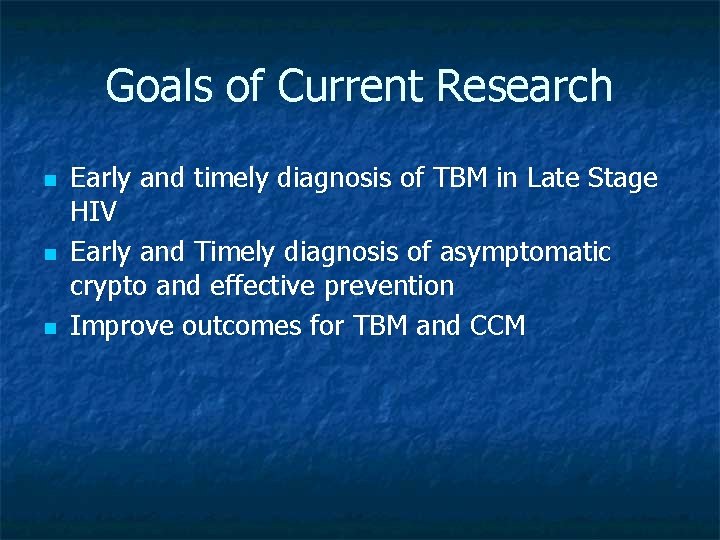
Goals of Current Research n n n Early and timely diagnosis of TBM in Late Stage HIV Early and Timely diagnosis of asymptomatic crypto and effective prevention Improve outcomes for TBM and CCM
Thank You