Furzy Cliff Redcliff Weymouth A VERY USEFUL SECTION

- Slides: 23
Furzy Cliff & Redcliff, Weymouth. A VERY USEFUL SECTION FOR AN INTRODUCTORY GEOLOGY FIELD TRIP. © Alan Holiday 2020
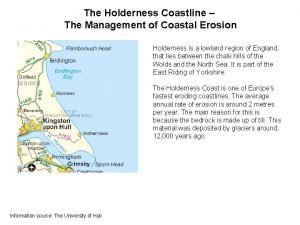
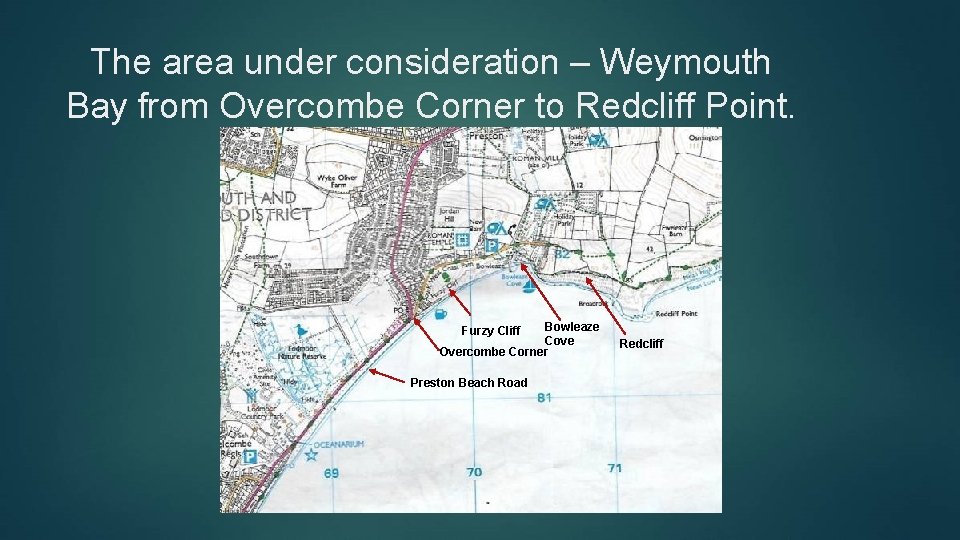
The area under consideration – Weymouth Bay from Overcombe Corner to Redcliff Point. Bowleaze Cove Overcombe Corner Furzy Cliff Preston Beach Road Redcliff
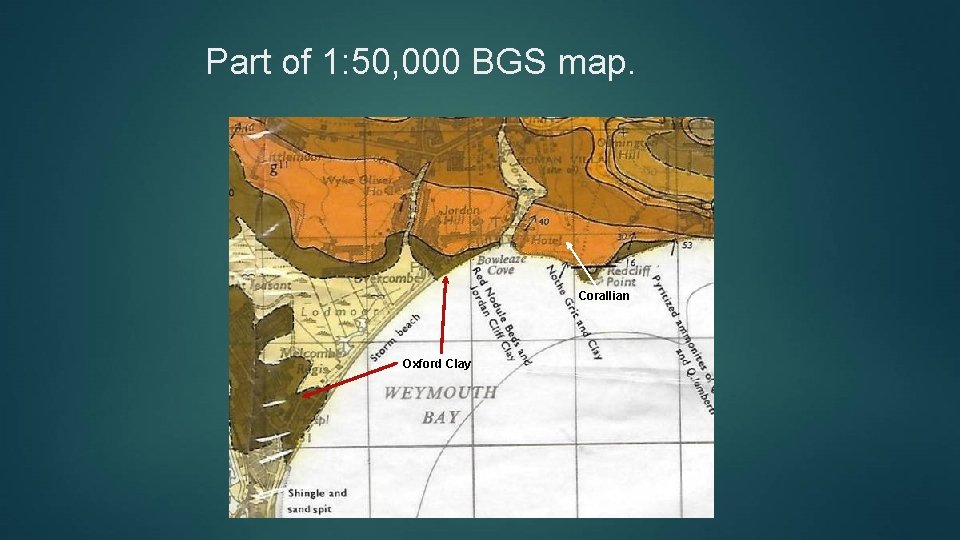
Part of 1: 50, 000 BGS map. Corallian Oxford Clay
Why is the section so useful? It displays aspects of: (a) modern processes, marine and mass-movement. (b) engineering geology because of coastal protection. (c) sedimentary processes including lithification and diagenesis. (d) fossils, both body fossils and trace fossils (e) Uniformitarianism and other geological principles.
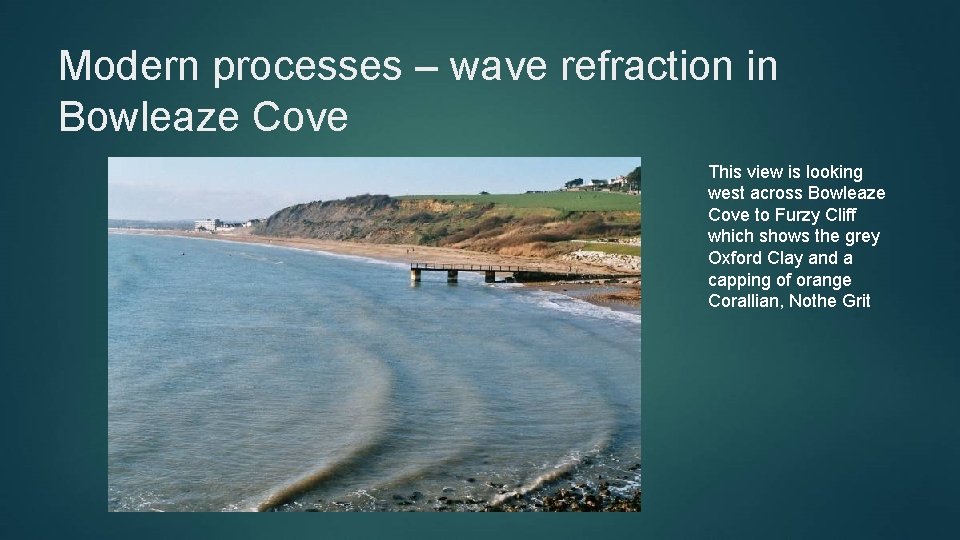
Modern processes – wave refraction in Bowleaze Cove This view is looking west across Bowleaze Cove to Furzy Cliff which shows the grey Oxford Clay and a capping of orange Corallian, Nothe Grit
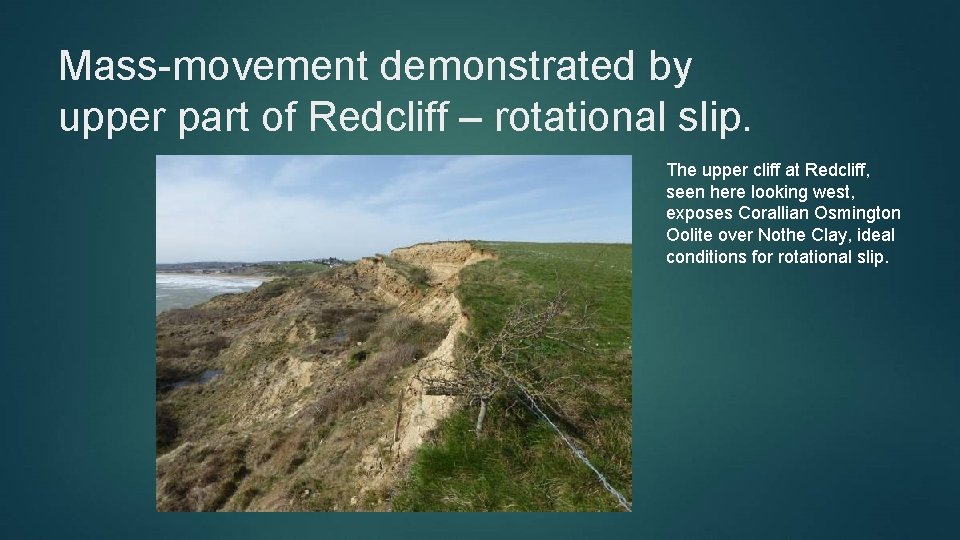
Mass-movement demonstrated by upper part of Redcliff – rotational slip. The upper cliff at Redcliff, seen here looking west, exposes Corallian Osmington Oolite over Nothe Clay, ideal conditions for rotational slip.
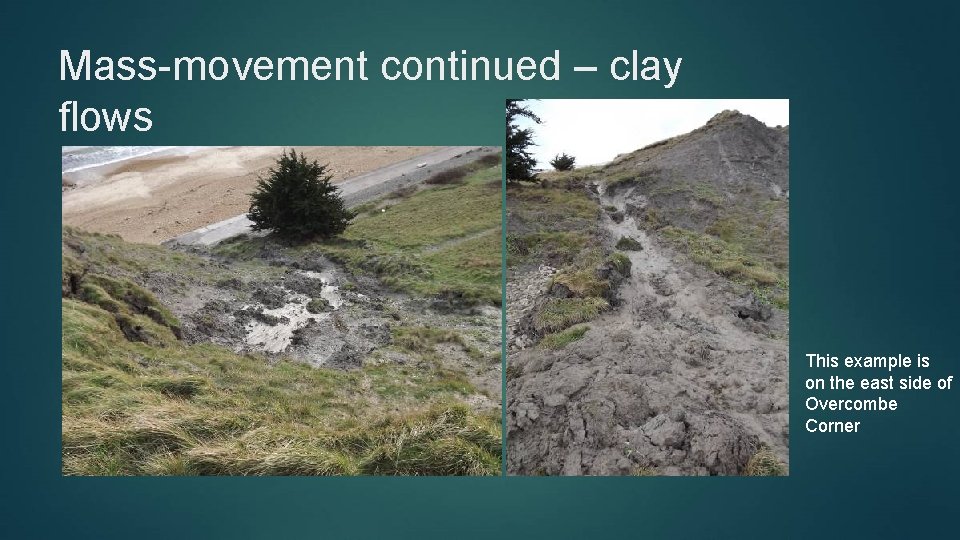
Mass-movement continued – clay flows This example is on the east side of Overcombe Corner
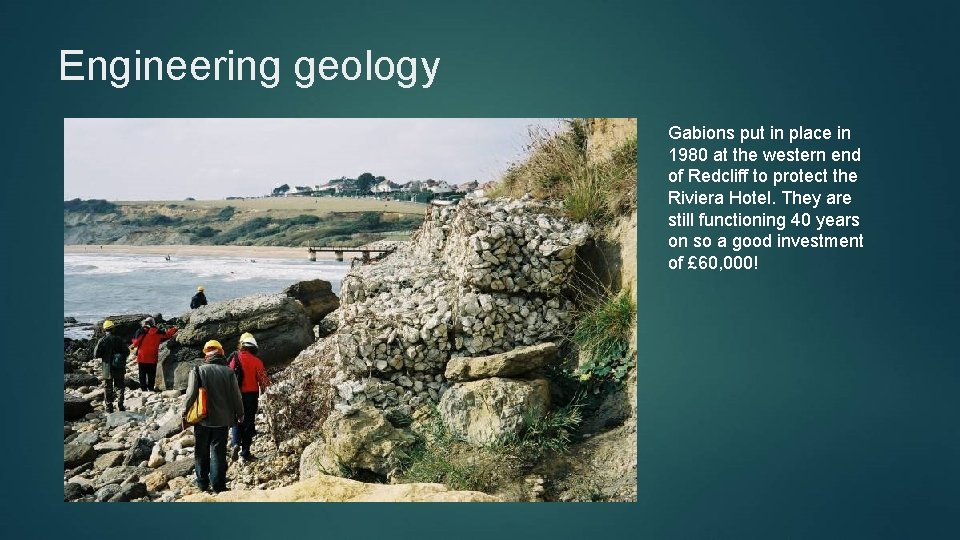
Engineering geology Gabions put in place in 1980 at the western end of Redcliff to protect the Riviera Hotel. They are still functioning 40 years on so a good investment of £ 60, 000!
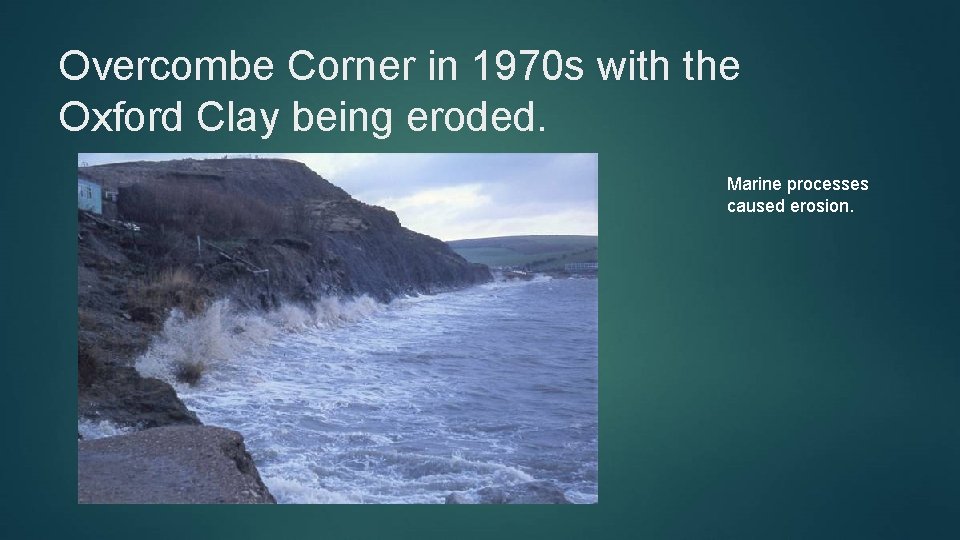
Overcombe Corner in 1970 s with the Oxford Clay being eroded. Marine processes caused erosion.
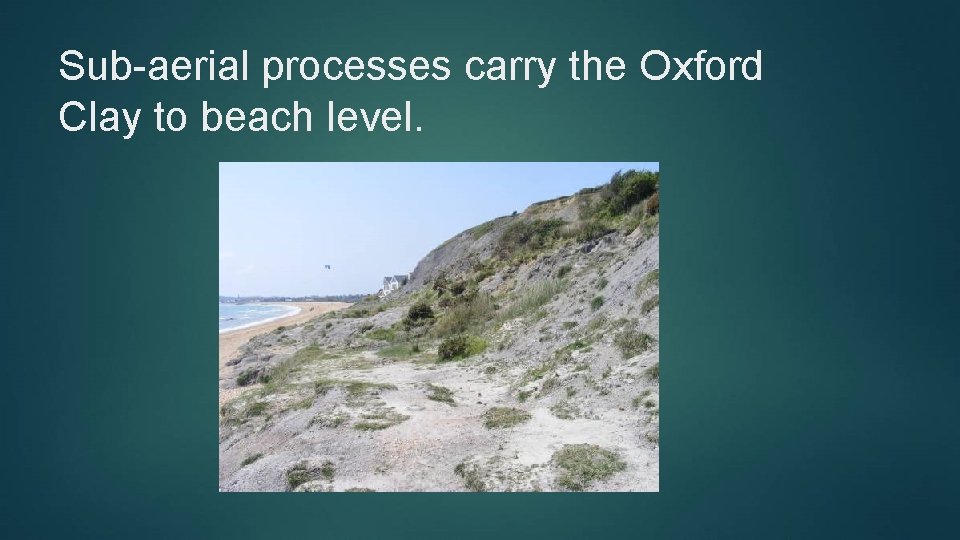
Sub-aerial processes carry the Oxford Clay to beach level.
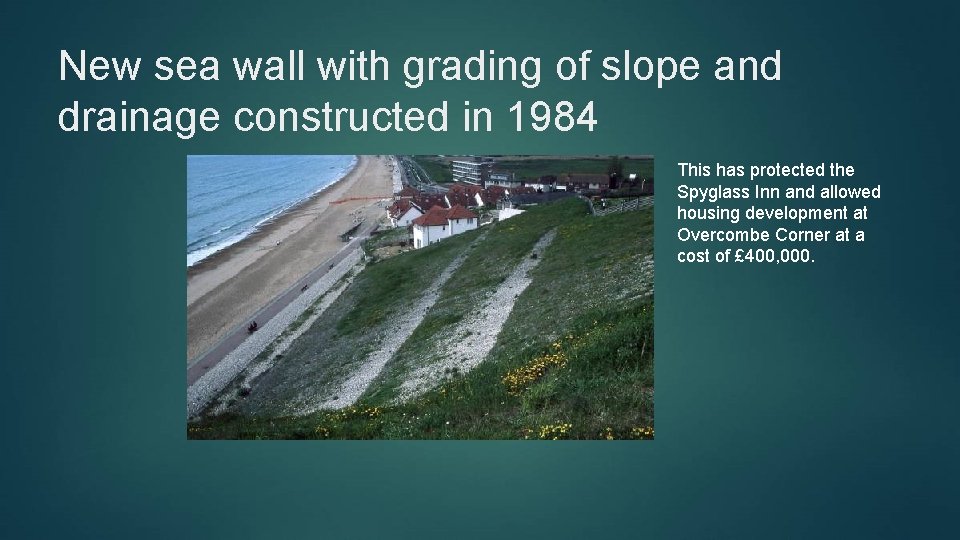
New sea wall with grading of slope and drainage constructed in 1984 This has protected the Spyglass Inn and allowed housing development at Overcombe Corner at a cost of £ 400, 000.
Sedimentary processes. Various rock types are exposed along this section: (1) Oxford Clay (2) Corallian (a) Nothe Grit and Preston Grit. (b) Nothe Clay. (c) Bencliff Grit. (d) Osmington Oolite
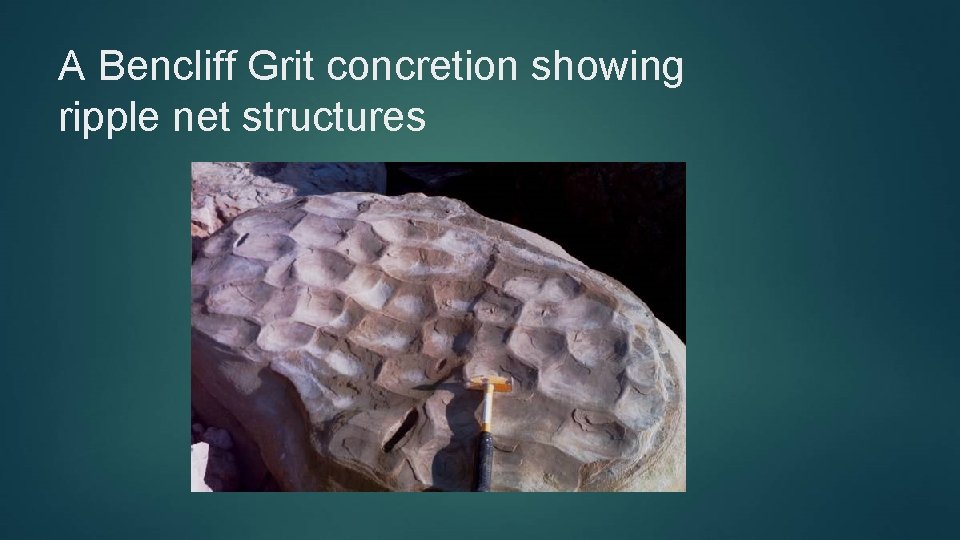
A Bencliff Grit concretion showing ripple net structures
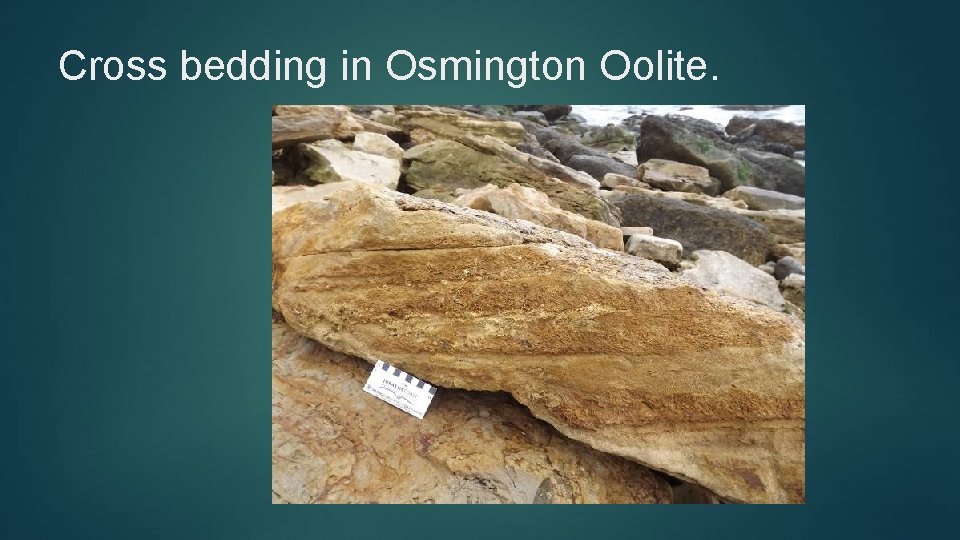
Cross bedding in Osmington Oolite.
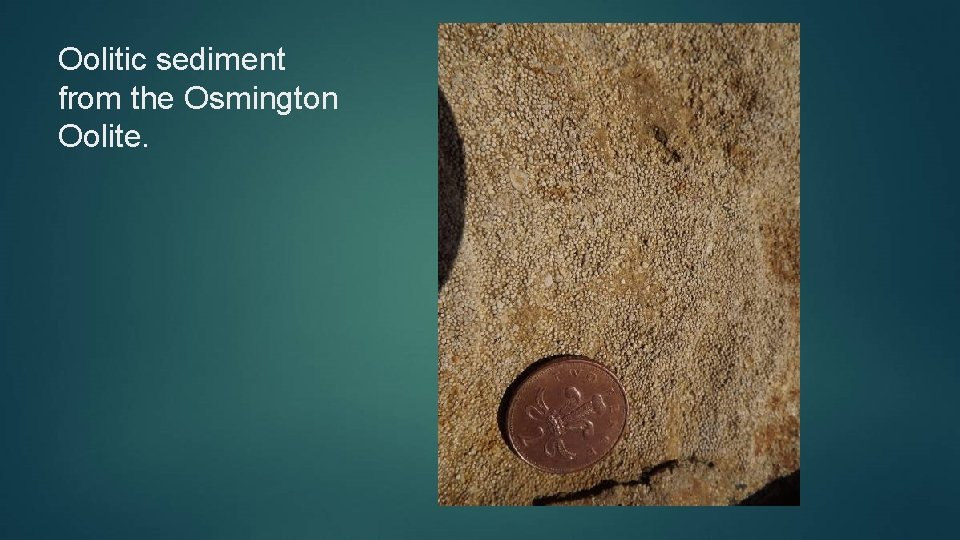
Oolitic sediment from the Osmington Oolite.
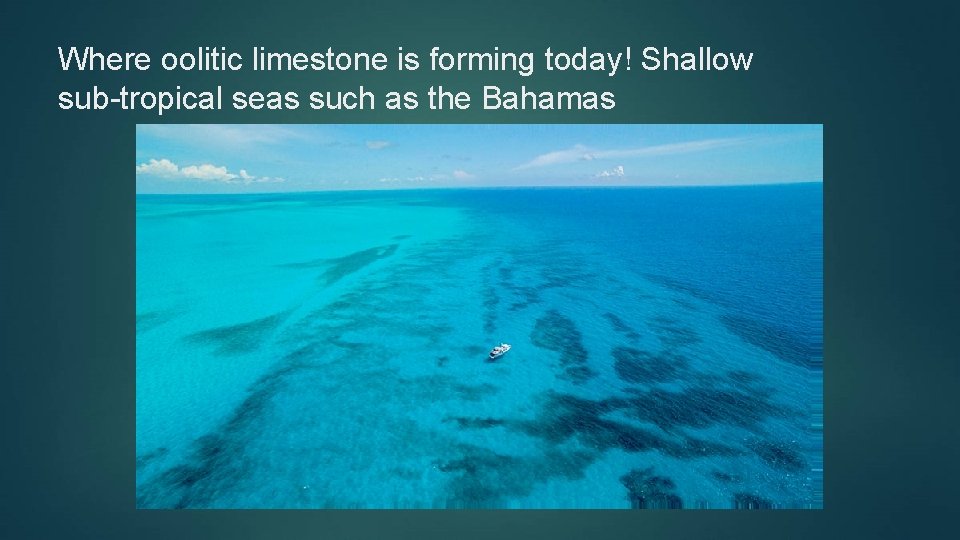
Where oolitic limestone is forming today! Shallow sub-tropical seas such as the Bahamas
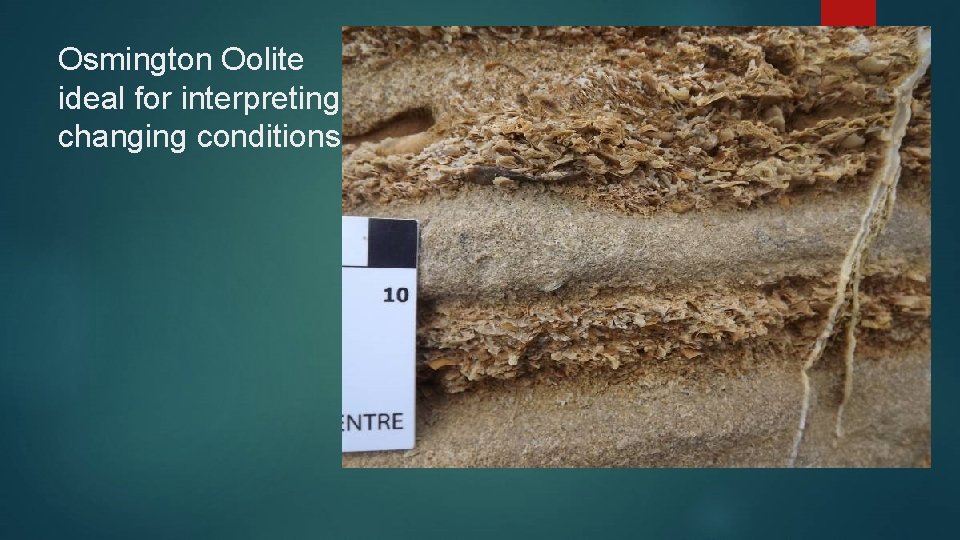
Osmington Oolite ideal for interpreting changing conditions
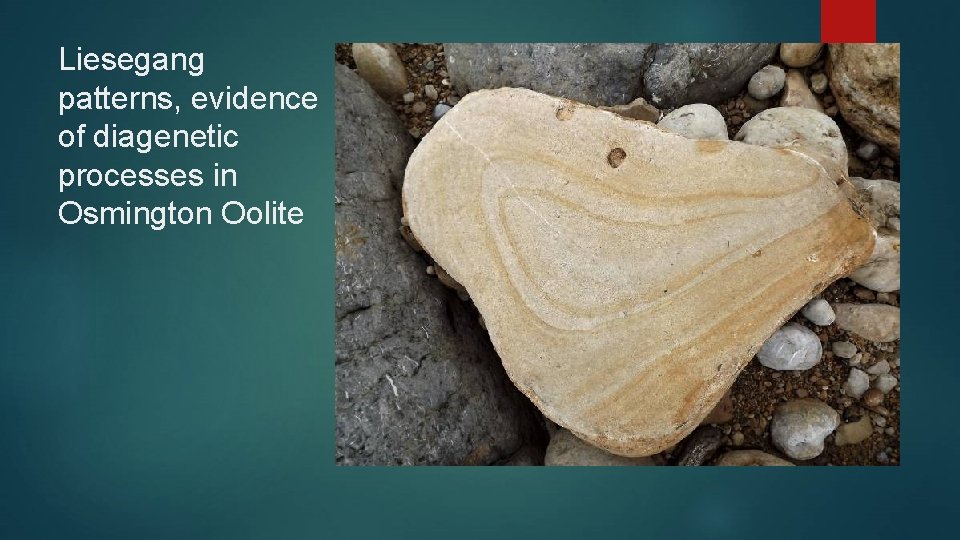
Liesegang patterns, evidence of diagenetic processes in Osmington Oolite
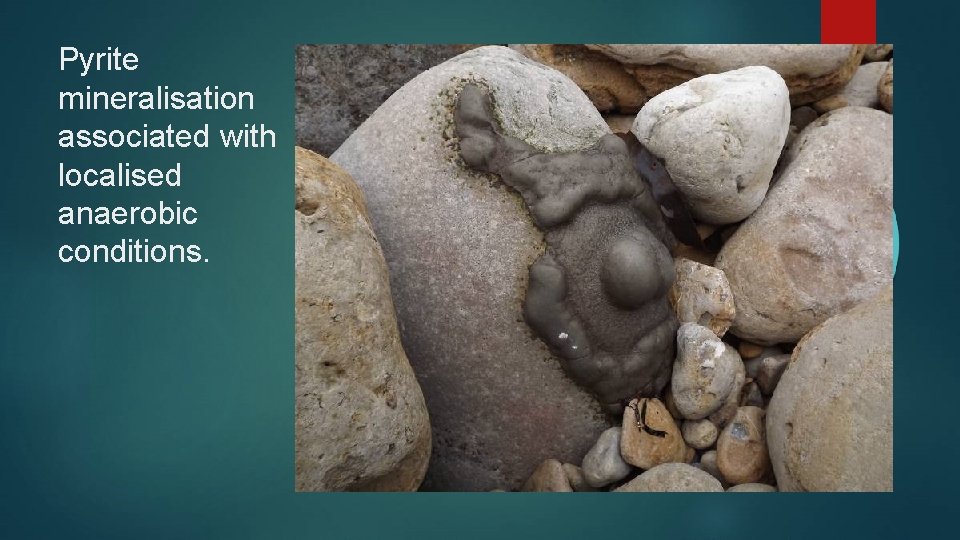
Pyrite mineralisation associated with localised anaerobic conditions.
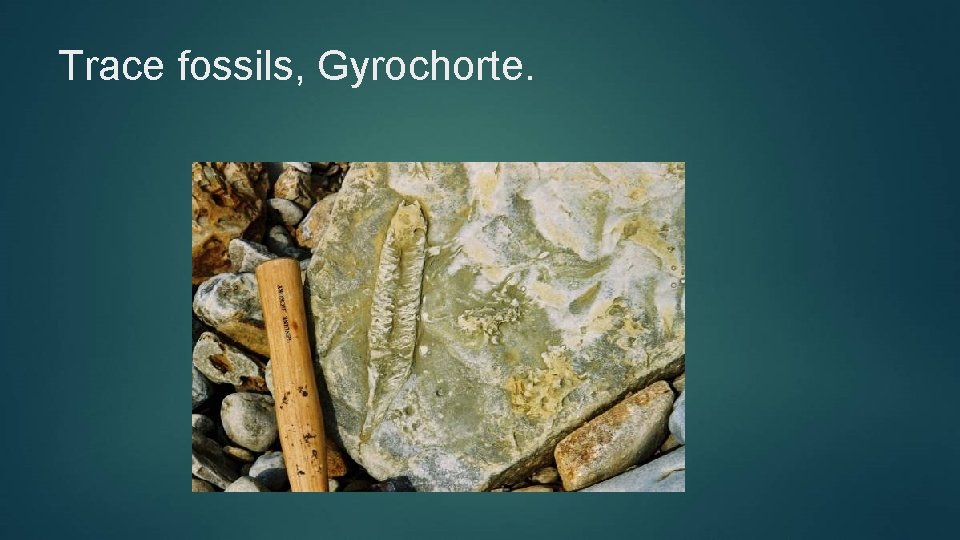
Trace fossils, Gyrochorte.
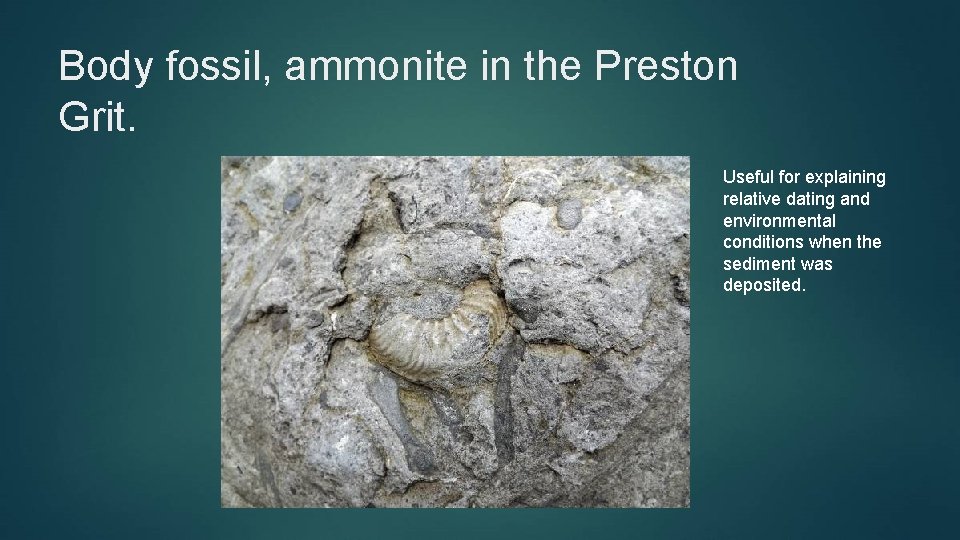
Body fossil, ammonite in the Preston Grit. Useful for explaining relative dating and environmental conditions when the sediment was deposited.
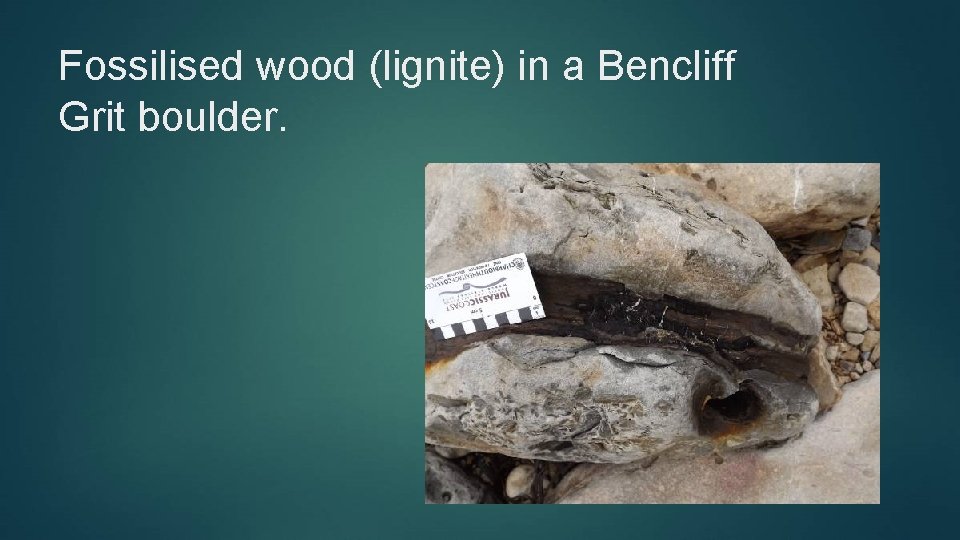
Fossilised wood (lignite) in a Bencliff Grit boulder.
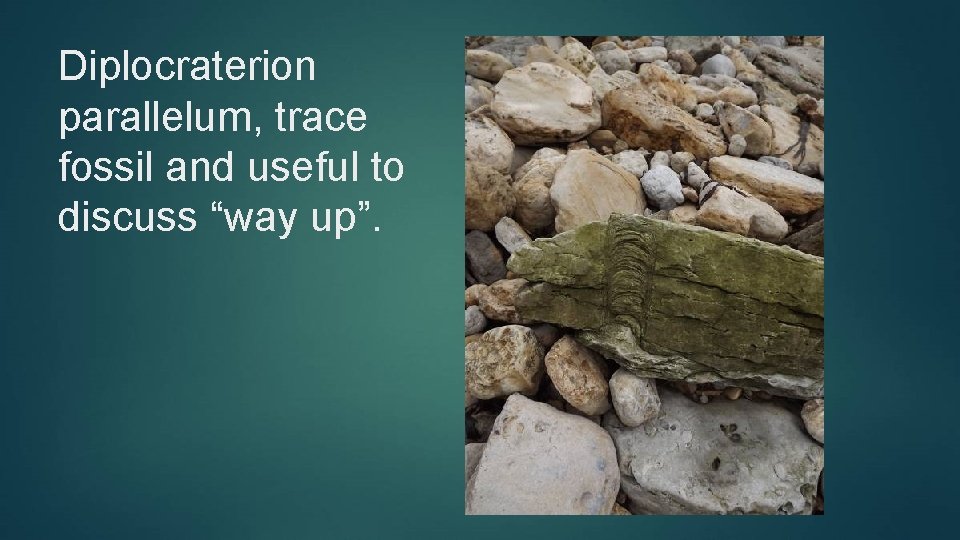
Diplocraterion parallelum, trace fossil and useful to discuss “way up”.