Food Myths Fact or Fiction Karin Allen Ph










- Slides: 41
Food Myths Fact or Fiction? Karin Allen, Ph. D USU Extension Food Quality & Entrepreneurship FCS Videocast Series September 24, 2013 extension. usu. edu
Fact or Fiction? Alcohol evaporates out of foods during cooking. extension. usu. edu
Fiction! Alcohol evaporates out of foods during cooking. extension. usu. edu
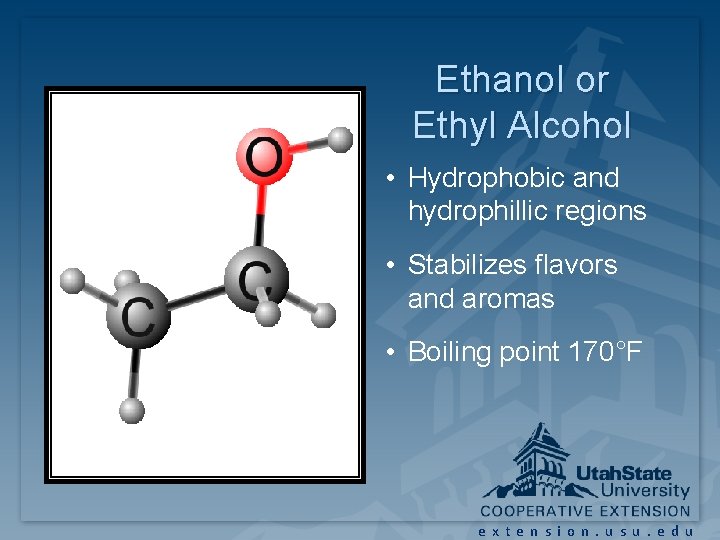
Ethanol or Ethyl Alcohol • Hydrophobic and hydrophillic regions • Stabilizes flavors and aromas • Boiling point 170°F extension. usu. edu
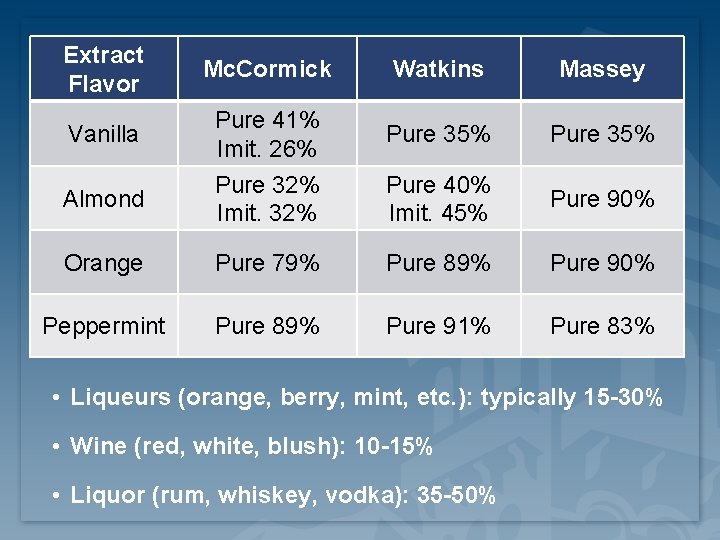
Extract Flavor Mc. Cormick Watkins Massey Vanilla Pure 41% Imit. 26% Pure 35% Almond Pure 32% Imit. 32% Pure 40% Imit. 45% Pure 90% Orange Pure 79% Pure 89% Pure 90% Peppermint Pure 89% Pure 91% Pure 83% • Liqueurs (orange, berry, mint, etc. ): typically 15 -30% • Wine (red, white, blush): 10 -15% • Liquor (rum, whiskey, vodka): 35 -50%
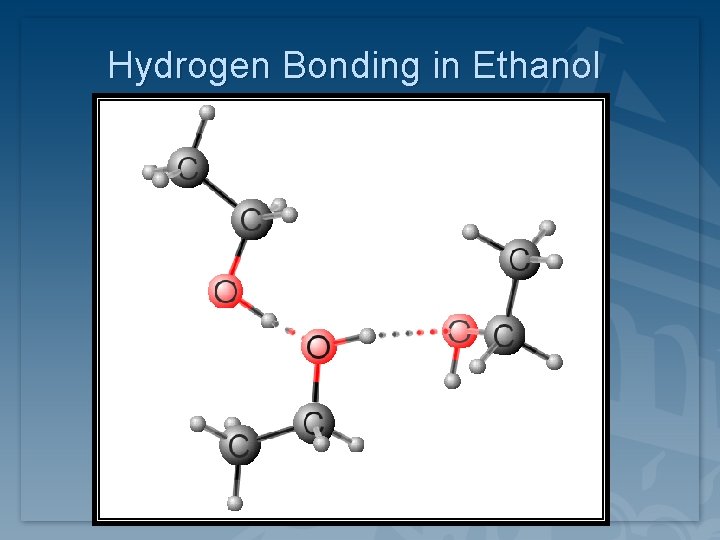
Hydrogen Bonding in Ethanol
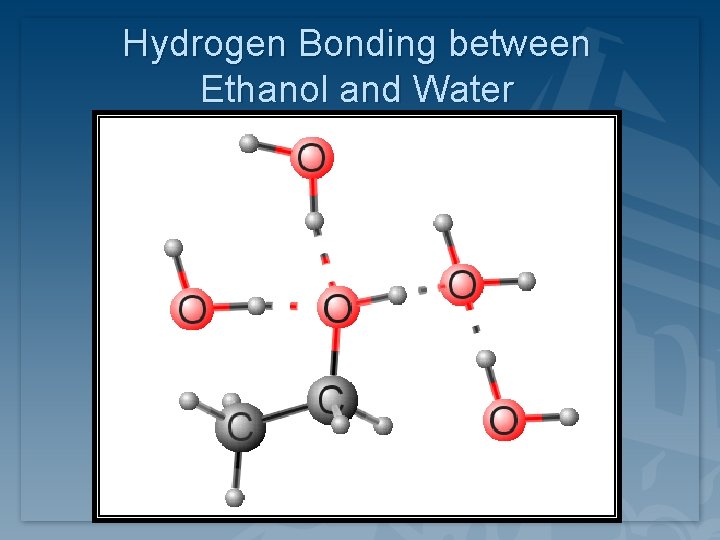
Hydrogen Bonding between Ethanol and Water
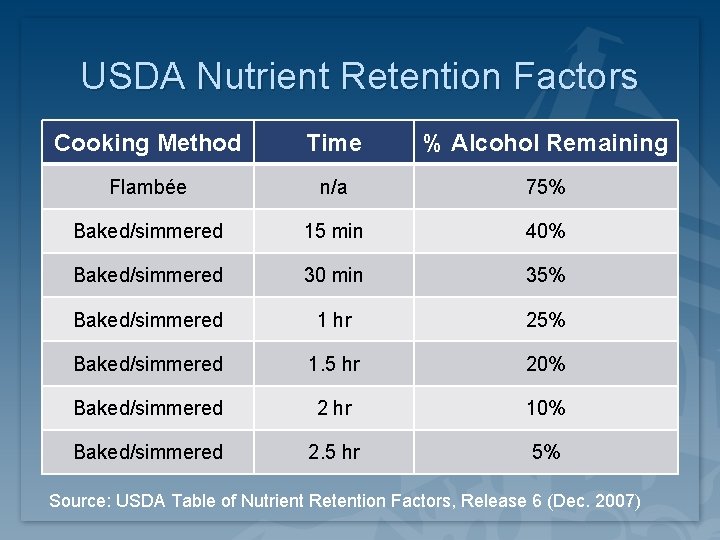
USDA Nutrient Retention Factors Cooking Method Time % Alcohol Remaining Flambée n/a 75% Baked/simmered 15 min 40% Baked/simmered 30 min 35% Baked/simmered 1 hr 25% Baked/simmered 1. 5 hr 20% Baked/simmered 2 hr 10% Baked/simmered 2. 5 hr 5% Source: USDA Table of Nutrient Retention Factors, Release 6 (Dec. 2007)
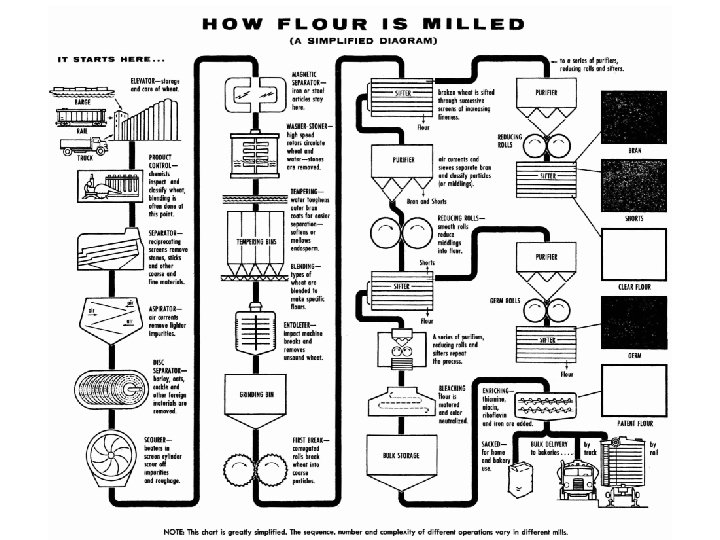
Fact or Fiction? Freshly ground wheat shouldn’t be used for bread. extension. usu. edu
Fact! Freshly ground wheat shouldn’t be used for bread. extension. usu. edu
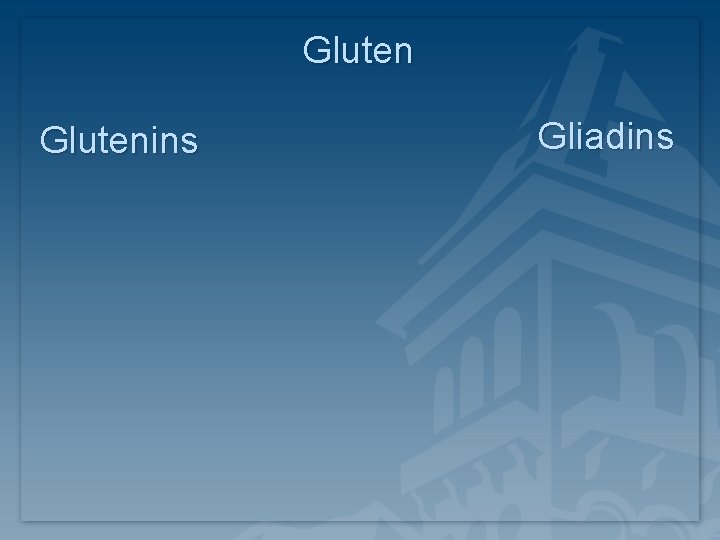
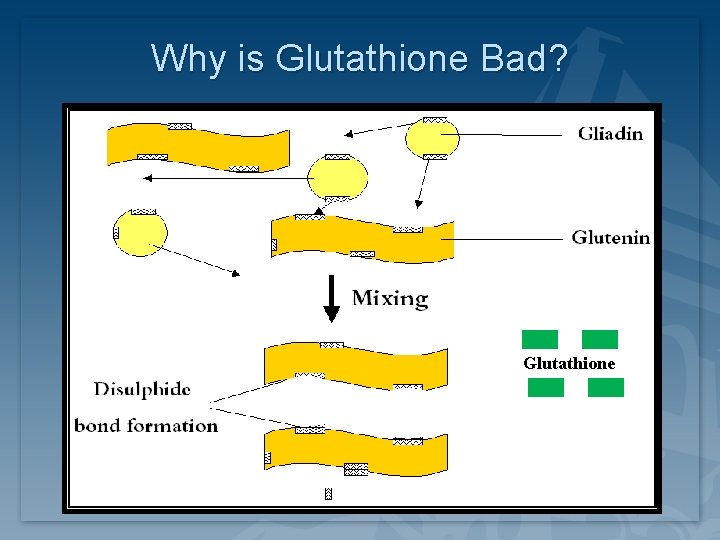
Glutenins Gliadins
Gluten Formation
Gluten Requires Disulfide Bonding
Fact! Freshly ground wheat shouldn’t be used for bread. extension. usu. edu
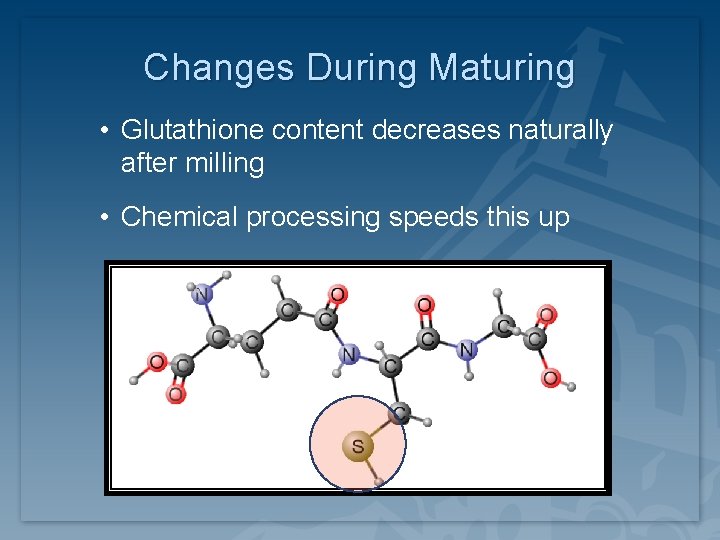
Changes During Maturing • Glutathione content decreases naturally after milling • Chemical processing speeds this up
Why is Glutathione Bad?
Why is Glutathione Bad? Glutathione
Recommended Aging Time is 10 Days • Research shows glutathione decreases by up to 43% after 10 days for some wheat types • Bread volume increases roughly 10% using 10 -day old flour • Results between 10 and 40 -day old flour are very similar Source: Chen X. and Schofield J. D. (1996). “Changes in the Glutathione Content and Breadmaking Performance of White Wheat Flour During Short -Term Storage”. Cereal Chemistry 73(1): 1 -4. extension. usu. edu
Fact or Fiction? Freshly-squeezed is more nutritious than juice made from frozen concentrate. extension. usu. edu
Fiction! Freshly-squeezed is more nutritious than juice made from frozen concentrate. extension. usu. edu
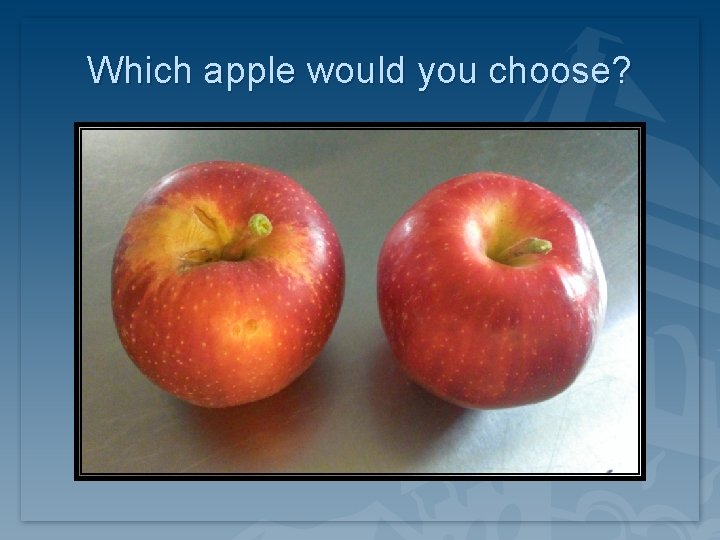
Which apple would you choose?
Blemished Foods in Food Processing • The Food and Agriculture Organization reports post-harvest losses account for over 20% of total food waste world wide • Fruits and vegetables used in processing must still meet USDA quality standards • Only 5% of apples for processing can have worm holes extension. usu. edu
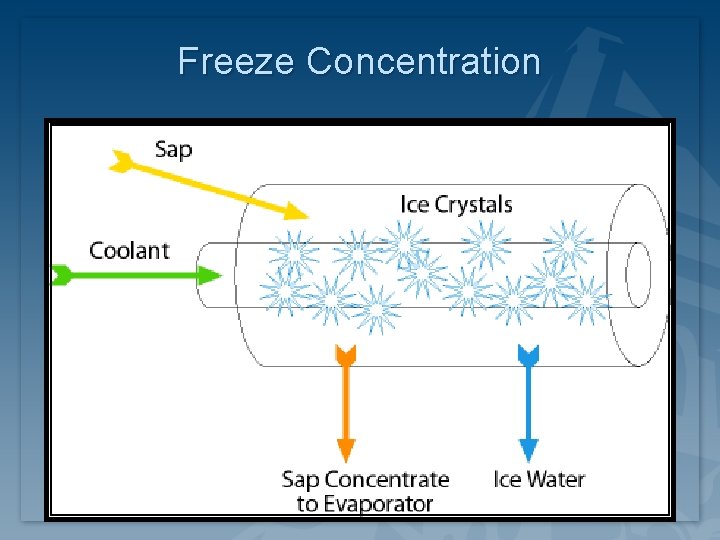
But aren’t nutrients lost in processing? • Frozen juice concentrates are no longer heated to evaporate water (they are still pasteurized for safety reasons) • Water can be removed by freezing or membrane filtration extension. usu. edu
Freeze Concentration
Membrane Filtration
But aren’t nutrients lost in processing? • Frozen juice concentrates are no longer heated to evaporate water (they are still pasteurized for safety reasons) • Water can be removed by freezing or membrane filtration • Both techniques preserve sensitive nutrients such as Vitamin C USDA Table of Nutrient Retention Factors, Release 6 (Dec. 2007) extension. usu. edu
Fact or Fiction? Red kidney beans should be boiled first, not added dry to a slow-cooker. extension. usu. edu
Fact! Red kidney beans should be boiled first, not added dry to a slow-cooker. extension. usu. edu
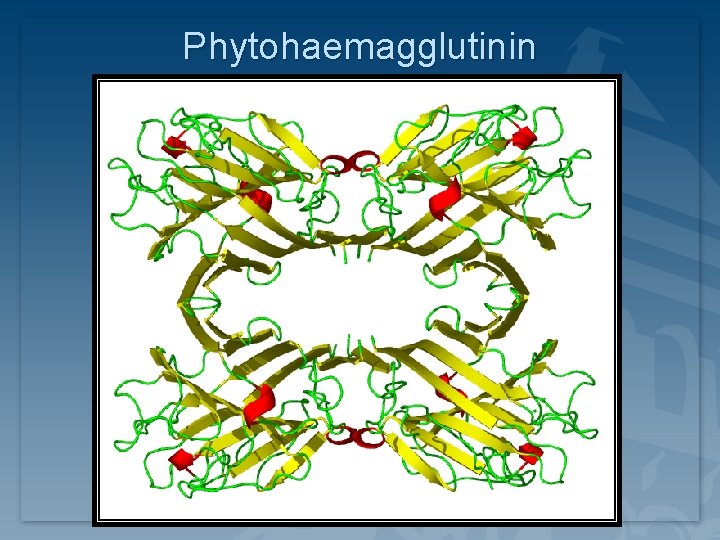
Phytohaemagglutinin
Levels of Protein Structure
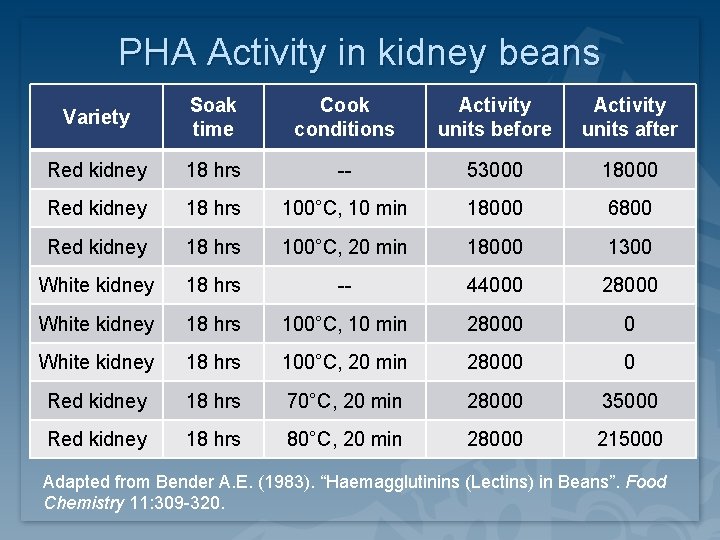
PHA Activity in kidney beans Variety Soak time Cook conditions Activity units before Activity units after Red kidney 18 hrs -- 53000 18000 Red kidney 18 hrs 100°C, 10 min 18000 6800 Red kidney 18 hrs 100°C, 20 min 18000 1300 White kidney 18 hrs -- 44000 28000 White kidney 18 hrs 100°C, 10 min 28000 0 White kidney 18 hrs 100°C, 20 min 28000 0 Red kidney 18 hrs 70°C, 20 min 28000 35000 Red kidney 18 hrs 80°C, 20 min 28000 215000 Adapted from Bender A. E. (1983). “Haemagglutinins (Lectins) in Beans”. Food Chemistry 11: 309 -320.
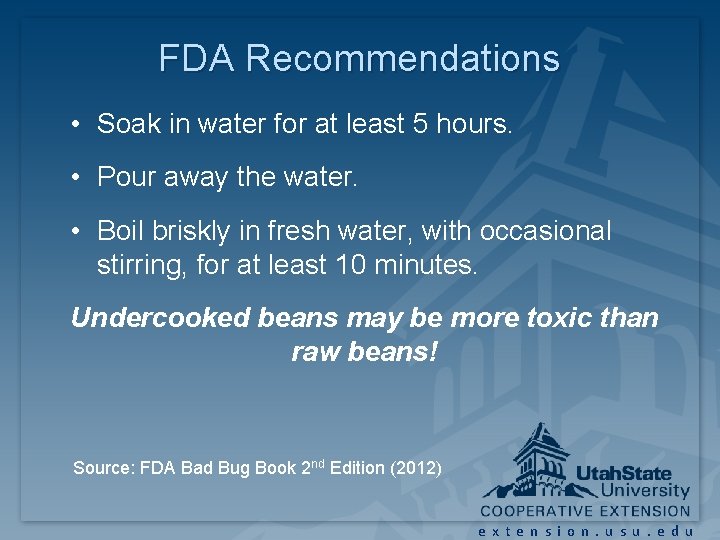
FDA Recommendations • Soak in water for at least 5 hours. • Pour away the water. • Boil briskly in fresh water, with occasional stirring, for at least 10 minutes. Undercooked beans may be more toxic than raw beans! Source: FDA Bad Bug Book 2 nd Edition (2012) extension. usu. edu
Fact or Fiction? Pre-packaged roasts are safe even if cooked rare. extension. usu. edu
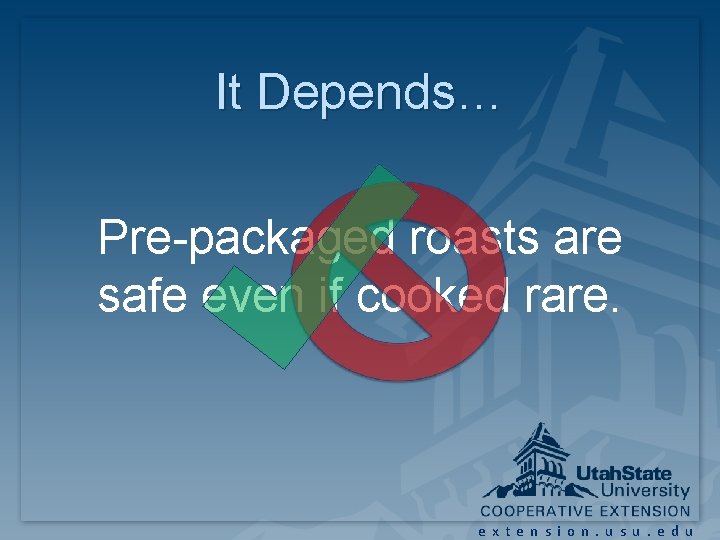
It Depends… Pre-packaged roasts are safe even if cooked rare. extension. usu. edu
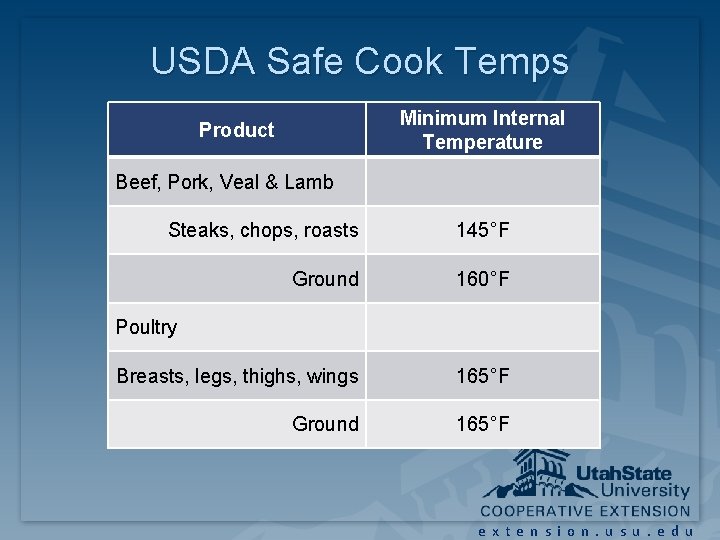
USDA Safe Cook Temps Minimum Internal Temperature Product Beef, Pork, Veal & Lamb Steaks, chops, roasts 145°F Ground 160°F Breasts, legs, thighs, wings 165°F Ground 165°F Poultry extension. usu. edu
Why is there a lower temperature for red meats? • Intact muscles are sterile (bacteria cannot penetrate into the muscle) • Meats become contaminated during harvest and processing • Any cut surface can contain bacteria • Ground meats, cube steaks • What about roasts? extension. usu. edu
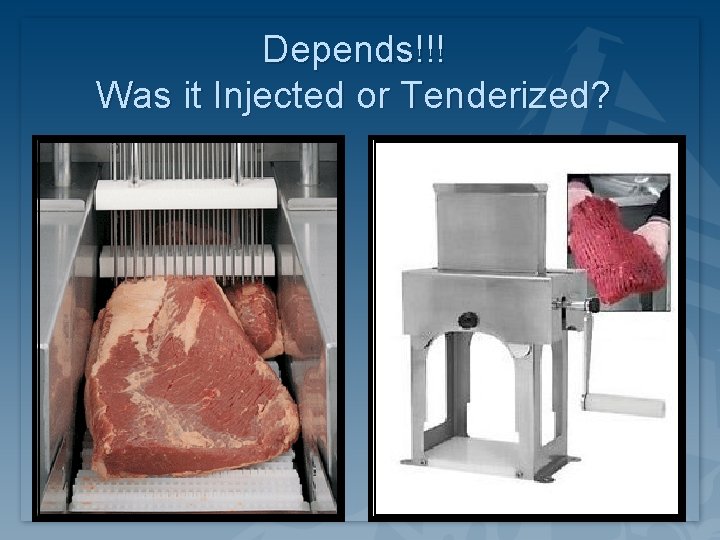
Depends!!! Was it Injected or Tenderized?
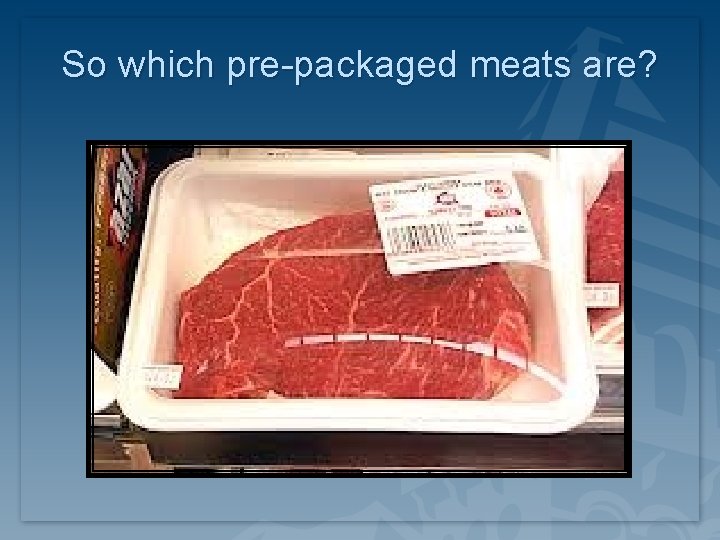
So which pre-packaged meats are?
How can I tell? • As of June 2013, USDA requires all mechanically tenderized or injected meats to be labeled • Must give cooking instructions, including a validated safe minimum internal temperature • Consumers should follow similar recommendations when injecting roasts at home extension. usu. edu
Questions or Comments? Thank You! extension. usu. edu