Flow Control Valves Series FC Purpose of a

- Slides: 19
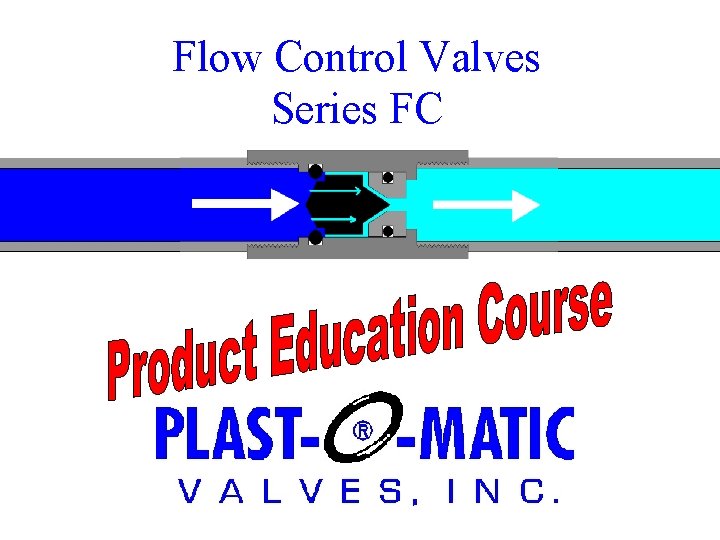
Flow Control Valves Series FC
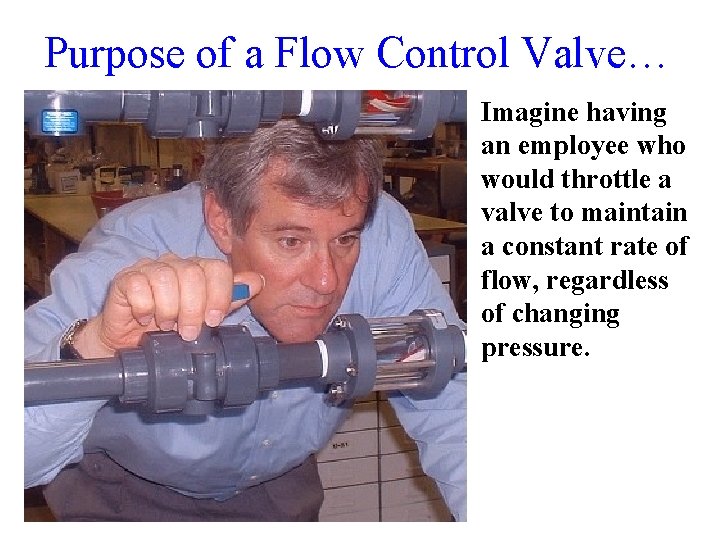
Purpose of a Flow Control Valve… Imagine having an employee who would throttle a valve to maintain a constant rate of flow, regardless of changing pressure.
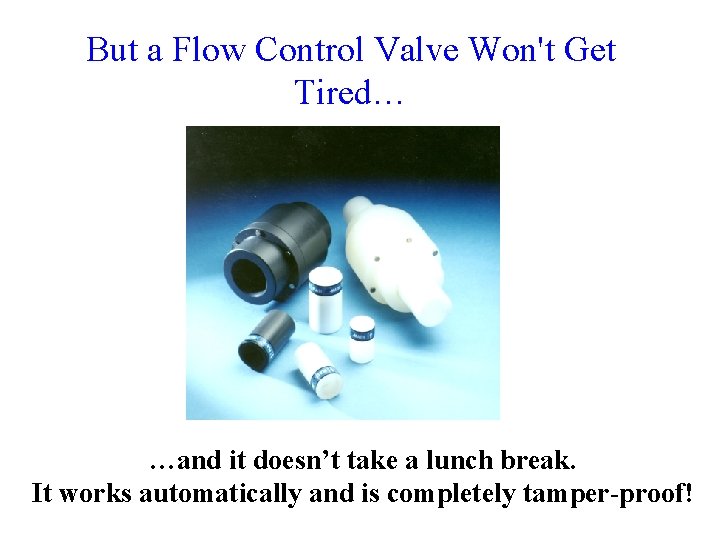
But a Flow Control Valve Won't Get Tired… …and it doesn’t take a lunch break. It works automatically and is completely tamper-proof!
Uses for a Series FC Flow Control Valve 1. To maintain a constant rate of flow in a range of ¼ GPM to 120 GPM (. 95 LPM to 454 LPM) with ± 10% accuracy. 2. Replace costly, exotic flow control valves. 3. Eliminate guesswork and labor-intensive manual flow controls such as throttling ball valves. 4. Prevent tampering of flow rate.
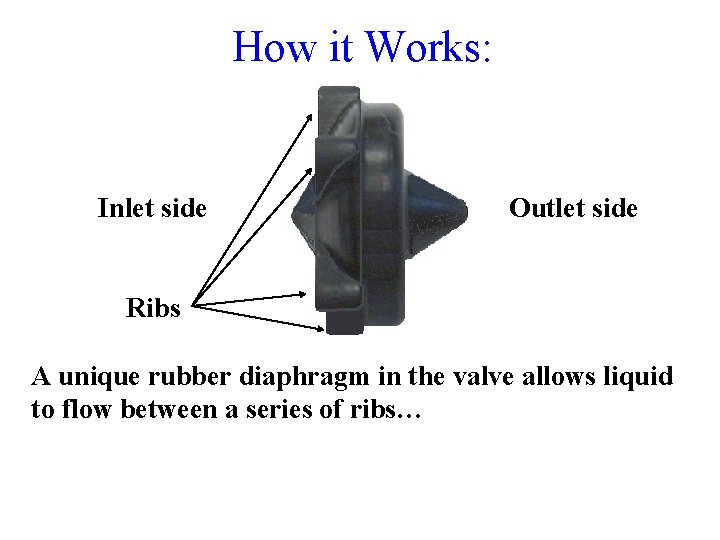
How it Works: Inlet side Outlet side Ribs A unique rubber diaphragm in the valve allows liquid to flow between a series of ribs…
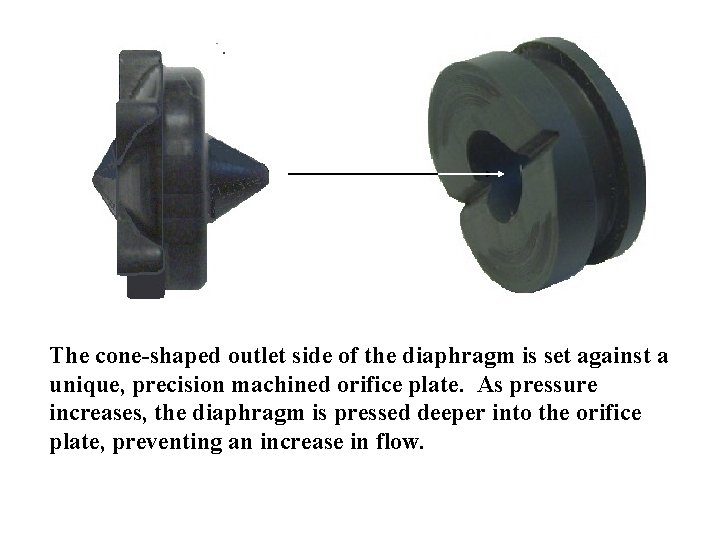
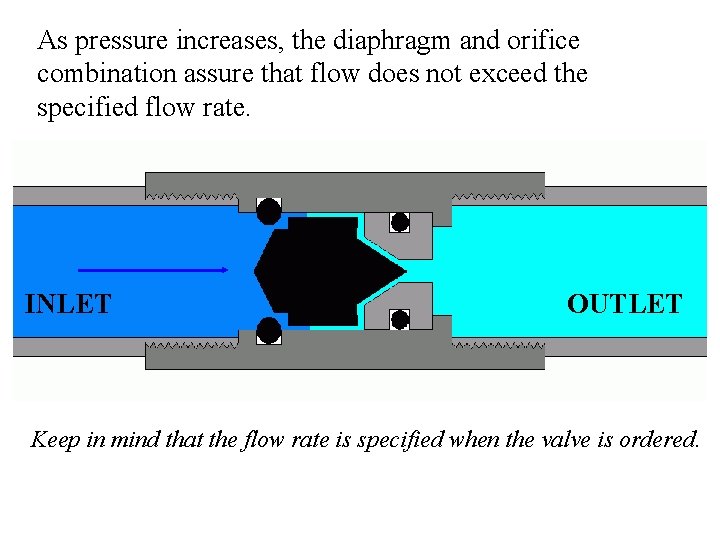
The cone-shaped outlet side of the diaphragm is set against a unique, precision machined orifice plate. As pressure increases, the diaphragm is pressed deeper into the orifice plate, preventing an increase in flow.
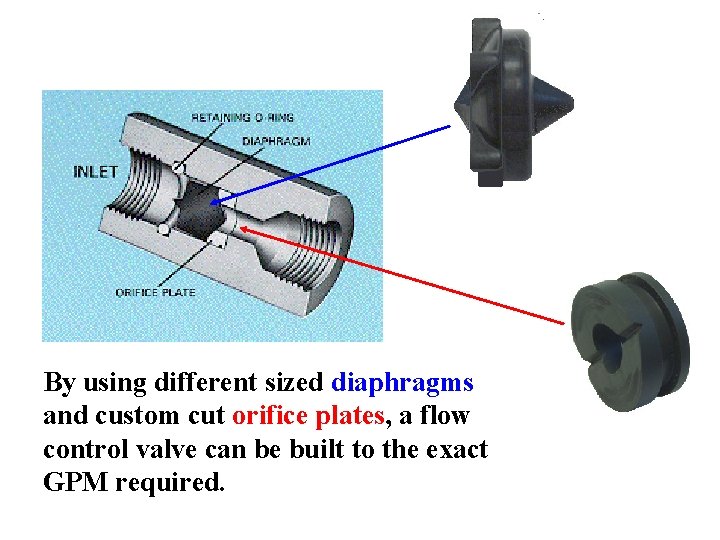
By using different sized diaphragms and custom cut orifice plates, a flow control valve can be built to the exact GPM required.
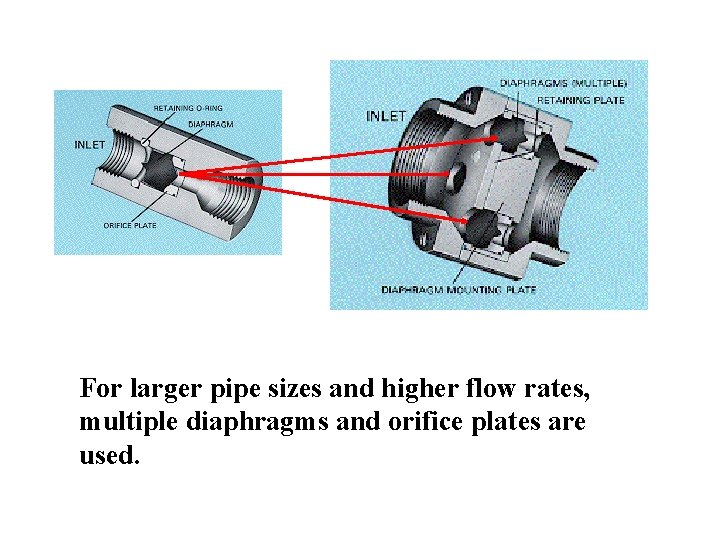
For larger pipe sizes and higher flow rates, multiple diaphragms and orifice plates are used.
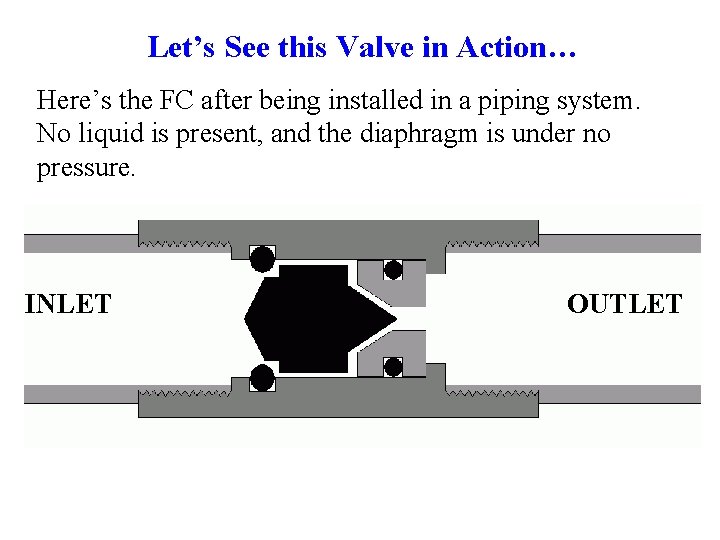
Let’s See this Valve in Action… Here’s the FC after being installed in a piping system. No liquid is present, and the diaphragm is under no pressure. INLET OUTLET
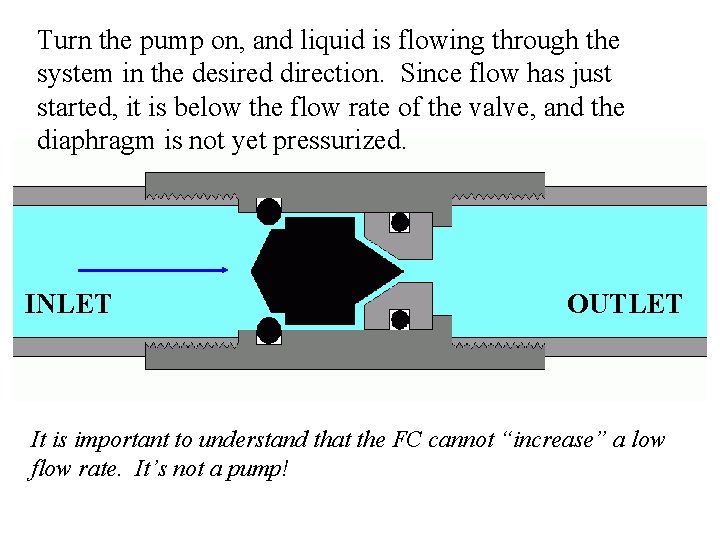
Turn the pump on, and liquid is flowing through the system in the desired direction. Since flow has just started, it is below the flow rate of the valve, and the diaphragm is not yet pressurized. INLET OUTLET It is important to understand that the FC cannot “increase” a low flow rate. It’s not a pump!
As pressure increases, the diaphragm and orifice combination assure that flow does not exceed the specified flow rate. INLET OUTLET Keep in mind that the flow rate is specified when the valve is ordered.
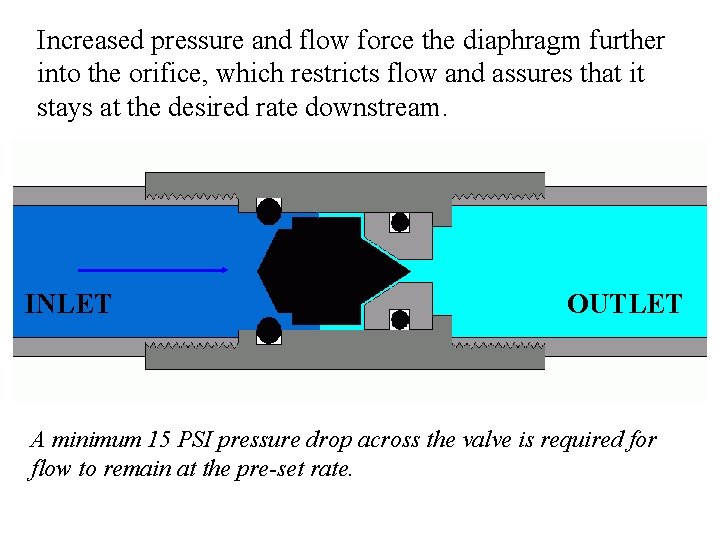
Increased pressure and flow force the diaphragm further into the orifice, which restricts flow and assures that it stays at the desired rate downstream. INLET OUTLET A minimum 15 PSI pressure drop across the valve is required for flow to remain at the pre-set rate.
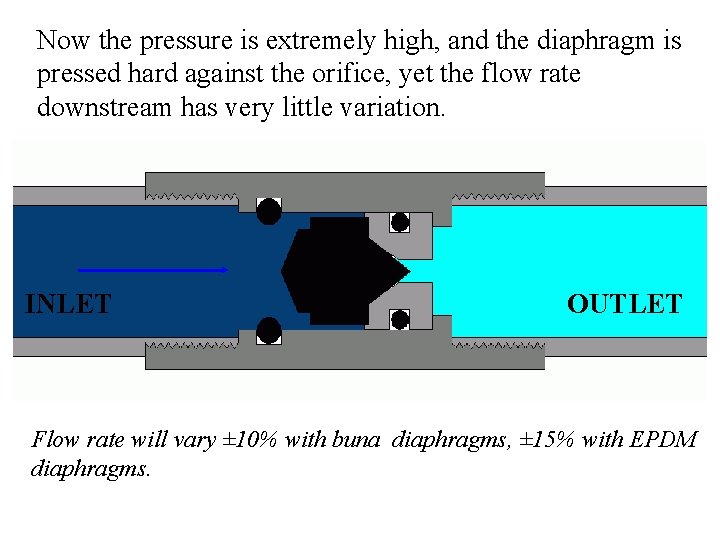
Now the pressure is extremely high, and the diaphragm is pressed hard against the orifice, yet the flow rate downstream has very little variation. INLET OUTLET Flow rate will vary ± 10% with buna diaphragms, ± 15% with EPDM diaphragms.
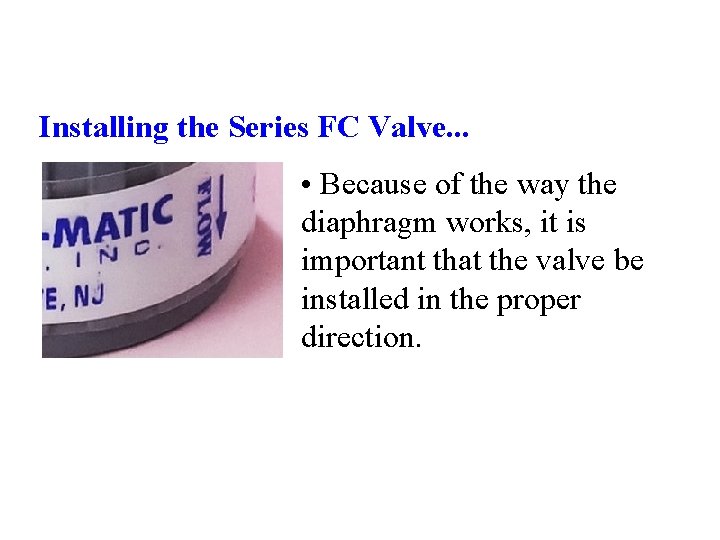
Installing the Series FC Valve. . . • Because of the way the diaphragm works, it is important that the valve be installed in the proper direction.
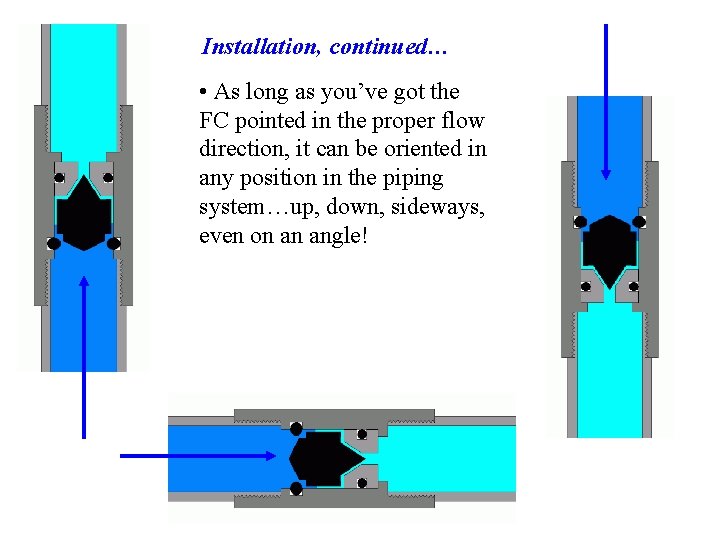
Installation, continued… • As long as you’ve got the FC pointed in the proper flow direction, it can be oriented in any position in the piping system…up, down, sideways, even on an angle!
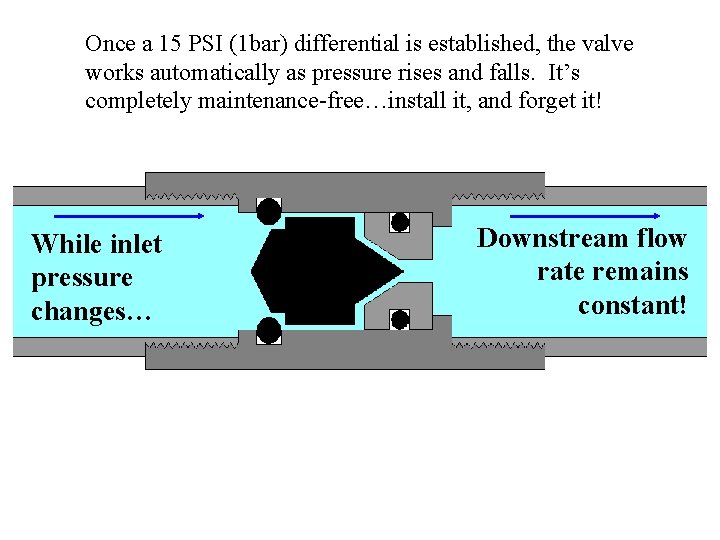
Once a 15 PSI (1 bar) differential is established, the valve works automatically as pressure rises and falls. It’s completely maintenance-free…install it, and forget it! While inlet pressure changes… Downstream flow rate remains constant!
But wait…there’s more! Plast-O-Matic Series Flow Control Valves offer… Purity & Corrosion Resistance — No metal parts to corrode or release impurities. Convenience — Threaded connections standard; also available with sockets, spigots, flare, flange, and custom connections. Great Selection — Series FC is offered in a variety of corrosionresistant thermoplastics: Geon® PVC, Kynar® PVDF, Natural Polypropylene, and PTFE. Key Sizes — ¼” through 3” pipe sizes.
And to review the key points… • Install it & Forget it: Tamper-proof valve maintains a constant, predetermined flow rate. • Automatic Operation: A diaphragm changes shape with inlet pressure changes, thus maintaining a constant flow rate. • Economical: Replace costly flow control valves, or unreliable manual throttling valves. • Specify the Flow Rate: From ¼ to 120 GPM • Minimum Pressure Drop: 15 PSI to achieve desired flow.
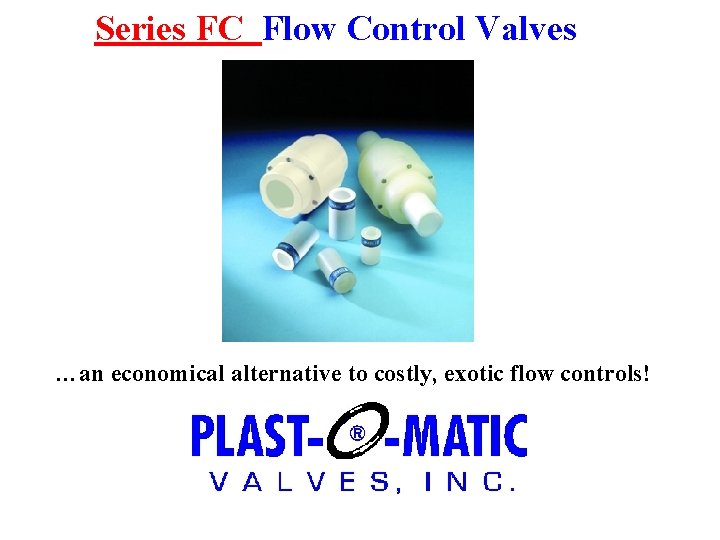
Series FC Flow Control Valves …an economical alternative to costly, exotic flow controls!