Erasmus Intensive Programme Cukurova University Adana Structure of
- Slides: 23
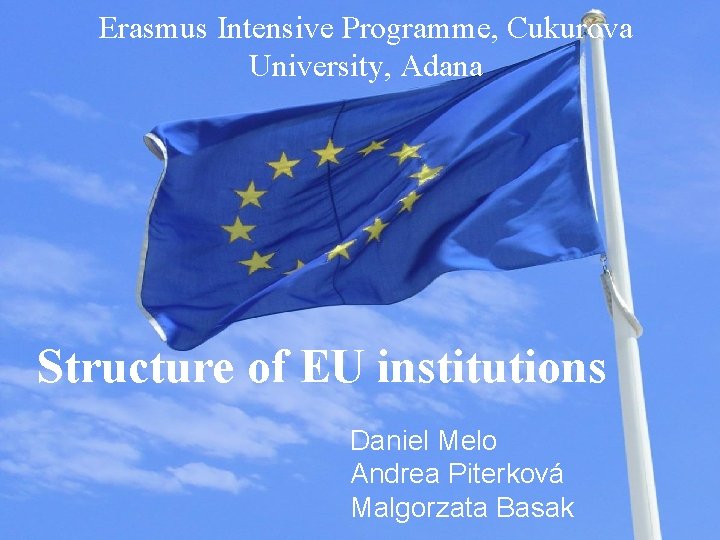
Erasmus Intensive Programme, Cukurova University, Adana Structure of EU institutions Daniel Melo Andrea Piterková Malgorzata Basak
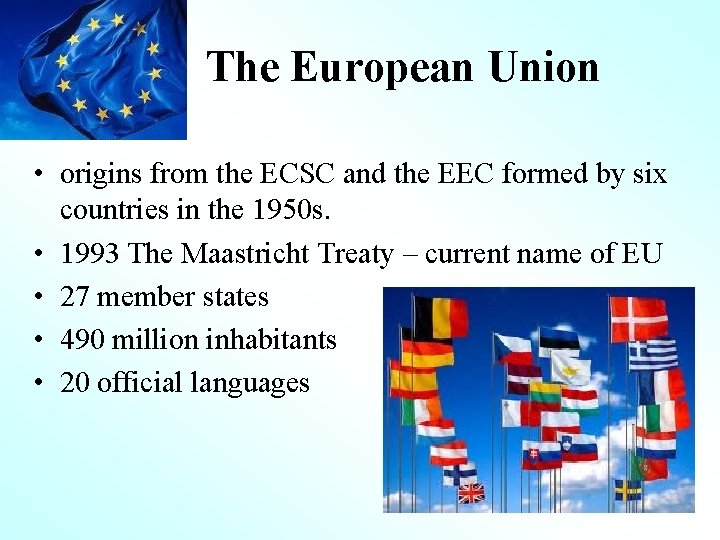
The European Union • origins from the ECSC and the EEC formed by six countries in the 1950 s. • 1993 The Maastricht Treaty – current name of EU • 27 member states • 490 million inhabitants • 20 official languages
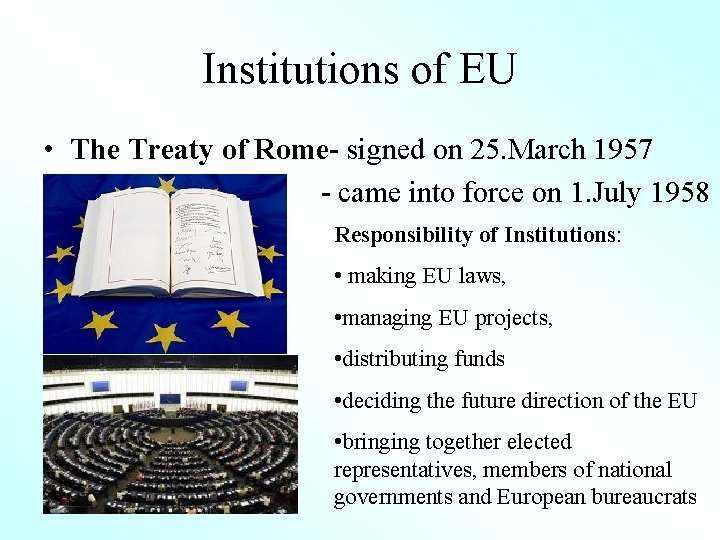
Institutions of EU • The Treaty of Rome- signed on 25. March 1957 - came into force on 1. July 1958 Responsibility of Institutions: • making EU laws, • managing EU projects, • distributing funds • deciding the future direction of the EU • bringing together elected representatives, members of national governments and European bureaucrats
Treaty established four main institutions: • the European Commission, • the European Parliament (EP), • the Council of the European Union, • The European Court of Justice.
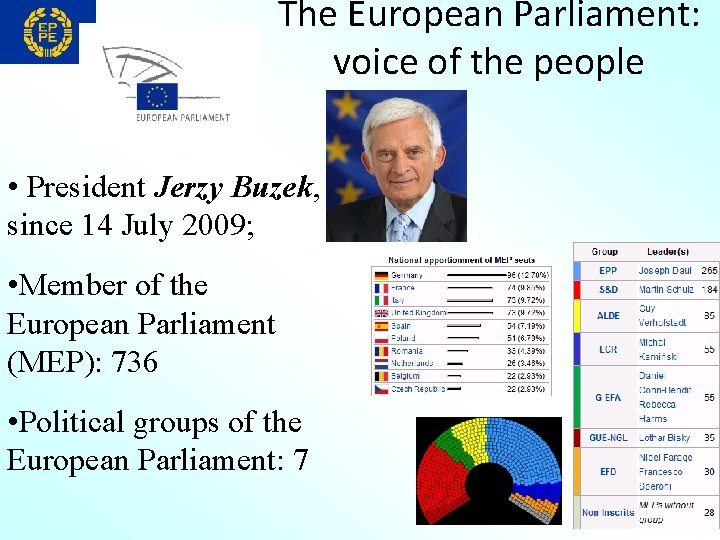
The European Parliament: voice of the people • President Jerzy Buzek, since 14 July 2009; • Member of the European Parliament (MEP): 736 • Political groups of the European Parliament: 7
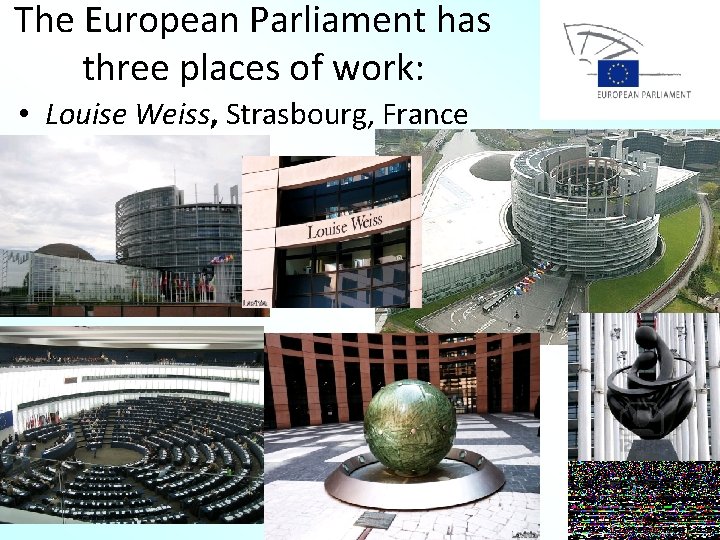
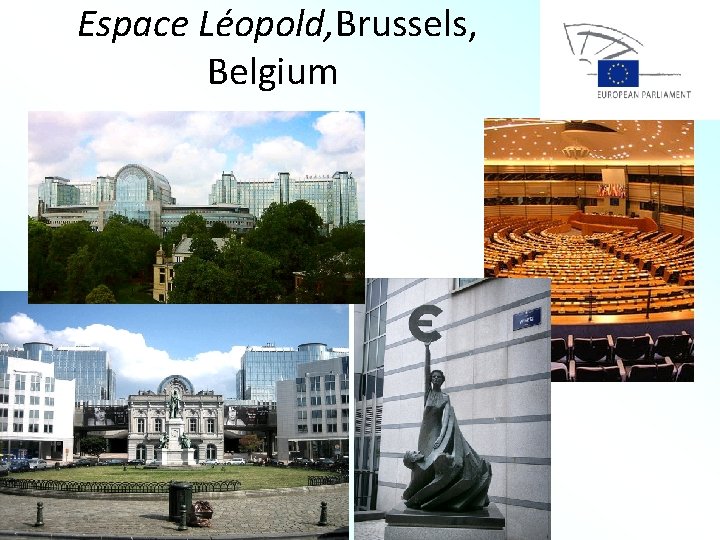
The European Parliament has three places of work: • Louise Weiss, Strasbourg, France
Espace Léopold, Brussels, Belgium
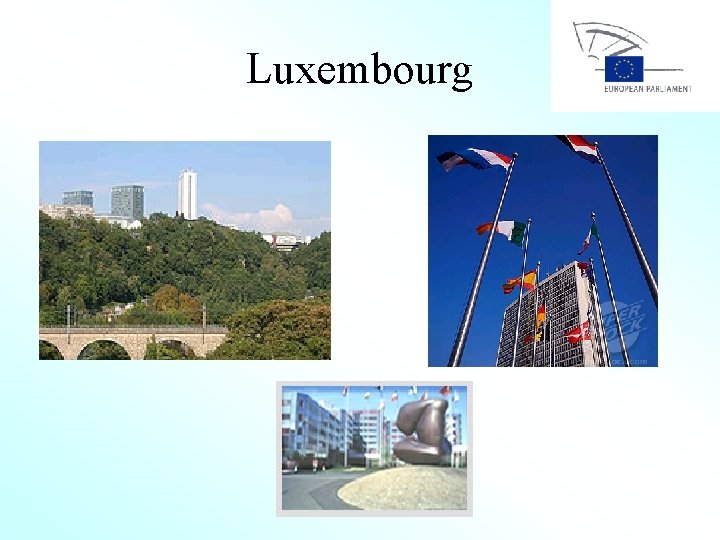
Luxembourg
Parliament has three main roles: • passing European laws, • democratic supervision, • the power of the purse.
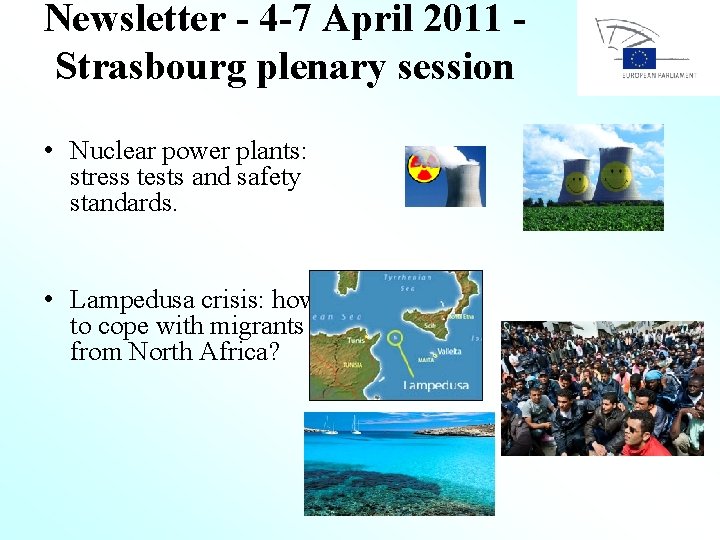
Newsletter - 4 -7 April 2011 Strasbourg plenary session • Nuclear power plants: stress tests and safety standards. • Lampedusa crisis: how to cope with migrants from North Africa?
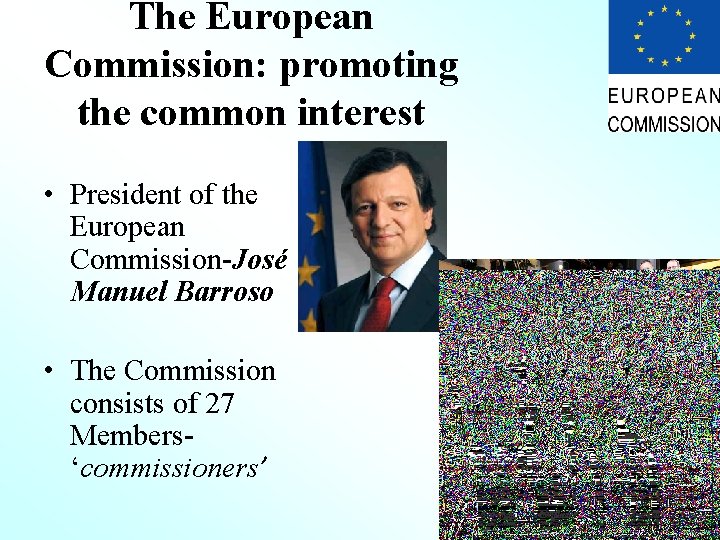
The European Commission: promoting the common interest • President of the European Commission-José Manuel Barroso • The Commission consists of 27 Members- ‘commissioners’
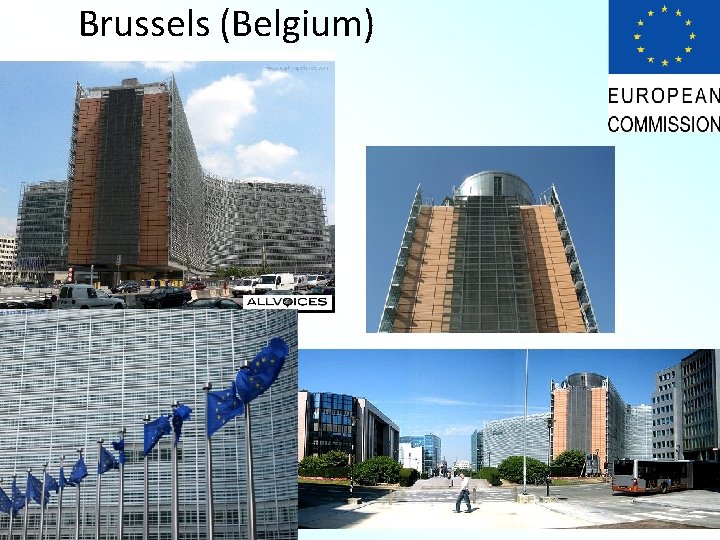
Brussels (Belgium)
The European Commission has four main roles: 1. to propose legislation to Parliament and the Council; 2. to manage and implement EU policies and the budget; 3. to enforce European law; 4. to represent the European Union on the international stage.
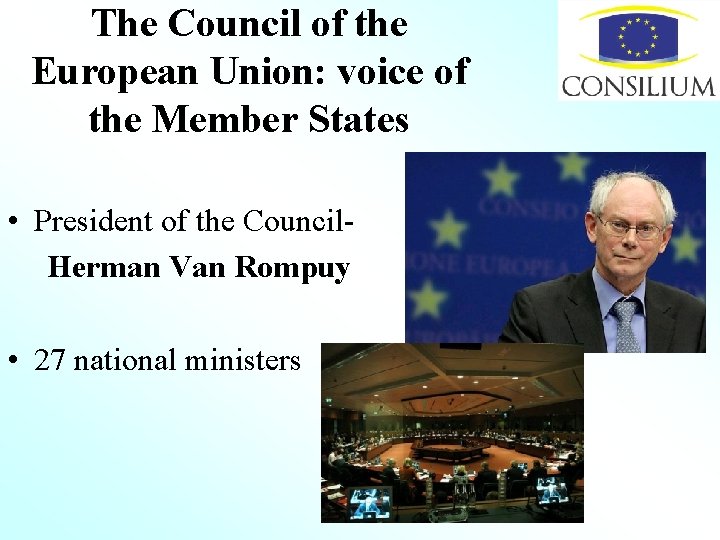
The Council of the European Union: voice of the Member States • President of the Council- Herman Van Rompuy • 27 national ministers
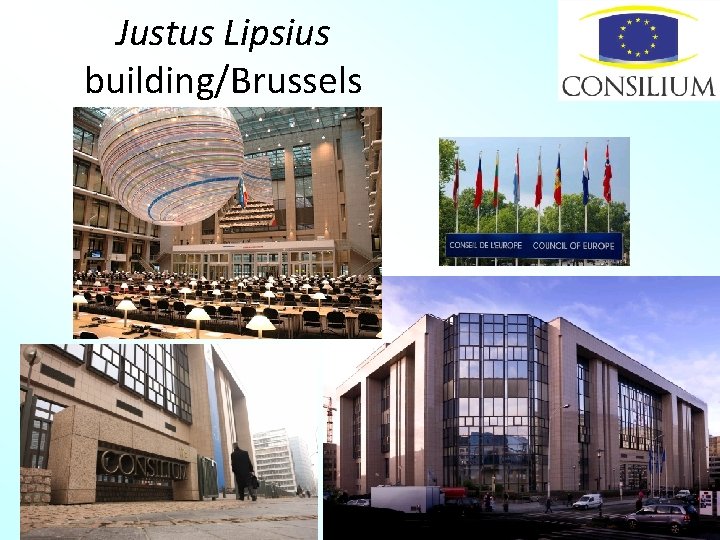
Justus Lipsius building/Brussels
The Council has six key responsibilities: 1. to pass European laws; 2. to coordinate the broad economic and social policies of the member states; 3. to conclude international agreements between the EU and other countries or international organisations; 4. to approve the EU’s budget; 5. to develop the EU’s common foreign and security policy; 6. to coordinate cooperation between the national courts and police forces in criminal matters.
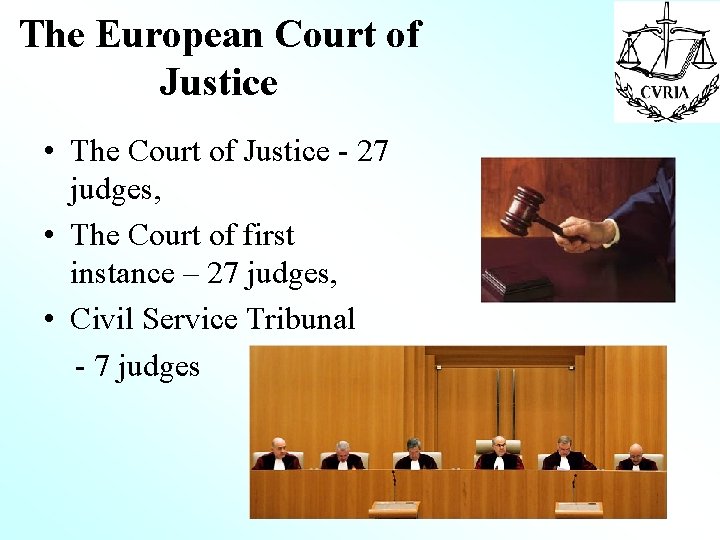
The European Court of Justice • The Court of Justice - 27 judges, • The Court of first instance – 27 judges, • Civil Service Tribunal - 7 judges
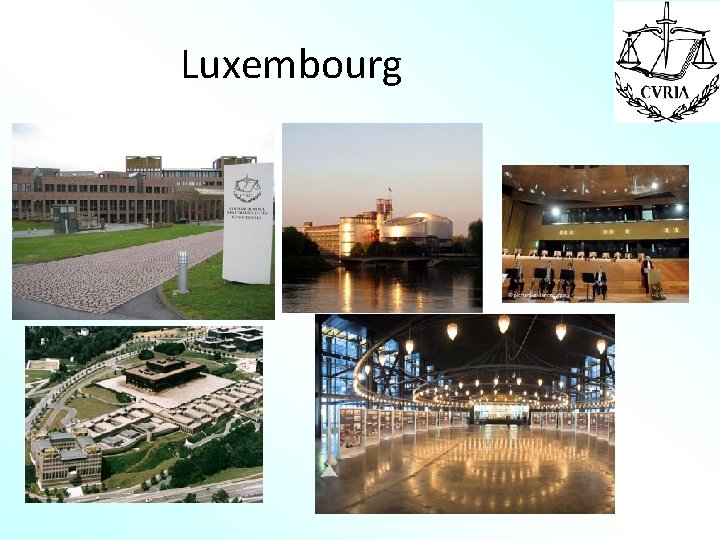
Luxembourg
Functions of The Court of Justice: • the law is equal for everyone, • doing what the law requires, • to settle legal disputes between EU member states, EU institutions, businesses and individuals.
The five most common types of case are: • references for a preliminary ruling, • actions for failure to fulfil an obligation, • actions for annulment, • actions for failure to act, • actions for damages.
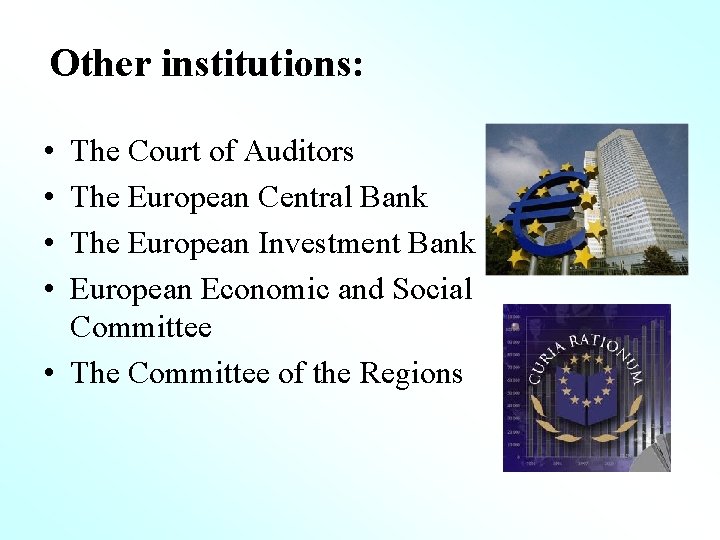
Other institutions: • • The Court of Auditors The European Central Bank The European Investment Bank European Economic and Social Committee • The Committee of the Regions
References http: //www. europa. eu http: //www. european-council. europa. eu http: //www. europarl. europa. eu http: //consilium. europa. eu http: //ec. europa. eu http: //curia. europa. eu http: //eca. europa. eu http: //assets. cambridge. org/97805218/81449/excerpt/9780521881449_e xcerpt. pdf • http: //www. sante. public. lu/publications/sante-fil-vie/senior/introductioninstitutions-europeennes-personnes-agees/introduction-institutionseuropeennes-personnes-agees • http: //aei. pitt. edu/7929/1/kaeding-m-09 g. pdf • Bielik P. 2010. Economics, social policies and citizenship in the Europe of regions. Slovak University in Nitra • •
THANK YOU FOR YOUR ATTENTION