
Embracing Risk as a Space for Learning Studentstaff
Embracing Risk as a Space for Learning: Student-staff Partnership Dr Tiffany Chiua, Dr Deesha Chadhab, Ms Marsha Marajb a Centre for Higher Education Research and Scholarship, b Department of Chemical Engineering Education Day Thursday 9 th May 2019
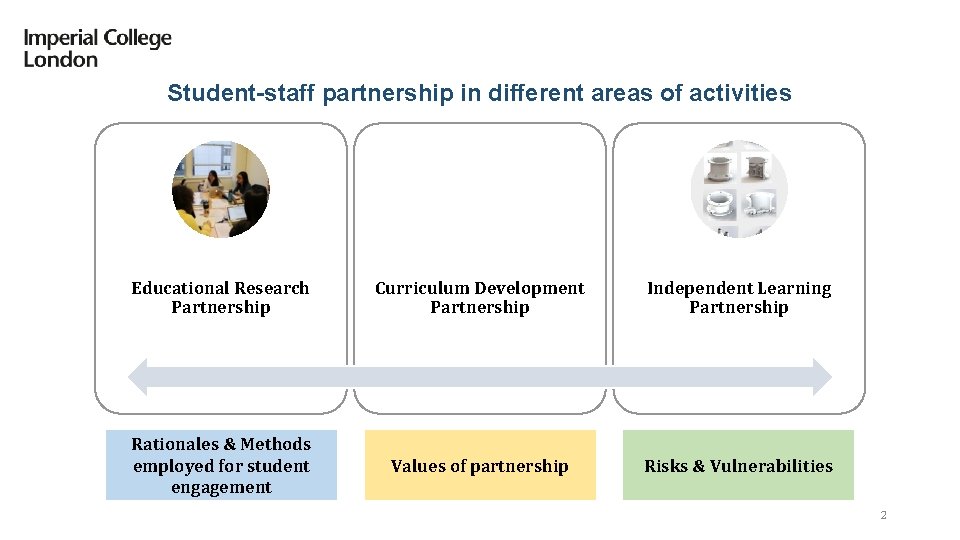
Student-staff partnership in different areas of activities Educational Research Partnership Curriculum Development Partnership Independent Learning Partnership Rationales & Methods employed for student engagement Values of partnership Risks & Vulnerabilities 2
Educational Research Partnership (Focus and rationale) Project Team Dr Tiffany Chiu (Project Lead) Dr Magda Charalambous (Co-investigator) Dana Chow (Student research partner) Nadia Gjerdingen (Student research partner) Shiyao Ke (Student research partner) Maja Wojtynska (Student research partner) • Educational research project: explores views and expectations of what it means to be a university student (idealstudent. org) • Challenges of the transition from school to university; expectations of university students are not always made transparent • Enhancement of scholarship and interdisciplinary skills through a research partnership with students 3
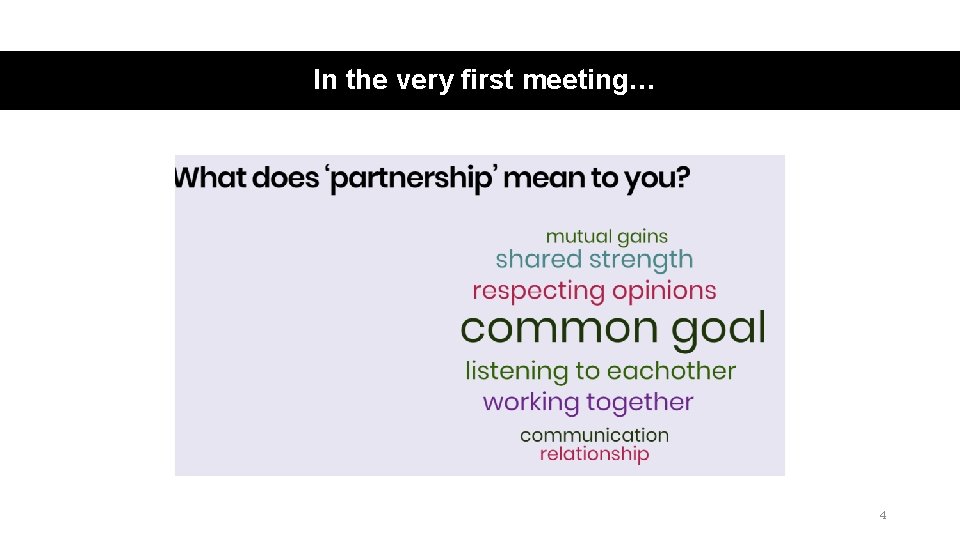
In the very first meeting… 4
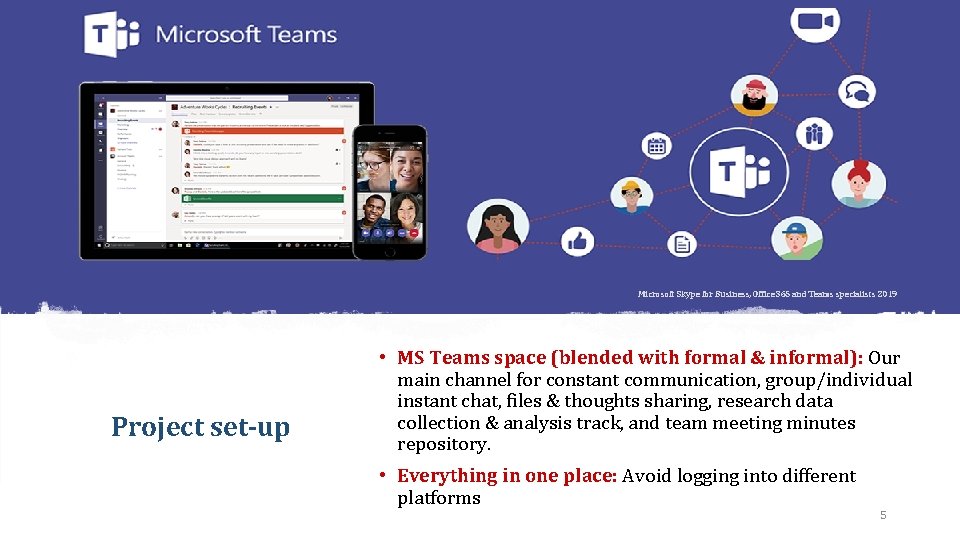
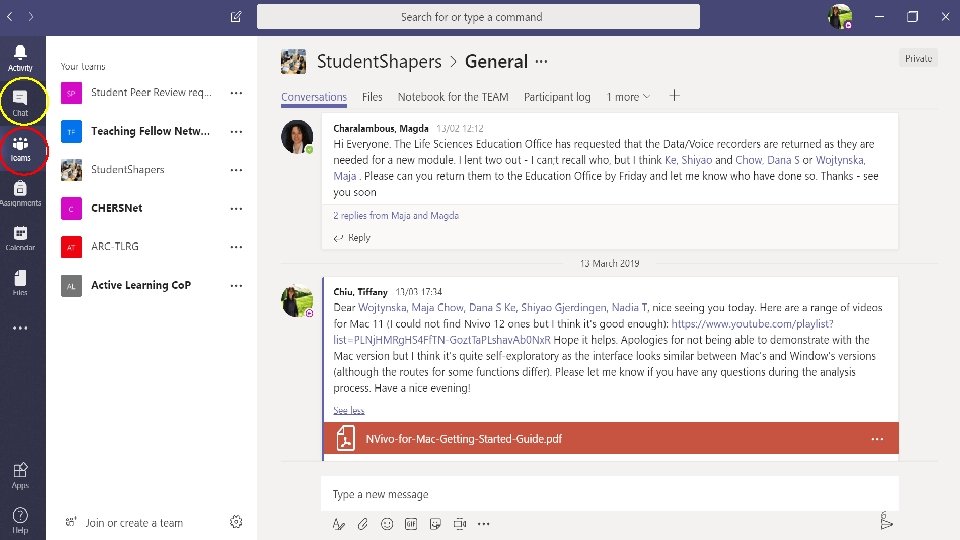
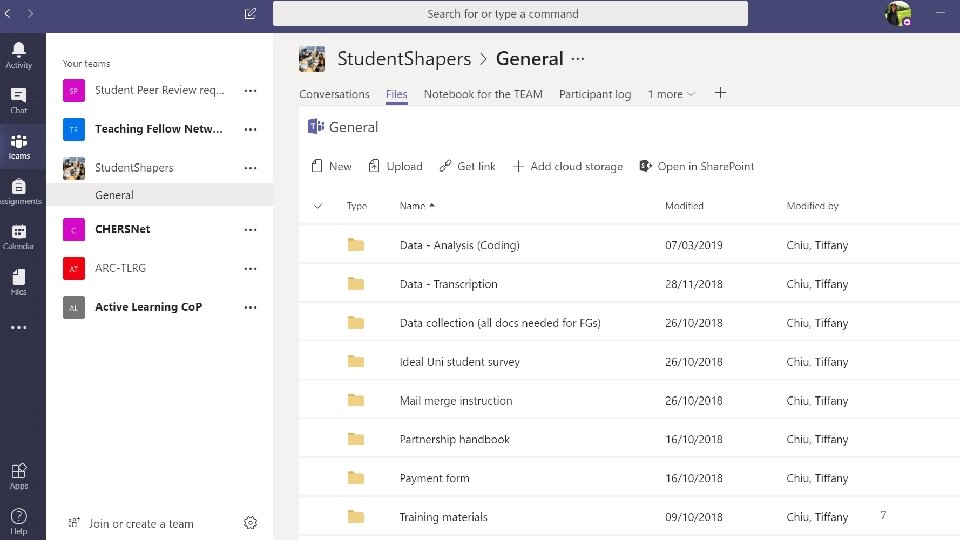
Microsoft Skype for Business, Office 365 and Teams specialists 2019 Project set-up • MS Teams space (blended with formal & informal): Our main channel for constant communication, group/individual instant chat, files & thoughts sharing, research data collection & analysis track, and team meeting minutes repository. • Everything in one place: Avoid logging into different platforms 5
6
7
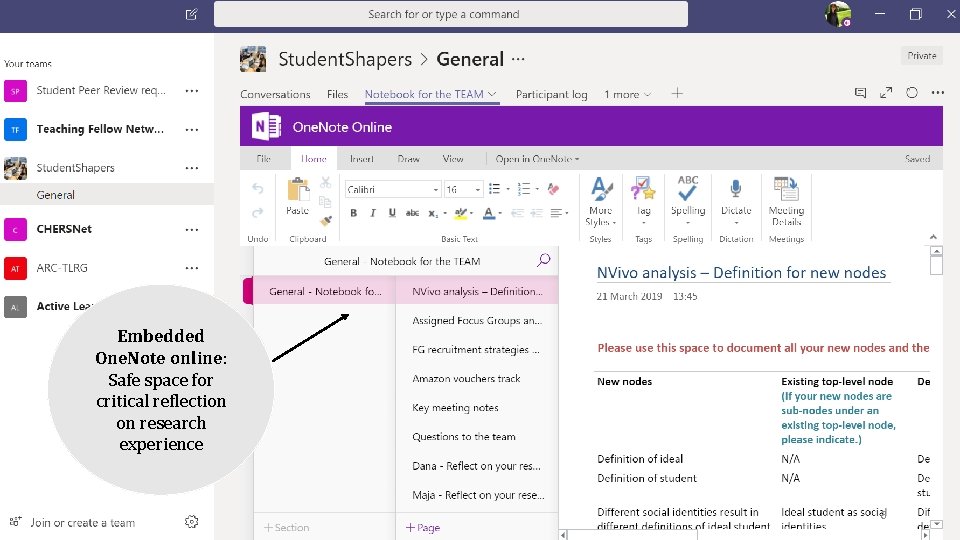
Embedded One. Note online: Safe space for critical reflection on research experience 8
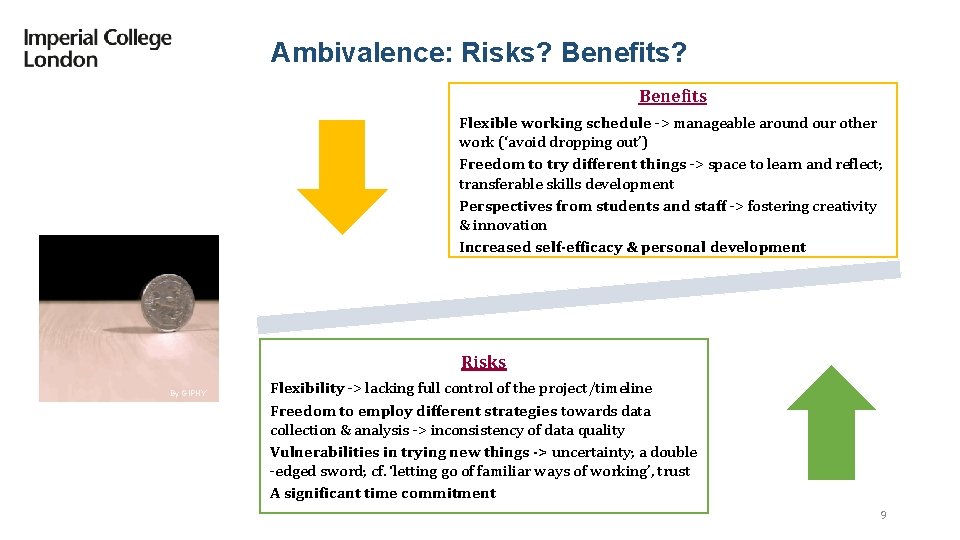
Ambivalence: Risks? Benefits Flexible working schedule -> manageable around our other work (‘avoid dropping out’) Freedom to try different things -> space to learn and reflect; transferable skills development Perspectives from students and staff -> fostering creativity & innovation Increased self-efficacy & personal development Risks By GIPHY Flexibility -> lacking full control of the project/timeline Freedom to employ different strategies towards data collection & analysis -> inconsistency of data quality Vulnerabilities in trying new things -> uncertainty; a double -edged sword; cf. ‘letting go of familiar ways of working’, trust A significant time commitment 9
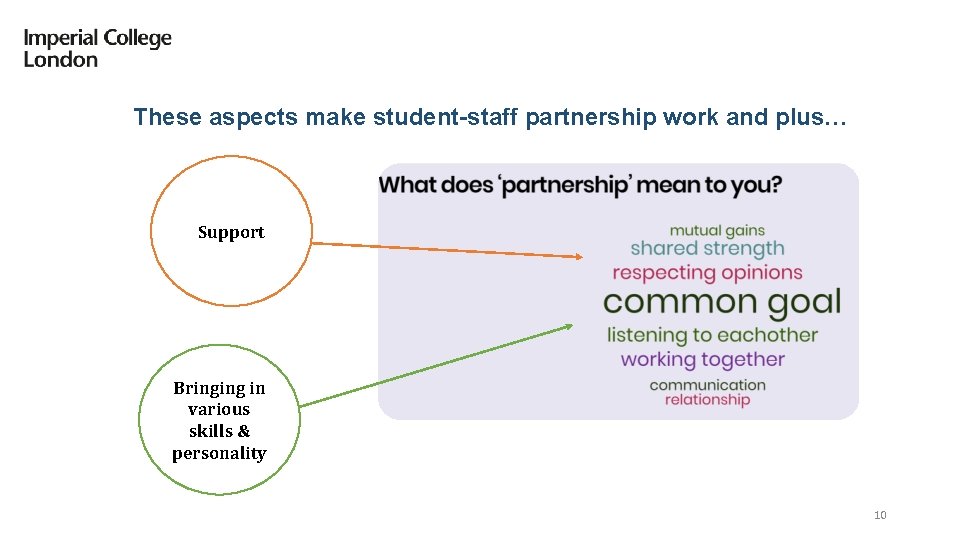
These aspects make student-staff partnership work and plus… Support Bringing in various skills & personality 10
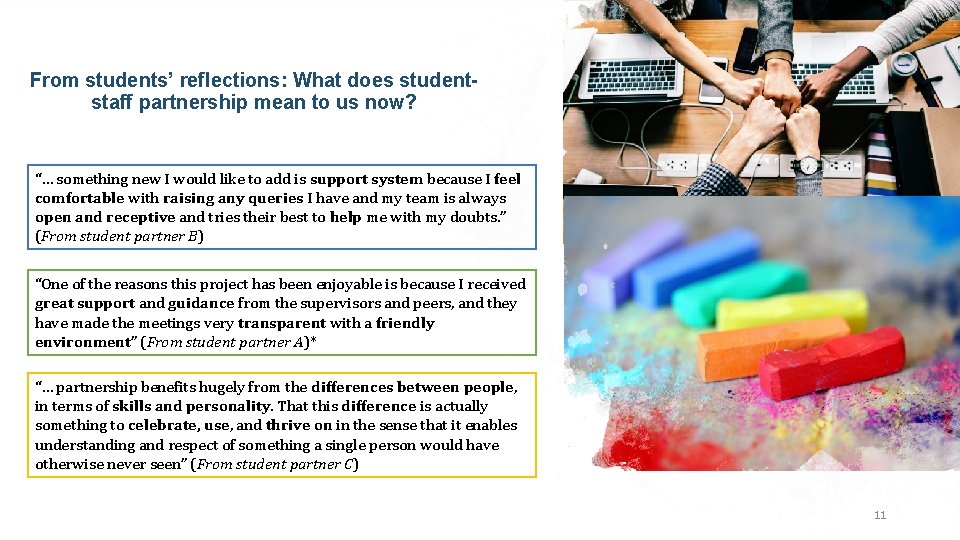
From students’ reflections: What does studentstaff partnership mean to us now? “… something new I would like to add is support system because I feel comfortable with raising any queries I have and my team is always open and receptive and tries their best to help me with my doubts. ” (From student partner B) “One of the reasons this project has been enjoyable is because I received great support and guidance from the supervisors and peers, and they have made the meetings very transparent with a friendly environment” (From student partner A)* “… partnership benefits hugely from the differences between people, in terms of skills and personality. That this difference is actually something to celebrate, use, and thrive on in the sense that it enables understanding and respect of something a single person would have otherwise never seen” (From student partner C) 11
Fostering an inclusive learning environment “I felt like there was a very clear end goal… that the path to achieving that goal had a structured overarching framework… but asked about our ideas and opinions and made decisions as a group on how to move forward. These decisions were also adjusted as we all learned things through our early experiences. I think the flexibility to do this, and the respect that was shown for all our ideas is amazing” (Reflection from student partner D)* Ellevate Network 2017 12
Curriculum Development Partnership (Example of a negotiated project) As part of the curriculum review and redesign process, attempts are being made to introduce interactive pedagogies into the classroom: • 1 st year chemistry module in chemical engineering • Emphasis on conceptual learning o concept mapping, crossword puzzles, gaming app, Mentimeter • Action research aimed at further development of an interactive teaching-learning environment 13
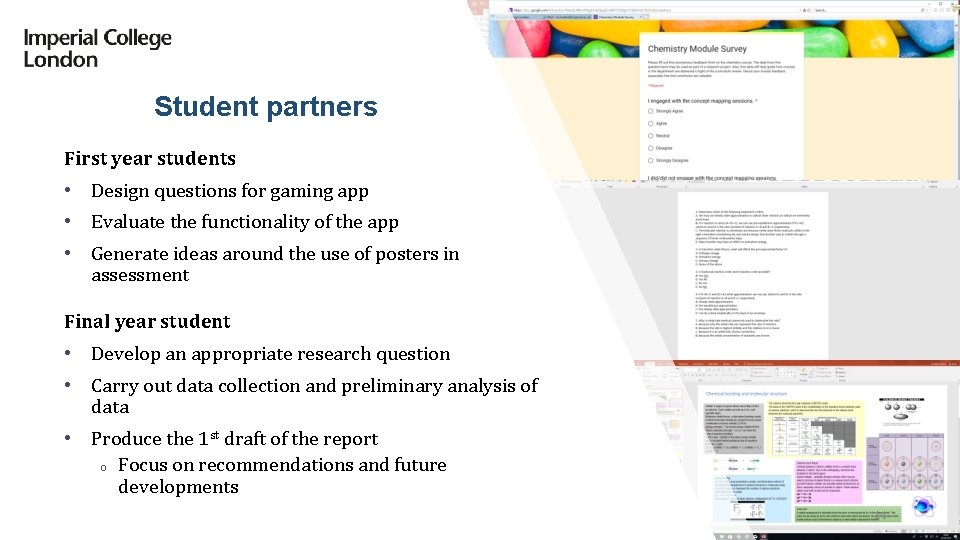
Student partners First year students • Design questions for gaming app • Evaluate the functionality of the app • Generate ideas around the use of posters in assessment Final year student • Develop an appropriate research question • Carry out data collection and preliminary analysis of data • Produce the 1 st draft of the report o Focus on recommendations and future developments 14
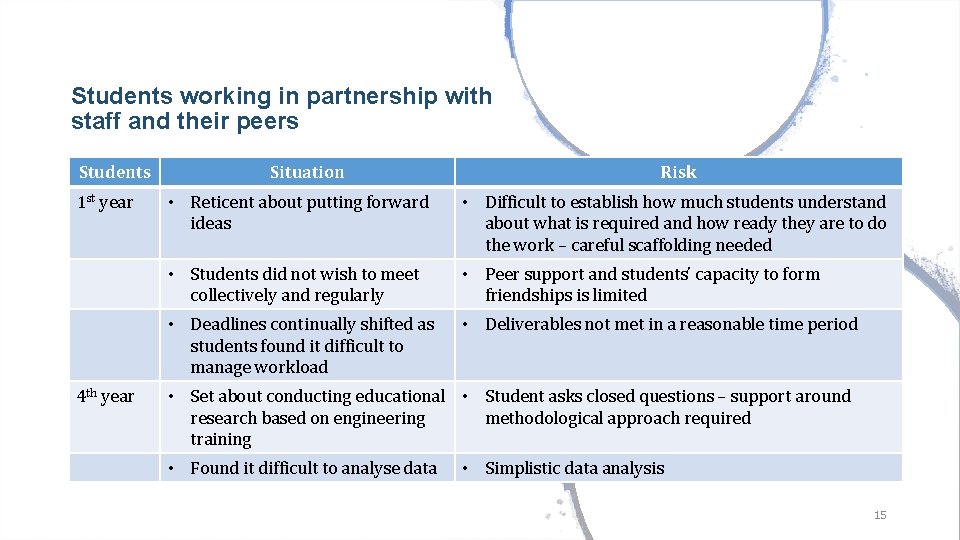
Students working in partnership with staff and their peers Students 1 st year 4 th year Situation Risk • Reticent about putting forward ideas • Difficult to establish how much students understand about what is required and how ready they are to do the work – careful scaffolding needed • Students did not wish to meet collectively and regularly • Peer support and students’ capacity to form friendships is limited • Deadlines continually shifted as students found it difficult to manage workload • Deliverables not met in a reasonable time period • Set about conducting educational • Student asks closed questions – support around research based on engineering methodological approach required training • Found it difficult to analyse data • Simplistic data analysis 15
Independent Learning Partnership Student-initiated partnerships vs. staff-initiated partnerships • Partnerships: as a means of continuing and supporting independent learning o Guided independent learning (GIL): § o involvement of others to shape the learning situation (e. g. individual study, homework, problem sheets) Unguided independent learning (UIL): § learning situations where the learner pursues knowledge without direct or implicit instruction (Cukurova et al. , 2018) § personal projects that are aligned with the curriculum but are not rooted in their assessment 16
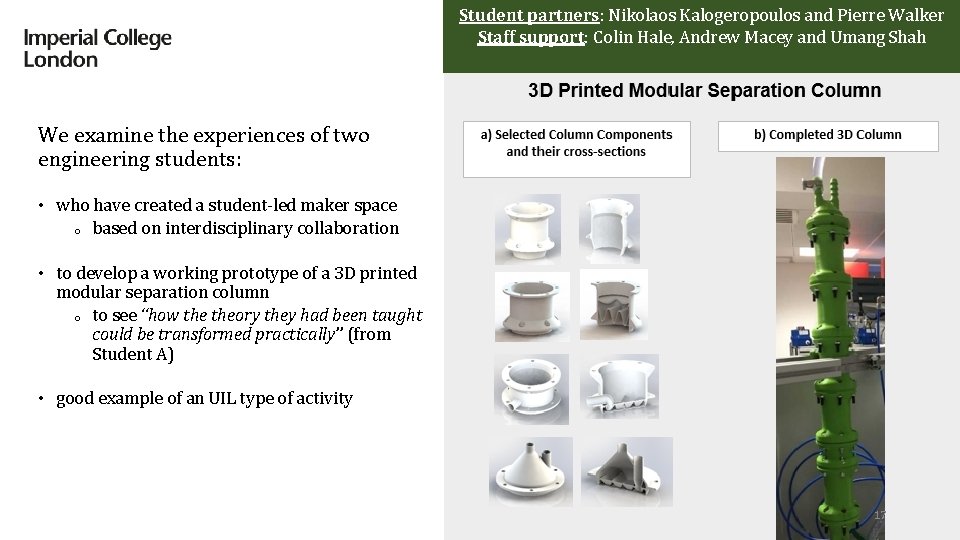
Student partners: Nikolaos Kalogeropoulos and Pierre Walker Staff support: Colin Hale, Andrew Macey and Umang Shah We examine the experiences of two engineering students: • who have created a student-led maker space o based on interdisciplinary collaboration • to develop a working prototype of a 3 D printed modular separation column o to see “how theory they had been taught could be transformed practically” (from Student A) • good example of an UIL type of activity 17
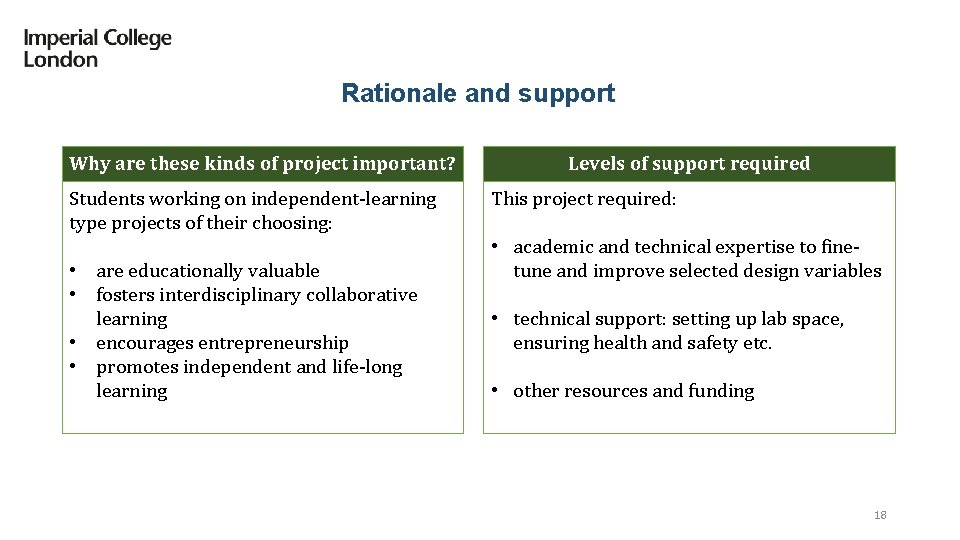
Rationale and support Why are these kinds of project important? Students working on independent-learning type projects of their choosing: • are educationally valuable • fosters interdisciplinary collaborative learning • encourages entrepreneurship • promotes independent and life-long learning Levels of support required This project required: • academic and technical expertise to finetune and improve selected design variables • technical support: setting up lab space, ensuring health and safety etc. • other resources and funding 18
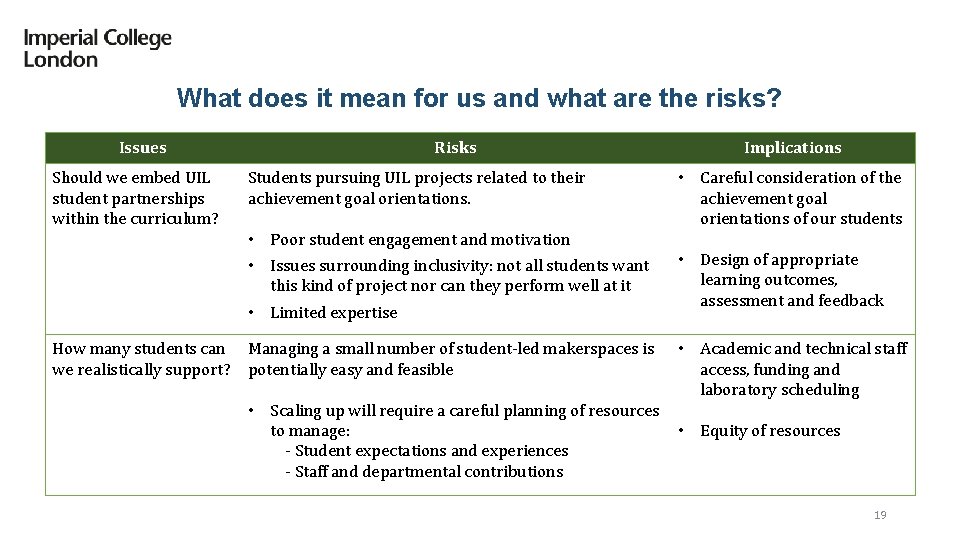
What does it mean for us and what are the risks? Issues Should we embed UIL student partnerships within the curriculum? Risks Students pursuing UIL projects related to their achievement goal orientations. Implications • Careful consideration of the achievement goal orientations of our students • Poor student engagement and motivation • Issues surrounding inclusivity: not all students want this kind of project nor can they perform well at it • Limited expertise How many students can Managing a small number of student-led makerspaces is we realistically support? potentially easy and feasible • Design of appropriate learning outcomes, assessment and feedback • Academic and technical staff access, funding and laboratory scheduling • Scaling up will require a careful planning of resources to manage: • Equity of resources - Student expectations and experiences - Staff and departmental contributions 19
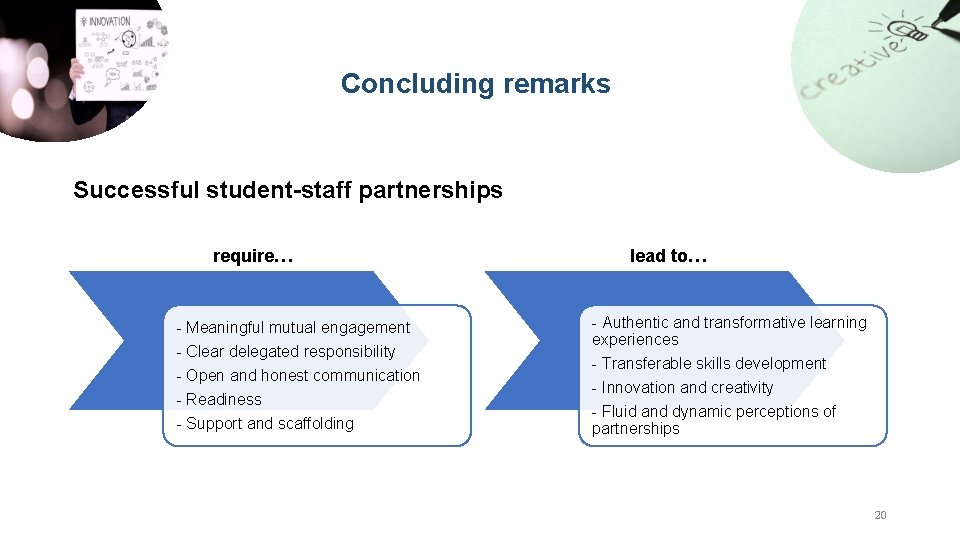
Concluding remarks Successful student-staff partnerships require… - Meaningful mutual engagement - Clear delegated responsibility - Open and honest communication - Readiness - Support and scaffolding lead to… - Authentic and transformative learning experiences - Transferable skills development - Innovation and creativity - Fluid and dynamic perceptions of partnerships 20
Risk as a space for learning and innovation. No risk, no gain. 21
References • Bovill, C. , Cook-Sather, A. , Felten, P. , Millard, L. and Moore-Cherry, N. , 2016. Addressing potential challenges in co-creating learning and teaching: Overcoming resistance, navigating institutional norms and ensuring inclusivity in student–staff partnerships. Higher Education, 71(2), pp. 195 -208. • Cook-Sather, A. , Bovill, C. , and Felten, P. , 2014. Engaging students as partners in learning and teaching: A guide for faculty. San Francisco: Jossey-Bass. • Cukurova, M. , Bennett, J. and Abrahams, I. , 2018. Students’ knowledge acquisition and ability to apply knowledge into different science contexts in two different independent learning settings. Research in Science & Technological Education, 36(1), pp. 17 -34. • Hancock, J. and Lubicz-Nawrocka, T. , 2018. Creating Spaces: Embracing Risk and Partnership in Higher Education. Teaching and Learning Together in Higher Education, 1(24), https: //repository. brynmawr. edu/tlthe/vol 1/iss 24/5 • Healey, M. , Flint, A. , and Harrington, K. , 2014. Engagement through partnership: students as partners in learning and teaching in higher education. York, UK: The Higher Education Academy. • Healey, M. , Flint, A. , and Harrington, K. , 2016. Students as partners: Reflections on a conceptual model. Teaching and Learning Inquiry, 4(2). http: //dx. doi. org/10. 20343/teachlearninqu. 4. 2. 3 • Marquis, E. , Guitman, R. , Black, C. , Healey, M. , Matthews, K. E. and Dvorakova, L. S. , 2019. Growing partnership communities: What experiences of an international institute suggest about developing student-staff partnership in higher education. Innovations in Education and Teaching International, 56(2), pp. 184 -194. 22
Any questions? Dr Tiffany Chiu t. chiu@imperial. ac. uk Dr Deesha Chadha d. chadha@imperial. ac. uk Ms Marsha Maraj m. maraj@imperial. ac. uk 23
- Slides: 23