Earth Science Group Challenge 1 2 3 4
- Slides: 38
Earth Science Group Challenge! 1. 2. 3. 4. 5. 6. 7. 8. 9. 10. What layer of the atmosphere contains the ozone layer? Name the weather scale that shows the different wind speeds. List the three greenhouse gases. Why does air have pressure? Name the instrument used to measure air pressure. What happens to air pressure as altitude increases? What is the BASIS for the division of atmosphere layers? What layer does weather occur in? Name the two sections within the Thermosphere. What gas(es) make up high pressure weather systems?
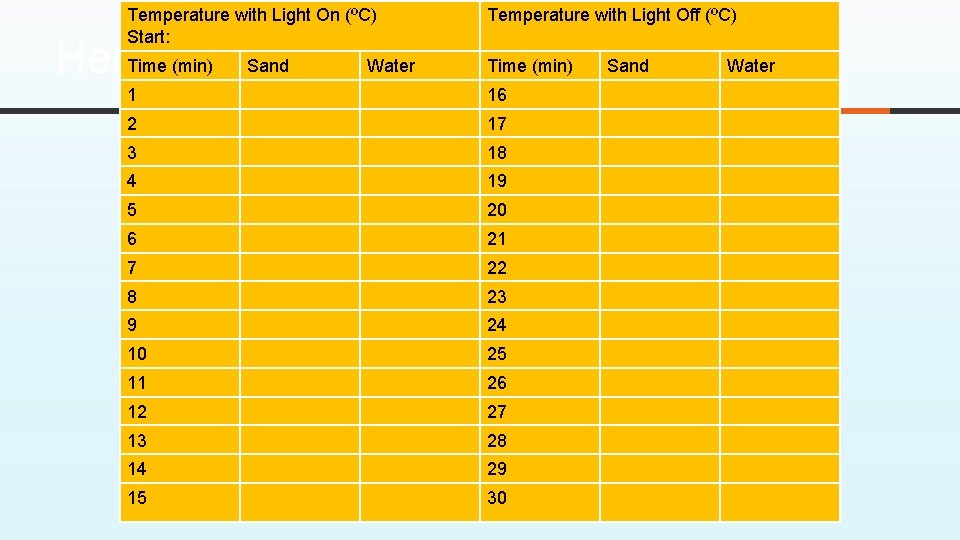
#9: Heating Differences Lab ¥ Hypothesis #1: Which do you think will heat up faster----- sand or water? ¥ Hypothesis #2: Which do you think will cool faster---- sand or water? ¥ Conclusion pg. 547 #’s 1 -8
Temperature with Light On (ºC) Start: Temperature with Light Off (ºC) Time (min) Earth’s Sand Water Time (min) Heating Surface 1 16 2 17 3 18 4 19 5 20 6 21 7 22 8 23 9 24 10 25 11 26 12 27 13 28 14 29 15 30 Sand Water
Earth Science Bellringer ¥ 15 -20 mins. to finish lab graph & conclusion questions. *Conclusion pg. 547 #’s 1 -8 (RED TEXTBOOK) * Skip question 6
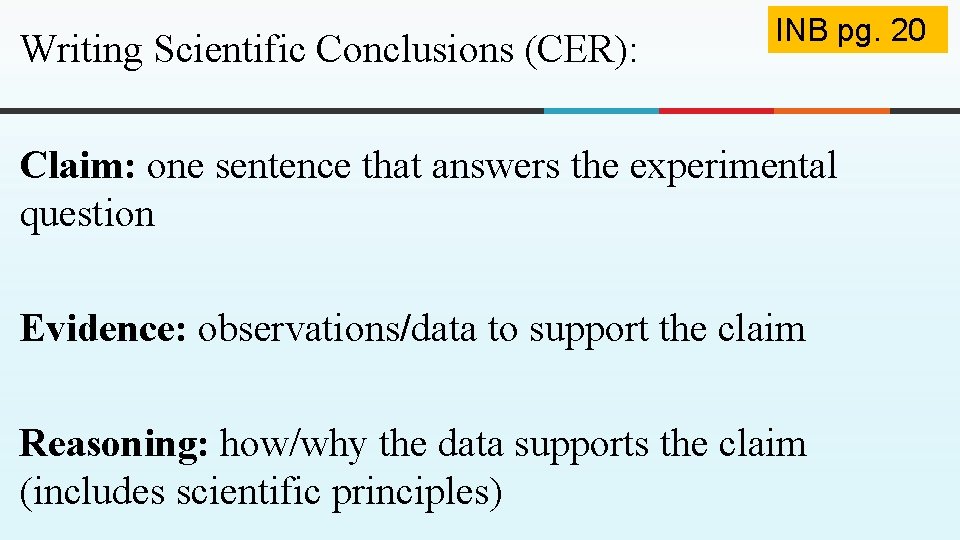
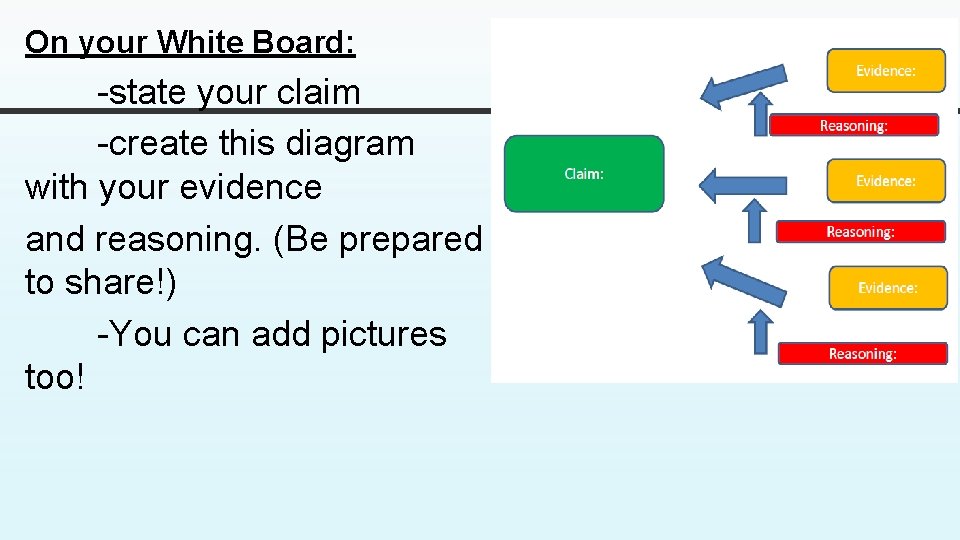
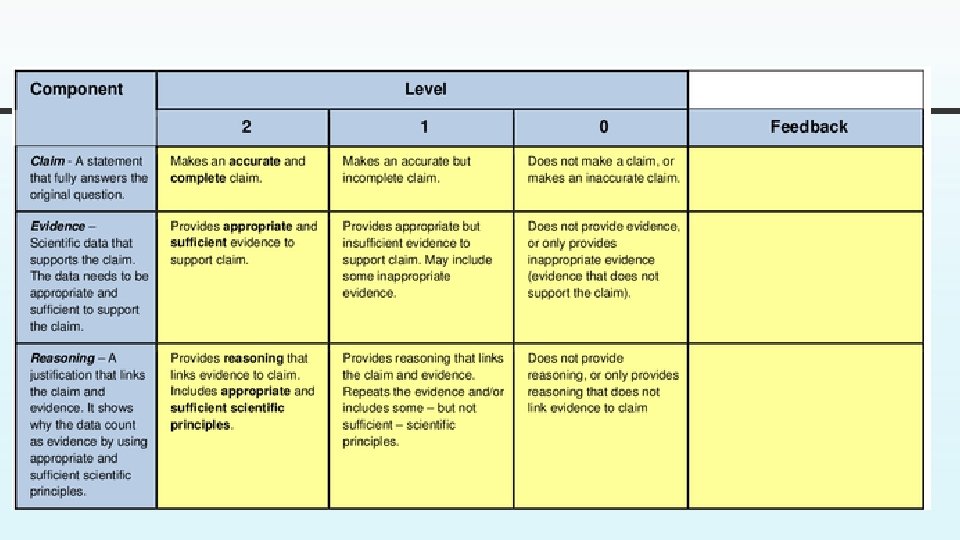
Writing Scientific Conclusions (CER): INB pg. 20 Claim: one sentence that answers the experimental question Evidence: observations/data to support the claim Reasoning: how/why the data supports the claim (includes scientific principles)
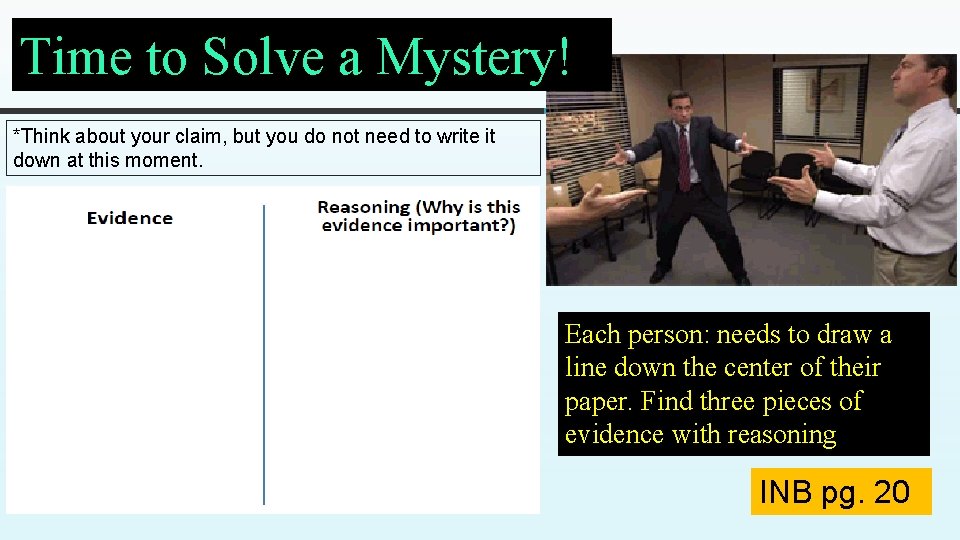
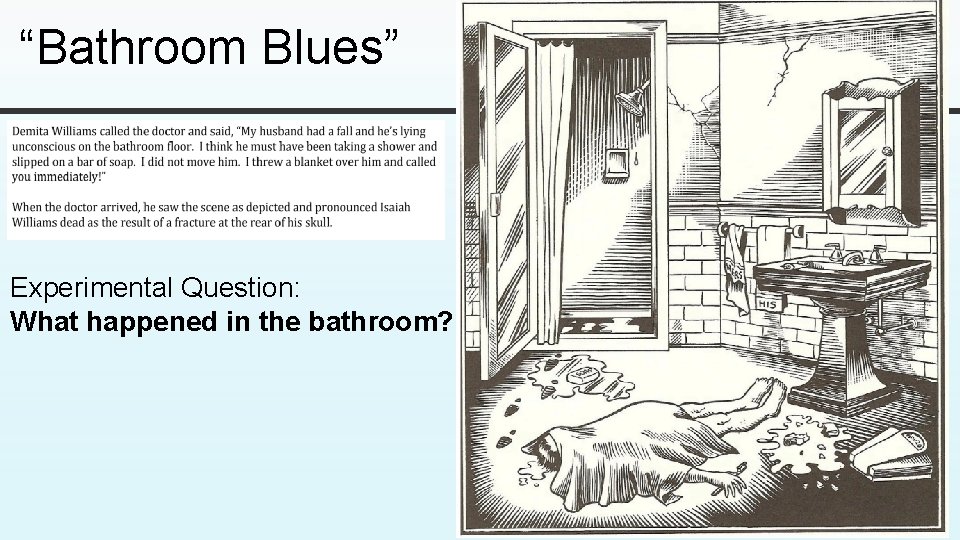
Time to Solve a Mystery! *Think about your claim, but you do not need to write it down at this moment. Each person: needs to draw a line down the center of their paper. Find three pieces of evidence with reasoning INB pg. 20
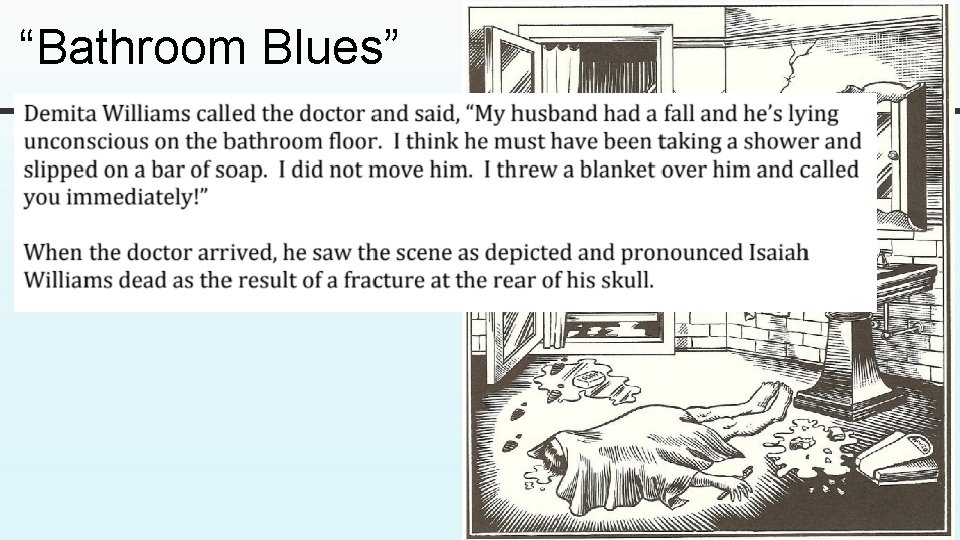
“Bathroom Blues”
“Bathroom Blues” Experimental Question: What happened in the bathroom?
On your White Board: -state your claim -create this diagram with your evidence and reasoning. (Be prepared to share!) -You can add pictures too!
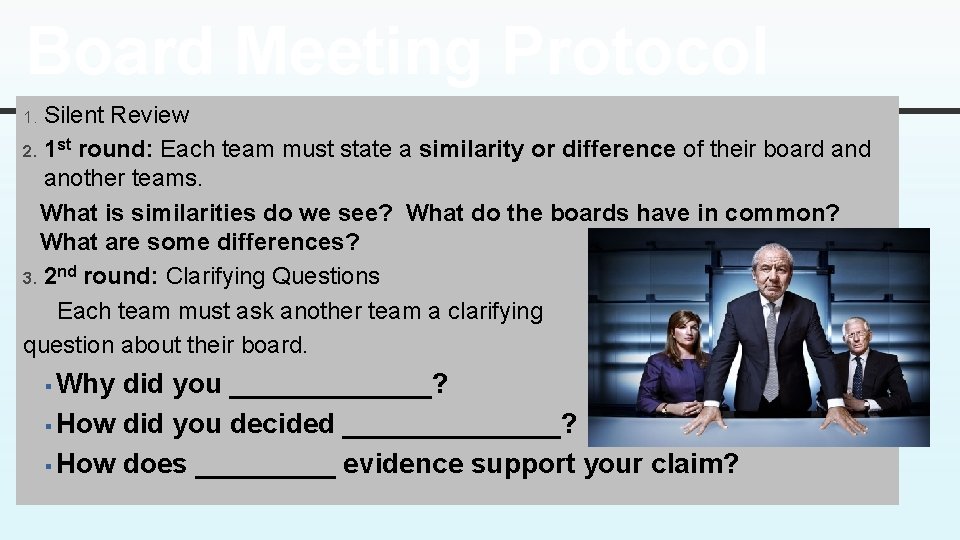
Board Meeting Protocol Silent Review 2. 1 st round: Each team must state a similarity or difference of their board another teams. What is similarities do we see? What do the boards have in common? What are some differences? 3. 2 nd round: Clarifying Questions Each team must ask another team a clarifying question about their board. 1. Why did you _______? § How did you decided _______? § How does _____ evidence support your claim? §
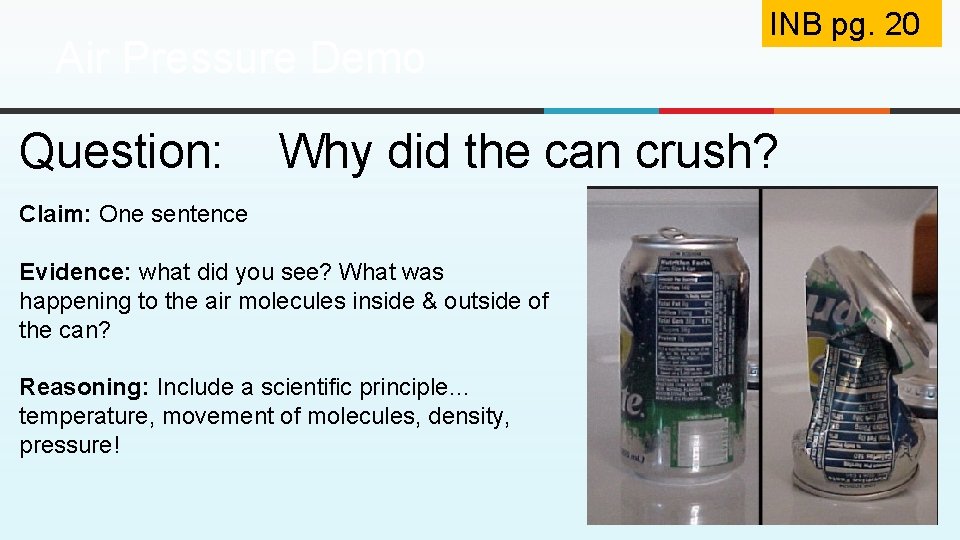
Air Pressure Demo Question: INB pg. 20 Why did the can crush? Claim: One sentence Evidence: what did you see? What was happening to the air molecules inside & outside of the can? Reasoning: Include a scientific principle… temperature, movement of molecules, density, pressure!
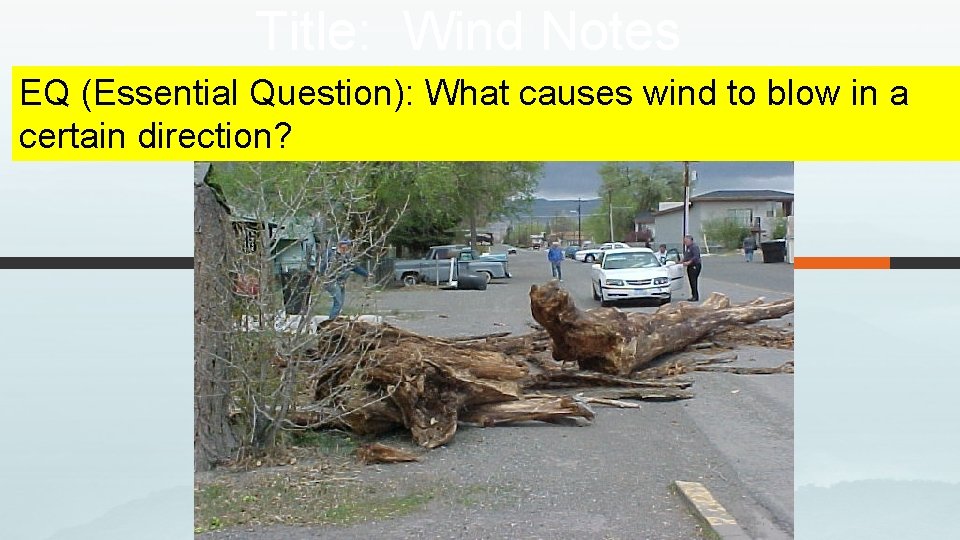
Title: Wind Notes EQ (Essential Question): What causes wind to blow in a certain direction?
Everyday is a Holiday! National Hug day!
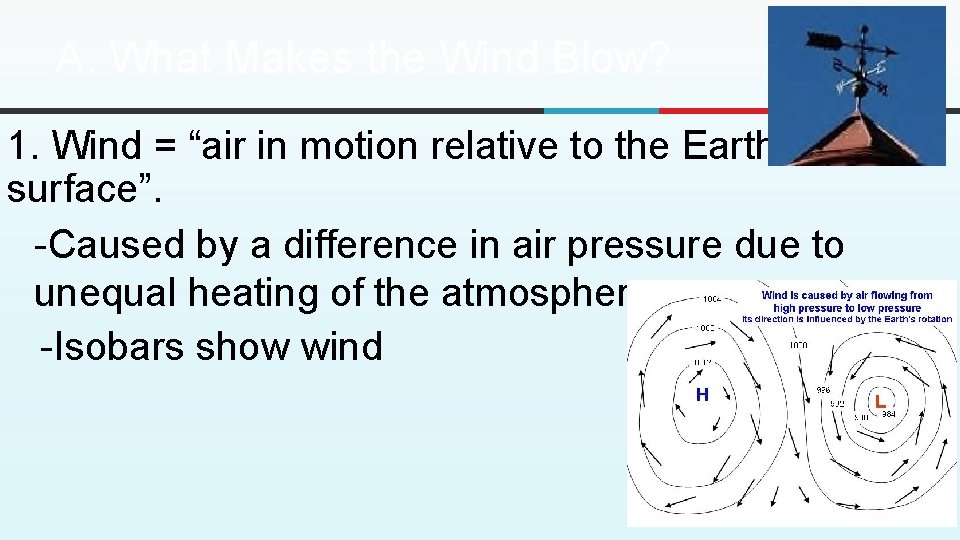
A. What Makes the Wind Blow? 1. Wind = “air in motion relative to the Earth’s surface”. -Caused by a difference in air pressure due to unequal heating of the atmosphere. -Isobars show wind
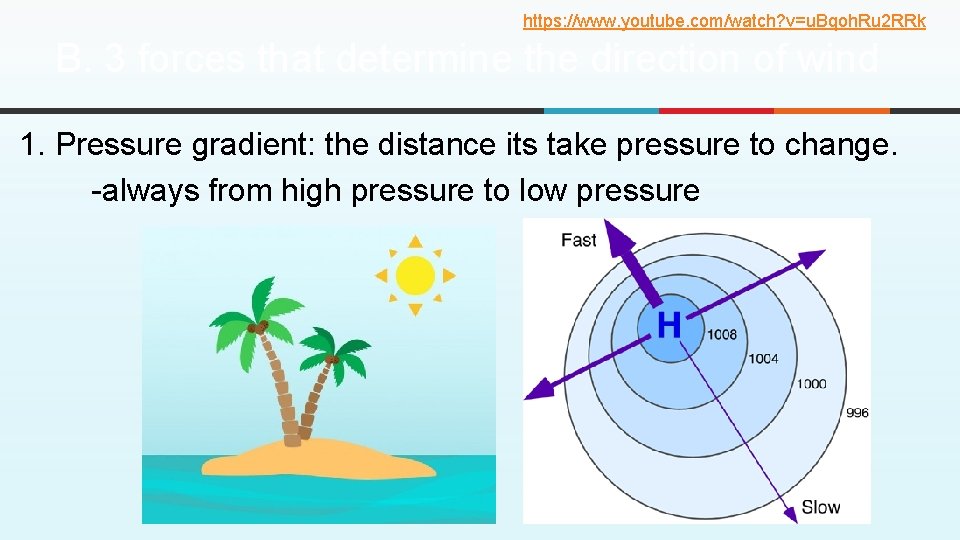
https: //www. youtube. com/watch? v=u. Bqoh. Ru 2 RRk B. 3 forces that determine the direction of wind 1. Pressure gradient: the distance its take pressure to change. -always from high pressure to low pressure
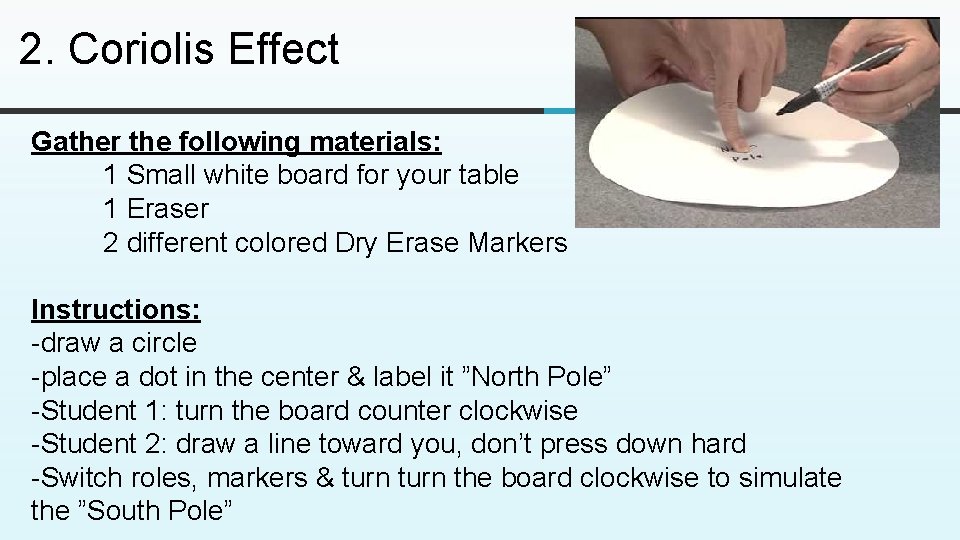
2. Coriolis Effect Gather the following materials: 1 Small white board for your table 1 Eraser 2 different colored Dry Erase Markers Instructions: -draw a circle -place a dot in the center & label it ”North Pole” -Student 1: turn the board counter clockwise -Student 2: draw a line toward you, don’t press down hard -Switch roles, markers & turn the board clockwise to simulate the ”South Pole”
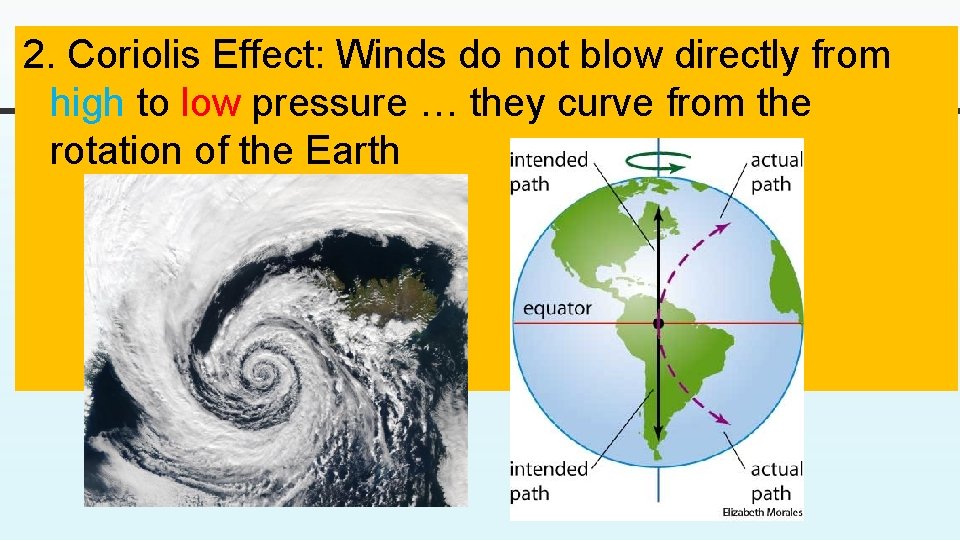
2. Coriolis Effect: Winds do not blow directly from high to low pressure … they curve from the rotation of the Earth
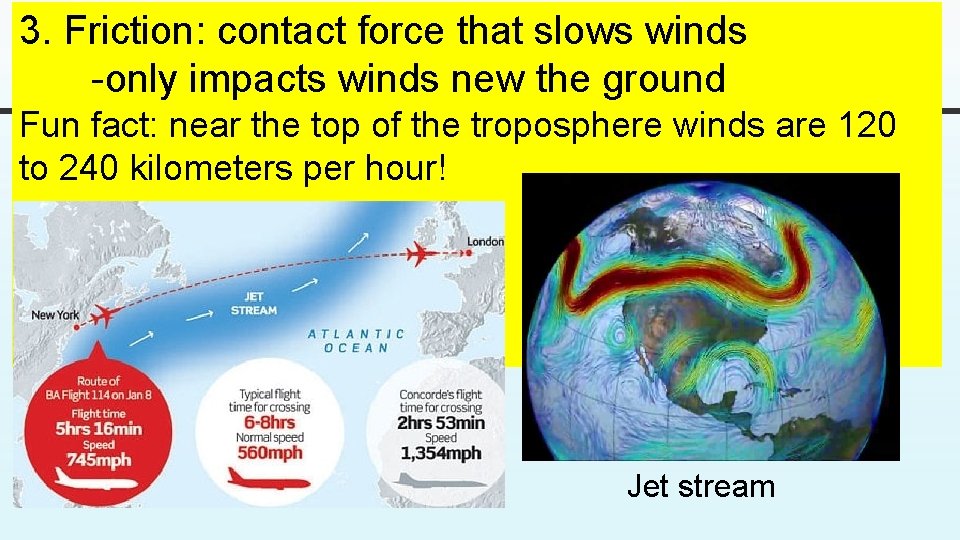
3. Friction: contact force that slows winds -only impacts winds new the ground Fun fact: near the top of the troposphere winds are 120 to 240 kilometers per hour! Jet stream
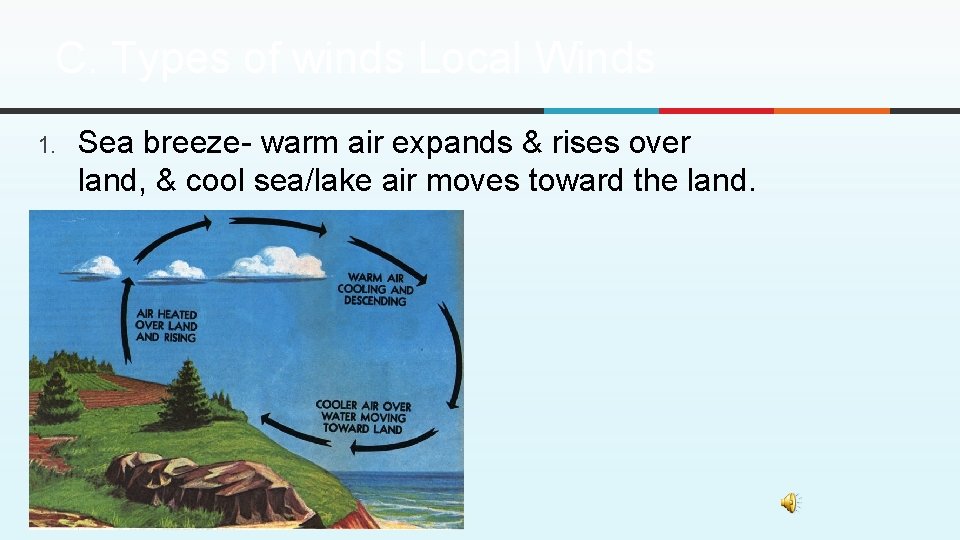
C. Types of winds Local Winds 1. Sea breeze- warm air expands & rises over land, & cool sea/lake air moves toward the land.
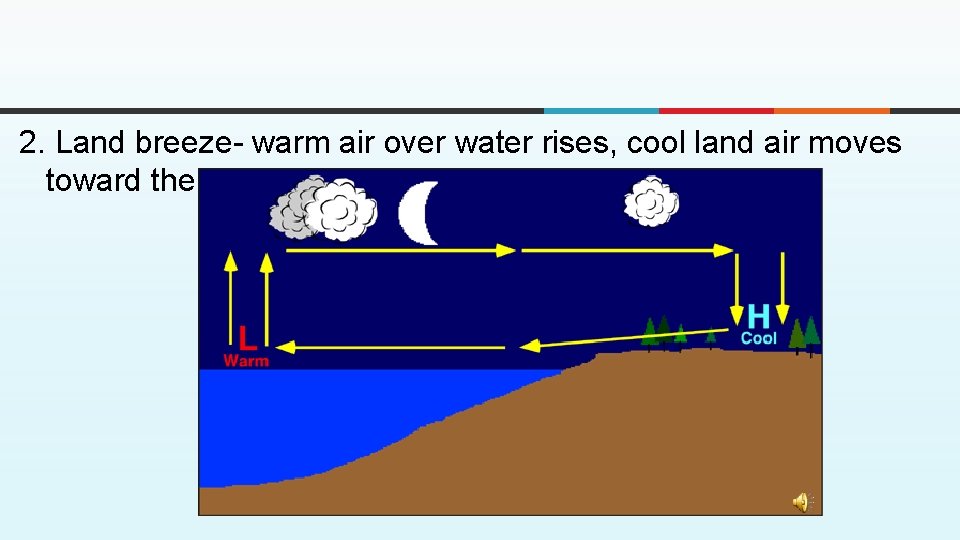
2. Land breeze- warm air over water rises, cool land air moves toward the water.
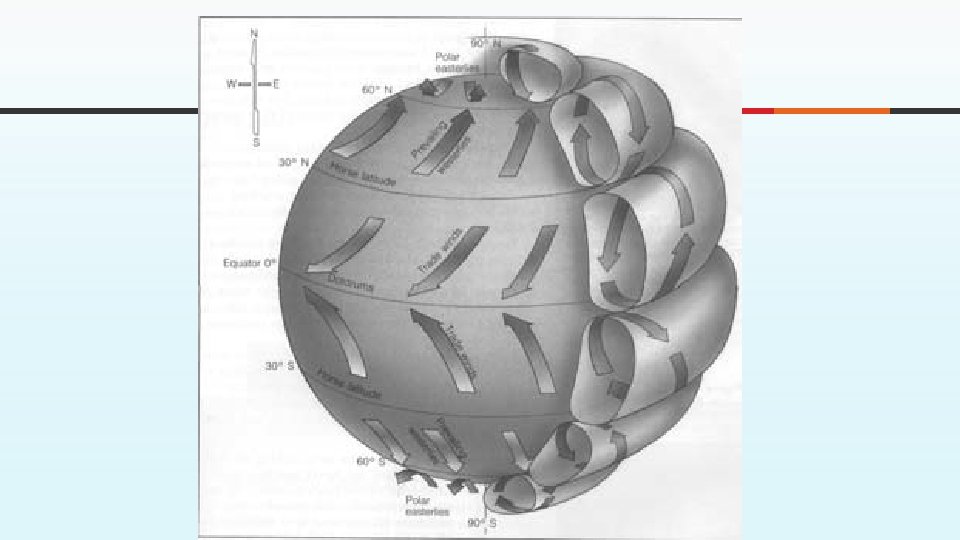
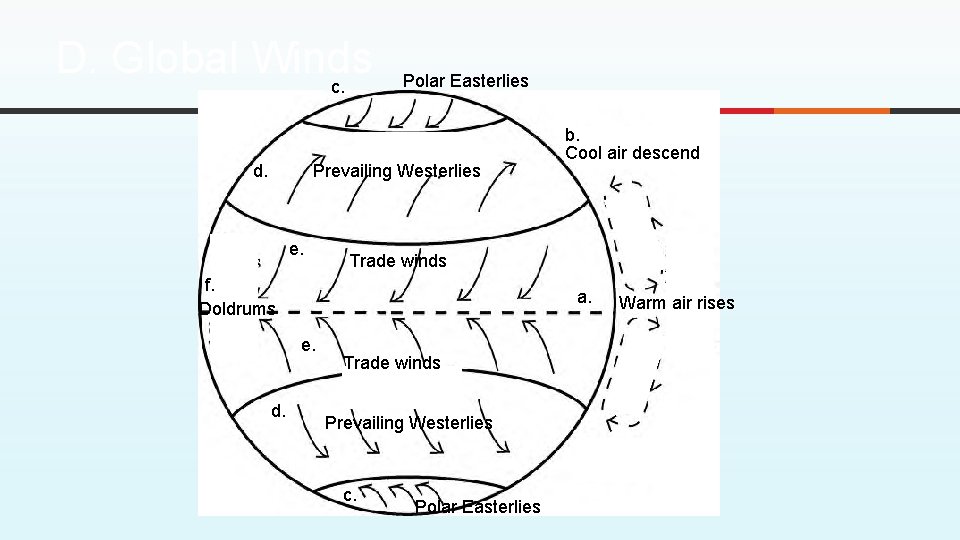
D. Global Winds 1. Don’t travel North and South because of the Earth rotating on its axis.
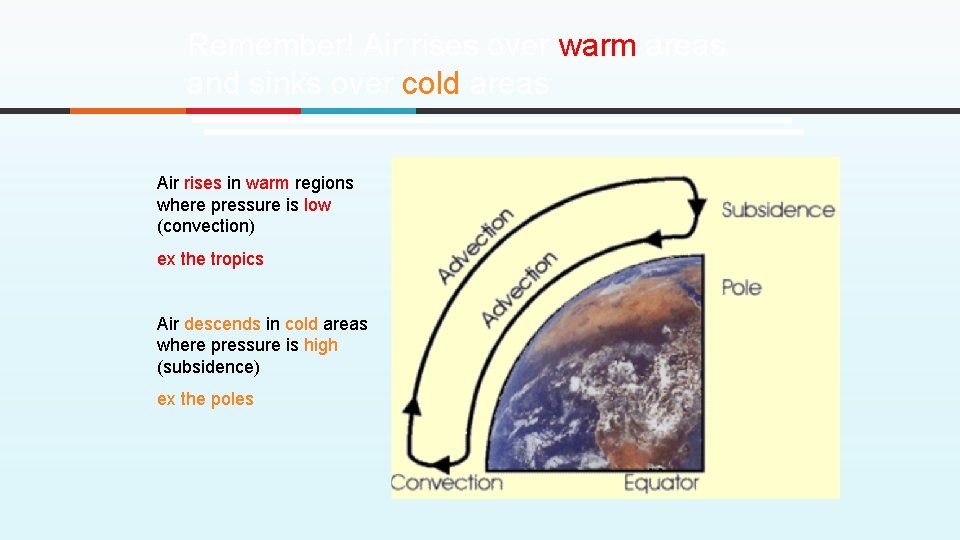
Remember! Air rises over warm areas and sinks over cold areas Air rises in warm regions where pressure is low (convection) ex the tropics Air descends in cold areas where pressure is high (subsidence) ex the poles
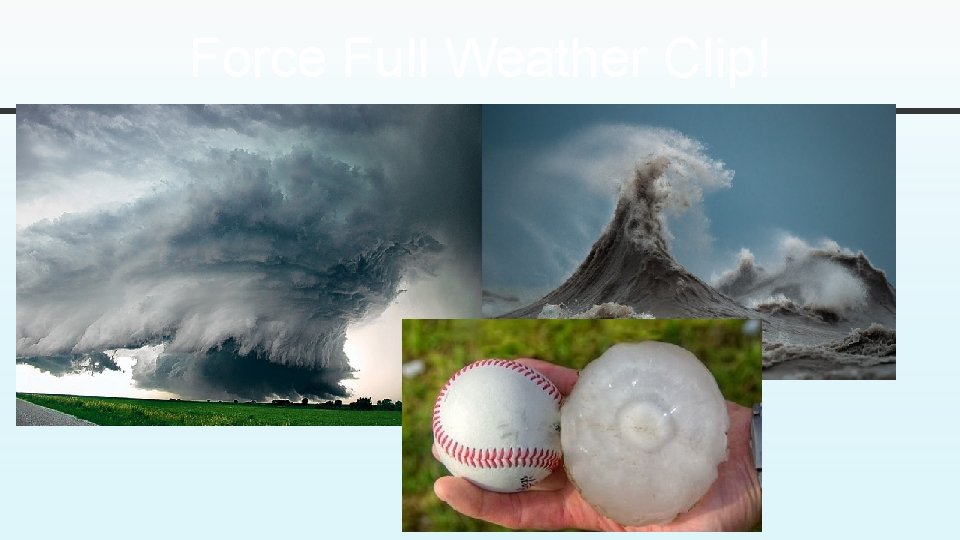
Force Full Weather Clip!
D. Global Winds c. d. Polar Easterlies Prevailing Westerlies e. Trade winds f. Doldrums a. e. d. b. Cool air descend Trade winds Prevailing Westerlies c. Polar Easterlies Warm air rises
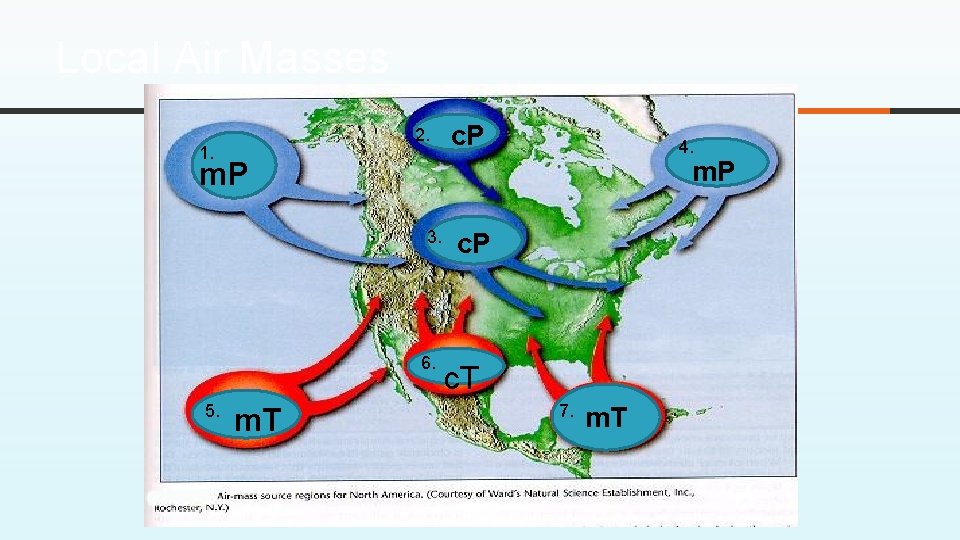
F. North American Air Masses Temperature 1. Air masses from N 50º latitude POLAR (P) 2. Air masses from the tropics TROPICAL (T)
North American Air Masses Humidity 1. Air masses from over oceans MARITIME (m) 2. Air masses from over land CONTINENTAL (c)
Local Air Masses 2. 1. c. P 4. m. P 3. 6. 5. m. T c. P c. T 7. m. T
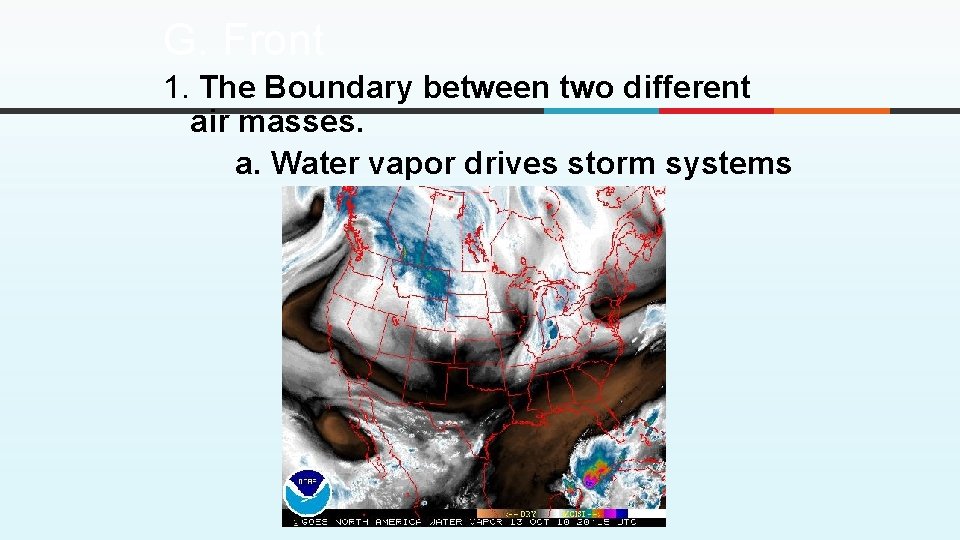
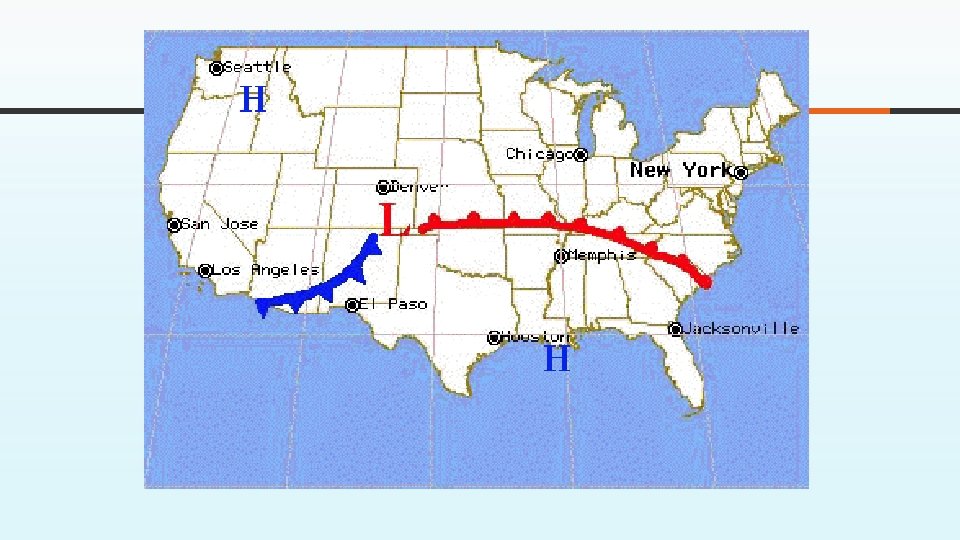
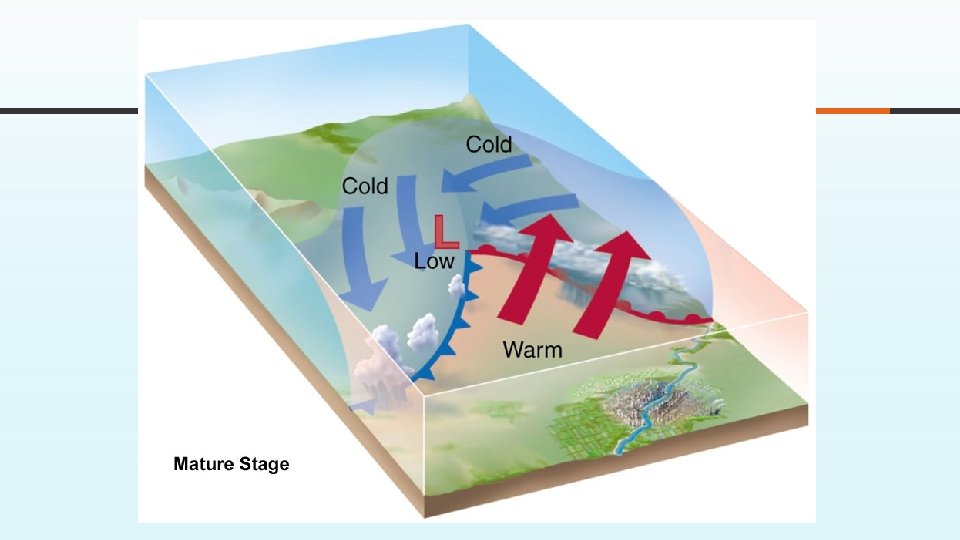
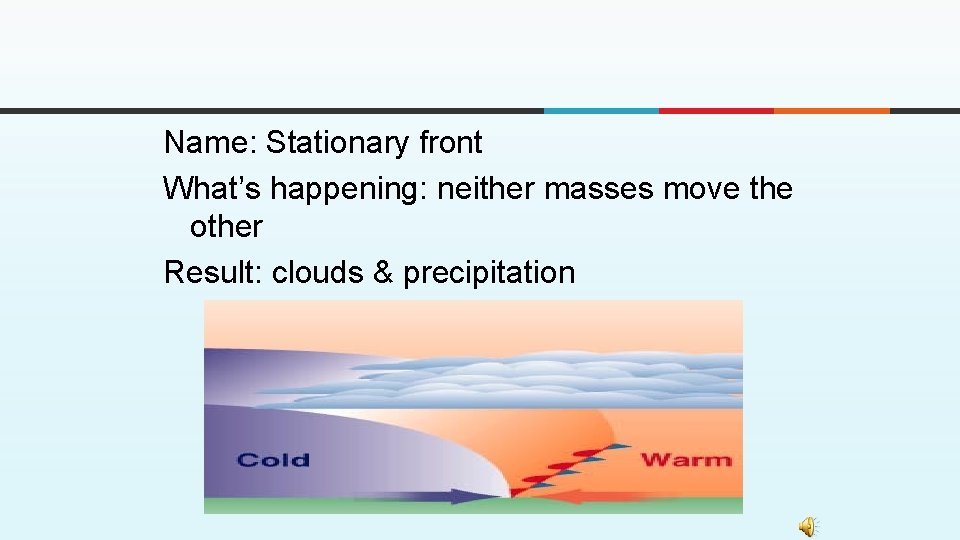
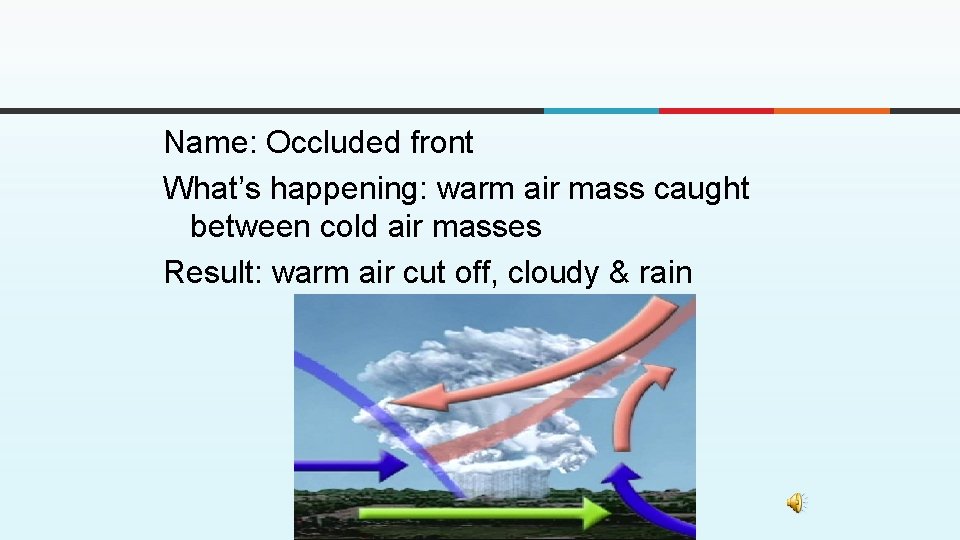
G. Front 1. The Boundary between two different air masses. a. Water vapor drives storm systems
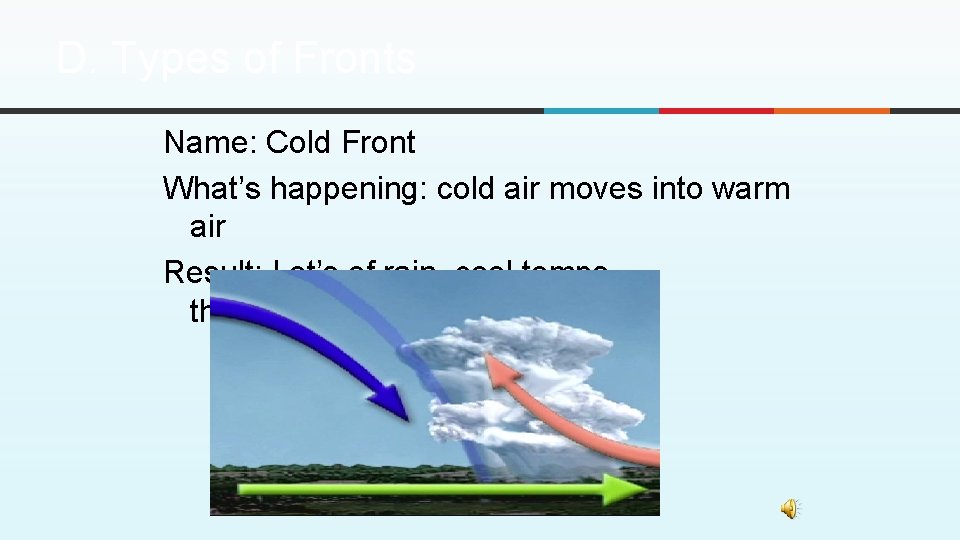
D. Types of Fronts Name: Cold Front What’s happening: cold air moves into warm air Result: Lot’s of rain, cool temps, thunderstorms
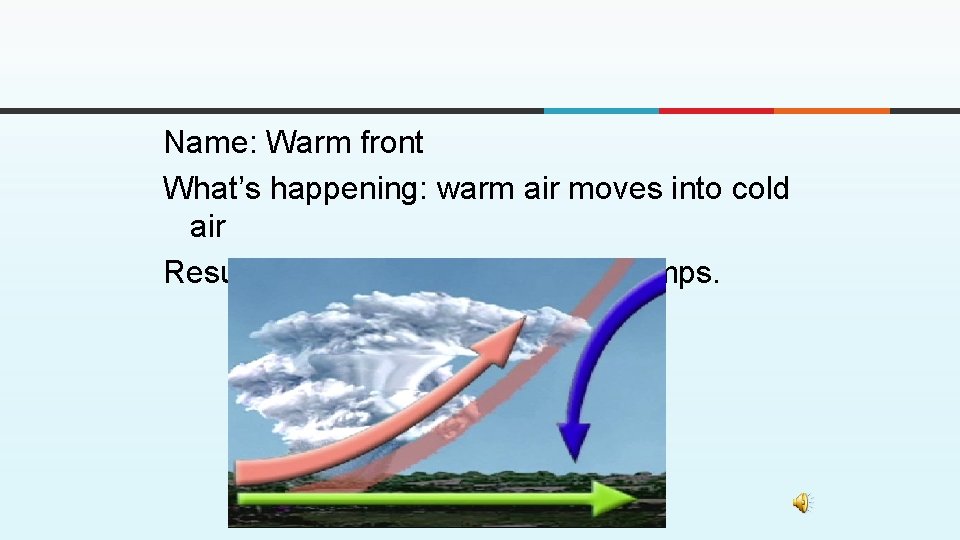
Name: Warm front What’s happening: warm air moves into cold air Result: little rain/clouds, warmer temps.
Name: Stationary front What’s happening: neither masses move the other Result: clouds & precipitation
Name: Occluded front What’s happening: warm air mass caught between cold air masses Result: warm air cut off, cloudy & rain
#10: Wind/Front Textbook Time! ¥ pg. 585 #’s 1 -2 (red book) ¥ Pg. 530 #’s 6 all, 7 all, & 8 a-b (black book) ¥ Sketch & color figure 2 pg. 579 (red book) ¥ Sketch & color diagram 29. 8 pg. 548 (black book) ¥ Create, Draw & color a weather Super Hero or Villain.
Wind/Front Quiz template - - Know how altitude and air pressure are related What are low & high pressure air masses made of, what’s their result How are pressure and wind speed related What instrument measures air pressure How wind develops Differences between sea breeze/ land breeze Global winds & why they are weak or strong What a front is. What two things describe an air mass