Cells and Cell Theory Leeuwenhoek 1673 1723 Anton

- Slides: 11
Cells and Cell Theory
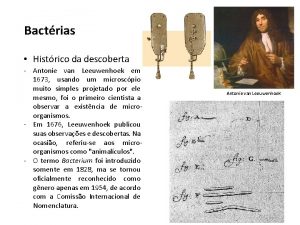
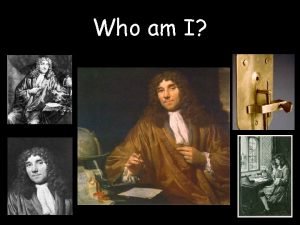
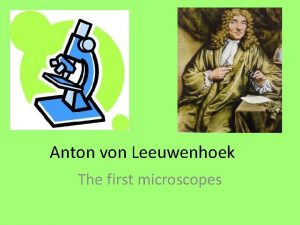
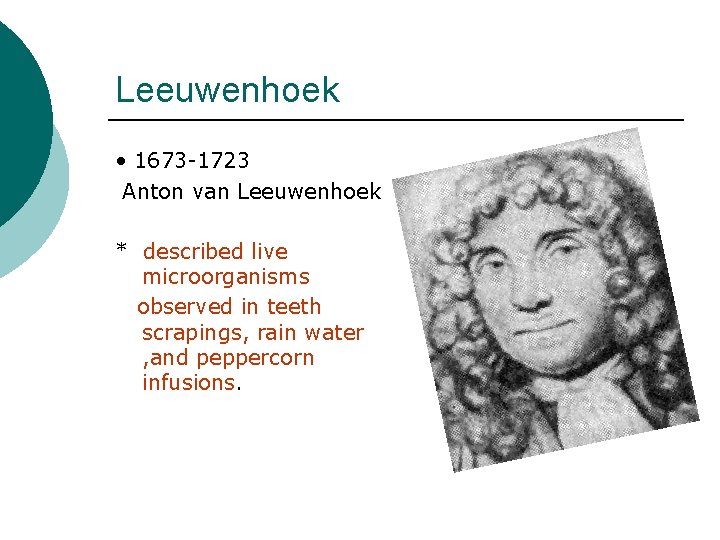
Leeuwenhoek • 1673 -1723 Anton van Leeuwenhoek * described live microorganisms observed in teeth scrapings, rain water , and peppercorn infusions.
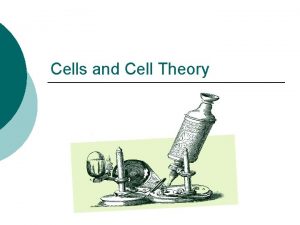
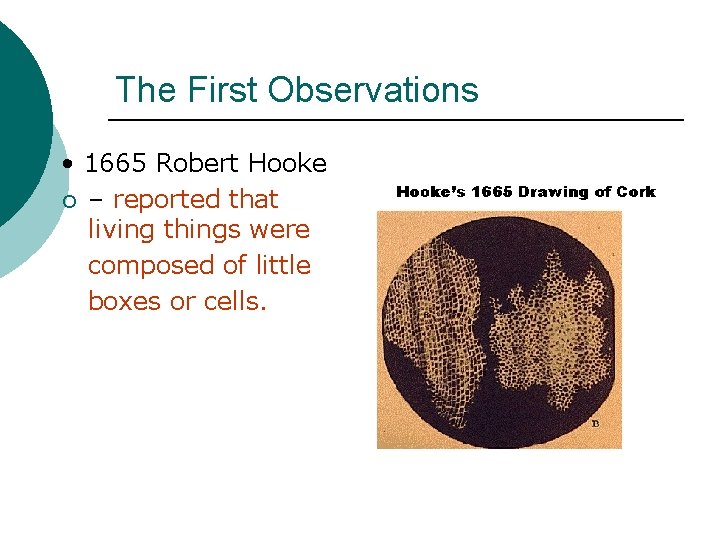
The First Observations • 1665 Robert Hooke ¡ – reported that living things were composed of little boxes or cells.
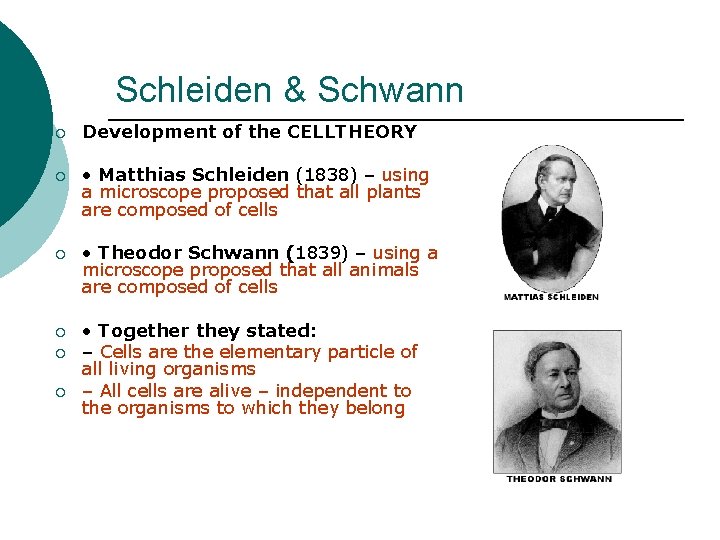
Schleiden & Schwann ¡ Development of the CELLTHEORY ¡ • Matthias Schleiden (1838) – using a microscope proposed that all plants are composed of cells ¡ • Theodor Schwann (1839) – using a microscope proposed that all animals are composed of cells ¡ • Together they stated: – Cells are the elementary particle of all living organisms – All cells are alive – independent to the organisms to which they belong ¡ ¡
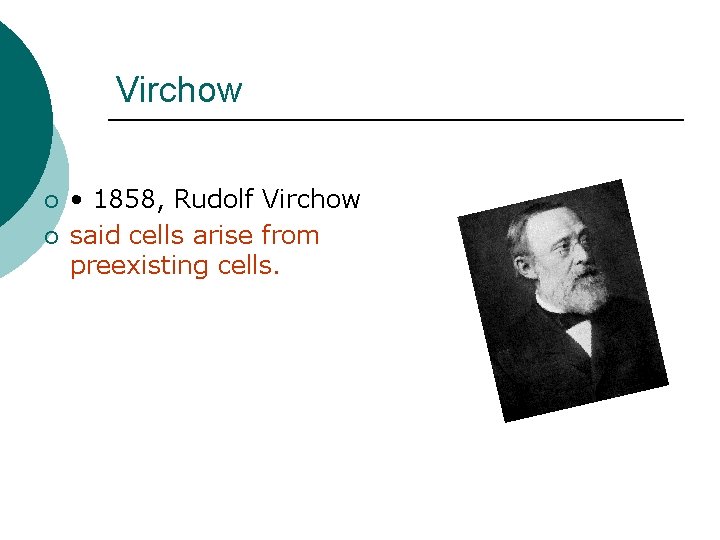
Virchow ¡ ¡ • 1858, Rudolf Virchow said cells arise from preexisting cells.
Cell Theory 1. All living things are composed of one or more cells ¡ 2. Cells are the basic units of structure and function in an organism ¡ 3. Cells come only from the reproduction of preexisting cells * Named for the Monk prayer cells ¡
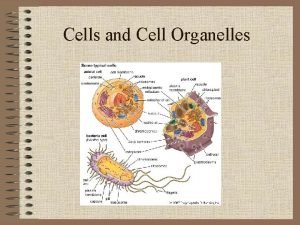
Cells ¡ Eukaryotic versus Prokaryotic Cells • Prokaryotic - Cells lacking a nucleus. ¡ • Eukrayotic - Cells containing a nucleus. Organelles - Membrane-bound bodies found within eukaryotic cells. ¡
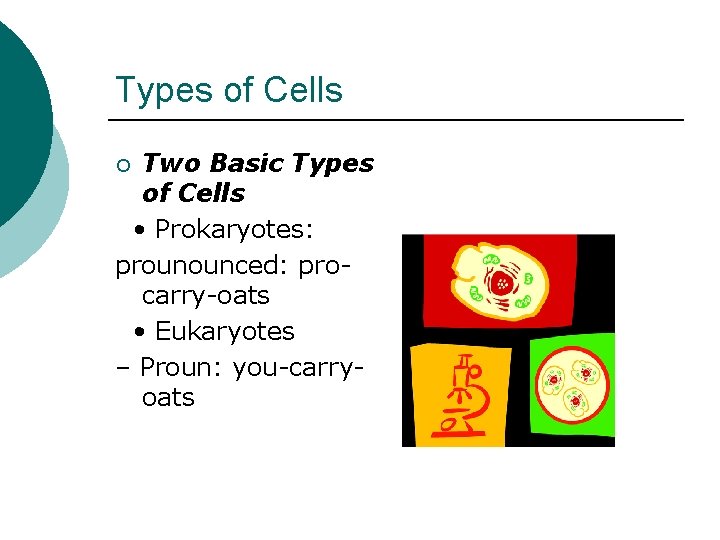
Types of Cells Two Basic Types of Cells • Prokaryotes: prounounced: procarry-oats • Eukaryotes – Proun: you-carryoats ¡
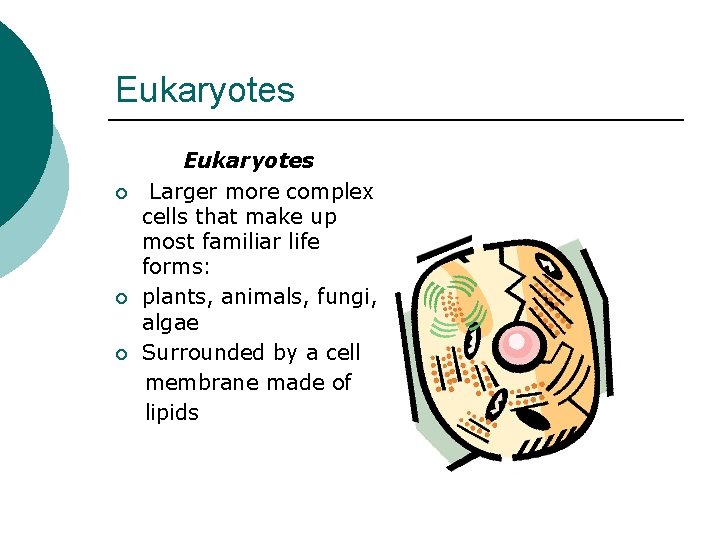
Eukaryotes ¡ ¡ ¡ Eukaryotes Larger more complex cells that make up most familiar life forms: plants, animals, fungi, algae Surrounded by a cell membrane made of lipids
Prokaryotes ¡ ¡ ¡ Smaller No true nucleus – loose genetic material Includes Archaea & Bacteria