Causes and Effects of the French and Indian
- Slides: 22
Causes and Effects of the French and Indian War
• Navigation Acts - England tries to control trade: 1. All trade must be in English ships. 2. Captain and crew must be English. 3. Anything going to colonies must go through England. • Glorious Revolution – William & Mary over through James II (Catholic) and restore Church of England. Control in colonies is loosened and power in the government is shifted to Parliament. • Enlightenment – Locke, Montesquieu, Rousseau. . . All write of new ideas in government. We read them over here.
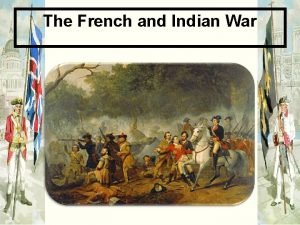
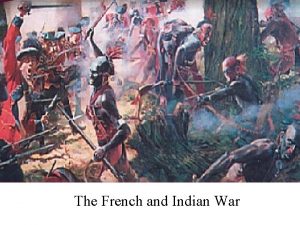
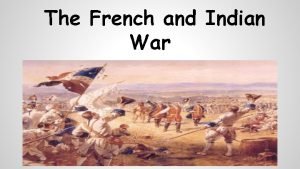
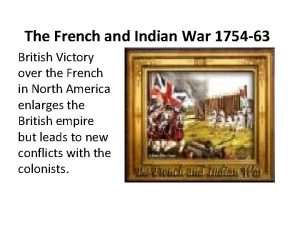
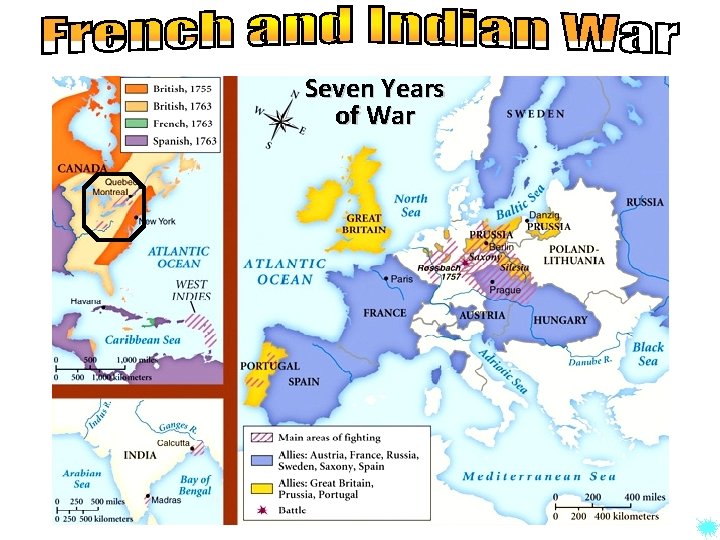
The French and Indian War • Lasted from 1754 to 1763 • France and England (They called it the 7 Years War) Fought here and in Europe • Dispute over land EFFECTS • Economic boom for colonies • Forced the colonies to work together • Colonies would have to pay for protection • Proclamation of 1763 – Kept colonists east of the Appalachian Mountains
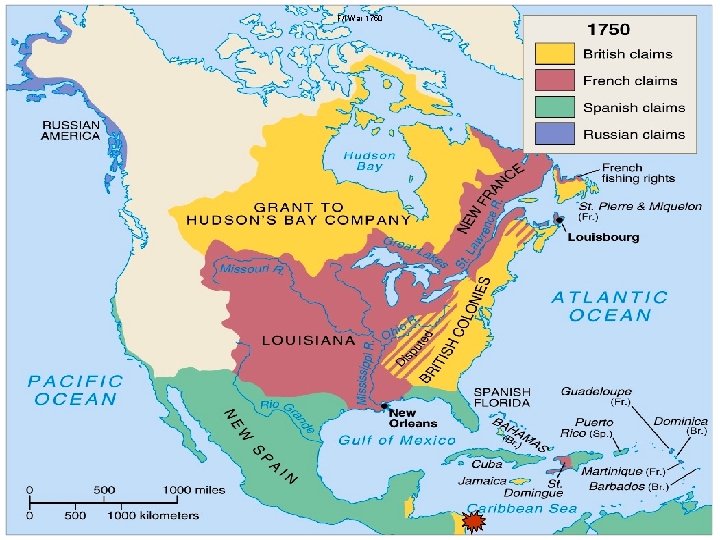
F/I War 1750
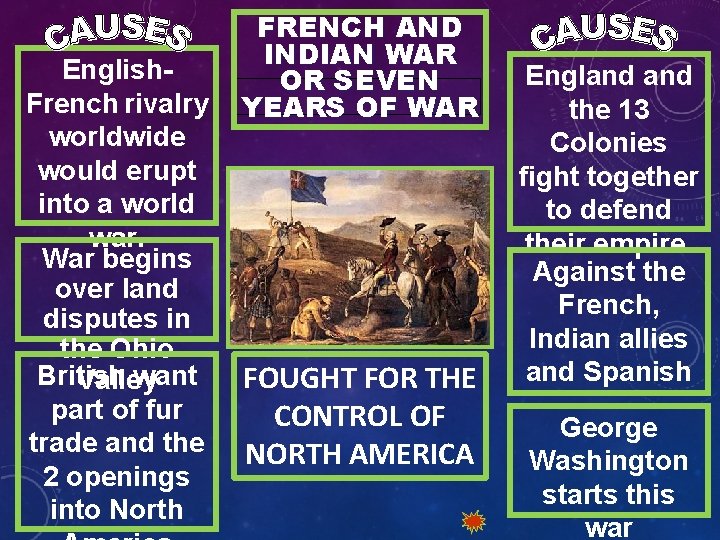
FRENCH AND INDIAN WAR English. OR SEVEN French rivalry YEARS OF WAR worldwide would erupt into a world war. War begins over land disputes in the Ohio British want FOUGHT FOR THE Valley part of fur CONTROL OF trade and the NORTH AMERICA 2 openings into North England the 13 Colonies fight together to defend their empire. Against the French, Indian allies and Spanish George Washington starts this war
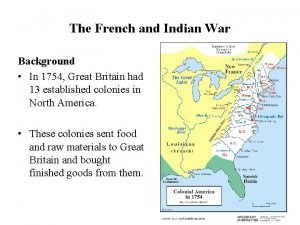
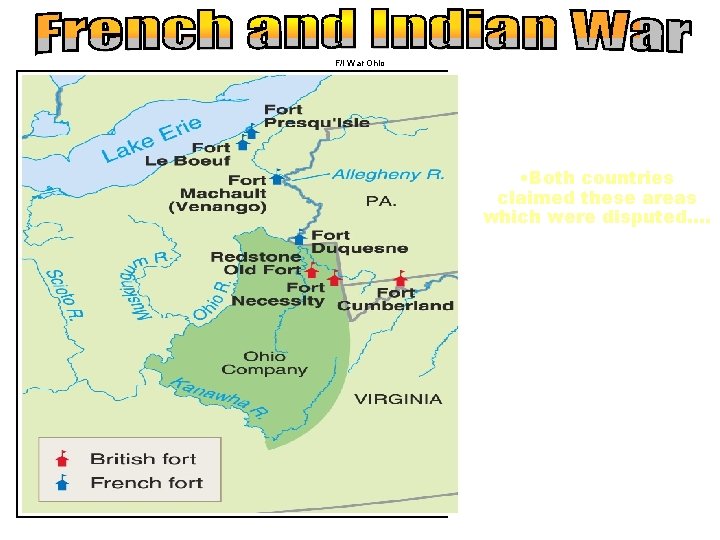
F/I War Ohio • Ohio Valley river systems important to England France…. • Both countries claimed these areas which were disputed…. • Both countries built forts to defend their land claims….
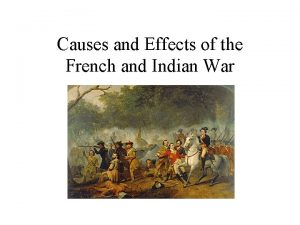
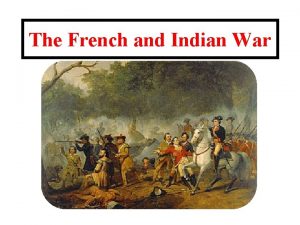
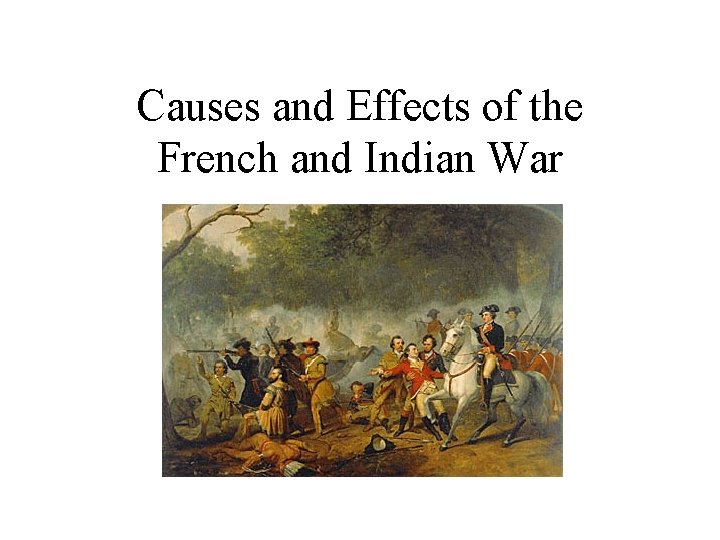
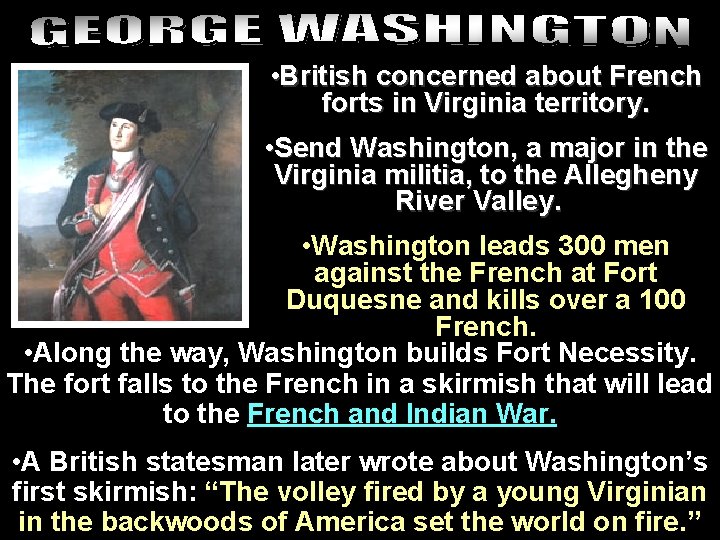
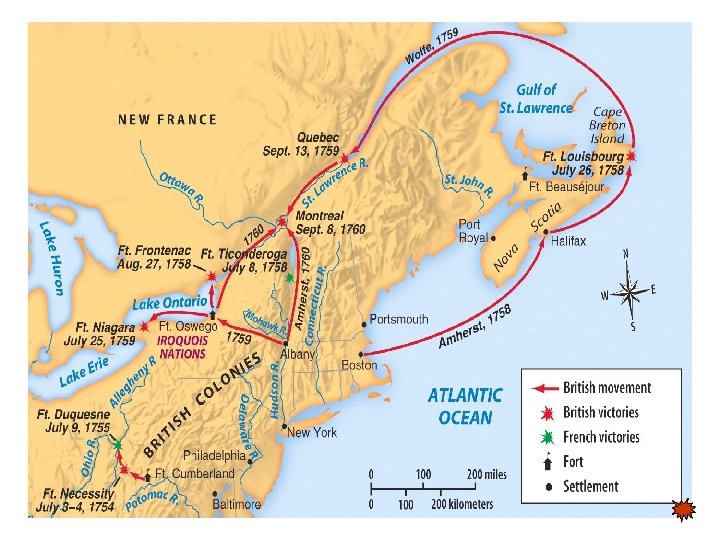
• British concerned about French forts in Virginia territory. • Send Washington, a major in the Virginia militia, to the Allegheny River Valley. • Washington leads 300 men against the French at Fort Duquesne and kills over a 100 French. • Along the way, Washington builds Fort Necessity. The fort falls to the French in a skirmish that will lead to the French and Indian War. • A British statesman later wrote about Washington’s first skirmish: “The volley fired by a young Virginian in the backwoods of America set the world on fire. ”
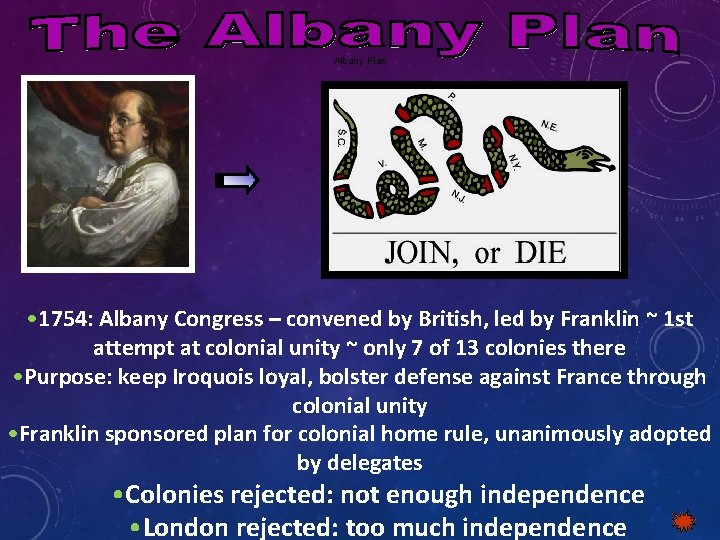
Albany Plan • 1754: Albany Congress – convened by British, led by Franklin ~ 1 st attempt at colonial unity ~ only 7 of 13 colonies there • Purpose: keep Iroquois loyal, bolster defense against France through colonial unity • Franklin sponsored plan for colonial home rule, unanimously adopted by delegates • Colonies rejected: not enough independence • London rejected: too much independence
Seven Years of War
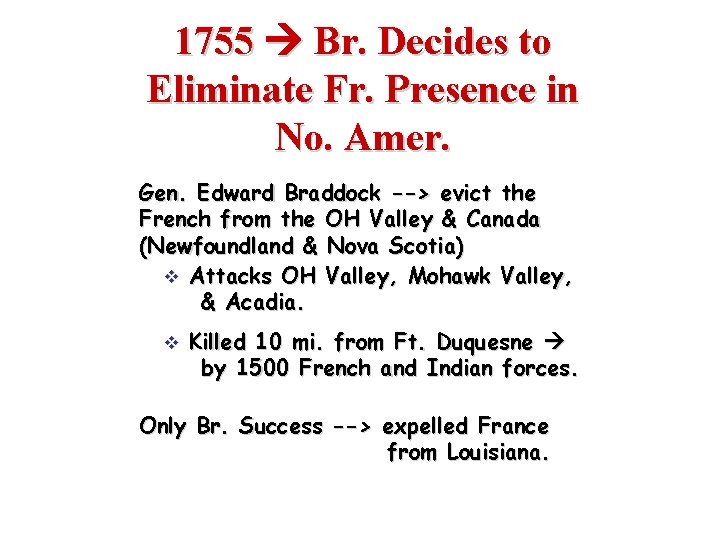
1755 Br. Decides to Eliminate Fr. Presence in No. Amer. Gen. Edward Braddock --> evict the French from the OH Valley & Canada (Newfoundland & Nova Scotia) Attacks OH Valley, Mohawk Valley, & Acadia. Killed 10 mi. from Ft. Duquesne by 1500 French and Indian forces. Only Br. Success --> expelled France from Louisiana.
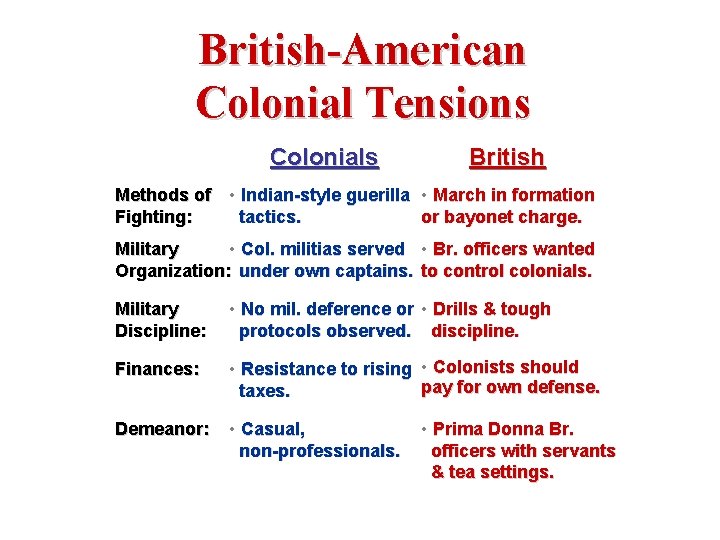
British-American Colonial Tensions Colonials British Methods of • Indian-style guerilla • March in formation Fighting: tactics. or bayonet charge. Military • Col. militias served • Br. officers wanted Organization: under own captains. to control colonials. Military Discipline: • No mil. deference or • Drills & tough protocols observed. discipline. Finances: • Resistance to rising • Colonists should pay for own defense. taxes. Demeanor: • Casual, non-professionals. • Prima Donna Br. officers with servants & tea settings.
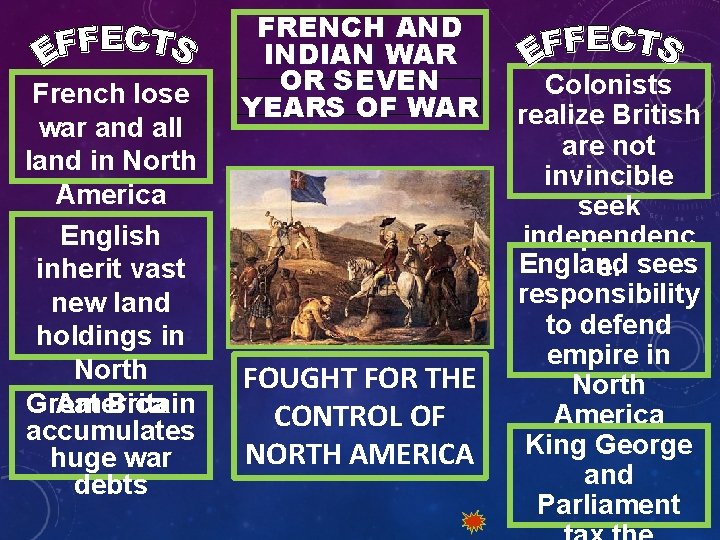
French lose war and all land in North America English inherit vast new land holdings in North America Great Britain accumulates huge war debts FRENCH AND INDIAN WAR OR SEVEN YEARS OF WAR FOUGHT FOR THE CONTROL OF NORTH AMERICA Colonists realize British are not invincible seek independenc England sees e. responsibility to defend empire in North America King George and Parliament
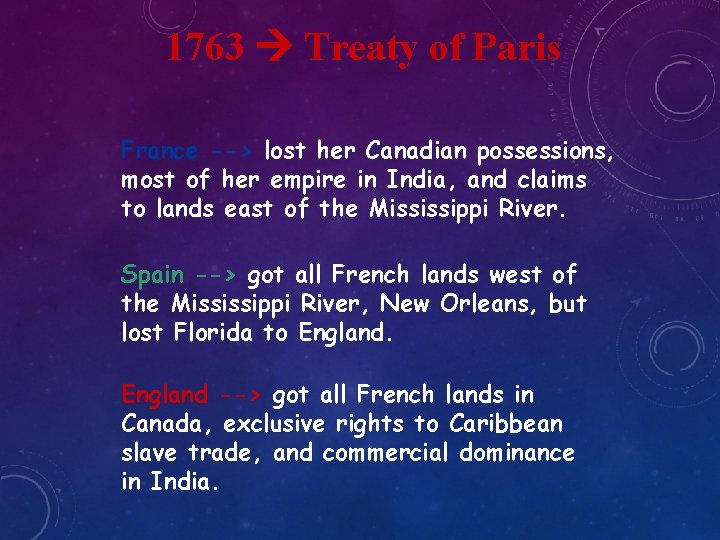
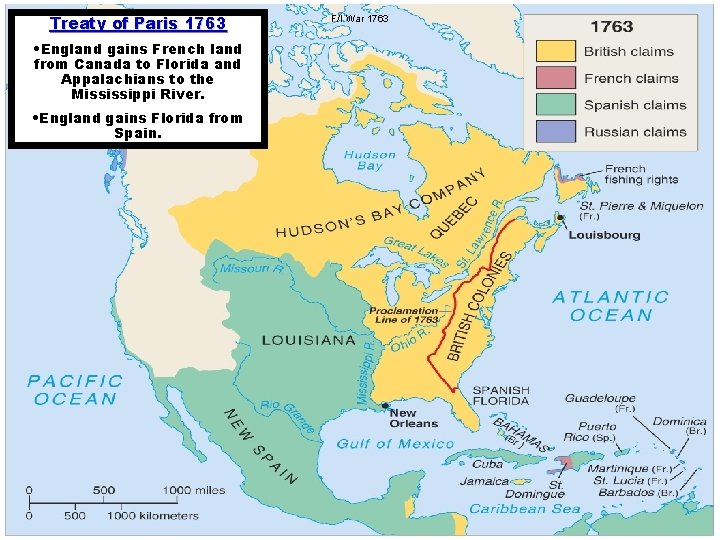
1763 Treaty of Paris France --> lost her Canadian possessions, most of her empire in India, and claims to lands east of the Mississippi River. Spain --> got all French lands west of the Mississippi River, New Orleans, but lost Florida to England --> got all French lands in Canada, exclusive rights to Caribbean slave trade, and commercial dominance in India.
Treaty of Paris 1763 • England gains French land from Canada to Florida and Appalachians to the Mississippi River. • England gains Florida from Spain. F/I War 1763
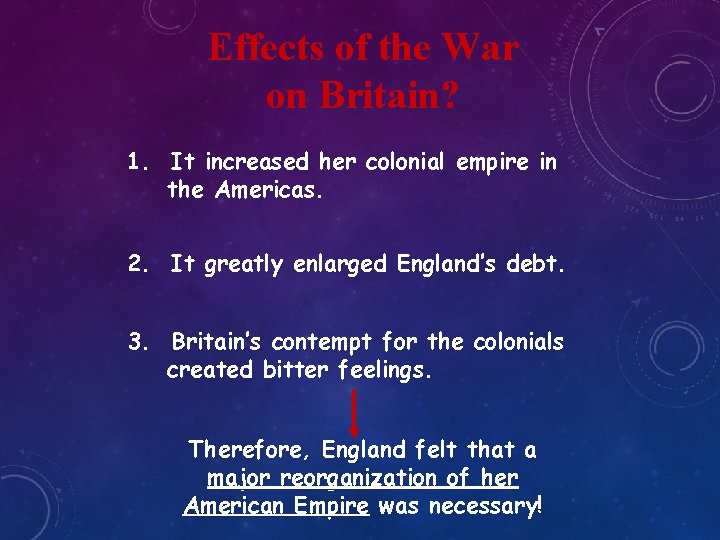
Effects of the War on Britain? 1. It increased her colonial empire in the Americas. 2. It greatly enlarged England’s debt. 3. Britain’s contempt for the colonials created bitter feelings. Therefore, England felt that a major reorganization of her American Empire was necessary!
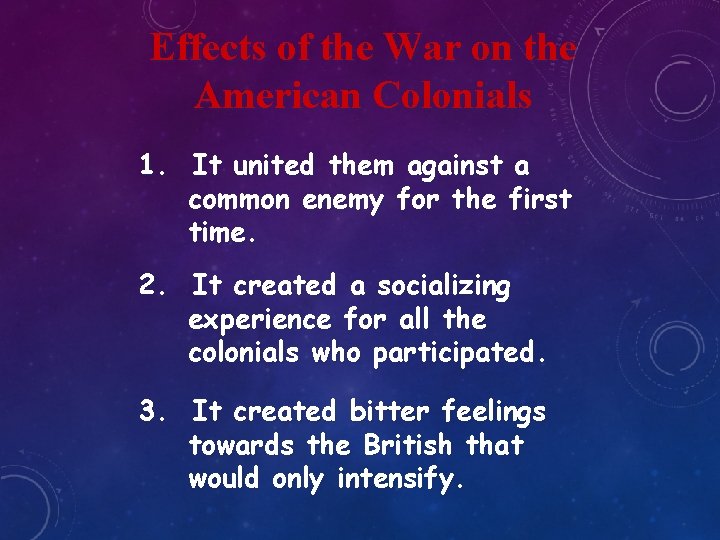
Effects of the War on the American Colonials 1. It united them against a common enemy for the first time. 2. It created a socializing experience for all the colonials who participated. 3. It created bitter feelings towards the British that would only intensify.
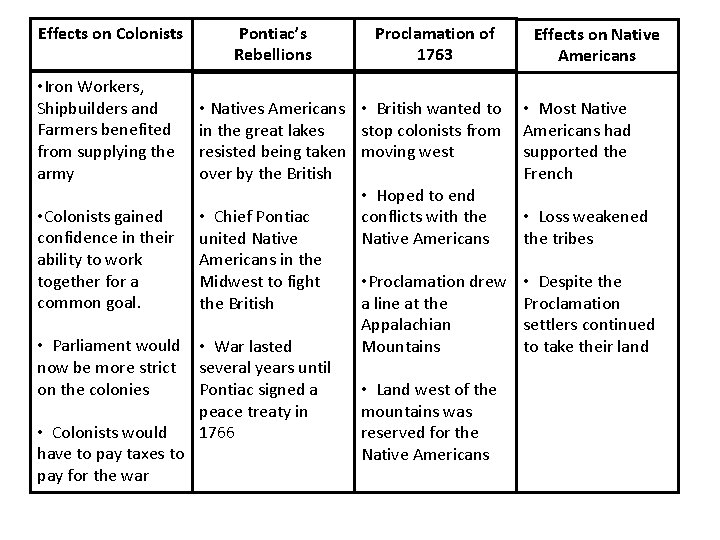
Effects on Colonists • Iron Workers, Shipbuilders and Farmers benefited from supplying the army Pontiac’s Rebellions Proclamation of 1763 • Natives Americans • British wanted to in the great lakes stop colonists from resisted being taken moving west over by the British • Hoped to end • Colonists gained • Chief Pontiac conflicts with the confidence in their united Native Americans ability to work Americans in the together for a Midwest to fight • Proclamation drew common goal. the British a line at the Appalachian • Parliament would • War lasted Mountains now be more strict several years until on the colonies Pontiac signed a • Land west of the peace treaty in mountains was • Colonists would 1766 reserved for the have to pay taxes to Native Americans pay for the war Effects on Native Americans • Most Native Americans had supported the French • Loss weakened the tribes • Despite the Proclamation settlers continued to take their land
Effects on Colonists • Iron Workers, Shipbuilders and Farmers benefited from supplying the army • Colonists gained confidence in their ability to work together for a common goal. • Parliament would now be more strict on the colonies • Colonists would have to pay taxes to pay for the war
Pontiac’s Rebellion • Natives Americans in the great lakes resisted being taken over by the British • Chief Pontiac united Native Americans in the Midwest to fight the British • War lasted several years until Pontiac signed a peace treaty in 1766
Proclamation of 1763 • British wanted to stop colonists from moving west • Hoped to end conflicts with the Native Americans • Proclamation drew a line at the Appalachian Mountains • Land west of the mountains was reserved for the Native Americans
Effects on Native Americans • Most Native Americans had supported the French • Loss weakened the tribes • Despite the Proclamation settlers continued to take their land