Young adults and social media TTA Digital media


- Slides: 28
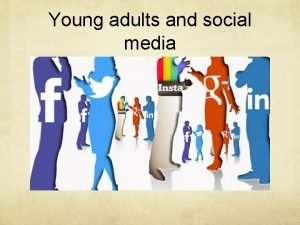
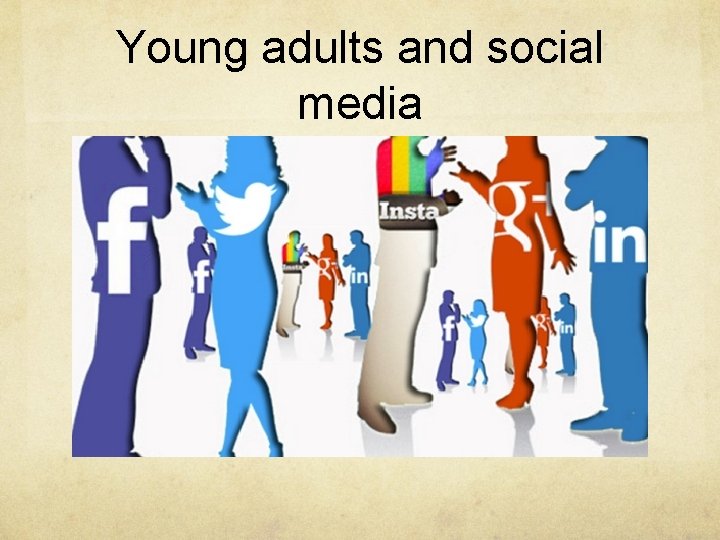
Young adults and social media
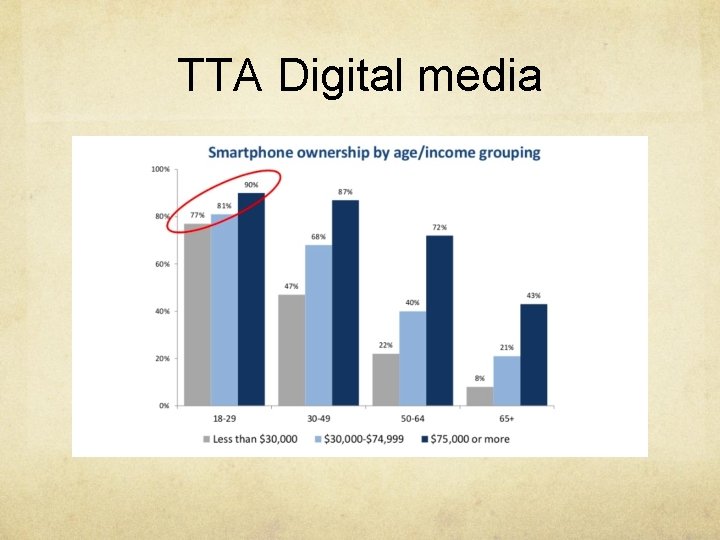
TTA Digital media
Online behavior Watching and uploading content Reading books Posting and privacy Civic engagement Health behavior
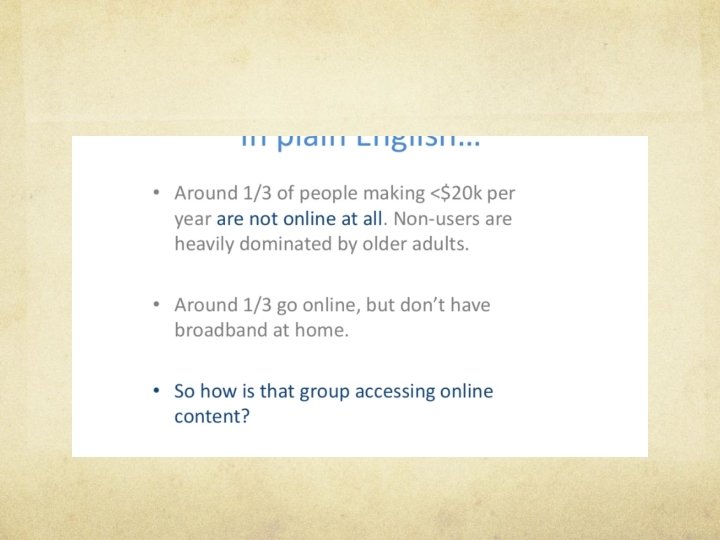
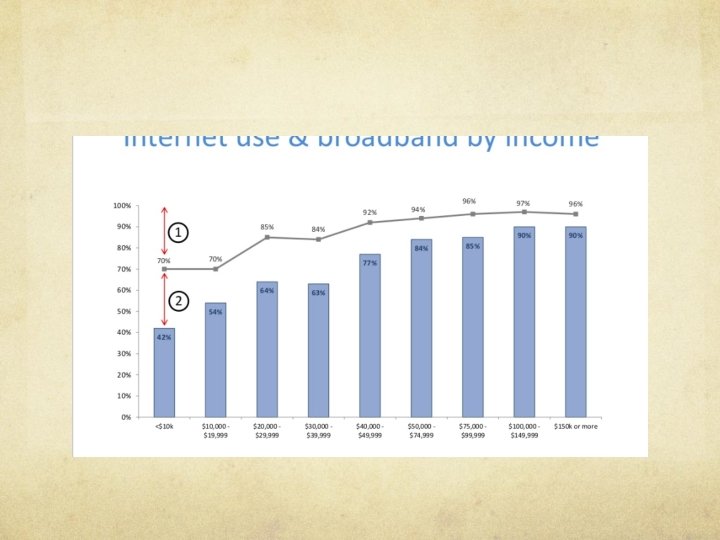
National Broadband Map Pew Study, 2012
Use by race/ethnicity
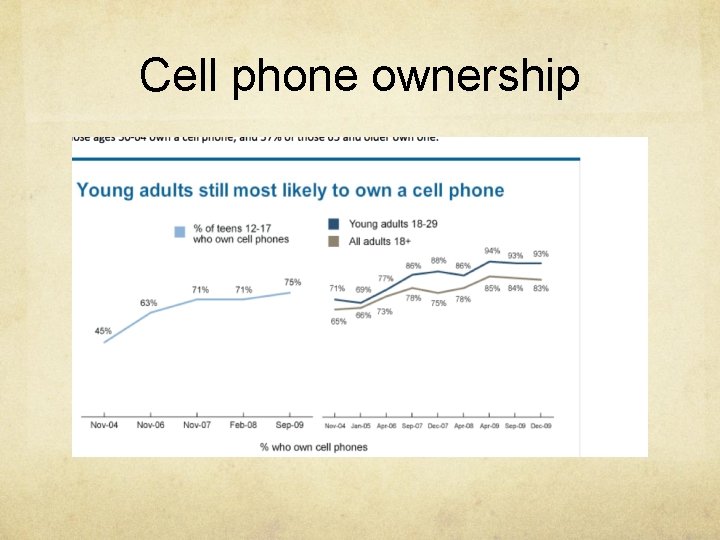
Cell phone ownership
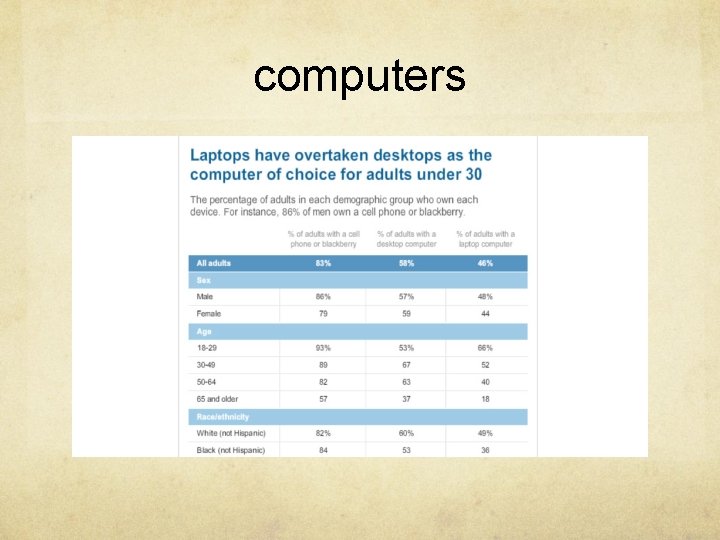
computers
On the bright side… younger generations are given a powerful advantage to compete in the economy over older generations. Older people use it to communicate with their children. schools using computers in classrooms
What is connected learning?
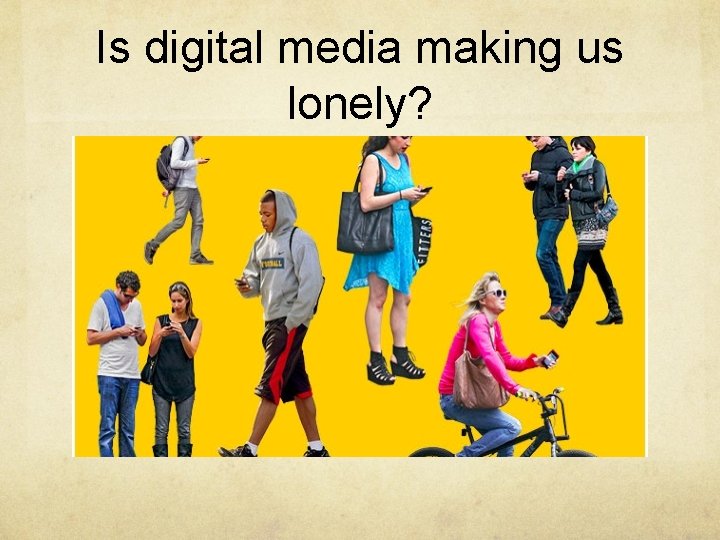
Is digital media making us lonely?
Along together Technology-enabled—are we are able to be with one another, and also elsewhere? Do texting, e-mail, and posting let us present the self we want to be. Is emailing, texting, etc. a substitute for conversation. flight from conversation can mean diminished: quality and depth of communication chances to learn skills of self-reflection.
Alone together in our rush to connect, are we fleeing from solitude and our ability to be separate 7: 20
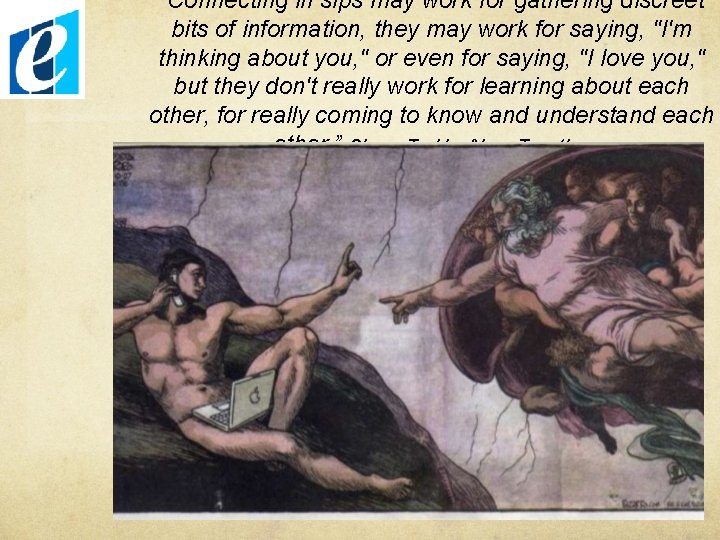
“Connecting in sips may work for gathering discreet bits of information, they may work for saying, "I'm thinking about you, " or even for saying, "I love you, " but they don't really work for learning about each other, for really coming to know and understand each other. ” Sherry Turkle, Alone Together
Effects of Digital Media Consumption and emerging adulthood
Frontline: Digital Nation Video
Overall Emerging adults spend more time using media than doing any other daily activity, spending nearly 12 hr each day with media of some form
Effects Academic Achievement Friendships and relationships Aggression Prosocial behavior Sexual behavior Body Image Problematic media Use
Academic Achievement With every hour of electronic media exposure by college students, GPA reduced by. 06 points Time away from study 2/3 students use digital media while in class, studying or doing homework (mostly used for unproductive measures) BUT including in the classroom can facilitate engagement
Friendship and relationships Detracting from real-life friends/relationships EVIDENCE Video games. Porn neg. Social networking—problems communicating in real life for some, increased jealousy, obsessive beh. BUT-most research compliments/facilitates r. w. relationships
Aggression More likely to pay M-video games/R movies By TTA short-term effects stronger than longterm, better able to interpret violent content May glorify military/violence, improve gun aim/accuracy
Prosocial Behaivor Exposure leads to better behavior, tips, etc.
Sexual Behiaovr > exposure > nonrelational sex, more partners Porn (highest during emerging adulthood) 87% of emerging adult men, 20% daily Women—only about 30% of some use
Body Image Below average weight characters are over represented, obese often receive negative comments Exposure to fitness and health magazines Eating disorders esp. prevalent late adolescents (peak at 18)
Pathological Use Most emerging adults are NOT— 8% of gamers show signs of pathological video game use (addiction)
Badges? Online representation of achievement?
But young adults are not passive receivers! Used as a way of “self-socializing themselves in terms of important developmental tasks Autonomy (fewer restrictions) Identity (overall, gender, sexuality, ethnicity) Music, media, movieis, video games, tv characters as surrogates Intimacy (from Facebook to more intimate channels)