The Scaled Approach and YRO quality assurance work
- Slides: 22
The Scaled Approach and YRO: quality assurance work
Quality data and information: The management role
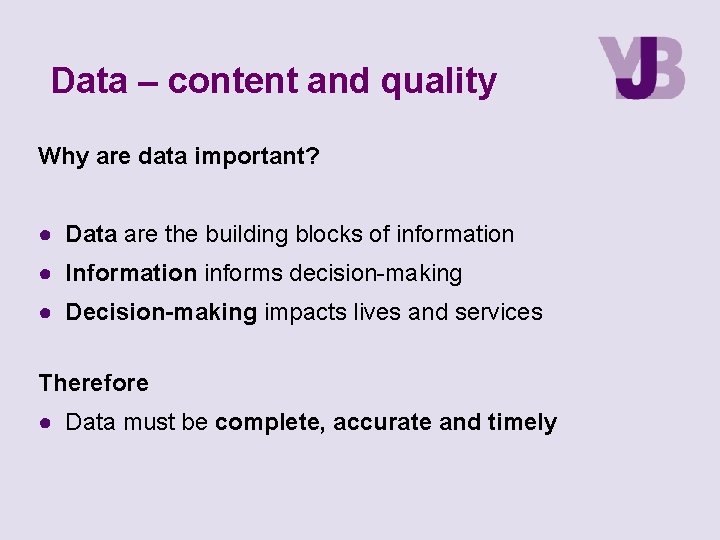
Data – content and quality Why are data important? ● Data are the building blocks of information ● Information informs decision-making ● Decision-making impacts lives and services Therefore ● Data must be complete, accurate and timely
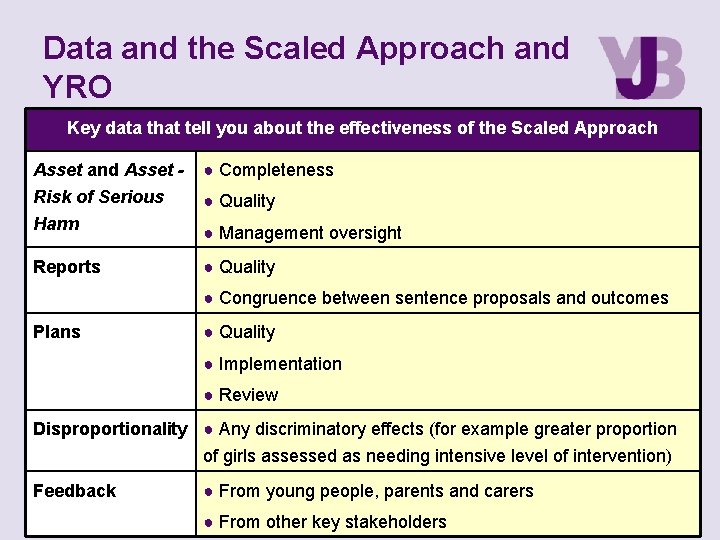
Data and the Scaled Approach and YRO Key data that tell you about the effectiveness of the Scaled Approach Asset and Asset - ● Completeness Risk of Serious Harm ● Quality Reports ● Quality ● Management oversight ● Congruence between sentence proposals and outcomes Plans ● Quality ● Implementation ● Review Disproportionality ● Any discriminatory effects (for example greater proportion of girls assessed as needing intensive level of intervention) Feedback ● From young people, parents and carers ● From other key stakeholders
The renewed focus on quality assurance
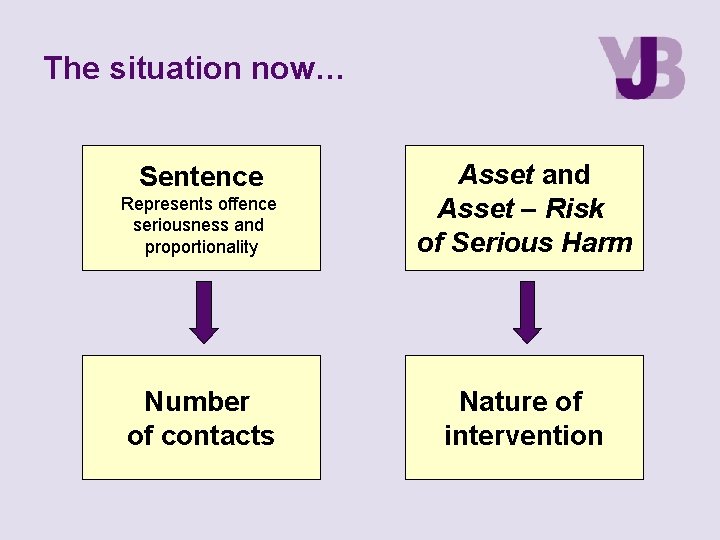
The situation now… Represents offence seriousness and proportionality Asset and Asset – Risk of Serious Harm Number of contacts Nature of intervention Sentence
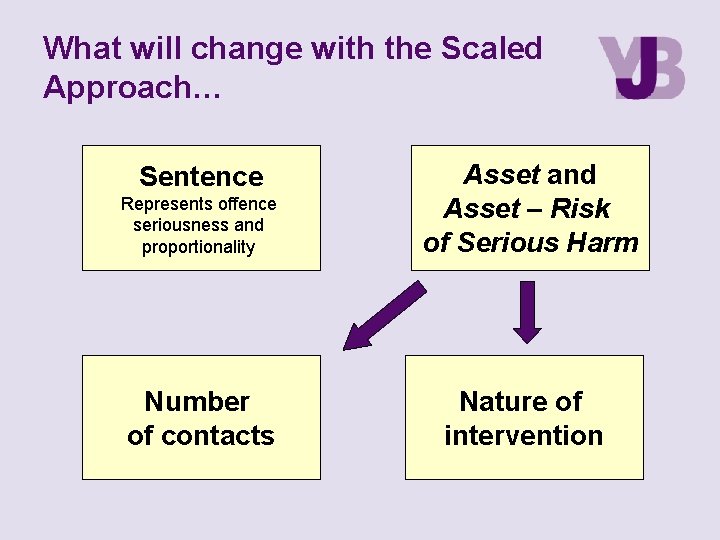
What will change with the Scaled Approach… Sentence Represents offence seriousness and proportionality Number of contacts Asset and Asset – Risk of Serious Harm Nature of intervention
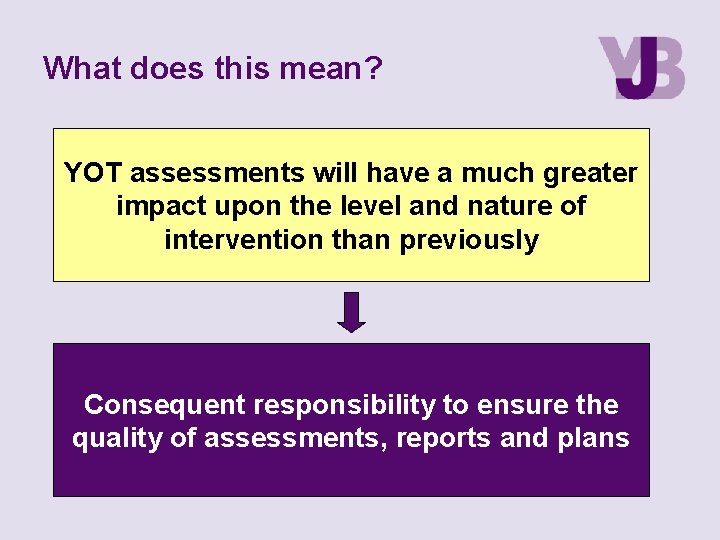
What does this mean? YOT assessments will have a much greater impact upon the level and nature of intervention than previously Consequent responsibility to ensure the quality of assessments, reports and plans
Quality Assurance principles
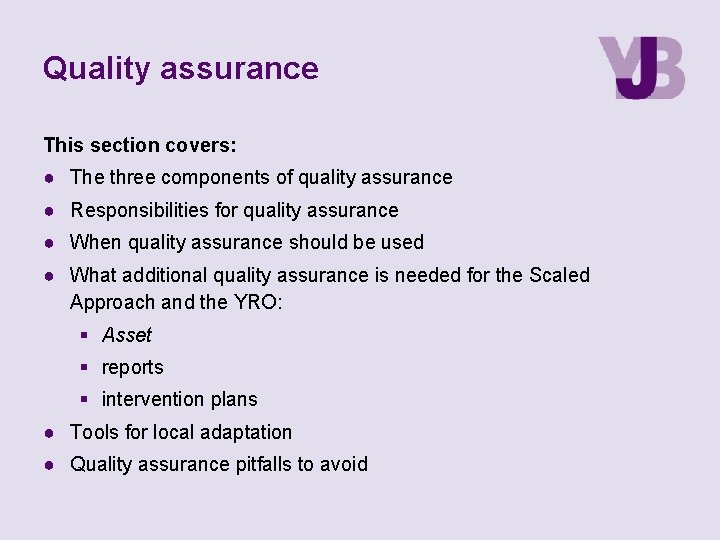
Quality assurance This section covers: ● The three components of quality assurance ● Responsibilities for quality assurance ● When quality assurance should be used ● What additional quality assurance is needed for the Scaled Approach and the YRO: § Asset § reports § intervention plans ● Tools for local adaptation ● Quality assurance pitfalls to avoid
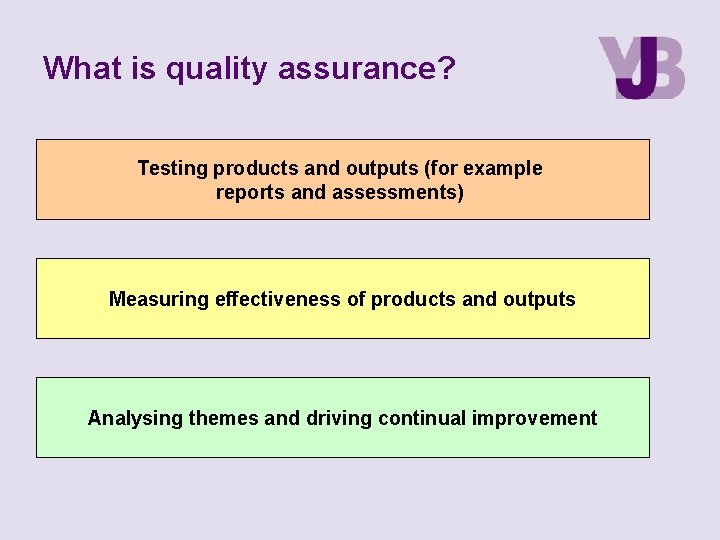
What is quality assurance? Testing products and outputs (for example reports and assessments) Measuring effectiveness of products and outputs Analysing themes and driving continual improvement
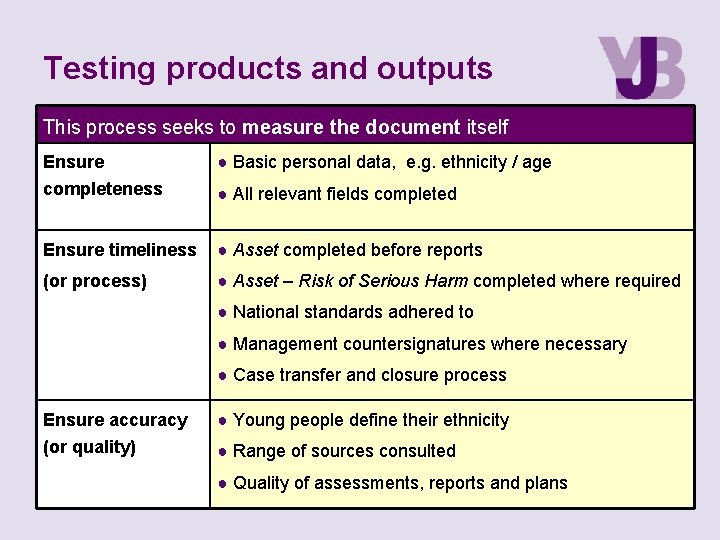
Testing products and outputs This process seeks to measure the document itself Ensure ● Basic personal data, e. g. ethnicity / age completeness ● All relevant fields completed Ensure timeliness ● Asset completed before reports (or process) ● Asset – Risk of Serious Harm completed where required ● National standards adhered to ● Management countersignatures where necessary ● Case transfer and closure process Ensure accuracy ● Young people define their ethnicity (or quality) ● Range of sources consulted ● Quality of assessments, reports and plans
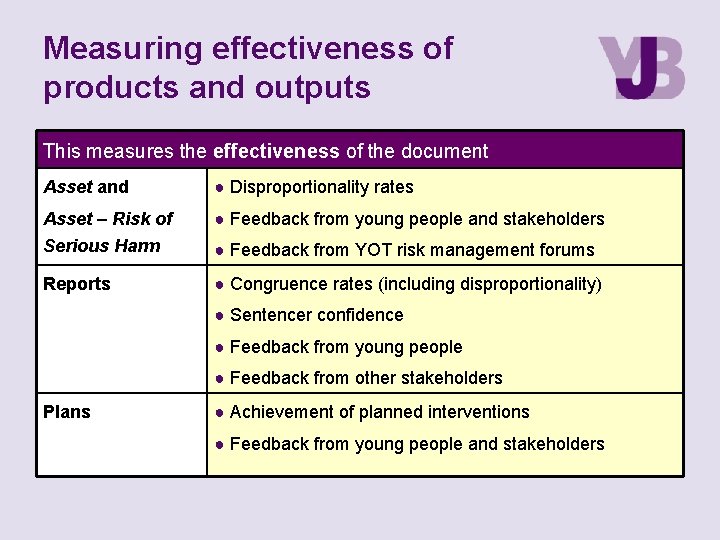
Measuring effectiveness of products and outputs This measures the effectiveness of the document Asset and ● Disproportionality rates Asset – Risk of Serious Harm ● Feedback from young people and stakeholders Reports ● Congruence rates (including disproportionality) ● Feedback from YOT risk management forums ● Sentencer confidence ● Feedback from young people ● Feedback from other stakeholders Plans ● Achievement of planned interventions ● Feedback from young people and stakeholders
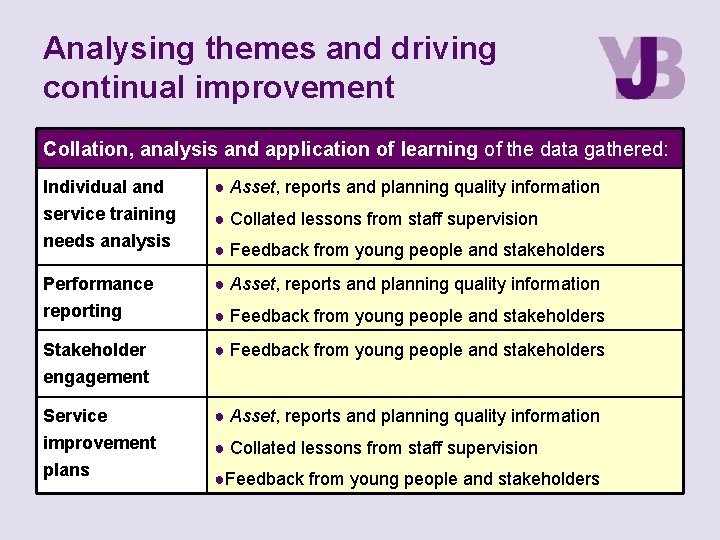
Analysing themes and driving continual improvement Collation, analysis and application of learning of the data gathered: Individual and ● Asset, reports and planning quality information service training needs analysis ● Collated lessons from staff supervision Performance ● Asset, reports and planning quality information reporting ● Feedback from young people and stakeholders Stakeholder ● Feedback from young people and stakeholders engagement Service ● Asset, reports and planning quality information improvement plans ● Collated lessons from staff supervision ●Feedback from young people and stakeholders
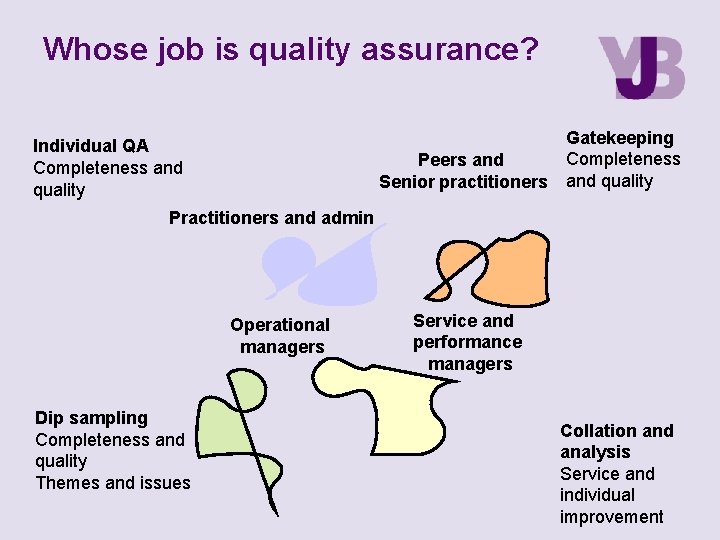
Whose job is quality assurance? Gatekeeping Completeness Peers and Senior practitioners and quality Individual QA Completeness and quality Practitioners and admin Operational managers Dip sampling Completeness and quality Themes and issues Service and performance managers Collation and analysis Service and individual improvement
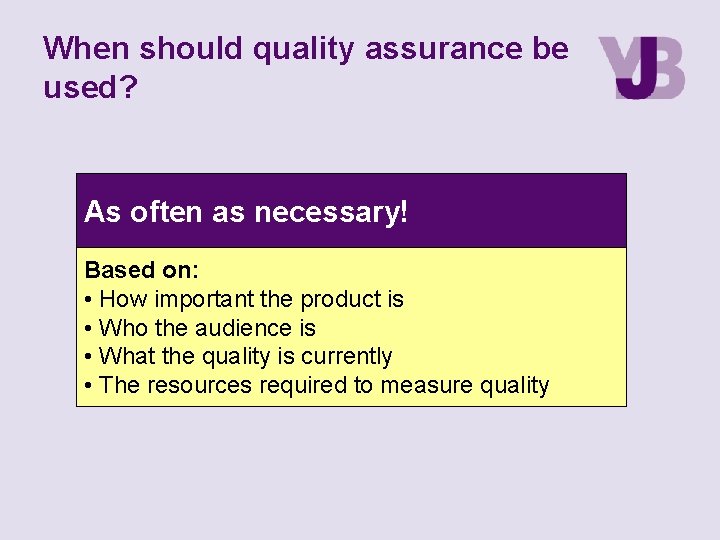
When should quality assurance be used? As often as necessary! Based on: • How important the product is • Who the audience is • What the quality is currently • The resources required to measure quality
What are the implications for my YOT’s quality assurance tools used with the Scaled Approach and the YRO?
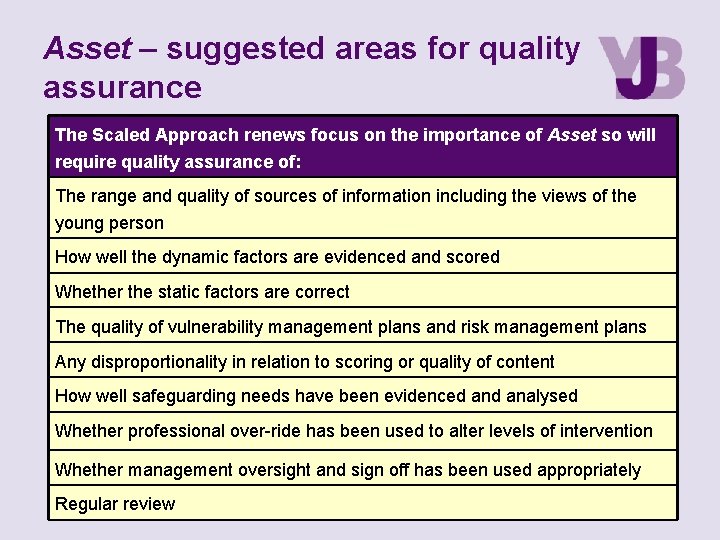
Asset – suggested areas for quality assurance The Scaled Approach renews focus on the importance of Asset so will require quality assurance of: The range and quality of sources of information including the views of the young person How well the dynamic factors are evidenced and scored Whether the static factors are correct The quality of vulnerability management plans and risk management plans Any disproportionality in relation to scoring or quality of content How well safeguarding needs have been evidenced analysed Whether professional over-ride has been used to alter levels of intervention Whether management oversight and sign off has been used appropriately Regular review
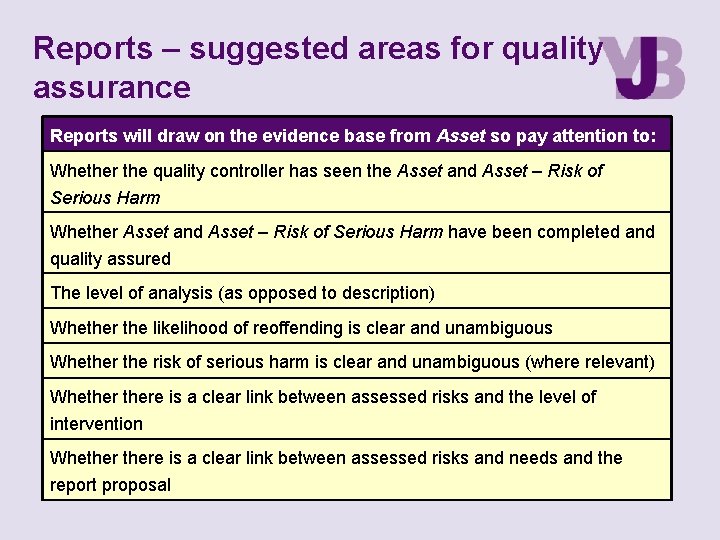
Reports – suggested areas for quality assurance Reports will draw on the evidence base from Asset so pay attention to: Whether the quality controller has seen the Asset and Asset – Risk of Serious Harm Whether Asset and Asset – Risk of Serious Harm have been completed and quality assured The level of analysis (as opposed to description) Whether the likelihood of reoffending is clear and unambiguous Whether the risk of serious harm is clear and unambiguous (where relevant) Whethere is a clear link between assessed risks and the level of intervention Whethere is a clear link between assessed risks and needs and the report proposal
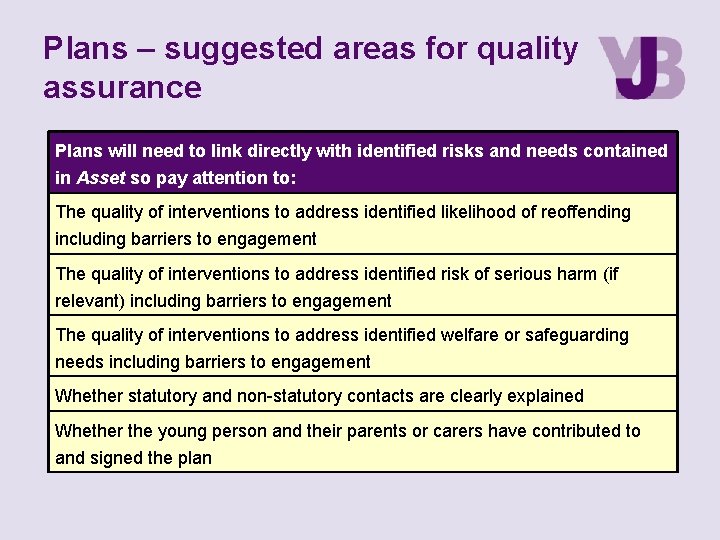
Plans – suggested areas for quality assurance Plans will need to link directly with identified risks and needs contained in Asset so pay attention to: The quality of interventions to address identified likelihood of reoffending including barriers to engagement The quality of interventions to address identified risk of serious harm (if relevant) including barriers to engagement The quality of interventions to address identified welfare or safeguarding needs including barriers to engagement Whether statutory and non-statutory contacts are clearly explained Whether the young person and their parents or carers have contributed to and signed the plan
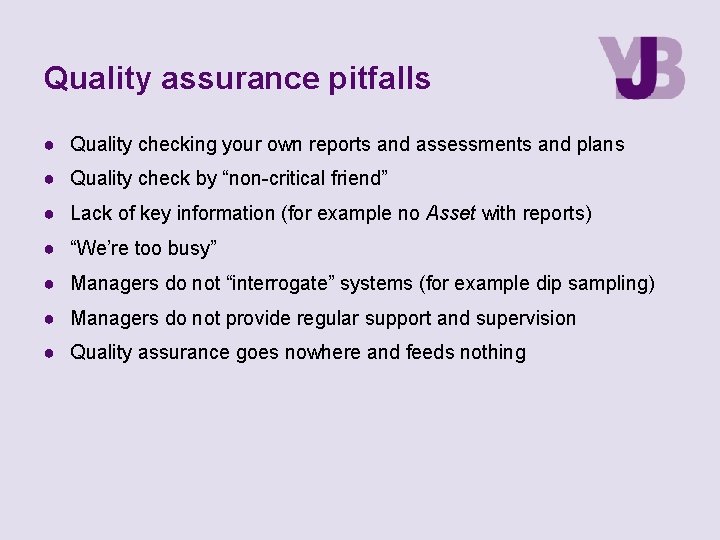
Quality assurance pitfalls ● Quality checking your own reports and assessments and plans ● Quality check by “non-critical friend” ● Lack of key information (for example no Asset with reports) ● “We’re too busy” ● Managers do not “interrogate” systems (for example dip sampling) ● Managers do not provide regular support and supervision ● Quality assurance goes nowhere and feeds nothing
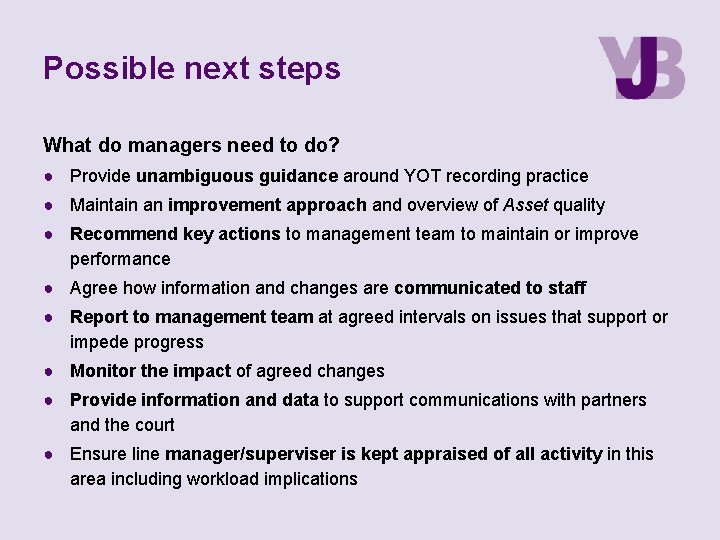
Possible next steps What do managers need to do? ● Provide unambiguous guidance around YOT recording practice ● Maintain an improvement approach and overview of Asset quality ● Recommend key actions to management team to maintain or improve performance ● Agree how information and changes are communicated to staff ● Report to management team at agreed intervals on issues that support or impede progress ● Monitor the impact of agreed changes ● Provide information and data to support communications with partners and the court ● Ensure line manager/superviser is kept appraised of all activity in this area including workload implications