The Art of Woo Using Strategic Persuasion To


- Slides: 20
The Art of Woo: Using Strategic Persuasion To Sell Your Ideas Mario Moussa, Ph. D. , MBA President, Moussa Consulting moussa@moussaconsulting. com/267 -549 -6694
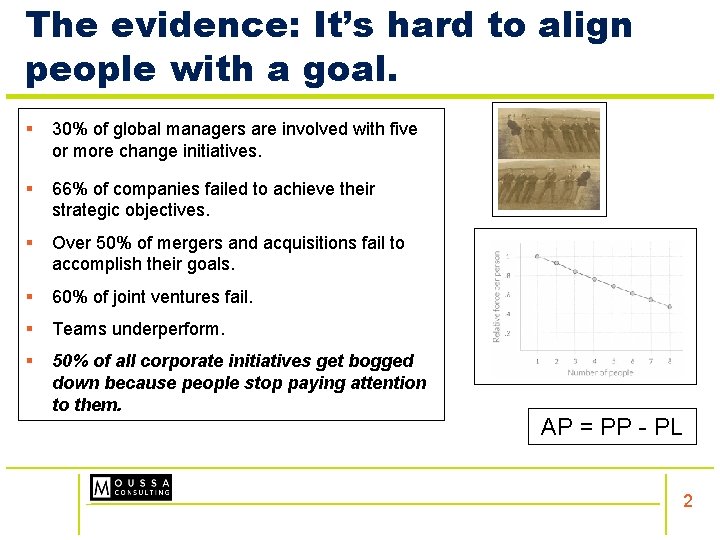
The evidence: It’s hard to align people with a goal. § 30% of global managers are involved with five or more change initiatives. § 66% of companies failed to achieve their strategic objectives. § Over 50% of mergers and acquisitions fail to accomplish their goals. § 60% of joint ventures fail. § Teams underperform. § 50% of all corporate initiatives get bogged down because people stop paying attention to them. AP = PP - PL 2
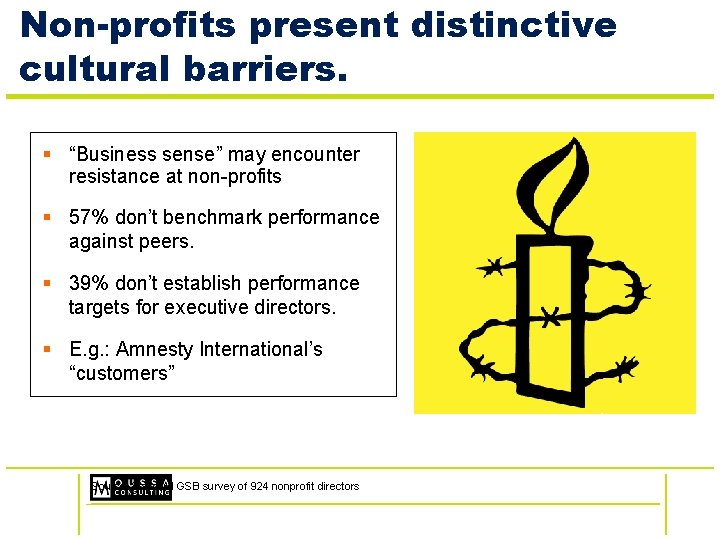
Non-profits present distinctive cultural barriers. § “Business sense” may encounter resistance at non-profits § 57% don’t benchmark performance against peers. § 39% don’t establish performance targets for executive directors. § E. g. : Amnesty International’s “customers” Source: Stanford GSB survey of 924 nonprofit directors
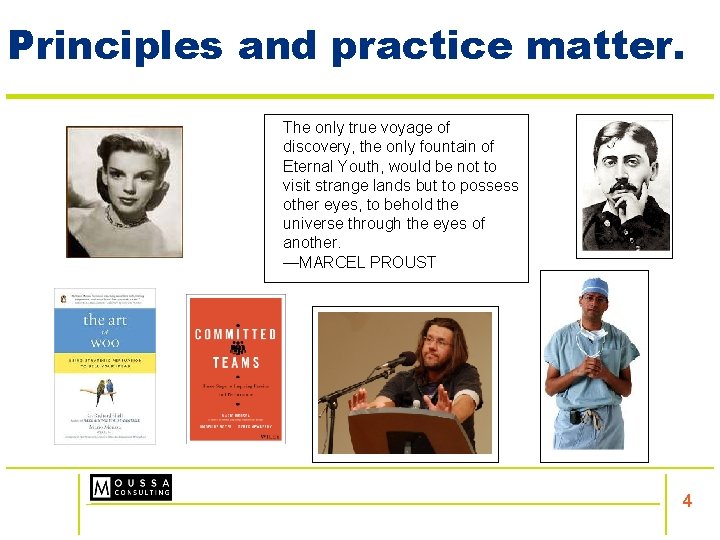
Principles and practice matter. The only true voyage of discovery, the only fountain of Eternal Youth, would be not to visit strange lands but to possess other eyes, to behold the universe through the eyes of another. —MARCEL PROUST 4
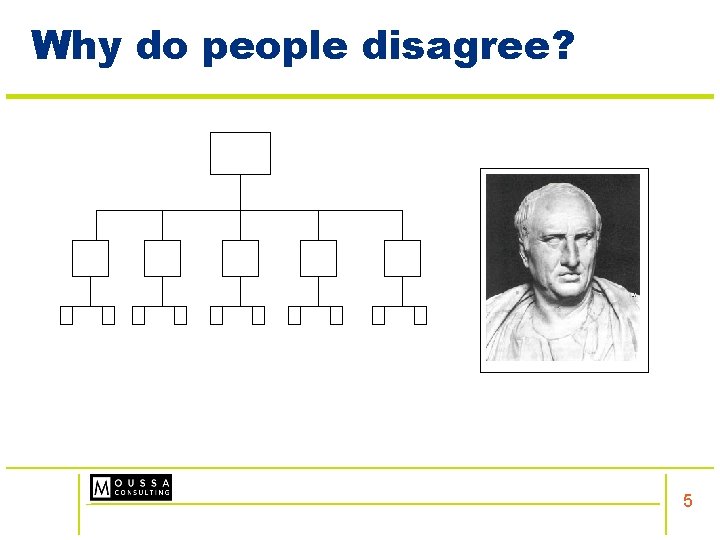
Why do people disagree? 5
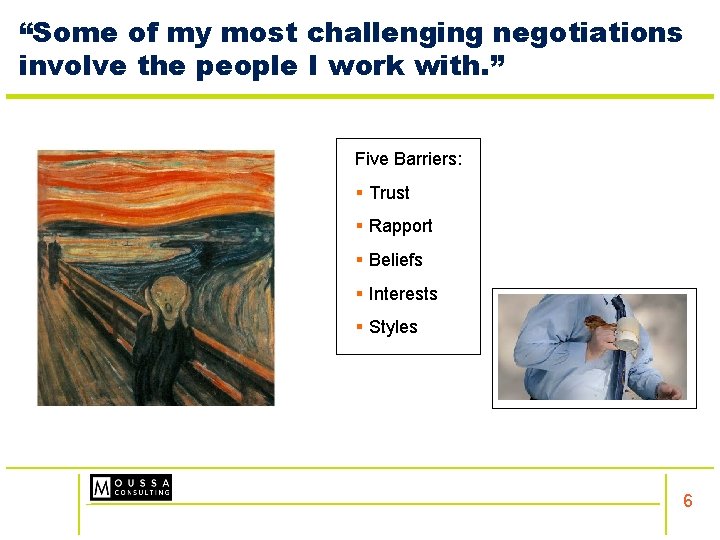
“Some of my most challenging negotiations involve the people I work with. ” Five Barriers: § Trust § Rapport § Beliefs § Interests § Styles 6
Three Ways of Engaging INFLUENCE PERSUASION NEGOTIATION 7
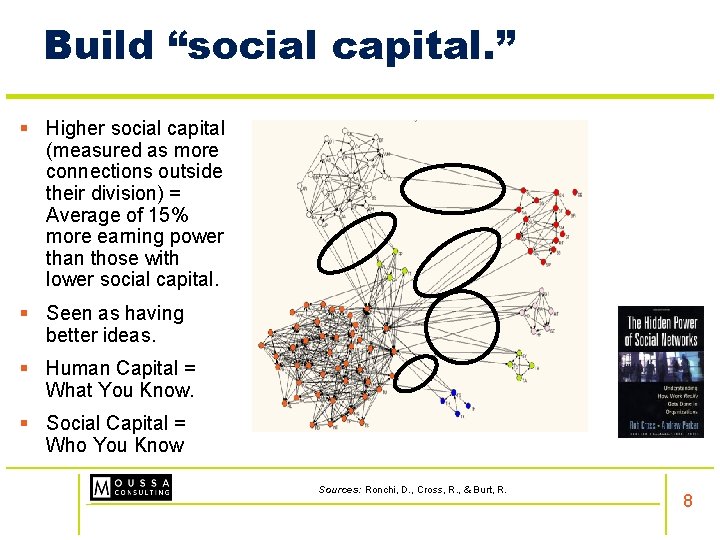
Build “social capital. ” § Higher social capital (measured as more connections outside their division) = Average of 15% more earning power than those with lower social capital. § Seen as having better ideas. § Human Capital = What You Know. § Social Capital = Who You Know Sources: Ronchi, D. , Cross, R. , & Burt, R. 8
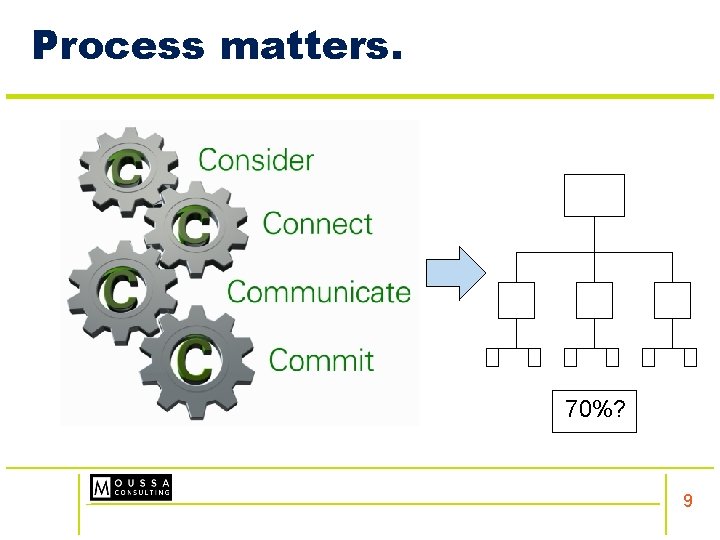
Process matters. 70%? 9
The Illusion of Insight ILLUSION OF INSIGHT
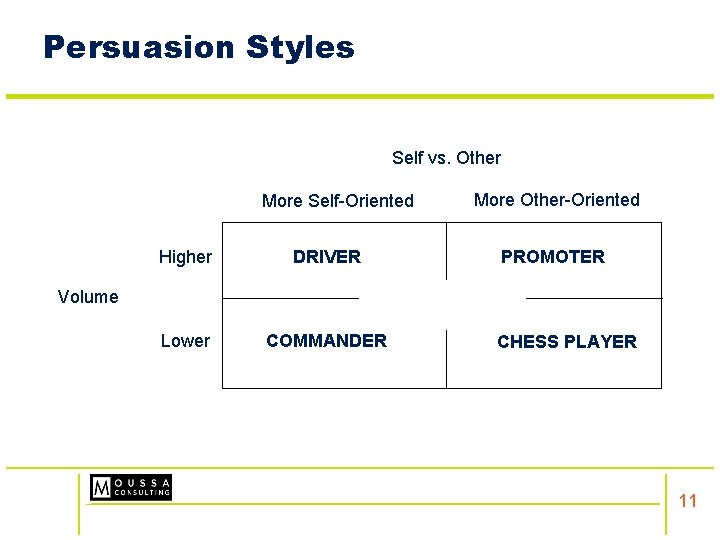
Persuasion Styles Self vs. Other More Self-Oriented Higher DRIVER Lower COMMANDER More Other-Oriented PROMOTER Volume CHESS PLAYER 11
Persuasive Direction
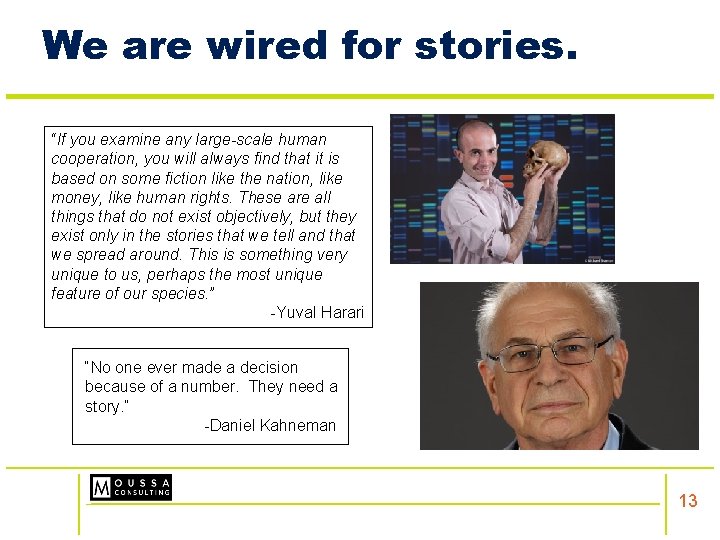
We are wired for stories. “If you examine any large-scale human cooperation, you will always find that it is based on some fiction like the nation, like money, like human rights. These are all things that do not exist objectively, but they exist only in the stories that we tell and that we spread around. This is something very unique to us, perhaps the most unique feature of our species. ” -Yuval Harari “No one ever made a decision because of a number. They need a story. ” -Daniel Kahneman 13
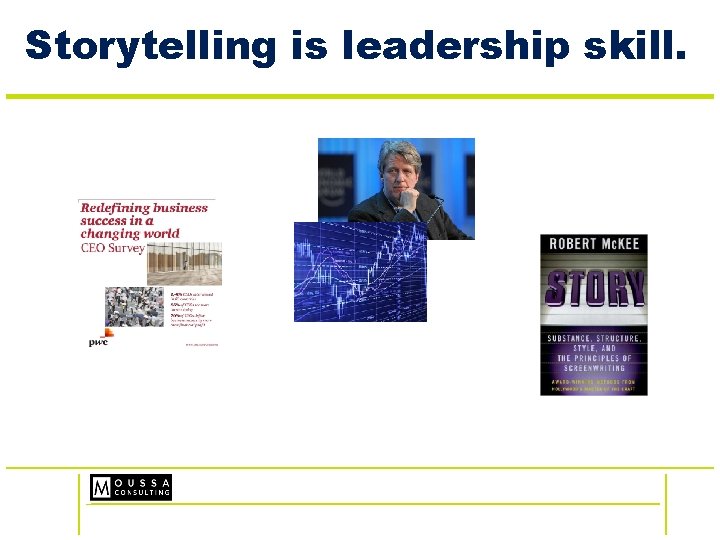
Storytelling is leadership skill.
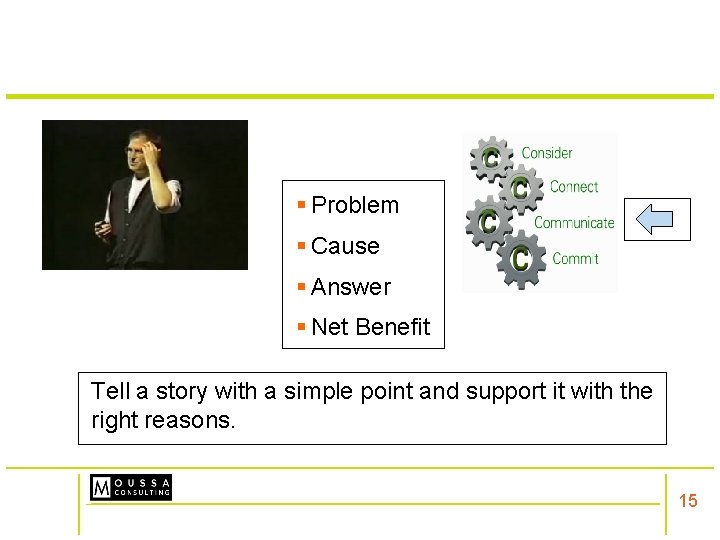
§ Problem § Cause § Answer § Net Benefit Tell a story with a simple point and support it with the right reasons. 15
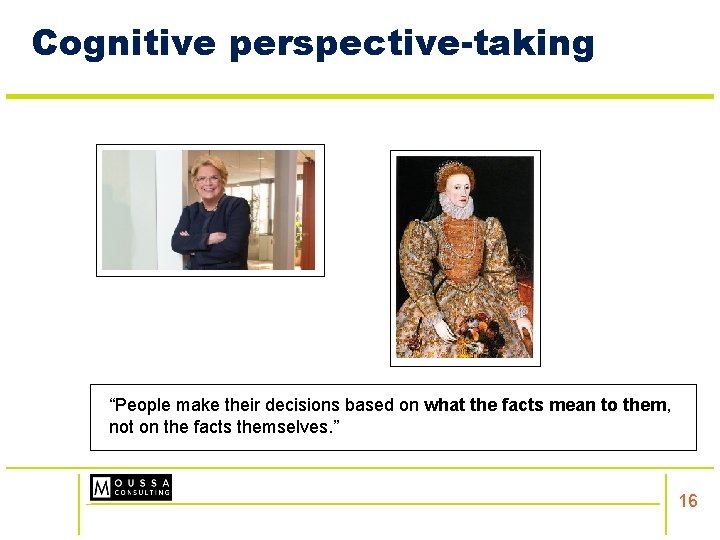
Cognitive perspective-taking “People make their decisions based on what the facts mean to them, not on the facts themselves. ” 16
Bring people along with you. 17
“If I knew then. . . ” § Think of a recent meeting or conversation. § Looking back on that encounter, in light of our discussions in this session, what would you do more of or less of? § Why? § Identify at least two “more of” behaviors and two “less of” behaviors. 18
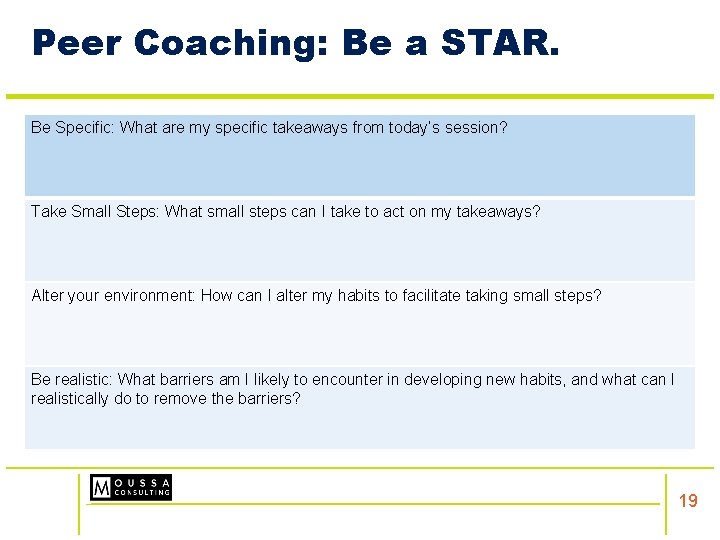
Peer Coaching: Be a STAR. Be Specific: What are my specific takeaways from today’s session? Take Small Steps: What small steps can I take to act on my takeaways? Alter your environment: How can I alter my habits to facilitate taking small steps? Be realistic: What barriers am I likely to encounter in developing new habits, and what can I realistically do to remove the barriers? 19
20