Thanks to Richard van de Lagemaat Theory of

- Slides: 17
Thanks to Richard van de Lagemaat, Theory of Knowledge for the IB Diploma, Cambridge University Press Language and knowledge ‘Thought is not merely expressed in words; it comes into existence through them. ’ L. Vygotsky, 1896 -1934
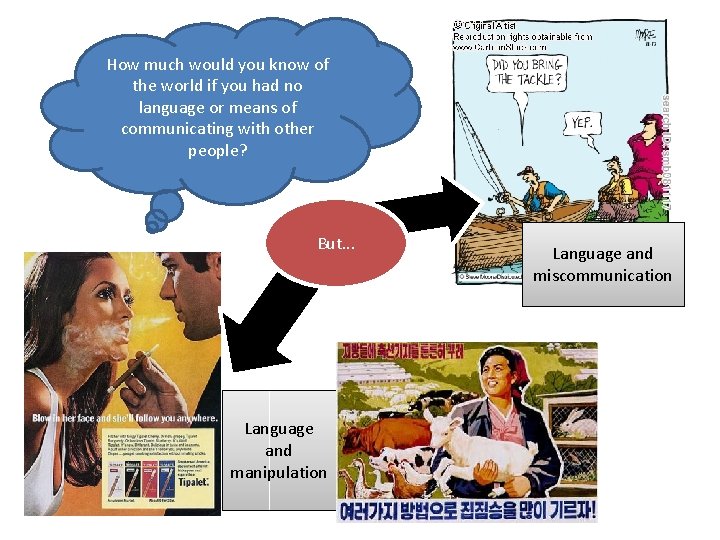
How much would you know of the world if you had no language or means of communicating with other people? But. . . Language and manipulation Language and miscommunication
The nature of language
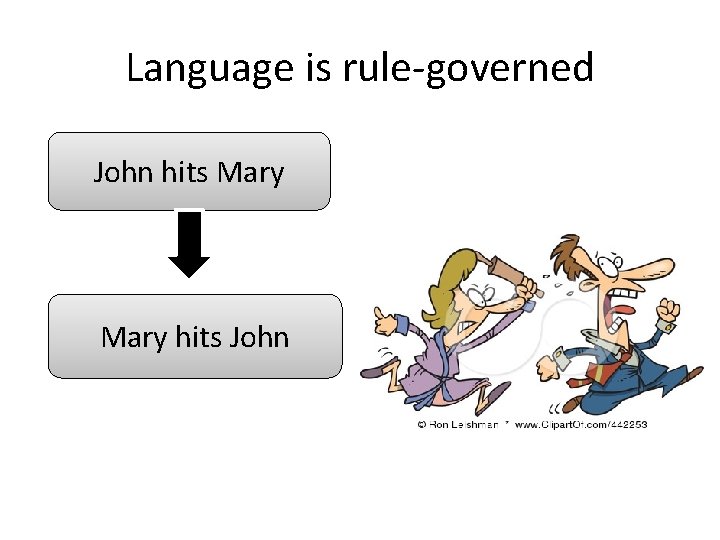
Language is rule-governed John hits Mary hits John
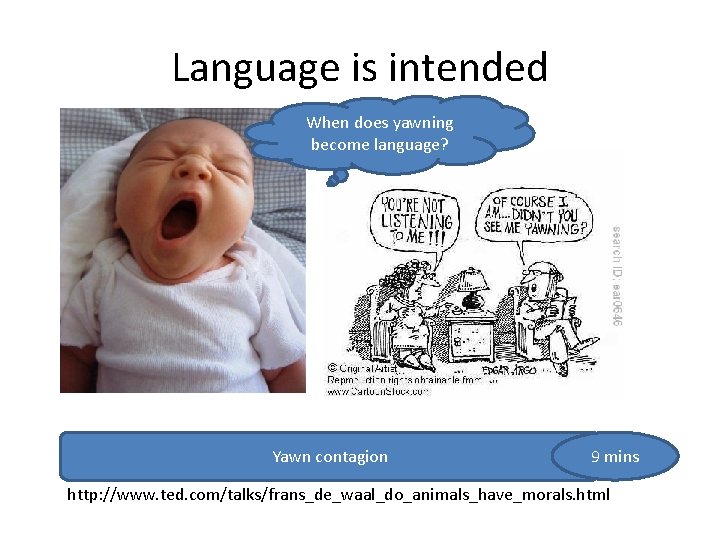
Language is intended When does yawning become language? Yawn contagion 9 mins http: //www. ted. com/talks/frans_de_waal_do_animals_have_morals. html
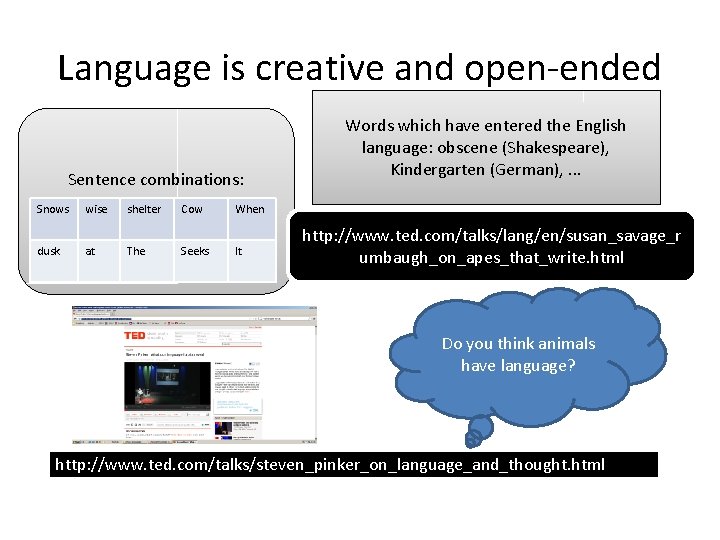
Language is creative and open-ended Sentence combinations: Snows wise shelter Cow When dusk at The Seeks It Words which have entered the English language: obscene (Shakespeare), Kindergarten (German), . . . http: //www. ted. com/talks/lang/en/susan_savage_r umbaugh_on_apes_that_write. html Do you think animals have language? http: //www. ted. com/talks/steven_pinker_on_language_and_thought. html
Is sign language according to the three criteria (rule-governed, intended and creative and open-ended)? Would it be possible to develop a scent language?
Language and meaning
The problem of meaning See activity 3. 5 p. 51 Meaning is important in our search for knowledge because you must know what a sentence means before you can decide whether it is true or false. Words are often ambiguous and open to a variety of interpretations
Definition theory: consult a dictionary for a definition Dictionary definitions- sometimes vague and imprecise. Always reliant on other words (language) How would you explain, to a blind person what the word ‘red’ means? What does this suggest about the limitations of definitions?
Denotation theory: a meaningful word (as opposed to a meaningless word) stands for something. What does ‘wisdom’ stand for? Sometimes not possible for a word to clearly stand for a thing. What does the word ‘Socrates’ stand for? Did the word ‘Socrates’ become meaningless once Socrates died?
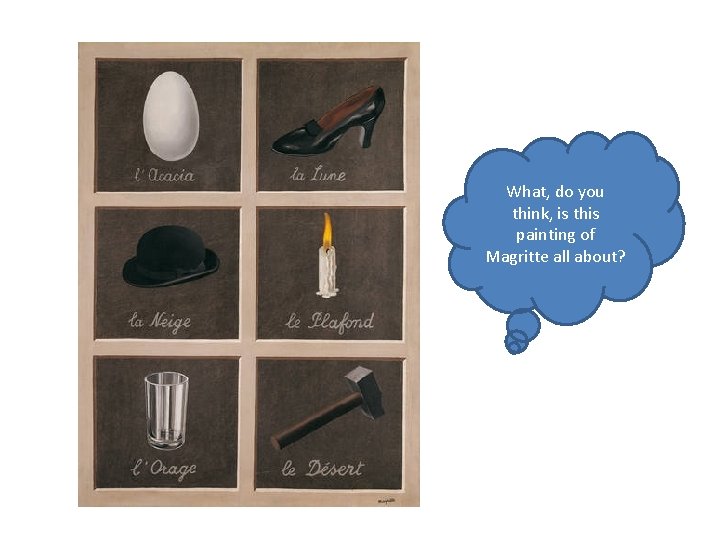
What, do you think, is this painting of Magritte all about?
Image theory: the meaning of the word is the mental image it stands for http: //www. ted. com/talks/einstein_the_parrot_t alks_and_squawks. html According to the image theory, does ‘Einstein’, know what he says? Why not?
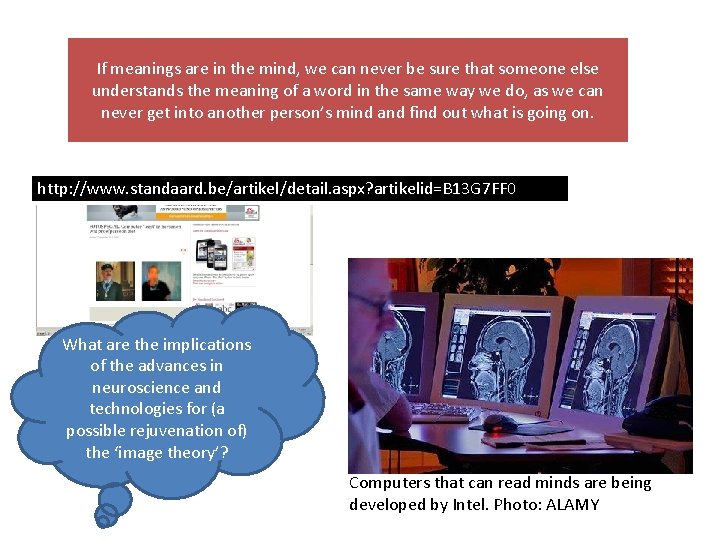
If meanings are in the mind, we can never be sure that someone else understands the meaning of a word in the same way we do, as we can never get into another person’s mind and find out what is going on. http: //www. standaard. be/artikel/detail. aspx? artikelid=B 13 G 7 FF 0 What are the implications of the advances in neuroscience and technologies for (a possible rejuvenation of) the ‘image theory’? Computers that can read minds are being developed by Intel. Photo: ALAMY
Meaning as know-how You know the meaning of a word when you know how to use it correctly. Do you think a robot could use and respond appropriately to language? What difference, if any, would it make in real life if this were the case? 5 min talk http: //www. ted. com/talks/lang/en/david_hanson_robots_that_relate_to_you. html
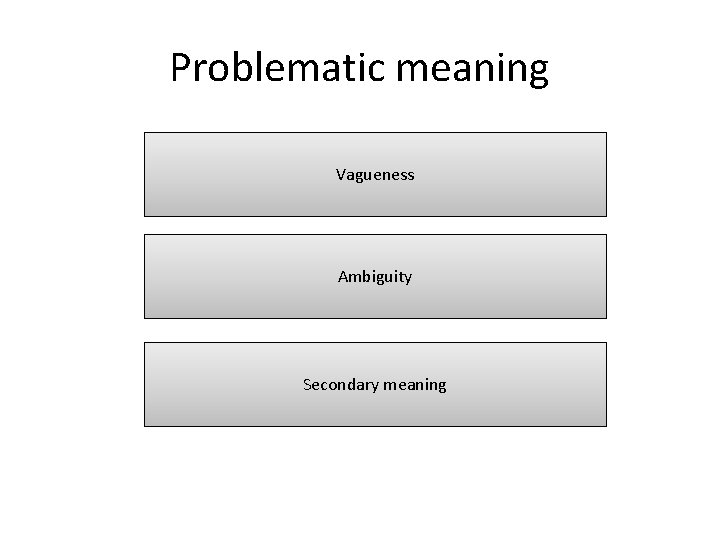
Problematic meaning Vagueness Ambiguity Secondary meaning
Going beyond: body language http: //www. ted. com/talks/amy_cuddy_your_body_language_shapes_who_you_are. html Watch only to ‘anecdote’