Sexual Histories Lecture 11 Crossdressing 1 Modern and

- Slides: 22
Sexual Histories, Lecture 11 Crossdressing
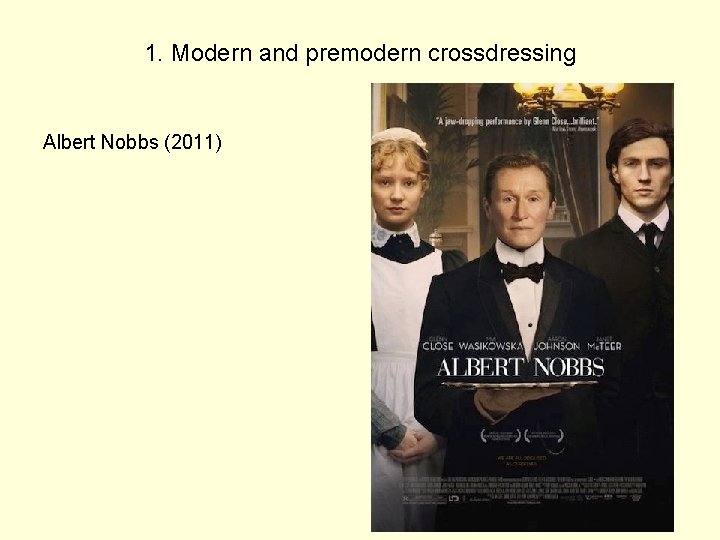
1. Modern and premodern crossdressing Albert Nobbs (2011)
White Chicks (2004) Shakespeare in Love (1999)
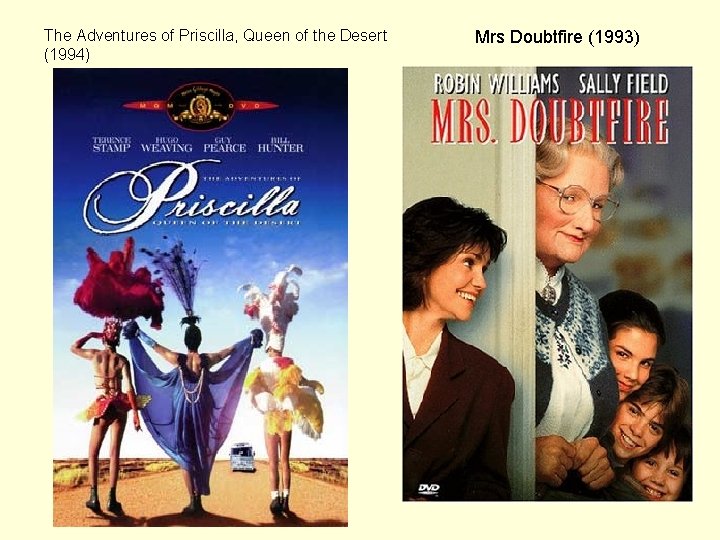
The Adventures of Priscilla, Queen of the Desert (1994) Mrs Doubtfire (1993)
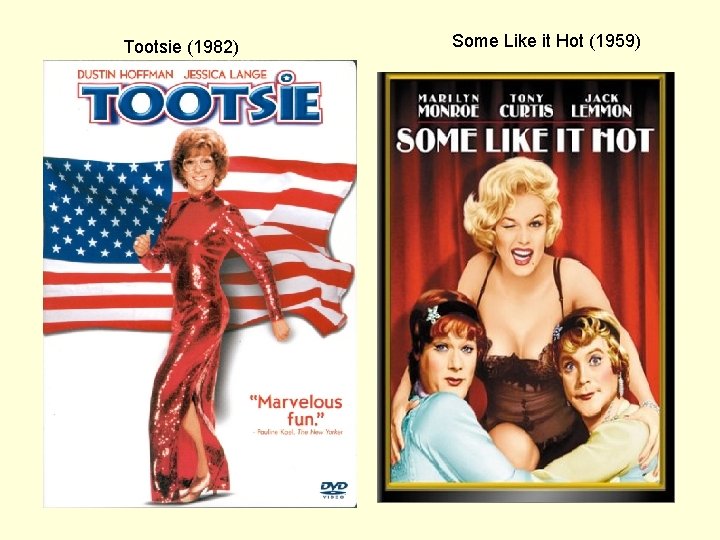
Tootsie (1982) Some Like it Hot (1959)
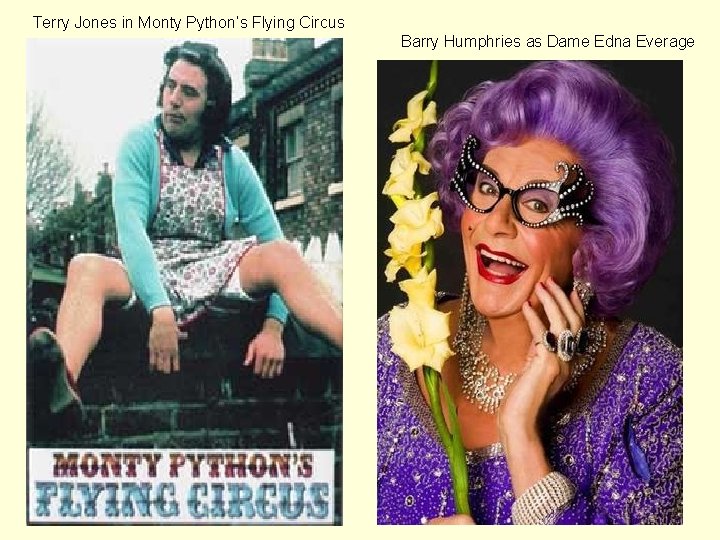
Terry Jones in Monty Python’s Flying Circus Barry Humphries as Dame Edna Everage
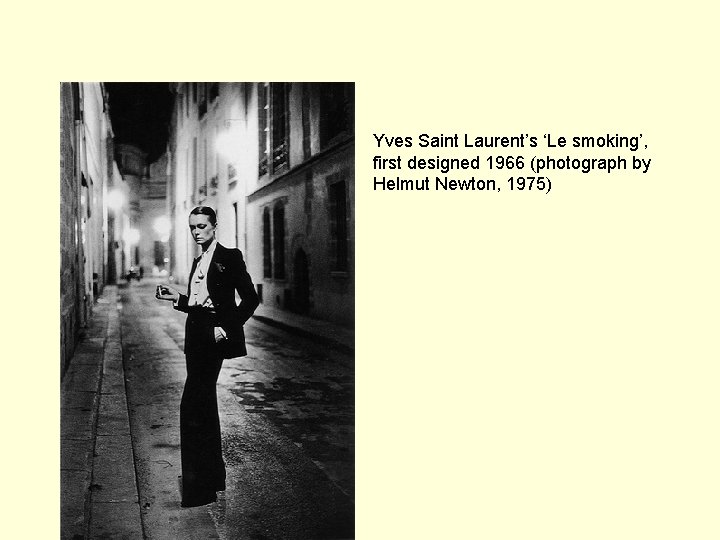
Yves Saint Laurent’s ‘Le smoking’, first designed 1966 (photograph by Helmut Newton, 1975)
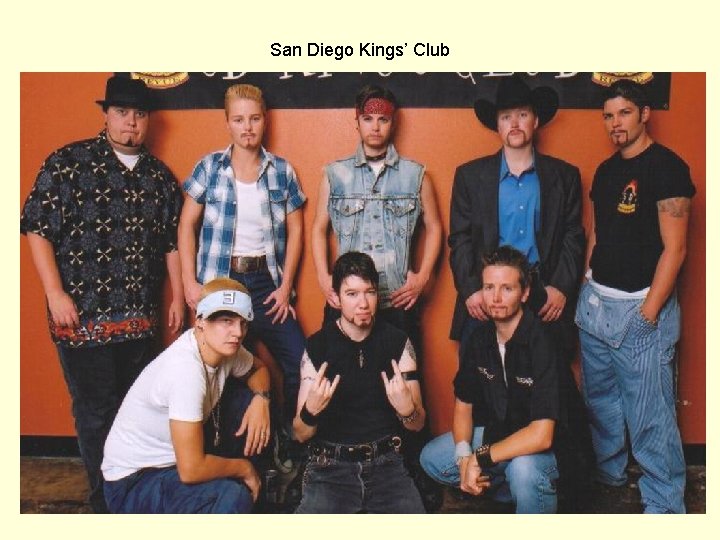
San Diego Kings’ Club
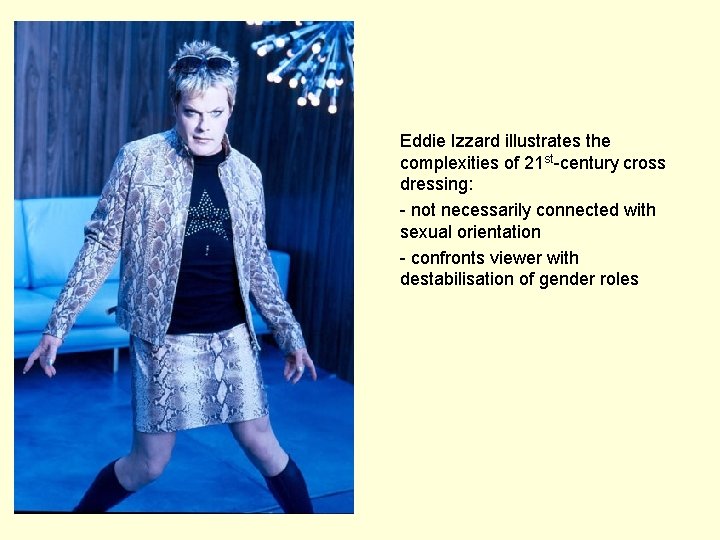
Eddie Izzard illustrates the complexities of 21 st-century cross dressing: - not necessarily connected with sexual orientation - confronts viewer with destabilisation of gender roles
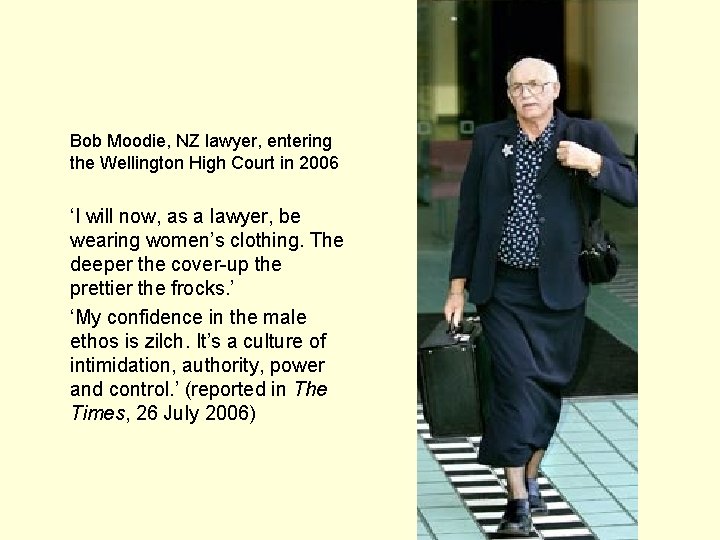
Bob Moodie, NZ lawyer, entering the Wellington High Court in 2006 ‘I will now, as a lawyer, be wearing women’s clothing. The deeper the cover-up the prettier the frocks. ’ ‘My confidence in the male ethos is zilch. It’s a culture of intimidation, authority, power and control. ’ (reported in The Times, 26 July 2006)
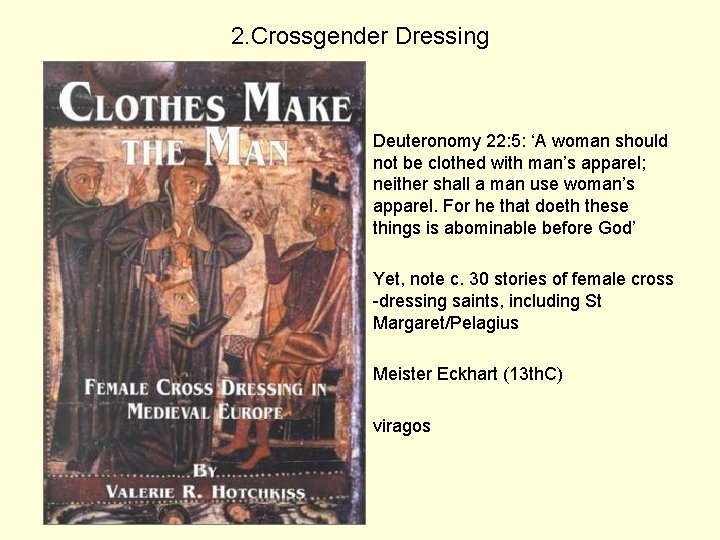
2. Crossgender Dressing Deuteronomy 22: 5: ‘A woman should not be clothed with man’s apparel; neither shall a man use woman’s apparel. For he that doeth these things is abominable before God’ Yet, note c. 30 stories of female cross -dressing saints, including St Margaret/Pelagius Meister Eckhart (13 th. C) viragos
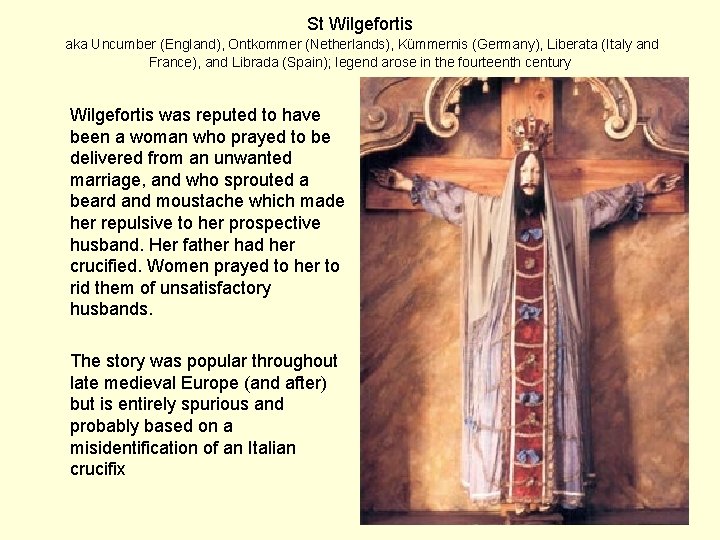
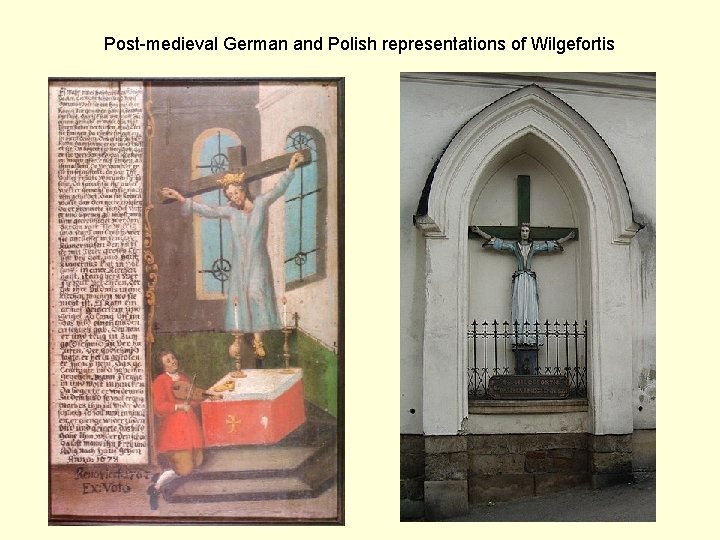
St Wilgefortis aka Uncumber (England), Ontkommer (Netherlands), Kümmernis (Germany), Liberata (Italy and France), and Librada (Spain); legend arose in the fourteenth century Wilgefortis was reputed to have been a woman who prayed to be delivered from an unwanted marriage, and who sprouted a beard and moustache which made her repulsive to her prospective husband. Her father had her crucified. Women prayed to her to rid them of unsatisfactory husbands. The story was popular throughout late medieval Europe (and after) but is entirely spurious and probably based on a misidentification of an Italian crucifix
Post-medieval German and Polish representations of Wilgefortis
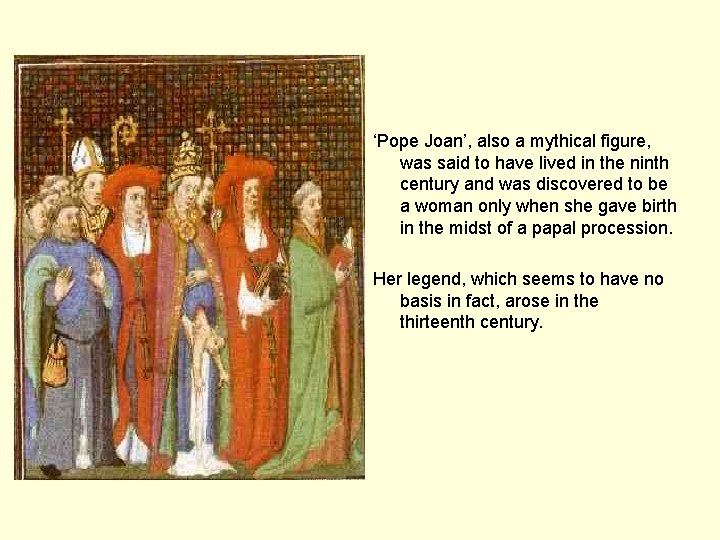
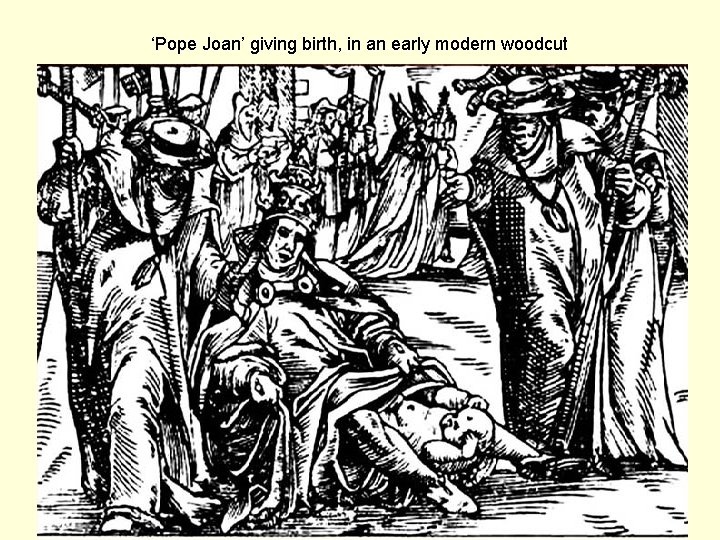
‘Pope Joan’, also a mythical figure, was said to have lived in the ninth century and was discovered to be a woman only when she gave birth in the midst of a papal procession. Her legend, which seems to have no basis in fact, arose in the thirteenth century.
‘Pope Joan’ giving birth, in an early modern woodcut
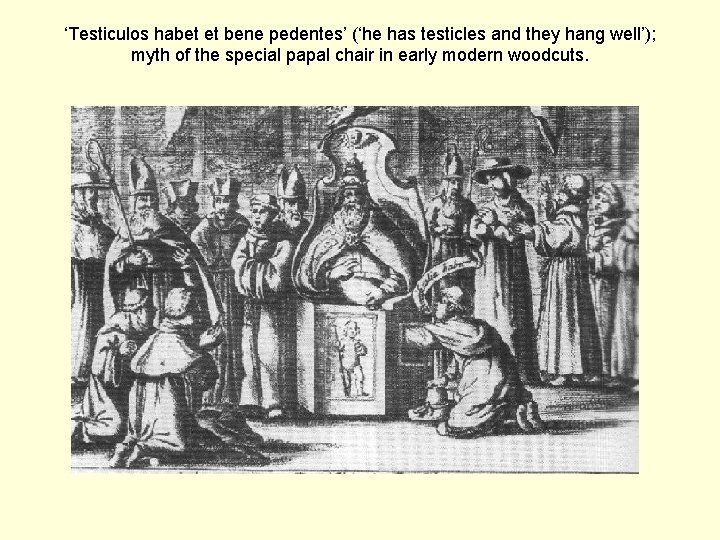
‘Testiculos habet et bene pedentes’ (‘he has testicles and they hang well’); myth of the special papal chair in early modern woodcuts.
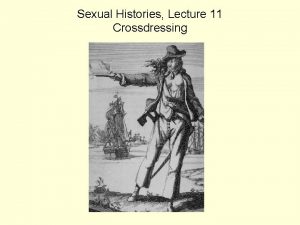
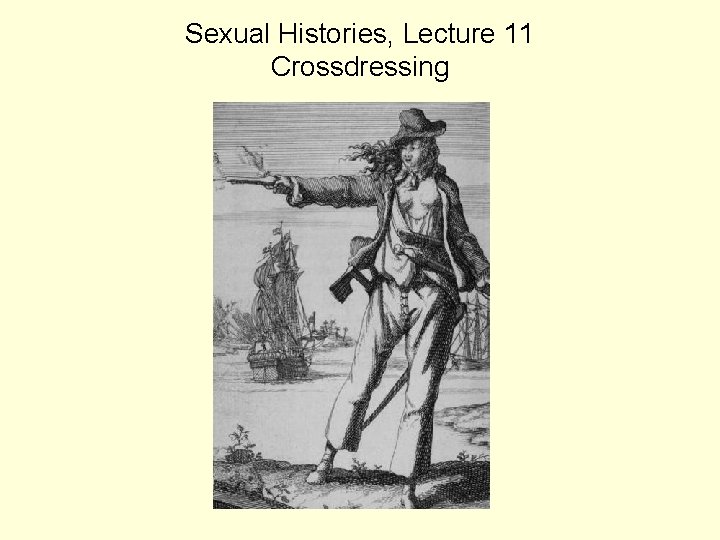
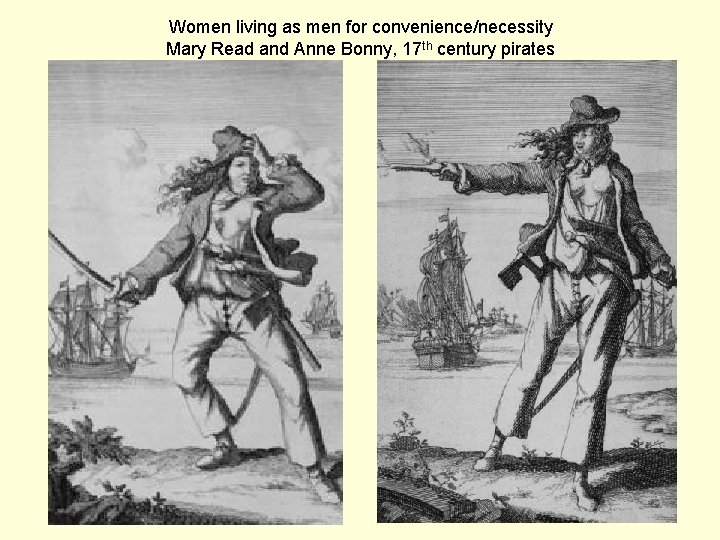
Women living as men for convenience/necessity Mary Read and Anne Bonny, 17 th century pirates
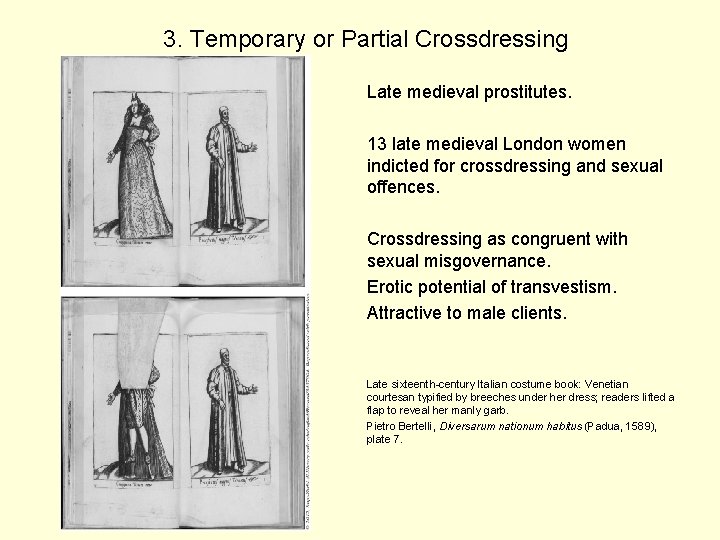
3. Temporary or Partial Crossdressing Late medieval prostitutes. 13 late medieval London women indicted for crossdressing and sexual offences. Crossdressing as congruent with sexual misgovernance. Erotic potential of transvestism. Attractive to male clients. Late sixteenth-century Italian costume book: Venetian courtesan typified by breeches under her dress; readers lifted a flap to reveal her manly garb. Pietro Bertelli, Diversarum nationum habitus (Padua, 1589), plate 7.
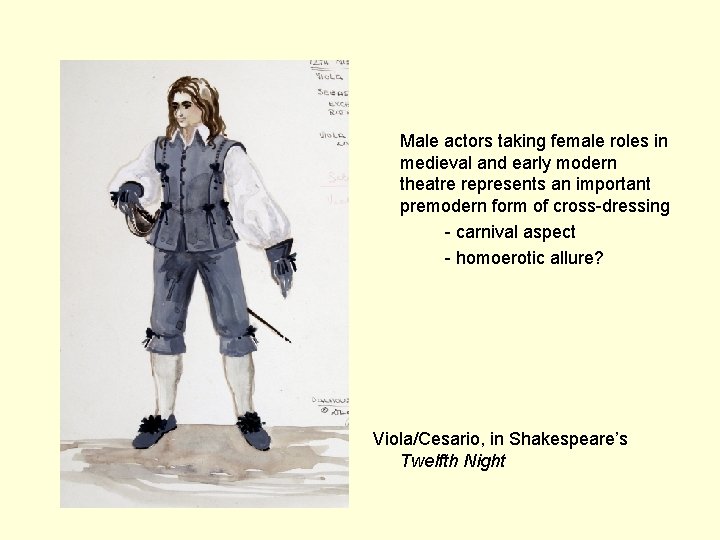
Male actors taking female roles in medieval and early modern theatre represents an important premodern form of cross-dressing - carnival aspect - homoerotic allure? Viola/Cesario, in Shakespeare’s Twelfth Night
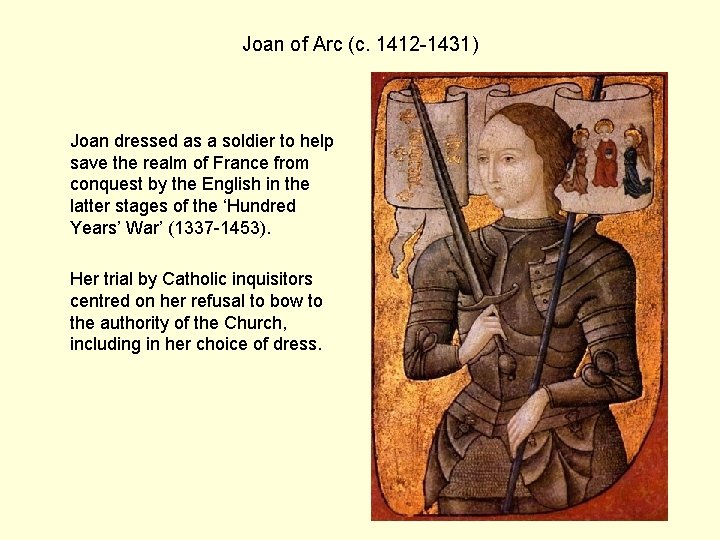
Joan of Arc (c. 1412 -1431) Joan dressed as a soldier to help save the realm of France from conquest by the English in the latter stages of the ‘Hundred Years’ War’ (1337 -1453). Her trial by Catholic inquisitors centred on her refusal to bow to the authority of the Church, including in her choice of dress.
Conclusion: • crossdressing changes in meanings and motivations • as difficult to generalise about in the premodern period as in the modern • recurs as a means for confronting non-binary genders and for positing gender as a performance