Safety of autonomous trains Group 1 Laura Hutten
- Slides: 15
Safety of autonomous trains Group 1 Laura Hutten – s 1725696 Anuj kumar Chalotra – s 2024276 Shrikanth Venkataramana– s 2336464
Contents ▪ What is the system? ▪ To what safety level? ▪ What are the hazards? ▪ How to control them? 2
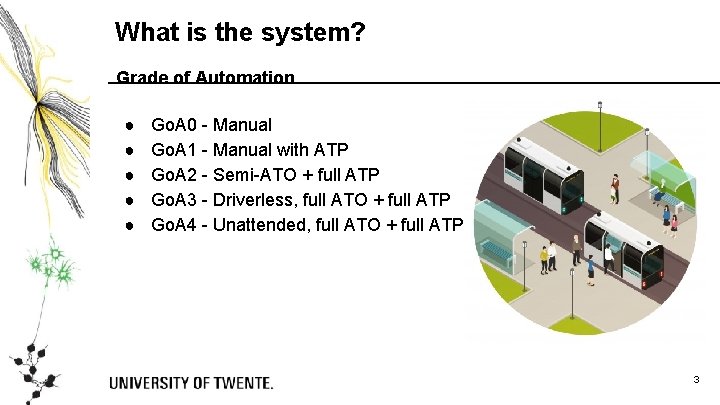
What is the system? Grade of Automation ● ● ● Go. A 0 - Manual Go. A 1 - Manual with ATP Go. A 2 - Semi-ATO + full ATP Go. A 3 - Driverless, full ATO + full ATP Go. A 4 - Unattended, full ATO + full ATP 3
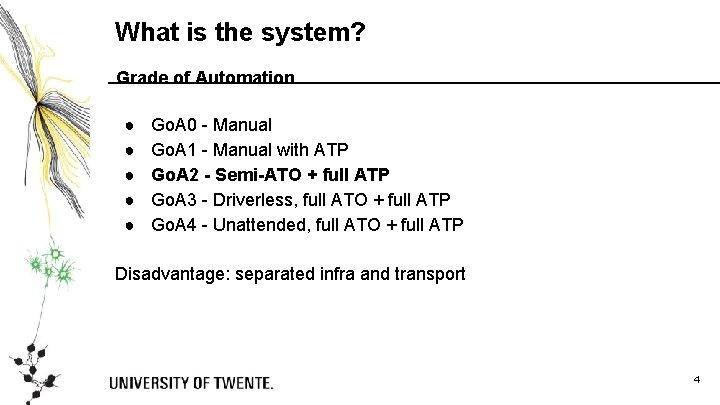
What is the system? Grade of Automation ● ● ● Go. A 0 - Manual Go. A 1 - Manual with ATP Go. A 2 - Semi-ATO + full ATP Go. A 3 - Driverless, full ATO + full ATP Go. A 4 - Unattended, full ATO + full ATP Disadvantage: separated infra and transport 4
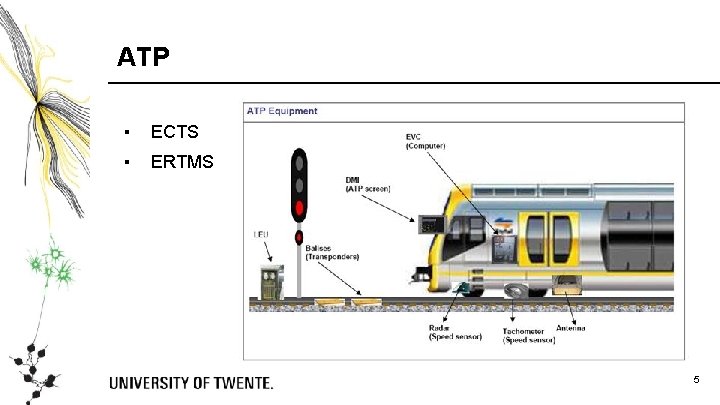
ATP ▪ ECTS ▪ ERTMS 5
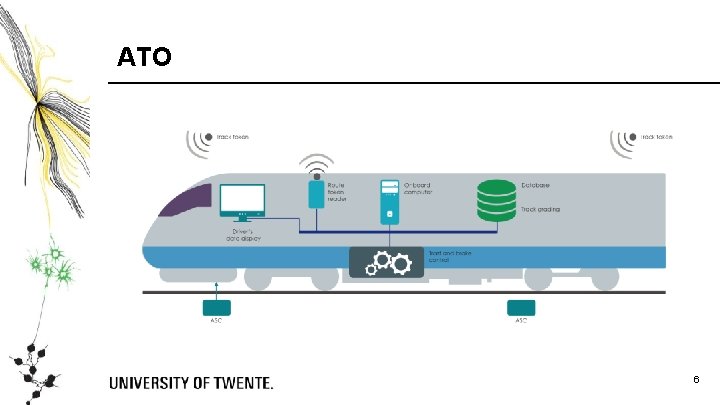
ATO 6
Safety Regulations Different types of safety regulations: ▪ Type A - Basic safety standards: basic concepts, principles for design and general aspects. ▪ ▪ Type B - Generic safety standards: one safety aspect ▪ ▪ Example: ISO 12100 - design standards for all machinery Example: NTA 9065: 2012 - air quality Type C - Machine safety standards: detailed requirements 7
Safety Regulations ISO 12100 ▪ Type A - Basic safety standards: basic concepts, principles for design and general aspects ▪ Type B - Generic safety standards: individual safety aspect ▪ Type C - Machine safety standards: detailed requirements System safety level: Catastrophic 8
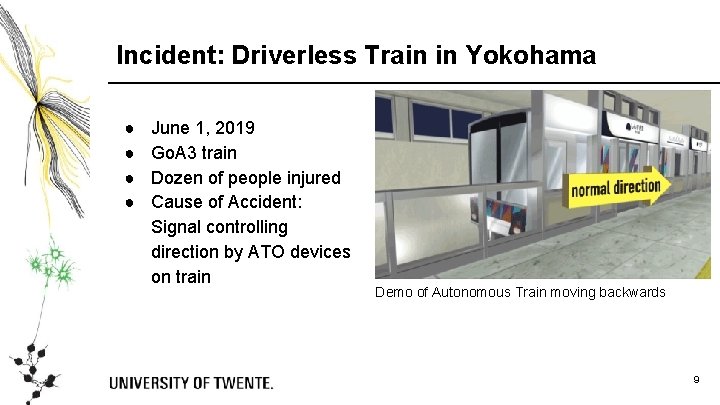
Incident: Driverless Train in Yokohama ● ● June 1, 2019 Go. A 3 train Dozen of people injured Cause of Accident: Signal controlling direction by ATO devices on train Demo of Autonomous Train moving backwards 9
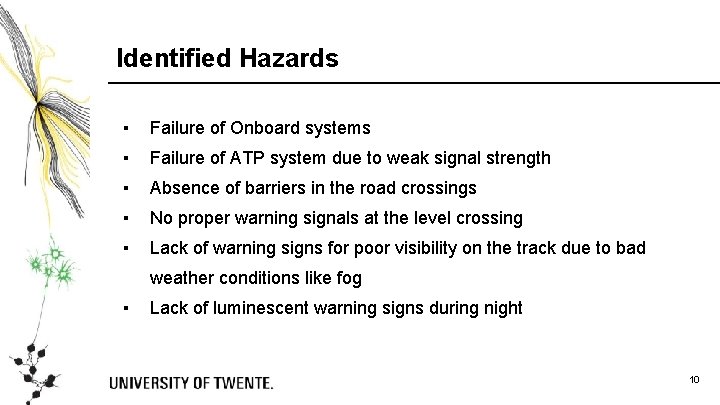
Identified Hazards ▪ Failure of Onboard systems ▪ Failure of ATP system due to weak signal strength ▪ Absence of barriers in the road crossings ▪ No proper warning signals at the level crossing ▪ Lack of warning signs for poor visibility on the track due to bad weather conditions like fog ▪ Lack of luminescent warning signs during night 10
Identified Hazards ▪ Failure of Onboard systems ▪ Failure of ATP system due to weak signal strength ▪ Absence of barriers in the road crossings ▪ No proper warning signals at the level crossing ▪ Lack of warning signs for poor visibility on the track due to bad weather conditions like fog ▪ Lack of luminescent warning signs during night 11
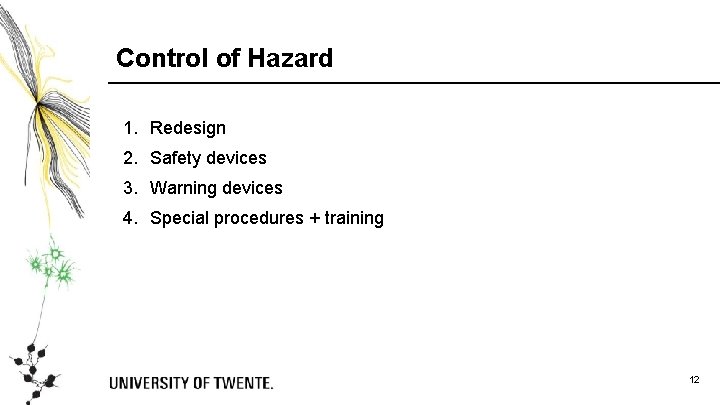
Control of Hazard 1. Redesign 2. Safety devices 3. Warning devices 4. Special procedures + training 12
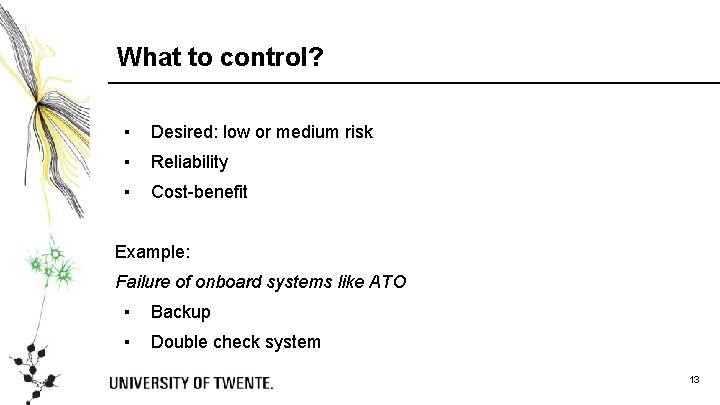
What to control? ▪ Desired: low or medium risk ▪ Reliability ▪ Cost-benefit Example: Failure of onboard systems like ATO ▪ Backup ▪ Double check system 13
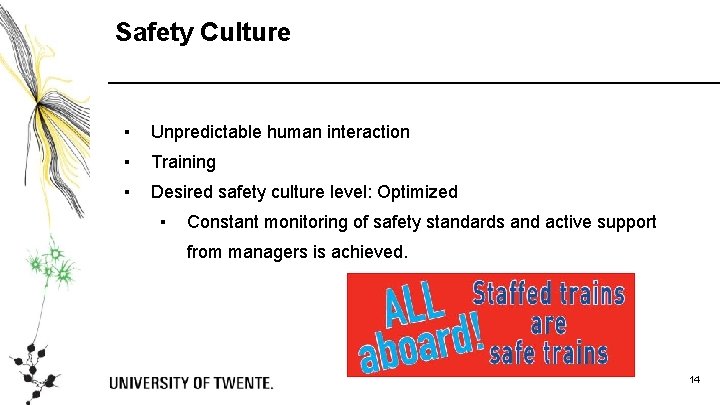
Safety Culture ▪ Unpredictable human interaction ▪ Training ▪ Desired safety culture level: Optimized ▪ Constant monitoring of safety standards and active support from managers is achieved. 14
Questions? 15