Representation and Modeling of Natural Scenes Ying Nian

- Slides: 52
Representation and Modeling of Natural Scenes Ying Nian Wu UCLA Department of Statistics http: //www. stat. ucla. edu/~ywu/research/
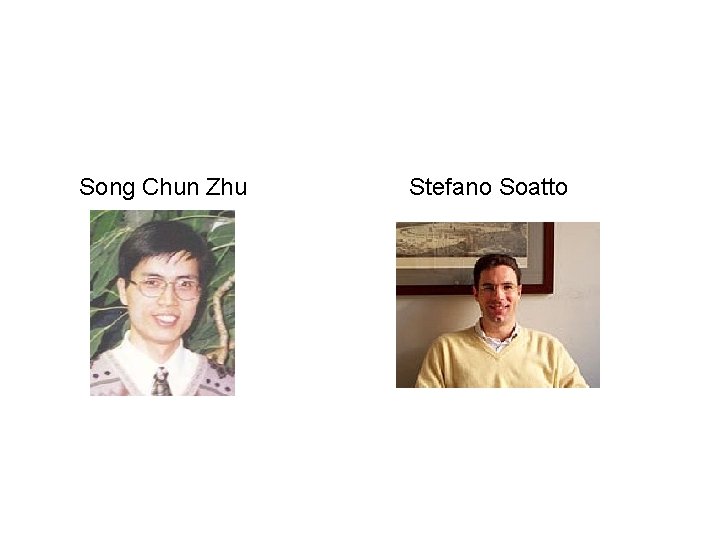
Song Chun Zhu Stefano Soatto
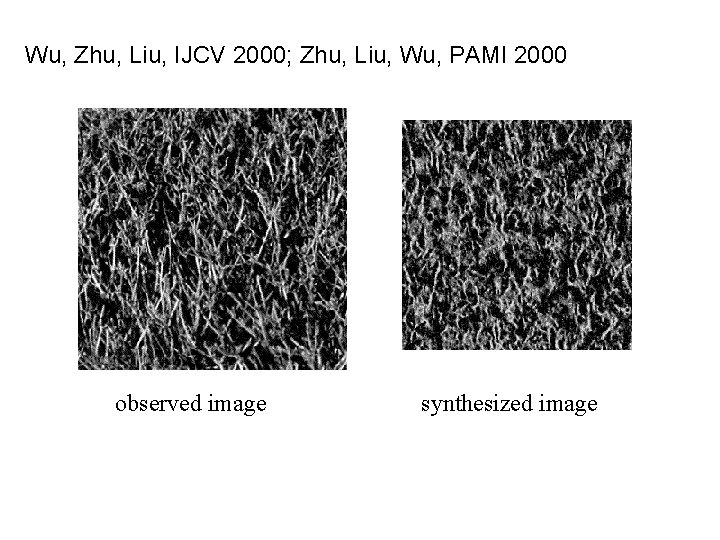
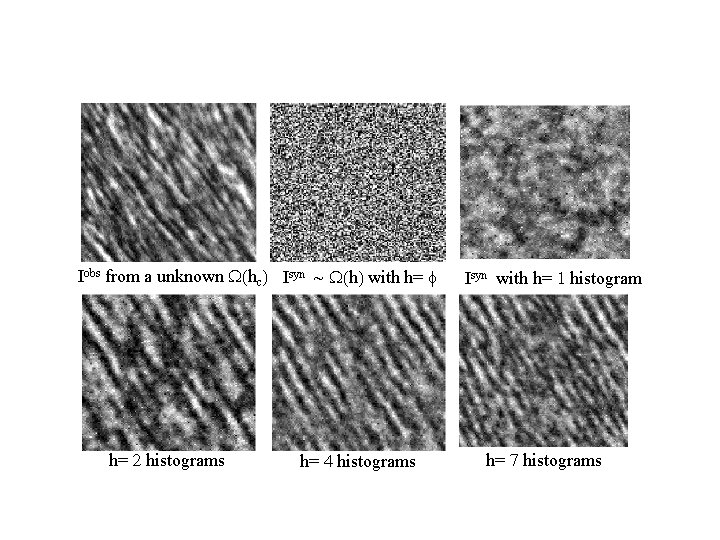
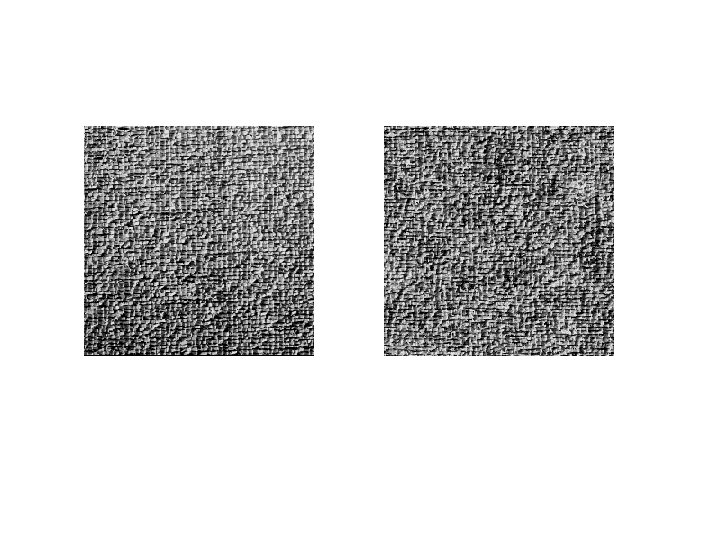
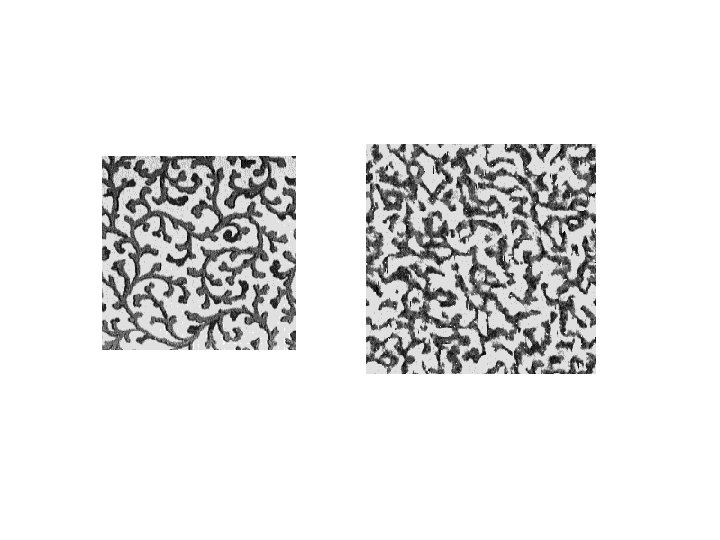
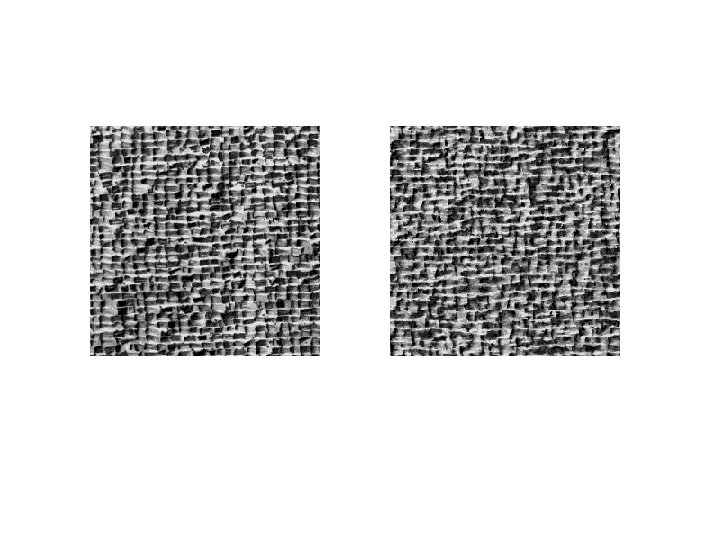
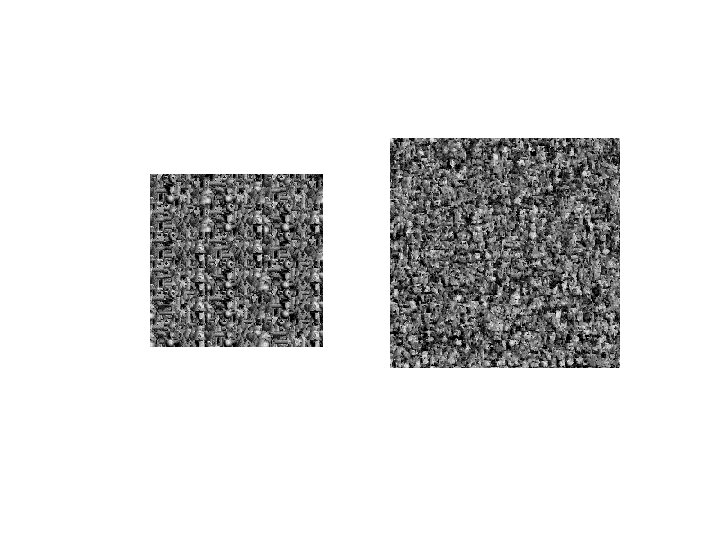
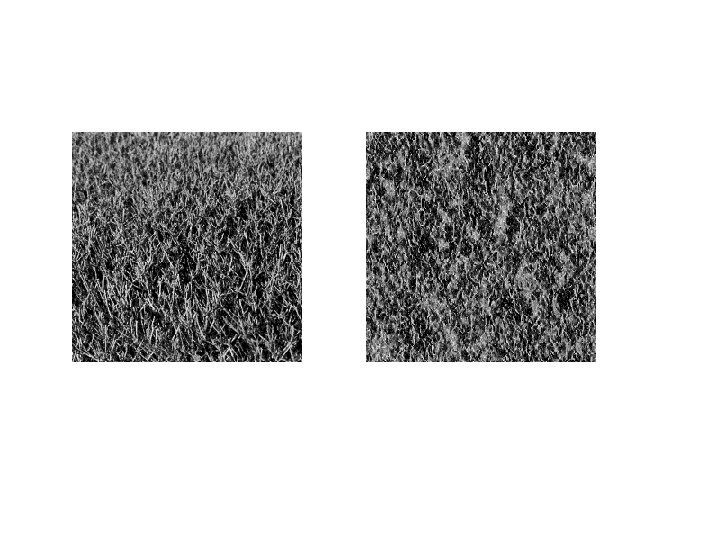
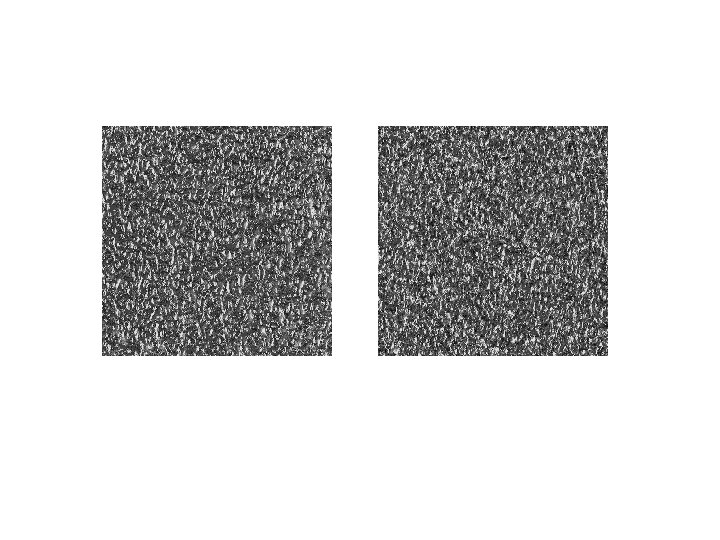
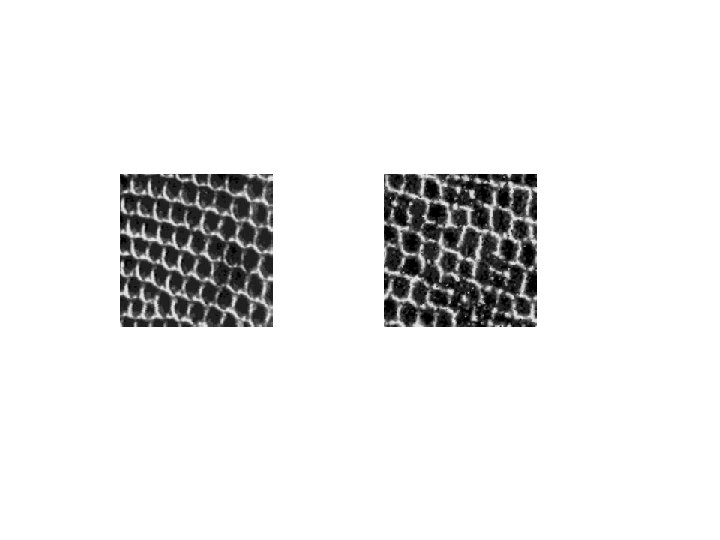
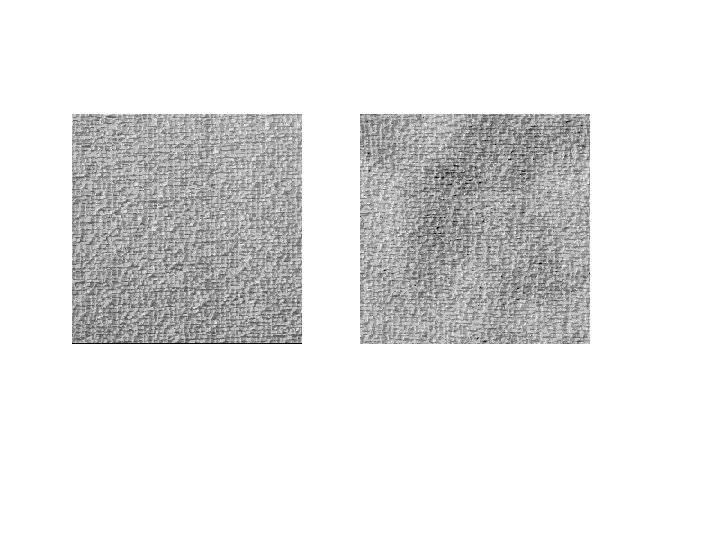
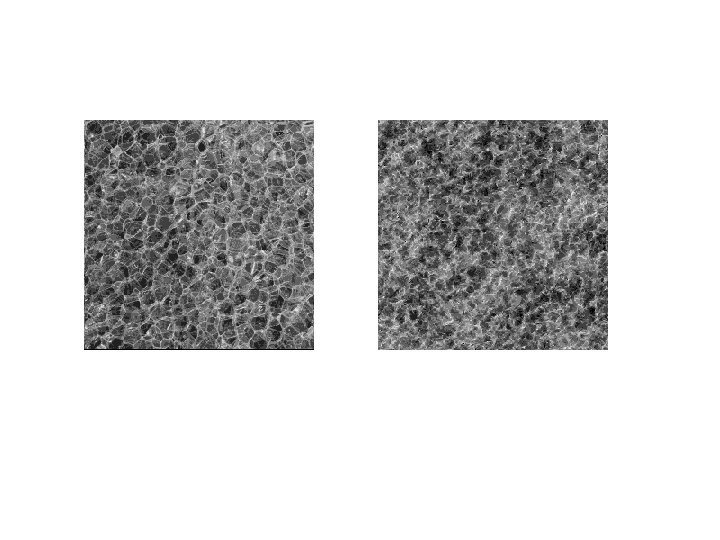
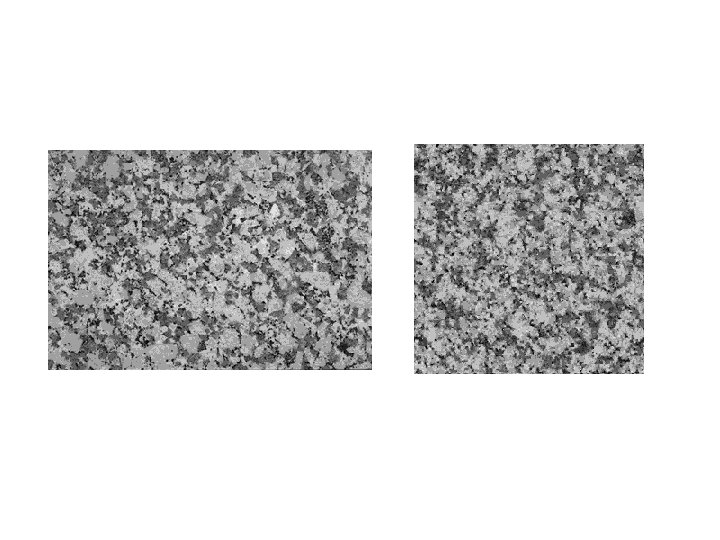
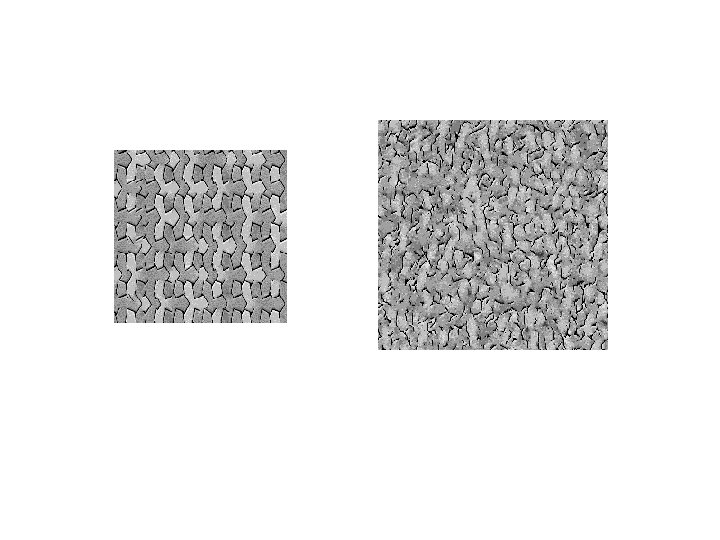
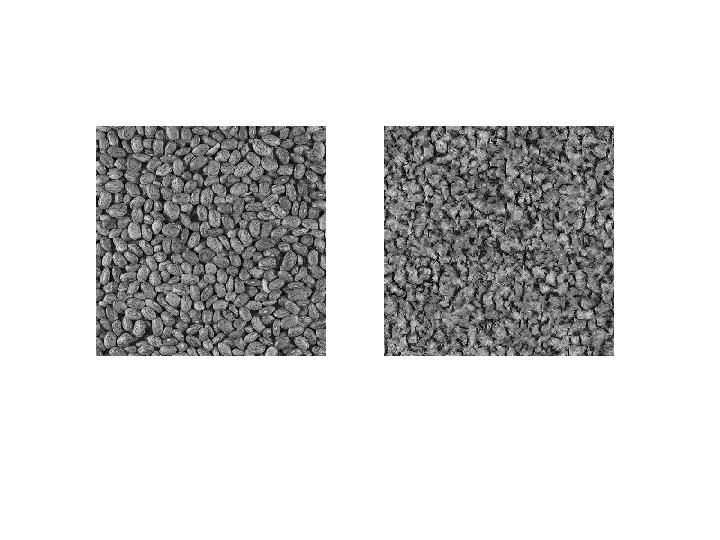
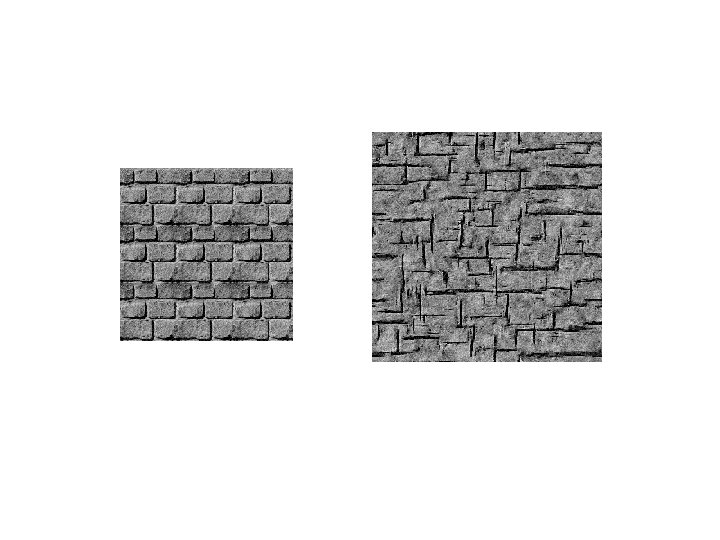
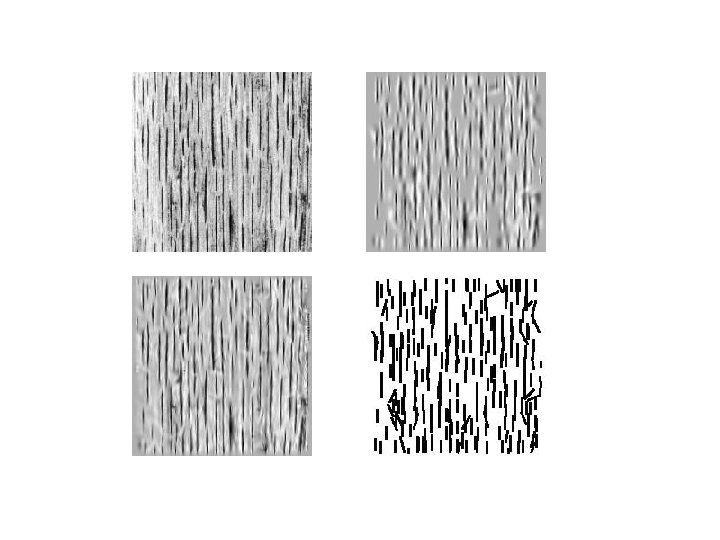
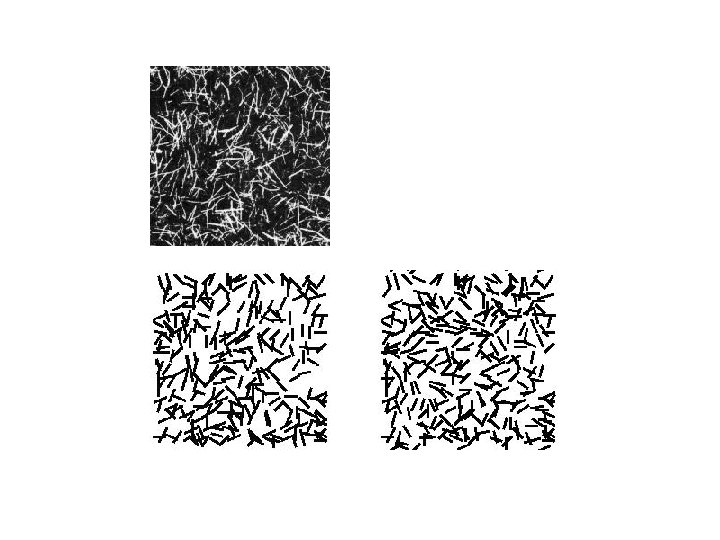
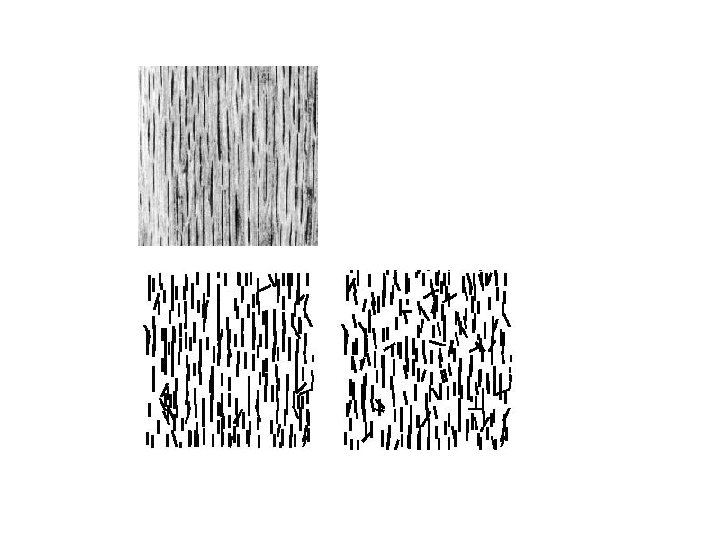
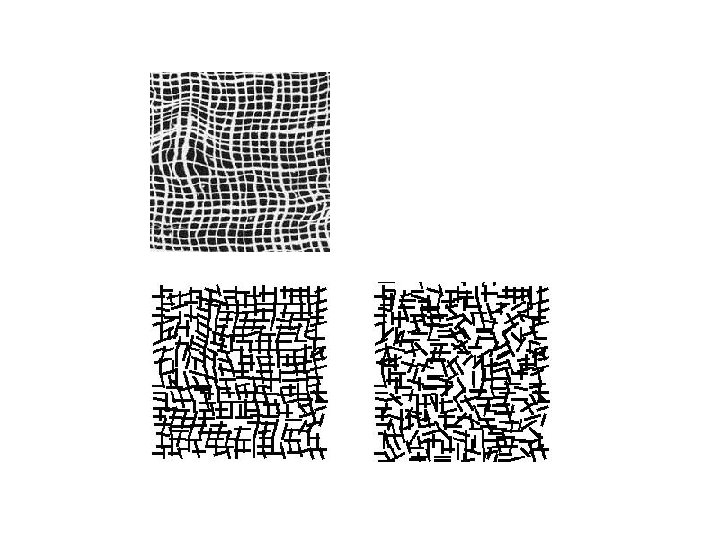
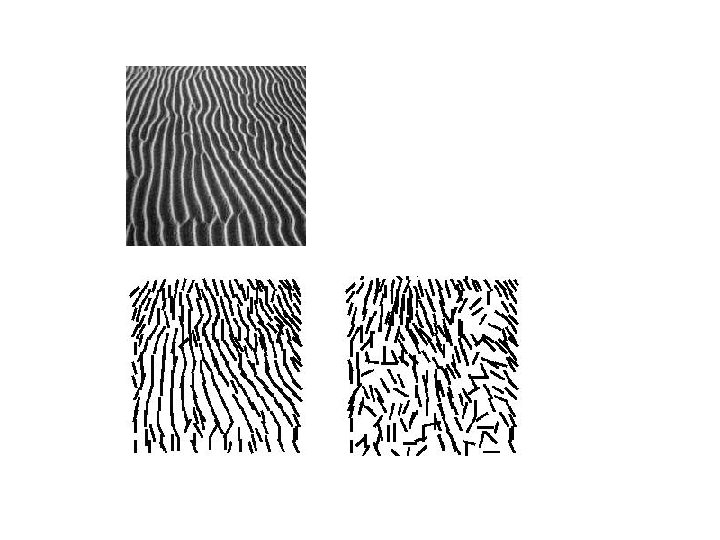
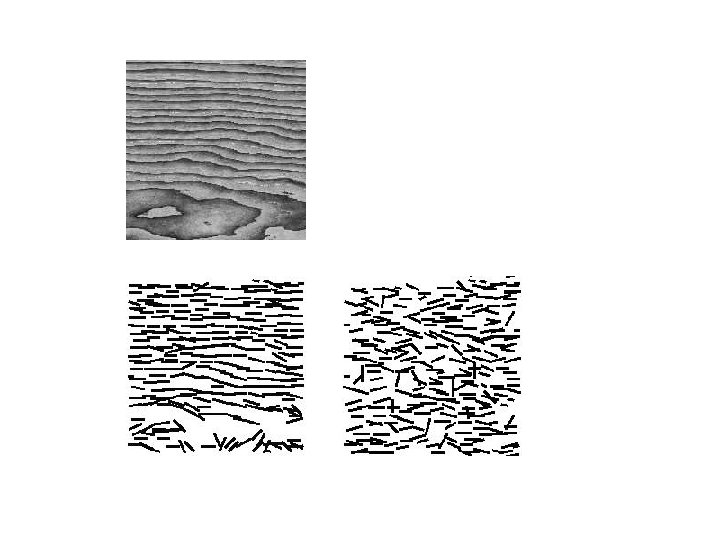
Wu, Zhu, Liu, IJCV 2000; Zhu, Liu, Wu, PAMI 2000 observed image synthesized image
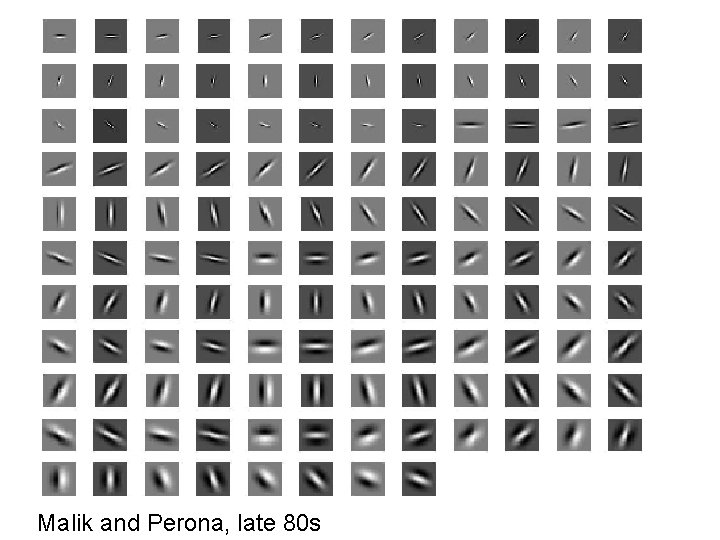
Malik and Perona, late 80 s
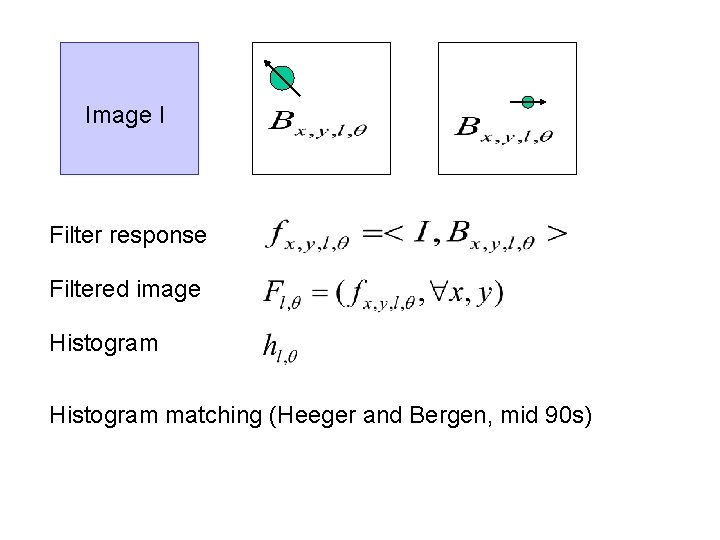
Image I Filter response Filtered image Histogram matching (Heeger and Bergen, mid 90 s)
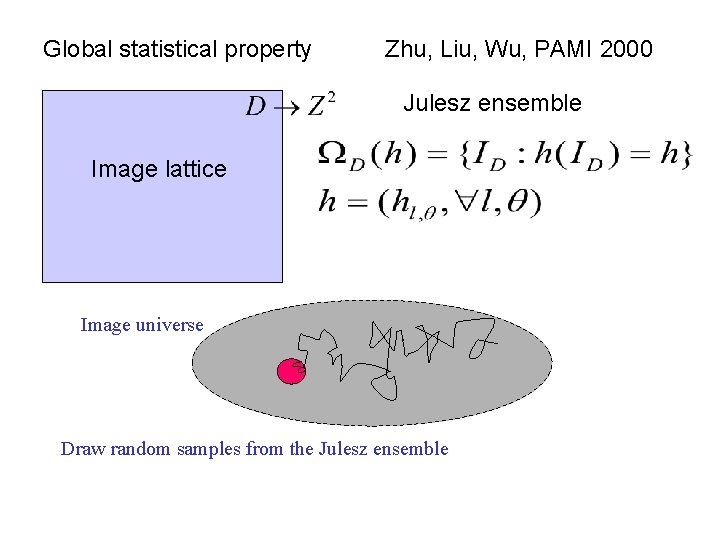
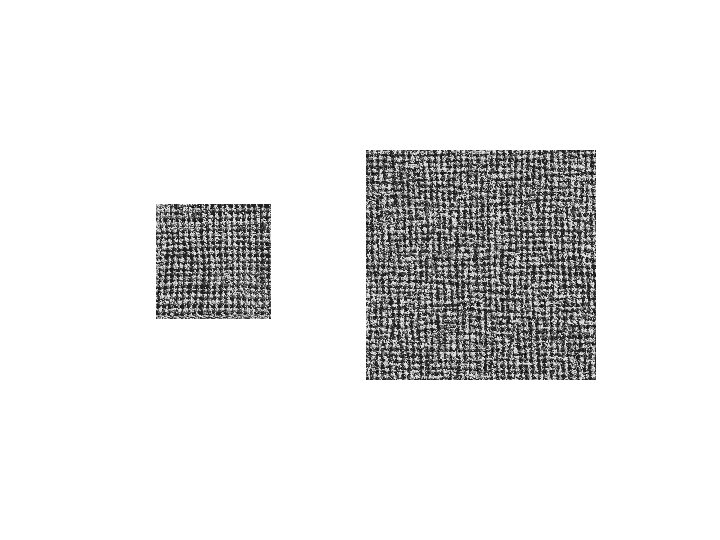
Global statistical property Zhu, Liu, Wu, PAMI 2000 Julesz ensemble Image lattice Image universe Draw random samples from the Julesz ensemble
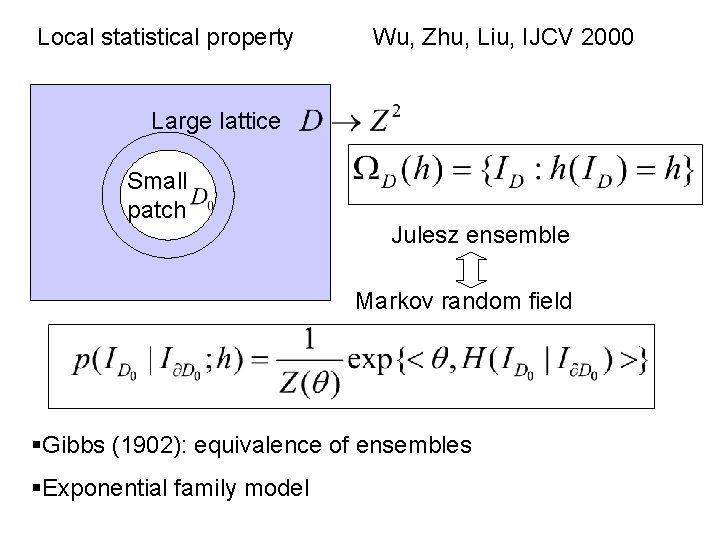
Local statistical property Wu, Zhu, Liu, IJCV 2000 Large lattice Small patch Julesz ensemble Markov random field §Gibbs (1902): equivalence of ensembles §Exponential family model
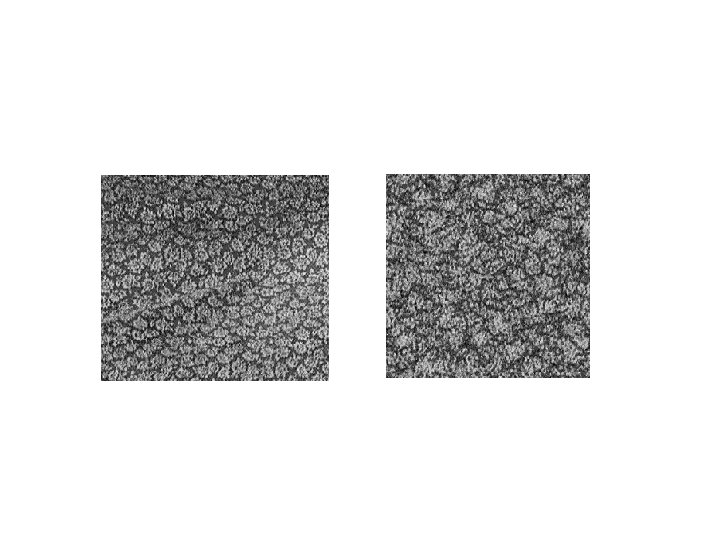
Iobs from a unknown W(hc) Isyn ~ W(h) with h= f h= 2 histograms h= 4 histograms Isyn with h= 1 histogram h= 7 histograms
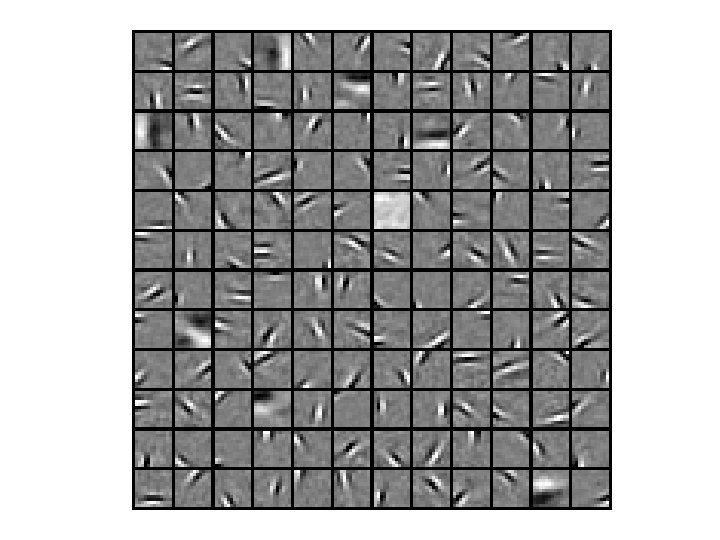
Olshausen & Field: Sparse coding Data: a collection of natural image patches Learning: basis Linear representation: Sparseness of coefficients linear bases Mallat and Zhang: matching pursuit Candes and Donoho: curvelets
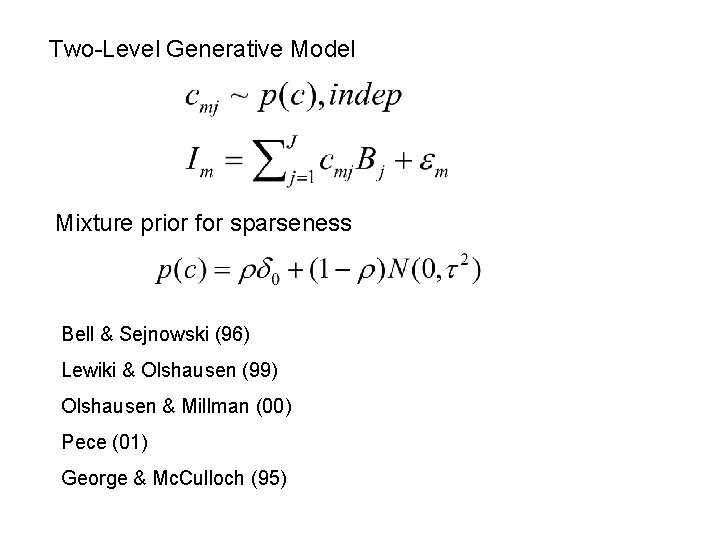
Two-Level Generative Model Mixture prior for sparseness Bell & Sejnowski (96) Lewiki & Olshausen (99) Olshausen & Millman (00) Pece (01) George & Mc. Culloch (95)
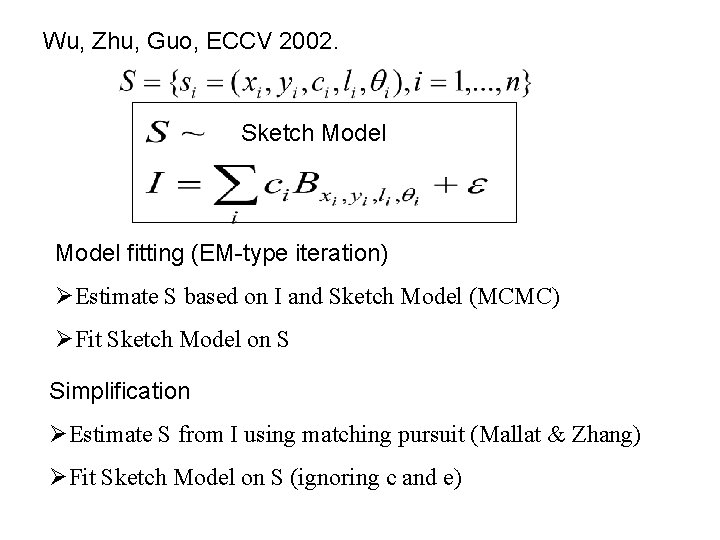
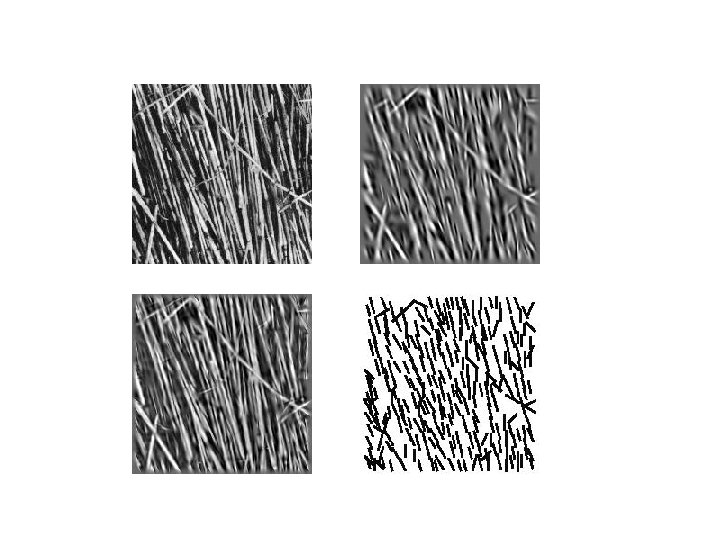
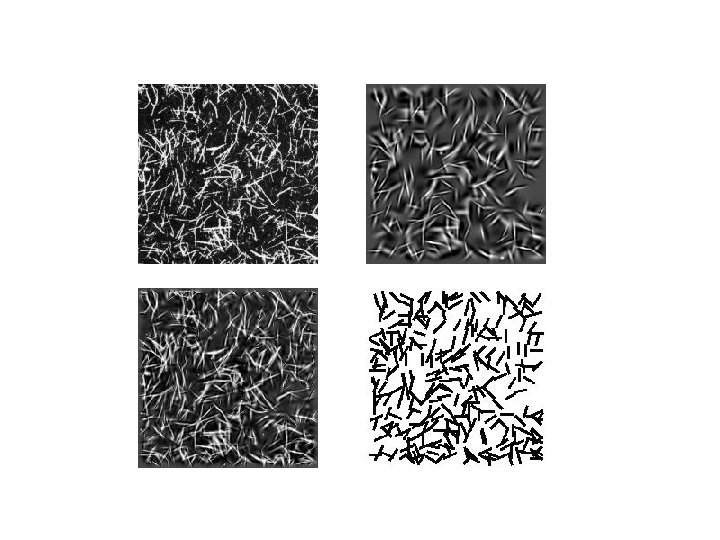
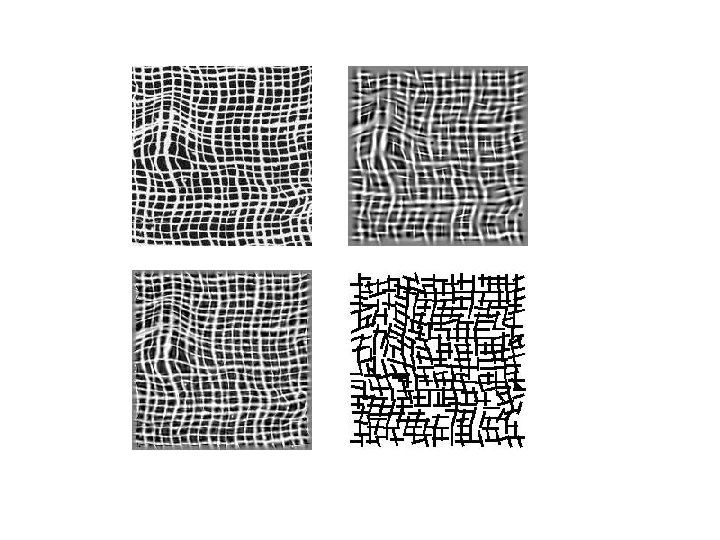
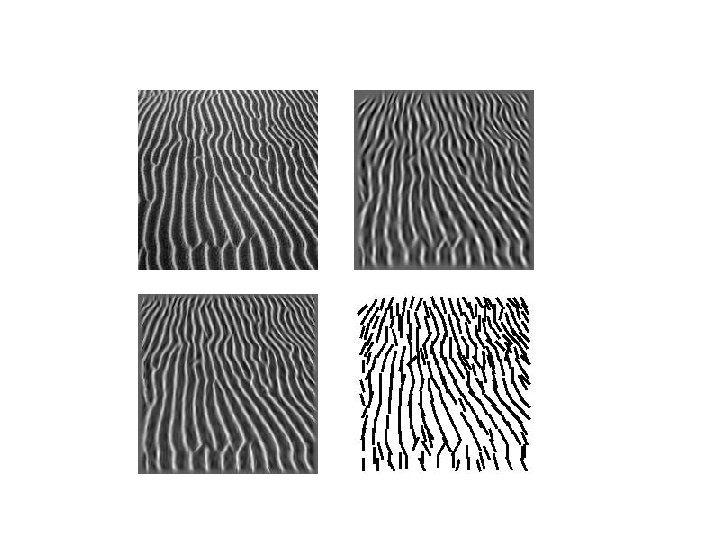
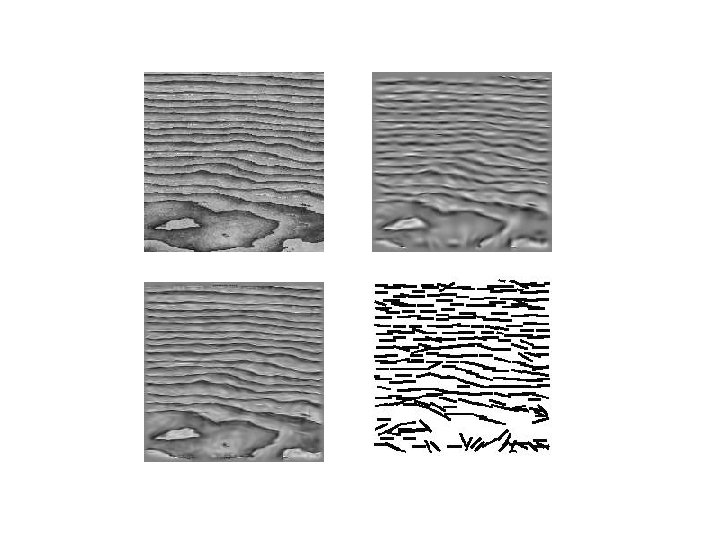
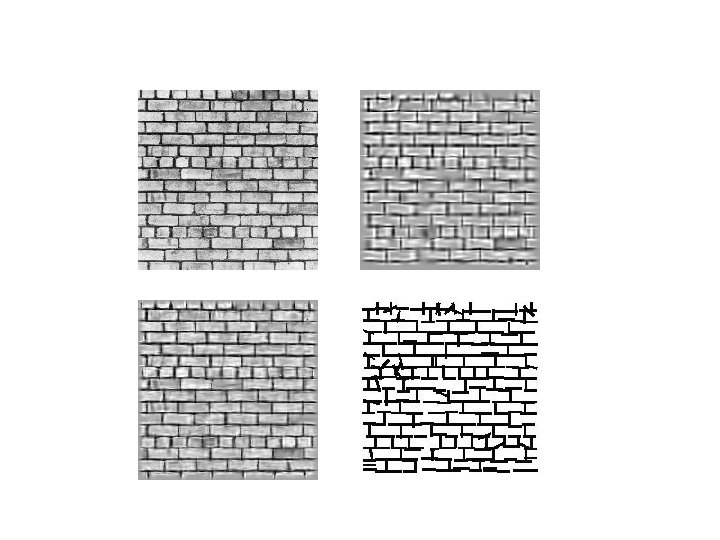
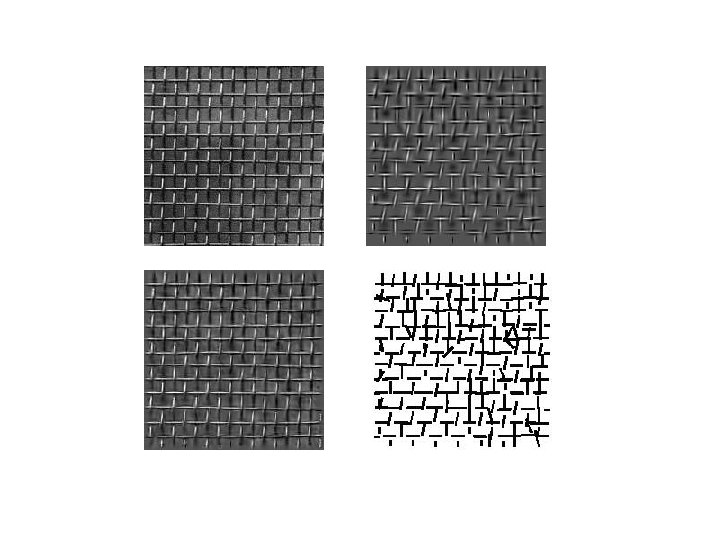
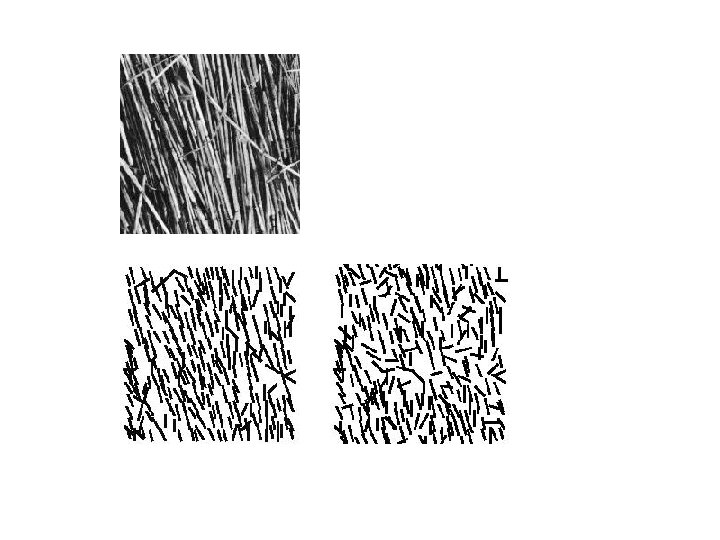
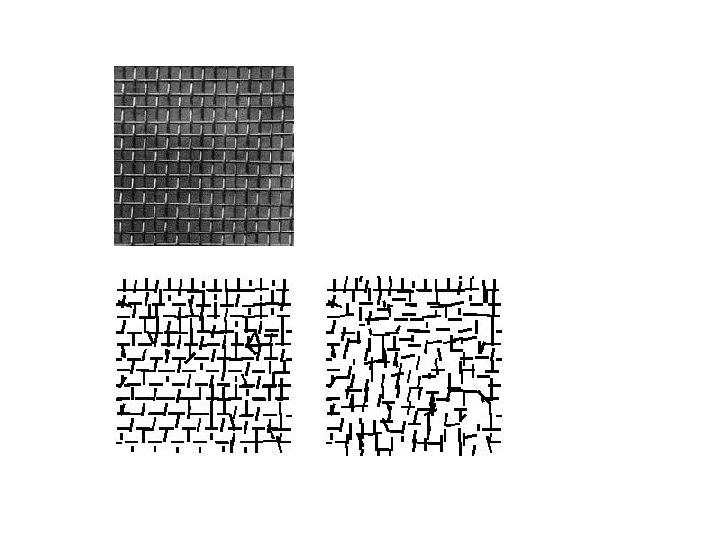
Wu, Zhu, Guo, ECCV 2002. Sketch Model fitting (EM-type iteration) ØEstimate S based on I and Sketch Model (MCMC) ØFit Sketch Model on S Simplification ØEstimate S from I using matching pursuit (Mallat & Zhang) ØFit Sketch Model on S (ignoring c and e)
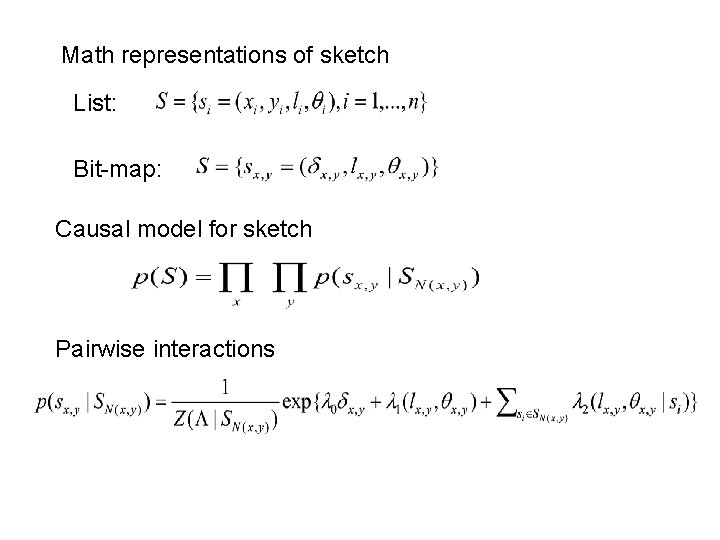
Math representations of sketch List: Bit-map: Causal model for sketch Pairwise interactions
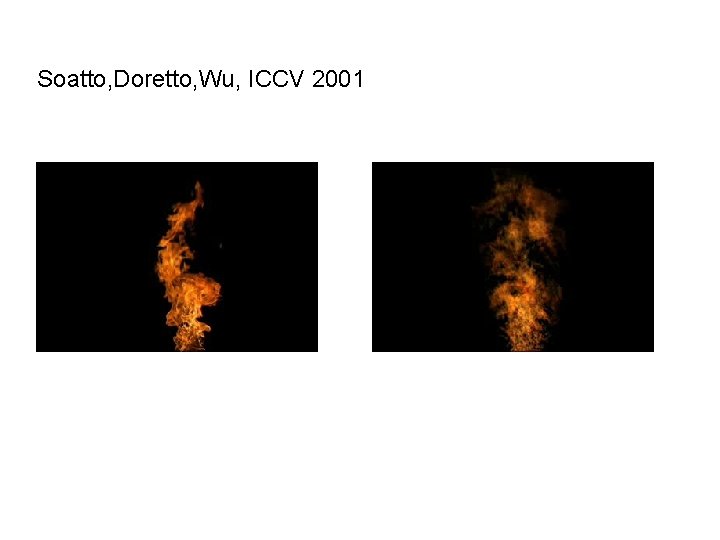
Soatto, Doretto, Wu, ICCV 2001
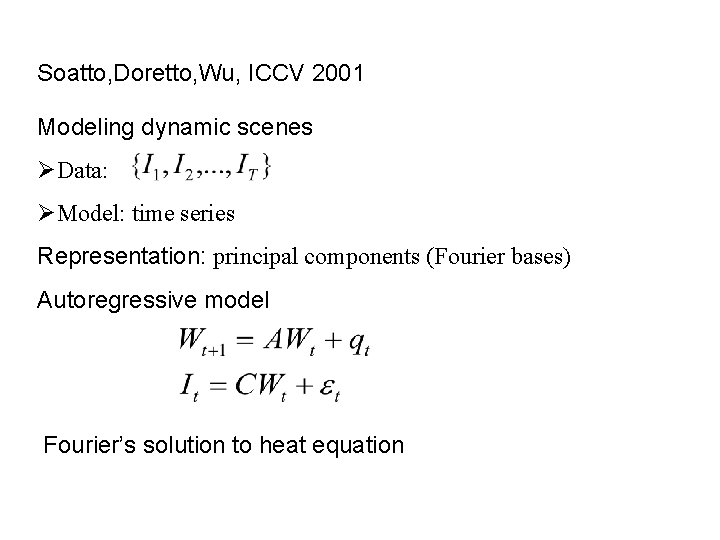
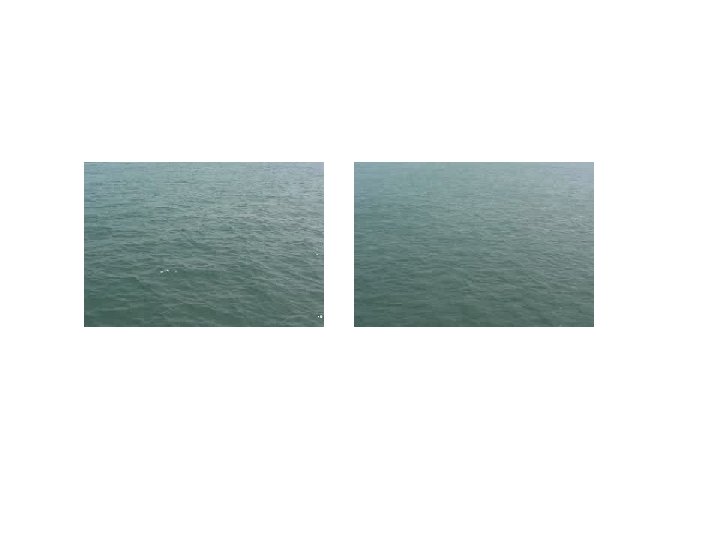
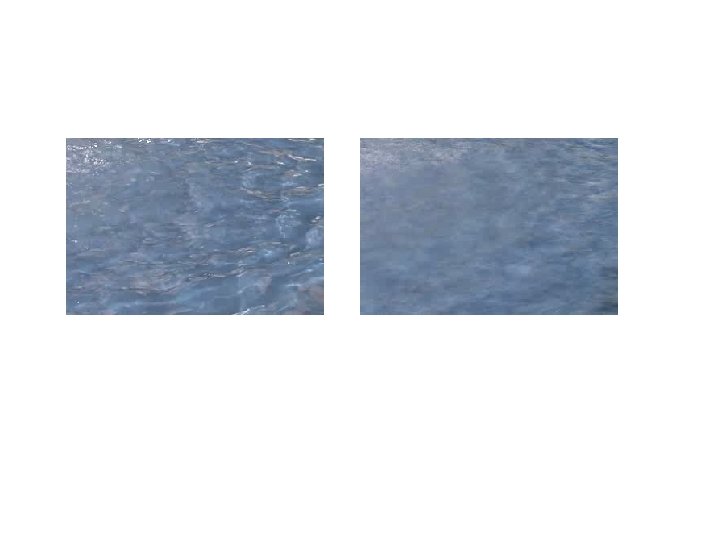
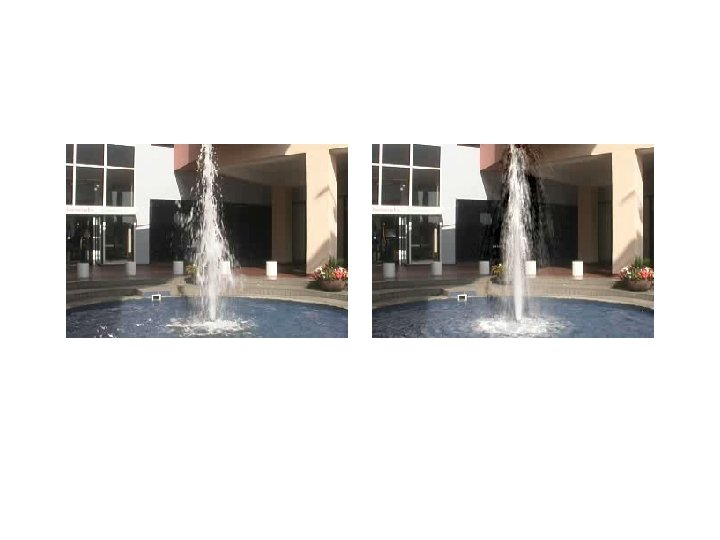
Soatto, Doretto, Wu, ICCV 2001 Modeling dynamic scenes ØData: ØModel: time series Representation: principal components (Fourier bases) Autoregressive model Fourier’s solution to heat equation
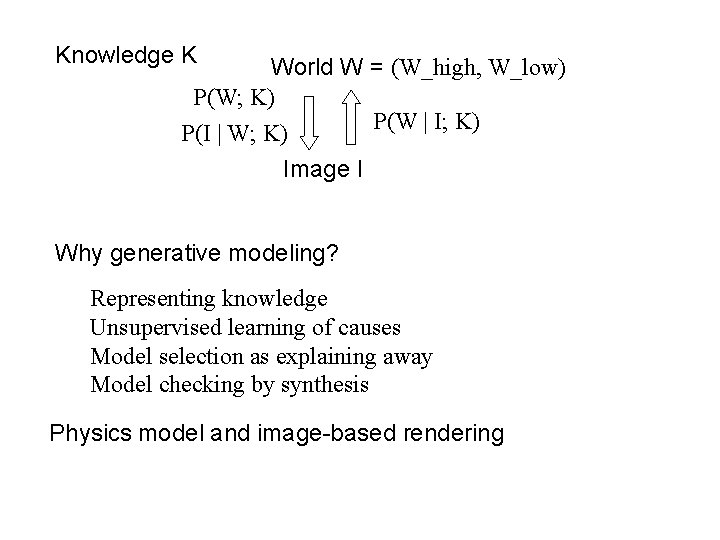
Knowledge K World W = (W_high, W_low) P(W; K) P(W | I; K) P(I | W; K) Image I Why generative modeling? Representing knowledge Unsupervised learning of causes Model selection as explaining away Model checking by synthesis Physics model and image-based rendering