RCRA Resource Conservation and Recovery Act Trisha Summerfield
- Slides: 9
RCRA Resource Conservation and Recovery Act Trisha Summerfield Mi. Kayla Wellman Fourest Savel Rylee Treat
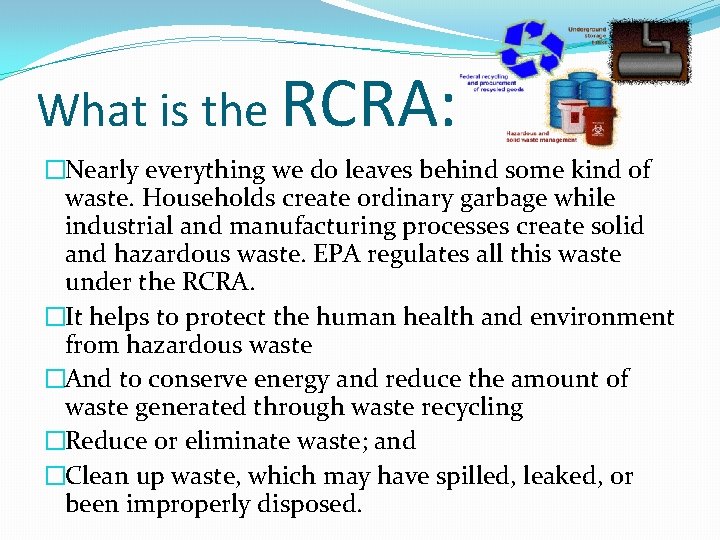
What is the RCRA: �Nearly everything we do leaves behind some kind of waste. Households create ordinary garbage while industrial and manufacturing processes create solid and hazardous waste. EPA regulates all this waste under the RCRA. �It helps to protect the human health and environment from hazardous waste �And to conserve energy and reduce the amount of waste generated through waste recycling �Reduce or eliminate waste; and �Clean up waste, which may have spilled, leaked, or been improperly disposed.
The Birth �It was introduced to the senate in July 1975. �Signed into law by president Ford in 1976. �US Environmental Protection Agency published the waste management regulations.
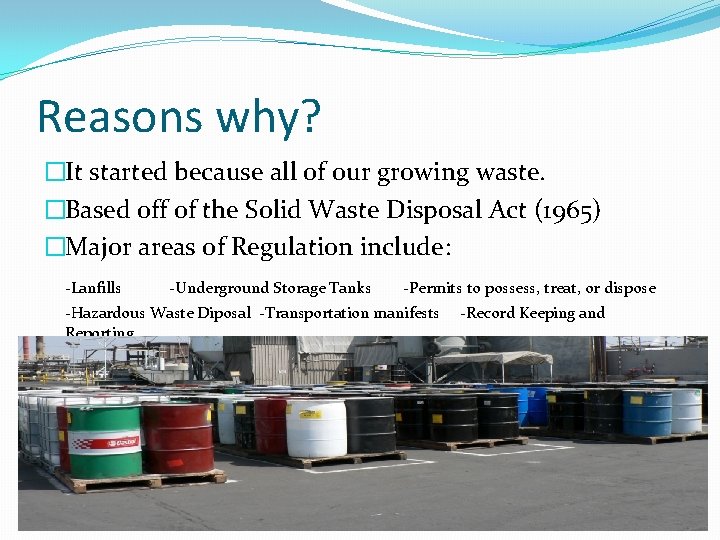
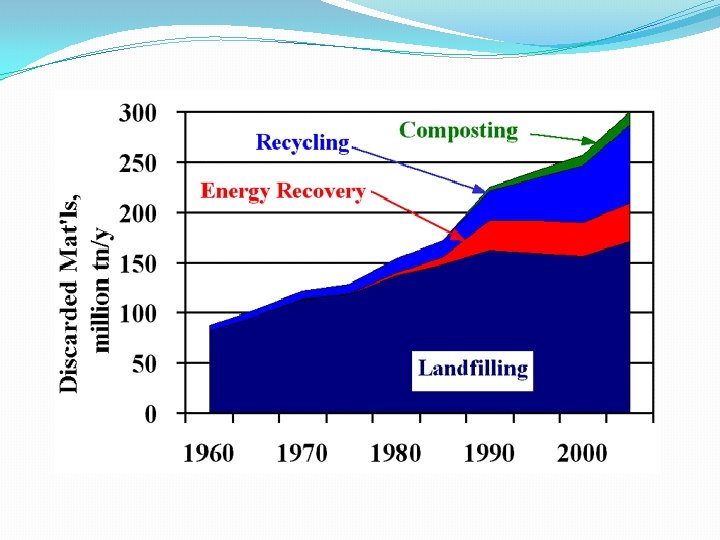
Reasons why? �It started because all of our growing waste. �Based off of the Solid Waste Disposal Act (1965) �Major areas of Regulation include: -Lanfills -Underground Storage Tanks -Permits to possess, treat, or dispose -Hazardous Waste Diposal -Transportation manifests Reporting -Record Keeping and
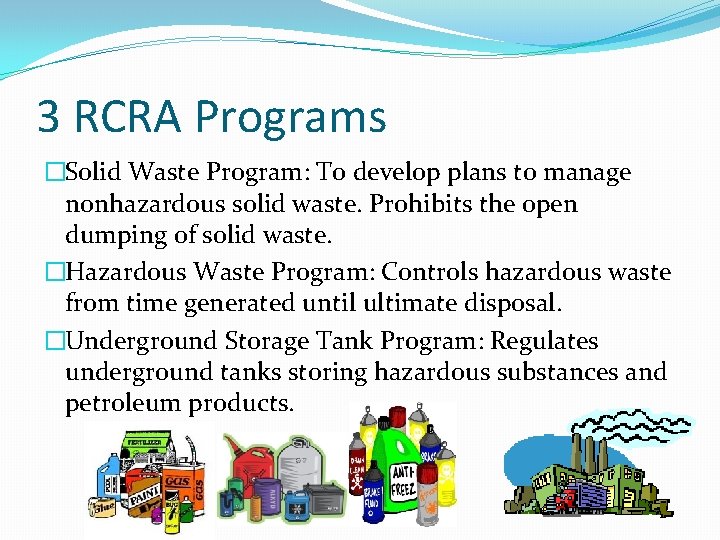
3 RCRA Programs �Solid Waste Program: To develop plans to manage nonhazardous solid waste. Prohibits the open dumping of solid waste. �Hazardous Waste Program: Controls hazardous waste from time generated until ultimate disposal. �Underground Storage Tank Program: Regulates underground tanks storing hazardous substances and petroleum products.
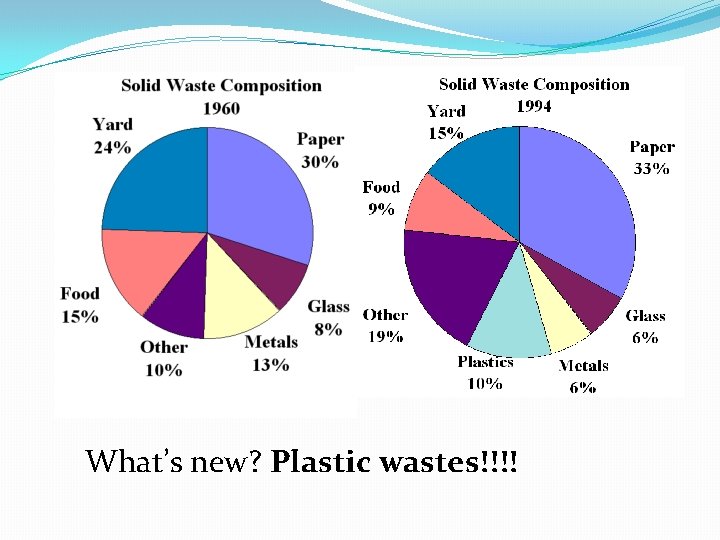
Nfkdsl; fkldsfklsjklfjksldjgk What’s new? Plastic wastes!!!!
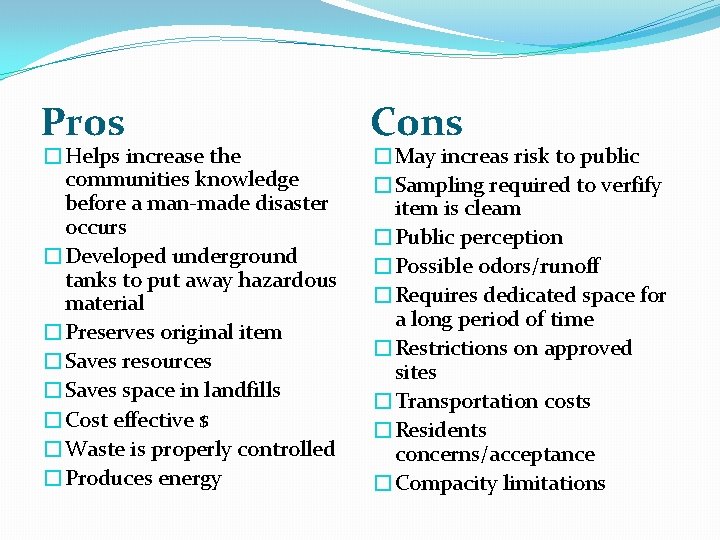
Pros �Helps increase the communities knowledge before a man-made disaster occurs �Developed underground tanks to put away hazardous material �Preserves original item �Saves resources �Saves space in landfills �Cost effective $ �Waste is properly controlled �Produces energy Cons �May increas risk to public �Sampling required to verfify item is cleam �Public perception �Possible odors/runoff �Requires dedicated space for a long period of time �Restrictions on approved sites �Transportation costs �Residents concerns/acceptance �Compacity limitations
WORKS CITED! �www. epa. gov/agriculture/icra. html �en. wikipedia. org/ �www. deq. state. ne. us/rcra. nsf �rcra. com. au/science-made-easy. html �http: //civil. engr. siu. edu/301 I_Ray/he_sw. htm