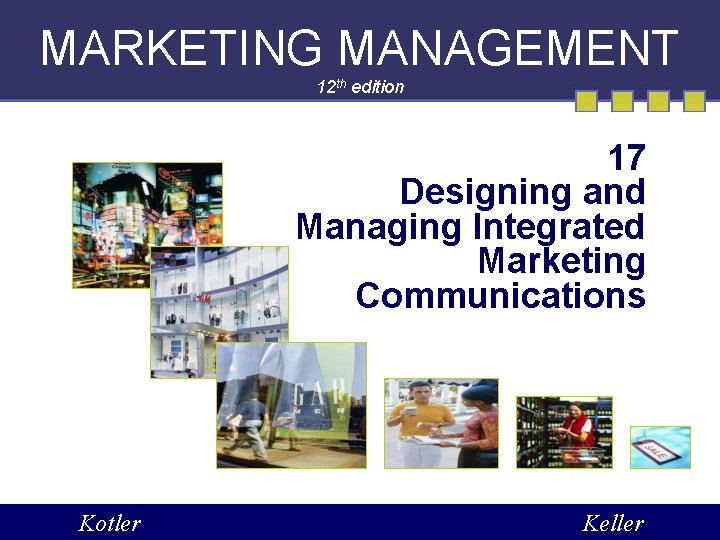
MARKETING MANAGEMENT 12 th edition 17 Designing and

- Slides: 36
MARKETING MANAGEMENT 12 th edition 17 Designing and Managing Integrated Marketing Communications Kotler Keller
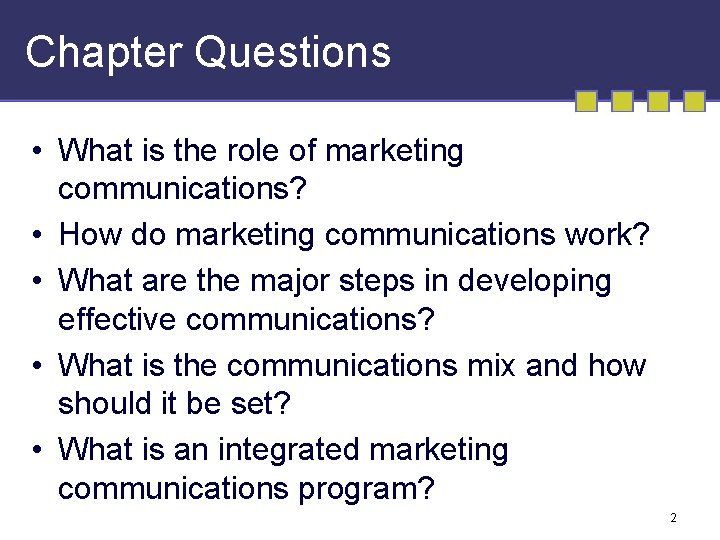
Chapter Questions • What is the role of marketing communications? • How do marketing communications work? • What are the major steps in developing effective communications? • What is the communications mix and how should it be set? • What is an integrated marketing communications program? 2
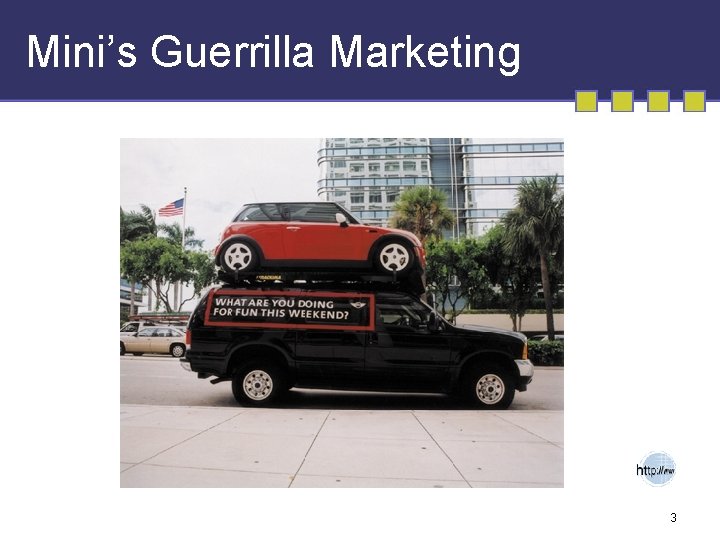
Mini’s Guerrilla Marketing 3
Marketing Communications The means by which firms attempt to inform, persuade, and remind consumers, directly or indirectly, about the products and brands they sell. 4
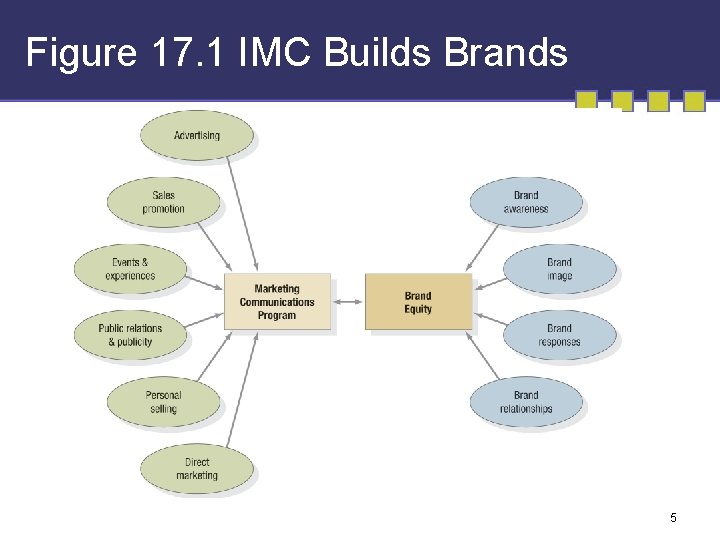
Figure 17. 1 IMC Builds Brands 5
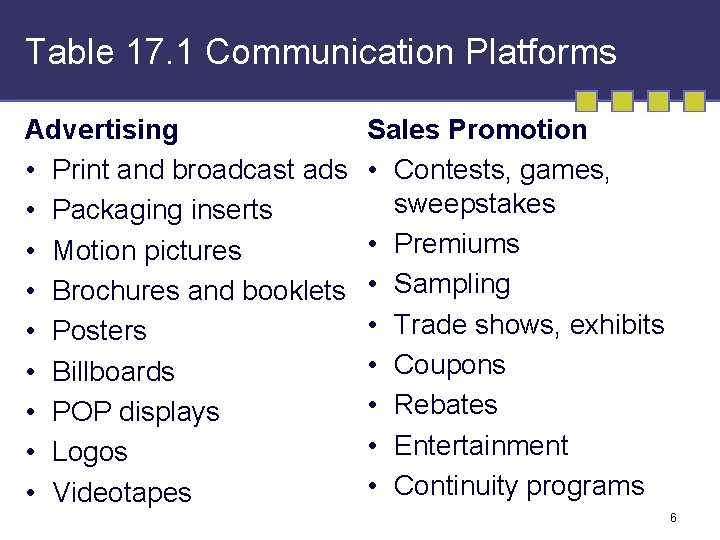
Table 17. 1 Communication Platforms Advertising • Print and broadcast ads • Packaging inserts • Motion pictures • Brochures and booklets • Posters • Billboards • POP displays • Logos • Videotapes Sales Promotion • Contests, games, sweepstakes • Premiums • Sampling • Trade shows, exhibits • Coupons • Rebates • Entertainment • Continuity programs 6
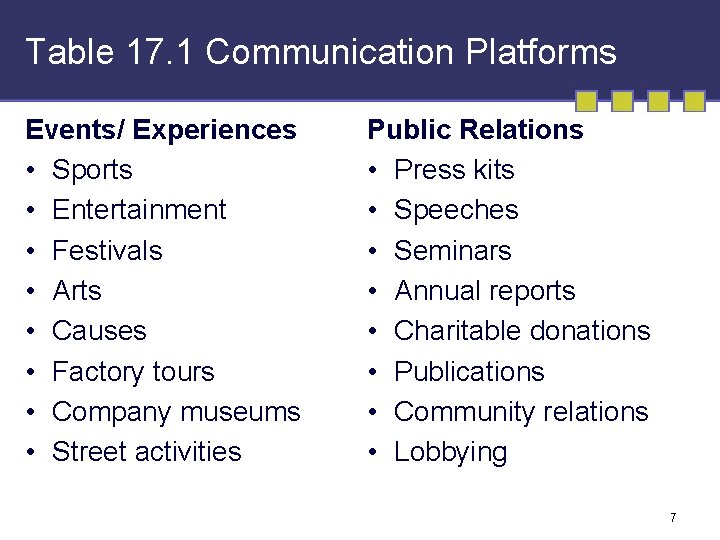
Table 17. 1 Communication Platforms Events/ Experiences • Sports • Entertainment • Festivals • Arts • Causes • Factory tours • Company museums • Street activities Public Relations • Press kits • Speeches • Seminars • Annual reports • Charitable donations • Publications • Community relations • Lobbying 7
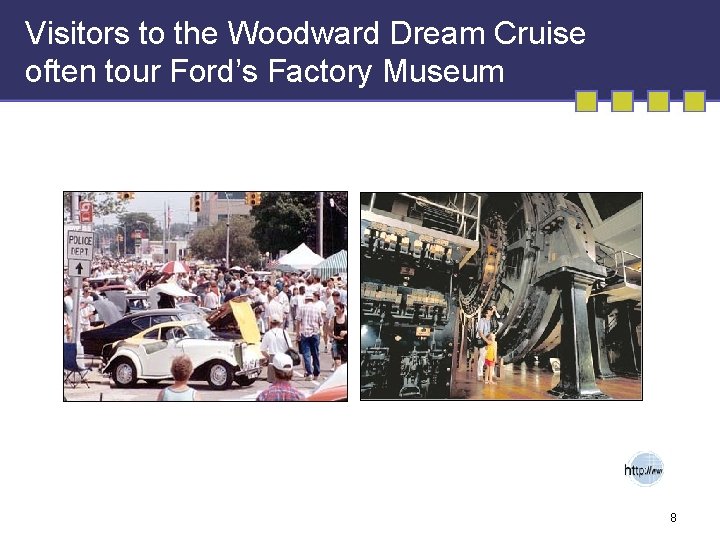
Visitors to the Woodward Dream Cruise often tour Ford’s Factory Museum 8
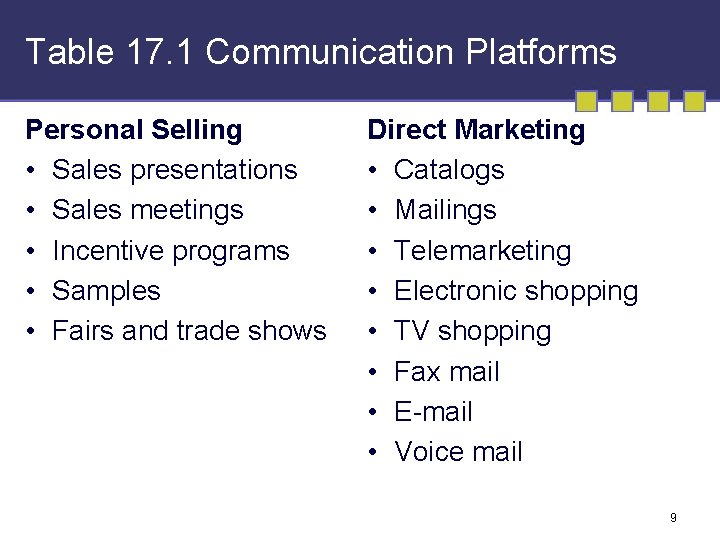
Table 17. 1 Communication Platforms Personal Selling • Sales presentations • Sales meetings • Incentive programs • Samples • Fairs and trade shows Direct Marketing • Catalogs • Mailings • Telemarketing • Electronic shopping • TV shopping • Fax mail • E-mail • Voice mail 9
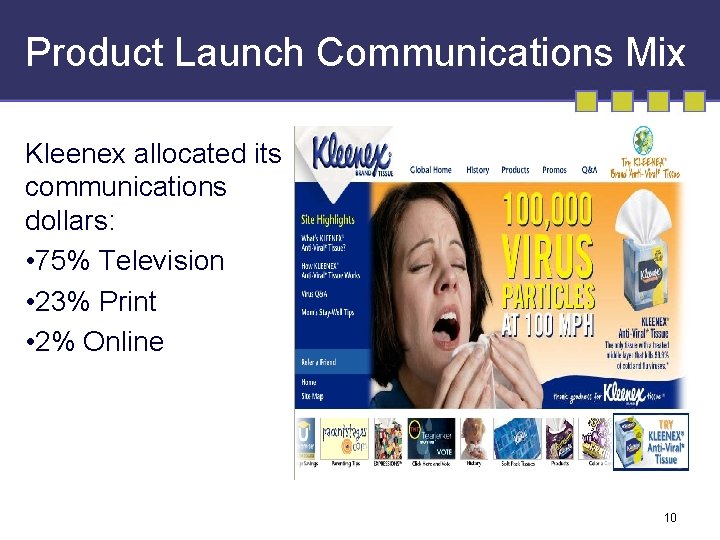
Product Launch Communications Mix Kleenex allocated its communications dollars: • 75% Television • 23% Print • 2% Online 10
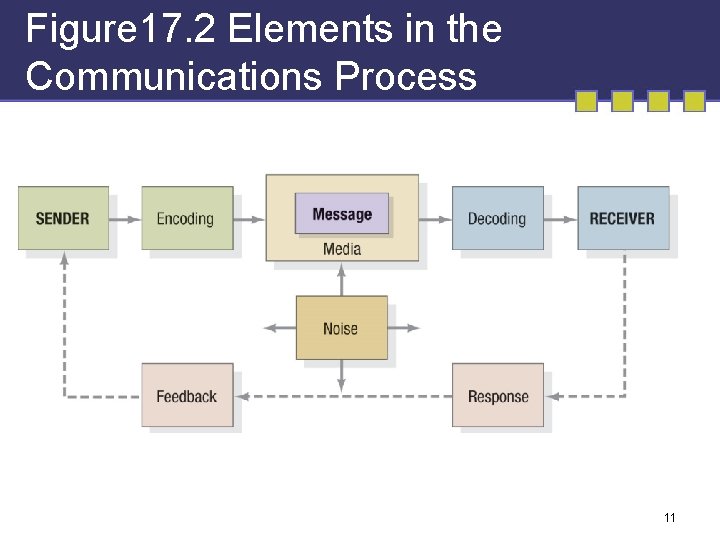
Figure 17. 2 Elements in the Communications Process 11
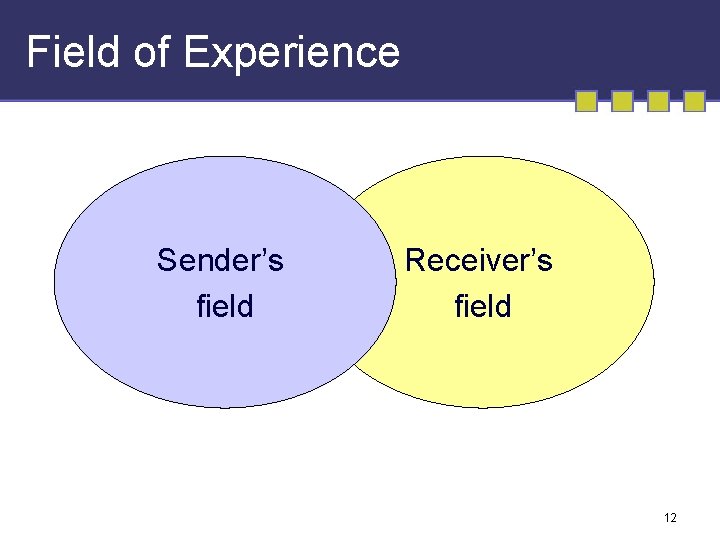
Field of Experience Sender’s field Receiver’s field 12
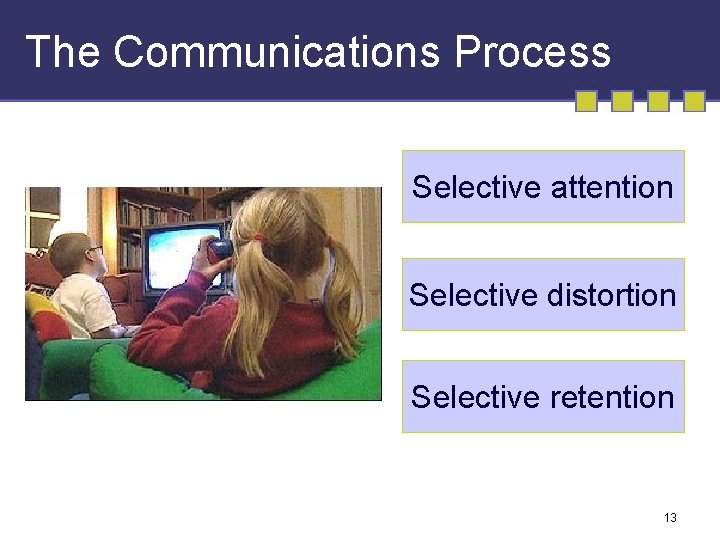
The Communications Process Selective attention Selective distortion Selective retention 13
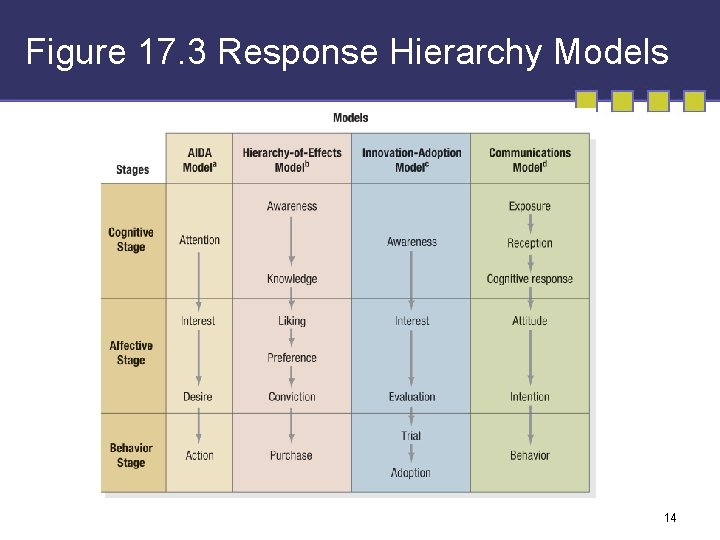
Figure 17. 3 Response Hierarchy Models 14
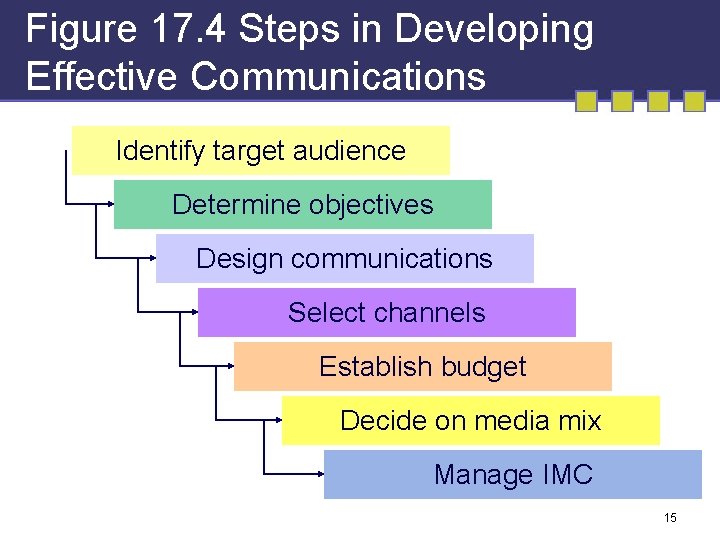
Figure 17. 4 Steps in Developing Effective Communications Identify target audience Determine objectives Design communications Select channels Establish budget Decide on media mix Manage IMC 15
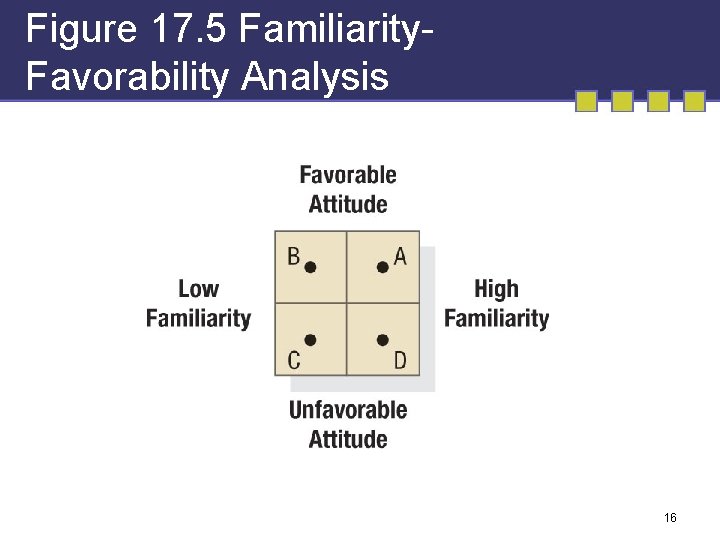
Figure 17. 5 Familiarity. Favorability Analysis 16
Image The set of beliefs, ideas, and impressions a person holds regarding an object. 17
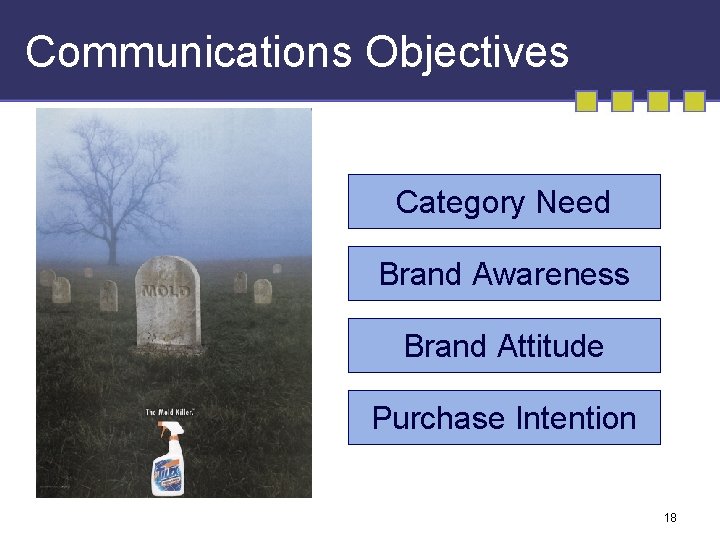
Communications Objectives Category Need Brand Awareness Brand Attitude Purchase Intention 18
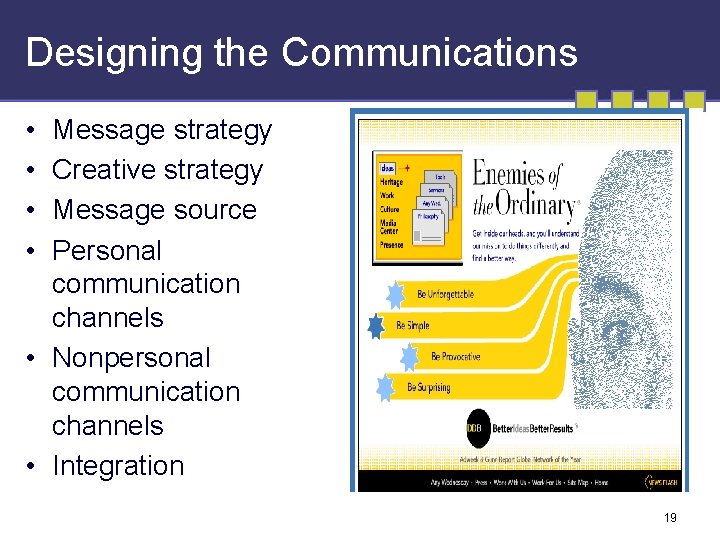
Designing the Communications • • Message strategy Creative strategy Message source Personal communication channels • Nonpersonal communication channels • Integration 19
Creative Strategy • Informational and transformational appeals • Positive and negative appeals – Fear – Guilt – Shame – Humor – Love – Pride – Joy 20
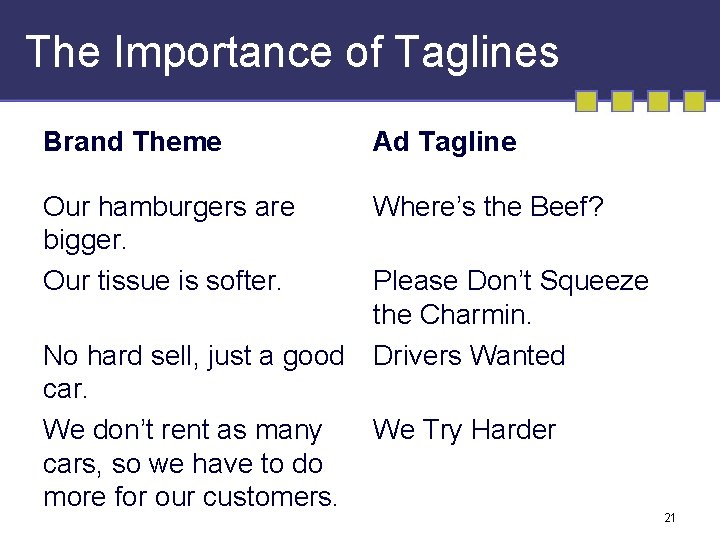
The Importance of Taglines Brand Theme Ad Tagline Our hamburgers are bigger. Our tissue is softer. Where’s the Beef? No hard sell, just a good car. We don’t rent as many cars, so we have to do more for our customers. Please Don’t Squeeze the Charmin. Drivers Wanted We Try Harder 21
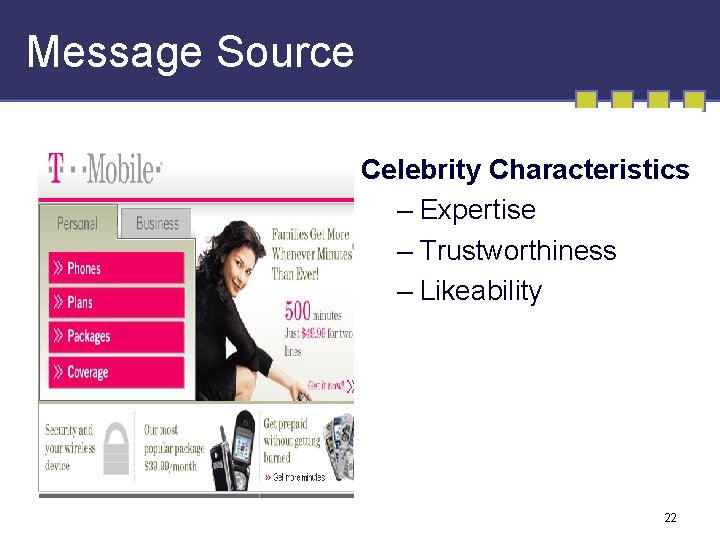
Message Source Celebrity Characteristics – Expertise – Trustworthiness – Likeability 22
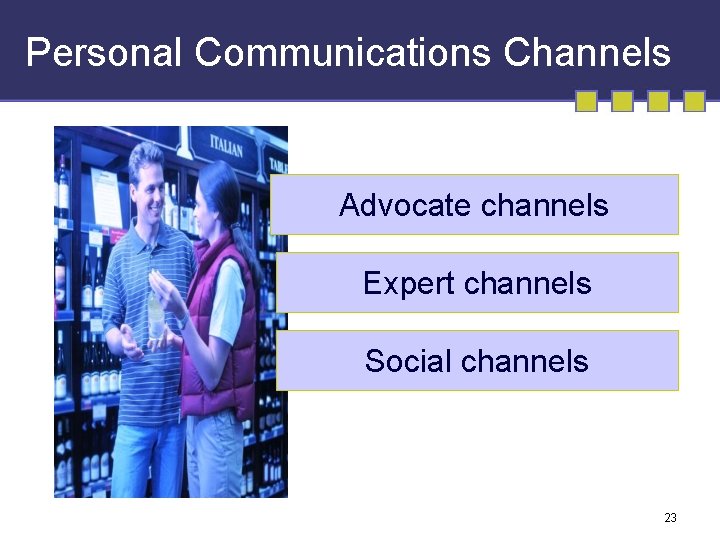
Personal Communications Channels Advocate channels Expert channels Social channels 23
Stimulating Personal Influence Channels • Identify influential individuals and devote extra attention to them • Create opinion leaders • Use community influentials in testimonial advertising • Develop advertising with high “conversation value” • Develop WOM referral channels • Establish an electronic forum • Use viral marketing 24
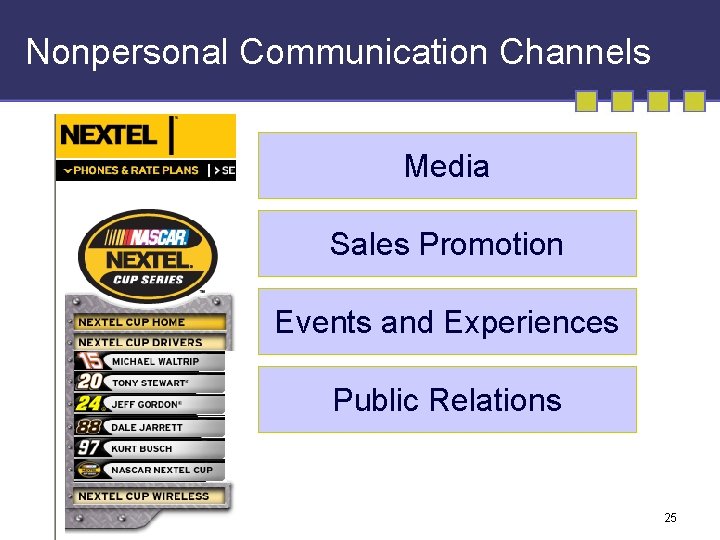
Nonpersonal Communication Channels Media Sales Promotion Events and Experiences Public Relations 25
Establish the Budget Affordable Percentage-of-Sales Competitive Parity Objective-and-Task 26
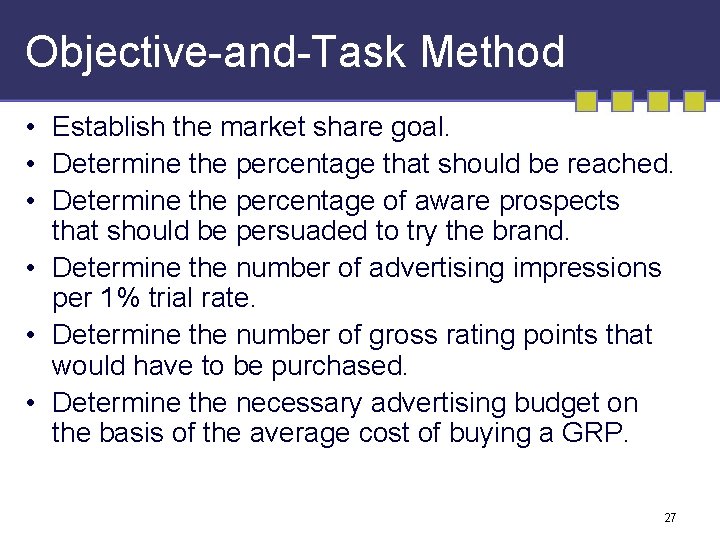
Objective-and-Task Method • Establish the market share goal. • Determine the percentage that should be reached. • Determine the percentage of aware prospects that should be persuaded to try the brand. • Determine the number of advertising impressions per 1% trial rate. • Determine the number of gross rating points that would have to be purchased. • Determine the necessary advertising budget on the basis of the average cost of buying a GRP. 27
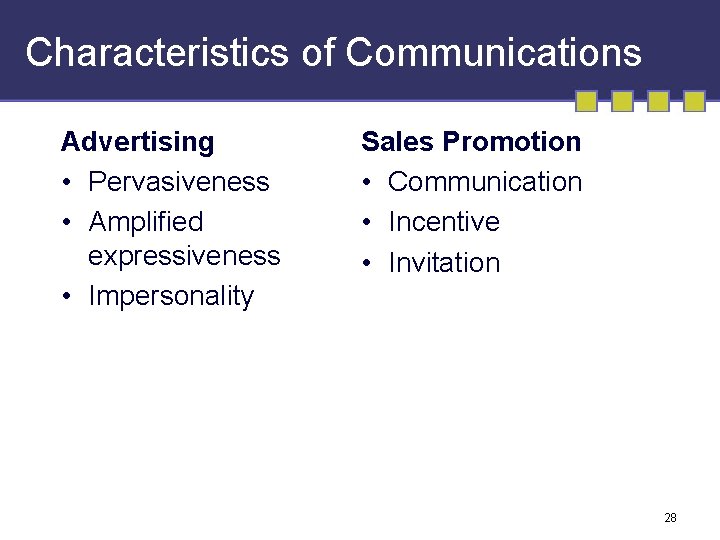
Characteristics of Communications Advertising • Pervasiveness • Amplified expressiveness • Impersonality Sales Promotion • Communication • Incentive • Invitation 28
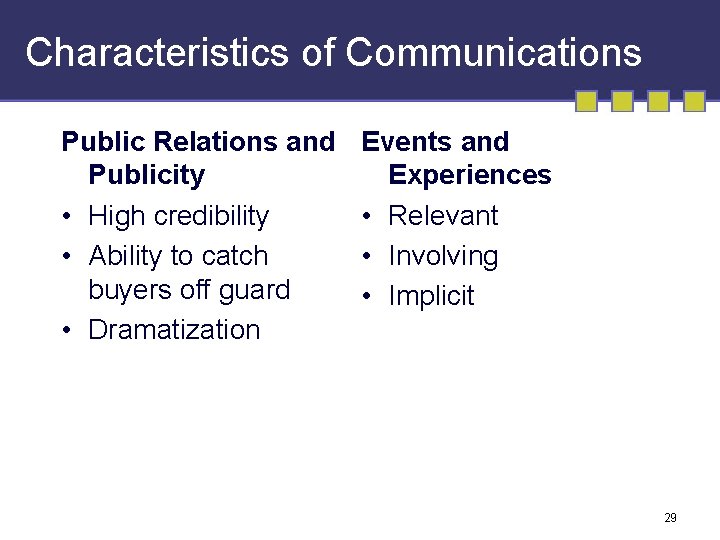
Characteristics of Communications Public Relations and Publicity • High credibility • Ability to catch buyers off guard • Dramatization Events and Experiences • Relevant • Involving • Implicit 29
Characteristics of Communications Direct Marketing • Customized • Up-to-date • Interactive Personal Selling • Personal interaction • Cultivation • Response 30
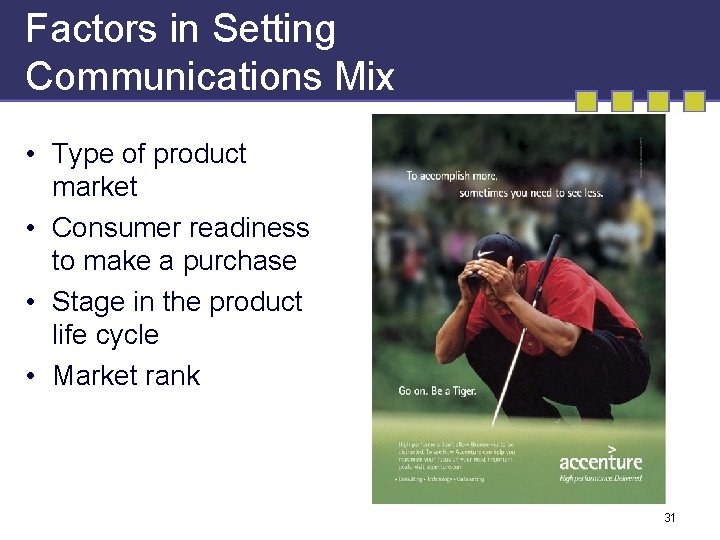
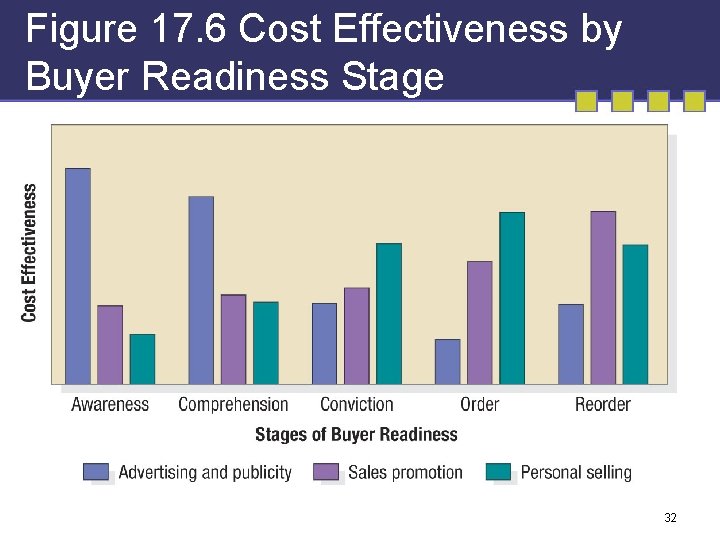
Factors in Setting Communications Mix • Type of product market • Consumer readiness to make a purchase • Stage in the product life cycle • Market rank 31
Figure 17. 6 Cost Effectiveness by Buyer Readiness Stage 32
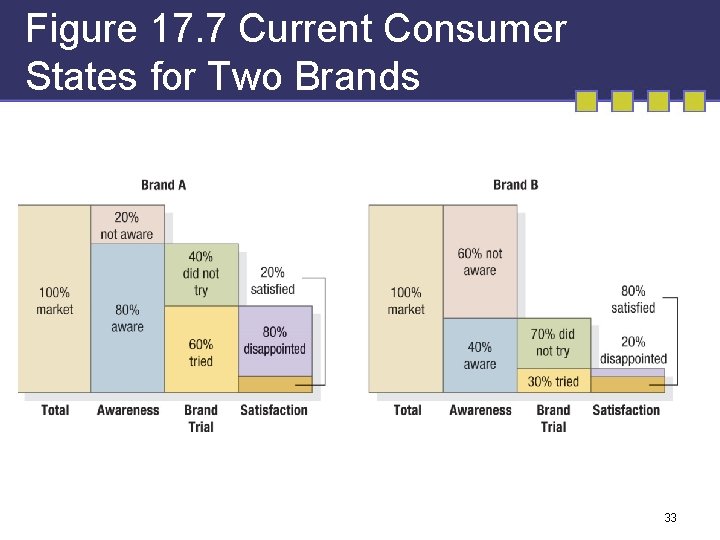
Figure 17. 7 Current Consumer States for Two Brands 33
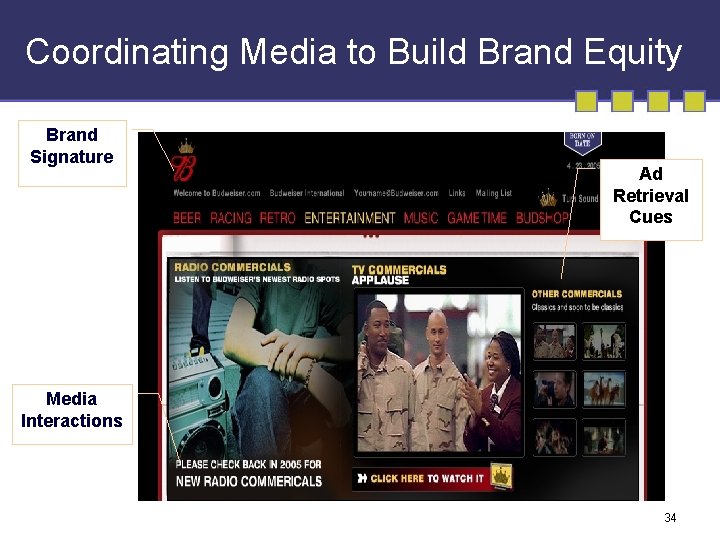
Coordinating Media to Build Brand Equity Brand Signature Ad Retrieval Cues Media Interactions 34
Marketing Debate ü What is the biggest obstacle to integrating marketing communications? Take a position: 1. The biggest obstacle to effective IMC 2. programs is a lack of agency coordination 3. across communication units. 4. 2. The biggest obstacle to effective IMC 5. programs is a lack of understanding as to 6. how to optimally design and evaluate such 7. programs. 35
Marketing Discussion ü Pick a brand go to the Web site. Locate as many forms of communication as you can find. ü Conduct an informal communications audit. What do you notice? How consistent are the different communications? 36