Lesson 2 French and Indian War Consequences 10102012
- Slides: 13
Lesson # 2 – French and Indian War Consequences 10/10/2012
Warm-Up • Succinct Paragraph Practice: How did early French colonial development compare / contrast with English settlements (politically, socially, economically, and in terms of native relations)? • Copy homework below: – Read p. 116 – 124, “Statement of the Stamp Act Congress” – Literal and Analytical Notes – American Revolution Diary due Friday (for Discussion) • Agenda – Succinct Paragraph – Lecture
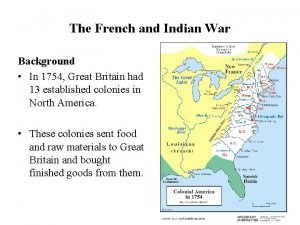
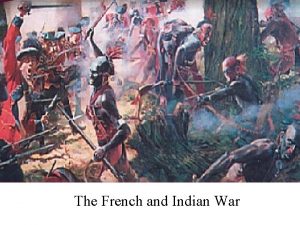
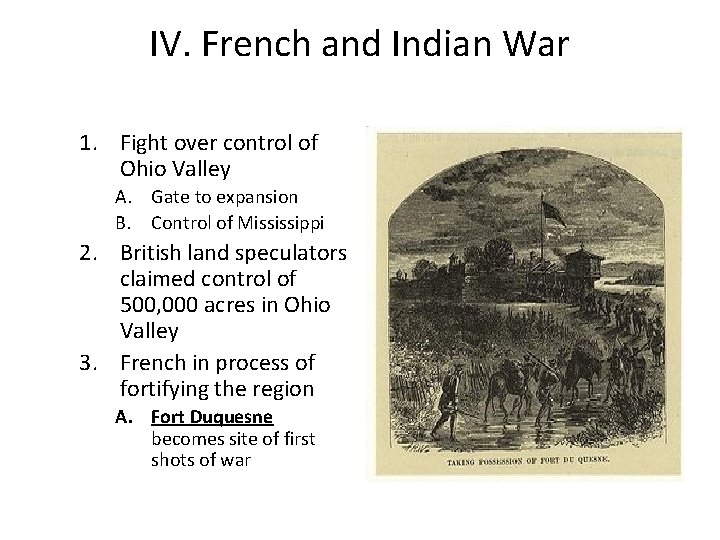
IV. French and Indian War 1. Fight over control of Ohio Valley A. Gate to expansion B. Control of Mississippi 2. British land speculators claimed control of 500, 000 acres in Ohio Valley 3. French in process of fortifying the region A. Fort Duquesne becomes site of first shots of war
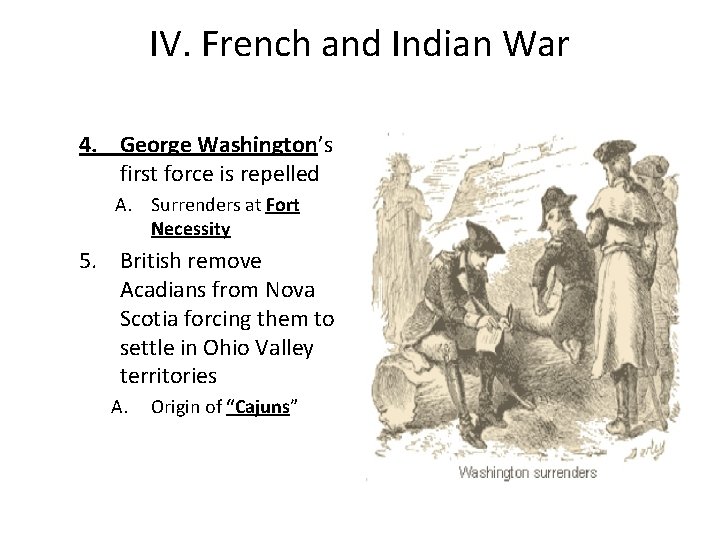
IV. French and Indian War 4. George Washington’s first force is repelled A. Surrenders at Fort Necessity 5. British remove Acadians from Nova Scotia forcing them to settle in Ohio Valley territories A. Origin of “Cajuns”
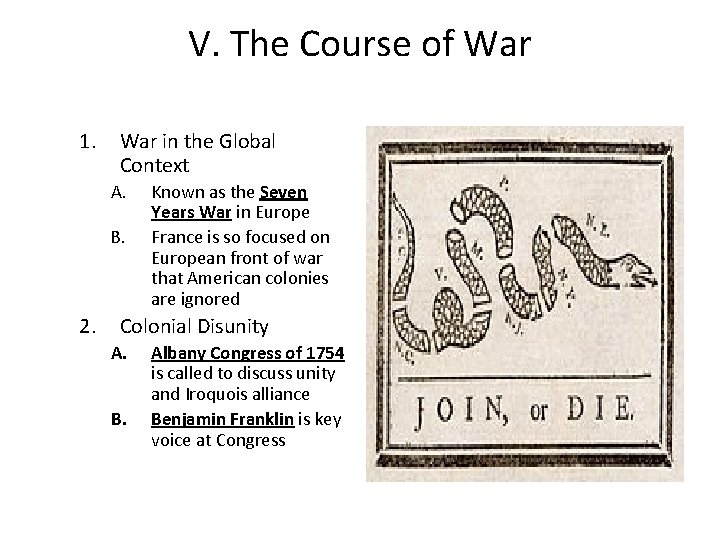
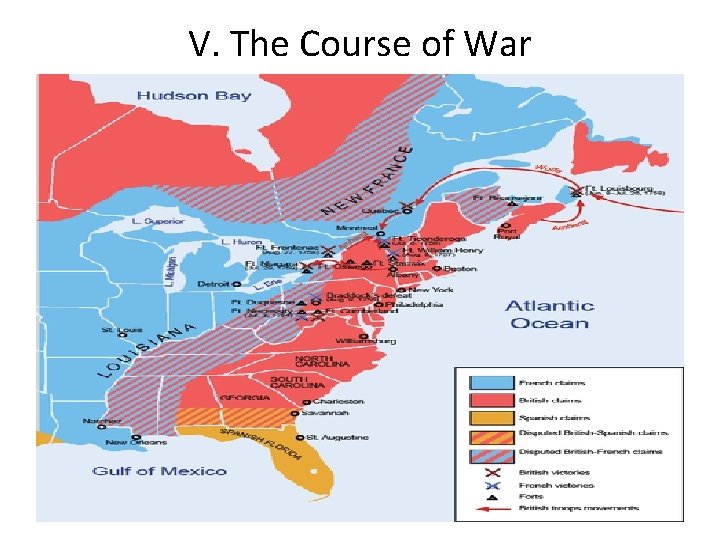
V. The Course of War 1. War in the Global Context A. B. 2. Known as the Seven Years War in Europe France is so focused on European front of war that American colonies are ignored Colonial Disunity A. B. Albany Congress of 1754 is called to discuss unity and Iroquois alliance Benjamin Franklin is key voice at Congress
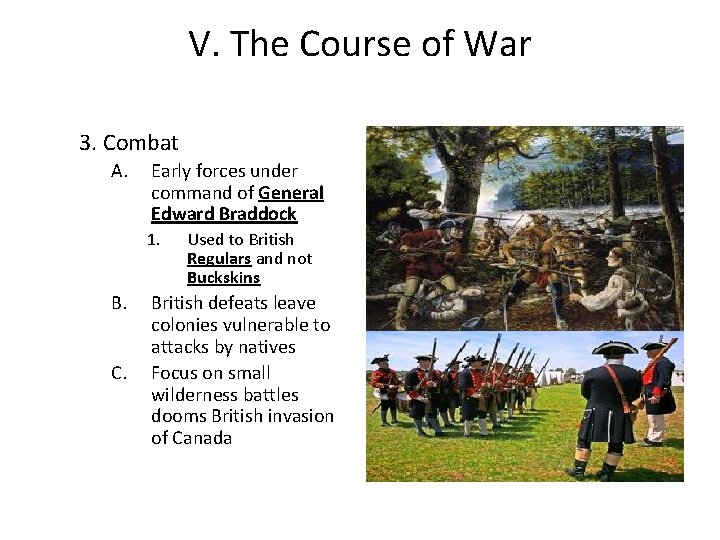
V. The Course of War 3. Combat A. Early forces under command of General Edward Braddock 1. B. C. Used to British Regulars and not Buckskins British defeats leave colonies vulnerable to attacks by natives Focus on small wilderness battles dooms British invasion of Canada
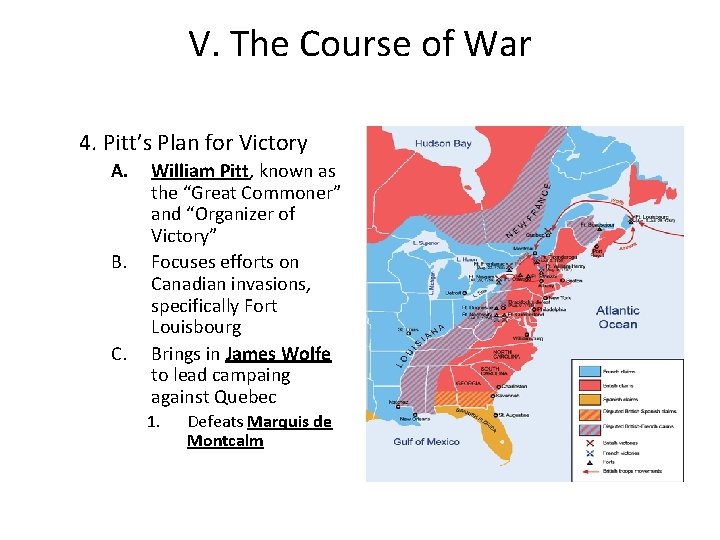
V. The Course of War 4. Pitt’s Plan for Victory A. B. C. William Pitt, known as the “Great Commoner” and “Organizer of Victory” Focuses efforts on Canadian invasions, specifically Fort Louisbourg Brings in James Wolfe to lead campaing against Quebec 1. Defeats Marquis de Montcalm
V. The Course of War
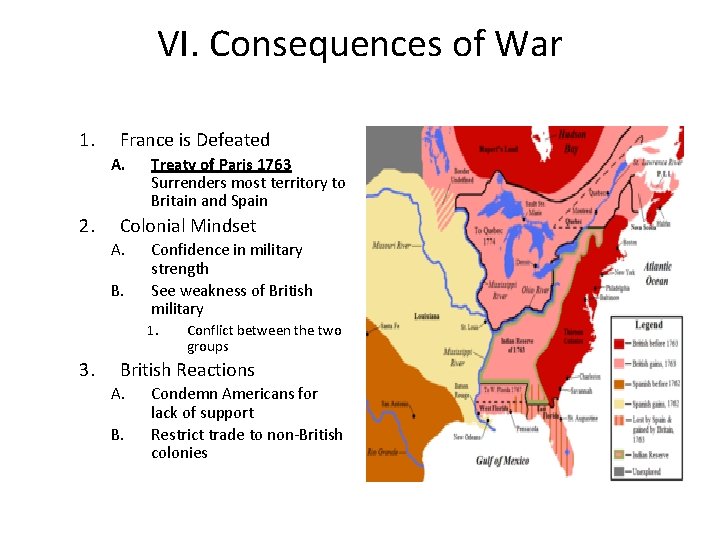
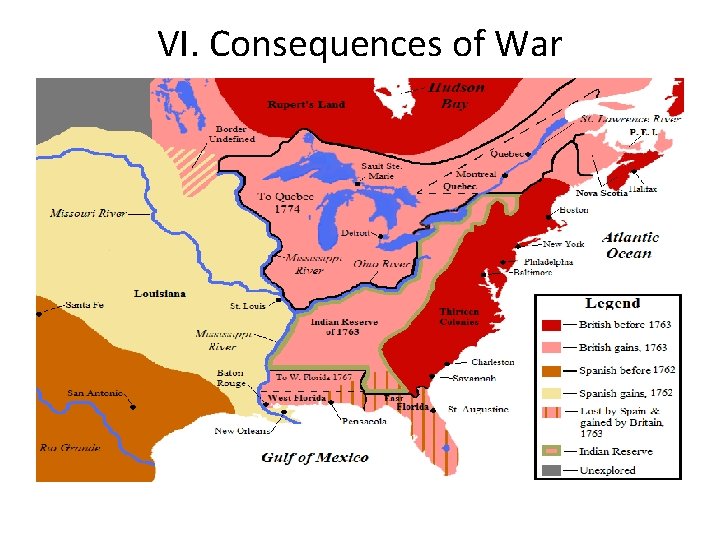
VI. Consequences of War 1. France is Defeated A. 2. Treaty of Paris 1763 Surrenders most territory to Britain and Spain Colonial Mindset A. B. Confidence in military strength See weakness of British military 1. 3. Conflict between the two groups British Reactions A. B. Condemn Americans for lack of support Restrict trade to non-British colonies
VI. Consequences of War
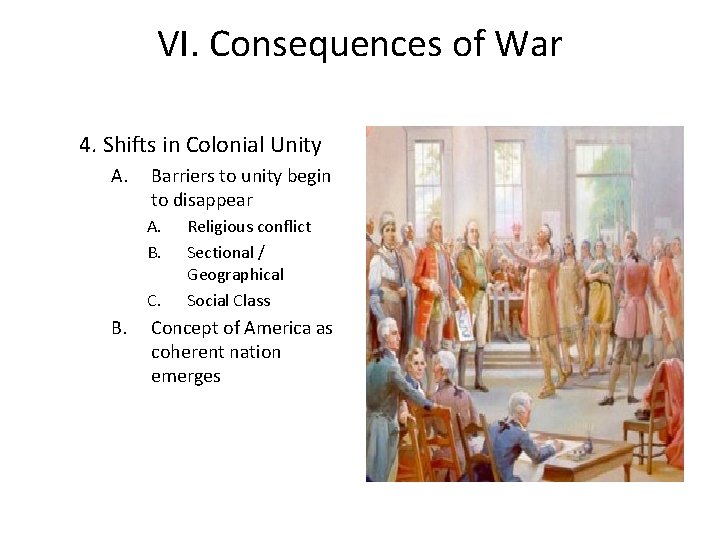
VI. Consequences of War 4. Shifts in Colonial Unity A. Barriers to unity begin to disappear A. B. C. B. Religious conflict Sectional / Geographical Social Class Concept of America as coherent nation emerges
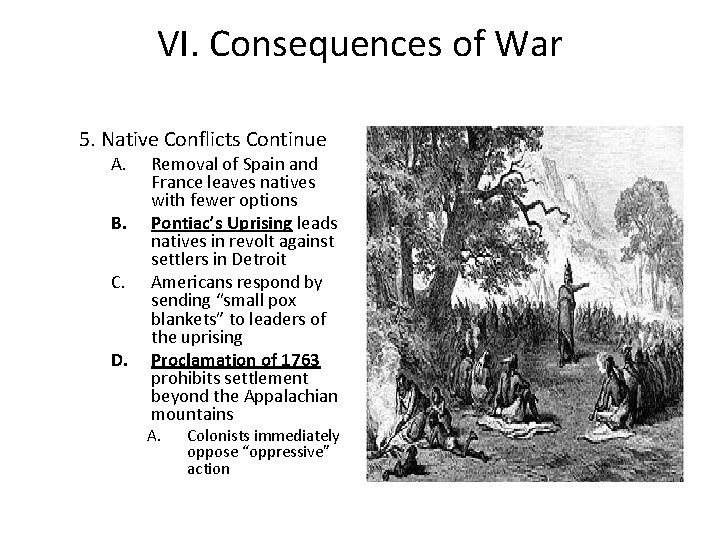
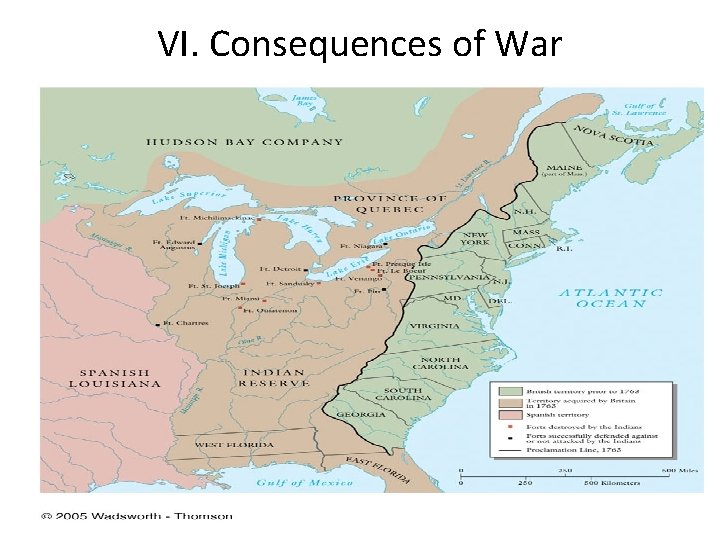
VI. Consequences of War 5. Native Conflicts Continue A. B. C. D. Removal of Spain and France leaves natives with fewer options Pontiac’s Uprising leads natives in revolt against settlers in Detroit Americans respond by sending “small pox blankets” to leaders of the uprising Proclamation of 1763 prohibits settlement beyond the Appalachian mountains A. Colonists immediately oppose “oppressive” action
VI. Consequences of War