
Lecture Germ Theory M Stafford Germ Theory Why
- Slides: 18
Lecture: Germ Theory M. Stafford
Germ Theory Why do you get sick? How do you get better? What is the best way to avoid getting sick in the first place?
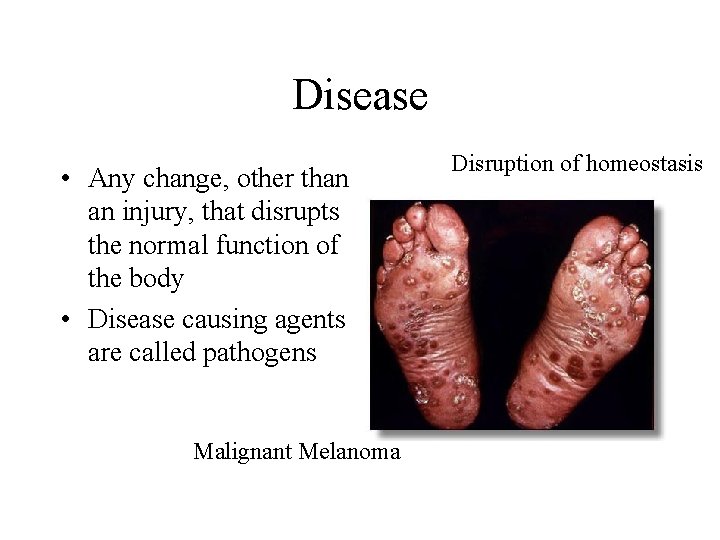
Disease • Any change, other than an injury, that disrupts the normal function of the body • Disease causing agents are called pathogens Malignant Melanoma Disruption of homeostasis
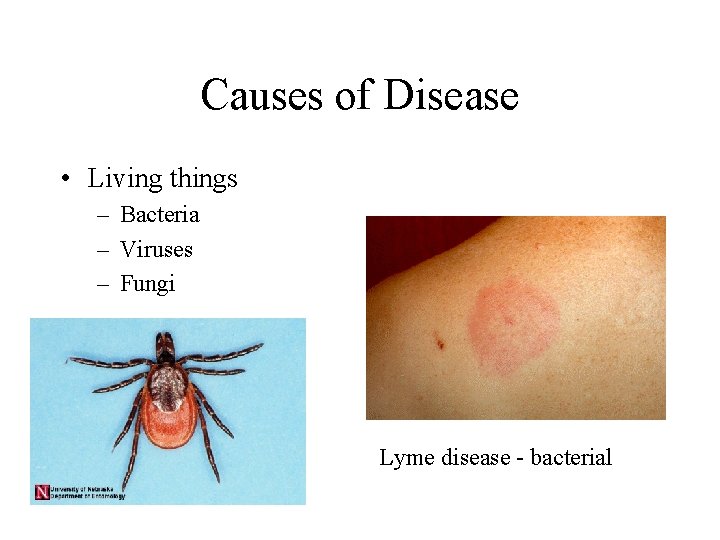
Causes of Disease • Living things – Bacteria – Viruses – Fungi Lyme disease - bacterial
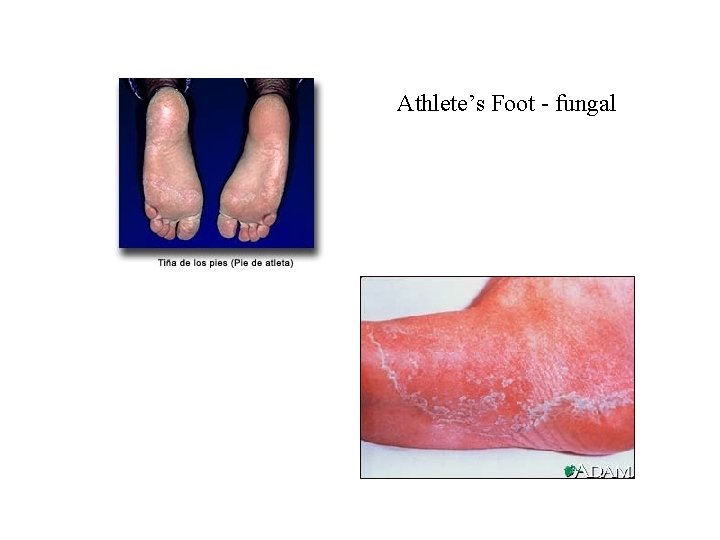
Athlete’s Foot - fungal
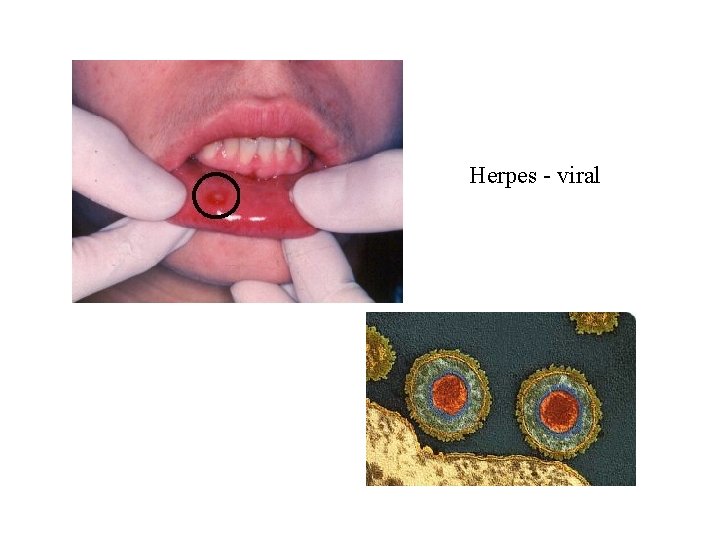
Herpes - viral
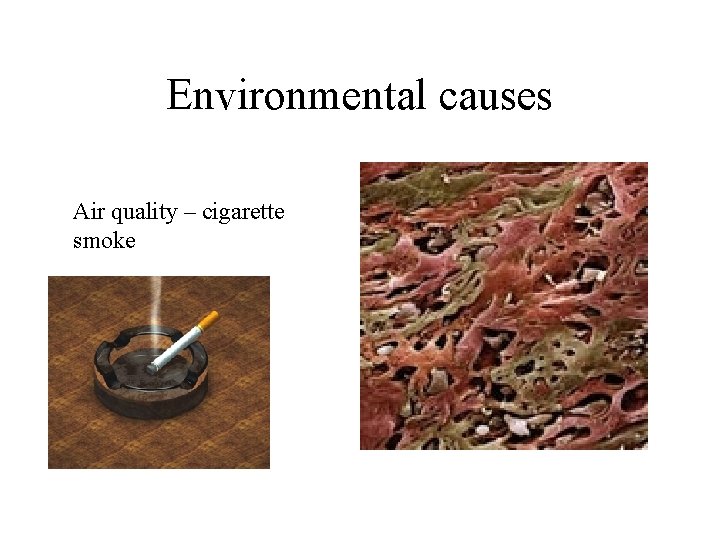
Environmental causes Air quality – cigarette smoke
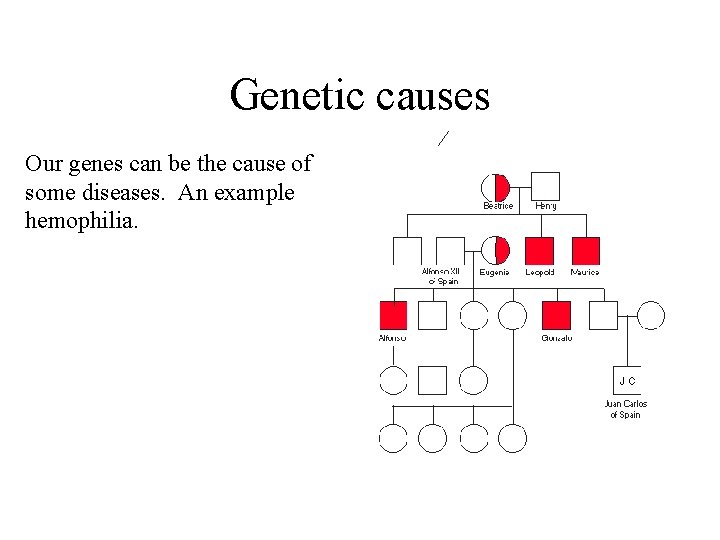
Genetic causes Our genes can be the cause of some diseases. An example hemophilia.
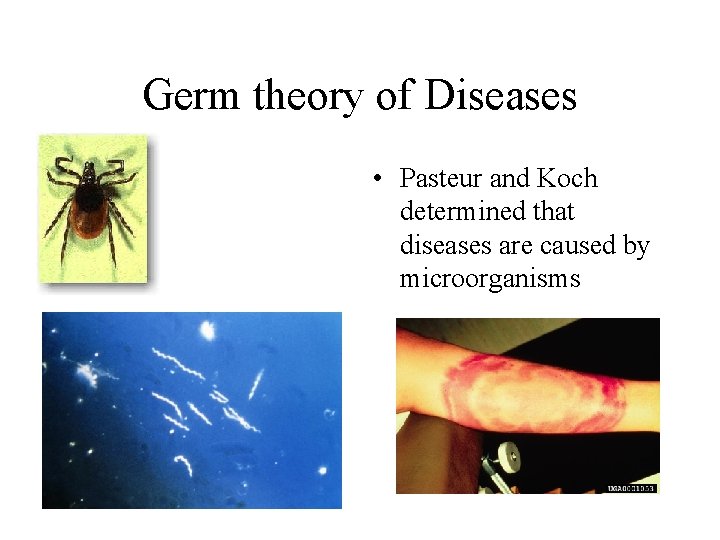
Germ theory of Diseases • Pasteur and Koch determined that diseases are caused by microorganisms
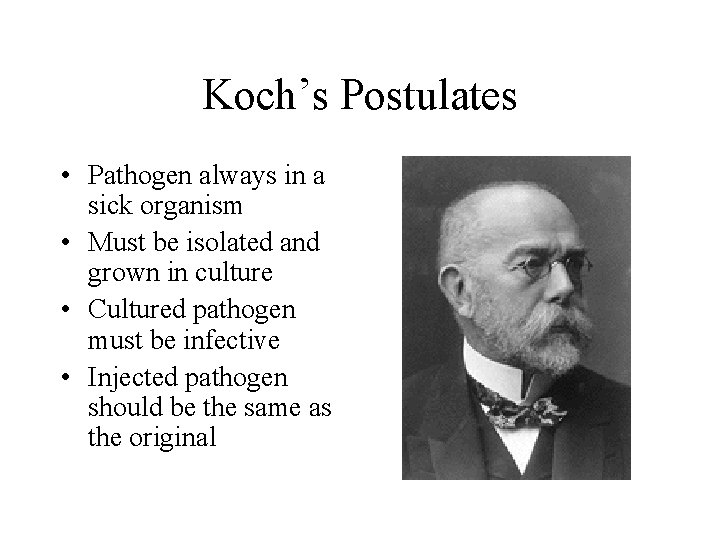
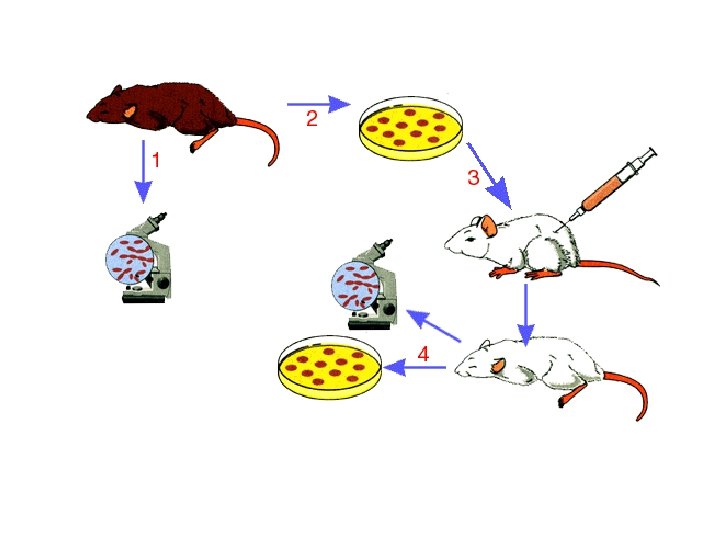
Koch’s Postulates • Pathogen always in a sick organism • Must be isolated and grown in culture • Cultured pathogen must be infective • Injected pathogen should be the same as the original
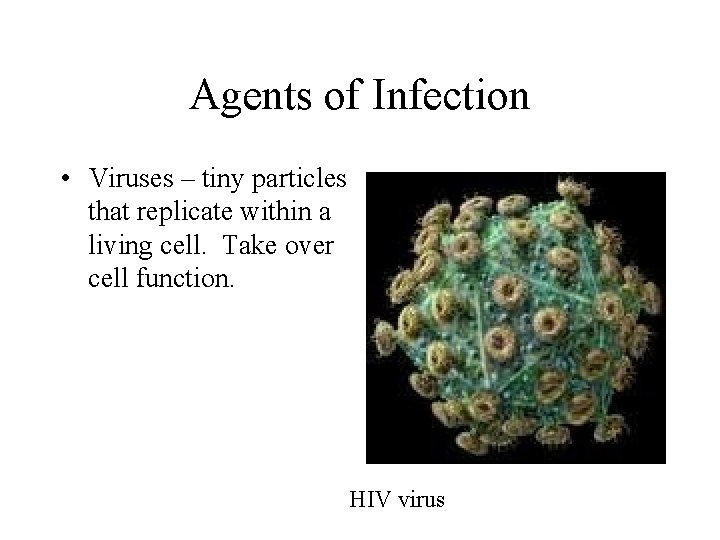
Agents of Infection • Viruses – tiny particles that replicate within a living cell. Take over cell function. HIV virus
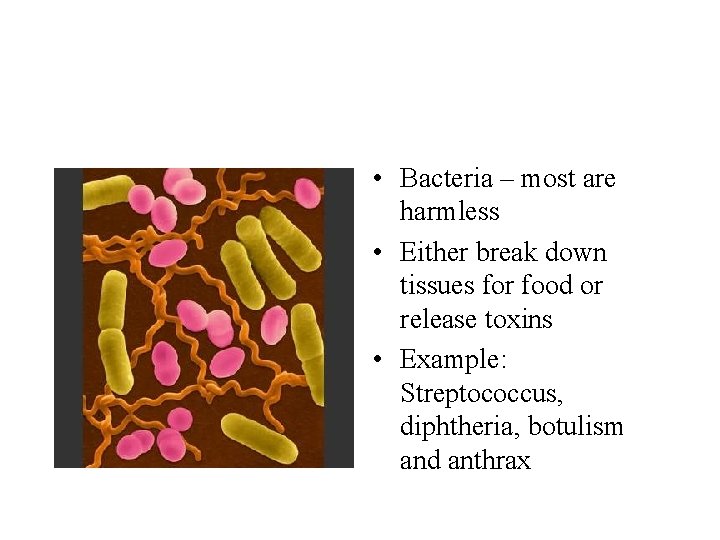
• Bacteria – most are harmless • Either break down tissues for food or release toxins • Example: Streptococcus, diphtheria, botulism and anthrax
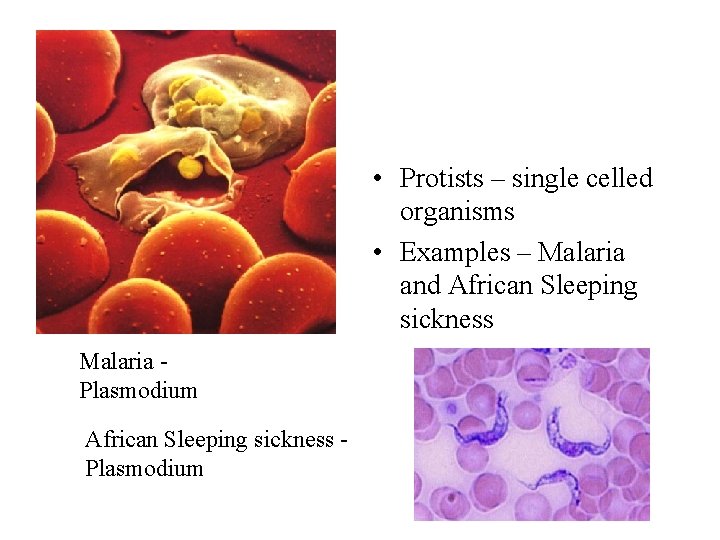
• Protists – single celled organisms • Examples – Malaria and African Sleeping sickness Malaria Plasmodium African Sleeping sickness Plasmodium
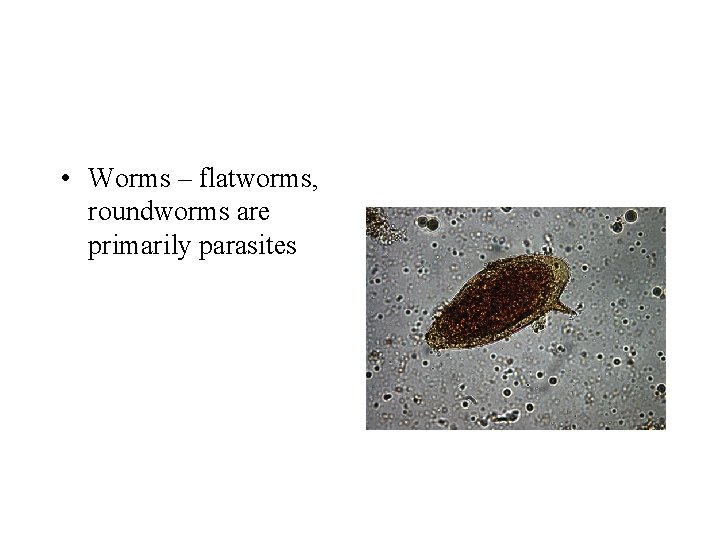
• Worms – flatworms, roundworms are primarily parasites
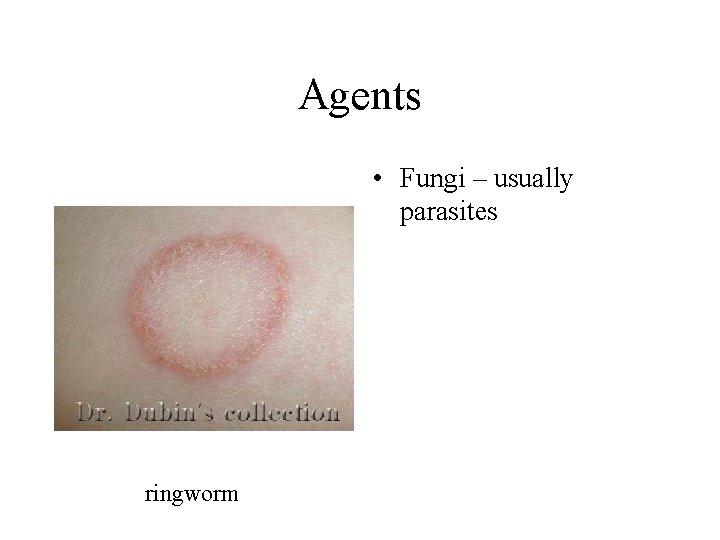
Agents • Fungi – usually parasites ringworm
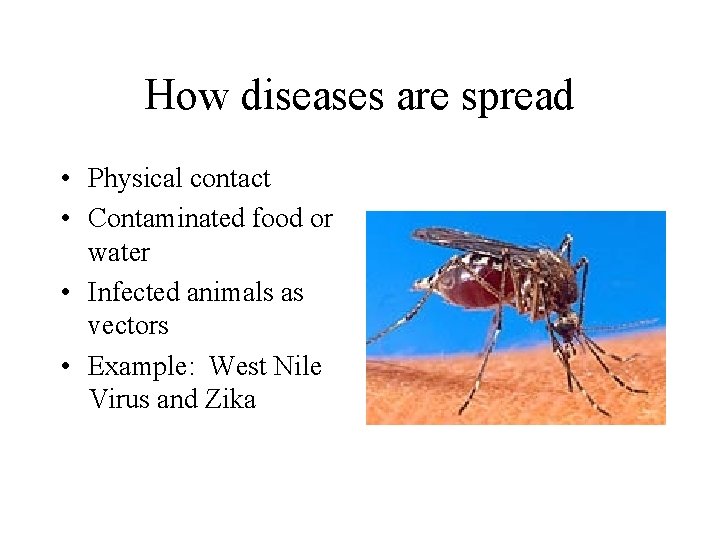
How diseases are spread • Physical contact • Contaminated food or water • Infected animals as vectors • Example: West Nile Virus and Zika
• What causes you to get sick? • How do you get better? • How do you avoid getting sick?