Growth of Industrial Prosperity Chapter 20 1 Second
- Slides: 7
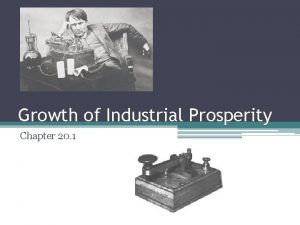
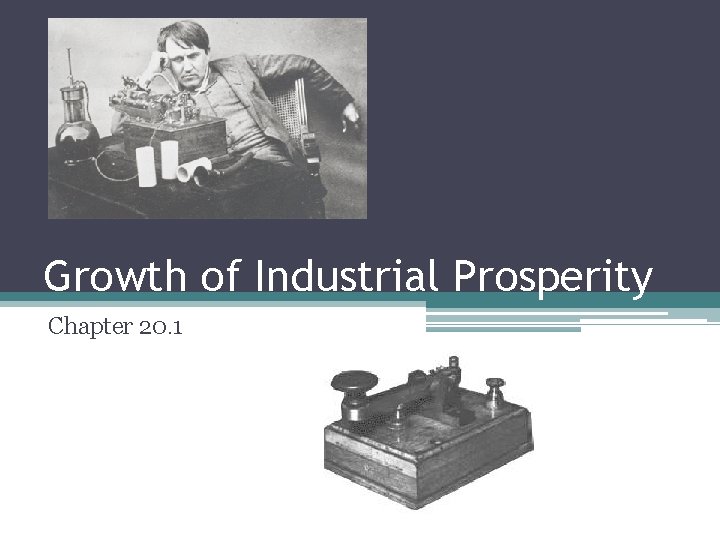
Growth of Industrial Prosperity Chapter 20. 1
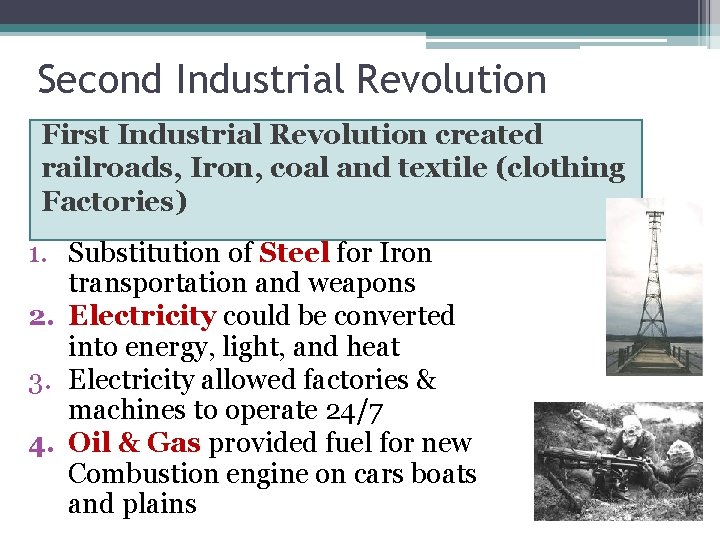
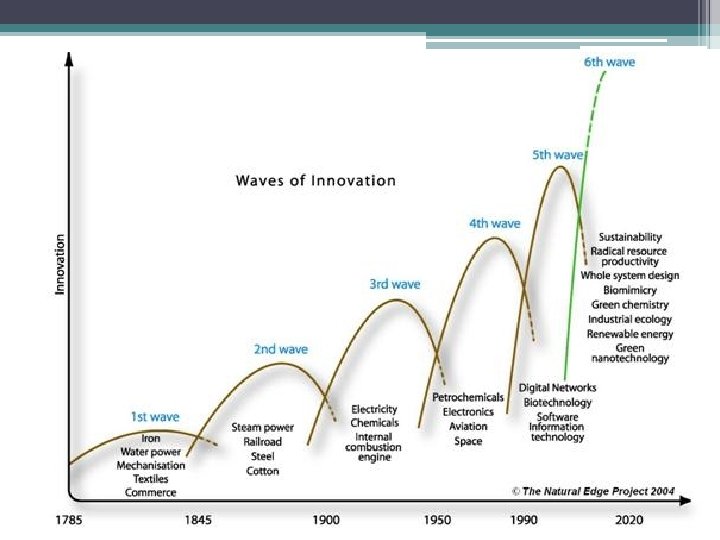
Second Industrial Revolution First Industrial Revolution created railroads, Iron, coal and textile (clothing Factories) 1. Substitution of Steel for Iron transportation and weapons 2. Electricity could be converted into energy, light, and heat 3. Electricity allowed factories & machines to operate 24/7 4. Oil & Gas provided fuel for new Combustion engine on cars boats and plains
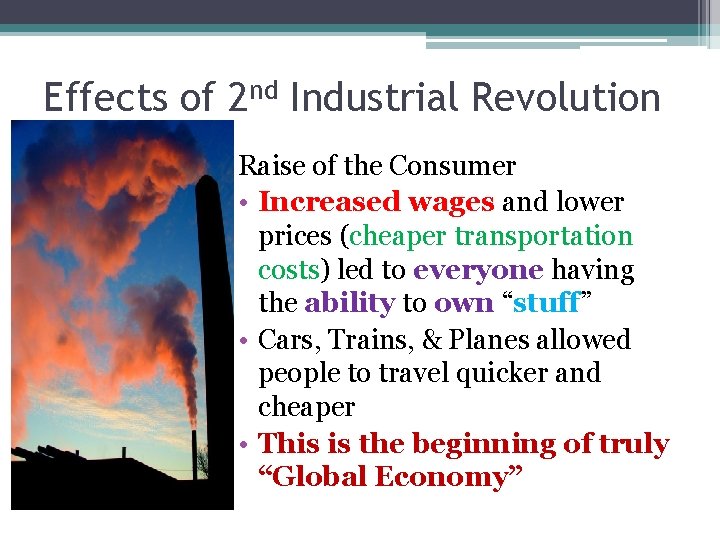
Effects of 2 nd Industrial Revolution Raise of the Consumer • Increased wages and lower prices (cheaper transportation costs) led to everyone having the ability to own “stuff” • Cars, Trains, & Planes allowed people to travel quicker and cheaper • This is the beginning of truly “Global Economy”
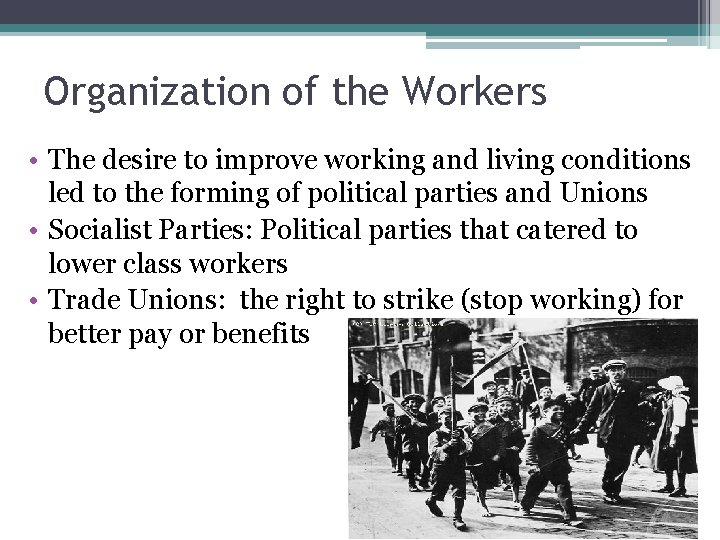
Organization of the Workers • The desire to improve working and living conditions led to the forming of political parties and Unions • Socialist Parties: Political parties that catered to lower class workers • Trade Unions: the right to strike (stop working) for better pay or benefits
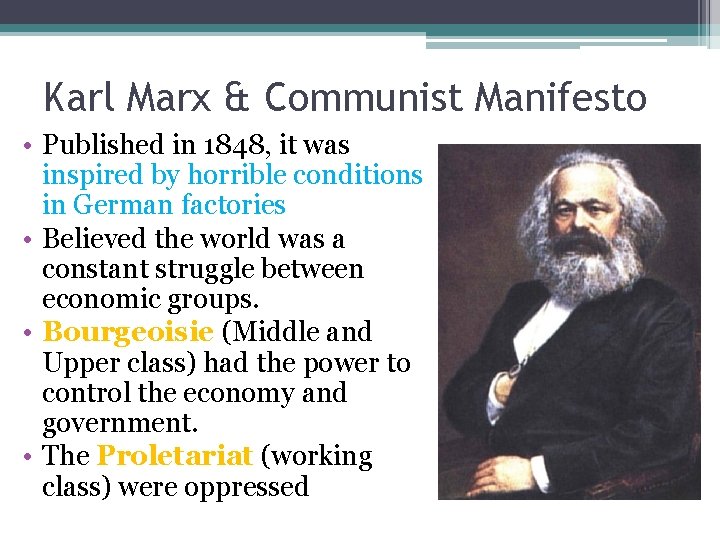
Karl Marx & Communist Manifesto • Published in 1848, it was inspired by horrible conditions in German factories • Believed the world was a constant struggle between economic groups. • Bourgeoisie (Middle and Upper class) had the power to control the economy and government. • The Proletariat (working class) were oppressed
Social Structure: the Classes New Elite – 5 % of population that owned 40% of wealth. Aristocrats, Industrialists, Bankers Middle Class: Doctors, Lawyers, Shopkeepers, Managers – Middle class values dominated the 19 th century. Emphasis on Christianity, manners, & education Working Class - 80% of population: working on farms or factories. • Reforms (from last slide) were out to help the poor worker.