EDEMA PWM Olly Indrajani 2012 Edema Increased fluid


- Slides: 20
EDEMA PWM Olly Indrajani 2012
Edema = Increased fluid in the interstitial tissue spaces q Anasarca: Generalized edema + profound subcutaneous swelling
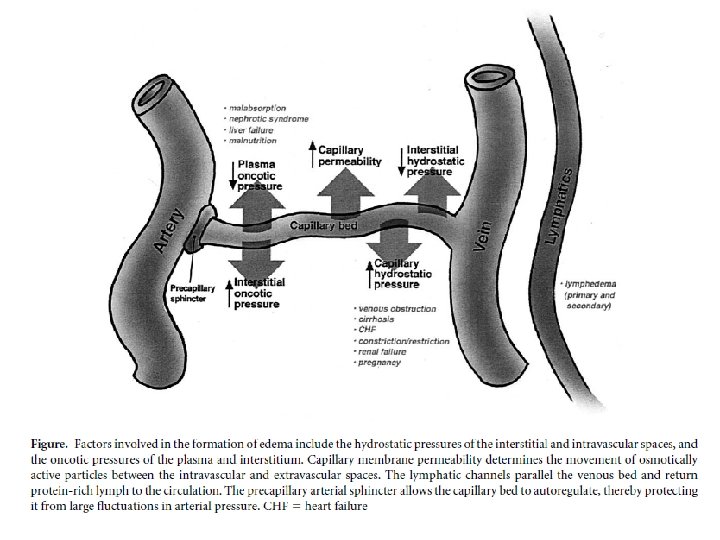
Anatomy and pathophysiology • 1/3 of total body water is extracellular space, and 2/3 is intracellular space; • Extracellular space is composed of the intravascular plasma volume (25%) and the extravascular interstitial spaces (75%)
Anatomy and pathophysiology Starling’s law: • Extravascular and intravascular hydrostatic pressures; • Differences in oncotic pressures within the interstitial space and plasma; • The permeability of the blood vessel wall. • Hydrostatic Pressure (capillary - tissue) - Oncotic pressure (capillary - tissue) = net fluid movement out of capillary into interstitium.
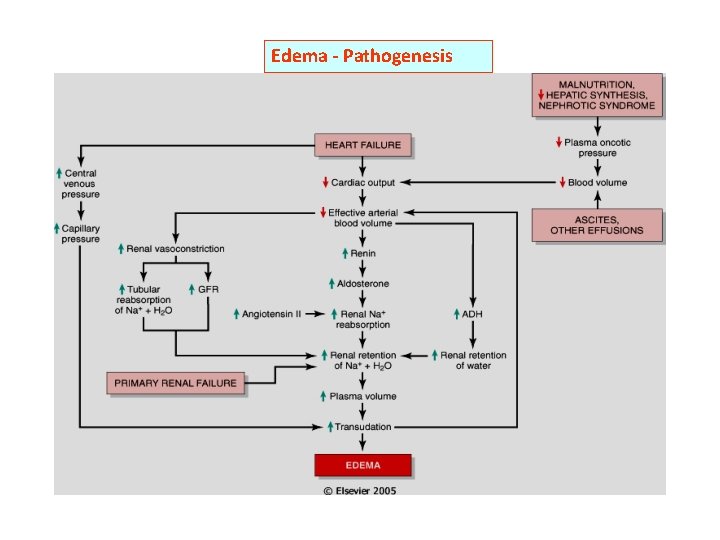
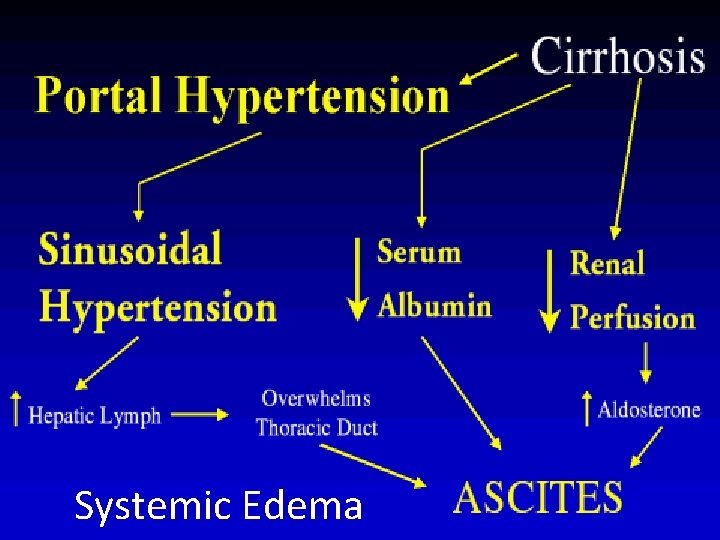
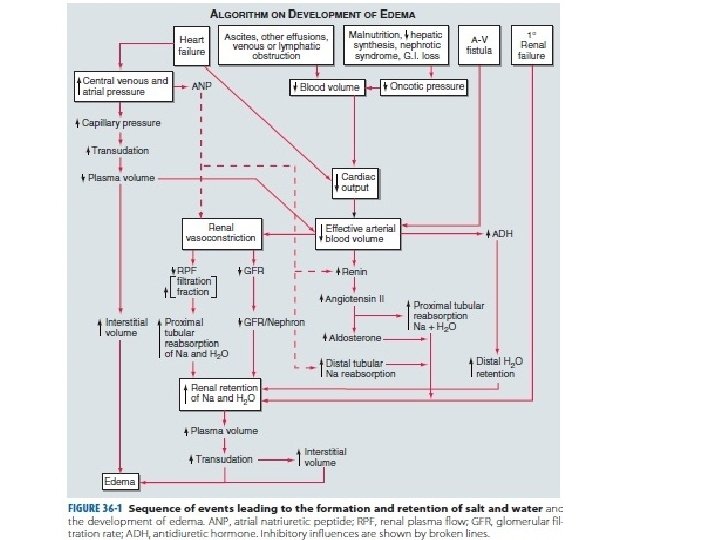
q Pathophysiology 1. Increased Hydrostatic Pressure q Most common cause - Congestive heart failure, others - DVT 2. Decreased oncotic or osmotic Pressure q Nephrotic syndrome, Cirrhosis 3. Sodium retention q Renal failure, Renin- Angiotensin – Aldosterone 4. Inflammation q Acute or chronic,
Edema - Pathogenesis
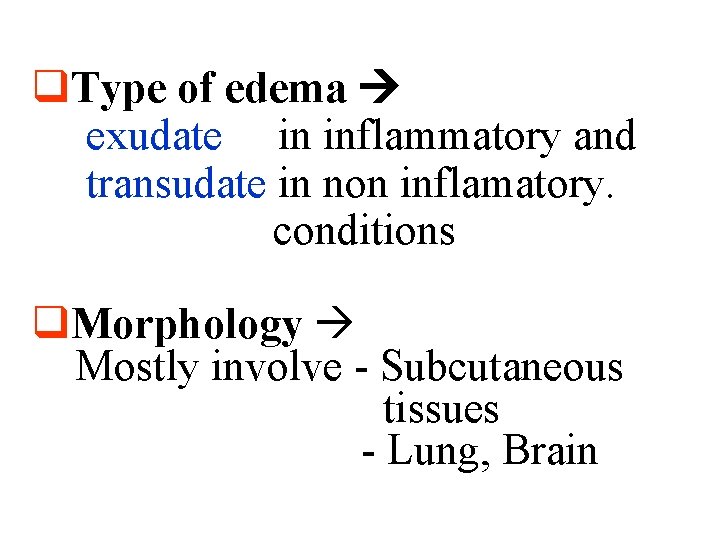
q. Type of edema exudate in inflammatory and transudate in non inflamatory. conditions q. Morphology Mostly involve - Subcutaneous tissues - Lung, Brain
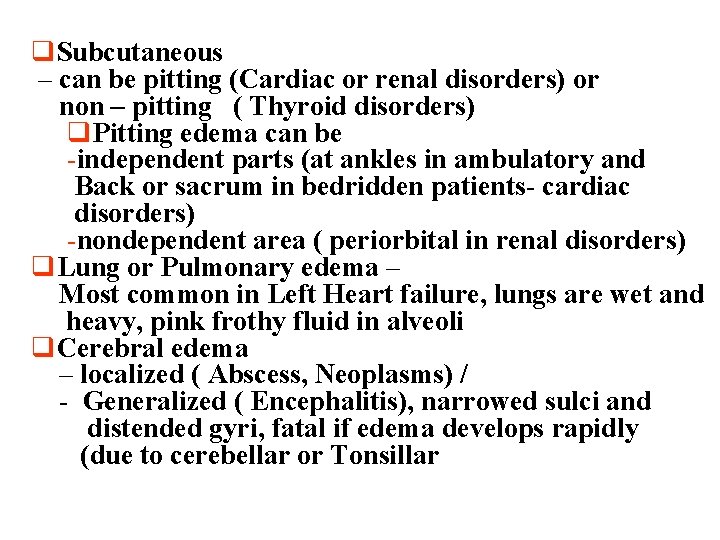
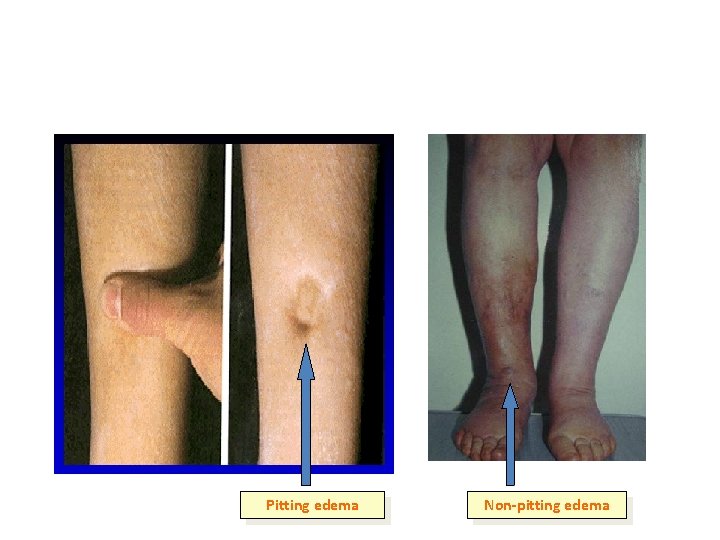
q. Subcutaneous – can be pitting (Cardiac or renal disorders) or non – pitting ( Thyroid disorders) q. Pitting edema can be -independent parts (at ankles in ambulatory and Back or sacrum in bedridden patients- cardiac disorders) -nondependent area ( periorbital in renal disorders) q. Lung or Pulmonary edema – Most common in Left Heart failure, lungs are wet and heavy, pink frothy fluid in alveoli q. Cerebral edema – localized ( Abscess, Neoplasms) / - Generalized ( Encephalitis), narrowed sulci and distended gyri, fatal if edema develops rapidly (due to cerebellar or Tonsillar
Edema Pitting edema Non-pitting edema
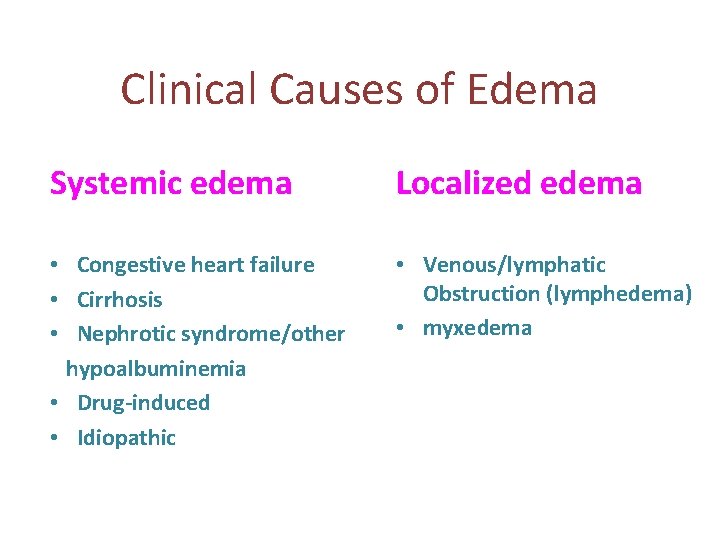
Clinical Causes of Edema Systemic edema Localized edema • Congestive heart failure • Cirrhosis • Nephrotic syndrome/other hypoalbuminemia • Drug-induced • Idiopathic • Venous/lymphatic Obstruction (lymphedema) • myxedema
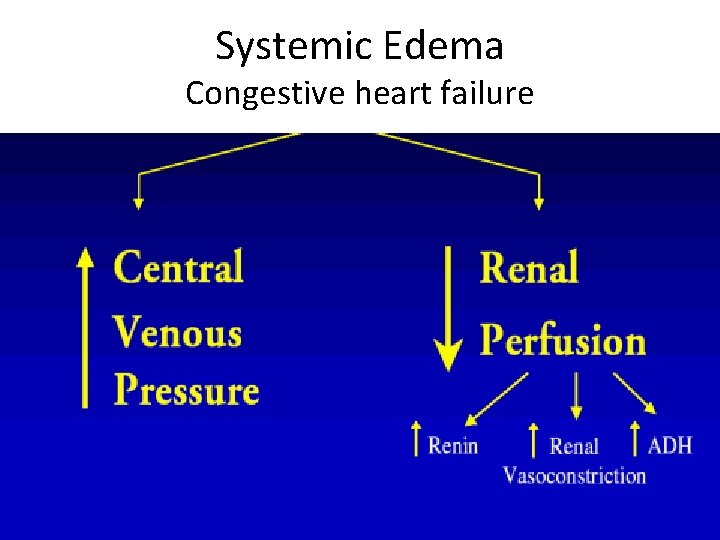
Systemic Edema Congestive heart failure
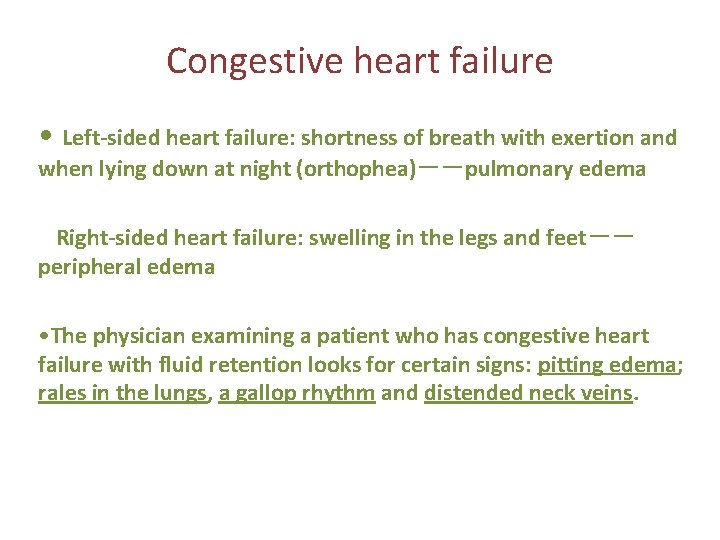
Congestive heart failure • Left-sided heart failure: shortness of breath with exertion and when lying down at night (orthophea)--pulmonary edema • Right-sided heart failure: swelling in the legs and feet-- peripheral edema • The physician examining a patient who has congestive heart failure with fluid retention looks for certain signs: pitting edema; rales in the lungs, a gallop rhythm and distended neck veins.
Systemic Edema
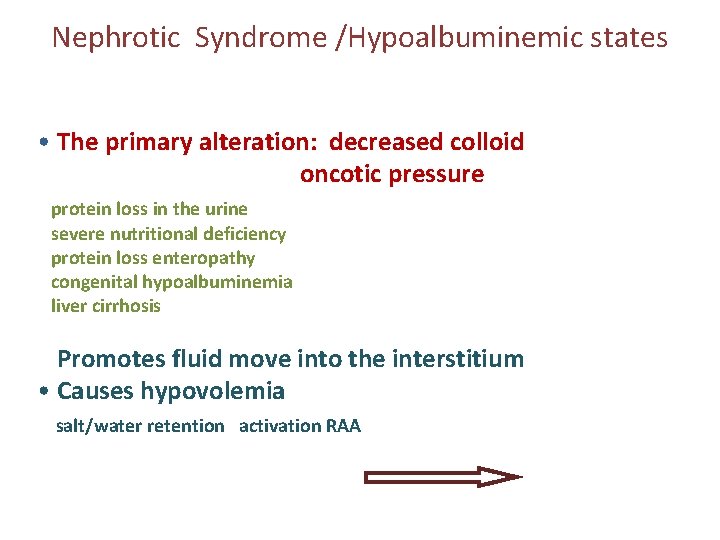
Nephrotic Syndrome /Hypoalbuminemic states • The primary alteration: decreased colloid oncotic pressure protein loss in the urine severe nutritional deficiency protein loss enteropathy congenital hypoalbuminemia liver cirrhosis • Promotes fluid move into the interstitium • Causes hypovolemia salt/water retention activation RAA axis etc
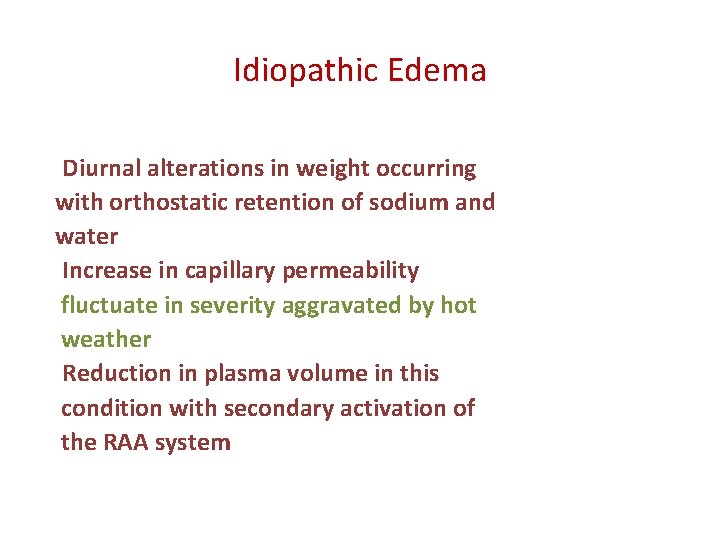
Idiopathic Edema • Diurnal alterations in weight occurring with orthostatic retention of sodium and water • Increase in capillary permeability fluctuate in severity aggravated by hot weather • Reduction in plasma volume in this condition with secondary activation of the RAA system
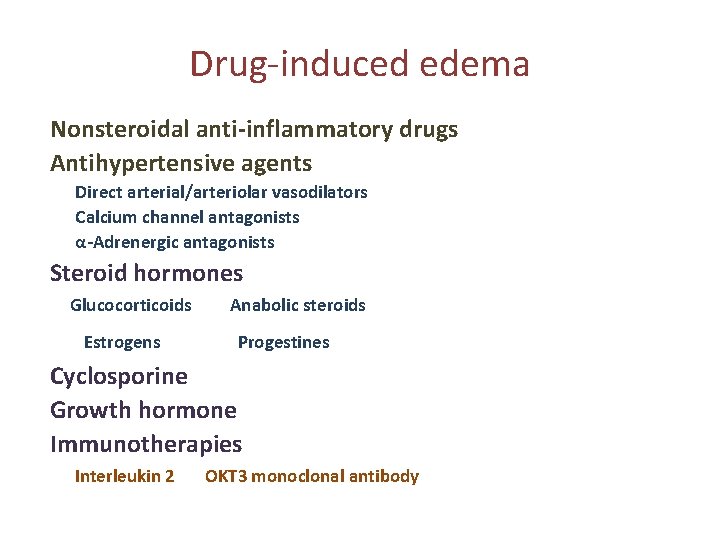
Drug-induced edema Nonsteroidal anti-inflammatory drugs Antihypertensive agents Direct arterial/arteriolar vasodilators Calcium channel antagonists α-Adrenergic antagonists Steroid hormones Glucocorticoids Estrogens Anabolic steroids Progestines Cyclosporine Growth hormone Immunotherapies Interleukin 2 OKT 3 monoclonal antibody
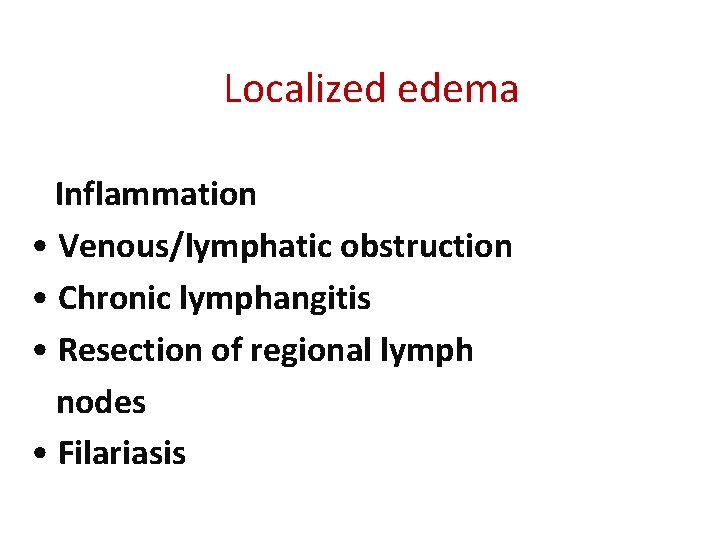
Localized edema • Inflammation • Venous/lymphatic obstruction • Chronic lymphangitis • Resection of regional lymph nodes • Filariasis
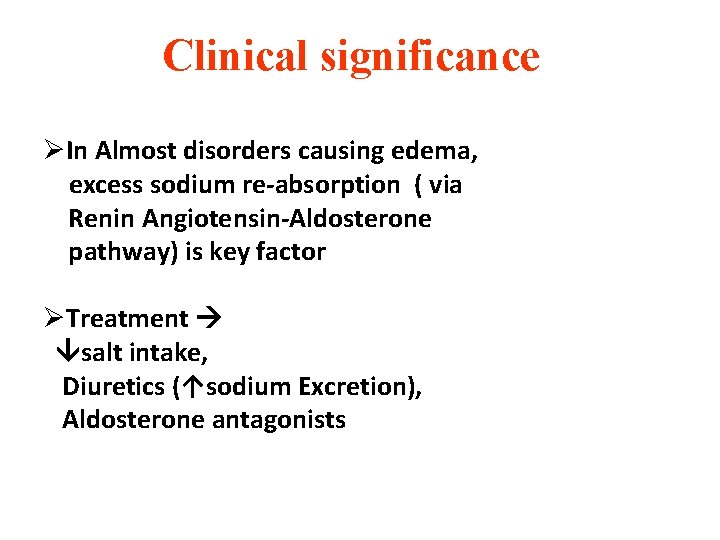
Clinical significance ØIn Almost disorders causing edema, excess sodium re-absorption ( via Renin Angiotensin-Aldosterone pathway) is key factor ØTreatment salt intake, Diuretics (↑sodium Excretion), Aldosterone antagonists