Eating disorders Anorexia Quitz What do you think


- Slides: 27
Eating disorders: Anorexia
Quitz What do you think about your body image? - Is it very important - Important - Slightly important - Neutral - Not very important - Not important at all How important is body weight and shape for your self-steem? - Is it very important - Important - Slightly important - Neutral - Not very important - Not important at all
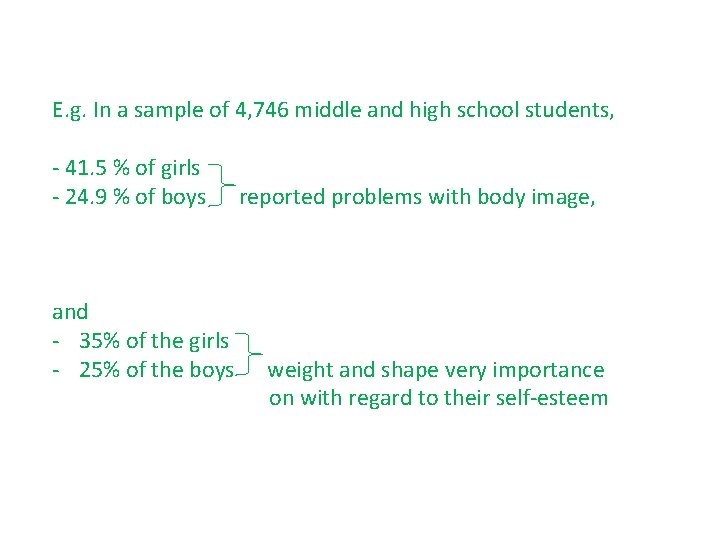
E. g. In a sample of 4, 746 middle and high school students, - 41. 5 % of girls - 24. 9 % of boys reported problems with body image, and - 35% of the girls - 25% of the boys weight and shape very importance on with regard to their self-esteem
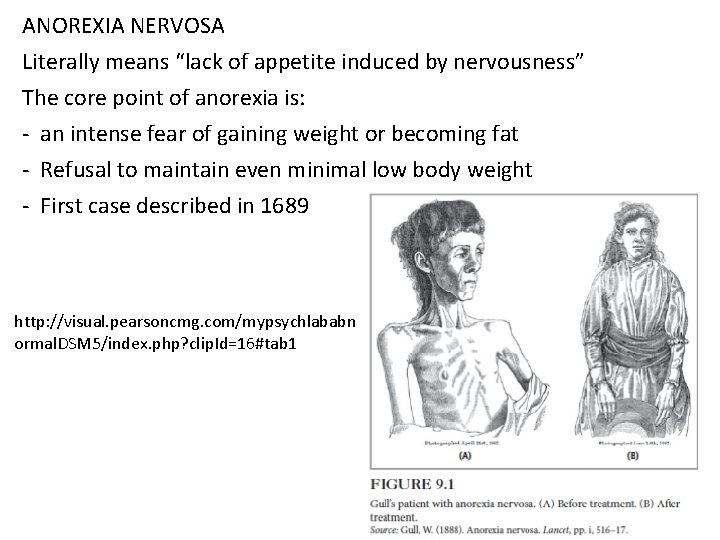
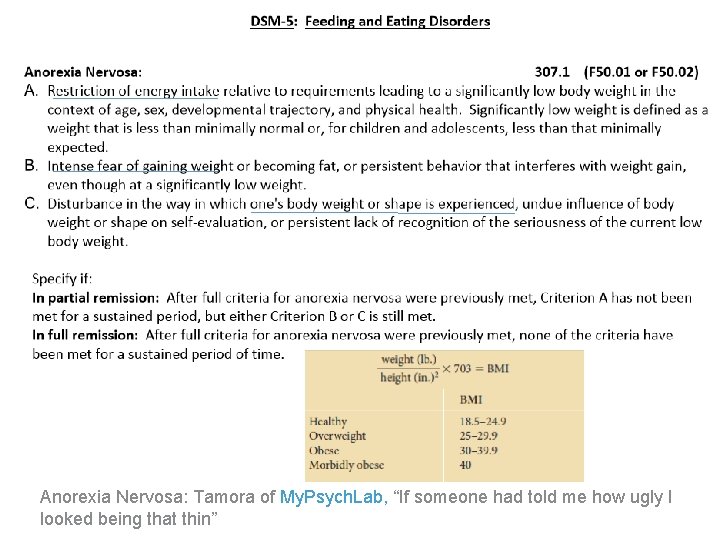
ANOREXIA NERVOSA Literally means “lack of appetite induced by nervousness” The core point of anorexia is: - an intense fear of gaining weight or becoming fat - Refusal to maintain even minimal low body weight - First case described in 1689 http: //visual. pearsoncmg. com/mypsychlababn ormal. DSM 5/index. php? clip. Id=16#tab 1
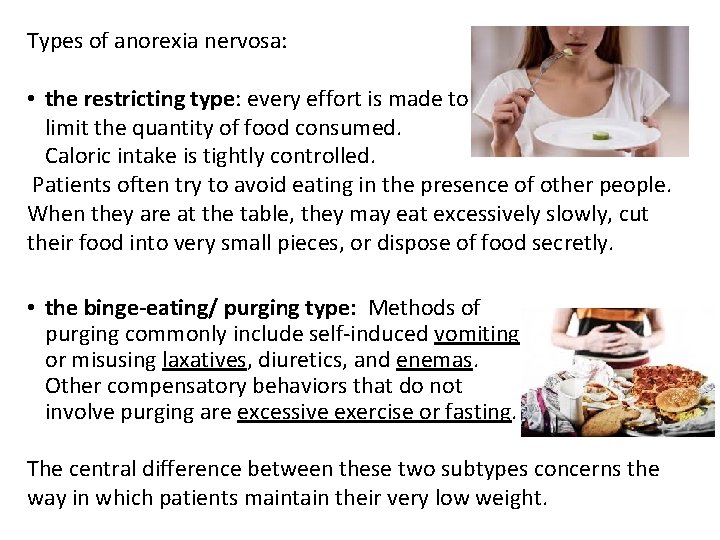
Types of anorexia nervosa: • the restricting type: every effort is made to limit the quantity of food consumed. Caloric intake is tightly controlled. Patients often try to avoid eating in the presence of other people. When they are at the table, they may eat excessively slowly, cut their food into very small pieces, or dispose of food secretly. • the binge-eating/ purging type: Methods of purging commonly include self-induced vomiting or misusing laxatives, diuretics, and enemas. Other compensatory behaviors that do not involve purging are excessive exercise or fasting. The central difference between these two subtypes concerns the way in which patients maintain their very low weight.
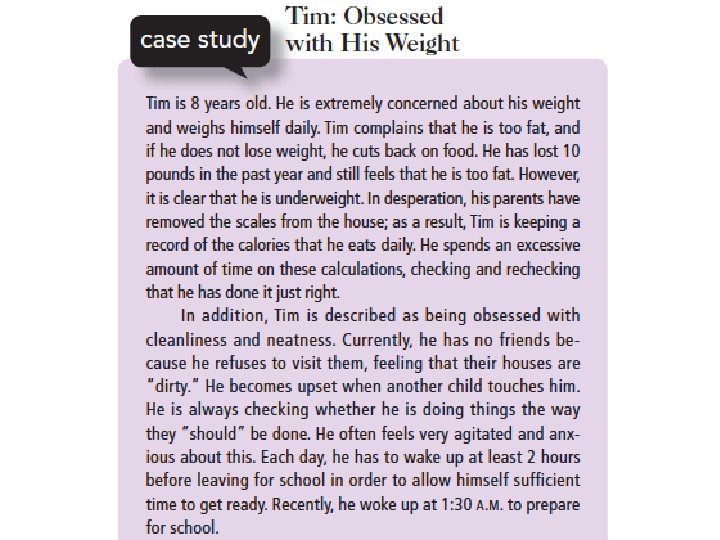
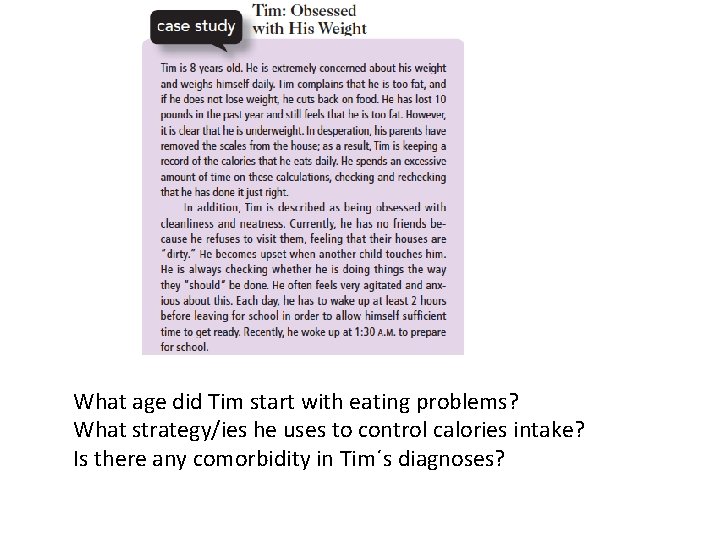
What age did Tim start with eating problems? What strategy/ies he uses to control calories intake? Is there any comorbidity in Tim´s diagnoses?
Anorexia Nervosa: Tamora of My. Psych. Lab, “If someone had told me how ugly I looked being that thin”
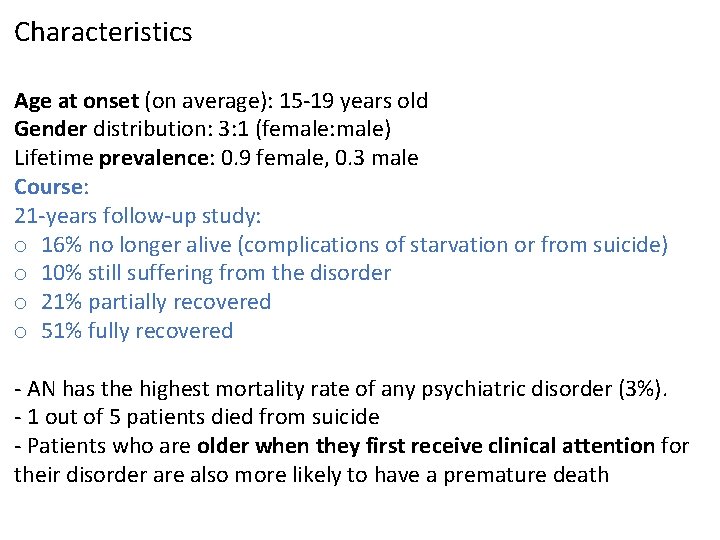
Characteristics Age at onset (on average): 15 -19 years old Gender distribution: 3: 1 (female: male) Lifetime prevalence: 0. 9 female, 0. 3 male Course: 21 -years follow-up study: o 16% no longer alive (complications of starvation or from suicide) o 10% still suffering from the disorder o 21% partially recovered o 51% fully recovered - AN has the highest mortality rate of any psychiatric disorder (3%). - 1 out of 5 patients died from suicide - Patients who are older when they first receive clinical attention for their disorder are also more likely to have a premature death
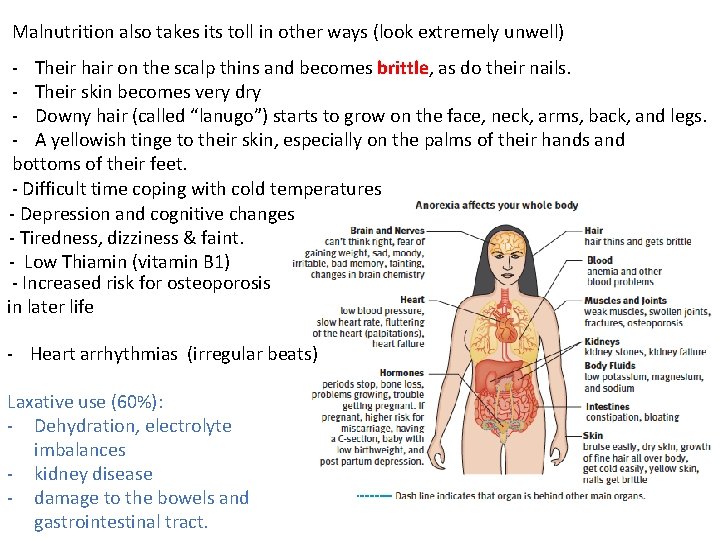
Malnutrition also takes its toll in other ways (look extremely unwell) - Their hair on the scalp thins and becomes brittle, as do their nails. - Their skin becomes very dry - Downy hair (called “lanugo”) starts to grow on the face, neck, arms, back, and legs. - A yellowish tinge to their skin, especially on the palms of their hands and bottoms of their feet. - Difficult time coping with cold temperatures - Depression and cognitive changes - Tiredness, dizziness & faint. - Low Thiamin (vitamin B 1) - Increased risk for osteoporosis in later life - Heart arrhythmias (irregular beats) Laxative use (60%): - Dehydration, electrolyte imbalances - kidney disease - damage to the bowels and gastrointestinal tract.
https: //www. youtube. com/watch? v=OMbp. Ex. KKKVo
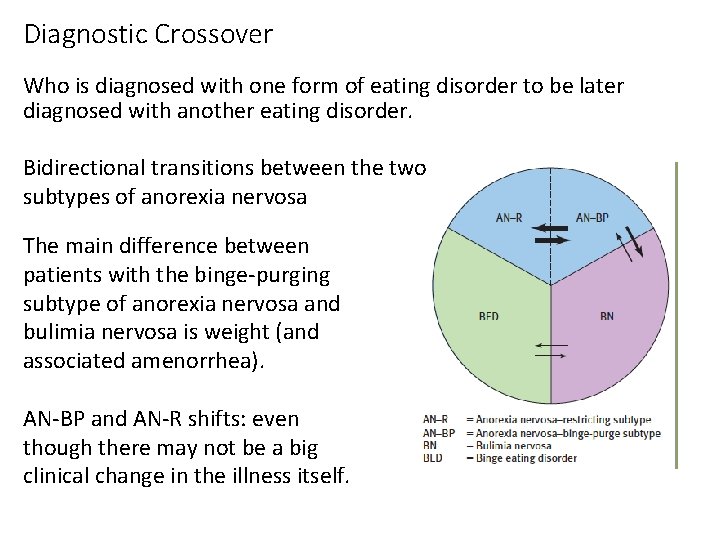
Diagnostic Crossover Who is diagnosed with one form of eating disorder to be later diagnosed with another eating disorder. Bidirectional transitions between the two subtypes of anorexia nervosa The main difference between patients with the binge-purging subtype of anorexia nervosa and bulimia nervosa is weight (and associated amenorrhea). AN-BP and AN-R shifts: even though there may not be a big clinical change in the illness itself.
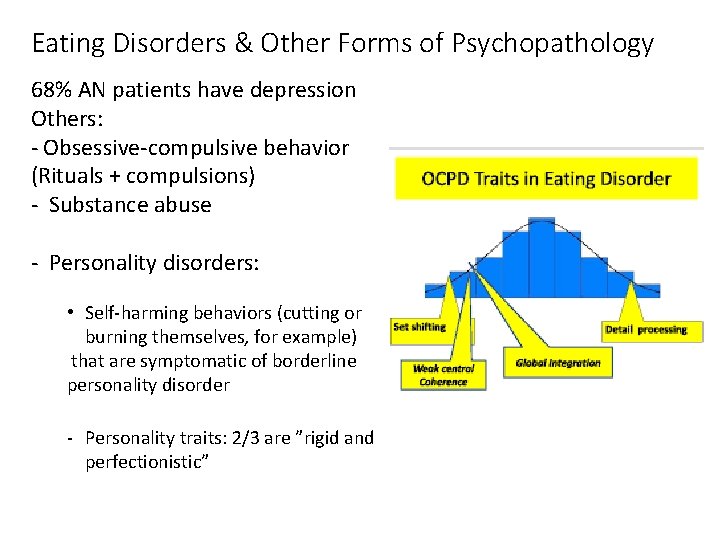
Eating Disorders & Other Forms of Psychopathology 68% AN patients have depression Others: - Obsessive-compulsive behavior (Rituals + compulsions) - Substance abuse - Personality disorders: • Self-harming behaviors (cutting or burning themselves, for example) that are symptomatic of borderline personality disorder - Personality traits: 2/3 are ”rigid and perfectionistic”
Eating Disorders Across Cultures Widespread eating disorder difficulties have been reported among: - Ethnic groups: Caucasian, African Americans (lower prevalence), … - Countries: Japan, Singapour, Korea, Taiwan, China, India, Iran • Clinical features of diagnosed forms vary according to culture: - Hong Kong are not excessively concerned about fatness. The reason they give for refusing food is fear of stomach bloating - AN patients in Ghana were not especially concerned about their weight or shape. Rather, they emphasized religious ideas of self-control and denial of hunger as the motivation for their self-starvation • AN is not a disorder that occurs simply because of exposure to Western ideals and the modern emphasis on thinness. In contrast, bulimia nervosa does seem to be a culture-bound syndrome.
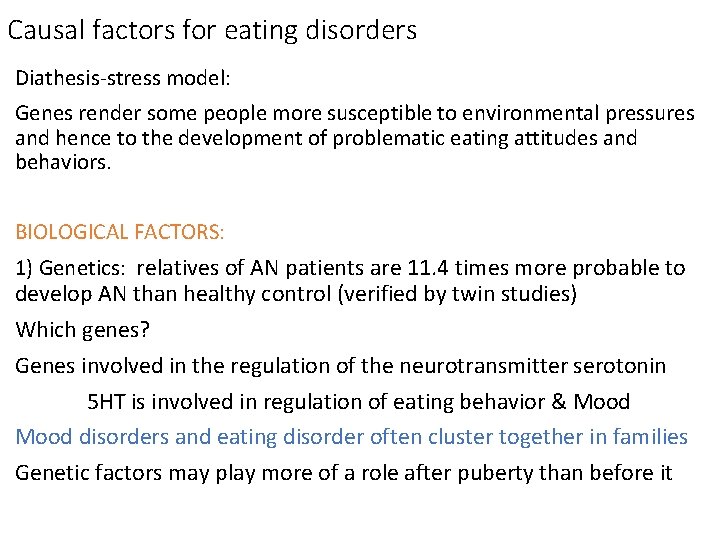
Causal factors for eating disorders Diathesis-stress model: Genes render some people more susceptible to environmental pressures and hence to the development of problematic eating attitudes and behaviors. BIOLOGICAL FACTORS: 1) Genetics: relatives of AN patients are 11. 4 times more probable to develop AN than healthy control (verified by twin studies) Which genes? Genes involved in the regulation of the neurotransmitter serotonin 5 HT is involved in regulation of eating behavior & Mood disorders and eating disorder often cluster together in families Genetic factors may play more of a role after puberty than before it
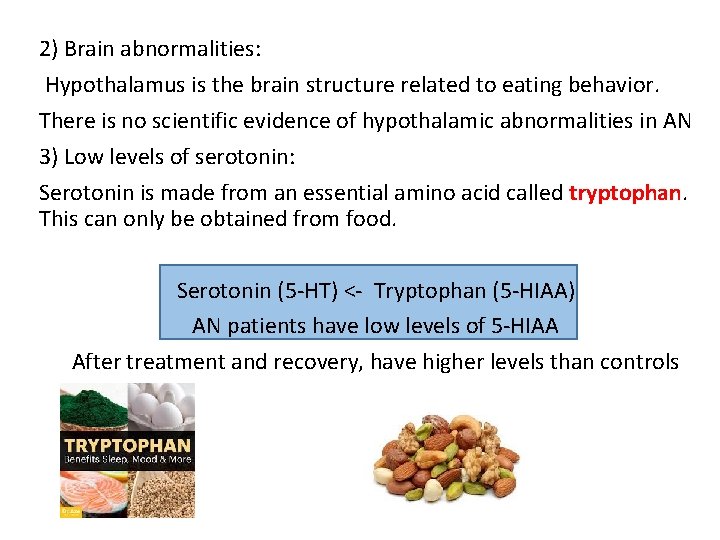
2) Brain abnormalities: Hypothalamus is the brain structure related to eating behavior. There is no scientific evidence of hypothalamic abnormalities in AN 3) Low levels of serotonin: Serotonin is made from an essential amino acid called tryptophan. This can only be obtained from food. Serotonin (5 -HT) <- Tryptophan (5 -HIAA) AN patients have low levels of 5 -HIAA After treatment and recovery, have higher levels than controls
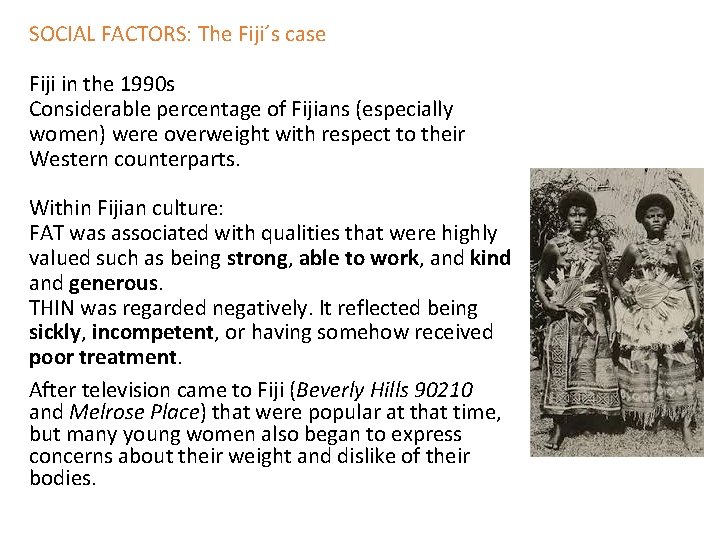
SOCIAL FACTORS: The Fiji´s case Fiji in the 1990 s Considerable percentage of Fijians (especially women) were overweight with respect to their Western counterparts. Within Fijian culture: FAT was associated with qualities that were highly valued such as being strong, able to work, and kind and generous. THIN was regarded negatively. It reflected being sickly, incompetent, or having somehow received poor treatment. After television came to Fiji (Beverly Hills 90210 and Melrose Place) that were popular at that time, but many young women also began to express concerns about their weight and dislike of their bodies.
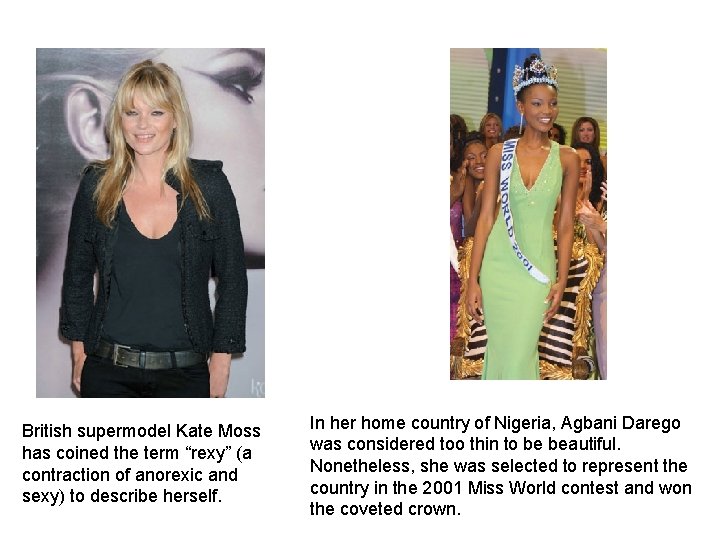
British supermodel Kate Moss has coined the term “rexy” (a contraction of anorexic and sexy) to describe herself. In her home country of Nigeria, Agbani Darego was considered too thin to be beautiful. Nonetheless, she was selected to represent the country in the 2001 Miss World contest and won the coveted crown.
PSYCHOLOGICAL FACTORS 1) Family Influences - Family dysfunction is a factor that contributed to the development of eating disorders. Patients perceive that their families are more rigid, less cohesive, having poorer communication than healthy controls do. Parents support desirability of thinness, dieting and good physical appearance and PERFECTIONISTIC TENDENCIES. 2) Individual Risk factors - Gender: being female - Perfectionism is associated with the thin ideal and relentlessly pursue the “perfect body. ”
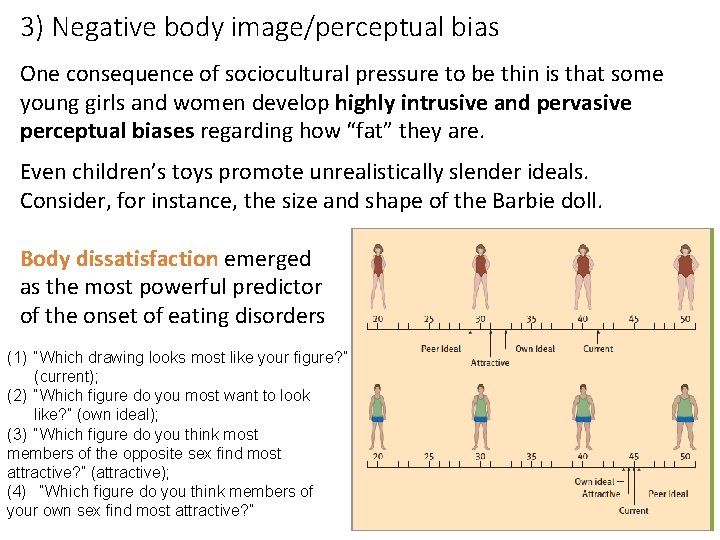
3) Negative body image/perceptual bias One consequence of sociocultural pressure to be thin is that some young girls and women develop highly intrusive and pervasive perceptual biases regarding how “fat” they are. Even children’s toys promote unrealistically slender ideals. Consider, for instance, the size and shape of the Barbie doll. Body dissatisfaction emerged as the most powerful predictor of the onset of eating disorders (1) “Which drawing looks most like your figure? ” (current); (2) “Which figure do you most want to look like? ” (own ideal); (3) “Which figure do you think most members of the opposite sex find most attractive? ” (attractive); (4) “Which figure do you think members of your own sex find most attractive? ”
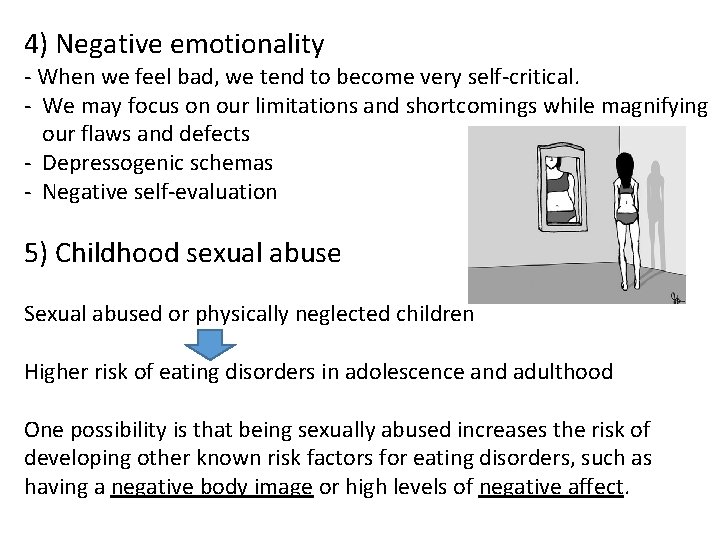
4) Negative emotionality - When we feel bad, we tend to become very self-critical. - We may focus on our limitations and shortcomings while magnifying our flaws and defects - Depressogenic schemas - Negative self-evaluation 5) Childhood sexual abuse Sexual abused or physically neglected children Higher risk of eating disorders in adolescence and adulthood One possibility is that being sexually abused increases the risk of developing other known risk factors for eating disorders, such as having a negative body image or high levels of negative affect.
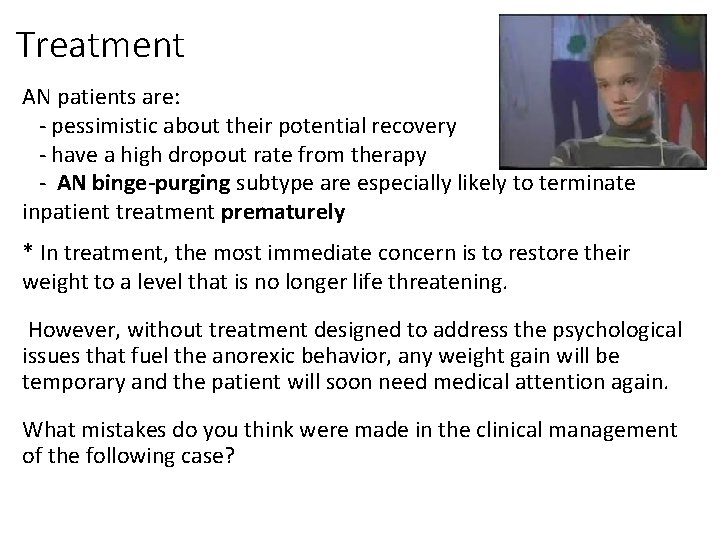
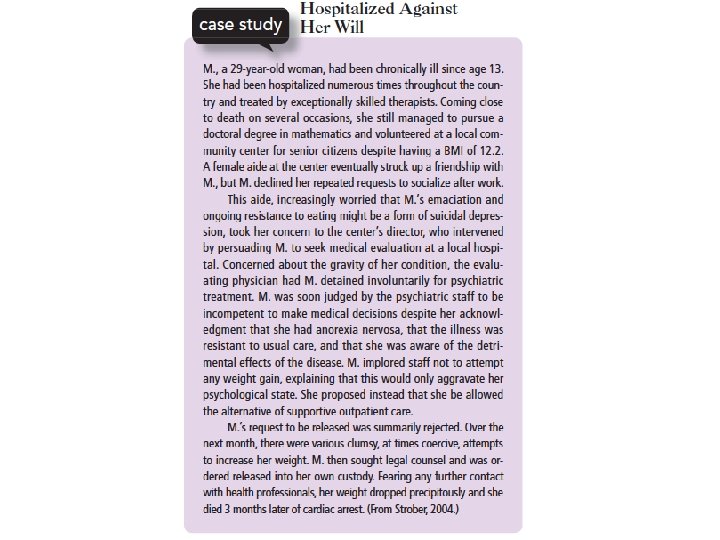
Treatment AN patients are: - pessimistic about their potential recovery - have a high dropout rate from therapy - AN binge-purging subtype are especially likely to terminate inpatient treatment prematurely * In treatment, the most immediate concern is to restore their weight to a level that is no longer life threatening. However, without treatment designed to address the psychological issues that fuel the anorexic behavior, any weight gain will be temporary and the patient will soon need medical attention again. What mistakes do you think were made in the clinical management of the following case?
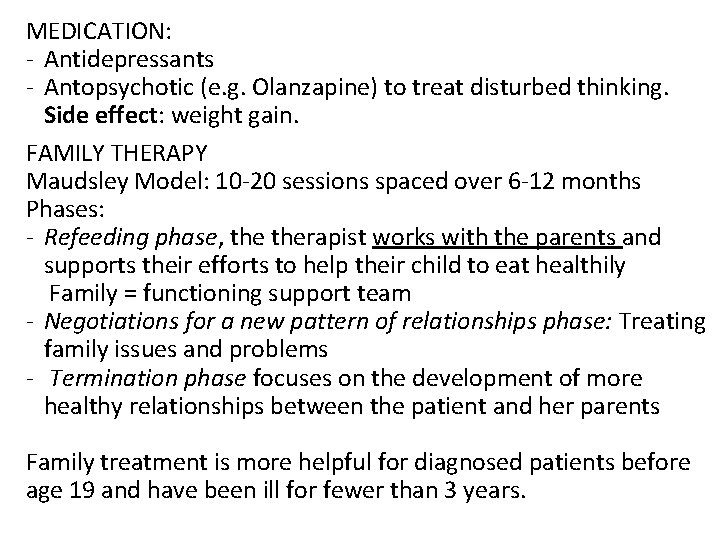
MEDICATION: - Antidepressants - Antopsychotic (e. g. Olanzapine) to treat disturbed thinking. Side effect: weight gain. FAMILY THERAPY Maudsley Model: 10 -20 sessions spaced over 6 -12 months Phases: - Refeeding phase, therapist works with the parents and supports their efforts to help their child to eat healthily Family = functioning support team - Negotiations for a new pattern of relationships phase: Treating family issues and problems - Termination phase focuses on the development of more healthy relationships between the patient and her parents Family treatment is more helpful for diagnosed patients before age 19 and have been ill for fewer than 3 years.
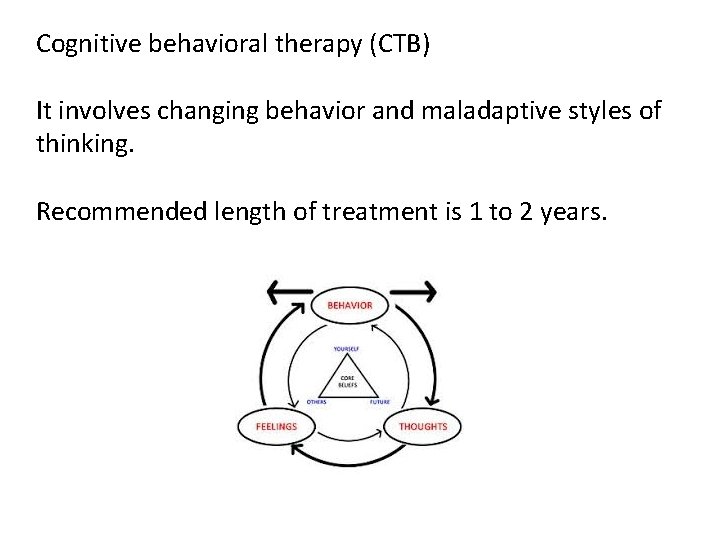
Cognitive behavioral therapy (CTB) It involves changing behavior and maladaptive styles of thinking. Recommended length of treatment is 1 to 2 years.
The end…