Designing Strategies for Neglected Disease Research Lecture 1


- Slides: 18
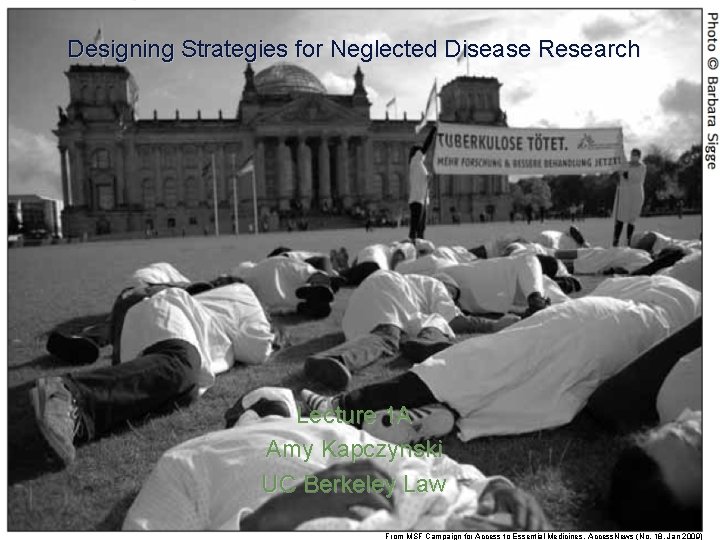
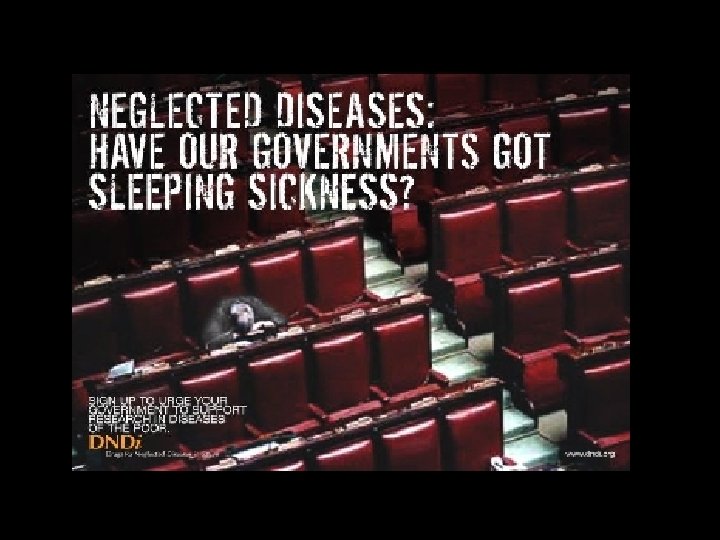
Designing Strategies for Neglected Disease Research Lecture 1 A Amy Kapczynski UC Berkeley Law From MSF Campaign for Access to Essential Medicines, Access. News (No. 18, Jan 2009)
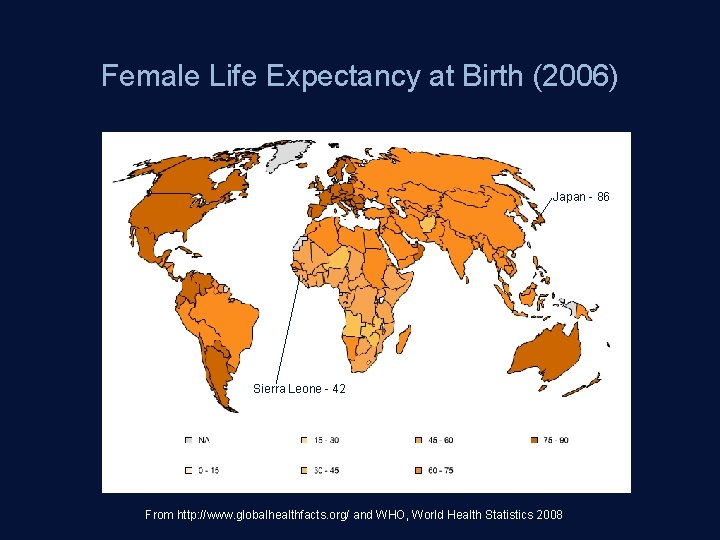
Female Life Expectancy at Birth (2006) Japan - 86 Sierra Leone - 42 From http: //www. globalhealthfacts. org/ and WHO, World Health Statistics 2008
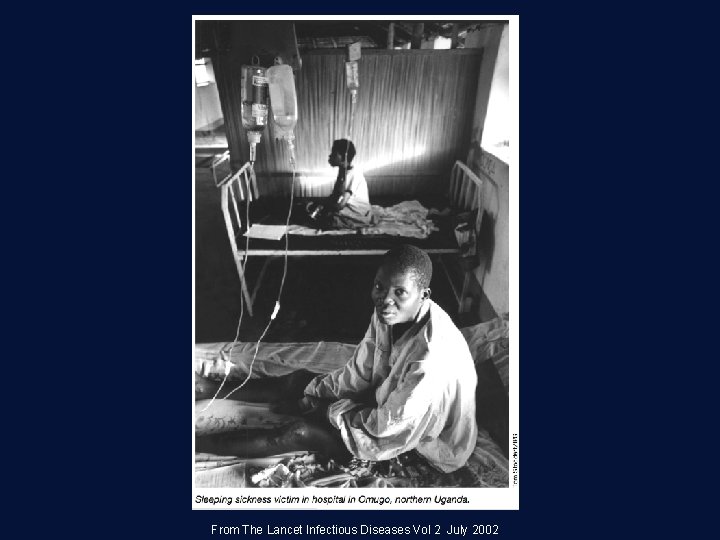
From The Lancet Infectious Diseases Vol 2 July 2002
Health System Building Blocks From WHO, Everybody’s Business: Strengthening Health Systems to Improve Health Outcomes, WHO’s Framework for Action (2007)
New Chemical Entities Approved, 1975 -1999 Troullier et al, Drug Development for Neglected Diseases…, 359 Lancet 2188 (2002)
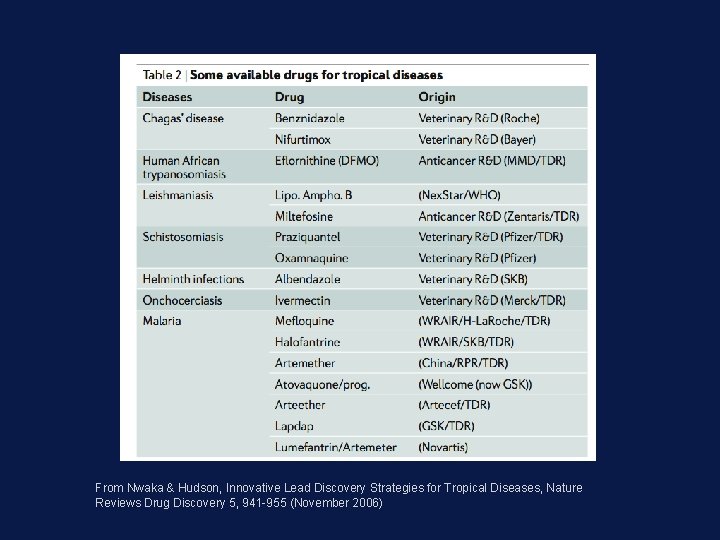
From Nwaka & Hudson, Innovative Lead Discovery Strategies for Tropical Diseases, Nature Reviews Drug Discovery 5, 941 -955 (November 2006)
Worldwide Pharmaceutical Market by Region, 2005 CIPIH Report, data provided by IMS Health
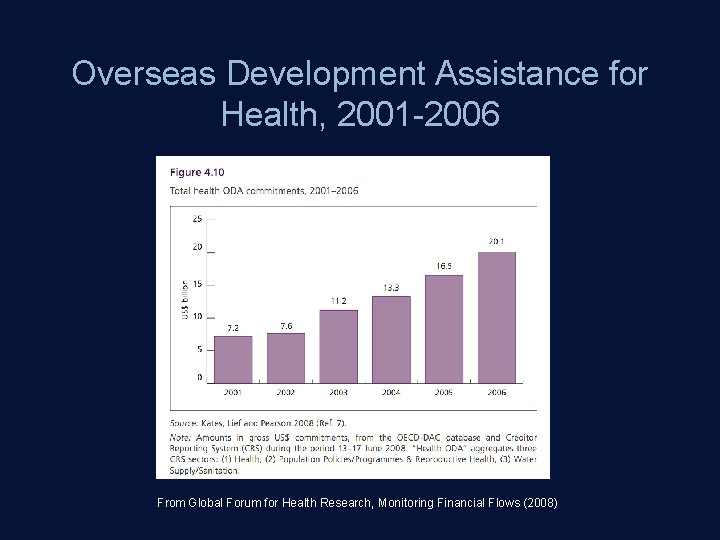
Overseas Development Assistance for Health, 2001 -2006 From Global Forum for Health Research, Monitoring Financial Flows (2008)
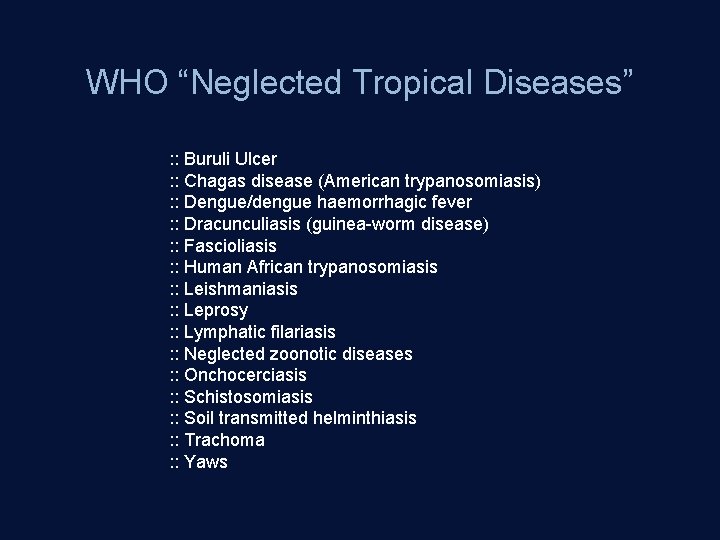
WHO “Neglected Tropical Diseases” : : Buruli Ulcer : : Chagas disease (American trypanosomiasis) : : Dengue/dengue haemorrhagic fever : : Dracunculiasis (guinea-worm disease) : : Fascioliasis : : Human African trypanosomiasis : : Leishmaniasis : : Leprosy : : Lymphatic filariasis : : Neglected zoonotic diseases : : Onchocerciasis : : Schistosomiasis : : Soil transmitted helminthiasis : : Trachoma : : Yaws
Adult mortality rates by major cause group and region, 2004 Slide taken from http: //www. who. int/entity/healthinfo/global_burden_disease/GBD 2004 Report. Figures. ppt, data from WHO Global Burden of Disease Report 2004
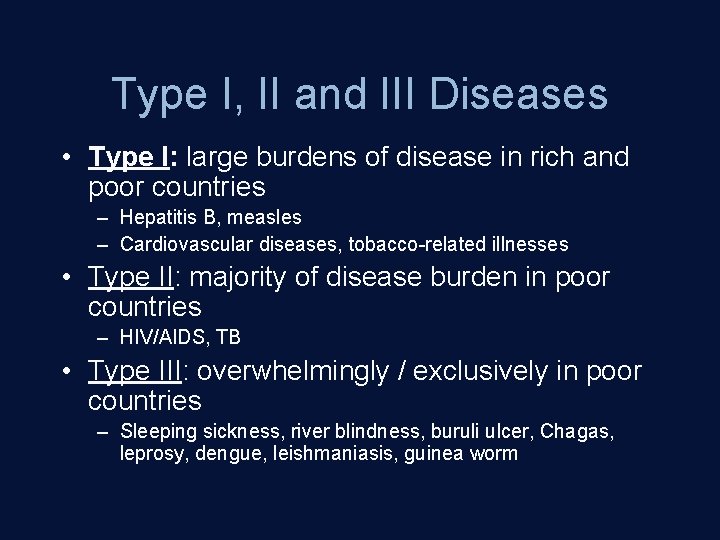
Type I, II and III Diseases • Type I: large burdens of disease in rich and poor countries – Hepatitis B, measles – Cardiovascular diseases, tobacco-related illnesses • Type II: majority of disease burden in poor countries – HIV/AIDS, TB • Type III: overwhelmingly / exclusively in poor countries – Sleeping sickness, river blindness, buruli ulcer, Chagas, leprosy, dengue, leishmaniasis, guinea worm
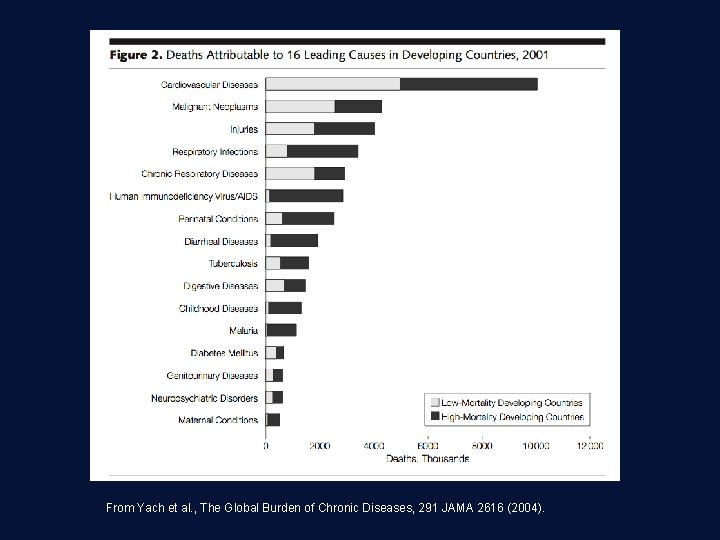
From Yach et al. , The Global Burden of Chronic Diseases, 291 JAMA 2616 (2004).
Projected deaths by cause and income, 2004 to 2030 Intentional injuries Other unintentional Road traffic accidents Other NCD Cancers Cardiovascular disease Maternal/perinatal/nutr itional Other infectious HIV, TB, malaria Slide taken from http: //www. who. int/entity/healthinfo/global_burden_disease/GBD 2004 Report. Figures. ppt, data from WHO Global Burden of Disease Report 2004
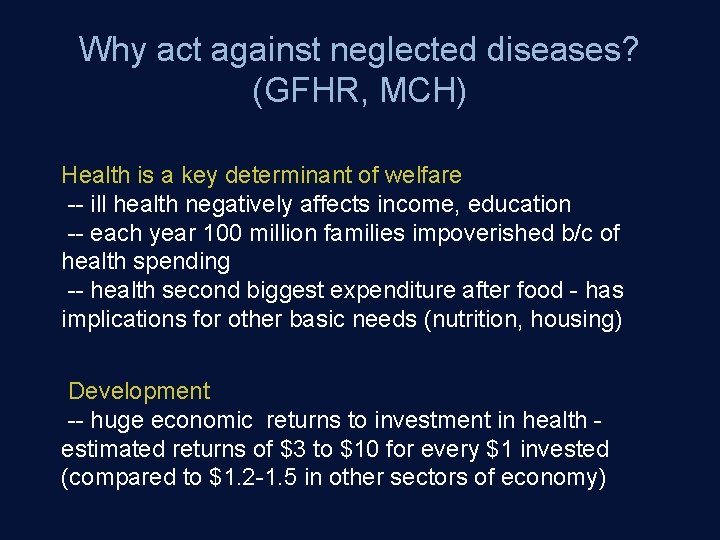
Why act against neglected diseases? (GFHR, MCH) Health is a key determinant of welfare -- ill health negatively affects income, education -- each year 100 million families impoverished b/c of health spending -- health second biggest expenditure after food - has implications for other basic needs (nutrition, housing) Development -- huge economic returns to investment in health estimated returns of $3 to $10 for every $1 invested (compared to $1. 2 -1. 5 in other sectors of economy)
Why act against neglected diseases? (Fisher & Syed) National self-interest (externalities, national security, immigration, trade) Historical equity (colonialism, wealth / labor extraction, client regimes / institutions, terms of trade - including contemporary) Social utility (R&D directed to do greatest good for greatest number, DALYs) Distributive justice (equal concern and respect for persons, human capabilities, right to health)