CONNECT WITH RESPECT GARDA SECONDARY SCHOOLS PROGRAMME GARDA
- Slides: 15
CONNECT WITH RESPECT GARDA SECONDARY SCHOOLS PROGRAMME GARDA DAVID PRENDERGAST JUVENILE LIAISON OFFICER
Bullying “…unwanted negative behaviour, verbal, psychological or physical conducted, by an individual or group against another person (or persons) and which is repeated over time…” -DES Anti-Bullying Procedures for Primary and Post Primary Schools (2013)
It happens when a person is: Tormented Threatened Harassed Humiliated Embarrassed Assaulted
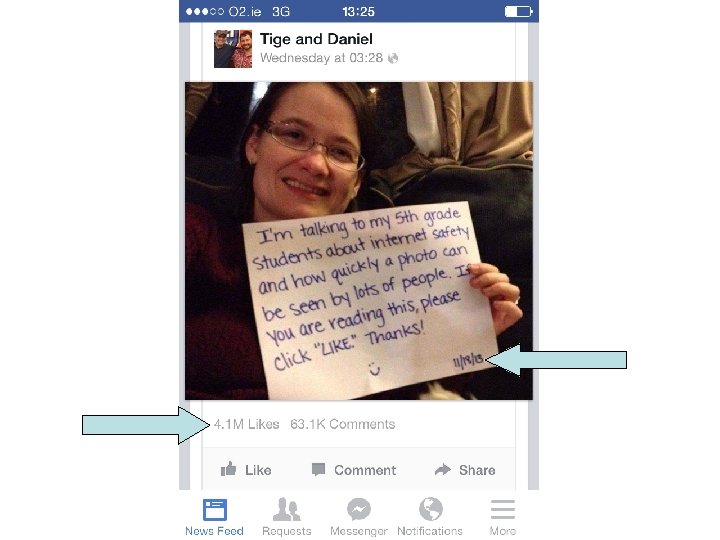
What is Cyberbullying? • Bullying that occurs via technology • It can take place 24 hours a day • Bullying can be often made public e. g. via Facebook, You. Tube, etc. • Anonymity of bullies
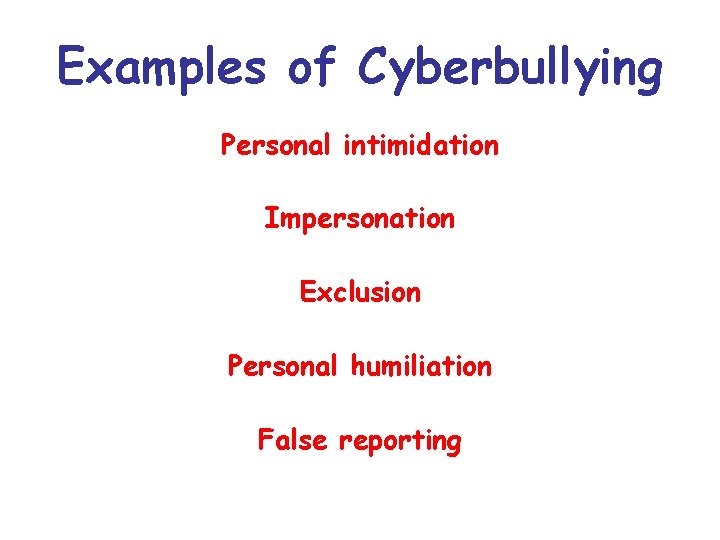
Examples of Cyberbullying Personal intimidation Impersonation Exclusion Personal humiliation False reporting
Social Media
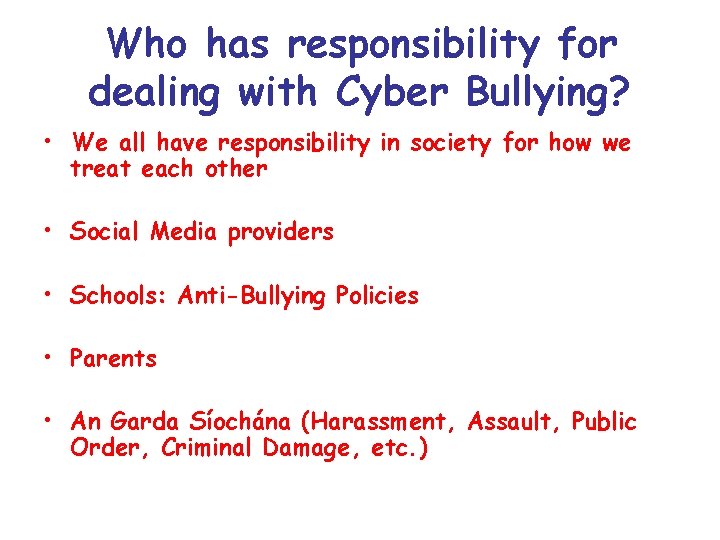
Who has responsibility for dealing with Cyber Bullying? • We all have responsibility in society for how we treat each other • Social Media providers • Schools: Anti-Bullying Policies • Parents • An Garda Síochána (Harassment, Assault, Public Order, Criminal Damage, etc. )
DVD
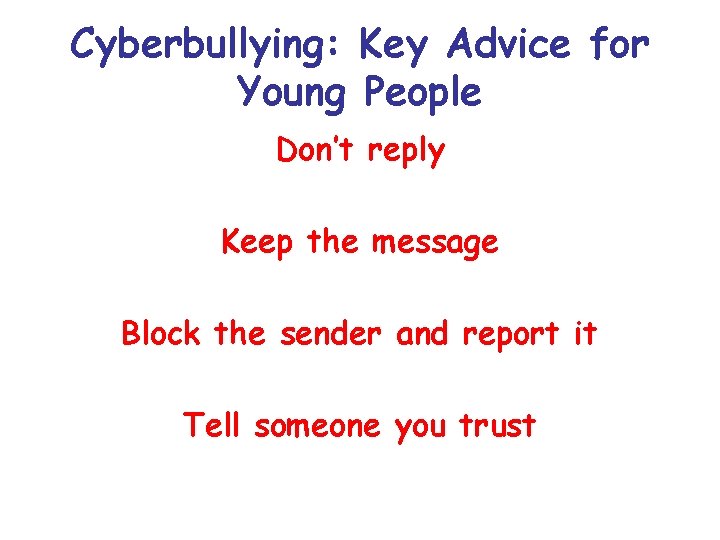
Cyberbullying: Key Advice for Young People Don’t reply Keep the message Block the sender and report it Tell someone you trust
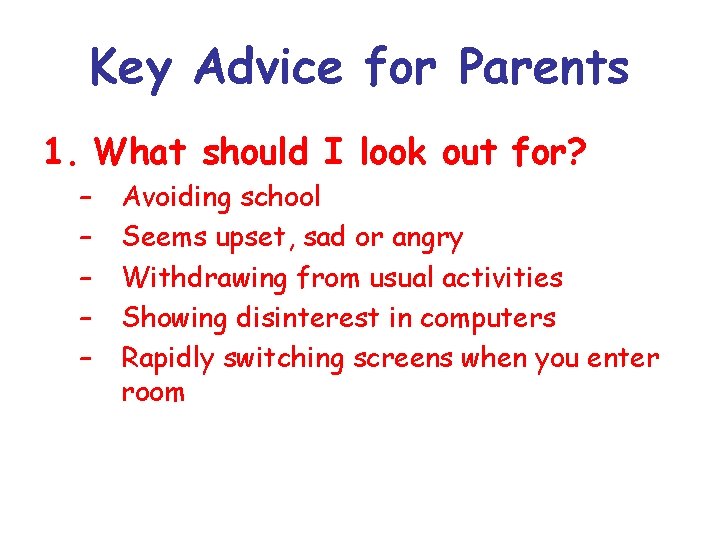
Key Advice for Parents 1. What should I look out for? – – – Avoiding school Seems upset, sad or angry Withdrawing from usual activities Showing disinterest in computers Rapidly switching screens when you enter room
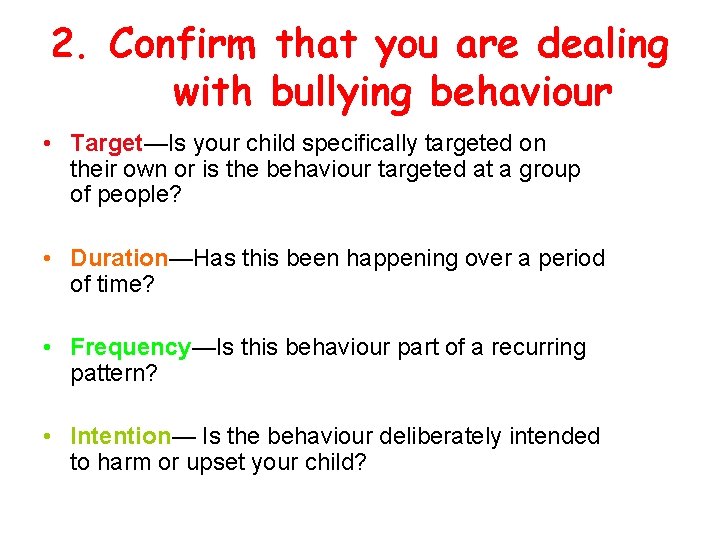
2. Confirm that you are dealing with bullying behaviour • Target—Is your child specifically targeted on their own or is the behaviour targeted at a group of people? • Duration—Has this been happening over a period of time? • Frequency—Is this behaviour part of a recurring pattern? • Intention— Is the behaviour deliberately intended to harm or upset your child?
3. Report Cyberbullying • To child's school/youth organisation • Service provider through customer care or report abuse facility • An Garda Síochána if the behaviour is very serious and potentially criminal
Prevention at Home • Know your child’s internet and phone use (frequency of use, browsing history, call history, etc. ) • Register as a contact on your child’s phone (“Dual Access” service) • Have a “family email” address • Encourage respect for others
Useful Websites • • • www. internetsafety. ie www. webwise. ie www. watchyourspace. ie www. npc. ie (National Parents Council) www. garda. ie www. bully 4 u. ie