An Ethnographic Approach to Video Analysis Ulla Holck
- Slides: 12
An Ethnographic Approach to Video Analysis Ulla Holck, M. A. , Ph. D. , Associated Prof. , Head of the M. T. Programme Aalborg University
Practices (Patterns) The aim of EOFW is to investigate the ‘practices’ of the persons being observed. Practices are the (often totally implicit) ways in which persons do things together, habits etc. , that are built up gradually through many meetings over time. Therefore the object of the EOFW is typically the repeated actions, themes or interaction patterns of every day situations.
Video (Micro) Analysis EOFW combined with Video Analysis: Ø Repetition gives access to more implicit or fleeting actions such as gestures etc. Video Micro Analysis: Ø To recognise very small indicators of communication and social interaction
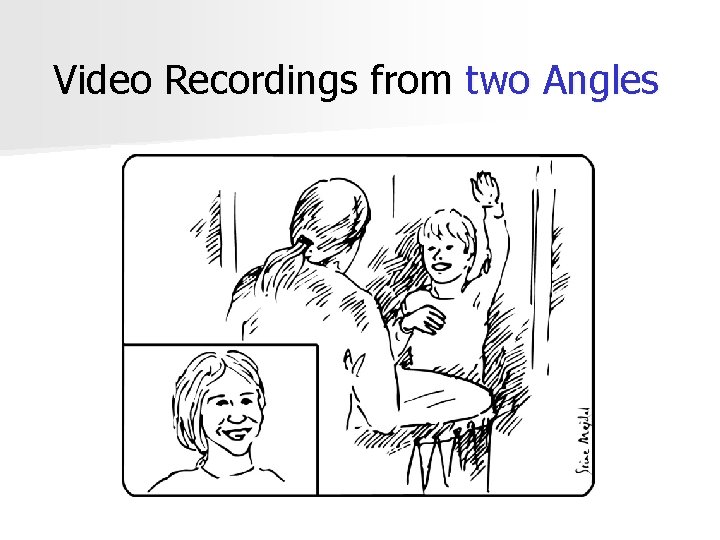
Video Recordings from two Angles
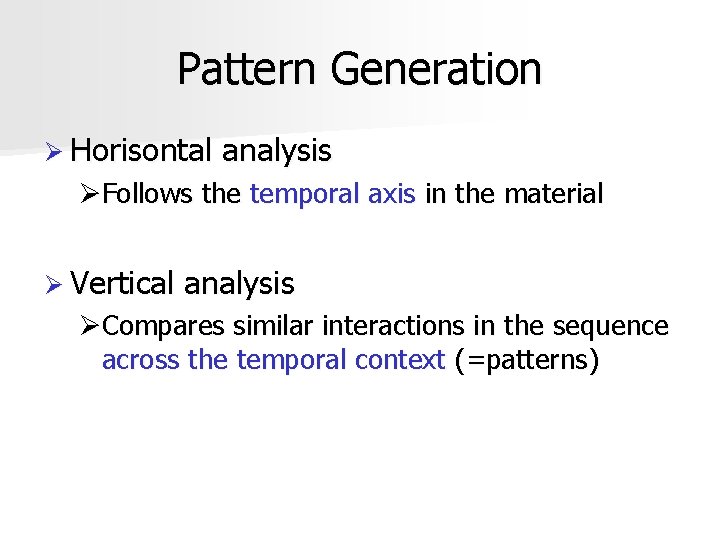
Pattern Generation Ø Horisontal analysis ØFollows the temporal axis in the material Ø Vertical analysis ØCompares similar interactions in the sequence across the temporal context (=patterns)
The Main Question in Interpretation Focus when analysing interactions: Ø “What do people in this situation have to know (or have experienced) in order to (be able) do what they do? ” Ø H. Wolcott in Silverman (1993, p. 37) Ø ‘Knowledge’ does here include implicit knowledge as well as purely procedural experience.
Patterns of relationship D. Stern on (early) relations “Clinically, relationships develop their own predictable patterns. This predictability of patterns form a large part of what is characteristic about the relationship” Ø D. Stern in Sameroff & Emde (1989, p. 52)
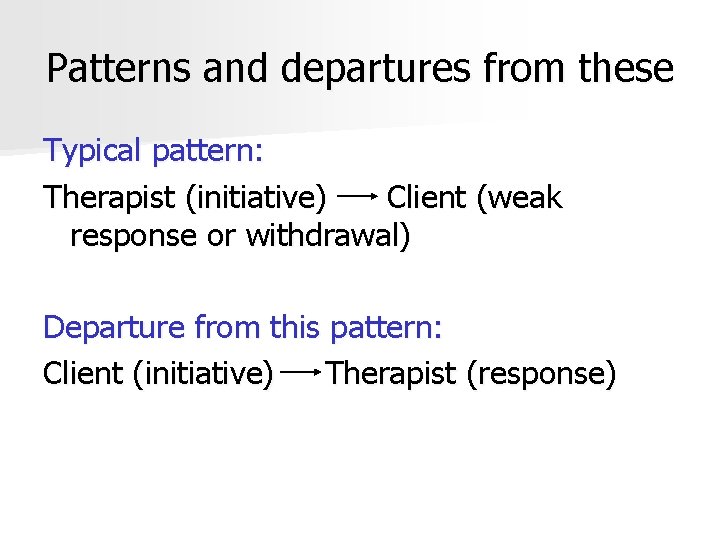
Patterns and departures from these Typical pattern: Therapist (initiative) Client (weak response or withdrawal) Departure from this pattern: Client (initiative) Therapist (response)
Common Exercise
Examples from Ph. D. Holck, U. (2002) ’Kommunikalsk’ Samspil i Musikterapi [Eng. title: ’Commusical’ Interplay in Music Therapy. Qualitative Video Analyses of Musical and Gestural Interactions with Children with Severe Functional Limitations, including Children with Autism]. Unpubl. Ph. D thesis, Aalborg Universitet. Ø http: //www. musikterapi. aau. dk/forskerskolen_2006/phdholck. htm
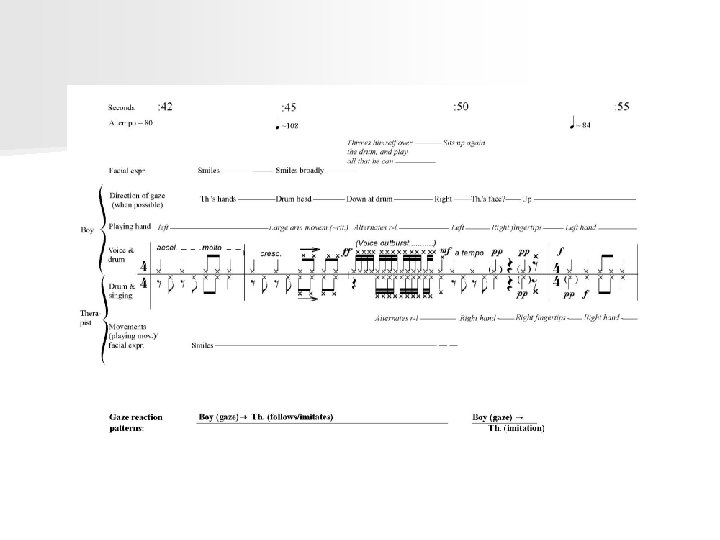
Method (– applied for M. T. ) Stage 1: Data Selection Stage 2: Transcription Stage 3: Pattern generation – horisontal and vertical analysis Stage 4: Interpretation Ø Holck (2007): An Ethnographic Descriptive Approach to Video Micro Analysis. In Wosch & Wigram (eds. ): Microanalysis in Music Therapy. London: Jessica Kingsley Publishers