
A RAPID ETHNOGRAPHIC ASSESSMENT OF HIGH SCHOOL DROPOUT


- Slides: 20
A RAPID ETHNOGRAPHIC ASSESSMENT OF HIGH SCHOOL DROPOUT IN A SOUTH AFRICAN TOWNSHIP Holly (Wegman) Karakos Vanderbilt University Presentation at the American Evaluation Association Annual Meeting October 17 th, 2013
ACKNOWLEDGEMENTS • This work was made possible by a grant from the U. S. Department of Education Fulbright-Hays Group Projects Abroad program • Research team members: Krista Craven, Bernadette Doykos, Ben Fisher, Joanna Geller, and Annie Maselli • Local partner from Stellenbosch University Adam Cooper • Thanks especially to all our local partners who continue the work we were so briefly involved with!
PRESENTATION OUTLINE • Context • Method • Challenges • Successes • A brief note about findings • Concluding thoughts
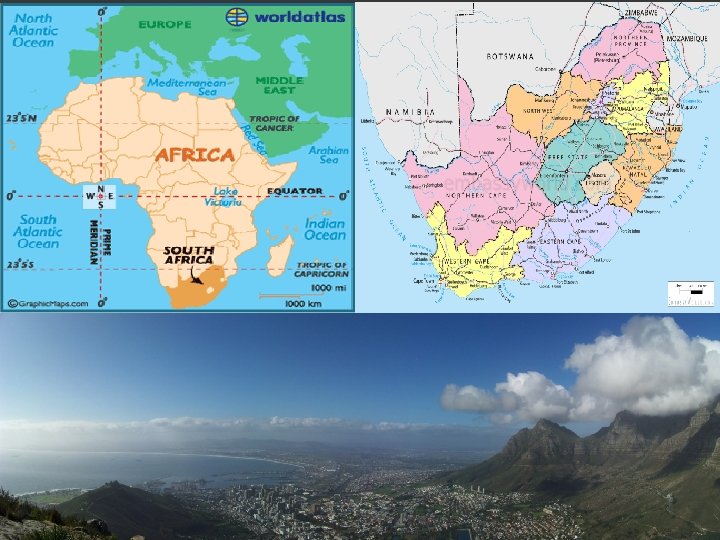
AN INTRODUCTION TO SOUTH AFRICA • Apartheid rule lasted from 1948 until 1994 • Legislated racial discrimination • Race was assigned as White, Black, or Coloured • Nelson Mandela elected in 1994 • Some measures taken to attempt to address the injustices of apartheid • Truth and Reconciliation Commission (TRC) • Still, extreme inequality remains • Schools are one place this inequality is most evident
OUR RESEARCH/EVALUATION TEAM • Graduate students from Vanderbilt University • White, American, middle-upper class backgrounds • Variety of experiences with schools, international contexts, and evaluation • Short time frame: 6. 5 weeks in-country, only <4 weeks at evaluation site
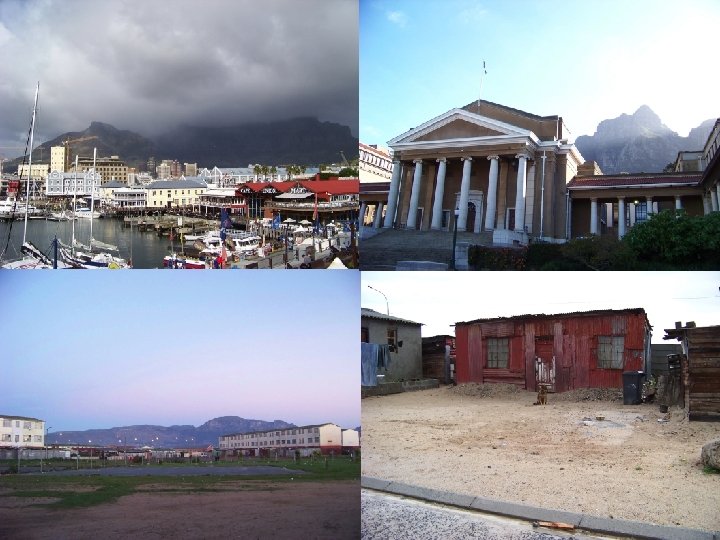
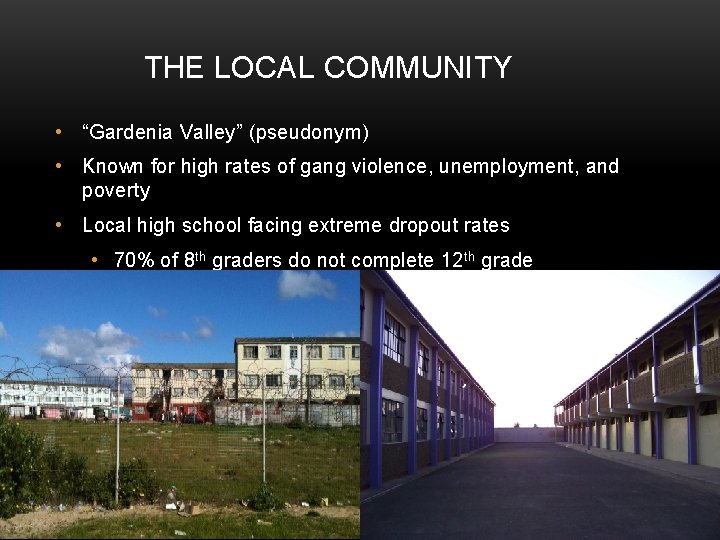
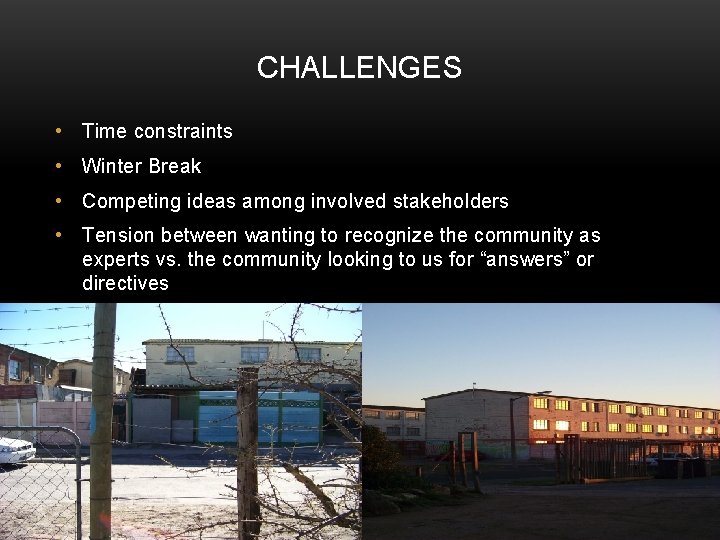
THE LOCAL COMMUNITY • “Gardenia Valley” (pseudonym) • Known for high rates of gang violence, unemployment, and poverty • Local high school facing extreme dropout rates • 70% of 8 th graders do not complete 12 th grade
THE LOCAL COMMUNITY • Other community stakeholders already involved • Local police • Department of Cultural Affairs and Sports • Community nongovernmental organizations (NGOs) • Affluent residents of neighboring community (Rotary Club)
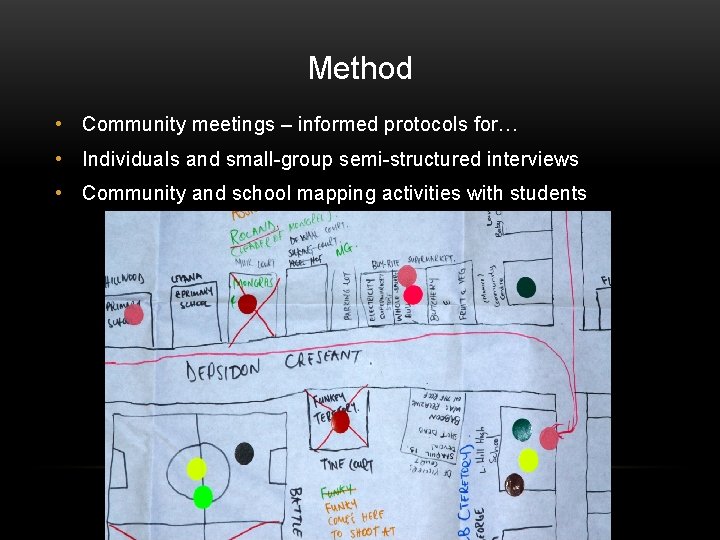
METHOD • Community partners asked us to help them understand the high rates on drop out • Rapid Evaluation and Assessment Method (REAM) needed • Quickly produce results but maintain evaluation integrity • Rapid Ethnographic Assessment (REA) • Particularly useful for “outsiders” • Emphasizes cultural differences, power dynamics, evaluation quality • Learn about the community • Listen first!
Method • Community meetings – informed protocols for… • Individuals and small-group semi-structured interviews • Community and school mapping activities with students
METHOD • Engaged in iterative reflections on the data with a variety of stakeholders • Based on this, we developed 3 deliverables: • Trained extracurricular coaches in focus group and nominal group techniques • Developed a questionnaire to help track students and identify risk • Created a brief report and a detailed technical report that was shared with: • Coaches • Teachers • Western Cape Department of Education
CHALLENGES • Time constraints • Winter Break • Competing ideas among involved stakeholders • Tension between wanting to recognize the community as experts vs. the community looking to us for “answers” or directives
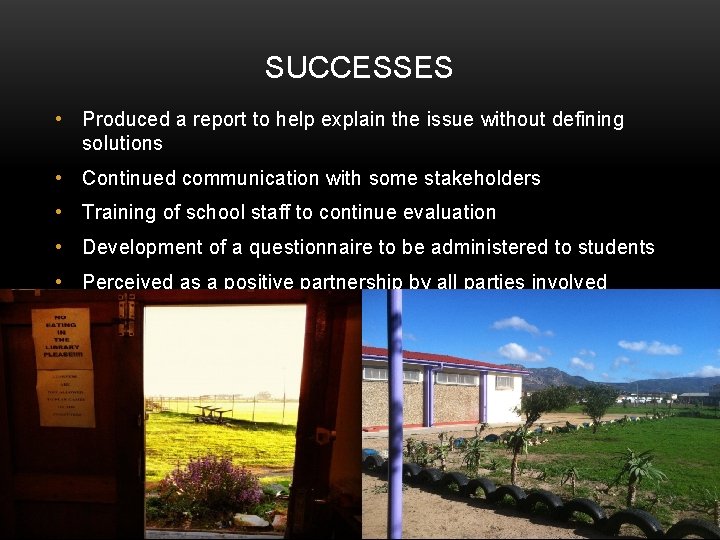
SUCCESSES • Produced a report to help explain the issue without defining solutions • Continued communication with some stakeholders • Training of school staff to continue evaluation • Development of a questionnaire to be administered to students • Perceived as a positive partnership by all parties involved
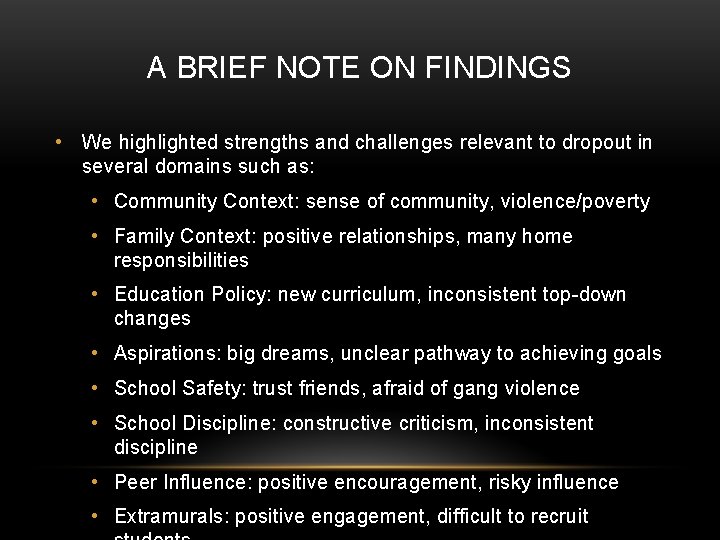
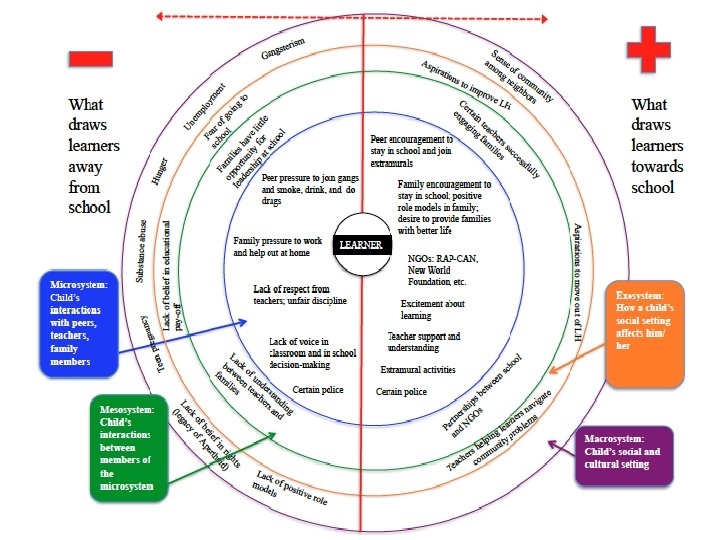
A BRIEF NOTE ON FINDINGS • We highlighted strengths and challenges relevant to dropout in several domains such as: • Community Context: sense of community, violence/poverty • Family Context: positive relationships, many home responsibilities • Education Policy: new curriculum, inconsistent top-down changes • Aspirations: big dreams, unclear pathway to achieving goals • School Safety: trust friends, afraid of gang violence • School Discipline: constructive criticism, inconsistent discipline • Peer Influence: positive encouragement, risky influence • Extramurals: positive engagement, difficult to recruit
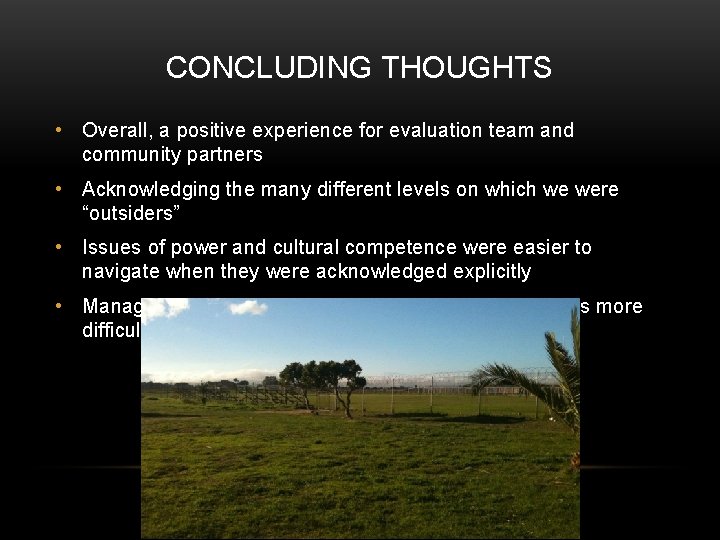
CONCLUDING THOUGHTS • Overall, a positive experience for evaluation team and community partners • Acknowledging the many different levels on which we were “outsiders” • Issues of power and cultural competence were easier to navigate when they were acknowledged explicitly • Managing competing interests among stakeholders was more difficult
CONCLUDING THOUGHTS • Useful lessons for others considering implementing a REA: • When possible, clear your schedule – make this your priority • Allow sufficient time for early trust-building, listening sessions • Iterative processes are essential • It is important to understand each stakeholder’s expectations early in the process – and continually revisit these • Acknowledge where community partners are the experts – but don’t diminish your own expertise • Establish mechanisms for sustainability – test these before leaving
REFERENCES • Bronfenbrenner, U. (1979). The ecology of human development: Experiments by nature and design. Boston: Harvard University Press. • Geller, J. , Craven, K. , Doykos, B. , Fisher, B. , Karakos, H. , & Cooper, A. (in press). An ecological approach to dropout in a South African township. Journal of Educational and Psychological Consultation. • Mc. Nall, M. , & Foster-Fishman, P. G. (2007). Methods of rapid evaluation, assessment, and appraisal. American Journal of Evaluation, 28, 151 -168. • South Africa Government Online (http: //www. gov. za/index. html)
THANK YOU FOR YOUR INTEREST AND ATTENTION! • Email: holly. karakos@gmail. com • You can find this presentation online in the e. Library: • www. eval. org Community Resources • Search library “A rapid ethnographic assessment in a South African township”