WORMS Phylum Platyhelminthes Flatworms General Characteristics 1 Organ
- Slides: 18
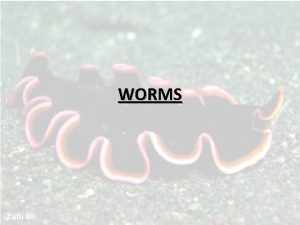
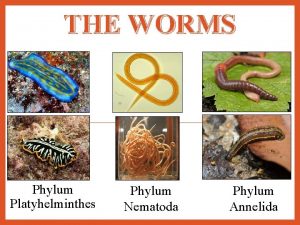
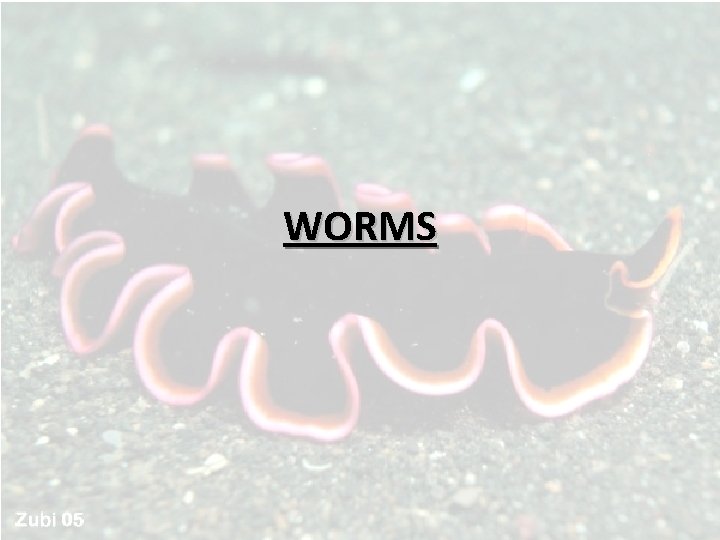
WORMS
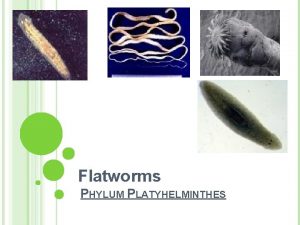
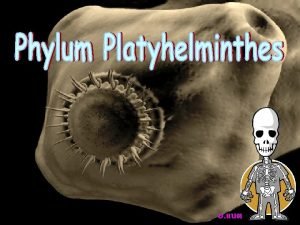
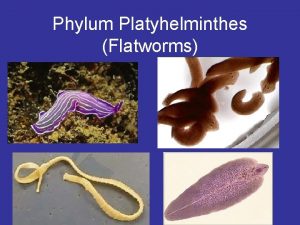
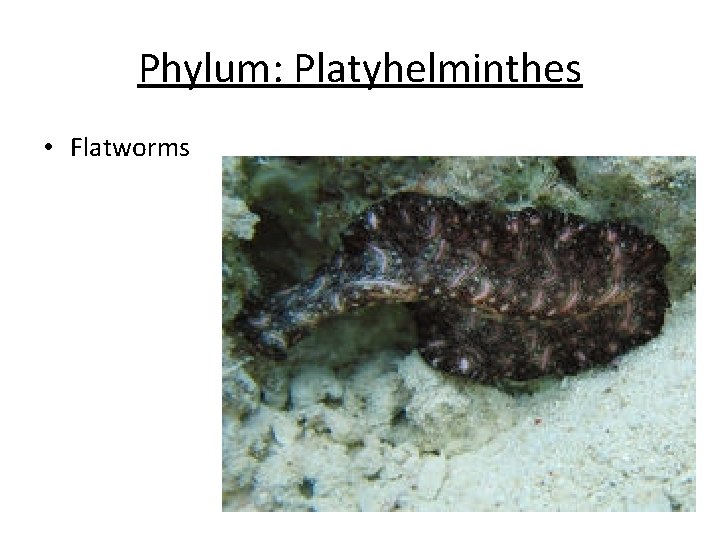
Phylum: Platyhelminthes • Flatworms
General Characteristics • 1. Organ level of development – First group to show sensory organs • 2. Dorsally flattened • 3. Digestive System – Pharynx (one opening) • 5. Most are parasitic
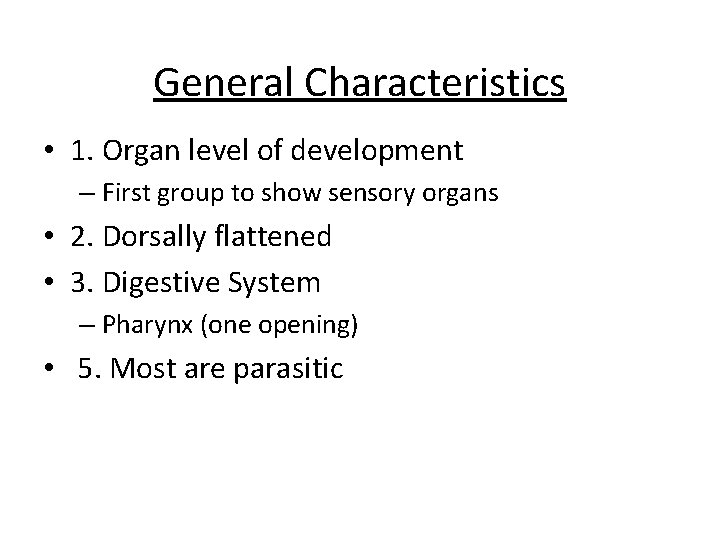
General Characteristics • 6. Are acoelomate • 7. All are hermaphrodites • 8. No specialized organs for respiration or circulatory system. • 9. Excretion by flagella
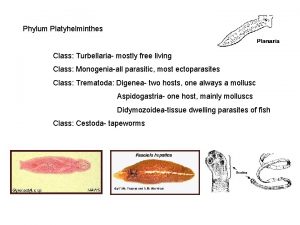
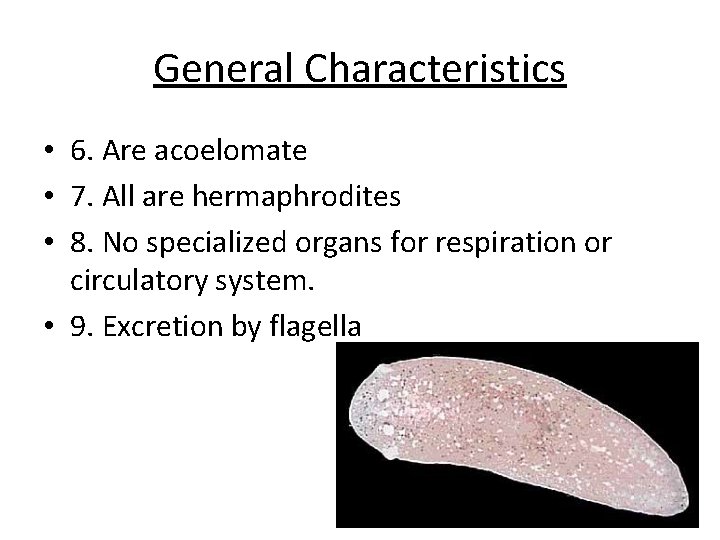
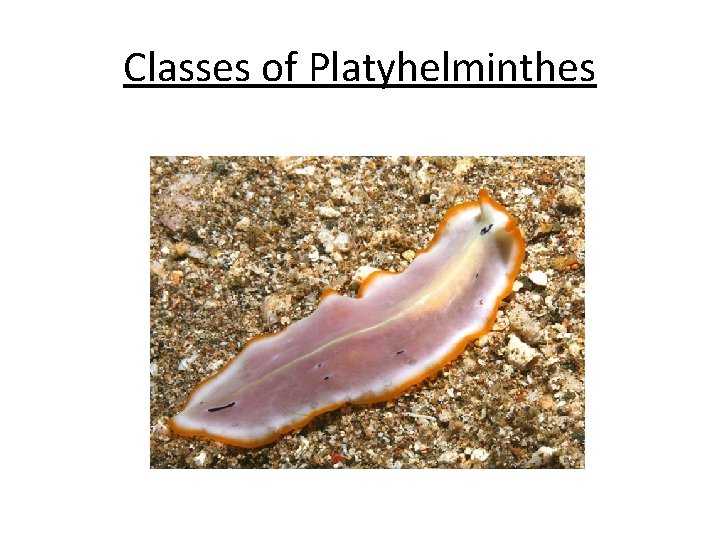
Classes of Platyhelminthes
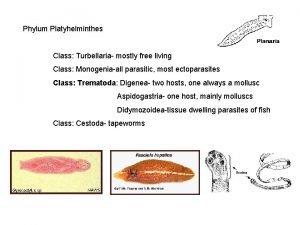
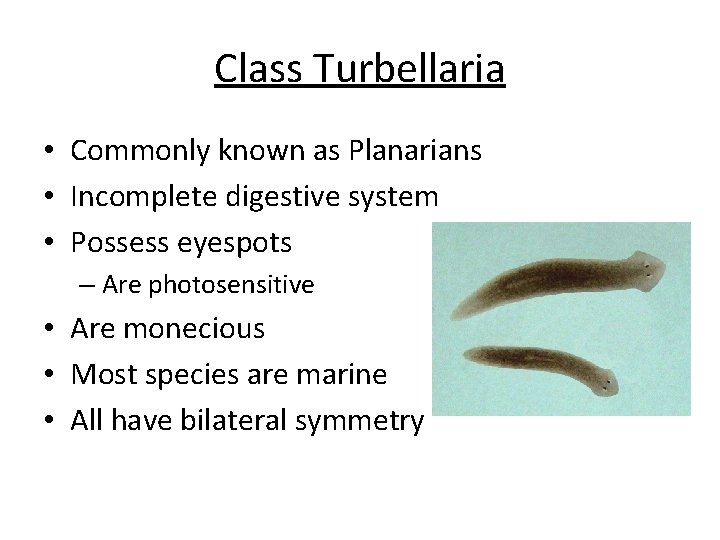
Class Turbellaria • Commonly known as Planarians • Incomplete digestive system • Possess eyespots – Are photosensitive • Are monecious • Most species are marine • All have bilateral symmetry
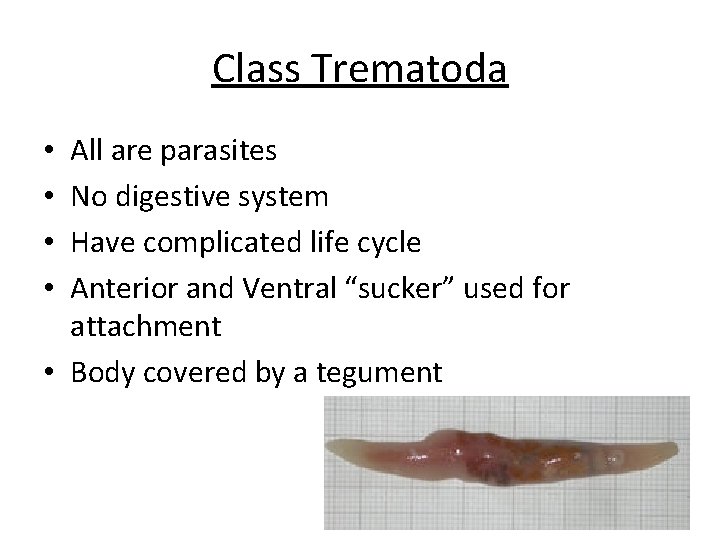
Class Trematoda All are parasites No digestive system Have complicated life cycle Anterior and Ventral “sucker” used for attachment • Body covered by a tegument • •
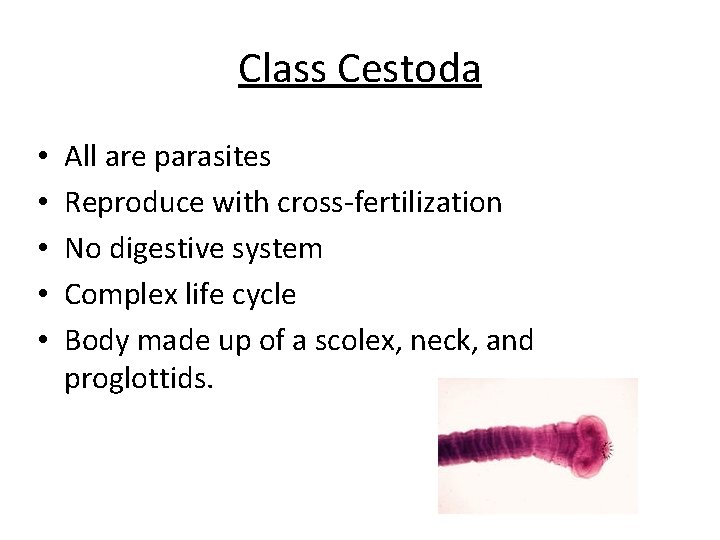
Class Cestoda • • • All are parasites Reproduce with cross-fertilization No digestive system Complex life cycle Body made up of a scolex, neck, and proglottids.
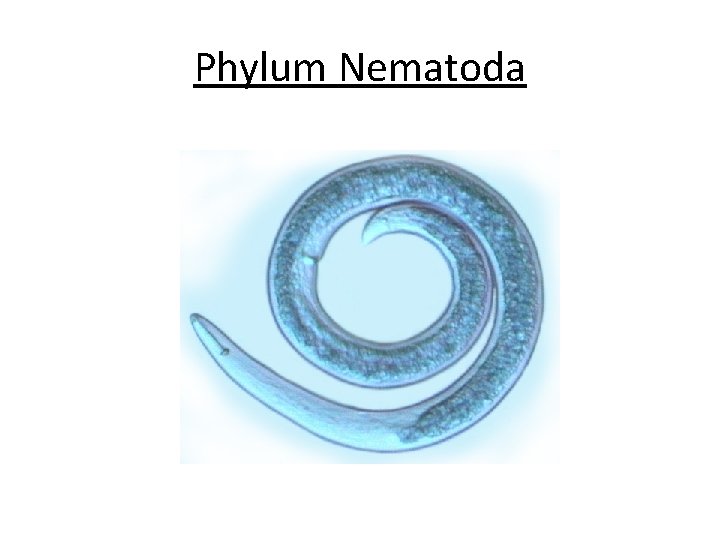
Phylum Nematoda
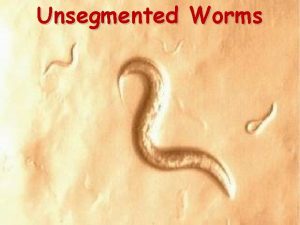
General Characteristics • 1. Most common of all worms • 2. Range in size from less than a mm to more than a meter • 3. Most are microscopic • 4. Have a complete digestive tract with a separate mouth and anus • 5. Covered by a “cuticle” made of collagen • 6. Muscles are longitudinal
General Characteristics • • 7. Most are Dioecious 8. Larval stages resistant 9. No respiratory or circulatory system 10. Nervous system consists of a ventral nerve cord and a smaller dorsal nerve cord.
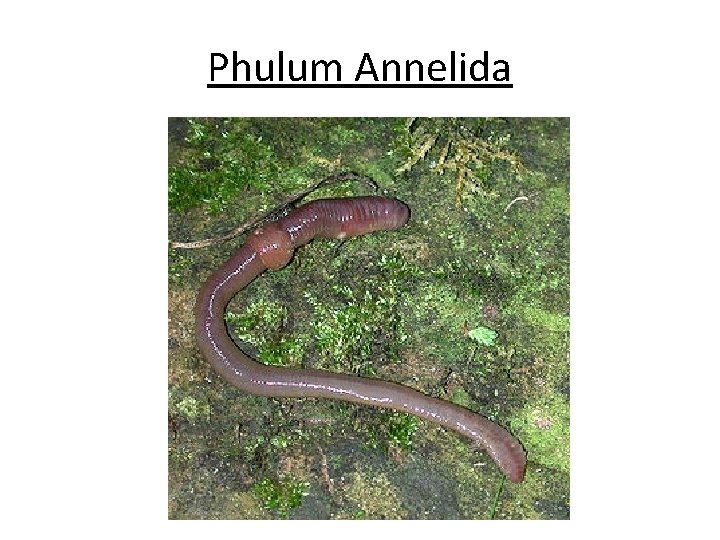
Phulum Annelida
General Characteristics • 1. Bilateral symmetry – Segmented; also referred to as somites • 2. Appendages in the form of small bristles known as setae or chaetae • 3. Body covered with cuticle to prevent drying out • 4. Digestive system with distinct regions
General Characteristics • 5. Have a true coelom • 6. Vascular system has 5 aortic arches (hearts) • 7. Each segment is partitioned by internal septa • 8. Respiration is dermal or by gills • 9. Excretion is accomplished with a pair of nephridia (kidneys)
General Characteristics • 10. Nervous system advanced. – Cerebral ganglia (brain), nerve cord, and lateral nerves • 11. Reproduction – Asexually and Sexually depending on species – Monecious one carry out cross-fertilization
Class Oligochaeta • Body with many segments • No distinct head or tail • 4 bundles of setae per somite used to move through soil. • Clitellum secretes the cocoon that contains fertilized eggs. • Monecuious reproduction. • Detritus feeder. • Respiration- Diffuses through skin.
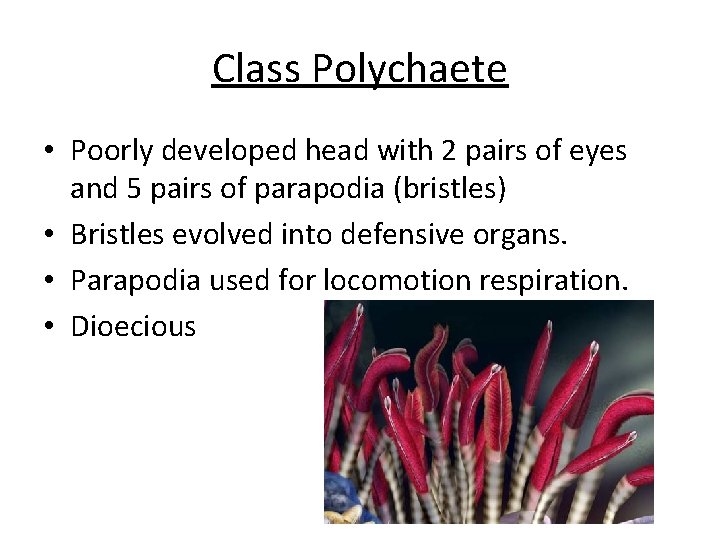
Class Polychaete • Poorly developed head with 2 pairs of eyes and 5 pairs of parapodia (bristles) • Bristles evolved into defensive organs. • Parapodia used for locomotion respiration. • Dioecious
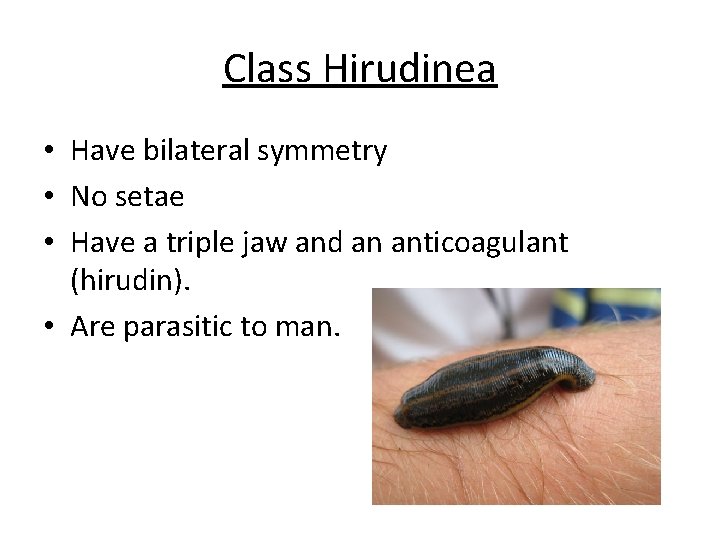
Class Hirudinea • Have bilateral symmetry • No setae • Have a triple jaw and an anticoagulant (hirudin). • Are parasitic to man.