Welcome to class of Negotiations Dr Satyendra Singh
- Slides: 16
Welcome to class of Negotiations Dr. Satyendra Singh Professor, Marketing and International Business University of Winnipeg Canada s. singh@uwinnipeg. ca http: //abem. uwinnipeg. ca www. abem. ca/conference
What is negotiation? • Bargaining process b/w 2 or more parties – Each party • Has different viewpoint • Has different objectives • Seeks mutually satisfactory agreement • Has a matter of concern
Kinds of Negotiations • Simultaneous – Holistic whole package – More information needed – Japanese style • Sequential – Problem solving – Short-term view – American style
Why Negotiate? • Improve current offer (issue) – Price – Delivery – Currency – Warranty –… • Bring clarity • Improve relations • Conflict resolution and build peace
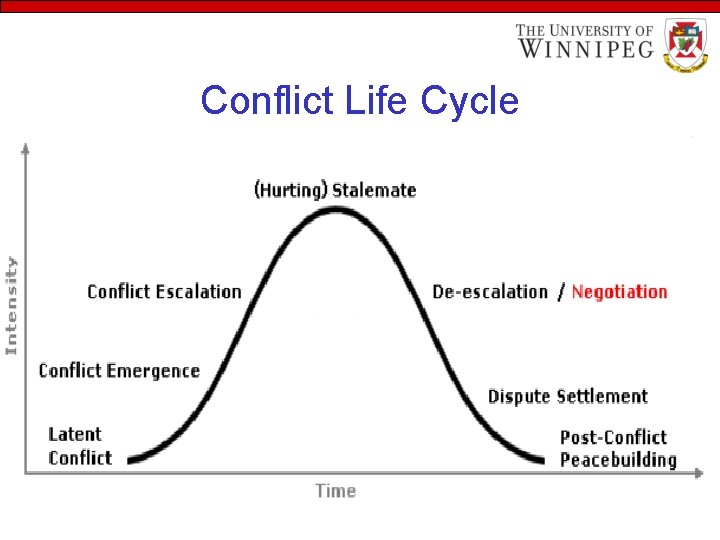
Conflict Life Cycle
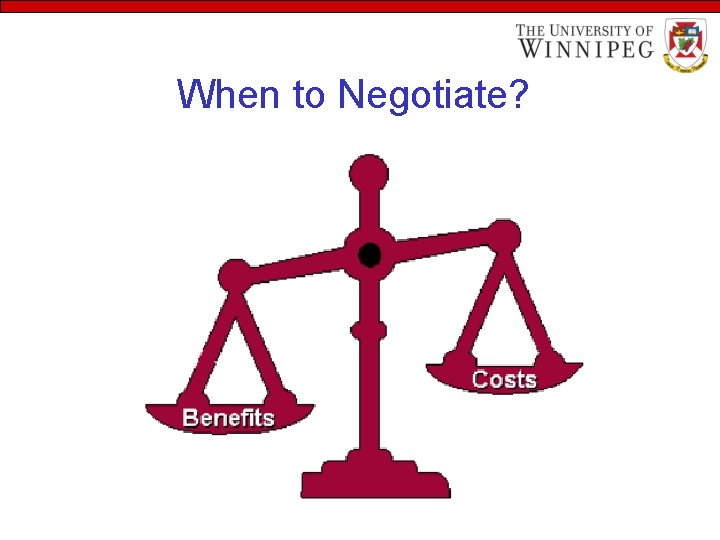
When to Negotiate?
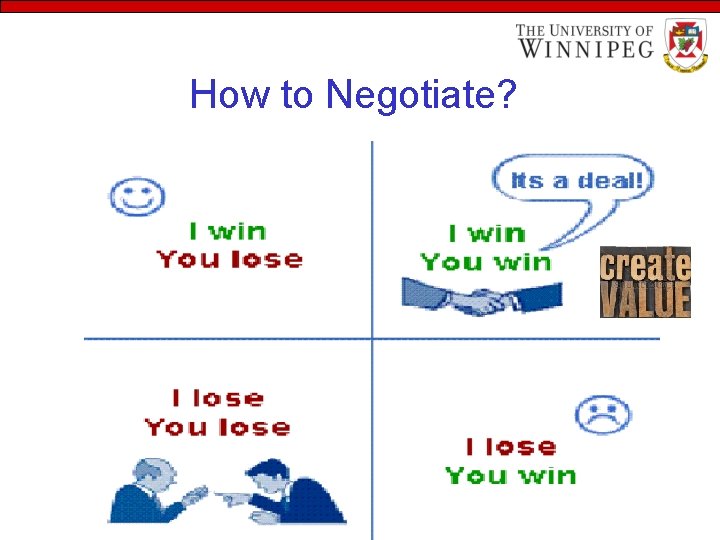
How to Negotiate?
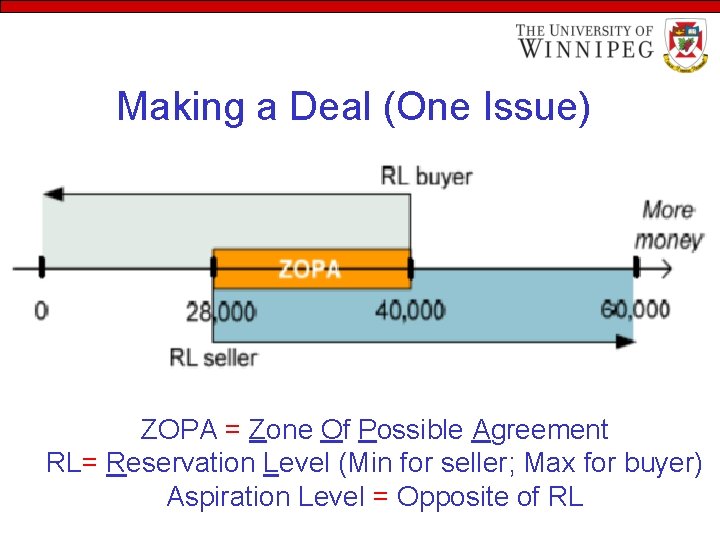
Making a Deal (One Issue) ZOPA = Zone Of Possible Agreement RL= Reservation Level (Min for seller; Max for buyer) Aspiration Level = Opposite of RL
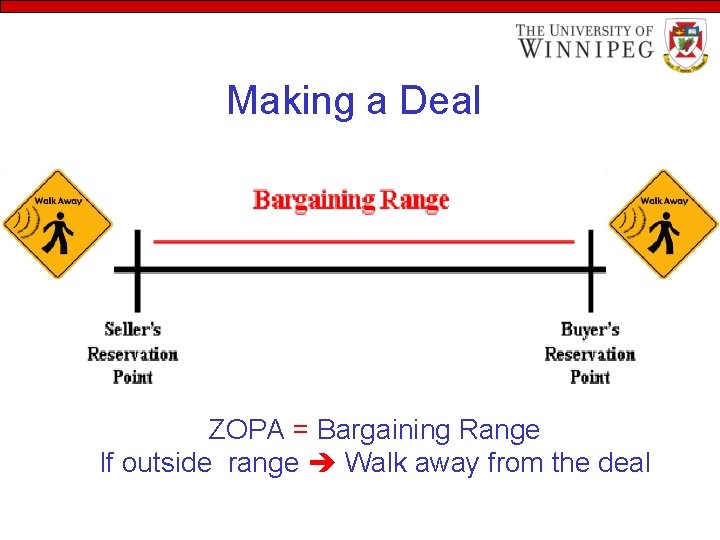
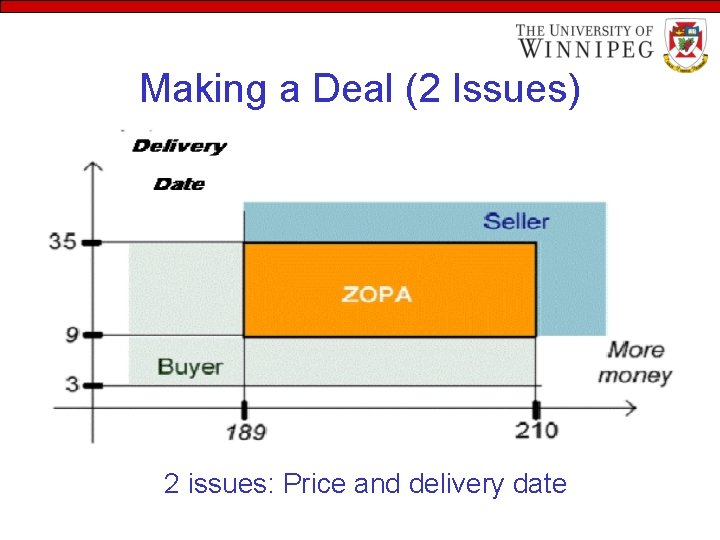
Making a Deal ZOPA = Bargaining Range If outside range Walk away from the deal
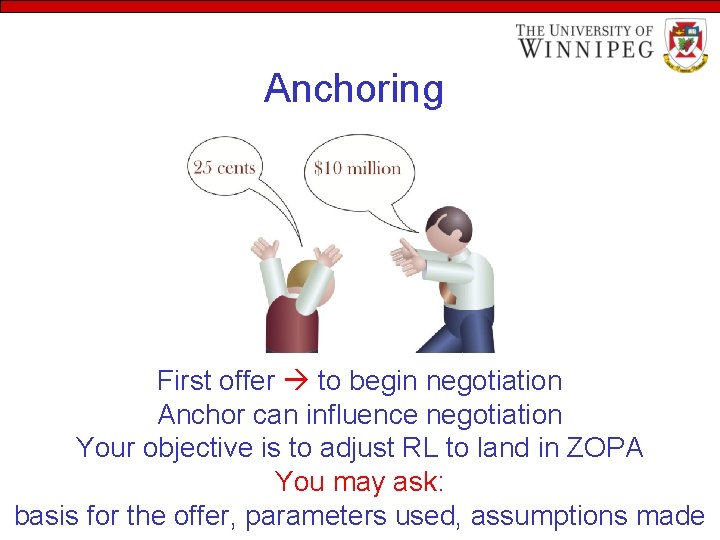
Anchoring First offer to begin negotiation Anchor can influence negotiation Your objective is to adjust RL to land in ZOPA You may ask: basis for the offer, parameters used, assumptions made
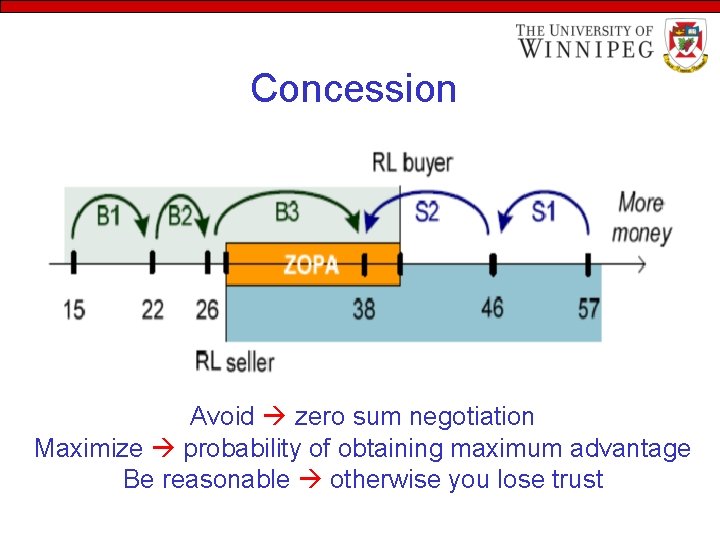
Concession Avoid zero sum negotiation Maximize probability of obtaining maximum advantage Be reasonable otherwise you lose trust
Making a Deal (2 Issues) 2 issues: Price and delivery date
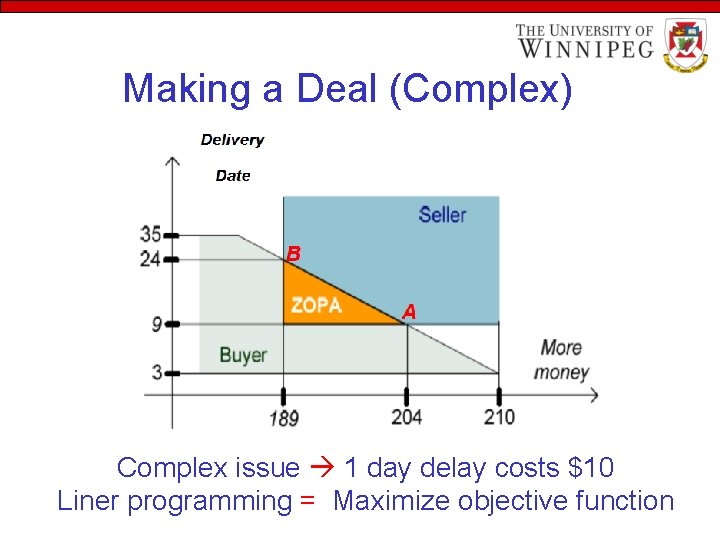
Making a Deal (Complex) Complex issue 1 day delay costs $10 Liner programming = Maximize objective function
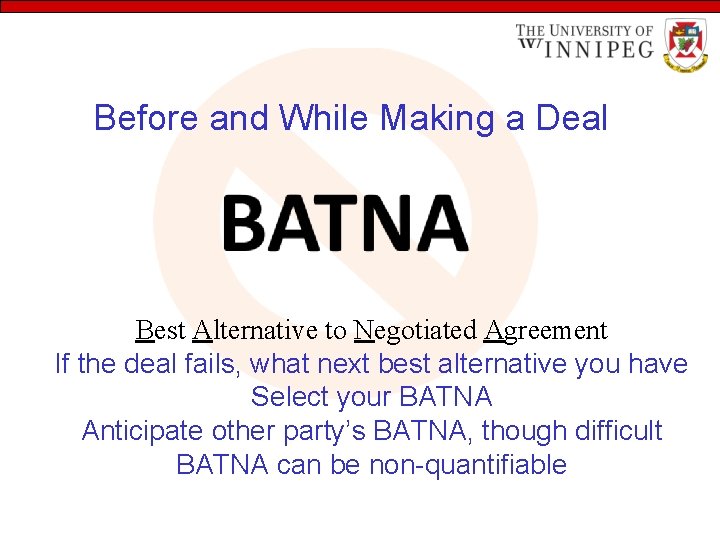
Before and While Making a Deal Best Alternative to Negotiated Agreement If the deal fails, what next best alternative you have Select your BATNA Anticipate other party’s BATNA, though difficult BATNA can be non-quantifiable
Other points • Your goal – Negotiate win-win situation – Create value – Reach an agreement • Be creative to create value for both parties – Generate BATNA for both parties • • • Suppose if it were perishable products Understand logic of the argument/ other party Figure out their psychology Observe negotiation style: aggressive/calm Break away for private conversation Do not agree to a bad deal
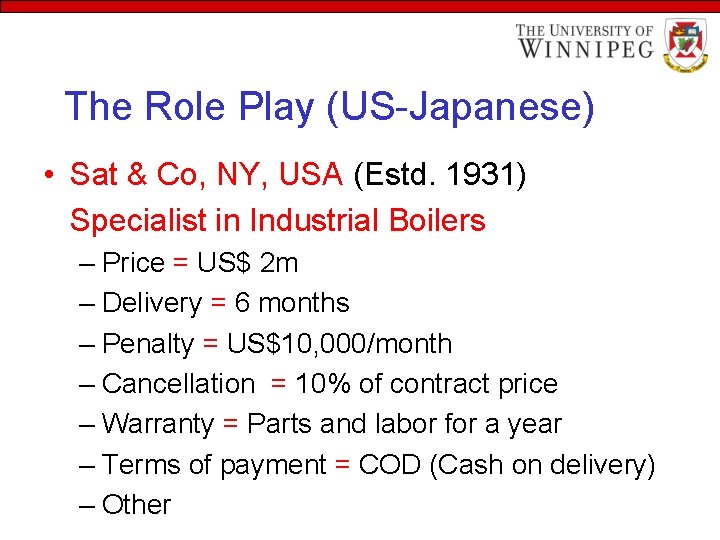
The Role Play (US-Japanese) • Sat & Co, NY, USA (Estd. 1931) Specialist in Industrial Boilers – Price = US$ 2 m – Delivery = 6 months – Penalty = US$10, 000/month – Cancellation = 10% of contract price – Warranty = Parts and labor for a year – Terms of payment = COD (Cash on delivery) – Other